







Introduction:Do you blindly trust brand rankings when choosing coffee beans? In fact, freshness is the key factor. This article reveals the historical background of the world’s ten classic coffee brands, focuses on how to assess the freshness of single-origin coffee beans through roast dates and packaging design, and recommends suitable bean varieties based on different flavor preferences — helping you find your ideal cup of coffee.
Many coffee enthusiasts, especially when making their first purchase, often fall into the “brand ranking illusion,” believing that brands at the top of the list must be superior. In reality, whether it's single-origin beans or espresso blends,fresh roastingis the decisive factor that influences flavor.
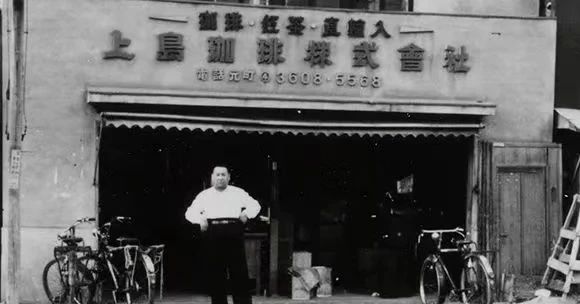
Based on market reputation and historical legacy, we’ve compiled a list of ten representative international coffee brands: Nescafé (Nestlé), founded in 1867, whose iconic bird’s nest logo originates from a charitable effort aimed at reducing infant mortality; Japan’s UCC, known since 1933 for its consistent quality; America’s Starbucks, the world’s largest coffee chain with stores worldwide; Denmark’s Royal Copenhagen, maintaining a premium image through royal endorsement; Germany’s KreisKaffee, which pioneered vacuum-sealed instant coffee technology in 1963; Britain’s Wedgwood, carrying on the British roasting tradition since the 17th century; Royal Flavor, presenting unique flavors through versatile brewing methods; Munich’s Dallmayr coffee house, once favored by the Bavarian royal family; and Taiwan’s Ueshima Coffee (UCC), renowned for its over sixty years of roasting craftsmanship.
It’s important to note that brand rankings are only for reference — individual taste preferences vary far more than any list ranking. Truly high-quality coffee beans must meet two core criteria:a clearly marked roast date (not an expiration date)and the use of professional-grade preservation packaging.
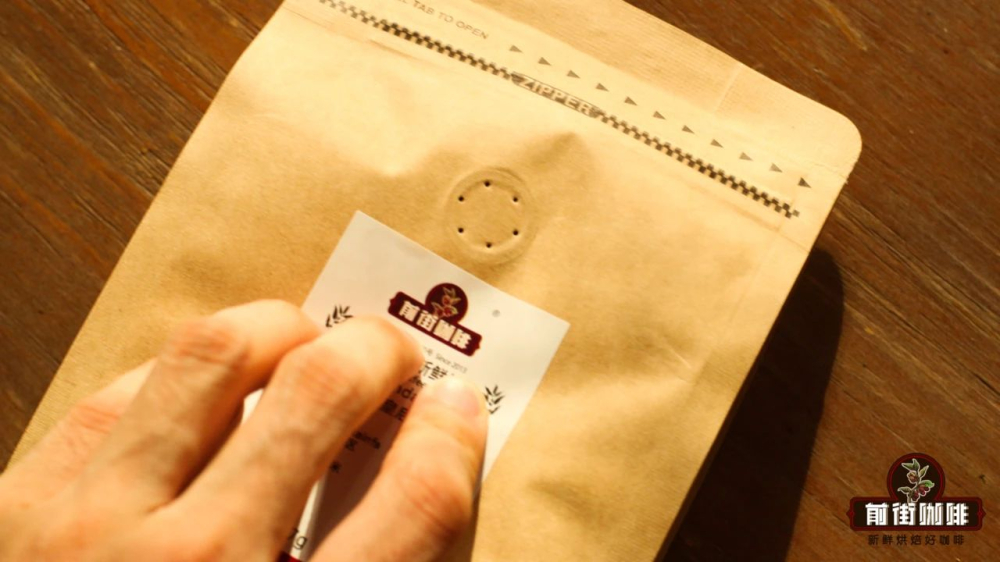
Practical tips for assessing coffee freshness include: prioritizing products with a one-way degassing valve on the packaging — this small button-like vent at the top of the bag releases carbon dioxide produced by the beans; you can gently press the valve and sniff the released air — a rich, pure coffee aroma indicates freshness, while rancid odors or weak scent suggest spoilage. Professional roasters typically print the roast date prominently on the package, and it’s recommended to choose beans roasted within the past two weeks to enjoy the optimal flavor window.
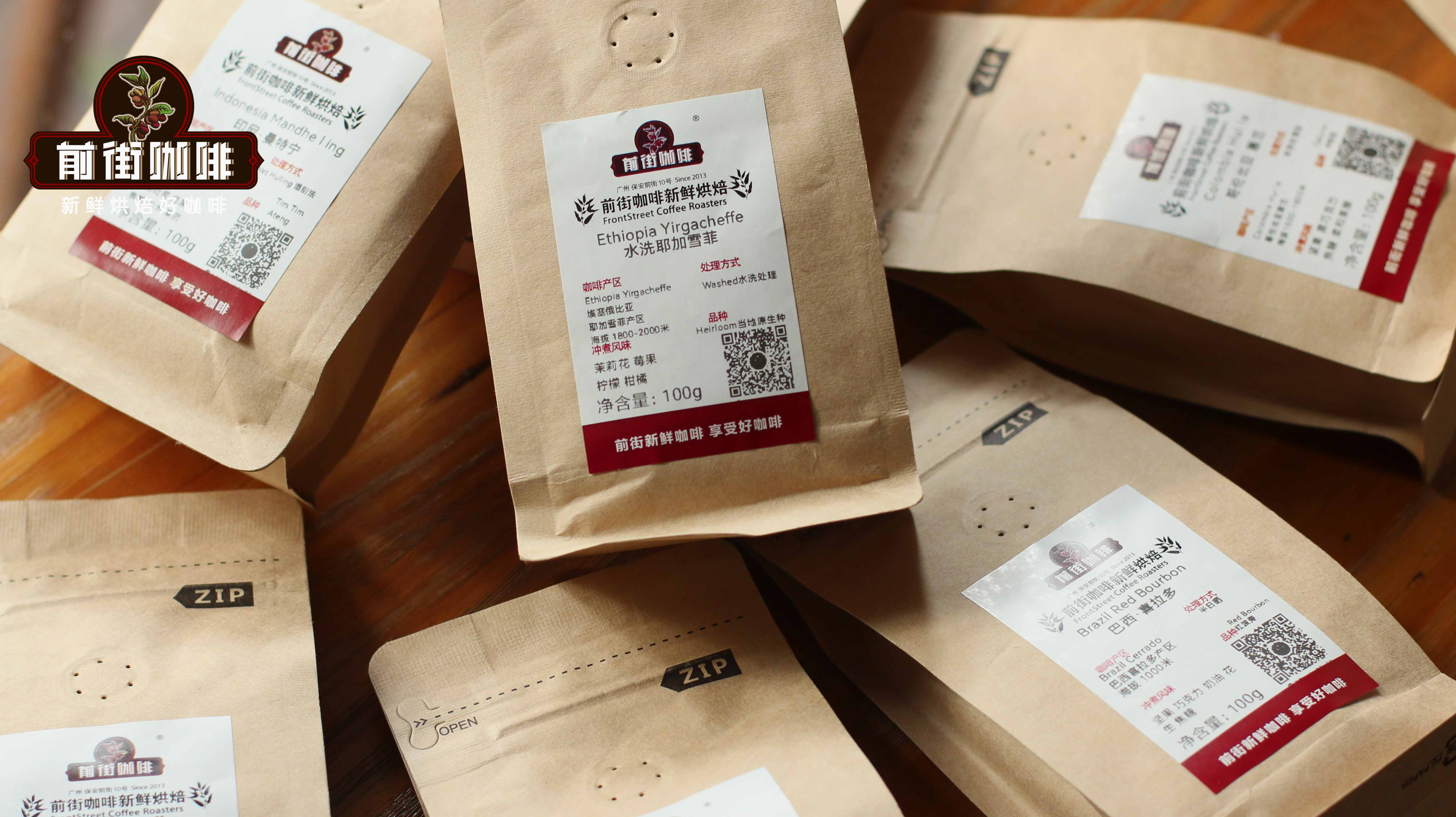
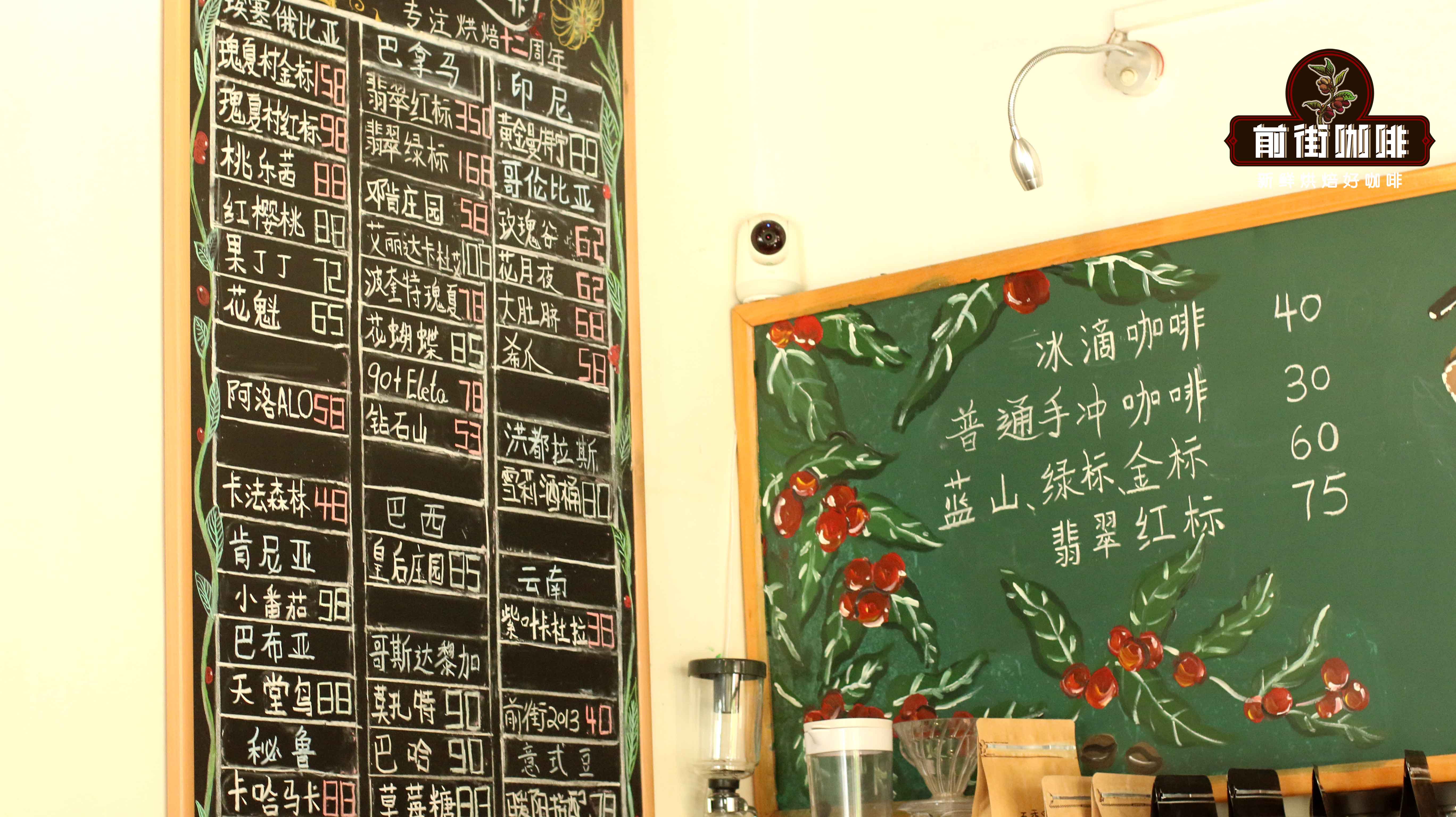
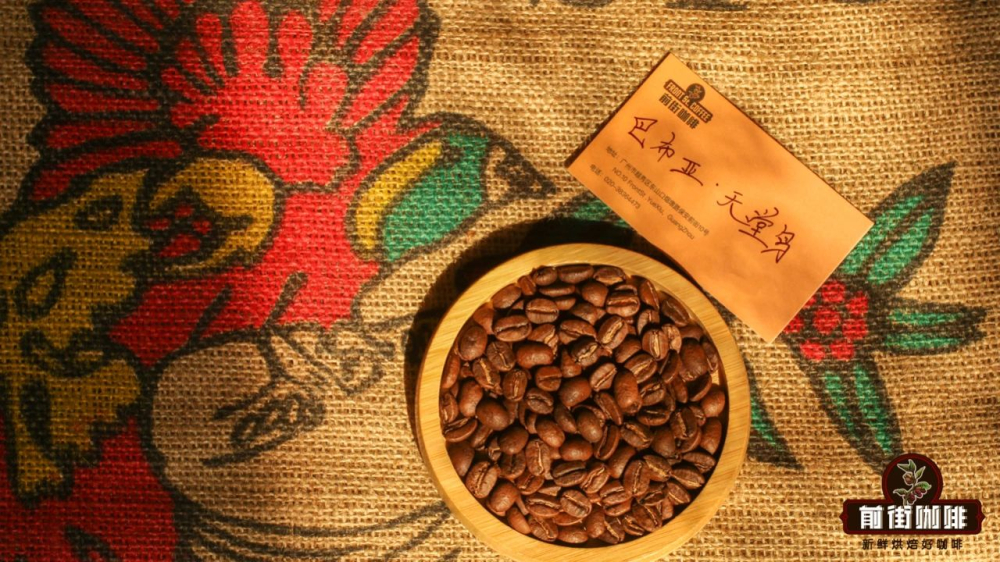
For consumers with different flavor preferences, here are some bean selection suggestions: those seeking floral and fruity notes may opt for Panamanian Geisha beans with citrus and jasmine aromas; if you enjoy bright acidity and berry-red tea profiles, Ethiopian Huika coffee is an ideal choice; for a juice-like, refreshing taste, Kenyan beans often offer lively acidity reminiscent of tomatoes; for a balanced acidity-to-bitterness ratio, Brazil’s Red Bourbon and Indonesia’s Paradise Bird coffee, both known for their mild character, are worth trying; if you’re a fan of dark roasts, Indonesia’s Golden Mandheling, which undergoes four rounds of manual sorting and boasts an extremely low defect rate, delivers a rich, sweet aftertaste and long-lasting aroma. When purchasing, look for packaging that specifies details such as origin, processing method, and roast level.
Additional reminder: freshly roasted coffee beans will continue to emit carbon dioxide after opening, and packaging equipped with a one-way degassing valve can effectively extend freshness by about two weeks. Store beans away from direct sunlight and moisture; unused beans can be transferred to an airtight container and kept in a cool place. Before grinding, make sure the beans show no oily sheen — this is usually a sign of over-aged beans.
By considering factors such as roast date, packaging integrity, flavor descriptions, and personal taste preferences, even beginners can gradually develop their own coffee bean selection criteria. Remember, a quality coffee experience starts with strict attention to freshness.
The above content is compiled by CoffeeHunters, a coffee news website.

