







Introduction:Want to brew a well-balanced, layered pour over coffee using the Hario V60? This article dives deep into the design principles, best-use scenarios, and material differences of the V60, along with essential extraction parameters (water temperature, coffee-to-water ratio) for beginners. It also provides a detailed guide to both single-pour (一刀流) and three-pour (三段式) techniques, comparing their flavor impacts through real-world examples — covering everything from basics to advanced brewing in one go.
When it comes to pour over drippers, the Hario V60 is almost universally recognized as an all-purpose choice. Whether you're a beginner or a seasoned coffee enthusiast, you can achieve anything from bright fruity acidity to a rich body by adjusting grind size, water temperature, and pouring technique. Its unique 60-degree conical shape extends contact time between water and coffee grounds, while the central single large hole allows flexible control over flow rate. The spiral ridges enhance airflow, significantly boosting extraction efficiency and flavor complexity.
The success of the V60 lies in three core design elements: first,the 60-degree conical structure, which channels water flow toward the center, prolonging extraction time; second,the single-hole design, enabling users to manually regulate flow rate and thereby adjust flavor intensity; and third,the spiral grooves running from bottom to top, ensuring thorough interaction between coffee grounds, water, and air to release more flavor compounds. With these features, simply adjusting grind coarseness, water temperature, and pouring method allows you to easily adapt to beans of varying roast levels.
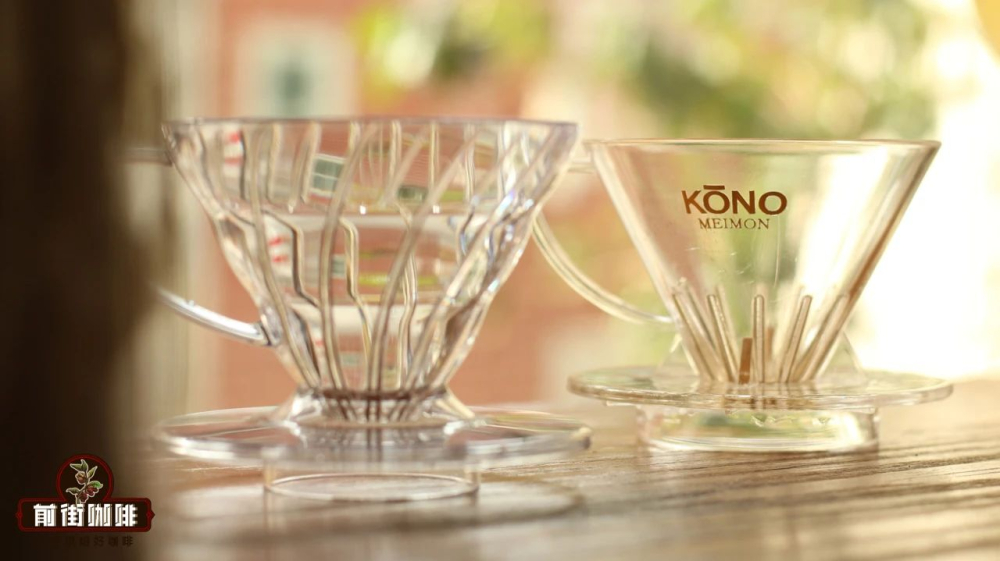
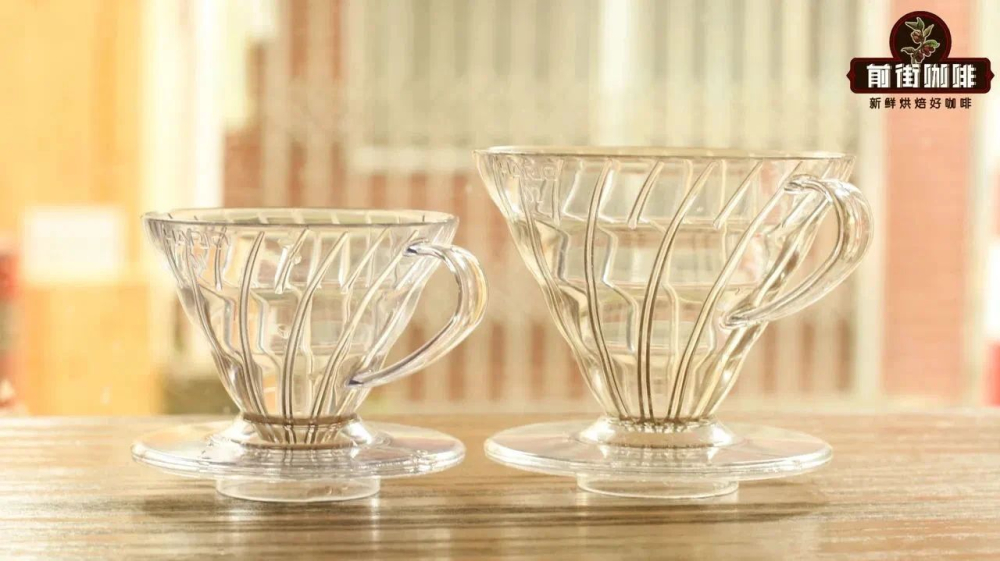
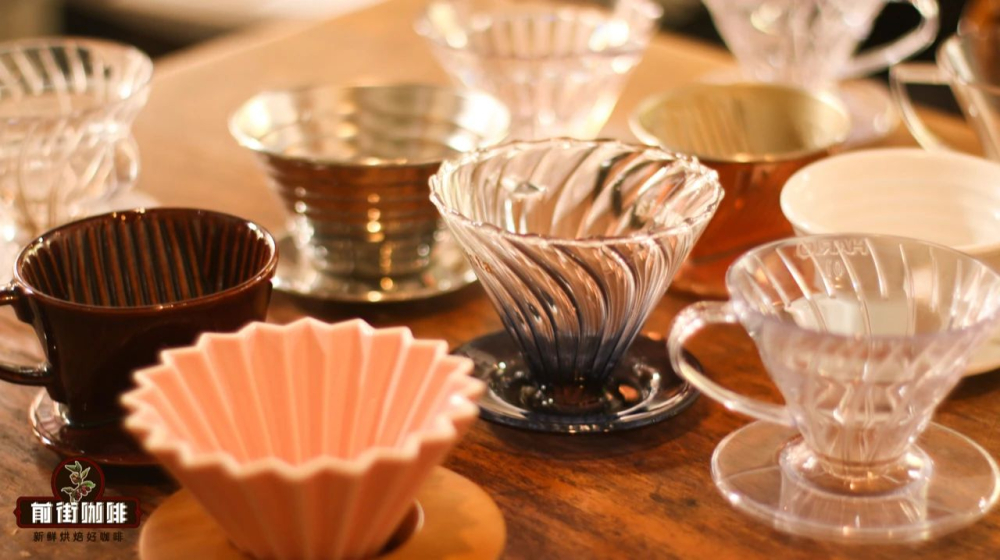
Commonly available V60 drippers on the market come in three materials: resin, ceramic, and glass. When choosing, you’ll need to weigh insulation performance against budget. Test data shows the insulation ranking asresin > ceramic > glass— resin maintains brewing temperature more steadily and reduces heat loss, while ceramic and glass, though aesthetically pleasing, cool down faster. In terms of price, it’s the reverse:ceramic is the most expensive, followed by glass, with resin being the most budget-friendly. Also note the differences in dripper models:Size 01 is ideal for 1–2 cups, while Size 02 can handle 1–4 cups. Be sure to match your filter paper to the same number for a proper fit.
Brewing a great cup of V60 pour over starts with careful coffee bean selection.Freshness is key: coffee beans more than 30 days post-roast often lose aroma due to excessive CO₂ release, resulting in dull flavors. It’s recommended to store the original packaging in a cool, dark place to “rest” the beans, allowing residual CO₂ to dissipate naturally and harmonize aromatic compounds. Practical experience suggests that medium-roasted beans rest best for 3–4 days, when their flavors are most balanced and full.
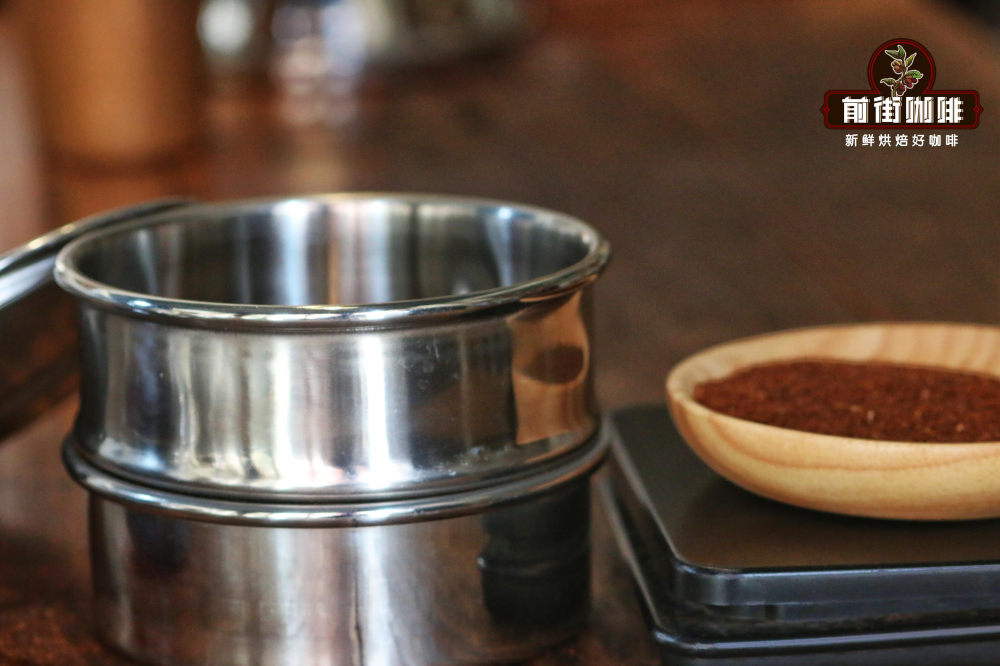
Grind size directly affects extraction efficiency and taste. It’s recommended to use a #20 sieve (0.85mm aperture) for testing: take 10 grams of ground coffee, sift it, and if80% passes through (about 8 grams), it suits medium-light roasts, highlighting bright acidity and clear layers;70%–75% (7–7.5 grams)matches medium-dark roasts, bringing out a heavier body. Too fine a grind may lead to over-extraction and woody notes, while too coarse results in weak flavor. Make sure to adjust until no more powder passes through the sieve, ensuring measurement accuracy.
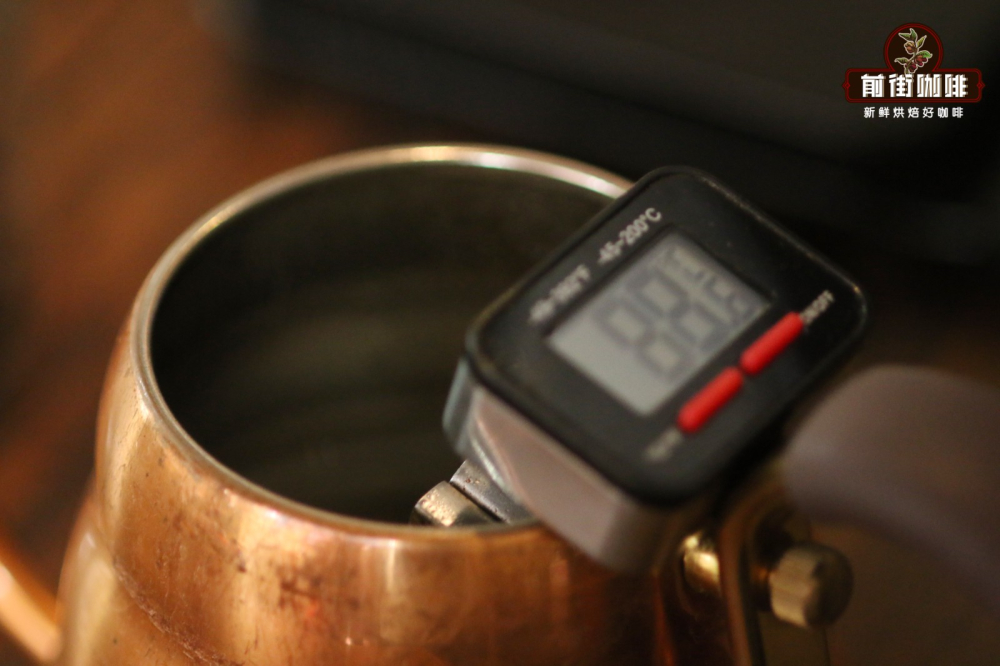
Water temperature control is a crucial factor in defining flavor. It’s advised thatmedium-light roasts use 91–93°Cto enhance fruitiness and aroma;medium-dark roasts should use 87–89°Cto avoid excessive bitterness. If the brew turns out too bitter or scorched, lower the temperature to bring out sweetness; if the flavor is too light, slightly increase the temperature to release more flavor compounds. An ideal extraction should showcase rich acidity (like plum or stone fruit notes), clear layers, and a long-lasting finish — as vivid as tasting fresh fruit or wine.
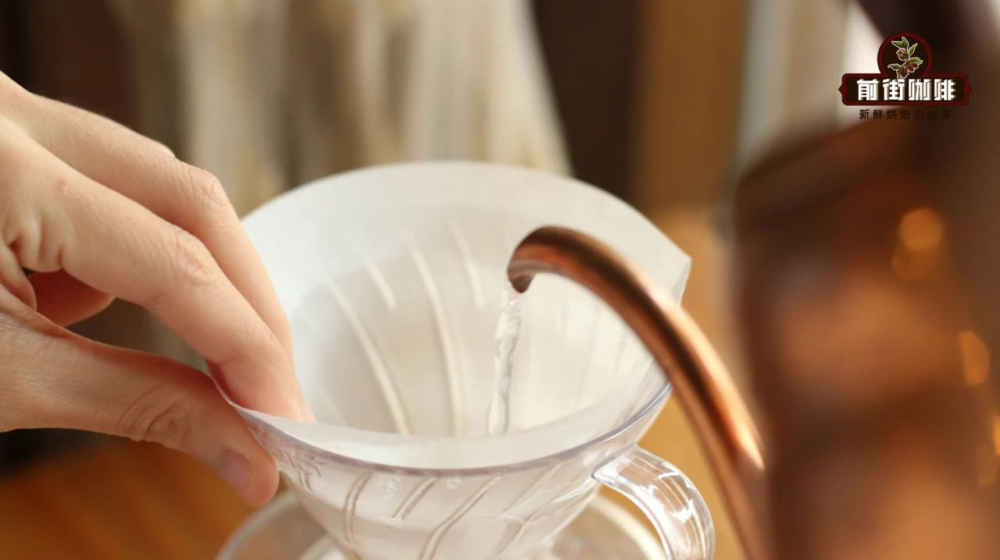
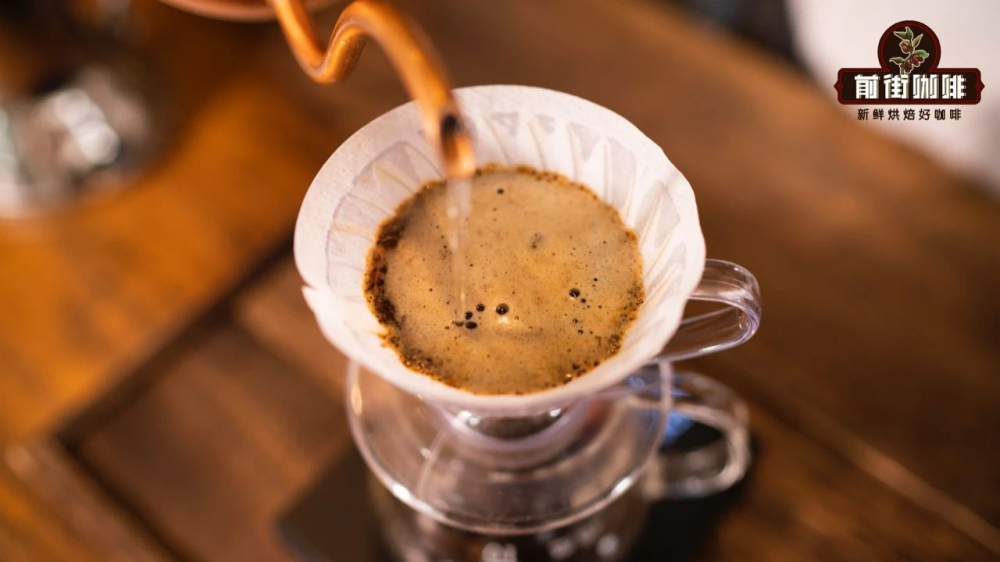
Single-pour and three-pour are two classic pouring techniques for the V60. The single-pour emphasizes continuous pouring to keep the coffee grounds soaked, gradually releasing flavor compounds through a steady flow. The focus is on controlling total water volume and flow rhythm, making it suitable for those who prefer balanced taste — though edge pouring may lead to under-extraction in some areas. The three-pour method, on the other hand, involves staged pouring: start with a 30-gram bloom for 30 seconds, then pour 95 grams (total around 125 grams) with small-to-medium flow, followed by 100 grams (totaling 225 grams) with medium-to-large flow. This segmented extraction clearly highlights flavor transitions across the front, middle, and back of the cup, offering richer layers and easier adjustment — especially well-suited for medium-light to medium roasts.
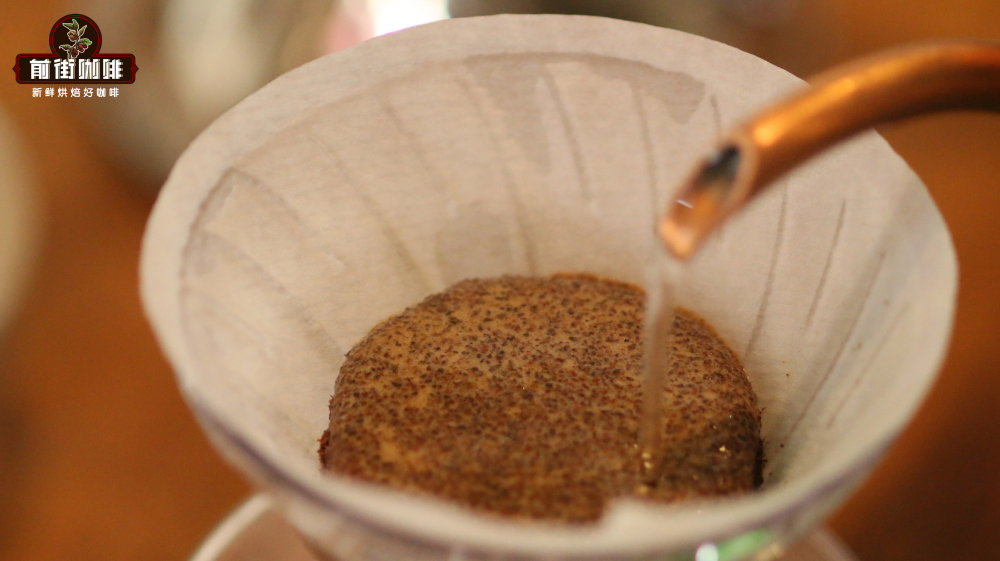
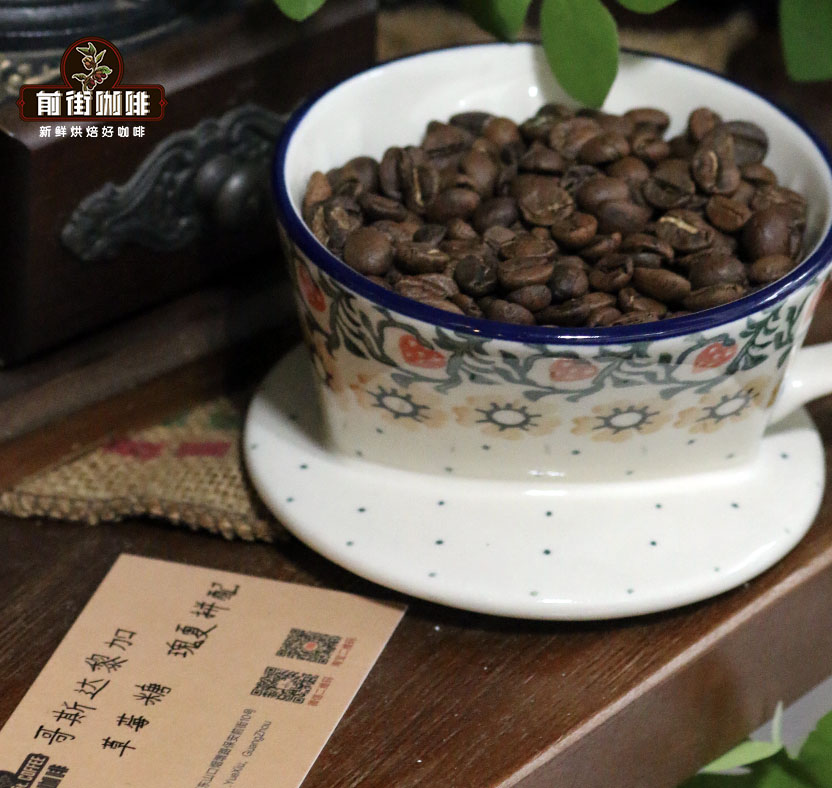
In a practical test using a Costa Rican berry blend (grown at 1700m, processed with raisin honey method, blended with varieties like Geisha), using a V60 dripper, medium-fine grind (20-mesh 80% pass rate), 1:15 coffee-to-water ratio, and 90–91°C water temperature: the single-pour method involved a 30-gram bloom followed by direct pouring to 225 grams, resulting in concentrated flavors showcasing intense raisin sweetness and strawberry jam notes, with an almond-nutty finish; the three-pour method used three stages (30g bloom → 95g → 100g), delivering a more three-dimensional profile — with rose-berry aromas up front, bright acidity in the middle, and almond notes at the end, achieving superior overall balance.
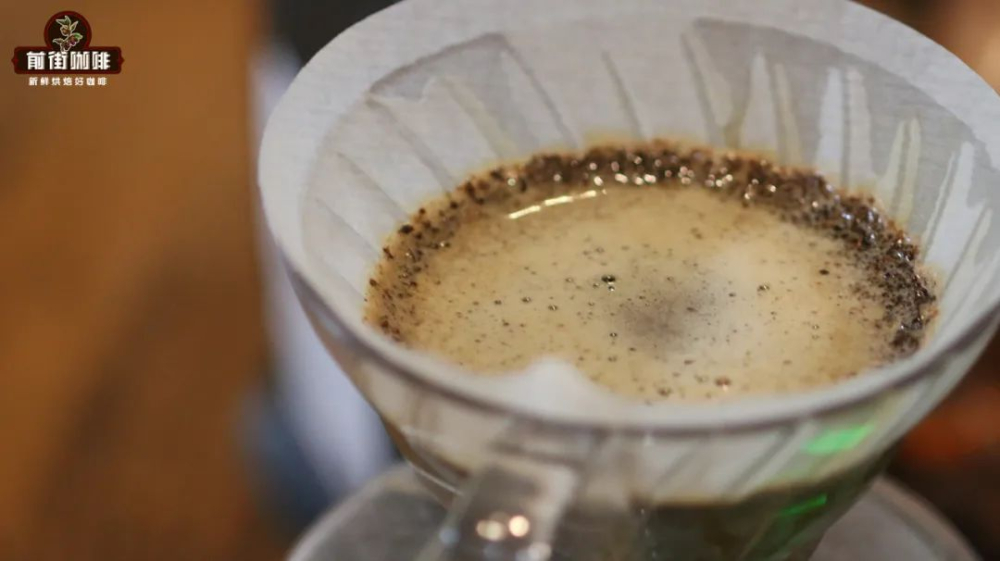
Overall, the single-pour suits those who enjoy bold, concentrated flavors and a substantial mouthfeel, with a clean and straightforward flavor line; the three-pour, via its segmented control, presents more nuanced layering, especially highlighting the balance of fruit acidity and sweetness in medium-light roasts. Regardless of which technique you choose, stable pour control and precise parameters are the keys to successful brewing.
The above content is compiled by CoffeeHunters, a coffee news website.


