








Introduction:Choosing the right coffee beans is the first step to enjoying a great pour over black coffee. Many beginners often encounter issues such as coffee being too sour, too bitter, or bland. The key lies in selecting "balanced" medium roast beans. This article will explain what balanced flavor means and feature 4 medium roast single-origin beans that are perfect for beginners practicing pour over—offering harmonious flavors and great value. We also provide practical flavor descriptions and roast level references to help you find your ideal bean.
In the professional cupping field, "balance" (Balance) is one of the key indicators for evaluating the quality of a coffee, but its meaning goes far beyond just an even distribution of acidity, sweetness, and bitterness. Truly good balance means that acidity, sweetness, body, and aftertaste are all clearly present in the coffee, with no single characteristic overly dominating or masking other flavor expressions—only then can it be considered harmonious and enjoyable.

From the perspective of roast levels, light roast coffee, due to shorter heating time, usually retains more fruity acidity but lacks body; whereas dark roast coffee, subjected to prolonged high heat, brings intense bitterness and caramel notes, yet often loses delicate layers. Therefore, if you’re looking for a coffee that is “not too sour, not too bitter,” suitable for pour over and easy to drink, it’s recommended to prioritize medium roast (Medium Roast) beans. These beans typically achieve a good balance between acidity, sweetness, and bitterness.
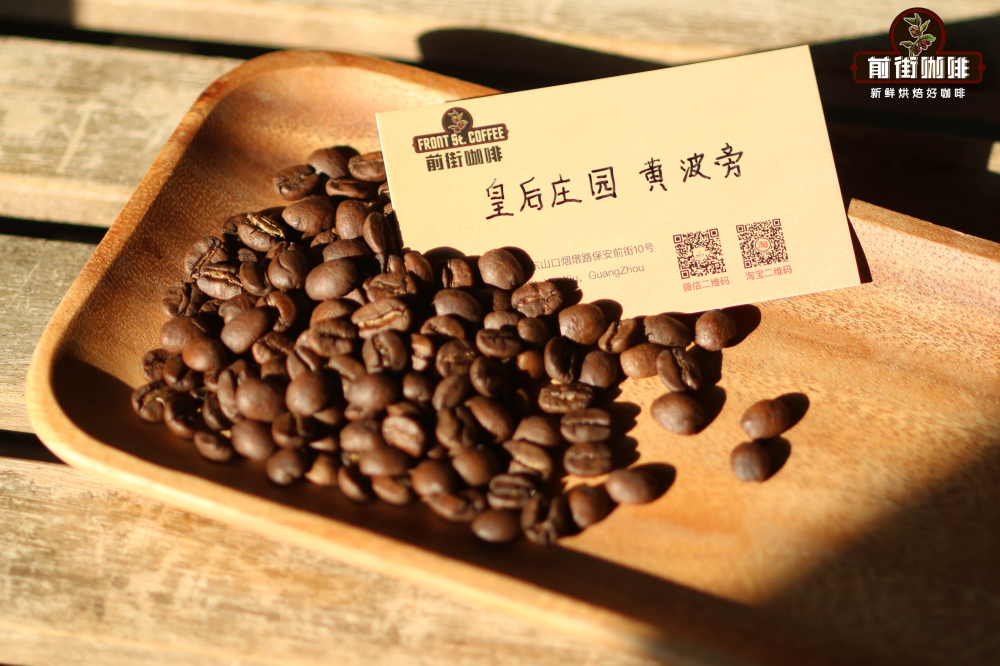
First up is the Yellow Bourbon variety from Fazenda Rainha in Brazil. This medium roast bean is known for its delicate sweetness and smooth nutty profile. Brazilian coffee often showcases a base of chocolate, nuts, and cereal notes, and this Yellow Bourbon adds a touch of soft caramel sweetness. For beginners just starting out with pour over, medium roast Brazilian beans are not only easy to manage in terms of extraction, but also less likely to develop off-flavors due to over-extraction or under-extraction. Recommended brewing parameters include a medium-fine grind (similar to white sugar granules), water temperature around 90–92°C, and a brew ratio of 1:15 to 1:16, which can bring out a brighter cane sugar sweetness and a creamy finish.
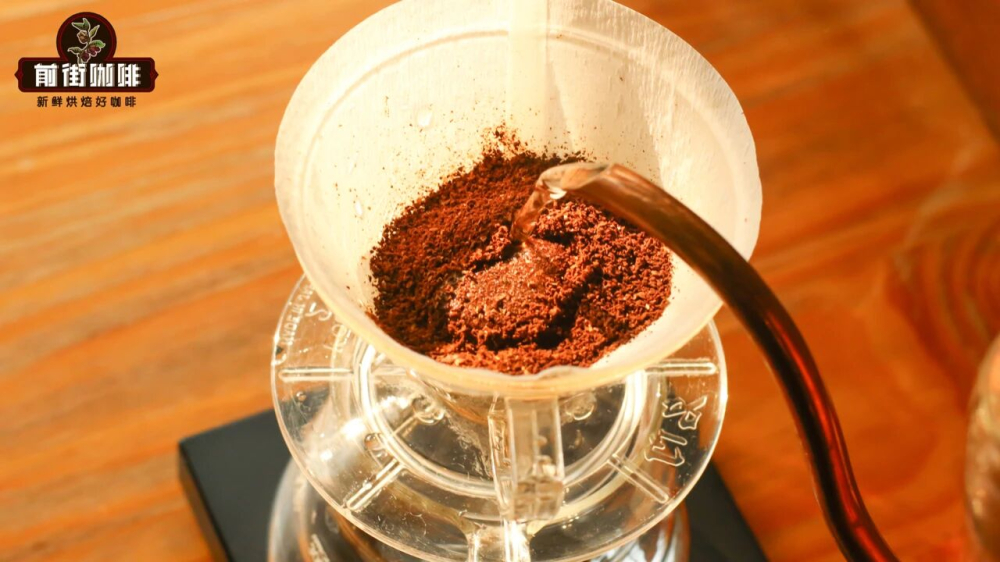
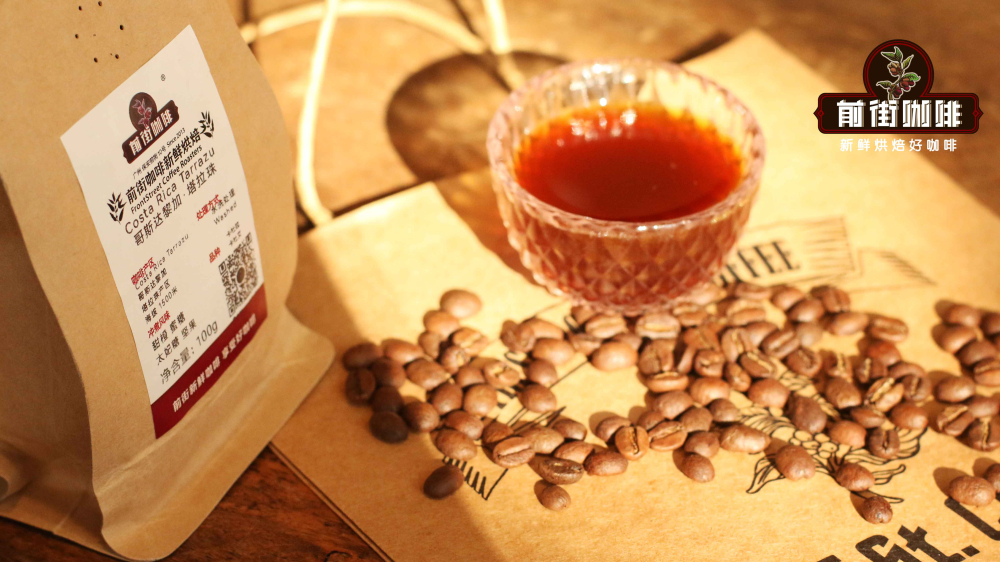
The second noteworthy option is coffee from the Tarrazú region of Costa Rica. Known as a "staple bean," this choice is surprisingly affordable (around 25 RMB per 100g), yet its flavor performance is nothing short of impressive. The medium roast highlights a balanced combination of chocolate, caramel, and subtle fruit acidity, with a clear and clean flavor profile and a smooth, non-irritating mouthfeel. For daily drinking or beginners trying pour over, this bean offers excellent value and is easy to brew consistently using basic V60 or pour over brewers. It's recommended to use a medium-fine grind, keep water temperature around 90°C, and apply moderate brewing pressure to fully release layers of brown sugar and citrus tones.
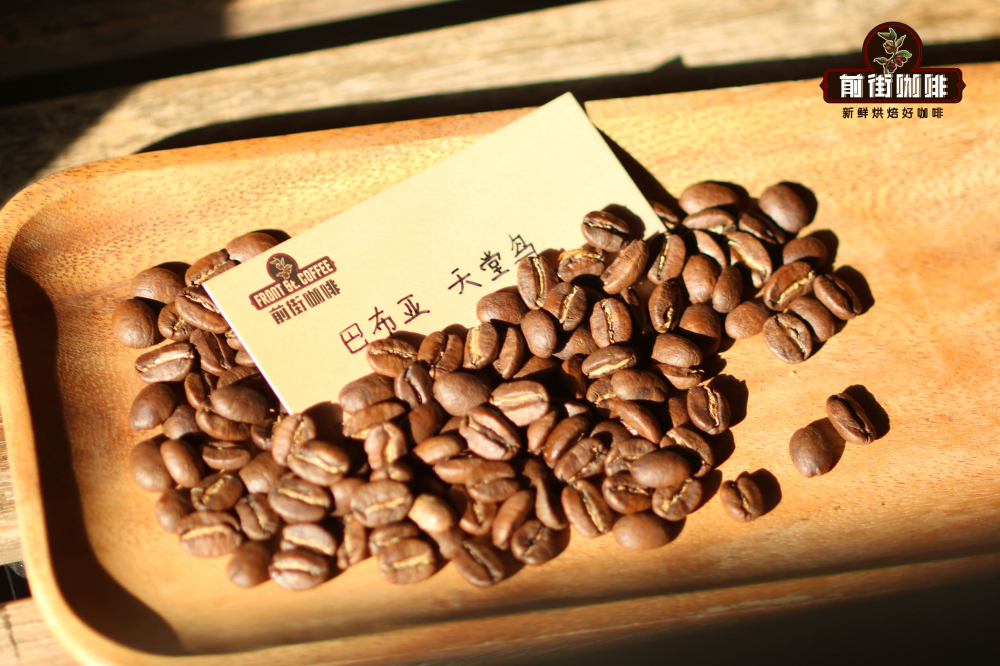
The third recommendation is the “Bird of Paradise” coffee bean from Papua New Guinea. Historically, coffee from this region has been dubbed the “Little Blue Mountain” due to its high-quality beans and processing techniques. This medium roast bean, when brewed using pour over, presents a steady base of cocoa and nuts, with a subtle mulberry-like acidity in the aftertaste, delivering a rich and layered profile overall. Compared to the well-known Blue Mountain flavor, Bird of Paradise also excels in balance, making it ideal for coffee lovers who enjoy richness without excessive bitterness. For brewing, it’s suggested to use a standard medium roast grind, with water at 91–93°C, and a slightly longer blooming time helps enhance the flavors.

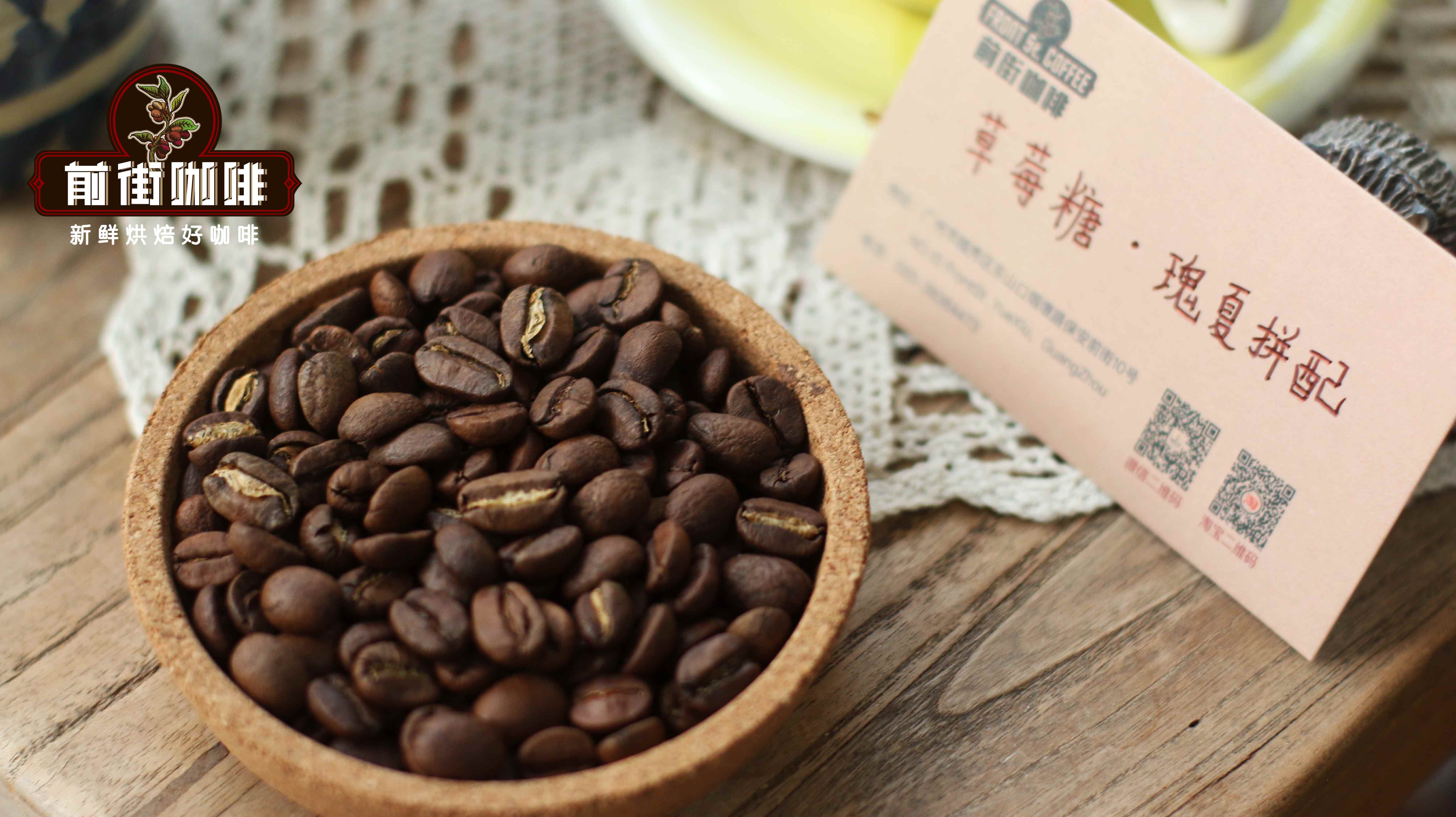
Lastly, we introduce a featured blend called Strawberry Candy, made by combining honey-processed beans from Costa Rica and Geisha from Panama. The standout feature of this bean is its rich fruity profile and complex aromas, including notes of rose, strawberry, grape, and fruit candy, with the aftertaste transitioning into a smooth almond finish. It’s highly suitable for those who enjoy a blend of fruitiness and sweetness. Although it’s a blend, it still maintains good balance overall, and its flavors become even more pronounced when served cold or as cold brew. For pour over, it’s recommended to use a slightly coarser grind and a lower water temperature (around 88–90°C) to better control the balance between fruit acidity and sweetness.
The above content is compiled by CoffeeHunters, a coffee news website.

