








Introduction:As an important coffee-growing region in China, Yunnan’s small-bean coffee has gradually attracted attention from the international market and pour over enthusiasts in recent years. This article provides an in-depth analysis of Yunnan coffee’s main varieties, the advantages of its golden growing belt, mainstream processing techniques, and recommends several high-quality single-origin beans suitable for pour over, cold brew, and ice drip. It also offers practical flavor descriptions and pour over brewing suggestions to help you find the Yunnan coffee beans that best suit your taste.
Yunnan coffee has become a popular topic among industry professionals and consumers in recent years, especially due to its unique flavor profile and increasingly stable quality. If you’re not yet familiar with the Yunnan region, you might want to start with the most representative Yunnan small-bean coffee. This bean exudes a rich nutty aroma, and when sipped, you can clearly taste distinct herbal, chocolate, and caramel notes, with a bright fruity acidity in the finish. The overall flavor is well-balanced, making it an excellent entry point for getting to know the flavors of Yunnan coffee.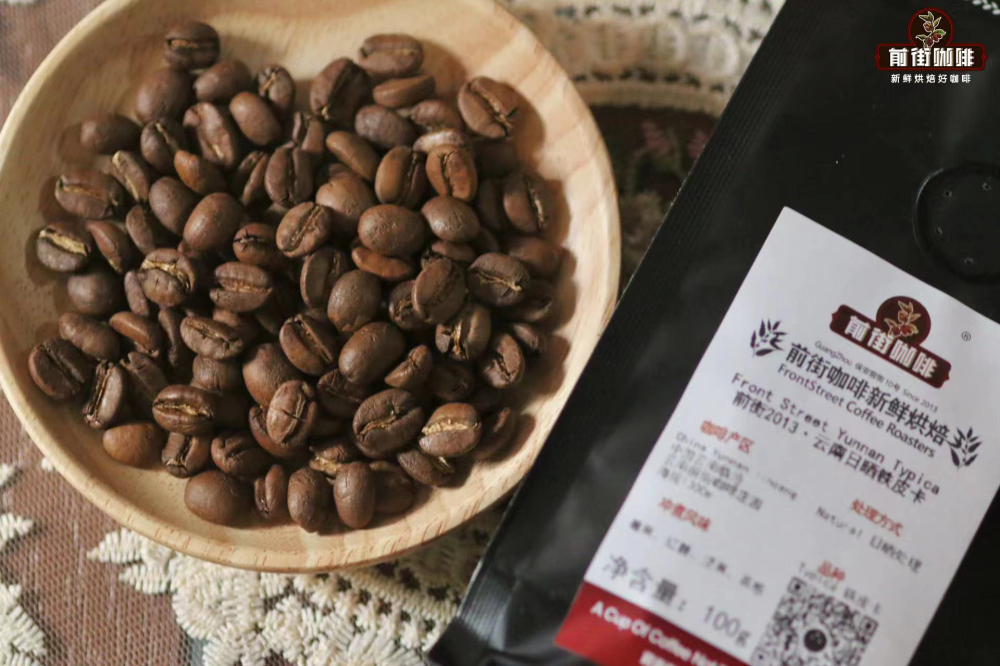
The so-called "small-bean coffee" is actually in contrast to the medium-bean Robusta variety grown in places like Hainan. In reality, what is mainly grown in Yunnan is still Arabica coffee, with Catimor being the most common variety. Although the name includes "small-bean," this is more of a market distinction and historical convention rather than a strict varietal definition.
 Yunnan’s ability to grow high-quality coffee is inseparable from its unique geographical environment. Coffee trees thrive in warm, sunny conditions, with an ideal growing temperature between 16 and 21 degrees Celsius. Yunnan is located near the 25th parallel north, known as the “world’s coffee golden growing belt.” This region, with its suitable climate and significant altitude variations, has become an important producer of premium coffee worldwide. Most of Yunnan’s coffee-growing areas are located on slopes at altitudes of 1,000 to 2,000 meters, where the soil is fertile, the diurnal temperature variation is significant, and there is ample rainfall along with good drainage — all providing ideal growing conditions for coffee.
Coffee cultivation in Yunnan is mainly concentrated in the southwestern part of the province, including four major producing areas: Baoshan, Dehong, Pu’er, and Lincang. Many well-known roasters’ Yunnan single-origin offerings source their beans from places like Baoshan and Lincang. The microclimates and soil differences in these regions also contribute to their unique flavor profiles.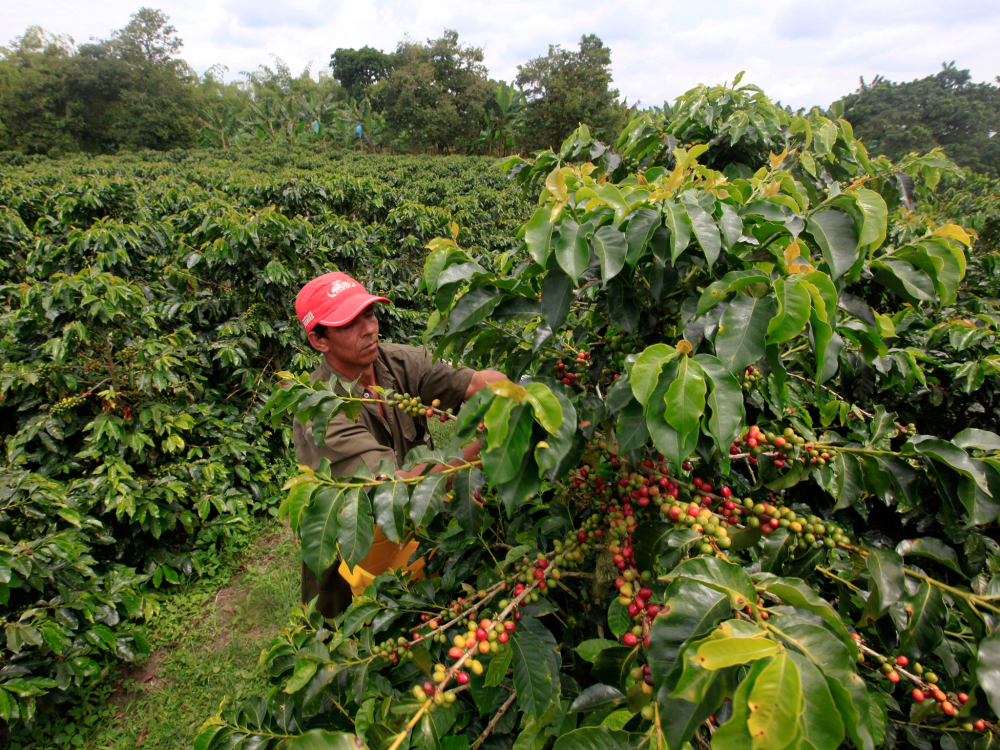
Take Baoshan as an example. Coffee cultivation in this area dates back to the mid-1950s, when patriotic overseas Chinese Mr. Liang Jinshan introduced the seedlings. The Luxi Dam area, located in a dry-hot river valley, experiences no frost year-round and has significant day-night temperature variations, which help coffee cherries accumulate sugars and flavor compounds. Coupled with moderate rainfall, the small-bean coffee produced in Baoshan often has a distinct aftertaste and layered complexity, and it is home to many specialty coffee farms.
When it comes to coffee processing methods, many Yunnan beans on the market today employ special techniques such as honey processing or anaerobic fermentation to enhance aroma or cater to market preferences. However, in reality, most Yunnan coffee still primarily uses traditional washed and natural (sun-dried) methods. This is not only due to equipment and technical barriers but also closely related to the actual processing conditions of local farmers. The washed method highlights the cleanliness and bright acidity of the coffee, while the natural method helps enhance sweetness and fruitiness.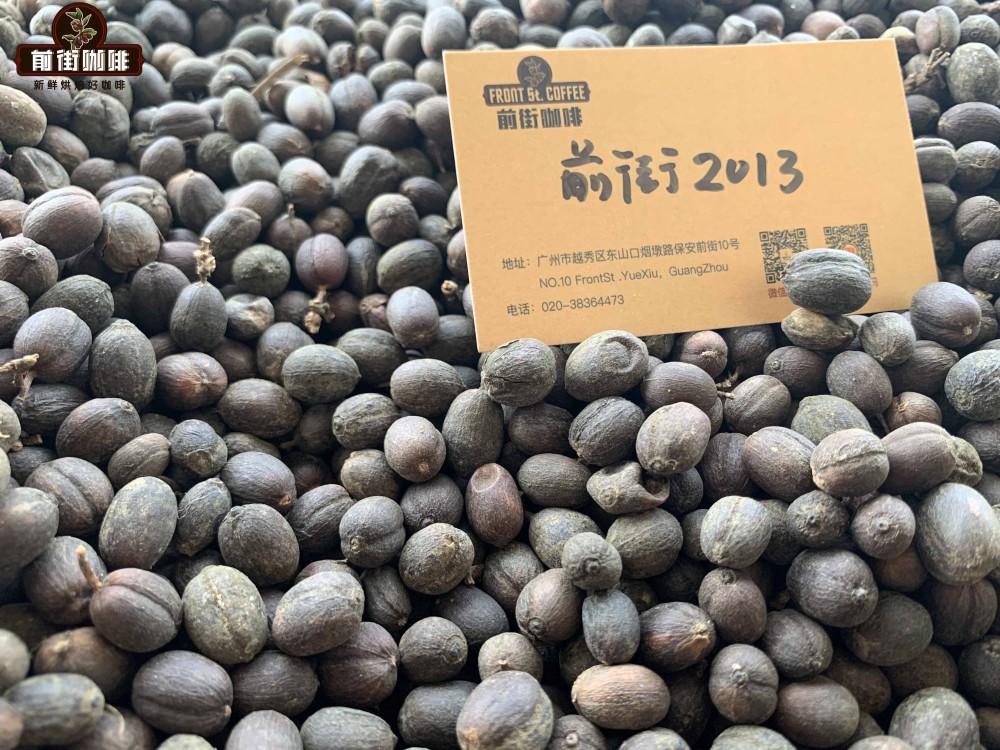
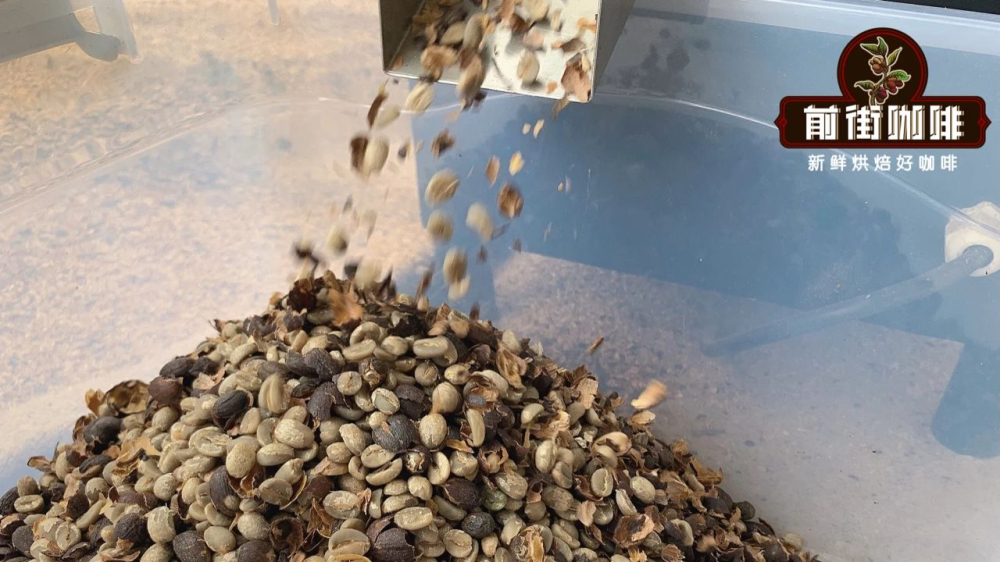
The washed processing procedure typically includes: removing floaters and impurities, stripping the outer skin and pulp, fermenting to remove the mucilage layer, rinsing with clean water, drying in the sun or by machine, and finally removing the parchment to obtain green beans. This series of processes effectively reduces the interference of impurities and undesirable flavors, making the inherent characteristics of the coffee clearer. Many professional roasters recommend using traditionally washed or naturally processed Yunnan small-bean beans to appreciate their true regional flavors, rather than overly processed flavor-enhanced effects.
Some brands have launched sun-dried beans made from the Typica variety grown in their own Lincang estate, named “2013.” This coffee bean, having undergone full natural sun exposure, features a more pronounced sweetness and is suitable for drinkers who enjoy fruity aromas and a rich finish. The estate has been cultivating coffee since 2013, situated in Lincang, a region with a distinct climate and clear dry and rainy seasons. Although the Typica variety has low yield and is relatively delicate, it can exhibit a very elegant and pure flavor profile.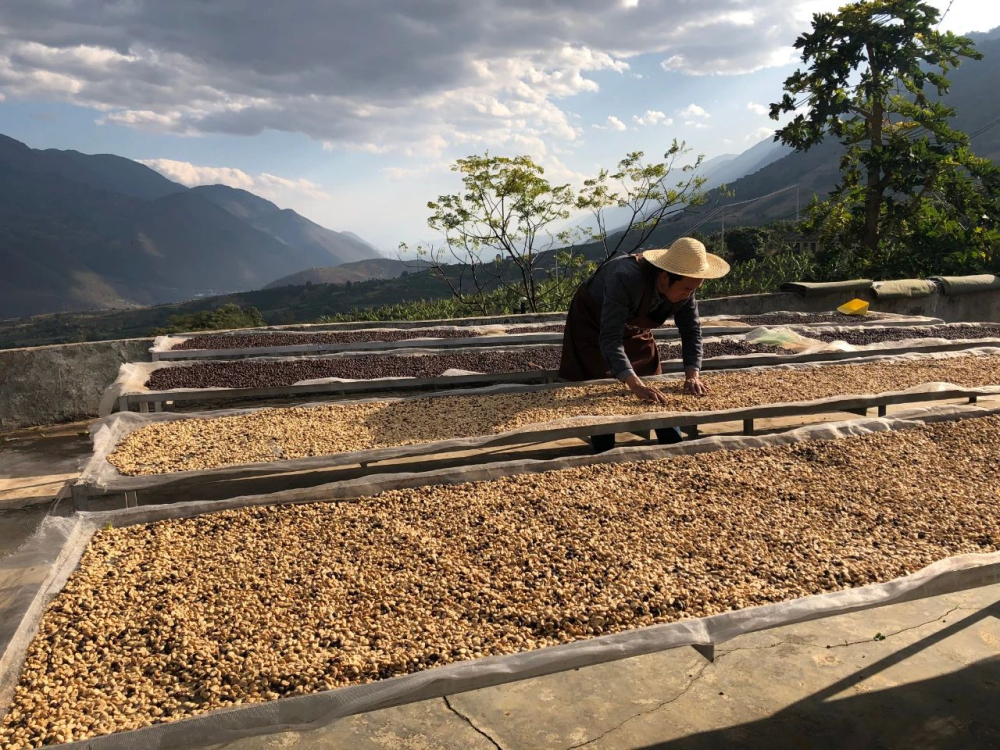
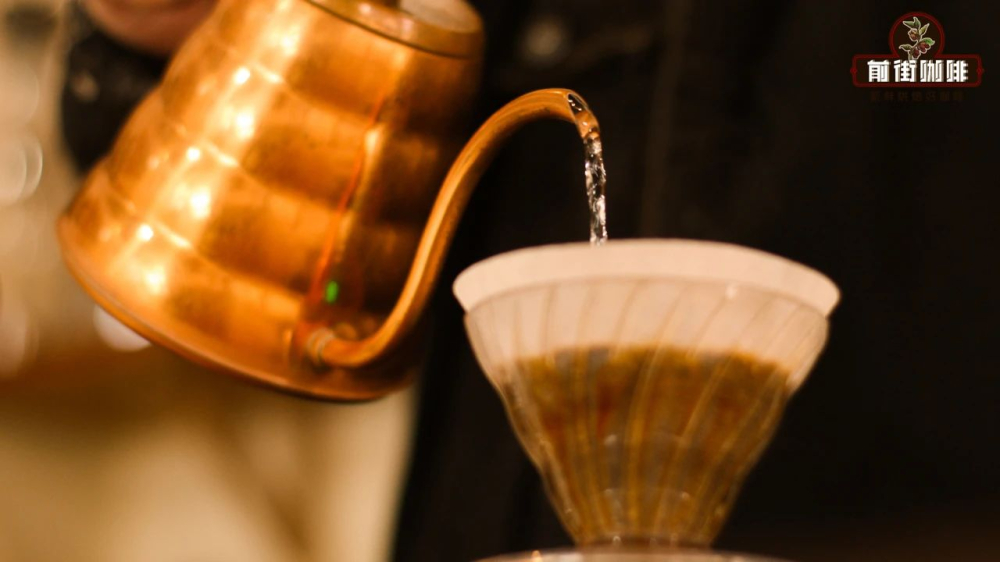
For actual pour over experience, it is recommended to use a Hario V60 filter cone, with 15 grams of coffee grounds, a water temperature of 90°C, and a medium-fine grind size with about 75% passing through a #20 sieve. Set the coffee-to-water ratio at 1:15 and use the classic three-pour method: first, pour double the amount of water (about 30 grams) for a 30-second bloom, then pour in a small circular motion until reaching 125 grams and pause briefly, wait for the bed to drop, then continue pouring up to 225 grams to complete the extraction, with a total time of about 2 minutes. These parameters can fully showcase the layers and sweetness of Yunnan coffee.
Taking “2013” as an example, its dry aroma carries subtle notes of caramel and nuts. After brewing, the dominant profile is a rounded chocolate flavor, complemented by a brown sugar-like sweetness and mild fruity acidity, with a soft black tea note in the finish. The overall performance is well-layered and harmonious, making it highly suitable as a daily pour over or cold brew single-origin choice.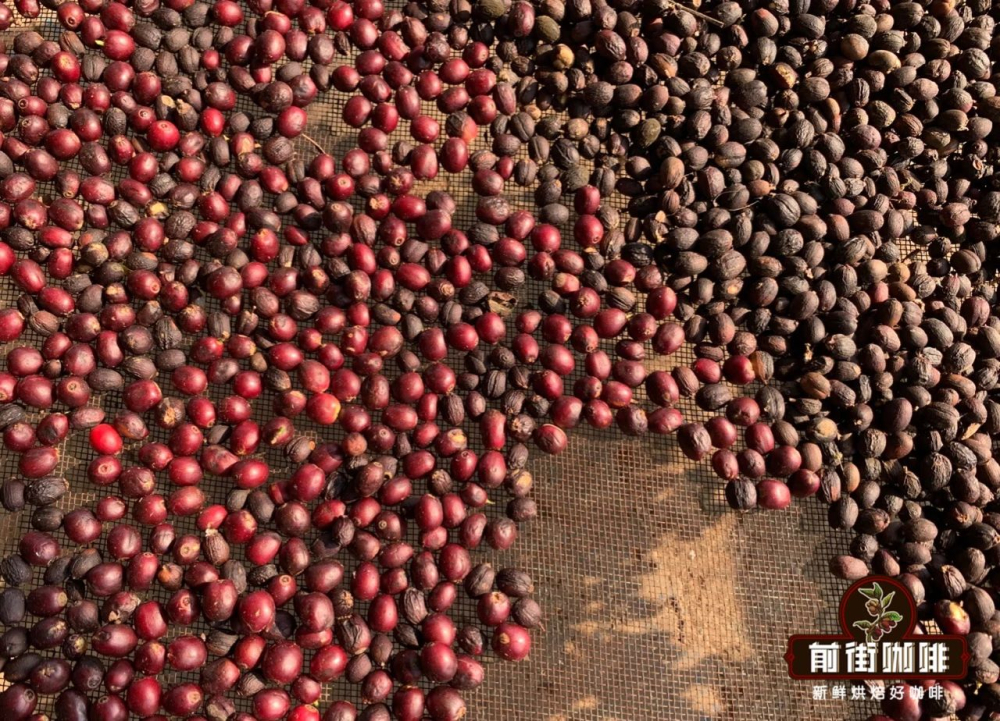

The above content is compiled by CoffeeHunters, a coffee news website.

