







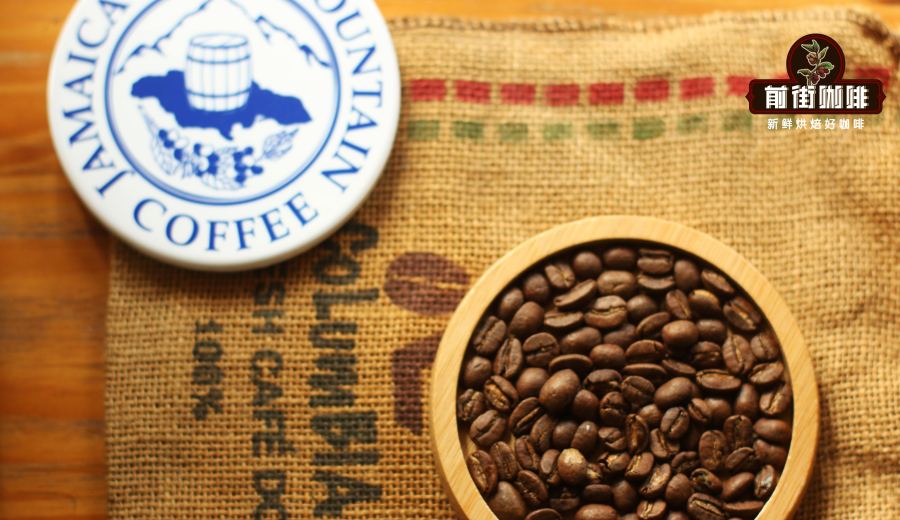
Introduction:Jamaican Blue Mountain coffee is hailed as the "King of Coffee," yet the market is flooded with various "Blue Mountain-style" or misleading products, making it difficult for consumers to discern authenticity. This article delves into the origin, quality certification, grading system, and unique flavor profile of genuine Blue Mountain No. 1 coffee, while also providing practical identification tips and optimal brewing recommendations to help you truly appreciate the exceptional charm of Blue Mountain coffee.
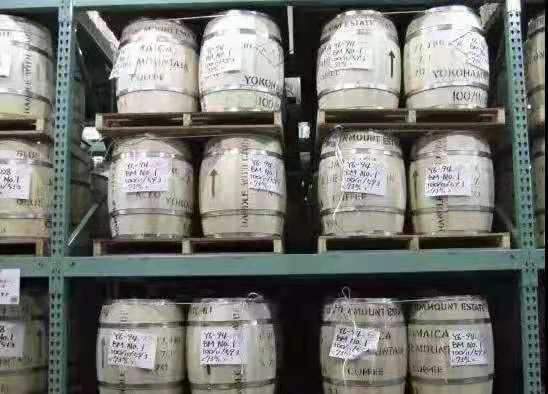
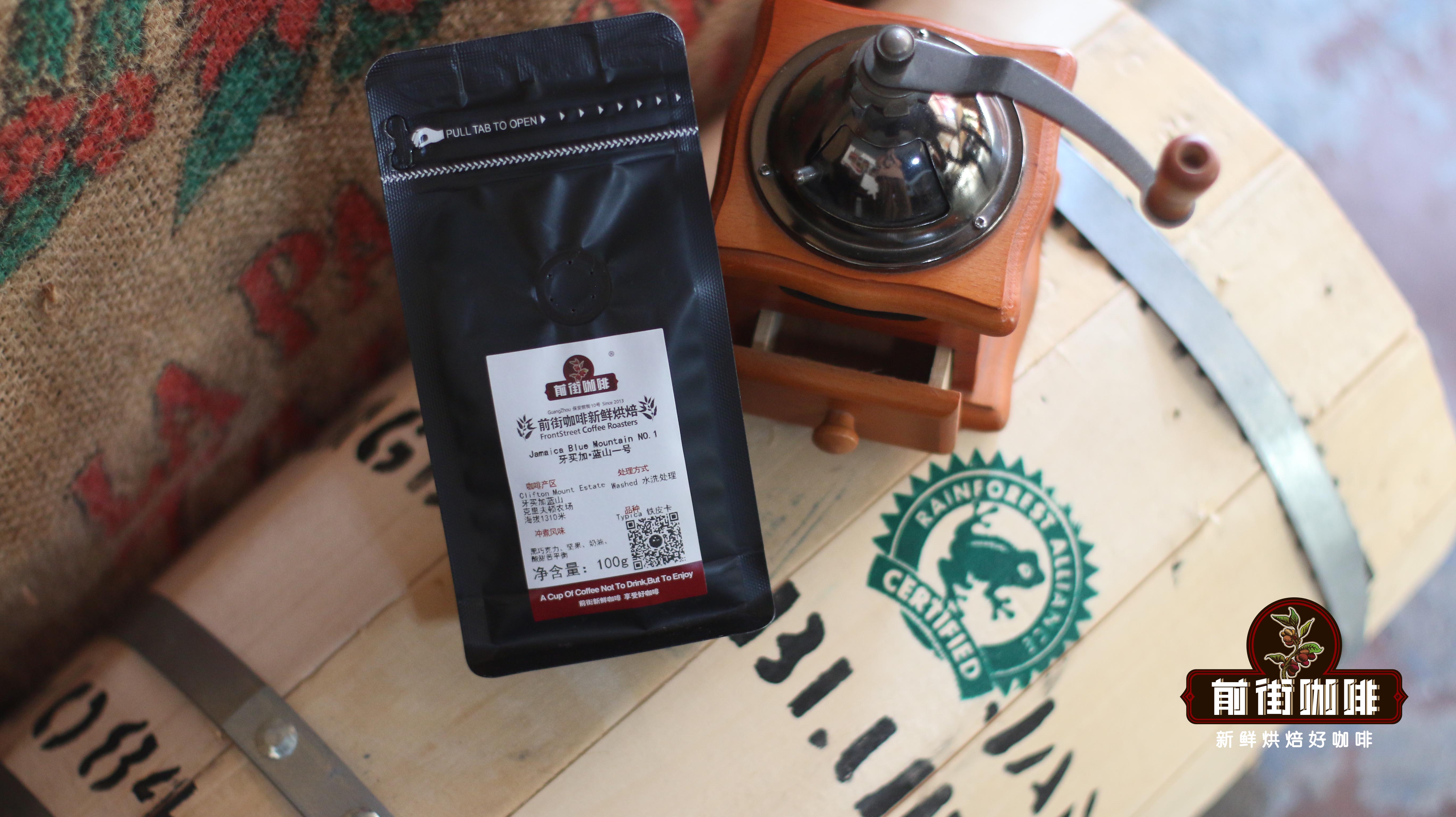
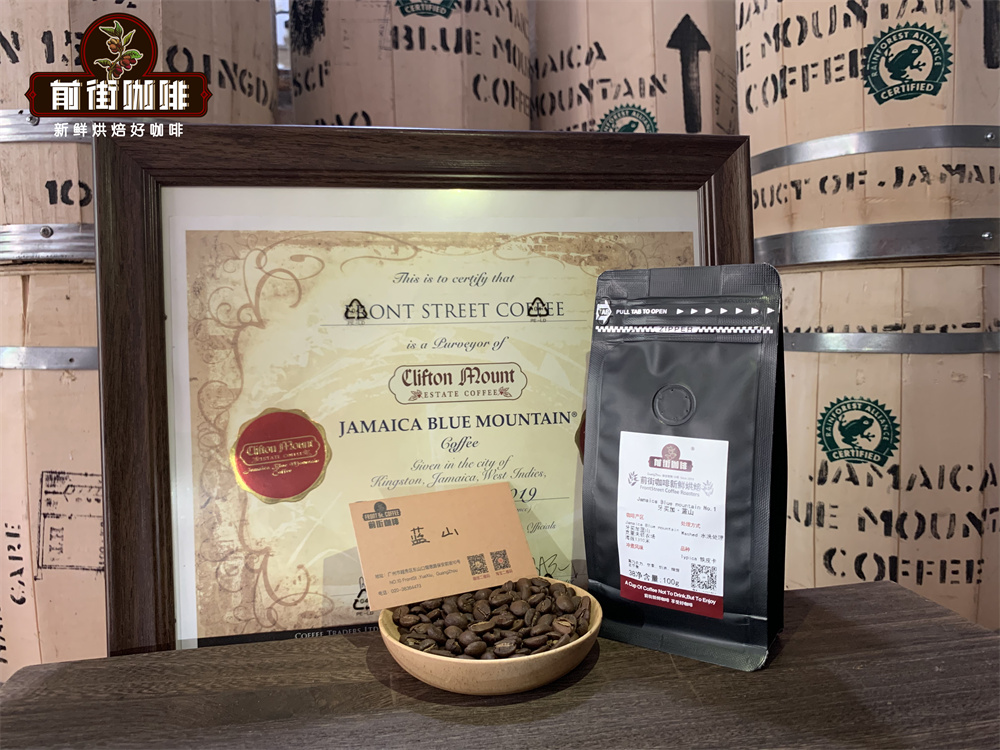
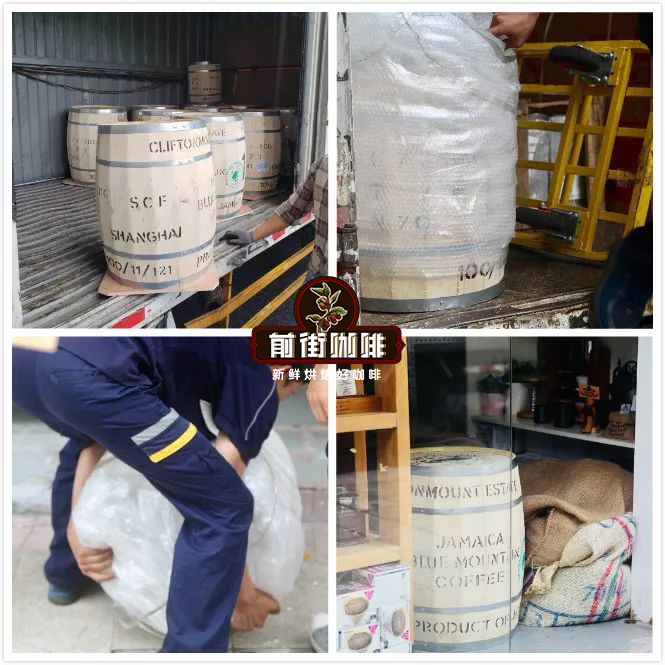
The Two Types of Blue Mountain Coffee:: The commonly seen "Blue Mountain coffee" on the market can be divided into two main categories: one is a blend marketed as having a "Blue Mountain flavor," which actually uses beans from other regions and simulates the Blue Mountain taste through dark roasting; the other is authentic Blue Mountain coffee from the Blue Mountains of Jamaica, among which "Blue Mountain No. 1" is the top-tier representative. Genuine Blue Mountain No. 1 coffee comes with certification issued by the Jamaica Coffee Industry Board (CIB) and is transported in wooden barrels marked with a green frog logo, a unique green bean packaging tradition in Jamaica.
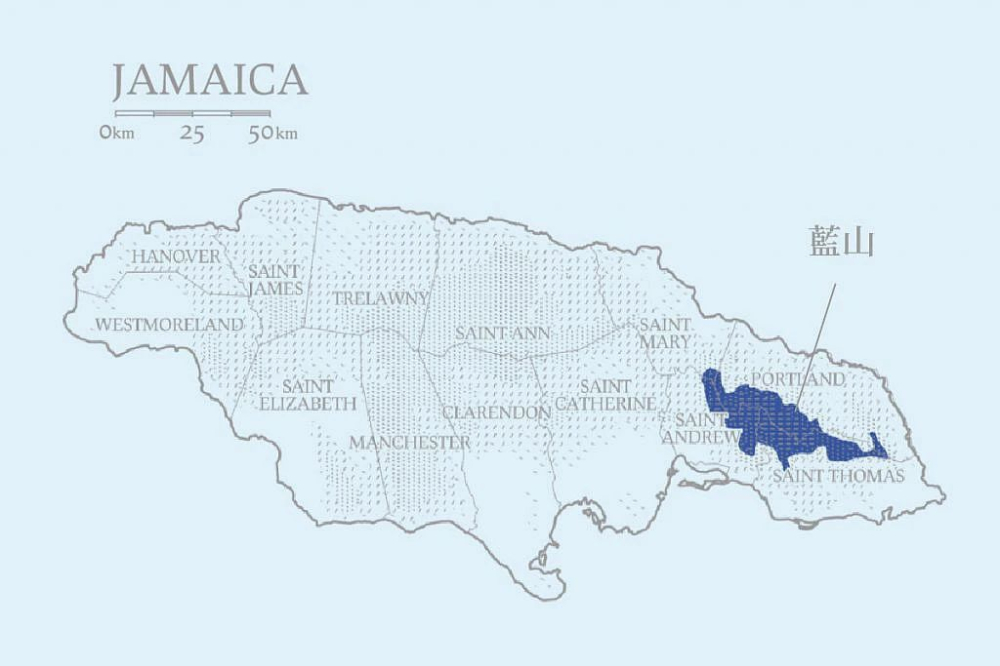
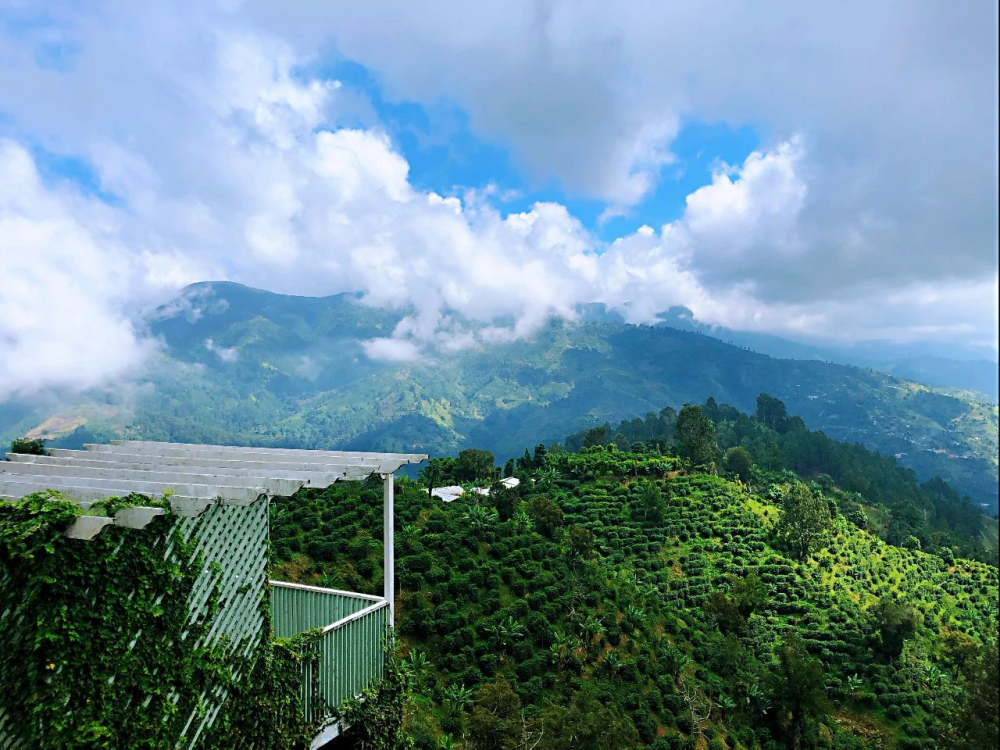
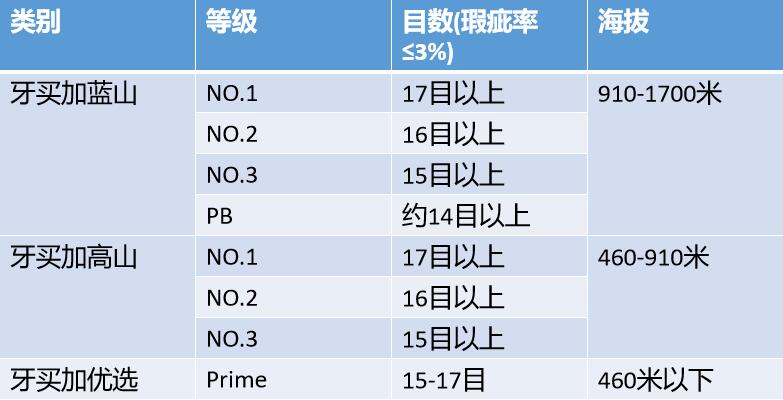
The History and Region of Jamaican Blue Mountain:: Coffee cultivation in Jamaica began in the 18th century, promoted by King Louis XV of France, and in the 1720s, Governor Sir Nicholas Lawes introduced Arabica coffee from Martinique. The Blue Mountains are located in eastern Jamaica, with the highest elevation reaching 2,256 meters, and are named for the blue haze that shimmers across the peaks under sunlight. The area features fertile volcanic soil, high humidity, and a misty climate, all of which contribute to a unique coffee flavor. Authentic Blue Mountain coffee can only be grown at elevations between 910 and 1,700 meters in the Blue Mountain range, and is divided into three main producing regions: Saint Andrew, Portland, and Saint Thomas.
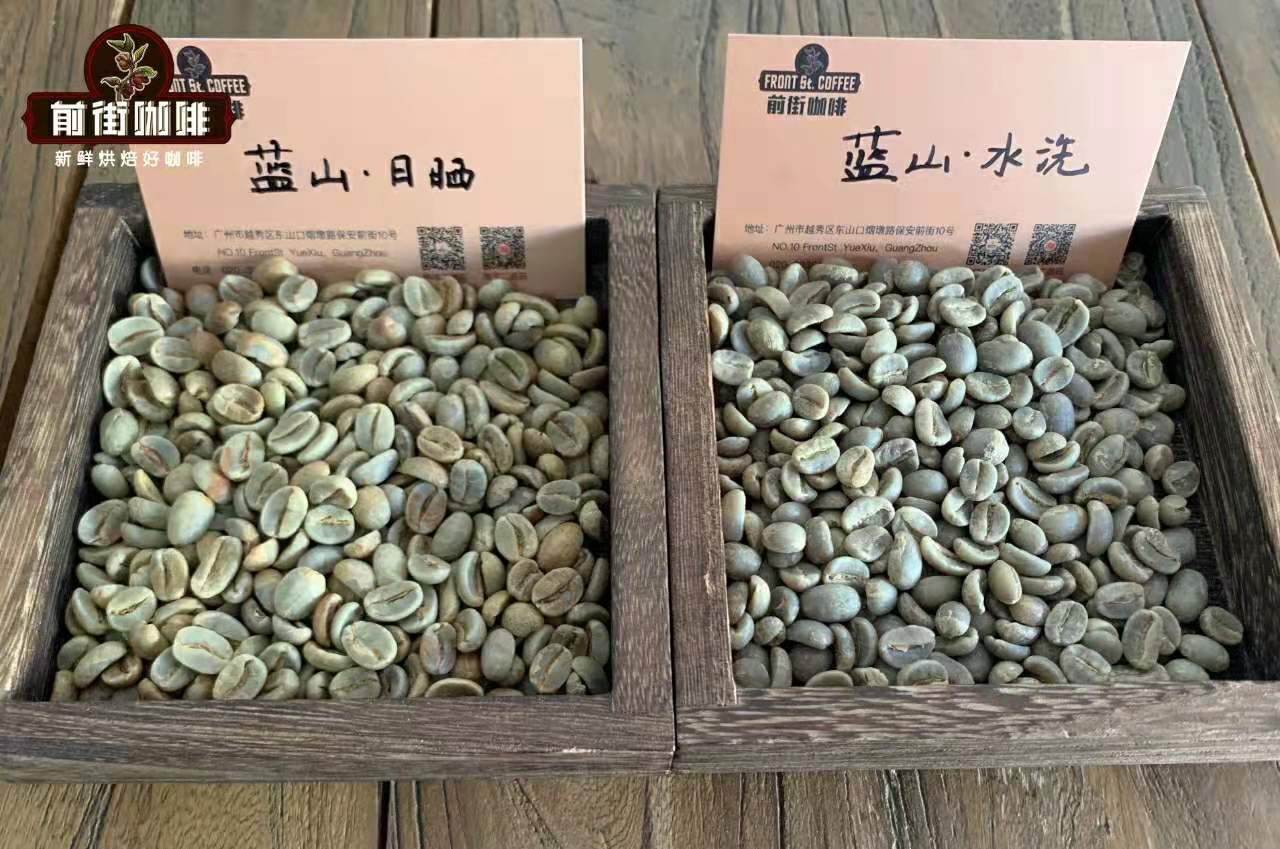
The Grade and Quality Standards of Blue Mountain No. 1:: According to CIB standards, Blue Mountain coffee is categorized into four grades based on bean size and defect rate: NO.1, NO.2, NO.3, and PB (peaberry), with NO.1 being the highest grade. It requires beans to be at least 17 mesh in size, with a defect rate below 3% and moisture content maintained at around 13%.Only coffee beans grown at altitudes above 666 meters qualify to be labeled as "Jamaican Blue Mountain". In addition, Blue Mountain coffee is currently only allowed to be processed using the washed method, although there have been a few experimental lots using the natural process in recent years, it has not yet become mainstream.
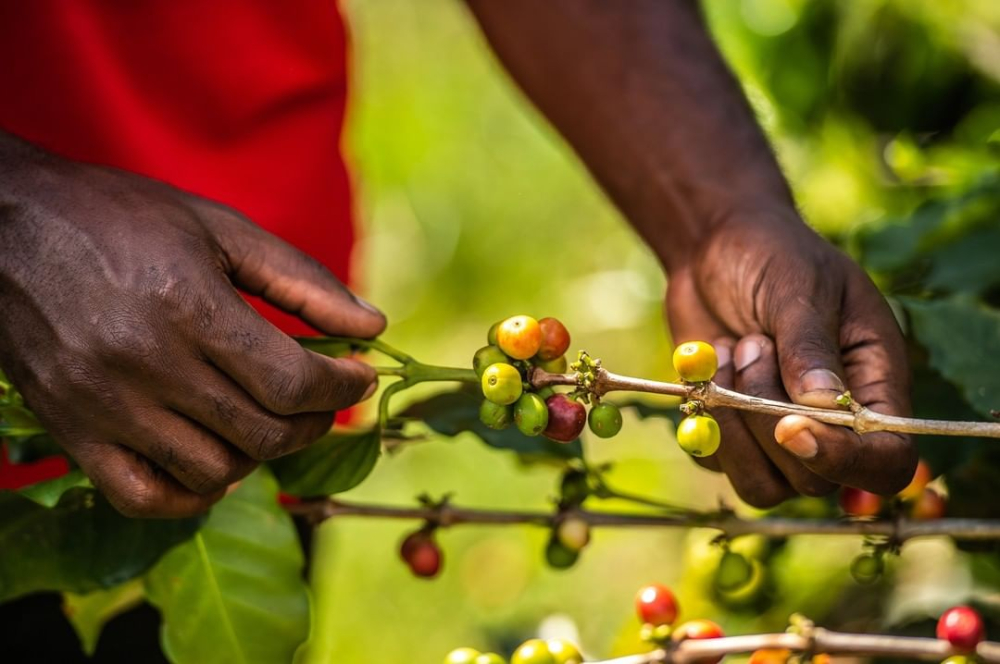
Processing and Varietal Characteristics of Blue Mountain No. 1:: The Blue Mountain No. 1 sold is of the Typica variety, with its top leaves showing a bronze color and the beans being oval or slightly pointed, offering unique aromas and a smooth flavor. Though the Typica tree variety boasts elegant flavors, it has low yield and weak disease resistance, requiring skilled harvesters to manually pick ripe coffee cherries on steep slopes. Traditionally, Blue Mountain coffee is processed using the washed method, with meticulous fermentation and washing processes to preserve the purest original flavor characteristics.
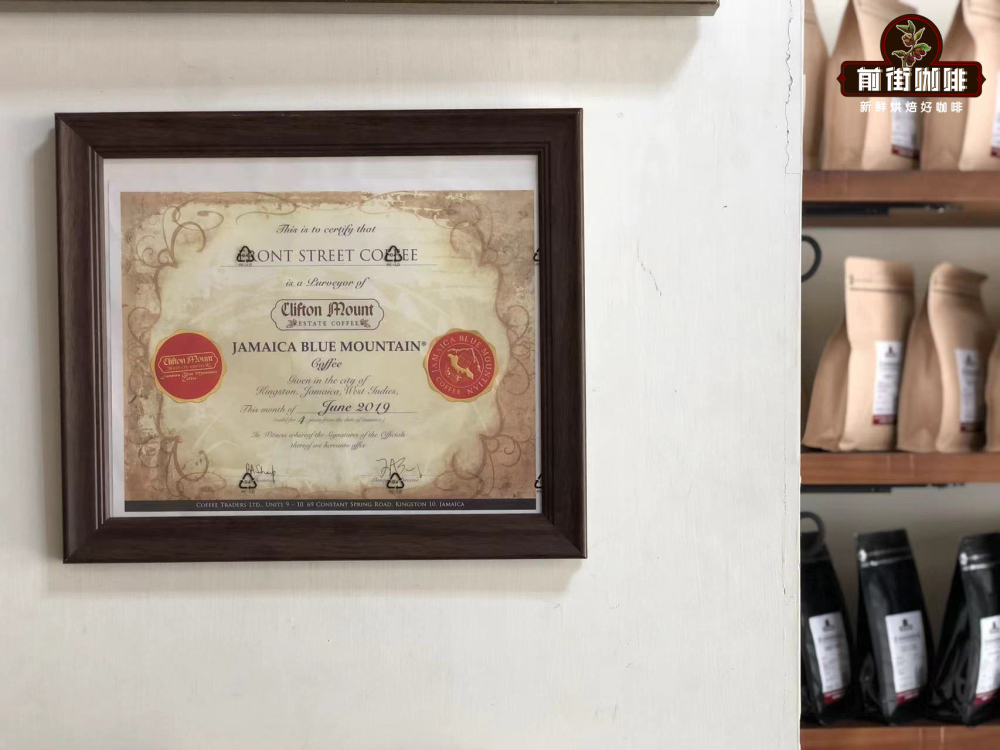
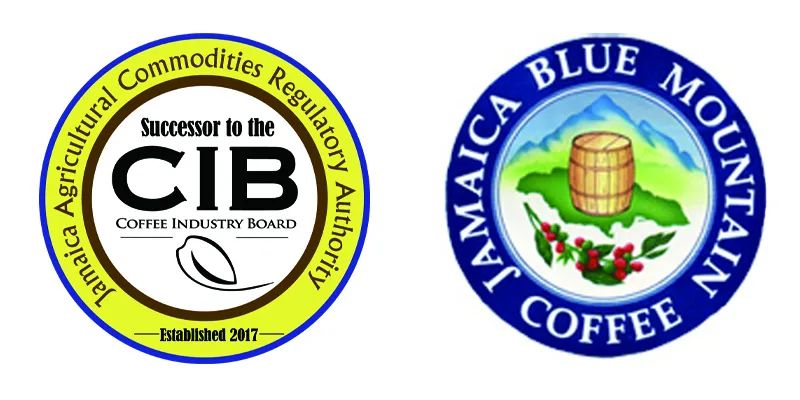
The Three Sub-Regions of Blue Mountain Coffee and Certification Authority:: In addition to the authentic Blue Mountain region, Jamaica also has High Mountain coffee and Jamaica Prime coffee, grown in areas below 910 meters and 460 meters, respectively. Among these, High Mountain coffee is considered a close relative of Blue Mountain coffee, with quality just below that of Blue Mountain No. 1. The Jamaica Coffee Industry Board (CIB) oversees the production, processing, and export quality of Blue Mountain coffee, issuing certification only to producers who meet strict standards. Packaging barrels of authentic Blue Mountain coffee typically bear the CIB certification stamp and come with detailed documentation of origin and quality.
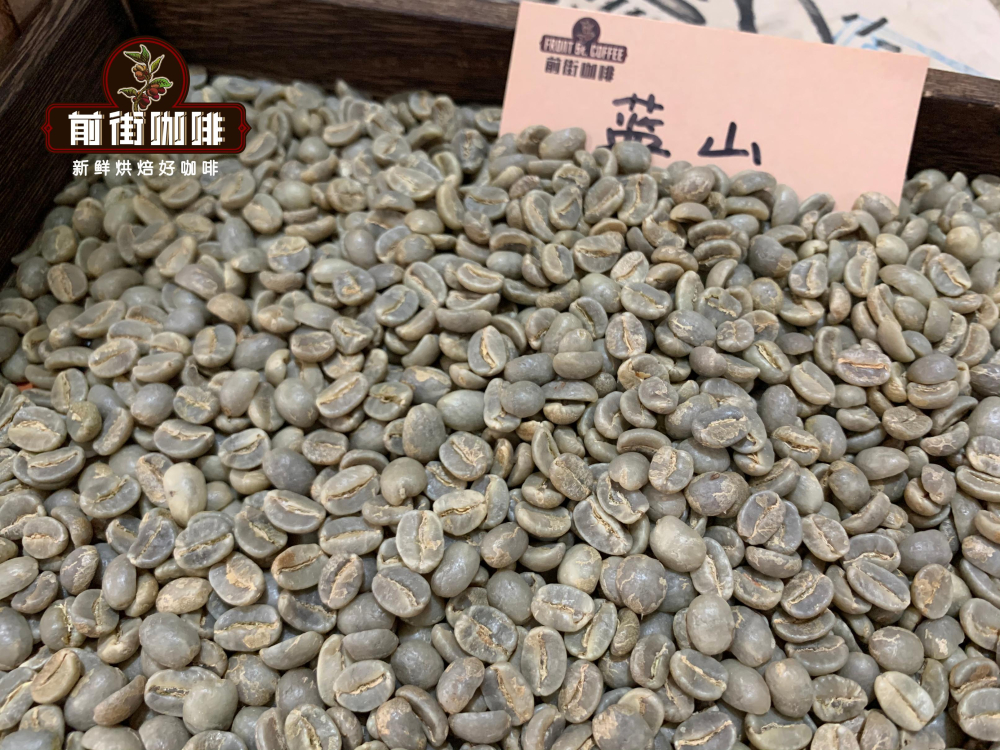
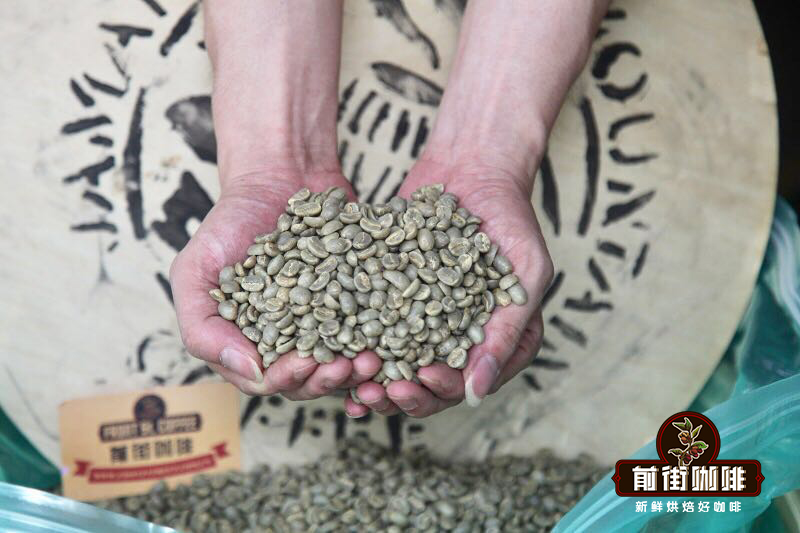
How to Identify Genuine vs. Fake Blue Mountain Coffee:: To verify the authenticity of Blue Mountain No. 1, consider the following aspects:Green beans have a vibrant green color, uniform particle size, and slightly upturned ends; roasted beans are plump and emit a rich aroma; brewed coffee offers a balanced flavor with harmonious acidity, sweetness, and bitterness, especially excelling in body and sweetness. Additionally, genuine Blue Mountain No. 1 accounts for a very small proportion of global specialty coffee, is expensive, and has limited supply. If you encounter a "Blue Mountain coffee" at an unusually low price, it is most likely an imitation or merely a Blue Mountain-flavored blend.
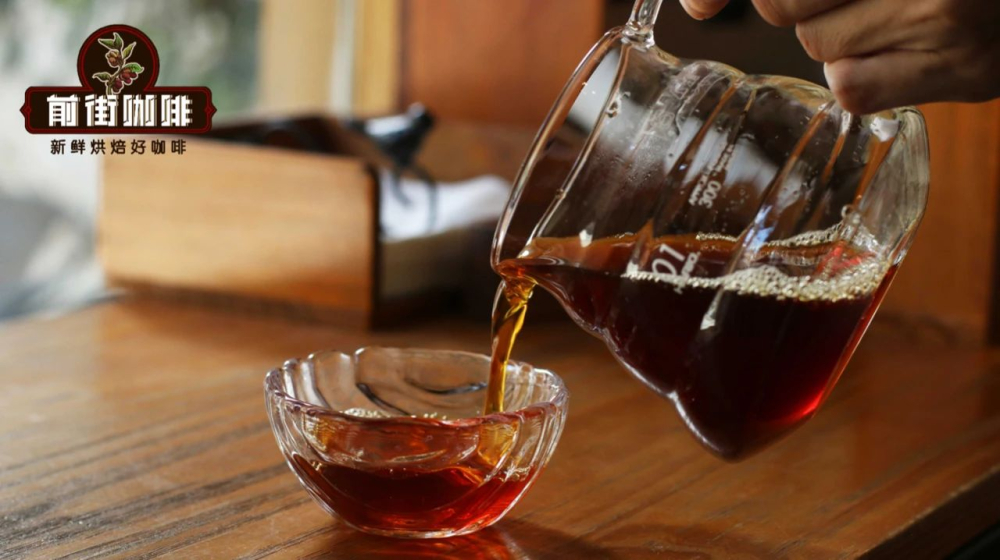
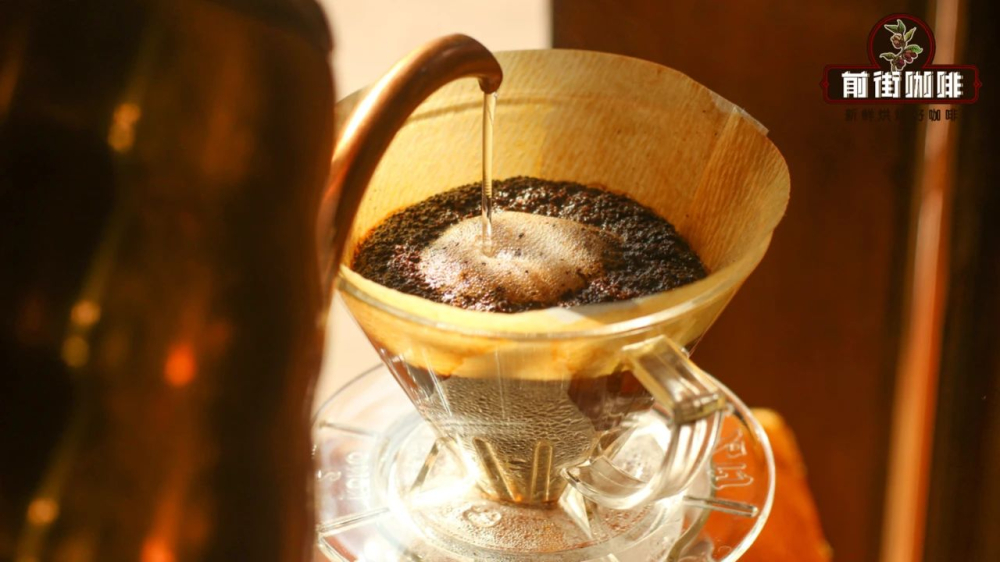
Brewing Recommendations and Flavor Profile of Blue Mountain No. 1:: It is recommended to use a Kono filter for pour over, with a water temperature of 86°C, a 1:15 coffee-to-water ratio, and medium grind (75% passing through a 20-mesh Chinese sieve) to highlight the richness and sweetness of Blue Mountain No. 1. Use the three-pour method: start with a 30-second bloom using 30g of water, then pour 125g and 225g of water in stages, with total extraction time around 2 minutes. Blue Mountain No. 1 is renowned for its balanced acidity, sweetness, and bitterness, along with delicate fruit notes and a rich aftertaste, earning it the reputation of a "gem-like" coffee experience.
Blue Mountain-Flavored Blends and Common Market Misconceptions:: Many commercially available coffees labeled as "Blue Mountain blends" or "Blue Mountain flavor" do not actually use beans from the authentic Blue Mountain region. Instead, they simulate Blue Mountain characteristics through dark roasting and specific bean blends. While these products may be more affordable, they differ significantly from genuine Blue Mountain No. 1 in terms of origin certification, flavor complexity, and value. Consumers should carefully verify product certification and origin to avoid mistakenly purchasing cheap imitations.
The above content is compiled by CoffeeHunters, a coffee news website.

