







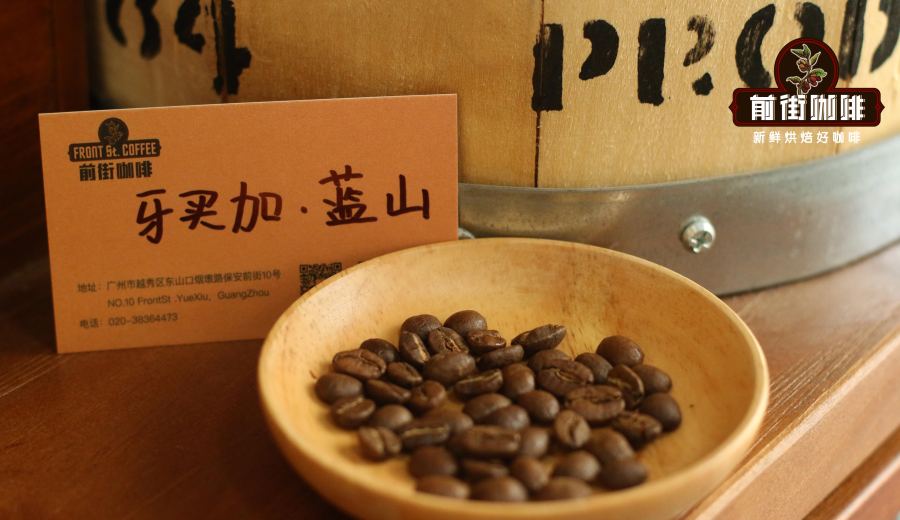
Introduction:Jamaica Blue Mountain coffee is hailed as the "King of Coffee," not only because of its rarity but also due to its unparalleled flavor and rigorous quality control. However, the market is flooded with all kinds of "Blue Mountain-flavored" coffees, making it difficult to discern what’s real. This article delves into the origin, grade, processing method, and unique flavor profile of authentic Blue Mountain No. 1, provides expert pour-over recommendations and key parameters, so you can truly understand what constitutes genuine Blue Mountain coffee—and avoid common purchasing pitfalls.
For a long time, many believed that no real Jamaica Blue Mountain coffee was available in the Chinese market, but in fact, authentic imports have been available since 2010. Known for its rich and balanced taste, Blue Mountain coffee is globally recognized as a top-tier black coffee and is called the “King of Coffee” due to its limited production. Due to supply constraints, it was previously hard to find domestically, but now officially certified authentic beans have entered the market. However, be aware that many products labeled as “Blue Mountain-flavored” on the market are typically dark-roast blends unrelated to true Blue Mountain—this is also the main reason for their more affordable pricing.
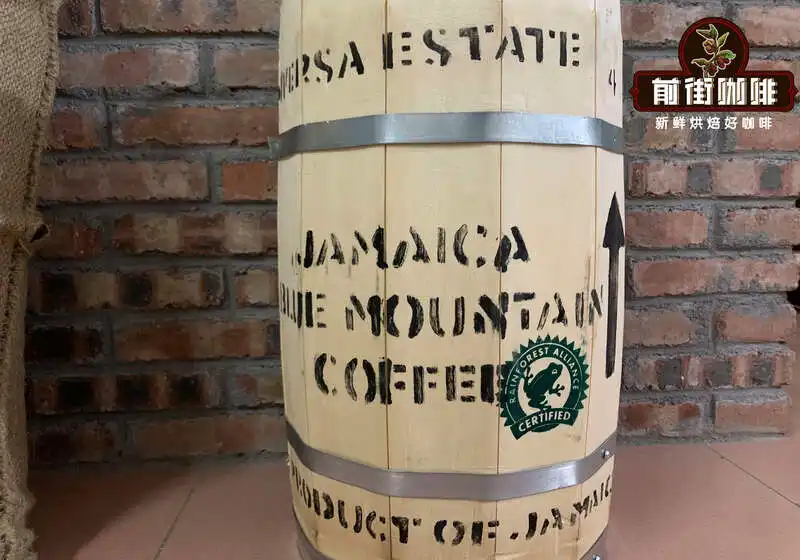
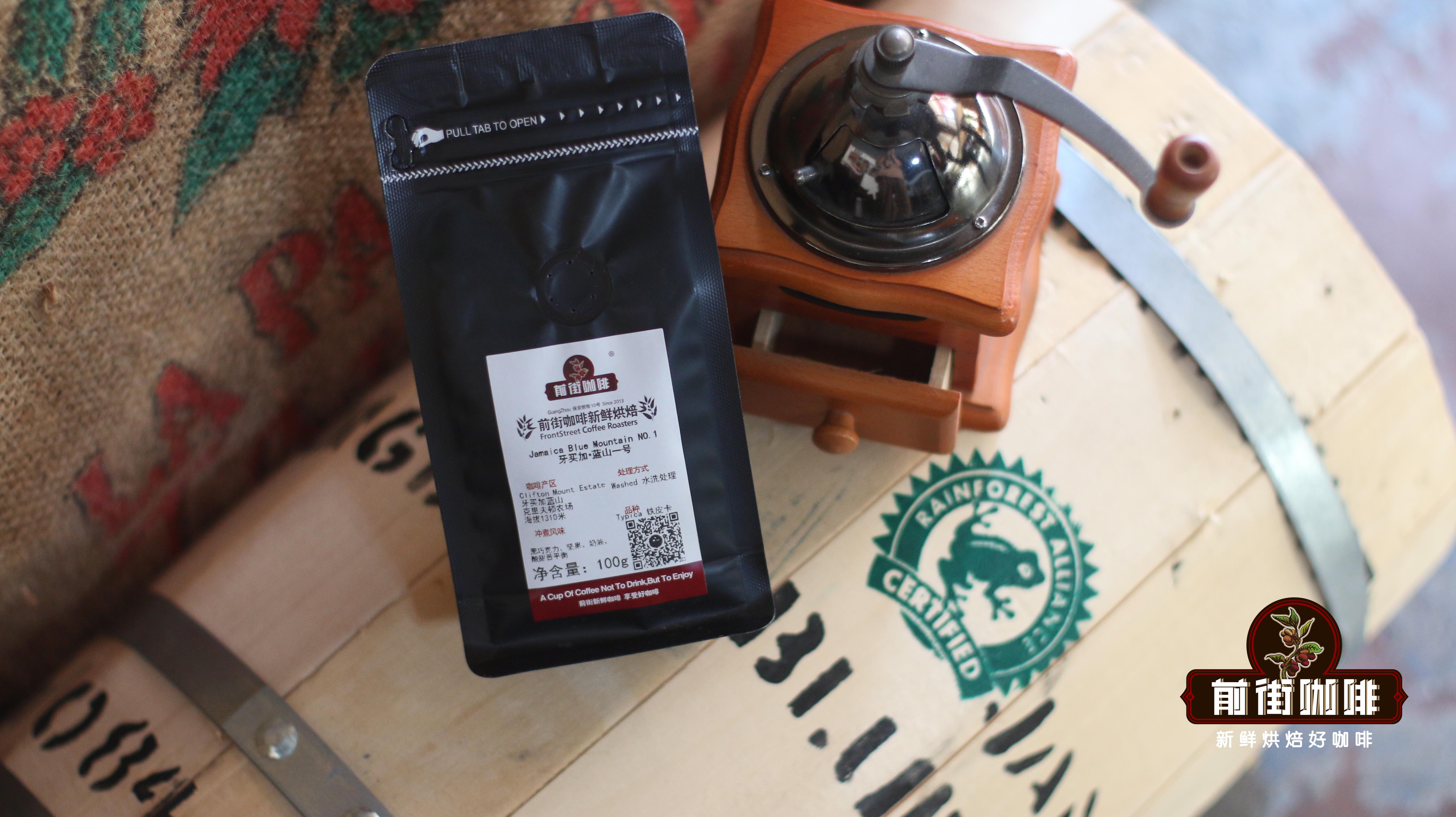
What qualifies as genuine Blue Mountain No. 1? The key lies in certification and packaging details. For example, Blue Mountain No. 1 coffee from the Clifton Estate in the Blue Mountain region not only holds a certificate issued by the Jamaica Coffee Industry Board (CIB), but its wooden barrel packaging also features a green frog logo, symbolizing both Rainforest Alliance certification and regional authenticity. The Blue Mountain No. 1 beans introduced to the industry come precisely from this estate, offering a balanced flavor without extremes, rich aroma, and distinct layers—this is the charm of true Blue Mountain.
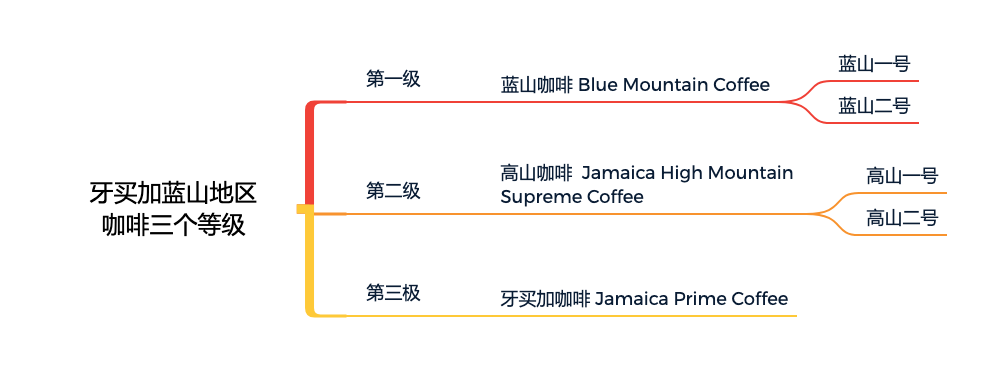
The story of Jamaica Blue Mountain coffee dates back to the 18th century. In 1717, King Louis XV of France ordered the cultivation of coffee there, followed by the 1720s when then-Jamaican Governor Sir Nicholas Lawes introduced Arabica seeds from Martinique and promoted them in the St. Andrew area. Over time, the Blue Mountain range, with its unique environment, gradually became the most suitable location for cultivating premium coffee, leading to the categorization into high-altitude Blue Mountain coffee, high-grown coffee, and regular Jamaican coffee—graded by altitude and quality, with notable price differences.
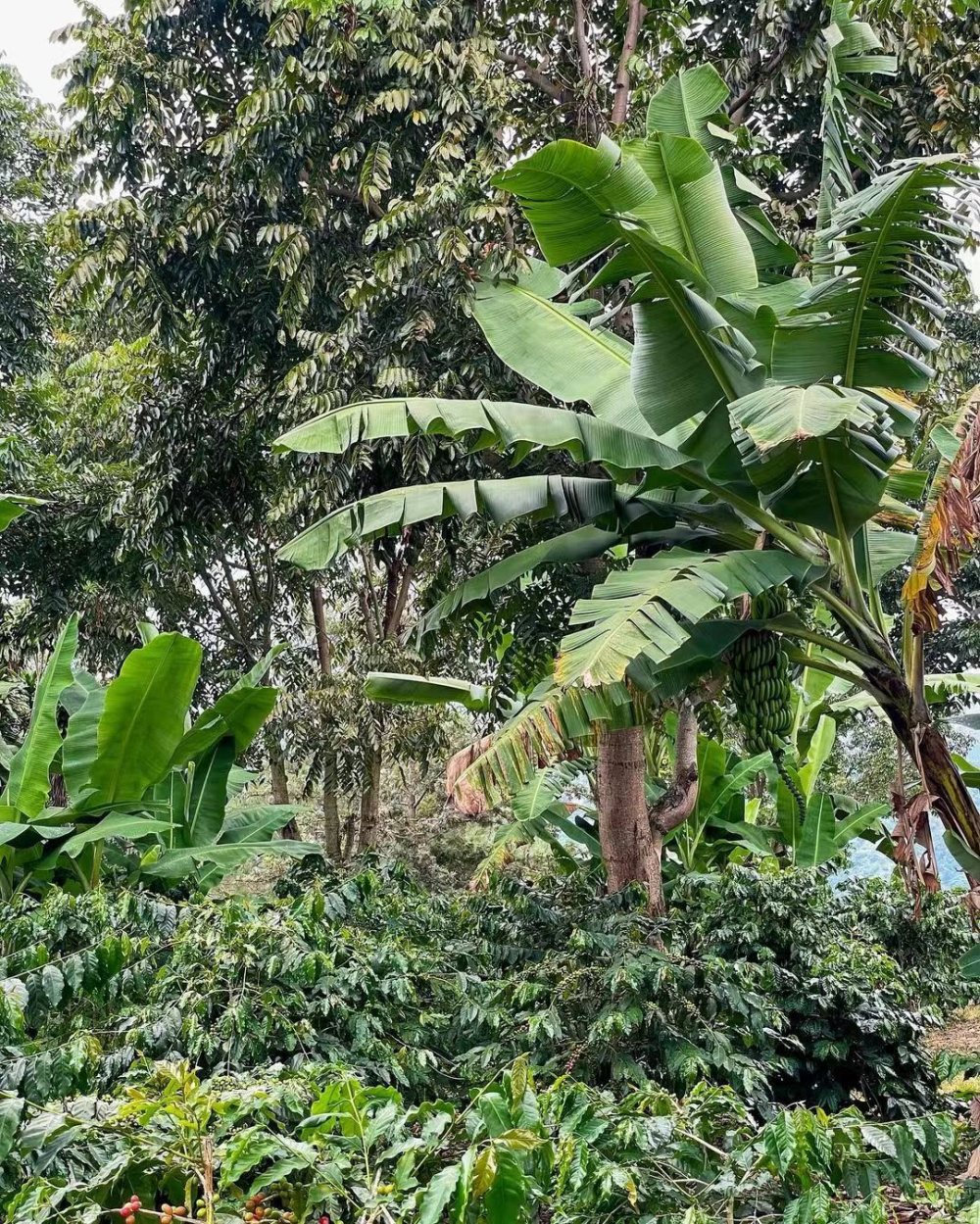
The Blue Mountain range is located in eastern Jamaica, with its highest peak reaching 2,256 meters, the highest point in the Caribbean. The region enjoys a cool, foggy climate with an annual rainfall of about 1,980 mm and an average temperature of around 27°C, coupled with fertile volcanic soil, creating the unique flavor conditions for Blue Mountain coffee. Notably, due to the rugged terrain, harvesting is almost entirely done manually by skilled women, who pick only the perfectly ripe coffee cherries to ensure the high quality of every bean.
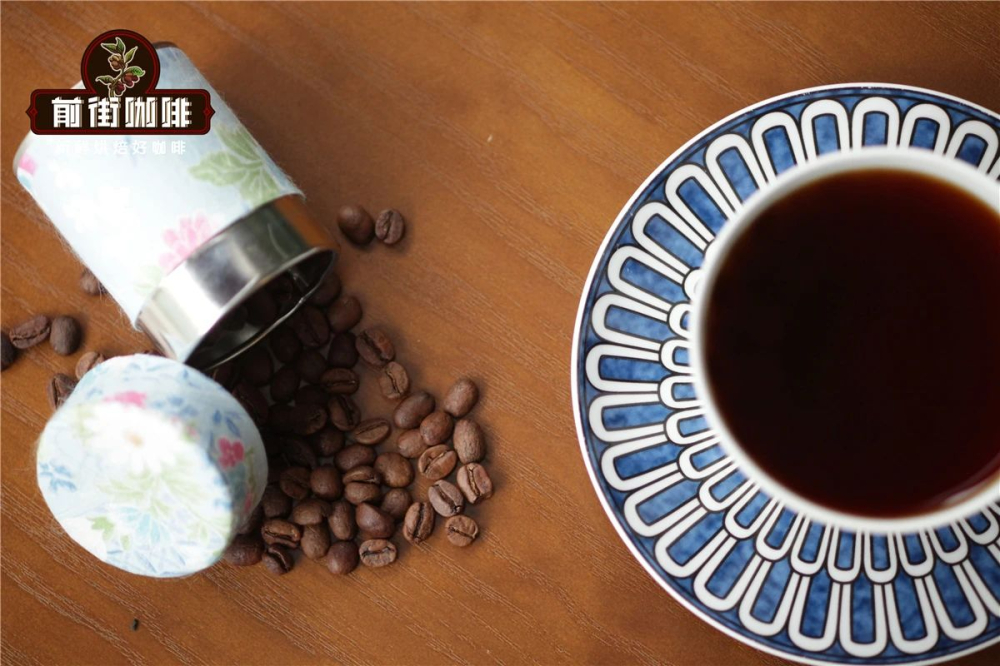
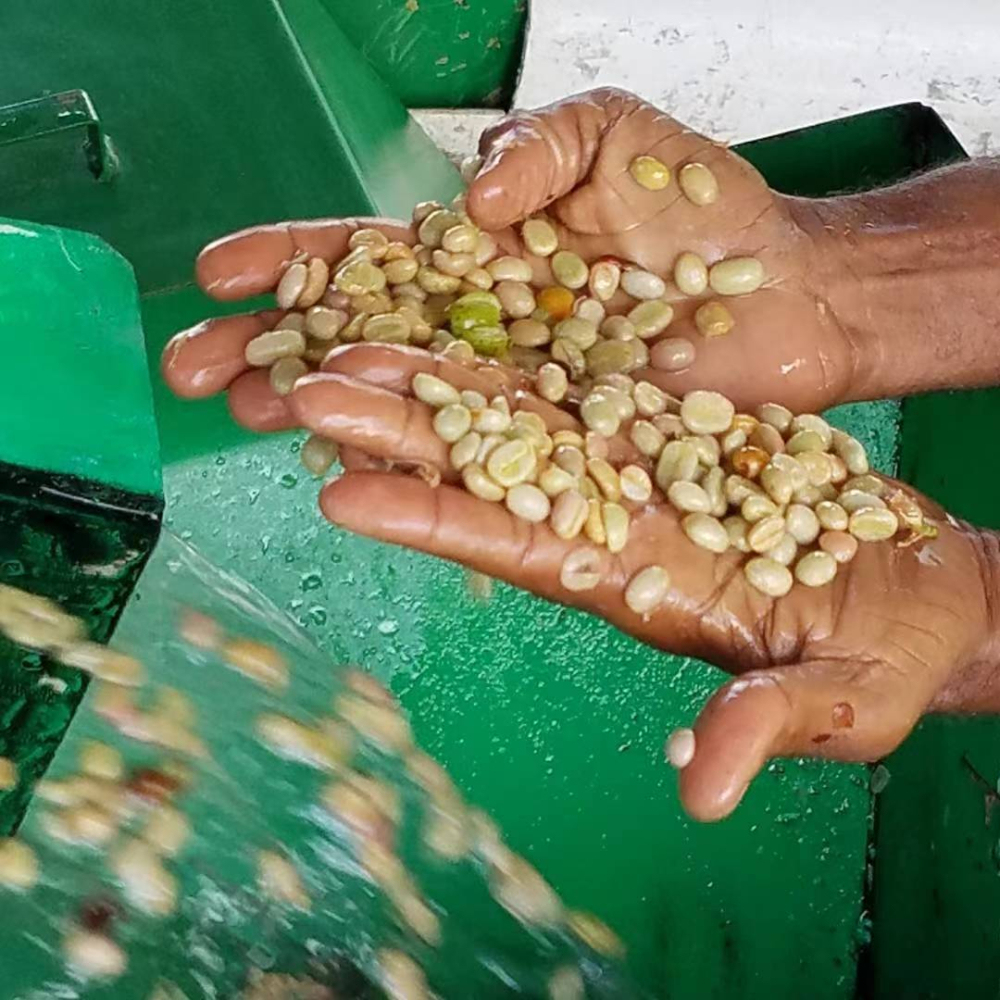
In terms of processing, traditional Blue Mountain No. 1 coffee is exclusively washed processed. This method involves using washing channels and continuously flowing fresh water to first remove the pulp and mucilage, followed by 12–18 hours of fermentation, then hand-rubbing until the surface is smooth, and finally sun-drying to achieve a moisture content of 12–14%. This process is extremely intricate, and any mishap at any stage can affect the final flavor. It’s worth mentioning that the market may soon see sun-dried Blue Mountain coffee certified by the Jamaican authorities, offering consumers more diverse options.
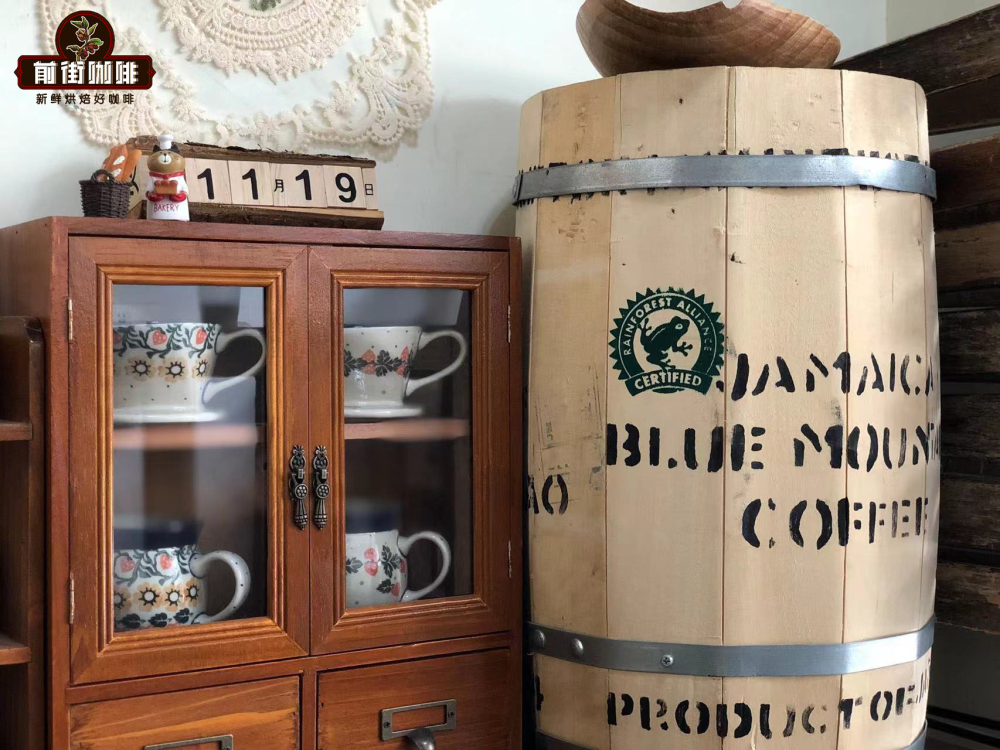
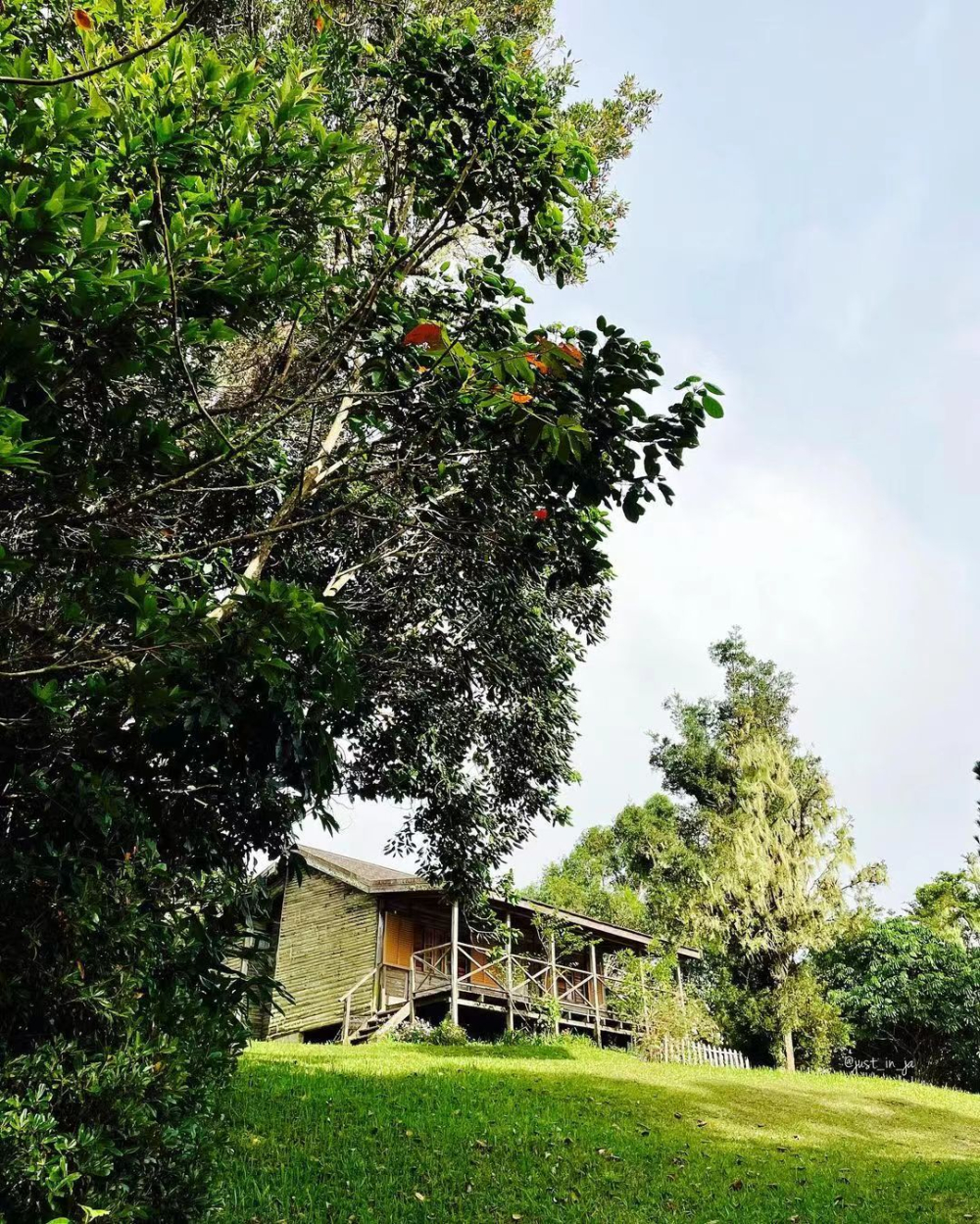
The main growing regions of Jamaica Blue Mountain coffee consist of three key areas: St. Andrew, Portland, and St. Thomas, covering a total area of only about 6,000 hectares, making it quite precious. Within these regions, there are well-known producers such as Wallenford Estate, Silver Hills Estate, and Atlanta Estate, mostly small-scale family-run operations, with many estates having been in operation for over two centuries. Authentic Blue Mountain coffee packaging barrels often feature official certifying body or producer names such as M.B.C.E, M.H.C.C.T., P.X.X.S.H., which help consumers identify authenticity.
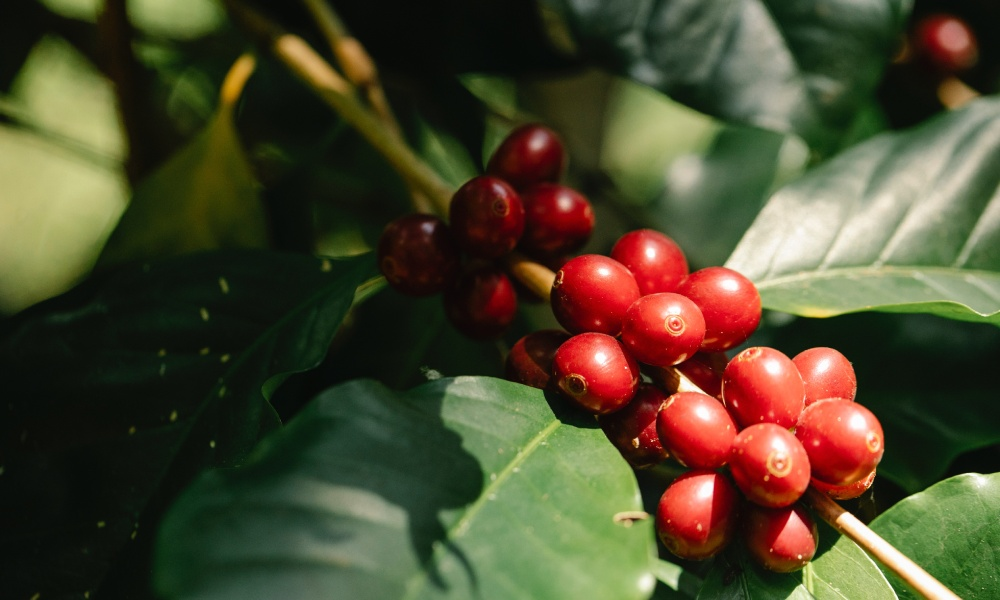
Blue Mountain coffee beans belong to the Typica variety, with bronze-tipped top leaves, oval or slender pointed bean shapes, tall trees but weak disease resistance, low yields, which directly impact market availability. One of its characteristics is the copper-colored leaf tips, commonly referred to as "red-top coffee." The flowers are white, and the coffee cherries turn bright red when ripe, making them very distinctive in appearance.
Interestingly, Japan once secured priority purchasing rights by assisting Jamaica in improving its coffee industry. According to 2013 statistics, up to 85% of Blue Mountain coffee beans were exported to Japan, with the rest distributed to the U.S., Europe, and other regions. However, according to data from the International Coffee Organization, China’s actual consumption accounts for 15% of the global total, indicating its popularity. Additionally, Jamaica has the world’s only official coffee regulatory body—the Jamaica Coffee Industry Board (CIB)—responsible for quality control, technical guidance, and brand maintenance, ensuring the reputation and standards of Blue Mountain coffee.
Blue Mountain coffee is subdivided into multiple grades based on altitude and quality. Only coffee grown above 666 meters can be called Blue Mountain coffee, further divided into No. 1, No. 2, No. 3, and peaberry (PB), with No. 1 being the highest grade, requiring beans larger than 17 mesh, a defect rate below 3%, and a moisture content of around 13%. Moreover, Blue Mountain coffee currently only permits washed processing, with no other methods yet officially certified.
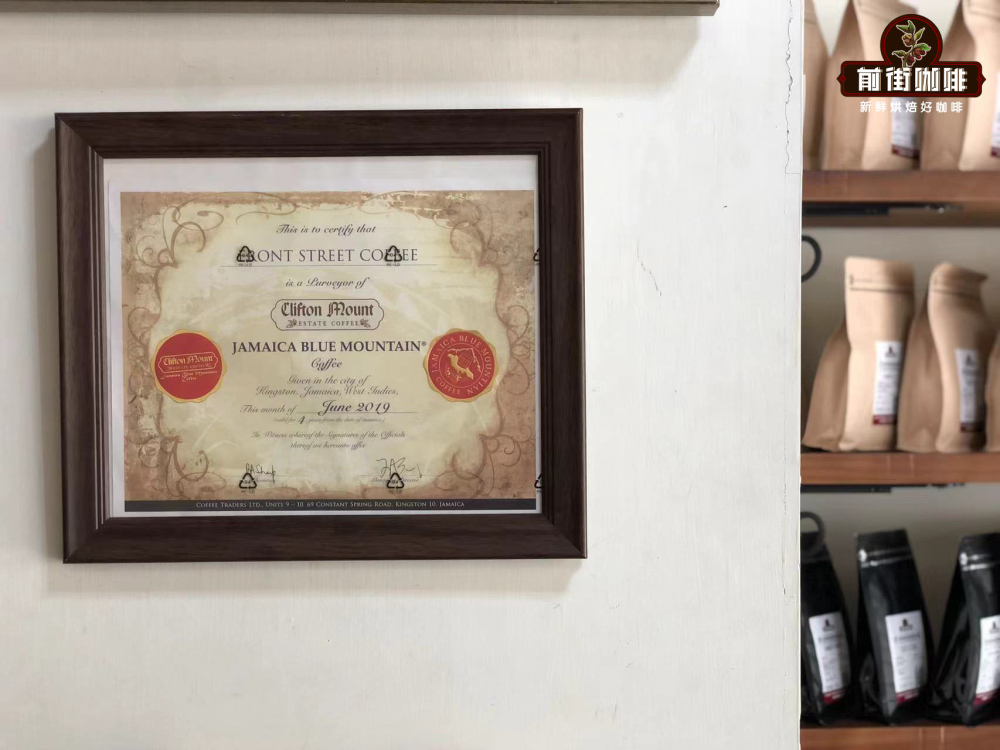
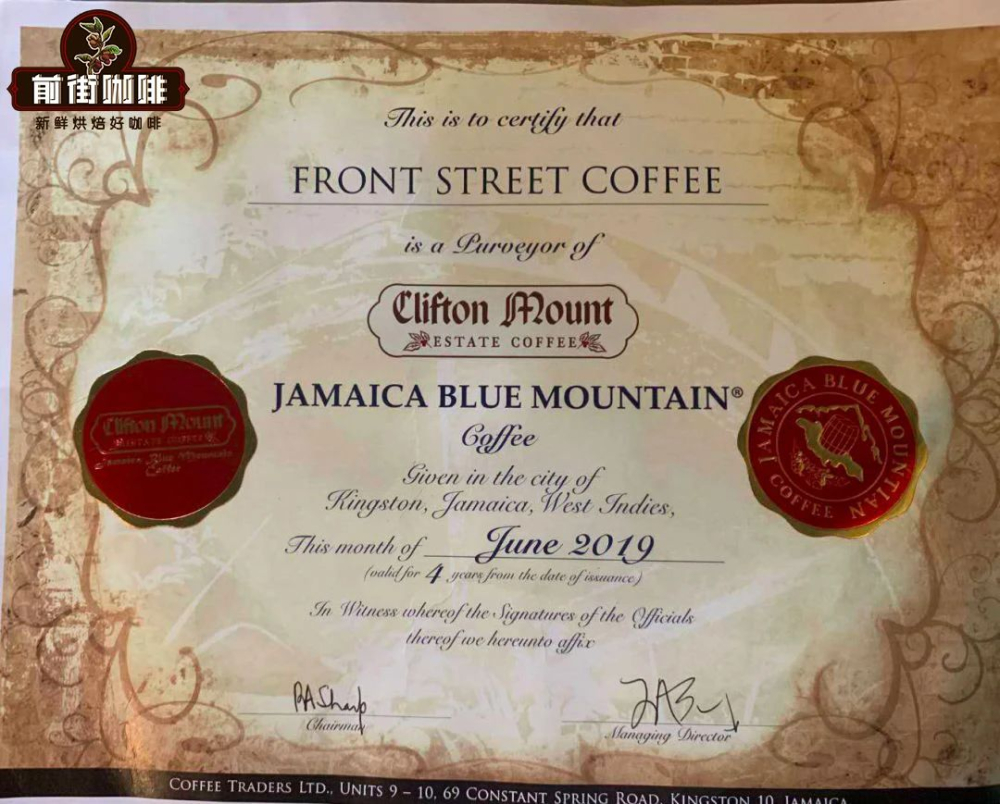
Authentic Blue Mountain coffee comes with official certificates from the Jamaica Coffee Industry Board, including a quality certificate, a producer authorization letter, and a certificate of origin—all of which effectively verify the product's source and quality. Consumers should look for these certifications when purchasing to avoid buying mere "Blue Mountain-flavored" blends. It’s worth noting that the Jamaican government previously insisted on local roasting to maintain flavor, but it has now allowed green bean exports, enabling consumers to experience the purest Blue Mountain flavor outside the origin country.
In terms of flavor profile, Blue Mountain coffee is acclaimed as one of the sweetest and most balanced coffees in the world. Its taste is rich and full-bodied, with acid, bitterness, sweetness, aroma, and body harmoniously balanced, completely free of harsh bitterness, leaving only a gentle, lingering fruit acidity and sweet aftertaste. Experts describe it as exquisitely refined like a gem, with dense aroma, rich flavor layers, yet maintaining gentleness—it’s the ultimate coffee that coffee aficionados around the world dream of.
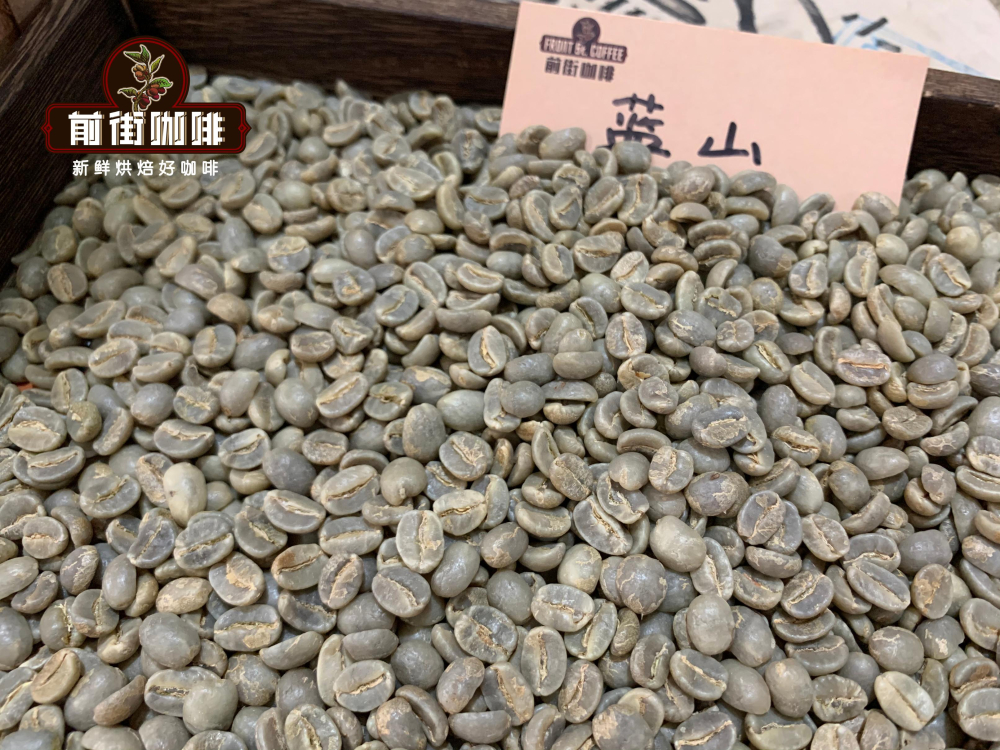
How to distinguish real from fake Blue Mountain? First, authentic Blue Mountain green beans are bluish-green in color, medium to slightly small in size, with slightly curled ends, and visibly expand in volume after roasting. When hand-ground, the cell structure is loose due to high-altitude growth, giving a crisp and smooth feel. In terms of aroma, genuine Blue Mountain beans have a rich, dense natural fragrance, while counterfeit blends often lack such layers. Most crucially, it’s the taste—true Blue Mountain coffee achieves perfect balance among acid, sweetness, and bitterness, with no single flavor overpowering the others.
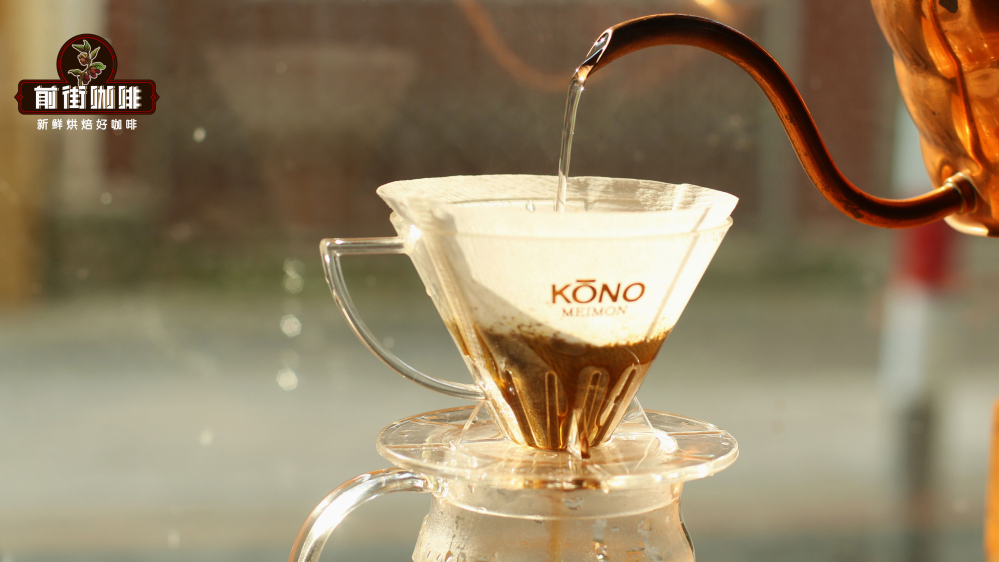
Finally, to fully present the delicate flavors of Blue Mountain coffee, it is recommended to use a Kono filter for pour over, with water temperature controlled at 86°C, using 15 grams of coffee grounds and a 1:15 coffee-to-water ratio, with a grind size suggested as BG#5J (approximately equivalent to 80% passing rate through a Chinese No. 20 sieve). Employ a three-stage pouring method: start with 30 grams of water for a 30-second bloom, then pour in a circular motion to 125 grams and pause, wait for the liquid level to drop, then pour to 225 grams to complete extraction, with a total time of about 2 minutes. These parameters help control extraction yield, avoiding over- or under-extraction, fully releasing the refined flavors of Blue Mountain coffee.
The above content is compiled by CoffeeHunters, a coffee news website.

