







Introduction:As China’s largest coffee-producing region, Yunnan’s small-bean coffee has carved out a niche in the specialty coffee scene with its unique flavor profile. This article delves into Yunnan coffee’s geographical advantages and the evolution of its mainstream varieties, helping you understand why it can boast both bold intensity and fruity notes. It also offers practical pour-over brewing tips and real-world flavor profiles, along with a market-proven list of high-value beans—whether you’re a beginner or an advanced enthusiast, you’ll find an option that suits your entry level.
When it comes to China’s coffee-growing regions, Yunnan is undoubtedly a key name that can’t be overlooked. Not only is it the home of Pu’er tea, but it also features mountainous terrain at elevations of 1,000–2,000 meters, paired with abundant sunlight, distinct day-night temperature variations, and fertile red soil. These factors create the unique character of Yunnan’s small-bean coffee—“bold yet not bitter, aromatic yet not cloying.” As early as the 1950s, Yunnan-produced coffee entered the international market with its balanced acidity and sweetness, earning a reputation as a high-value representative of Asian specialty beans.
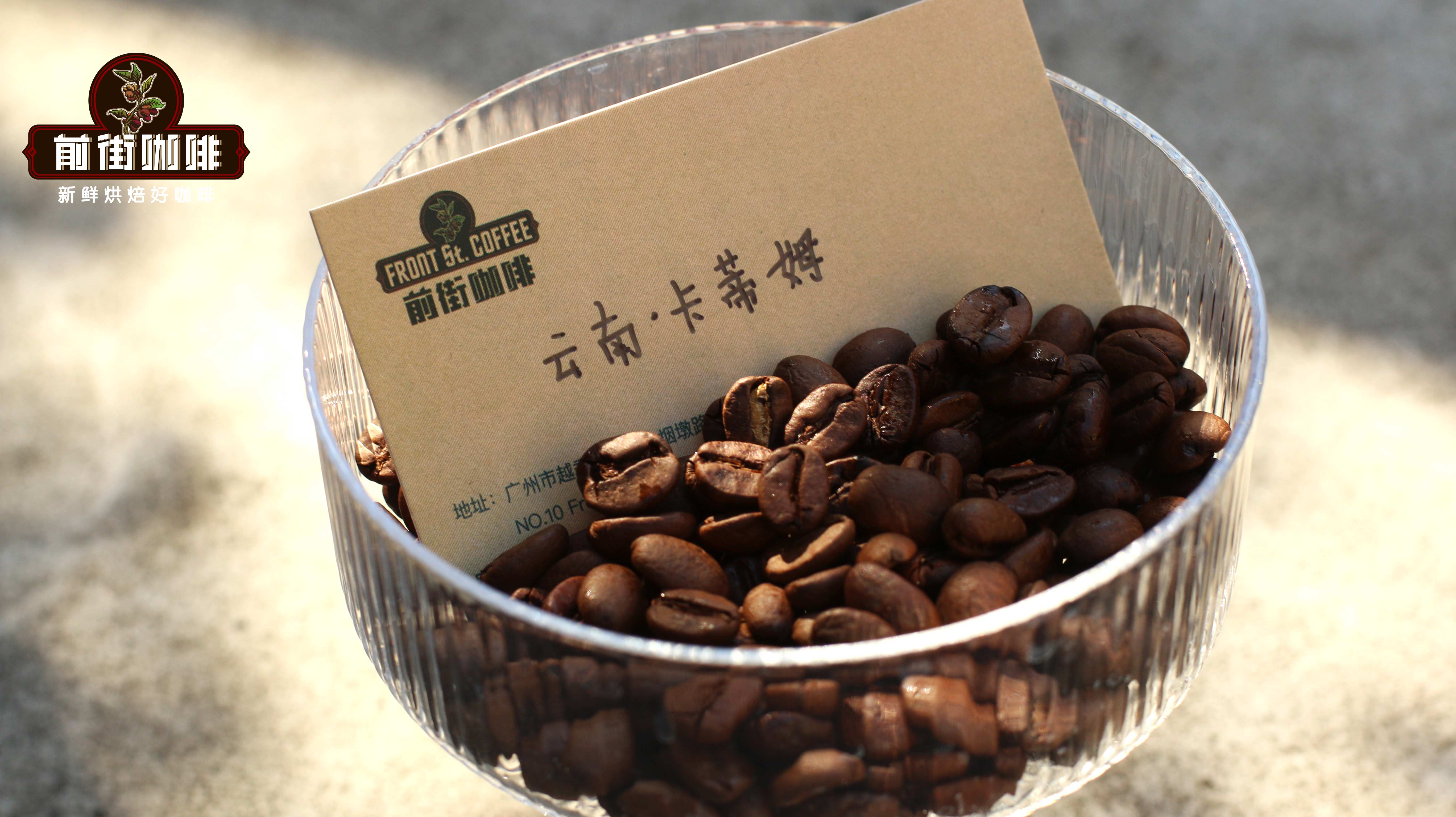
The term “small-bean” is actually relative—compared to the medium-sized Robusta beans produced in Hainan, the Arabica varieties primarily grown in Yunnan have tighter and finer beans. Early farms mainly cultivated traditional varieties such as Typica and Bourbon. While these heirloom types offered clean flavors and elegant floral notes, they were gradually replaced due to low yields and susceptibility to diseases. Today, the commonly seen “Yunnan small-bean” mostly refers to the Catimor hybrid variety, which boasts strong disease resistance and is suitable for dense planting. While retaining some of the layered flavors of Arabica, it significantly improves planting efficiency.
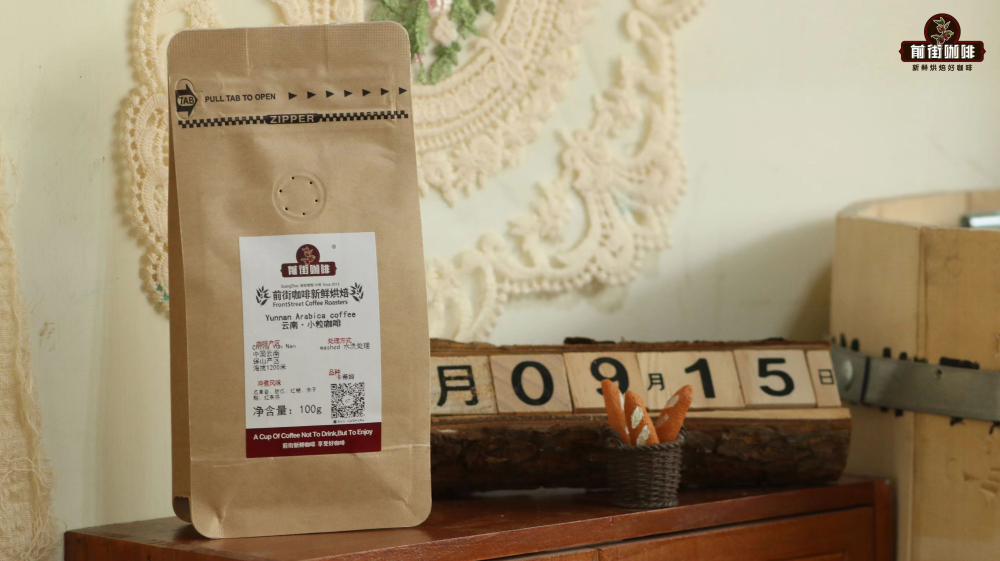
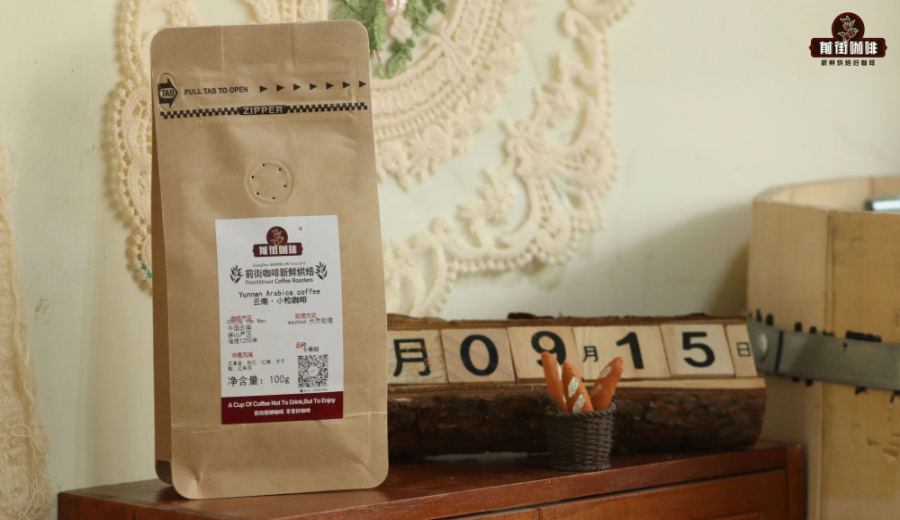
To experience authentic Yunnan coffee flavors, it’s recommended to prioritize washed-process Catimor beans. Take the 1,200-meter Baoshan growing region as an example—such beans typically exhibit prominent nutty tones, accompanied by sweet chocolate and caramel notes in the finish. They are best brewed using water at 90–93°C, with a recommended powder-to-water ratio of 1:15 and medium-coarse grind, which highlights their rich base and subtle fruity acidity. For advanced enthusiasts seeking traditional flavors, look for naturally processed Typica heirloom beans from the 1,300-meter Lincang region, where berry-like acidity and brown sugar sweetness often deliver a surprising tea-like aftertaste.
Key indicators for evaluating the quality of Yunnan beans include whether the processing facility rigorously sorts out defective beans, whether the roast level appropriately highlights the terroir characteristics, and the freshness after roasting. Generally, the optimal flavor window is within 5–14 days post-roast. It’s advisable to choose brands that clearly indicate the roast date and prioritize suppliers offering small sample packs to ensure the flavor aligns with your personal preferences.
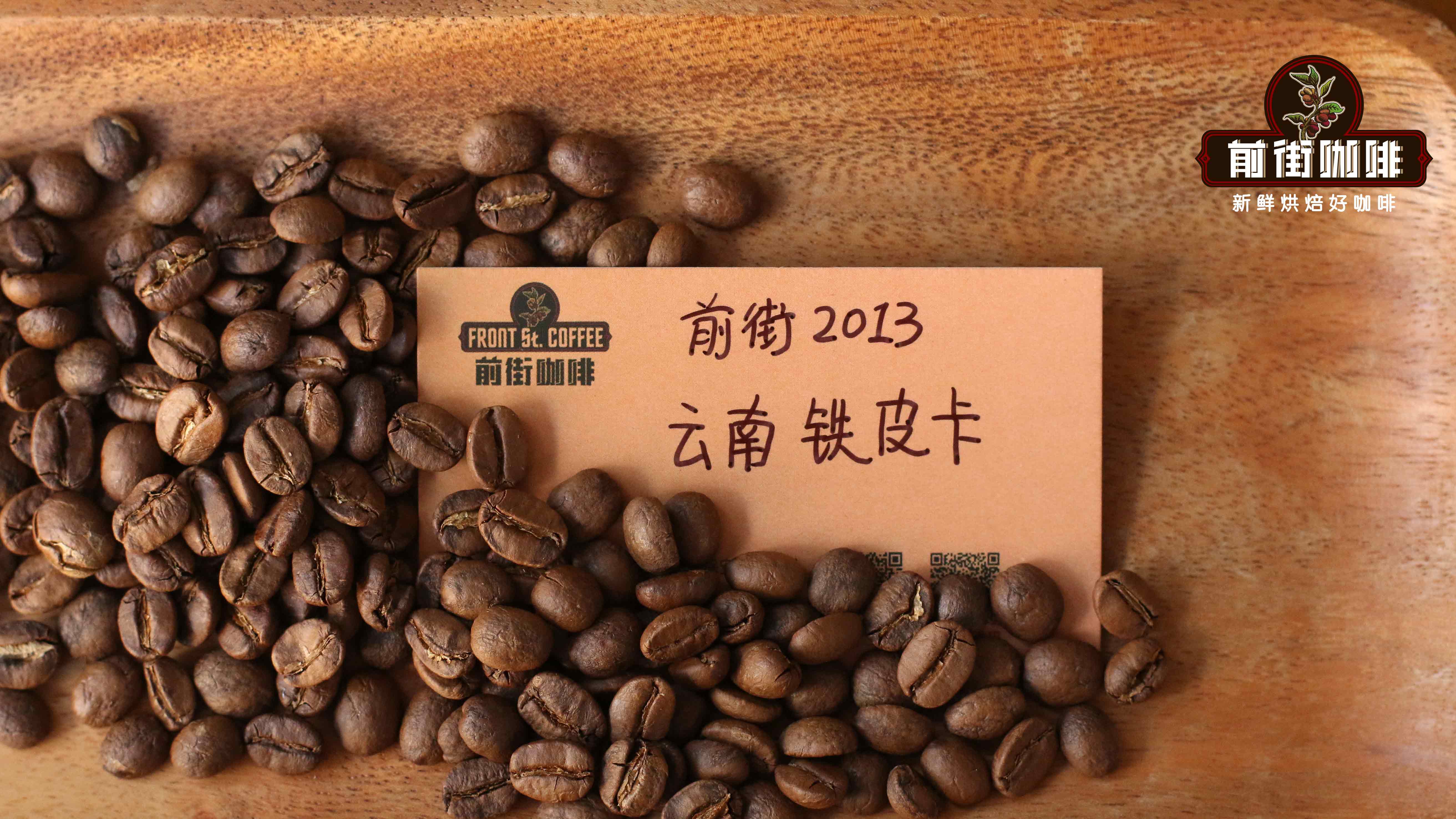
For coffee beginners just starting with pour-over, it’s recommended to begin with washed-process Catimor—its stable flavor profile and balanced acidity and sweetness help build a foundational understanding of regional characteristics. Advanced players can challenge themselves with different elevation-grown Typica variants, observing how temperature and grind size affect berry-like tones and tea-like sensations. No matter which style you choose, remember to adjust extraction parameters based on the bean condition—for example, slightly extend the blooming time for light roasts, and reduce grind fineness for dark roasts to avoid over-extraction bitterness.
The above content is compiled by CoffeeHunters, a coffee news website.


