







Introduction:Want to explore the unique flavors of Yunnan’s small-grain coffee? This article delves into the characteristics of Yunnan’s major producing regions, with a special focus on the high-altitude advantages of Baoshan’s Luxi Dam, and introduces you to the traits of the Catimor variety as well as the differences between washed and natural processing methods. From bean selection tips to brewing advice for beginners, this practical guide will help you find the right Yunnan coffee for your pour over.
In recent years, the quality of Yunnan coffee has improved significantly, gradually earning a good reputation in the domestic market. As China’s largest coffee-producing region, Yunnan spans nine prefecture-level cities and districts including Pu’er, Baoshan, and Dehong. Among them, Baoshan is one of the earliest regions to introduce coffee cultivation. The Luxi Dam here is a nationally renowned high-altitude coffee planting base, producing the uniquely flavored “small-grain coffee.”
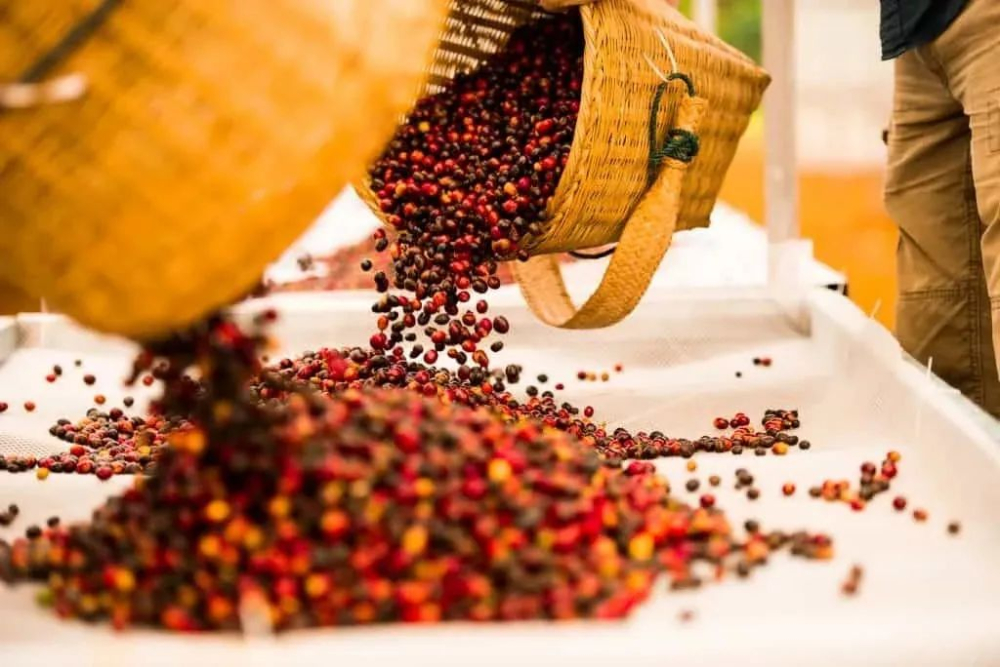
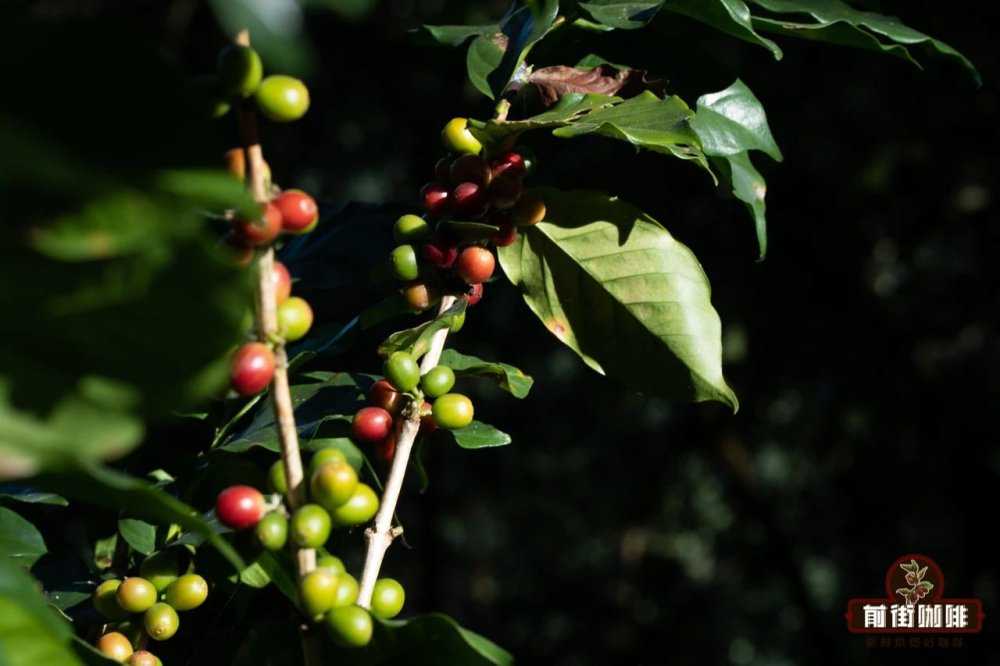
The Baoshan area enjoys a warm climate with no frost throughout the year, coupled with significant day-night temperature variations, which help coffee cherries accumulate richer flavor compounds. Most local coffee farmers harvest by hand to ensure only fully ripe coffee cherries are selected. During the harvesting season from November to March each year, the mountainous areas are filled with the busy figures of farmers picking coffee.
The so-called “Yunnan small-grain coffee” mainly refers to the Catimor variety within the Arabica species. This variety is a hybrid of Caturra and Timor, combining the advantages of strong disease resistance and stable yield. Although the earlier Typica and Bourbon varieties had more delicate flavors, due to their lower yields, Catimor has now become the most widely planted variety in Yunnan.
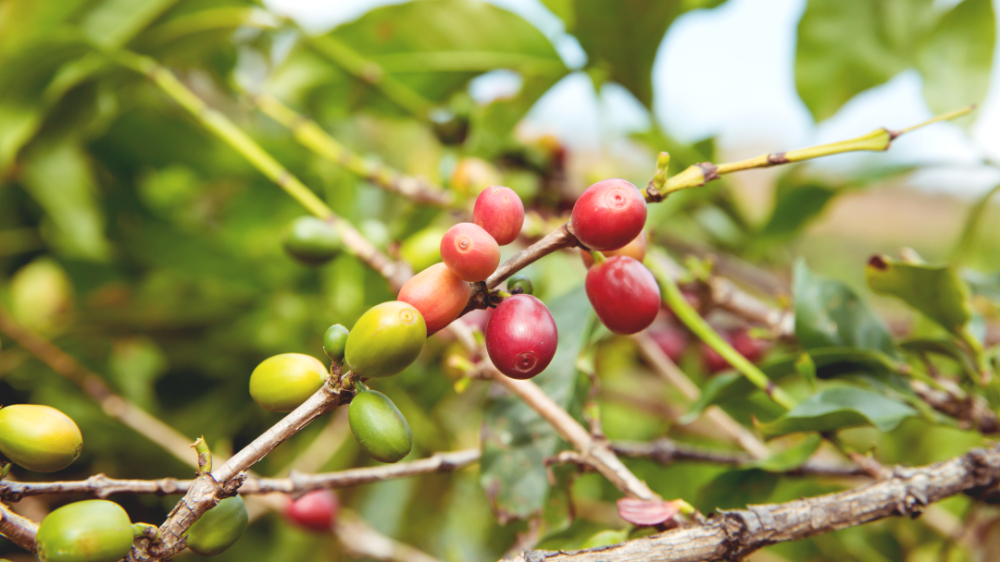
The processing methods for Yunnan coffee are mainly washed and natural. Due to terrain limitations that make it difficult to use large machinery, coupled with the frequent occurrence of the rainy season during the harvest period, washed processing has become the most practical choice. This method can bring out a clean and clear flavor profile, suitable for those who prefer fruity acidity and layered taste. On the other hand, natural processing can impart a richer sweetness and fuller body to the coffee.
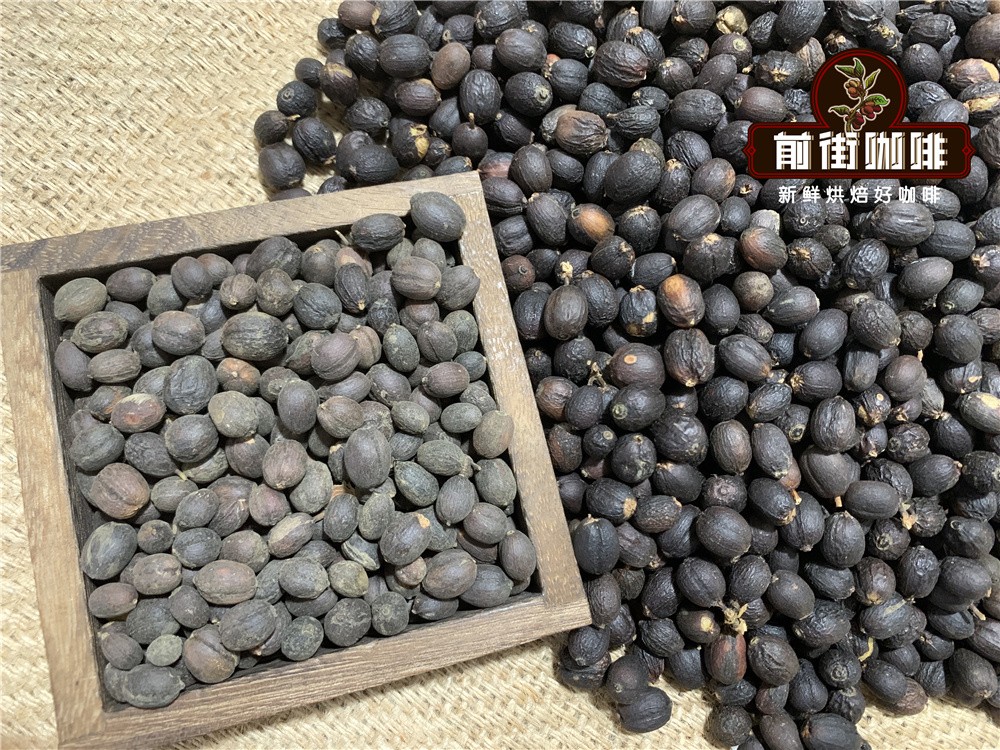
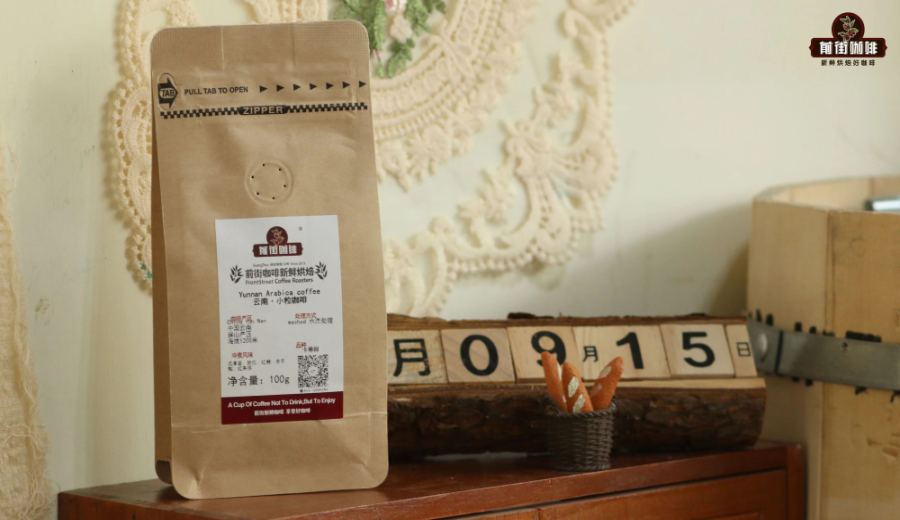
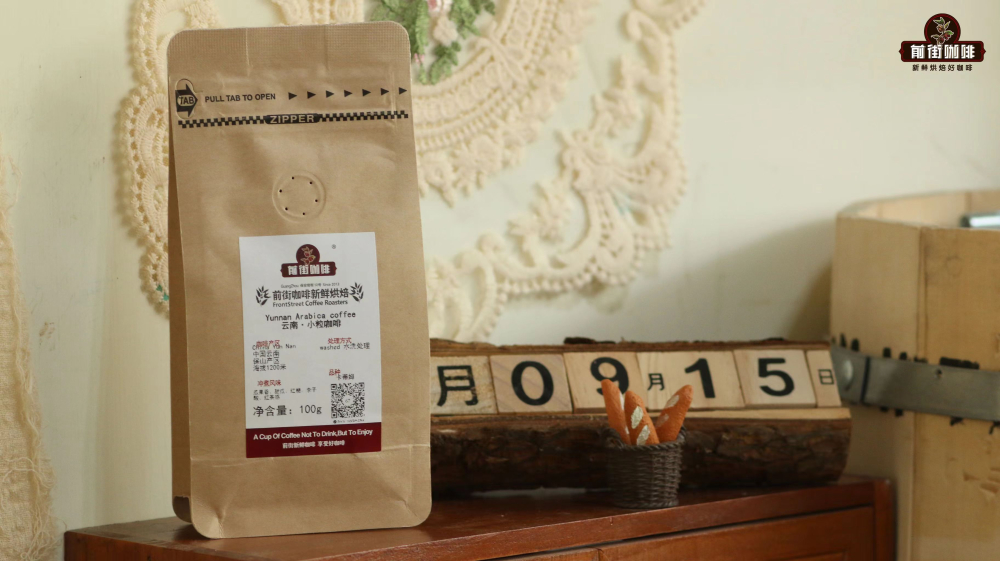
For washed Yunnan small-grain coffee, it is recommended to use medium-light roasting to highlight the nutty, chocolatey, and subtle herbal aromas. When brewing, pay attention to keeping the water temperature between 90-92°C, with a grind size of about medium-fine (similar to the size of fine sugar). It is suggested to use a 2:15 to 2:18 coffee-to-water ratio for pour over. Catimor grown at an altitude of 1200 meters in the Baoshan region, after washed processing, often exhibits a distinct balance of caramel and fruity acidity.
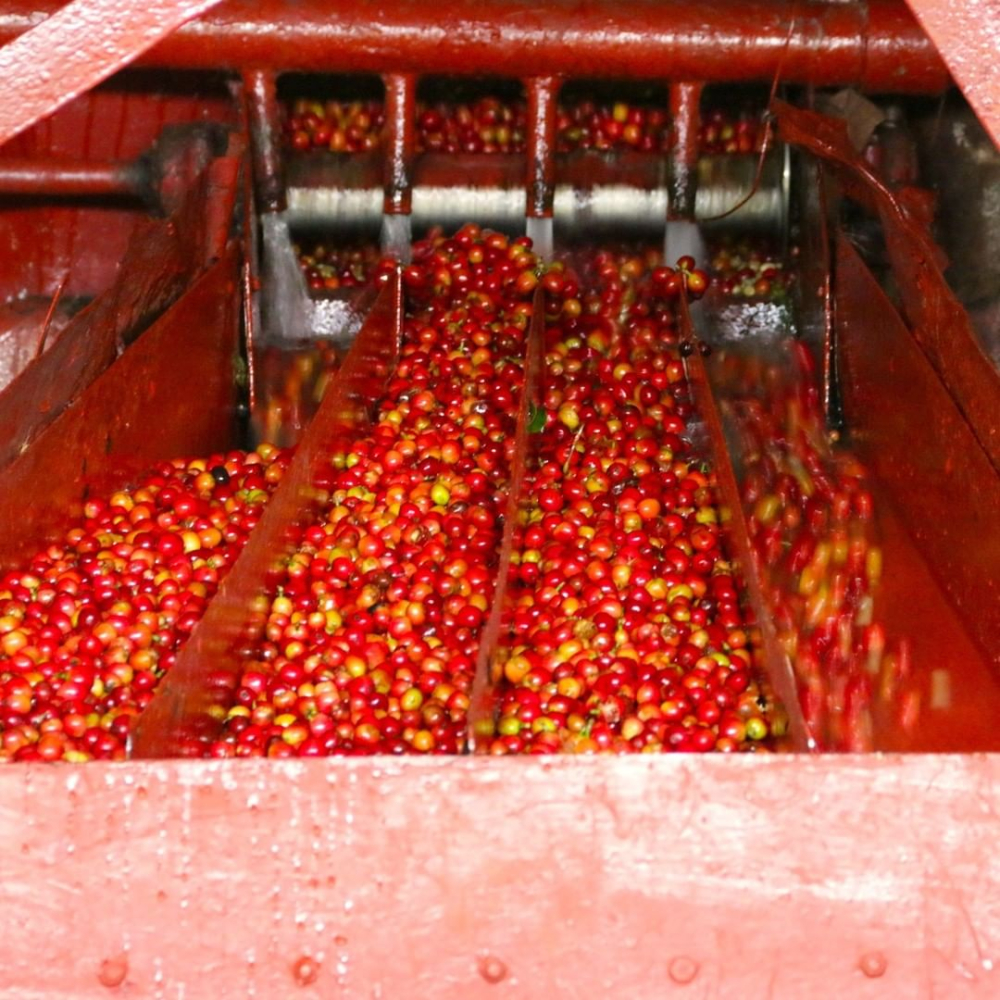
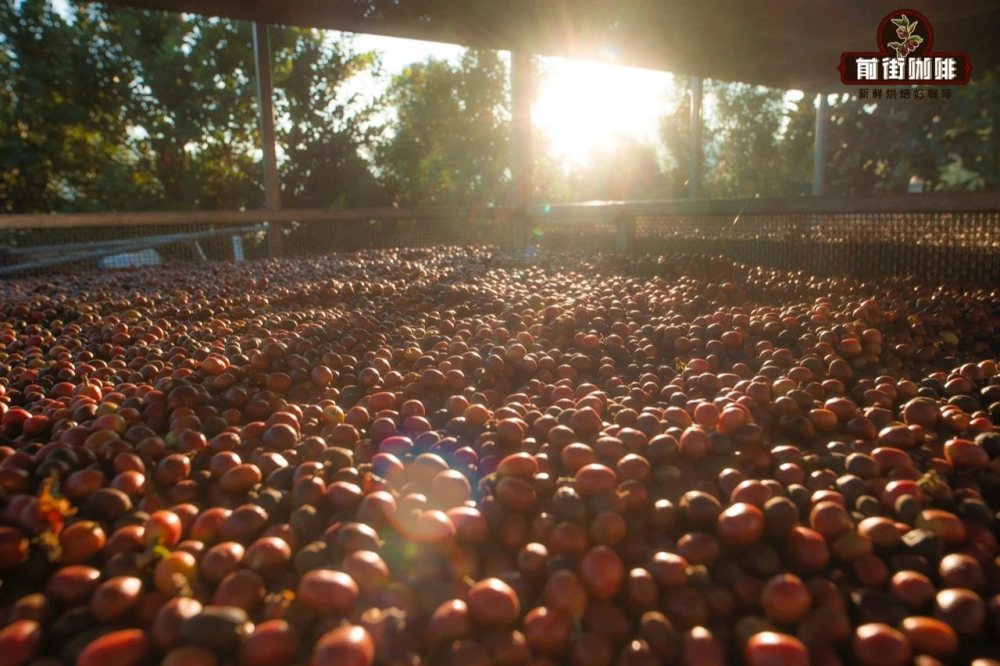
If you prefer a richer sweetness, the natural-processed Yunnan Typica is worth trying. This traditional processing method allows the coffee cherries to dry slowly in the sun, fully developing aromas of dried apricots, brown sugar, and tropical fruits. For brewing, it is recommended to slightly increase the water temperature to 93°C and use a slightly coarser grind to better showcase the full-bodied taste and tea-like aftertaste. Typica grown at an altitude of 1300 meters in the Lincang region, after natural processing, has particularly warm and pleasant flavors.

When selecting Yunnan pour over coffee beans, it is advisable to prioritize the growing altitude and processing method. Coffee grown at high altitudes usually has brighter acidity and more complex aroma layers. Whether you choose washed or natural processing, the appropriate roast level and precise brewing parameters are key to bringing out the potential of Yunnan coffee. Beginners may start with medium-light roasted washed beans, then gradually explore the characteristics of different processing methods.
In summary, the charm of Yunnan small-grain coffee lies in its balanced acidity, sweetness, and bitterness, as well as the unique flavors nurtured by its distinctive highland terroir. From Baoshan’s Luxi Dam to the mountainous regions of Lincang, different producing areas and processing methods create a diverse range of flavor profiles. Whether you are a beginner pour over enthusiast or a coffee connoisseur seeking fresh flavors, Yunnan coffee is definitely worth a try.

The above content is compiled by CoffeeHunters, a coffee news website.


