







Introduction:Want to learn about specialty coffee beans produced in China’s Yunnan? This article takes an in-depth look at the main varieties of Yunnan’s small-grind coffee, including the historical background of Typica and Catimor, their flavor profiles, and provides expert pour over recommendations. Whether you’re new to Yunnan coffee or an enthusiast seeking fresh flavors, you’ll gain practical tasting and brewing inspiration.
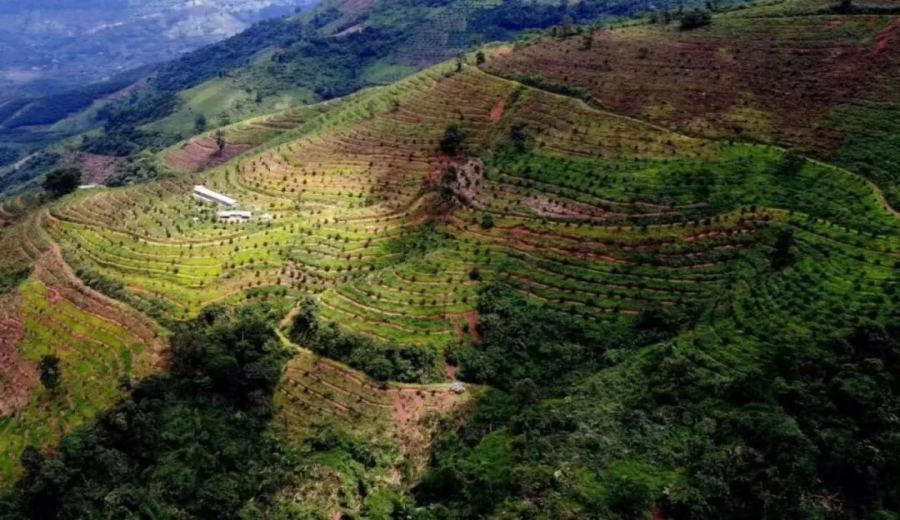
In recent years, with the rise of domestic cultural trends, coffee beans from Yunnan, China have gradually caught the attention of the international market. For many beginners in specialty coffee, Ethiopian Yirgacheffe or Sidamo might be the first choices, while Asian coffee often brings to mind Indonesia’s Mandheling. However, Yunnan, located in China’s southwest, has quietly become an important domestic producer of Arabica coffee thanks to its unique geographical conditions.
Coffee cultivation in China is mainly concentrated in three regions: Fujian, Hainan, and Yunnan. Among them, since Arabica coffee thrives at altitudes of 900 to 2000 meters, while Robusta is suited to low-altitude environments of 200 to 800 meters, geography determines the planting choices of each province. Fujian and Hainan are mostly coastal lowlands, with average altitudes generally below 500 meters, so Robusta dominates; in contrast, Yunnan is a plateau region with average elevations of 1000 to 2000 meters, providing ideal growing conditions for Arabica.
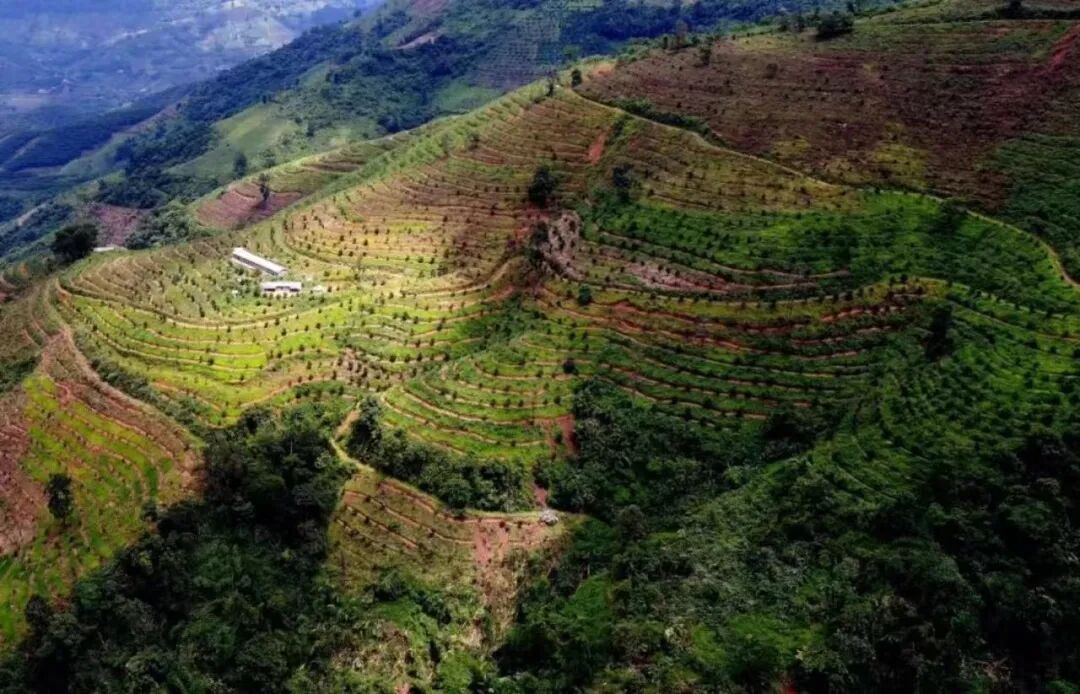
When it comes to the history of Arabica coffee cultivation in Yunnan, it can be traced back to Zhukula Village in Pingchuan Town, Binchuan County, Dali. According to local historical records, in the late 19th century, a French Catholic priest named Father Tanden, who had the habit of drinking coffee, personally planted a coffee tree next to the local church. This act is considered one of the earliest recorded instances of Arabica coffee cultivation in China. However, there are varying accounts in different documents regarding the exact year—1892, 1902, and 1904—so no definitive conclusion has been reached to this day.
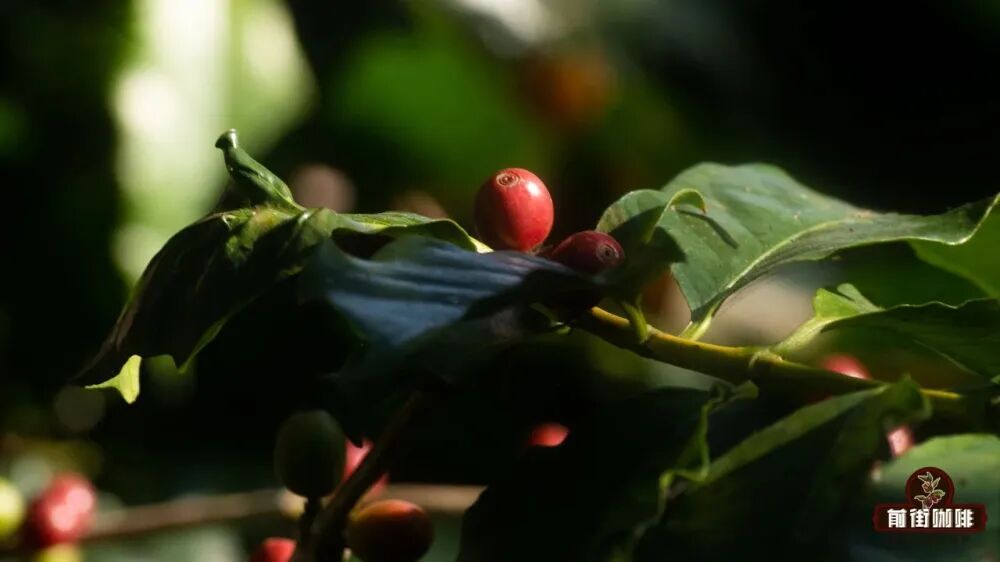
Although the origin year remains debated, what is certain is that Yunnan only began large-scale commercial coffee cultivation in the 1950s. At that time, Professor Qin Renchang from the Institute of Botany at the Chinese Academy of Sciences discovered plants bearing red fruits in the courtyards of Dai villages in Luxi County, Dehong Prefecture, which were identified as small-grind coffee. With his push, the first batch of coffee seedlings were trial-planted in the Mangshi Forest Farm and the Longjiang Dam in Baoshan City, with the latter officially entering mass production in 1955, marking the birth of China’s modern coffee industry.
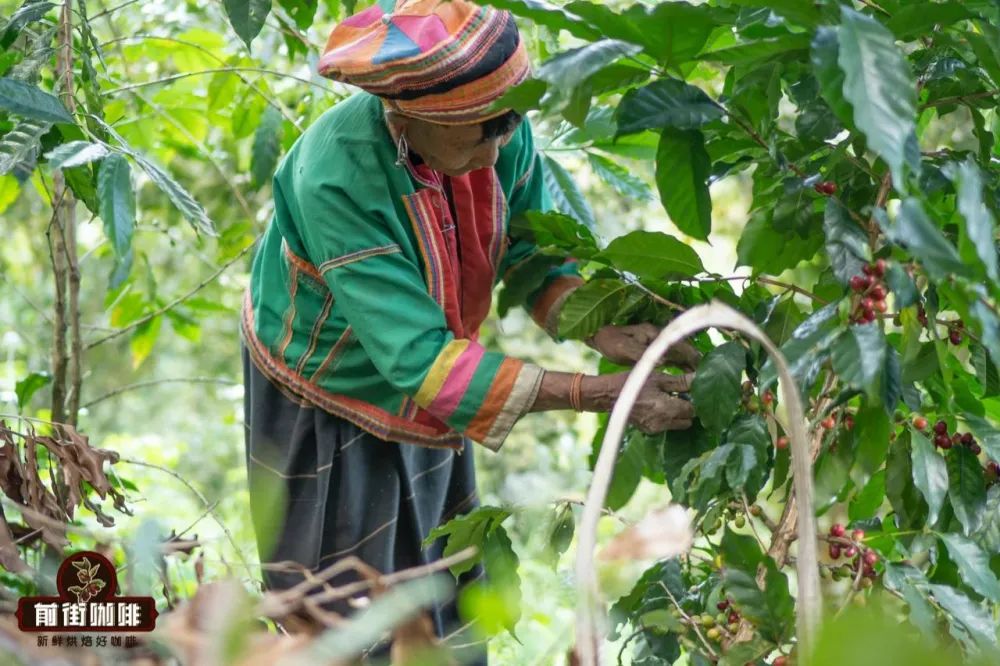
The opportunity for Yunnan coffee to enter the international spotlight came in 1988 when Nestlé established a branch in the region. Nestlé not only introduced the disease-resistant and high-yield Catimor variety, but also committed to purchasing coffee beans at international futures prices. This policy attracted international brands such as Starbucks and Maxwell House to set up operations, leading to rapid expansion of the overall planting area. However, early on, due to a lack of expertise among coffee farmers and relatively rudimentary processing techniques, Yunnan’s green coffee beans were mostly used in instant products, and their prices were long constrained by fluctuations in the international market. To break out of this situation, a shift toward specialty-grade production became the future direction for Yunnan’s coffee industry.
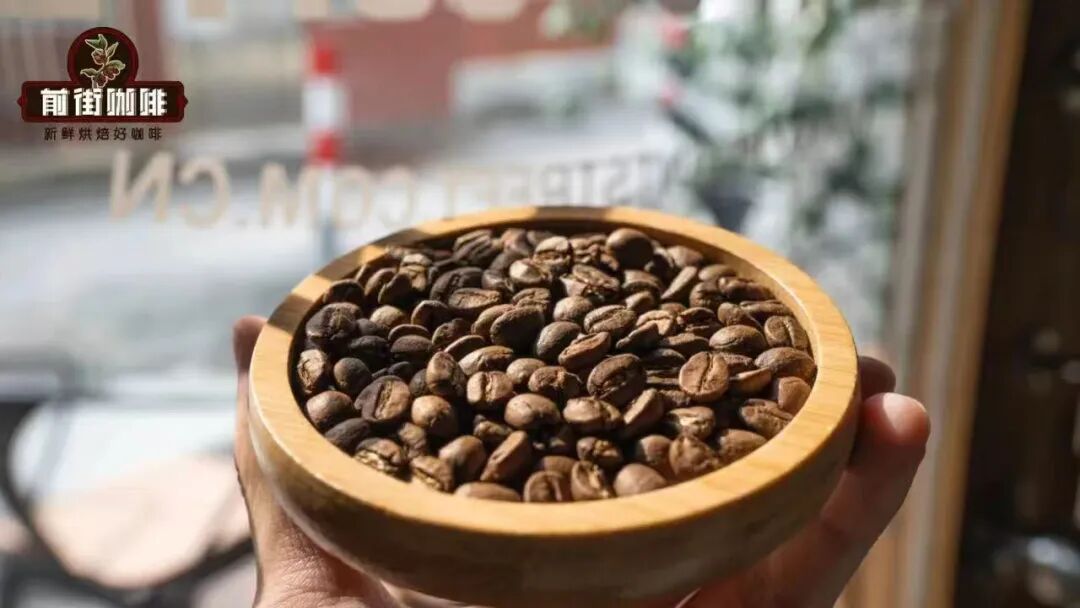
When mentioning Yunnan coffee beans, the term “small-grind” is often brought up. This actually originates from the early Typica variety—one of the classic Arabica types with relatively small bean size. Typica is the original ancestor of many modern Arabica varieties, boasting elegant flavors with genetic advantages. Its plant characteristics include copper-colored top leaves, long oval-shaped and smooth-surfaced leaves, relatively sparse branching, and bean shapes that are slightly oval or elongated. However, Typica also has obvious drawbacks: it has weak resistance to diseases, especially leaf rust, and yields are low, so it has gradually been replaced by varieties like Caturra and Catuai in many parts of Central and South America.
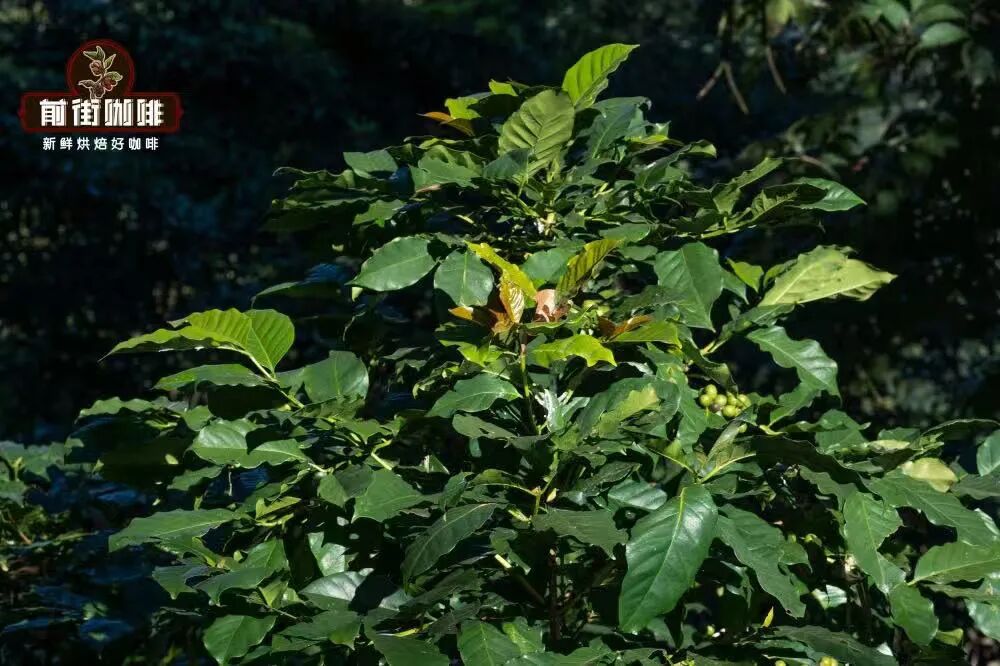
Despite the challenges of cultivation, growers still choose to plant Typica in Yunnan because it can showcase a unique delicate tone and clean mouthfeel, with a balanced flavor profile, making it ideal for enthusiasts who wish to appreciate the essence of coffee. This is also why, despite the difficulties, there is a desire to present the best flavors of Yunnan coffee to a broad consumer audience.
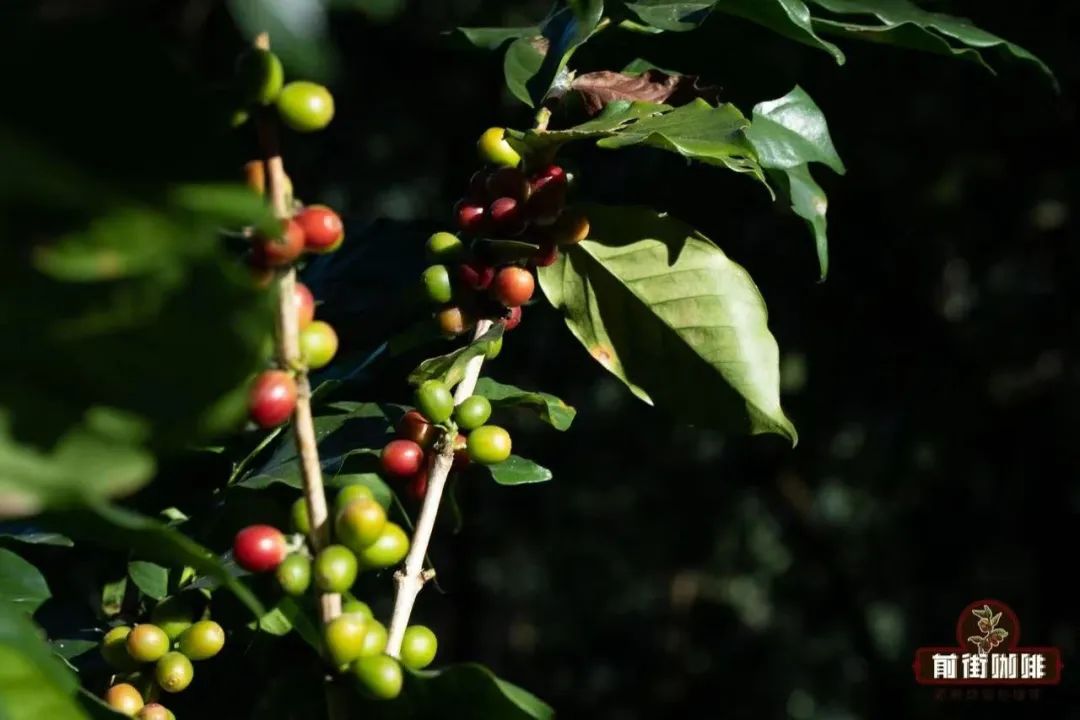
As for the current main commercial variety in Yunnan, none other than Catimor takes the lead. Catimor is actually a hybrid of Arabica and Robusta, originating in Portugal in 1959. At that time, Caturra, which had Bourbon lineage, was moved to East Timor and crossed with Timor, which carried Robusta genes, successfully cultivating Catimor, which is both highly disease-resistant and high-yielding. Due to the global outbreak of leaf rust at the time, Catimor quickly gained popularity in multiple countries thanks to its outstanding disease resistance and high productivity.
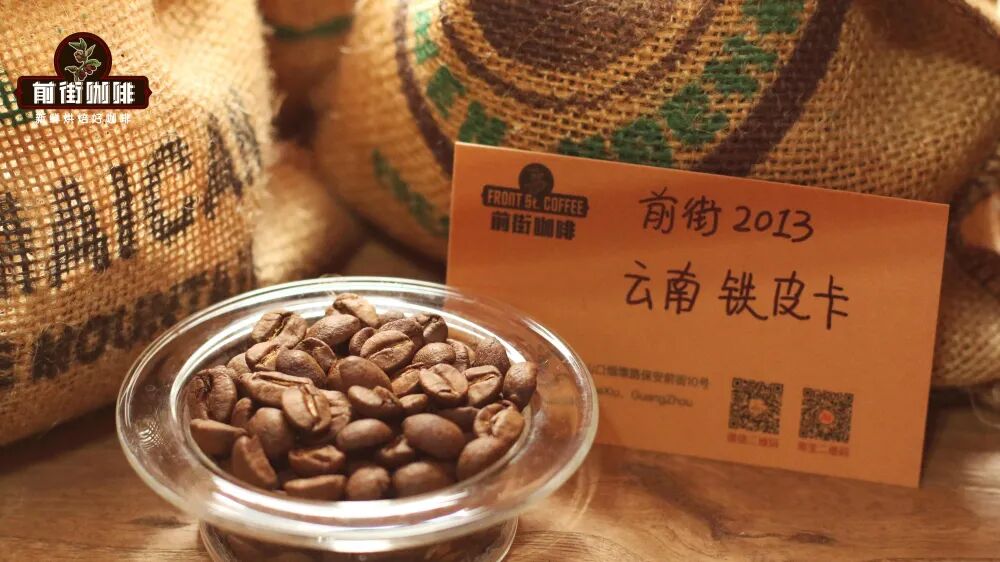
Today, the company’s coffee list still includes sun-dried Typica from Lincang and hot-water washed Catimor from Baoshan, with these two beans representing different facets of Yunnan coffee and allowing consumers to experience the subtle differences between varieties.
【Yunnan 2013 Coffee Beans】Region: Yunnan Lincang | Elevation: 1300m | Processing Method: Natural | Variety: Typica
【Yunnan Small-Grind Coffee】Region: Yunnan Baoshan | Elevation: 1200m | Processing Method: Washed | Variety: Catimor
In terms of brewing recommendations, both of these Yunnan-origin coffees exhibit balanced flavor profiles, with acidity that is not overly prominent and bitterness that is not strong, making them suitable for most coffee enthusiasts to try. It is recommended to use 15 grams of coffee grounds, paired with a 1:15 coffee-to-water ratio (if you prefer a cleaner profile, you can adjust to 1:16), using a V60 filter, with water temperature controlled at 90°C to help soften the acidity. The grind size is recommended to be medium-fine, approximately the size of fine sugar granules, or using a 20-mesh sieve with about 75% passing rate.
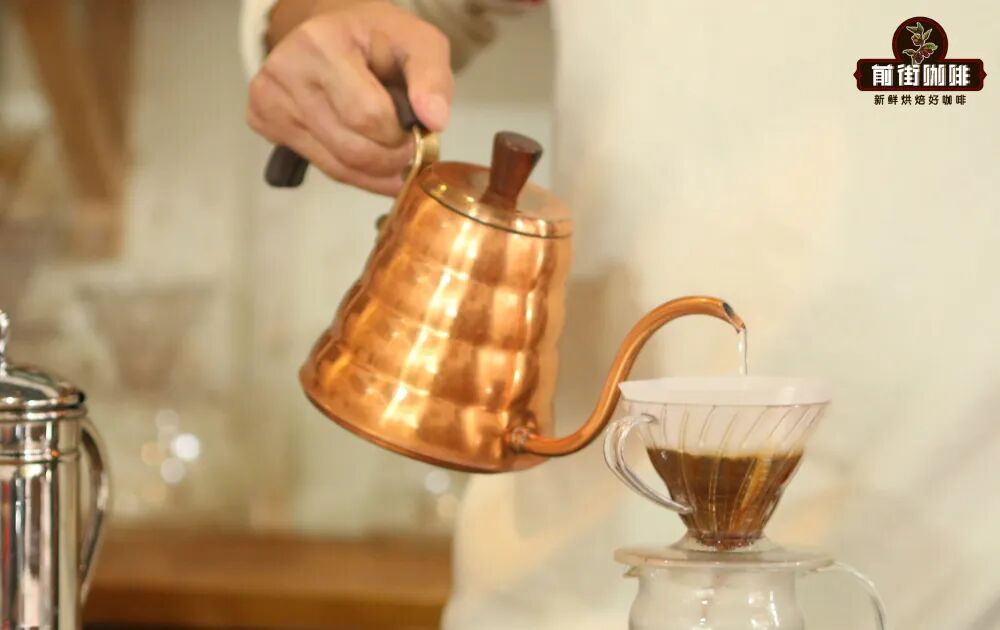
In practice, you can use the classic three-stage extraction method: start with 30 grams of water for a 30-second bloom, wait for the coffee bed to expand, then pour in a small circular motion until reaching 125 grams for the first pour; once the water level drops slightly and is about to expose the coffee bed, continue pouring to 225 grams before stopping, and finally remove the filter when the water level approaches the coffee bed again. The total extraction time should be controlled around 2 minutes, which helps fully highlight the delicate flavors of Yunnan coffee beans.
The above content is compiled by CoffeeHunters, a coffee news website.

