







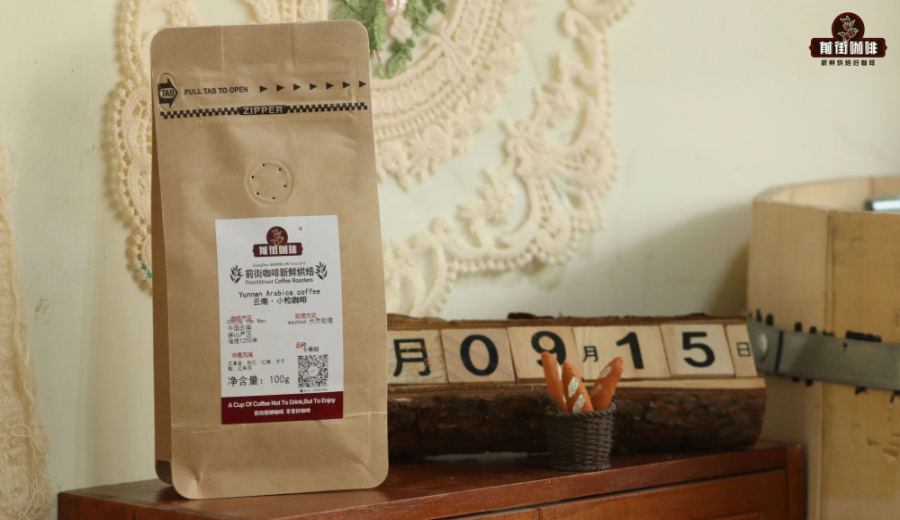
Introduction:Many people have a vague impression of Yunnan coffee, thinking it lacks distinctive flavor characteristics. In fact, as one of the few regions in China suitable for coffee cultivation, Yunnan is located within the "coffee belt" and has a long history of coffee farming. This article will delve into the flavor profile of Yunnan small-bean coffee, explore its suitable brewing methods, and provide beginner-friendly recommendations and roasting advice to help you gain a more comprehensive understanding of this promising coffee bean.
In line with the impression of many consumers, Yunnan coffee has often been considered lacking in distinct regional flavors in the past—unlike African beans with their bright fruit acidity, American beans with their rich chocolate notes, or Indonesian beans with their layered spice complexity. However, this perception is gradually changing. Yunnan, especially areas like Baoshan, is situated within the global coffee-growing "golden latitude"—between the Tropic of Cancer and the Tropic of Capricorn—with both climate and altitude conditions well-suited for coffee growth.
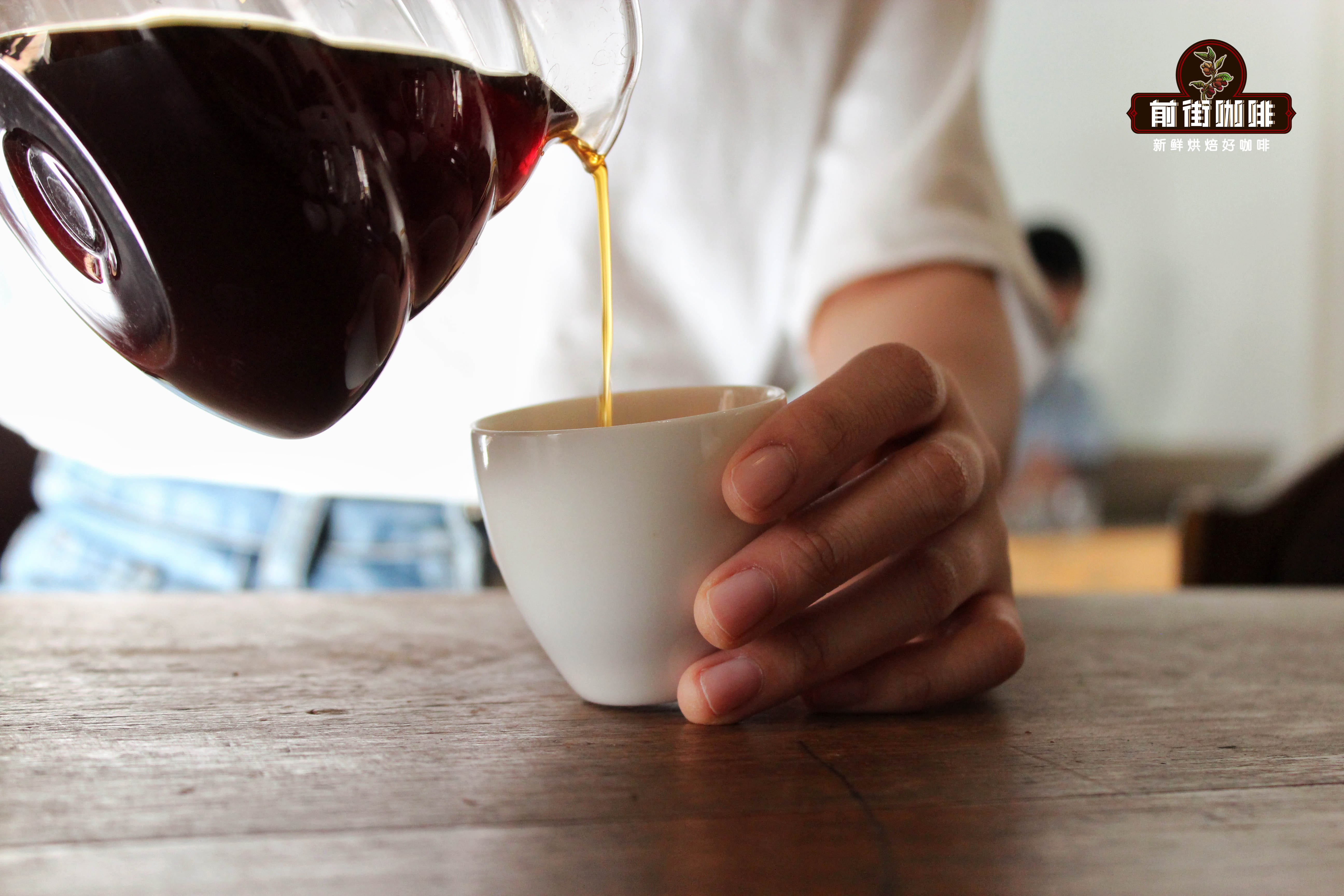
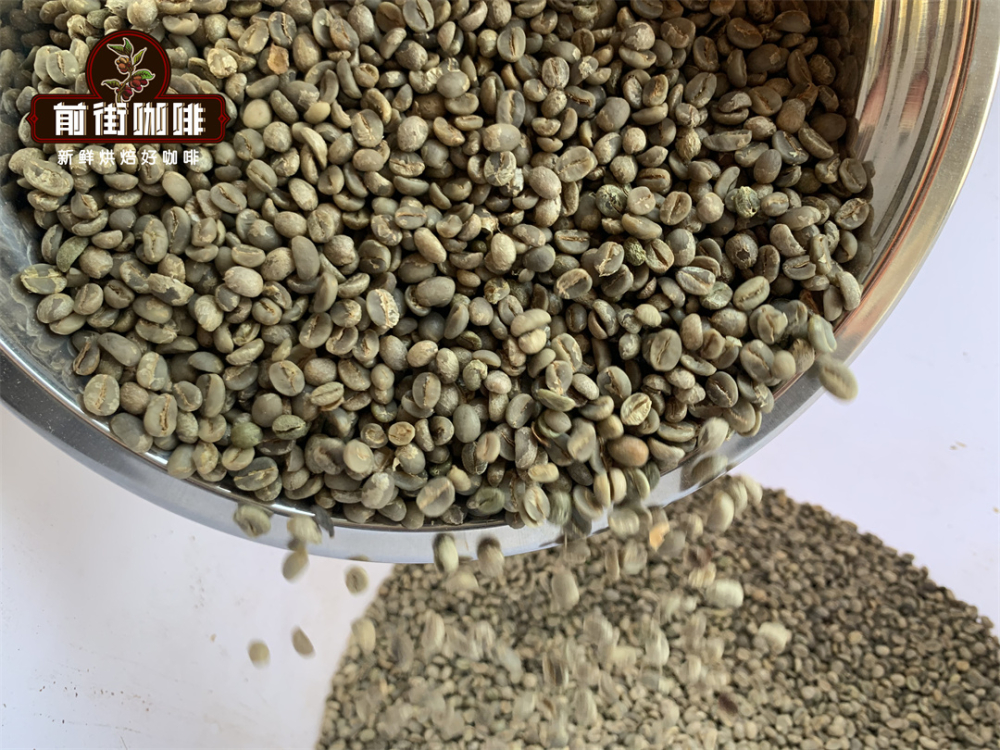
The history of Yunnan small-bean coffee can be traced back to the late 19th century, when it was first introduced to Zhukula Village, Binchuan County, Dali by French missionaries. The seeds originated from wild varieties in Africa and gained fame after being spread through the Arab world. After more than a century of localized adaptation, Yunnan coffee has gradually developed its own characteristics, particularly noted for its “small beans,” which is also one of the key features that distinguish it from coffee from other producing regions.
To truly experience the essence of Yunnan small-bean coffee, it is recommended to start with traditional processing methods such as washed or natural (sun-dried) processing. These methods preserve the most original flavor characteristics of the coffee beans and avoid excessive human intervention. Although there are now innovative flavor profiles among Yunnan coffees on the market, their overall performance still tends to be balanced, with roasters mostly taking a moderate approach to avoid extreme flavor expressions.
The industry generally agrees that the ideal flavor profile of Yunnan coffee should include moderate caramel aromas, along with soft acidity and overall harmony. Based on these characteristics, most Yunnan coffees are roasted to a medium level—not too light to retain clear layers, nor too dark to lose delicate mouthfeel. Depending on the processing and blending methods, they can generally be divided into two main categories: single-origin and blends.
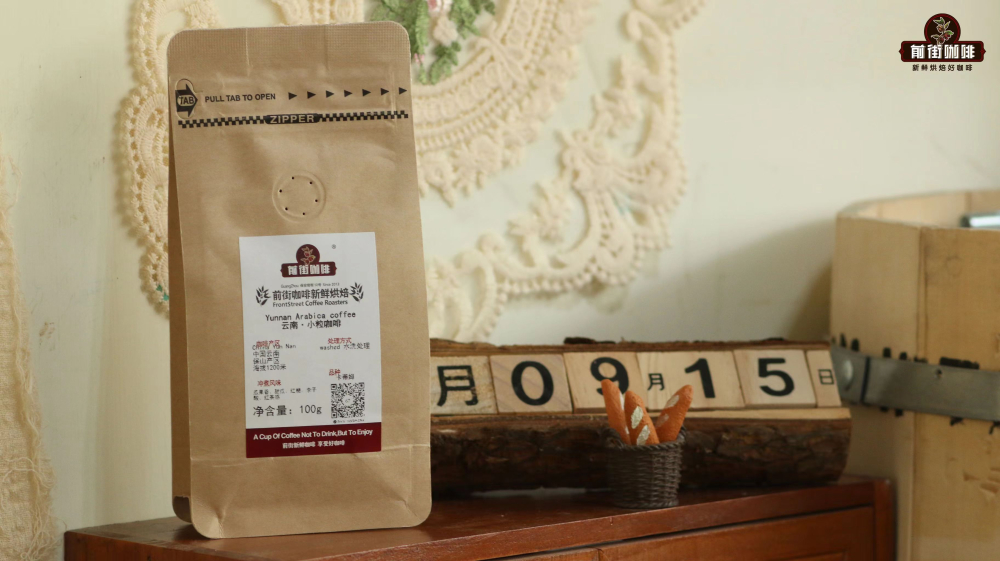
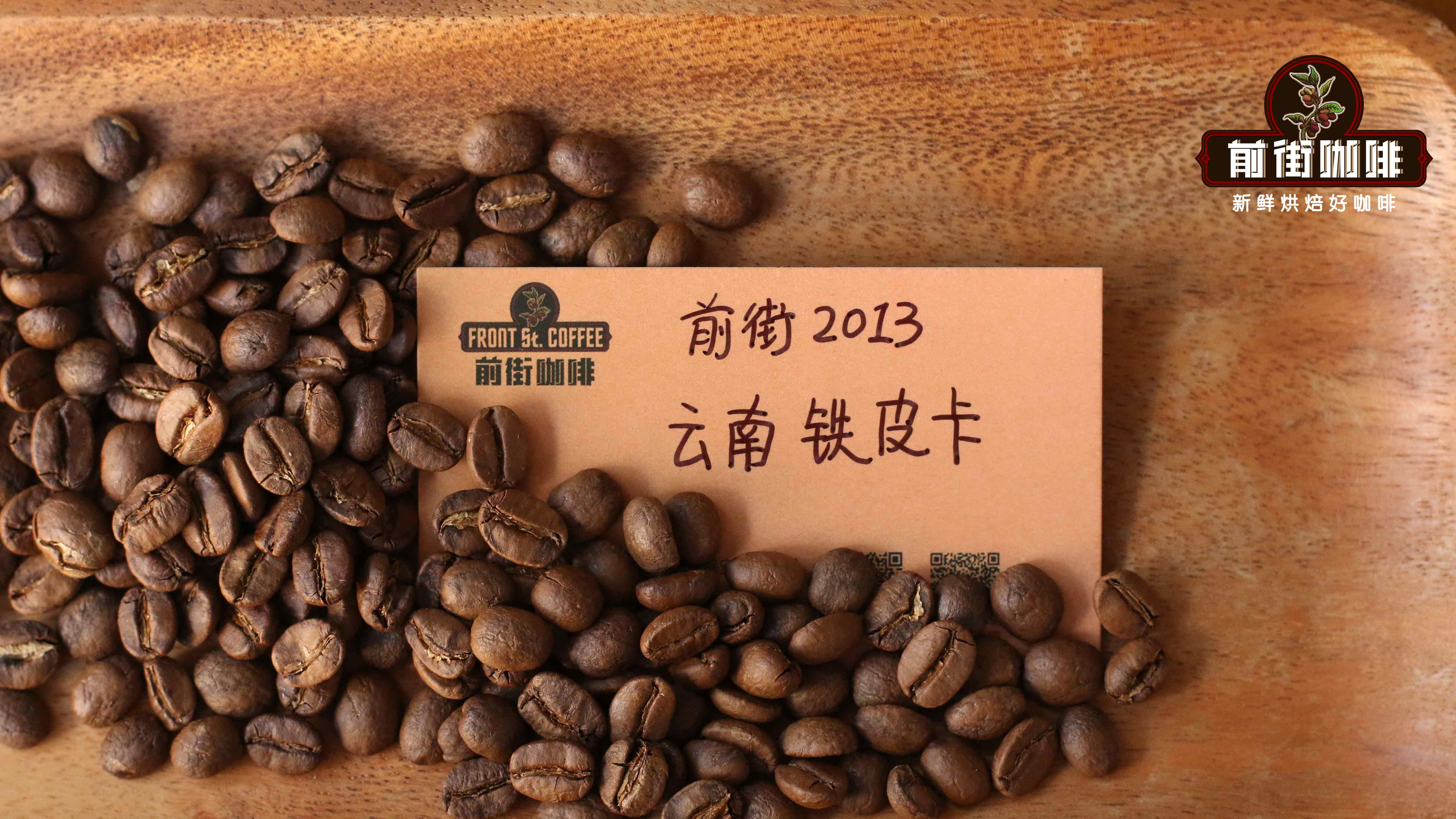
For beginners or those who wish to explore the basic flavors of Yunnan coffee, it is recommended to try washed Catimor beans from Baoshan, grown at an altitude of about 1,200 meters. This coffee typically presents a base of nuts, herbs, and chocolate, with a hint of fruity acidity in the aftertaste. It is suitable for brewing using pour over, moka pot, or cold brew methods, which can fully showcase its moderate and harmonious qualities. Another option is an ironica natural-processed bean from Lincang, grown at 1,300 meters altitude, known for its berry-like acidity, nutty tones, and brown sugar sweetness, with a tea-like freshness in the aftertaste. It also suits the same brewing methods and allows drinkers to experience a more traditional Yunnan small-bean flavor.
For those who prefer espresso extraction or have an espresso machine or moka pot at home, consider a blend of Yunnan and Brazilian beans. These medium-to-dark roasted blends usually combine flavors of nuts, chocolate, and caramel, with mild acidity and a sweet note reminiscent of sugarcane. They offer stable overall performance and good value for money, making them highly suitable for daily drinking and practicing extraction techniques.
The above content is compiled by CoffeeHunters, a coffee news website.

