







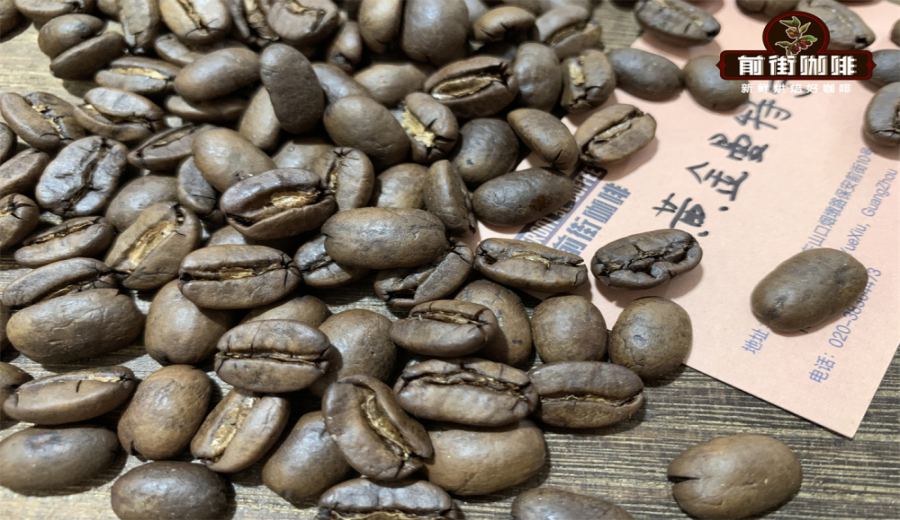
Introduction:Selecting specialty coffee beans suitable for pour over is the first challenge for beginners. This article features representative beans from six major coffee regions, covering well-known origins such as Ethiopia and Kenya. From the bright acidity of Yirgacheffe to the rich body of Blue Mountain coffee, it details each bean’s altitude, processing method, and unique flavor profile, along with key extraction parameters to help newcomers build a systematic understanding of coffee flavors.
The charm of pour over lies in showcasing regional terroir through single-origin beans from a single region. For those new to specialty coffee, it’s recommended to start with single-origin beans with distinct flavors—this allows you to experience the differences between processing methods while gradually mastering brewing techniques. The following introduces six globally renowned beans from major origins, including three that highlight bright acidity and three that emphasize rich body.
Highlighting Bright AcidityFirst up is Ethiopia Yirgacheffe Red Cherry, grown at altitudes of 1700–2200 meters at the Aletaran Estate using native variety natural sun-dried processing. This G1-grade coffee boasts pronounced notes of lemon and berries.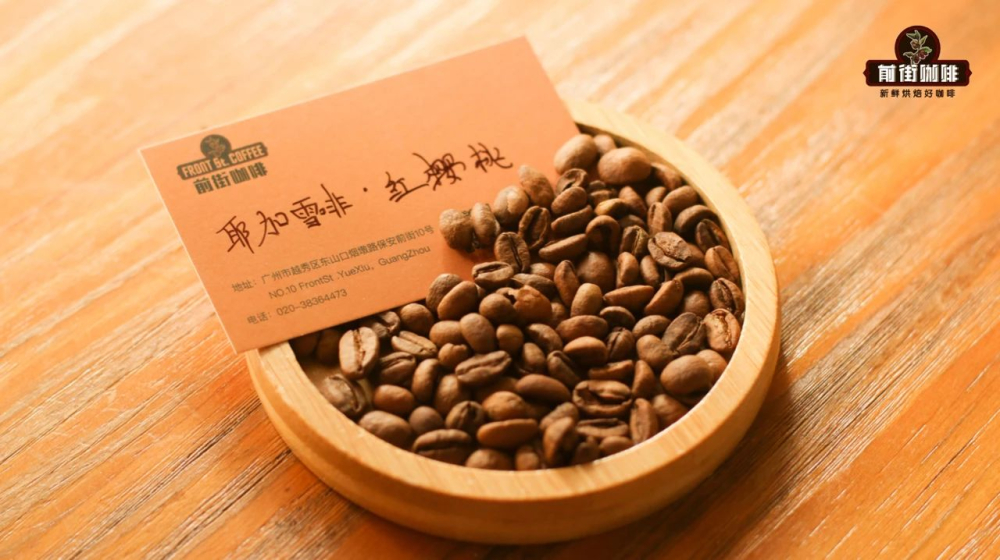 Its flavor profile transitions from citrusy acidity to caramel sweetness, with a particularly lingering black tea aroma in the aftertaste. Note that during brewing, water temperature should be kept at 90–92°C to avoid excessive sharpness from high heat.
Kenya Little Tomato comes from the Asali Honey Processing Factory in the Thika region, with SL28 and SL34 varieties grown at high altitudes of 1550–1750 meters.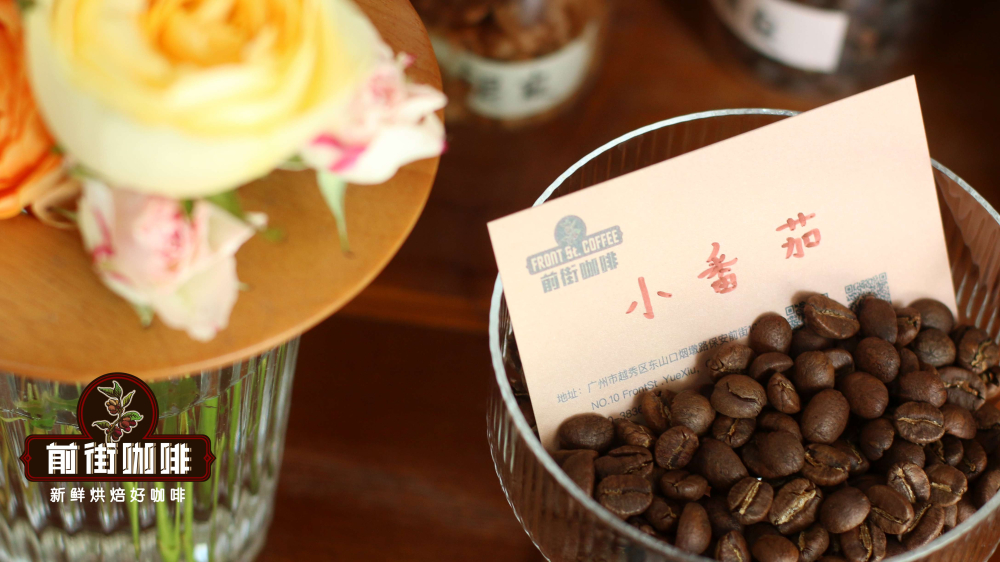 Its signature cherry tomato-like acidity, combined with the clean characteristics of the K72 washed process, delivers a juice-like brightness on the palate, balanced by mid-palate sweetness and a black tea finish. Particularly suited for drinkers who enjoy lively, high-acid profiles.
Panama Geisha Blossom showcases the hybrid charm of the Boquete region, blending 70% Gesha with Caturra and Catuai varieties, processed via washed method at altitudes of 1600–1650 meters.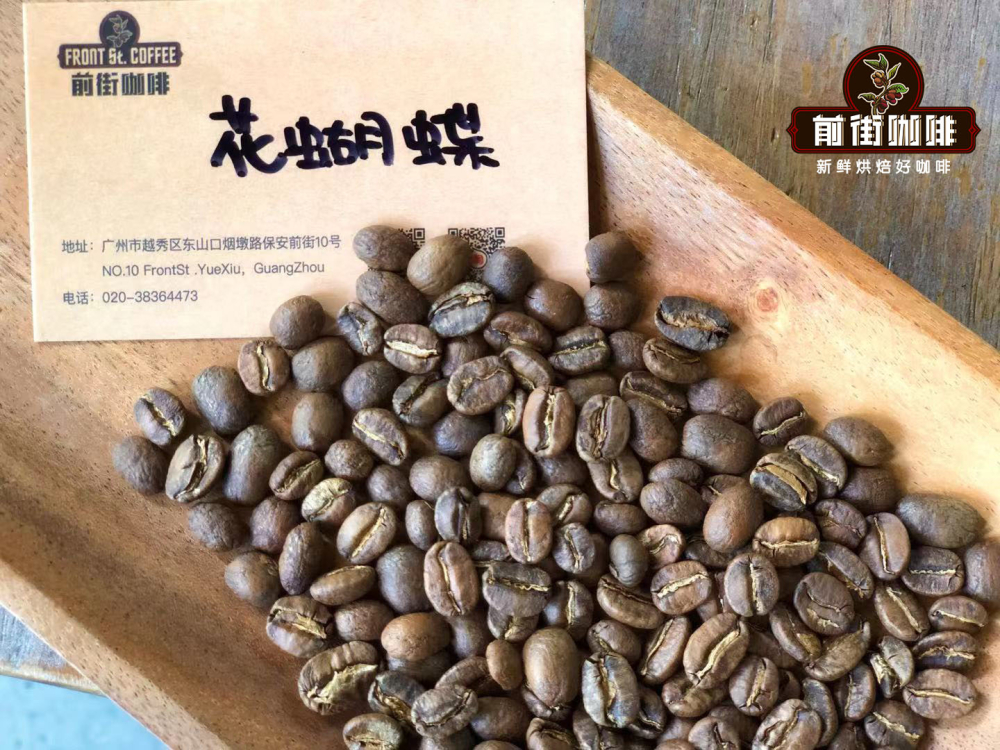 Its flavor presents elegant floral and citrus notes, with mild, non-aggressive berry acidity.
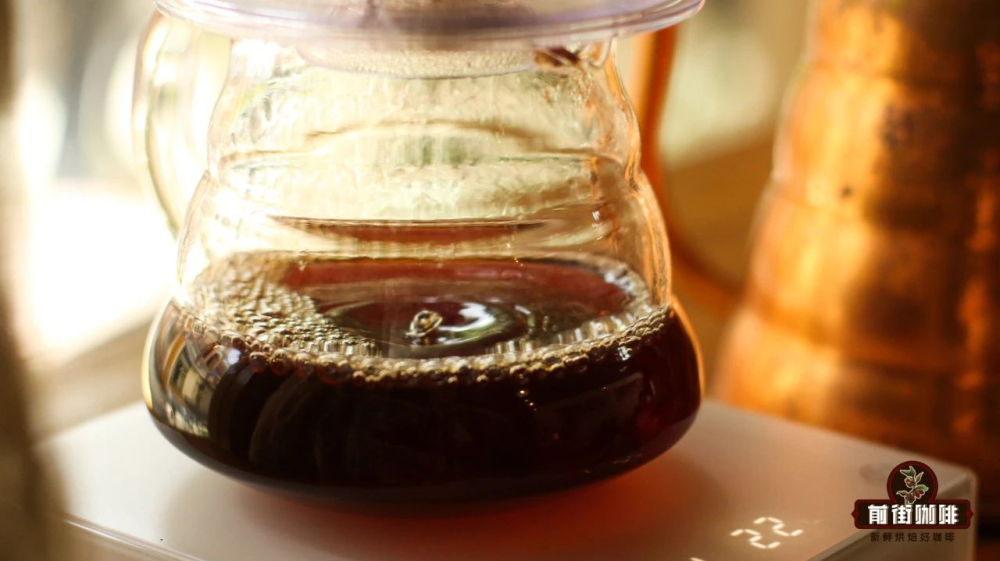 It’s smooth on entry with extremely low bitterness, making it excellent for beginners practicing stable water flow control.
Rich Body GroupAmong them, Jamaica Blue Mountain No. 1 is a paragon of balance. The Typica variety, grown at 1310 meters at the Clarendon Estate and processed via traditional washed method,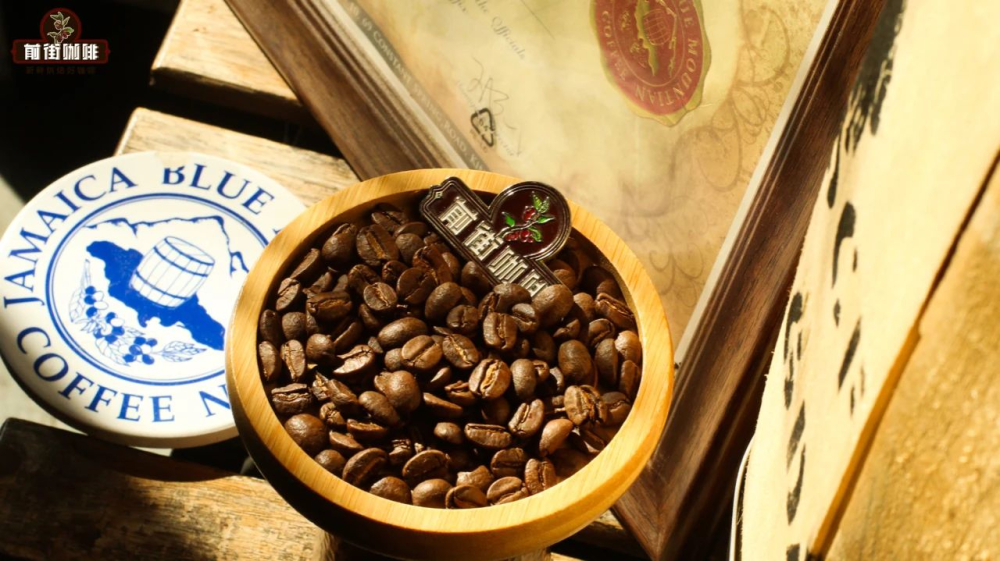 delivers a trio of hazelnut, chocolate, and caramel. Note that this bean requires a longer resting period (recommended 14 days post-roast), with an optimal extraction temperature of 91°C to bring out its rich texture.
Indonesia Golden Mandheling hails from the Gayo Mountains in Aceh at altitudes of 1100–1600 meters, with PWN using the wet-hulled (Giling Basah) method to impart its distinctive richness.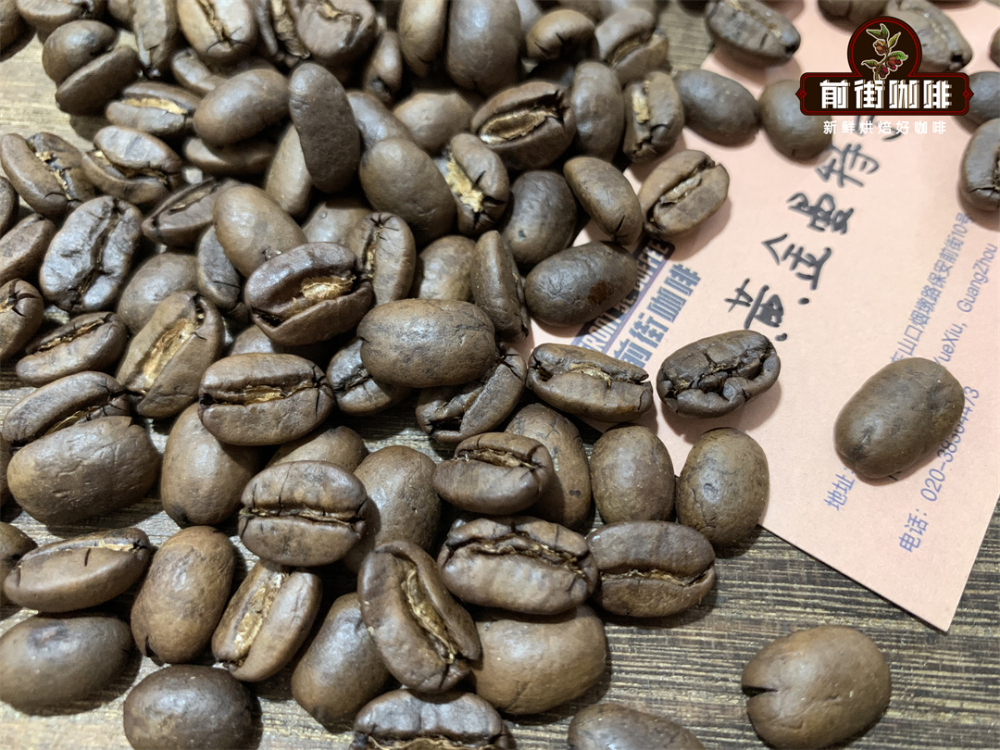 The Ateng variety showcases a solid foundation of hazelnut and chocolate, with mid-palate notes of brown sugar emerging.
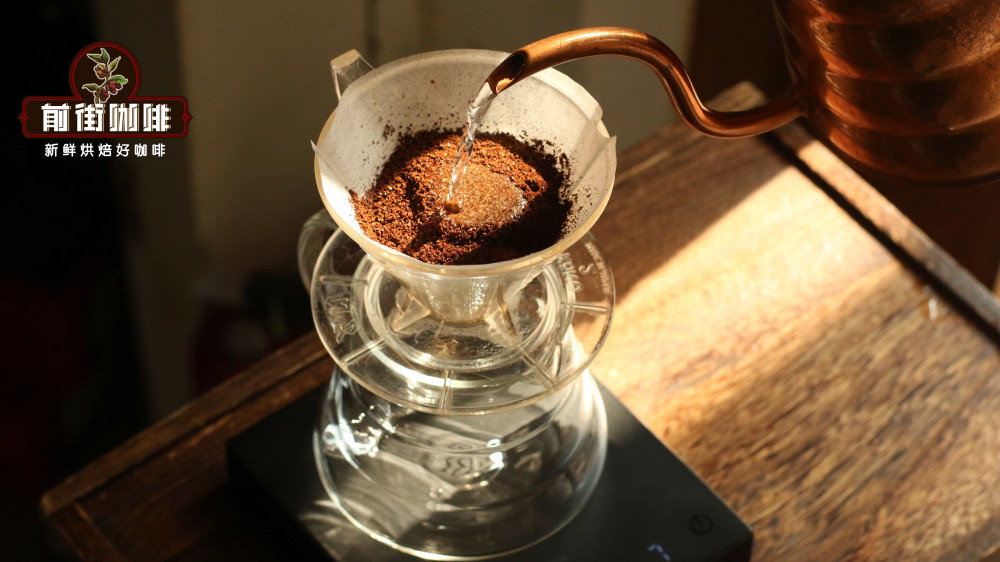 For brewing, a slightly coarser grind (e.g., 70% passing through a Chinese standard 20-mesh sieve) is recommended to avoid over-extraction and resultant woody notes.
Brazilian Queen Estate Yellow Bourbon, processed via natural sun-dried method at high altitudes of 1400–1950 meters,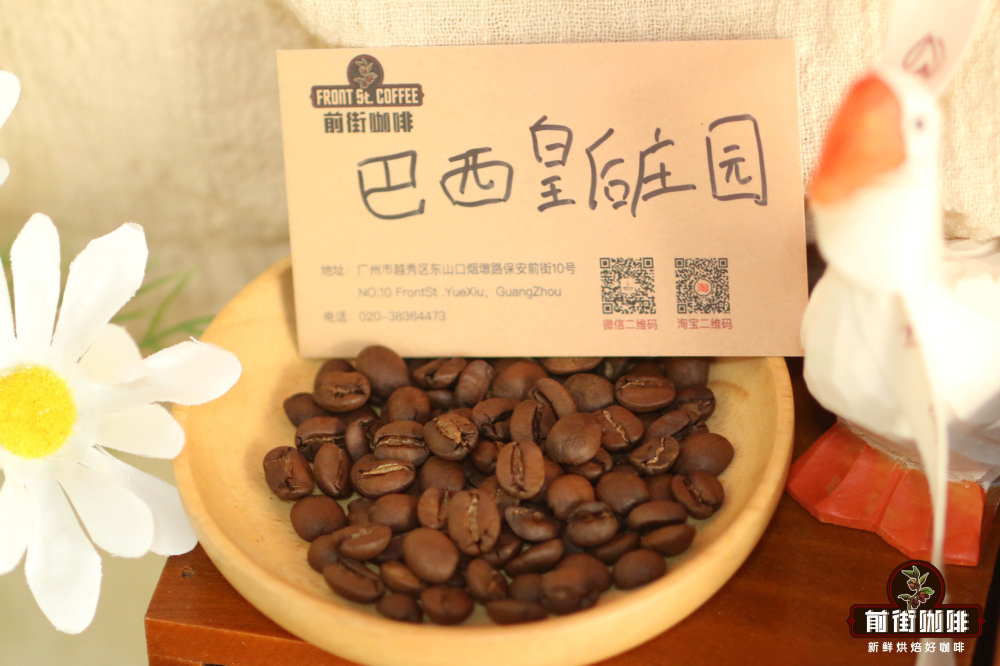 features intense hazelnut and dark chocolate flavors with hints of fermented fruit. This G1-grade bean is especially suited for those who prefer rounded profiles.
 During extraction, it’s recommended to extend the blooming time to 45 seconds to enhance sweetness development. Beginners may try medium-light roasting to preserve more fruity notes.
In summary, Yirgacheffe showcases the vibrant floral and fruity character unique to African beans, while Kenya and Geisha Blossom offer varied acidity expressions; Blue Mountain represents the benchmark for balance, and Mandheling and Brazilian beans demonstrate the diverse possibilities of rich-bodied specialty coffee. During actual brewing, it’s recommended to use a V60 dripper (1:15 coffee-to-water ratio) for parameter adjustments to gradually find your preferred flavor profile.
The above content is compiled by CoffeeHunters, a coffee news website.

