








Introduction:Selecting specialty coffee beans suitable for pour over is an essential starting point for coffee enthusiasts. This article curates seven single-origin coffee beans from globally renowned producing regions, covering Asia, Africa, and the Americas. It provides a detailed breakdown of each bean’s altitude, variety, processing method, and flavor profile to help beginners choose based on their personal taste preferences. From the low-acidity and full-bodied Indonesian Mandheling to the bright and fruity Ethiopian Yirgacheffe, practical brewing suggestions are included to help you easily embark on a high-quality pour over experience.
Among the many specialty coffees that showcase a full-bodied character, Indonesia's Sumatran Golden Mandheling is highly praised for its rigorous selection process. Its beans undergo four rounds of manual sorting to remove defective ones, ensuring only high-quality green beans enter the subsequent processing. This strict selection not only removes off-flavors and earthy notes but also fully preserves the herbal and woody characteristics unique to the Indonesian region. After undergoing the wet-hulled process, the coffee presents a complex profile interwoven with chocolate, caramel, and spices, with a warm woody aroma in the aftertaste.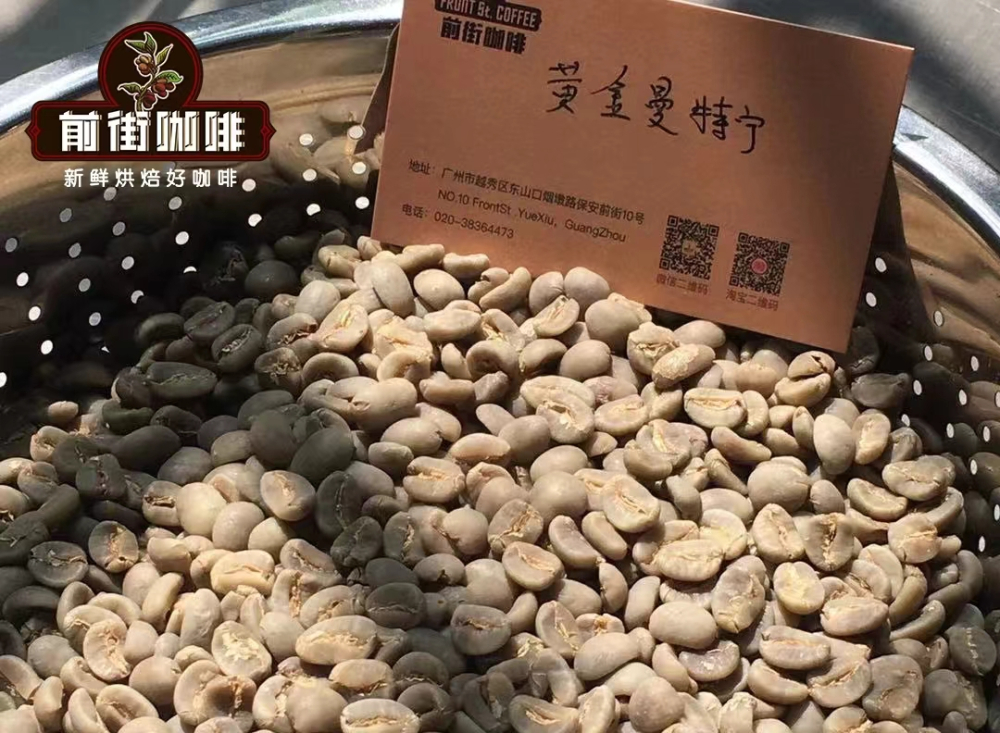 These beans are grown at altitudes of 1100–1600 meters in the Gayo Mountains, using the Ateng variety with the traditional wet-hulled method. Flavor keywords include toasted bread, nuts, and pine notes.
For coffee lovers who prefer bright acidity, consider the washed beans from Yirgacheffe, Ethiopia. This native variety, grown at elevations of 1900–2300 meters in the highlands, is world-renowned for its signature white floral notes and vibrant citrus tones. It is worth noting that although Yirgacheffe is a micro-region within the Sidamo region, it has been independently classified as a classic producing area due to its unique flavors. The processing retains more mucilage, resulting in a distinct green tea base and bright acidity, with a sweet and tangy balance and a caramel aftertaste.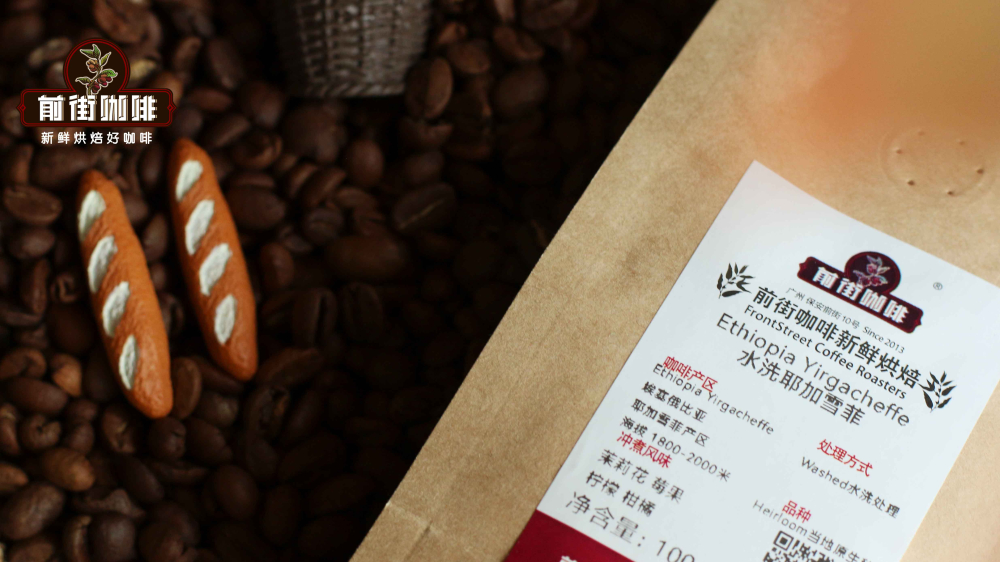 It is recommended to brew with water at 90–93°C to better highlight the freshness of citrus fruits.
Brazilian Queen Estate’s Yellow Bourbon variety breaks the stereotype of South American coffee. Grown on an estate at altitudes of 1400–1950 meters in São Paulo State, the high-altitude environment gives the beans a more delicate flavor expression. Unlike the common monotonous nutty notes of low-altitude Brazilian beans, this Yellow Bourbon exhibits a soft creamy texture and multi-layered aftertaste, along with the natural sweetness of peanuts and fermented fruits. The semi-washed process balances sweetness and body, with a sugarcane-like aftertaste that pairs well with milk or can be enjoyed as a single origin slowly sipped.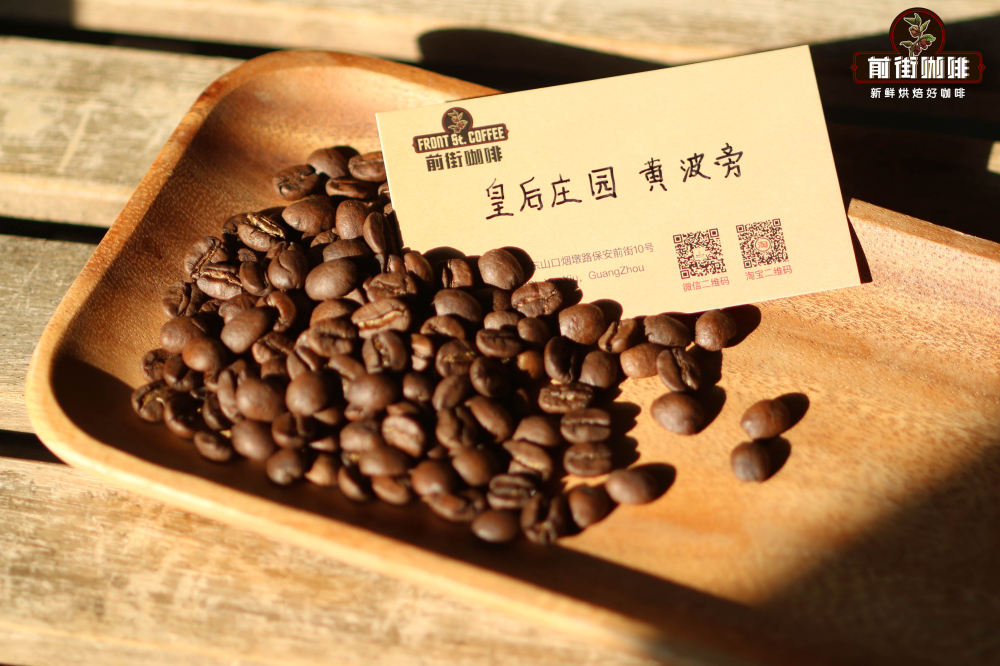 When brewing, be mindful not to grind too finely; a medium-coarse grind with water at 92°C can highlight the creaminess.
Colombia’s Geisha variety stands out with its intense fermentation aromas. From the Huila region, this coffee exudes grape and fermented wine notes upon opening the bag, and delivers a juice-like full-bodied mouthfeel when brewed. Using a double anaerobic natural process, it perfectly blends passion fruit, apricot preserve, and citrus tones, with bright yet non-sharp acidity. This bean is especially suitable for advanced enthusiasts seeking layered flavor complexity. It is recommended to use a V60 filter and a center-pouring technique to better showcase its tropical fruit explosion.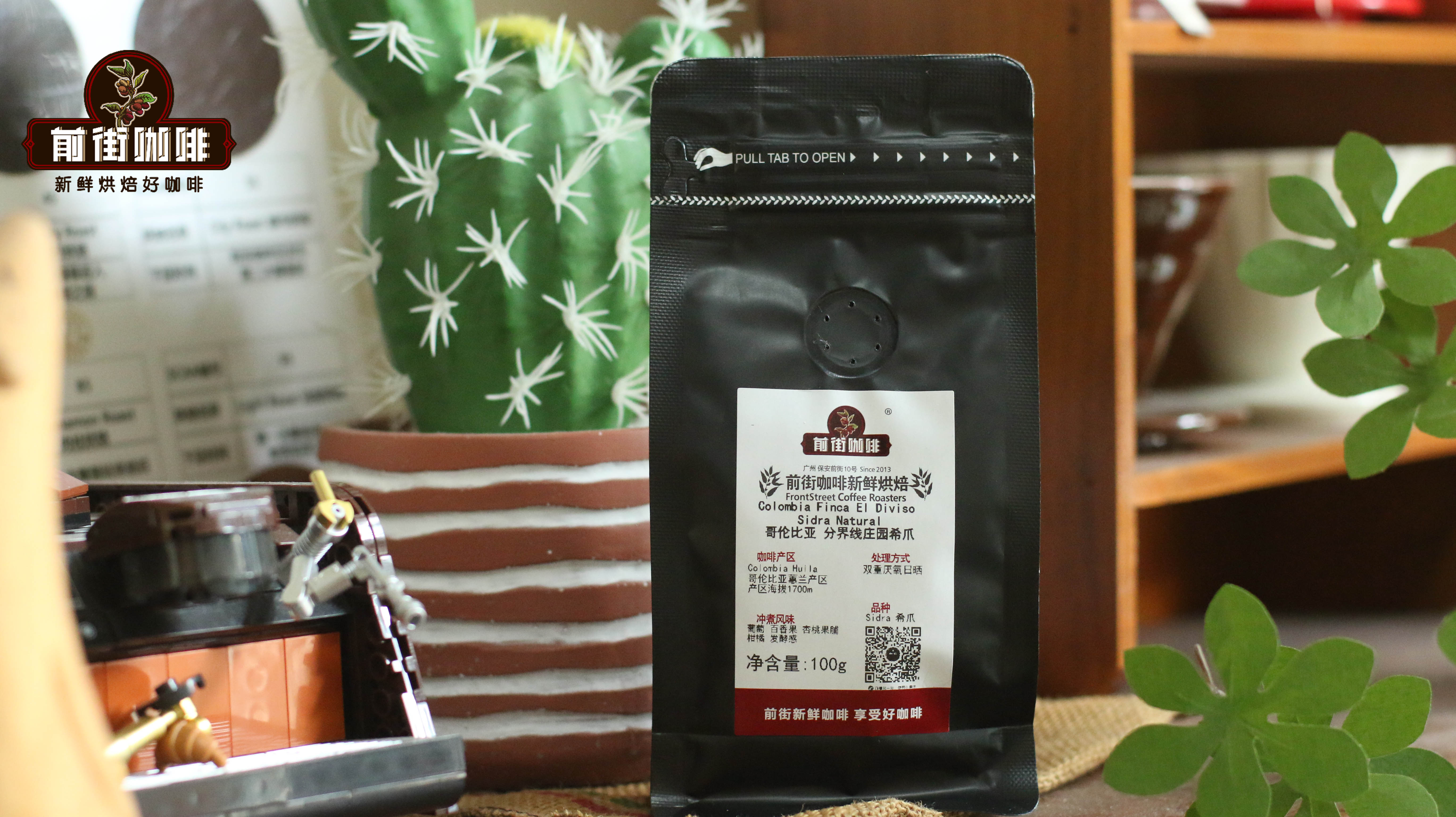 Be sure to control the blooming time to around 30 seconds to avoid over-extraction, which can lead to overly strong fermentation flavors.
Kenyan coffee holds a distinctive place in the specialty coffee world for its pronounced acidity. The SL28 and SL34 varieties from the ASALI processing factory in the Kirinyaga region exhibit a unique cherry tomato acidity, different from the common citrus acidity of Ethiopian beans. The K72 washed process enhances traits of dark fruits such as black plum and Asian pear, paired with caramel and plum sweetness to form a complex flavor profile. It is recommended to use a finer grind (close to superfine sugar granules) and brew at a high temperature of 94°C to balance the sweet and sour ratio and highlight the tea-like full body.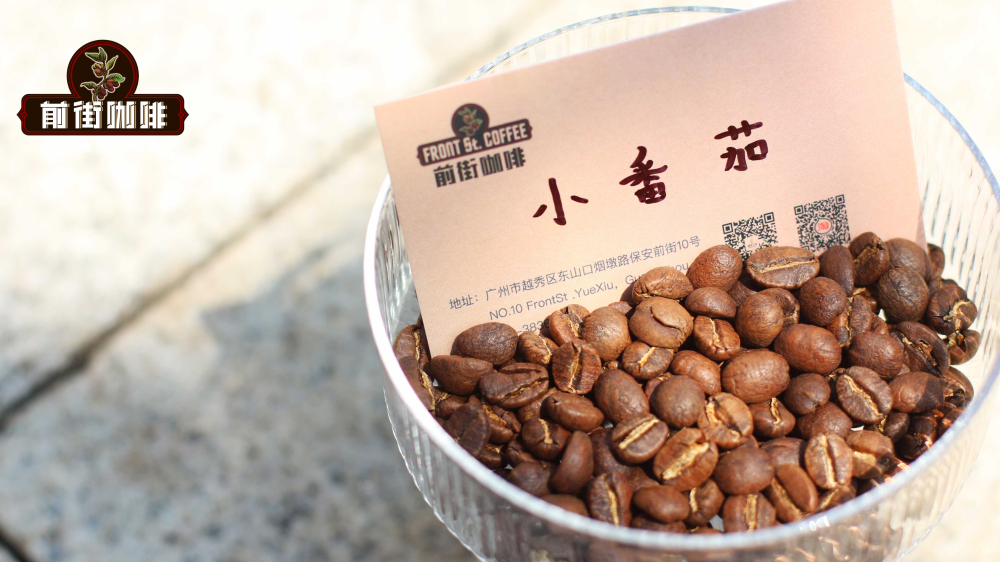 Beginners may try extending the bloom to 45 seconds to help release the full flavor.
The Geisha variety from Panama’s Boquete region redefines the standards of specialty coffee. Thanks to the high altitude and volcanic soil environment, Geisha coffee here blooms with exquisite aromas of jasmine, grapefruit, and cantaloupe, with a honey-like sweetness running through the overall flavor. The washed process preserves the variety’s original characteristics, with bright yet non-aggressive acidity and a long-lasting citrus aftertaste. Brewing parameters recommend a fine grind (slightly coarser than table salt) and water at 88–90°C. Using a pulse pouring technique can better bring out the citrus and floral layers.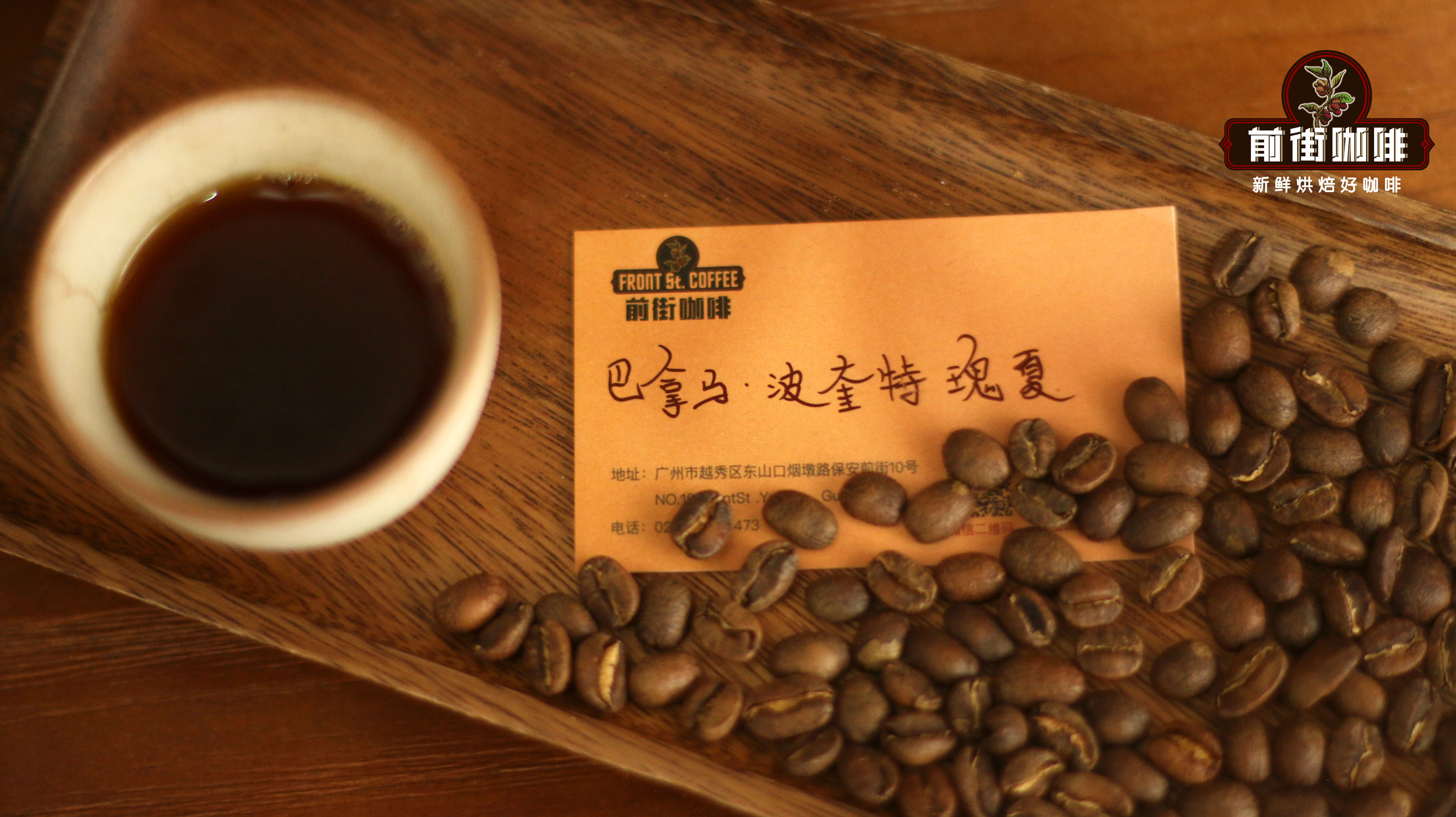 This bean is best paired with a light roast to highlight its unique tea-like body.
Known as the king of coffee, Jamaica Blue Mountain No.1 represents the ultimate balance of traditional specialty coffee. The Typica variety, grown at an altitude of 1310 meters in the Blue Mountains and strictly graded to select only middle-elevation fruits, is processed via the washed method to give it a rich base of dark chocolate and nuts. The balance of sweet, sour, and bitter reaches a near-perfect harmony. Its creamy smooth mouthfeel and mild acidity make it an ideal choice for those trying high-end coffee for the first time.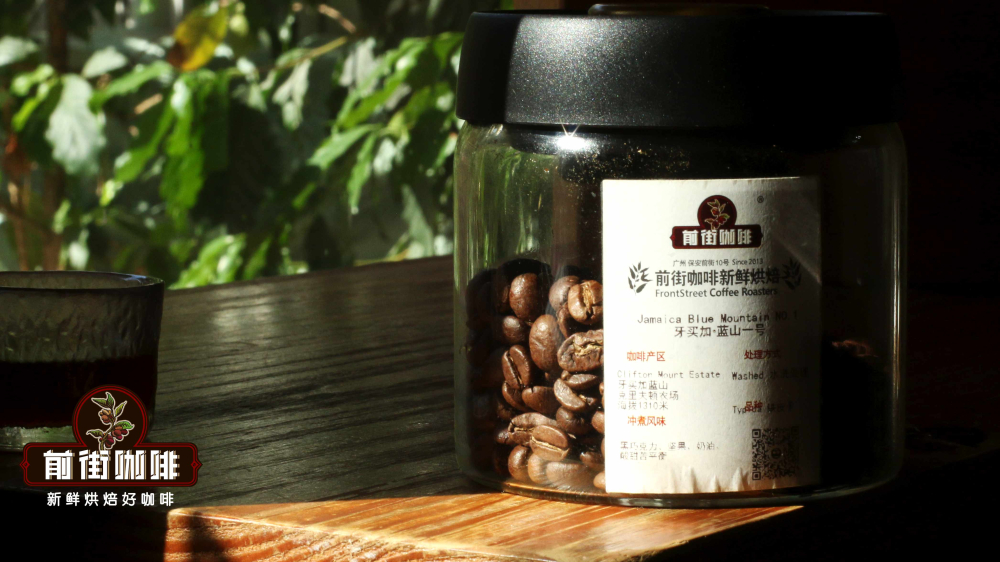 It is recommended to brew using a flannel filter at a low temperature and slow extraction (85–88°C) to fully showcase its multi-layered flavor structure. A light roast further highlights the uniquely elegant profile of Blue Mountain.
The above content is compiled by CoffeeHunters, a coffee news website.

