








Introduction:For beginners new to coffee, choosing the right coffee beans is the first step toward enjoying a great cup. This article selects five single-origin Arabica coffee beans from different regions, providing an in-depth look at their unique flavor profiles, recommended brewing methods, and parameter suggestions. From the bright and balanced Yirgacheffe to the rich and bold Blue Mountain, it will help you find your ideal entry-level beans and elevate your pour over coffee experience.
When selecting coffee beans, it’s best to consider your personal taste preferences. Generally speaking, beans from Africa often feature bright acidity, those from the Americas emphasize aromatic complexity, while Southeast Asian and Blue Mountain varieties showcase deep and full-bodied flavors. Below are five commonly available and easy-to-find Arabica coffee beans selected for beginners, suitable for both pour over and milk-based drinks, and also relatively affordable.
Mandheling Coffee Beans: A classic representative from Indonesia. Although Indonesia is famous for its expensive “kopi luwak,” the truly regionally representative bean is actually Mandheling. It has low acidity but emits a rich and bold aroma, with a bitter taste that is highly layered and a full, substantial body. It’s suitable for drinking black, but also pairs well with milk, offering a smooth and aromatic experience.
Blue Mountain Coffee Beans: Authentic Blue Mountain coffee refers only to high-quality Arabica beans grown in the core region of Jamaica’s Blue Mountains, and they are mostly circulated as green beans. The excellence of Blue Mountain beans lies in the perfect balance of acidity, sweetness, and bitterness. They are smooth and comfortable on the palate with a long-lasting aftertaste. This bean is hailed as the “King of Coffee” not only because of its superior geographical conditions but also thanks to the Japanese market's emphasis on quality, transportation, and brand image during the 1970s and 1980s. Brewing is recommended via pour over to fully appreciate its layers of dark chocolate, nuts, cream, and caramel, along with its enchanting sweet finish.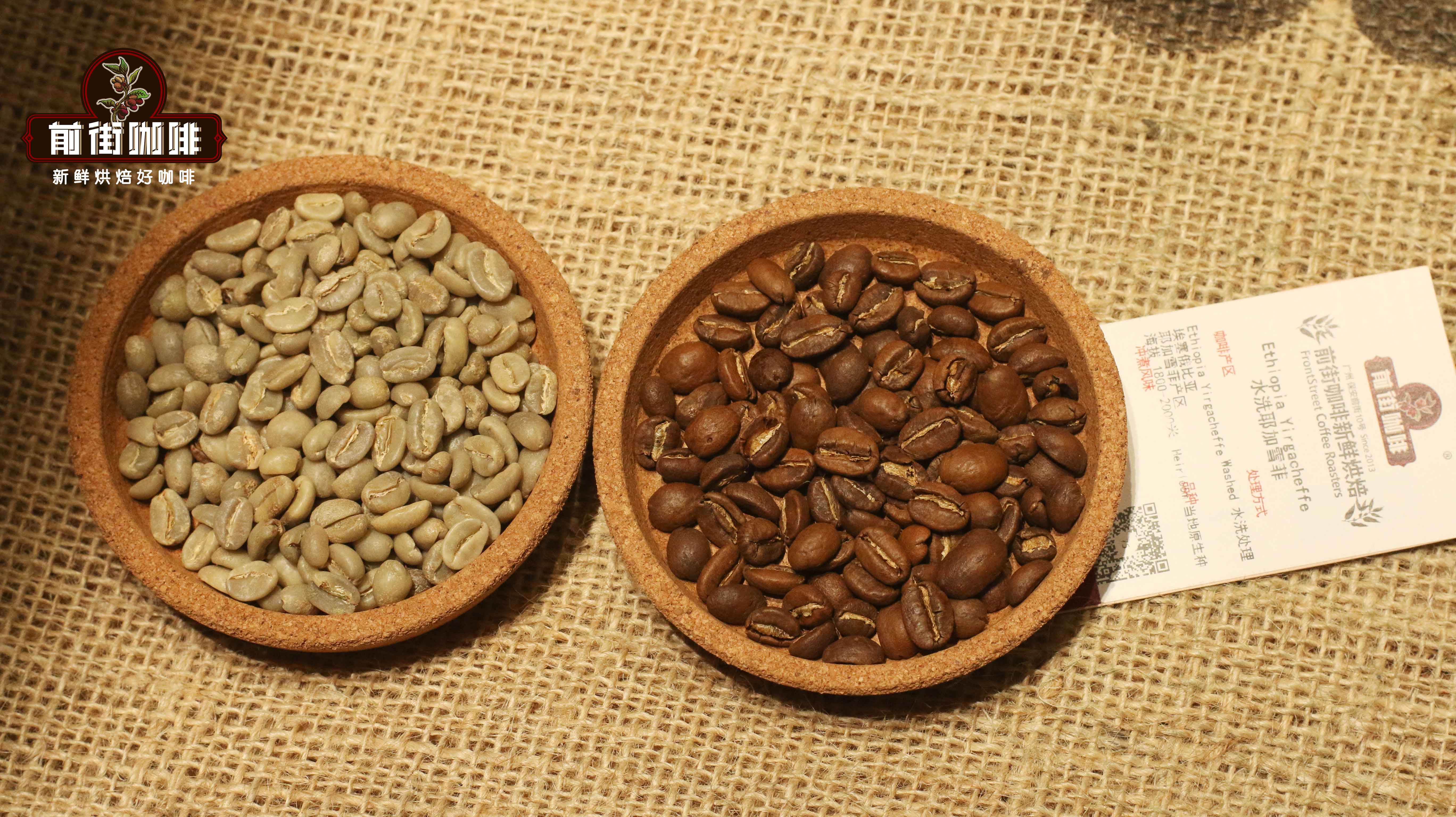
Yirgacheffe Coffee Beans: Produced in Ethiopia’s Yirgacheffe, one of the world’s highest-altitude coffee-growing regions at about 1700 to 2100 meters above sea level. It benefits from a rich microclimate, significant day-night temperature differences, and phosphorus-rich soil, resulting in a distinctive flavor profile. The most notable characteristics of this bean are its bright fruity acidity and delicate floral notes, often accompanied by white floral scents and a tea-like aftertaste, completely changing the common perception that coffee is merely strong and bitter. Ideal for beginners seeking a refreshing flavor, it’s also the go-to choice for pour over enthusiasts.
Colombia Huila Coffee Beans: Colombia is the world’s second-largest producer of Arabica coffee, with suitable altitudes and stable climates that are perfect for cultivating high-quality beans. This Huila-region coffee is typically washed processed, showcasing a balanced flavor profile of nuts, dark chocolate, caramel, and soft fruity acidity. Due to its stable and versatile flavor characteristics, it suits almost all common brewing methods, including pour over, French press, moka pot, and AeroPress—making it an excellent practice choice for beginners wanting to try different equipment.
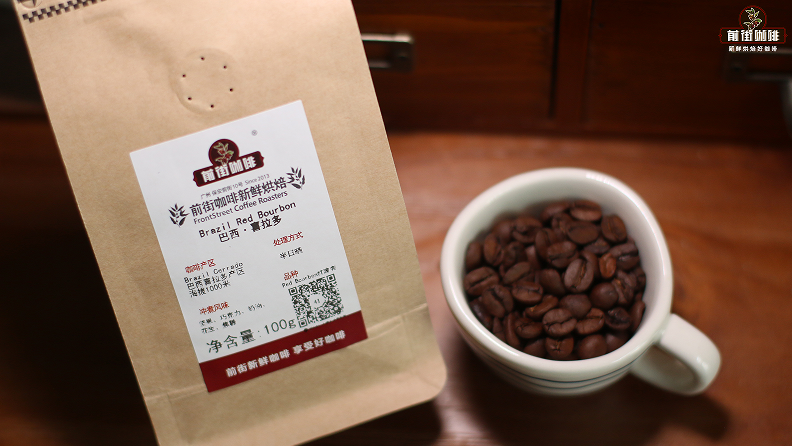
Brazil Red Bourbon Coffee Beans: Produced in Brazil’s Cerrado region at around 1000 meters above sea level, where the annual average temperature remains about 21 degrees and the soil is fertile and mineral-rich, these beans have high-quality potential. The Red Bourbon variety is known for its stable yield and soft taste. This coffee presents distinct nutty aromas, with a full-bodied yet clean mouthfeel, appearing fresher compared to traditional Santos. It offers an almond-like creamy flavor on the palate, and an aftertaste reminiscent of the subtle elegance of genmaicha. Whether used for American-style black coffee or a latte, it reveals different layers—black coffee shows a mildly acidic balance, while adding milk brings out a combination of cream, nuts, and cookie-like aromas.
In summary, these five Arabica coffee beans each have their own unique characteristics. Whether you prefer bright acidity and floral notes or rich, full-bodied flavors with enticing milkiness, you’ll be able to find a suitable entry-level option among them. Beginners are advised to start by trying 1 to 2 types based on personal taste, and to record parameters such as water temperature, grind size, and brewing time, gradually discovering the coffee flavor expression that best suits you.
The above content is compiled by CoffeeHunters, a coffee news website.

