








Introduction:Have you ever wondered why espresso often uses blends, while pour over favors single origins? This article delves into the differences between the two, including the concept of regional blending, flavor characteristics, and usage, and explores whether espresso blends can be used for pour over. We also provide practical grind and extraction parameters. Whether you’re a beginner or an experienced coffee enthusiast looking to try new brewing methods, you’ll find useful tips here.
With the rise of specialty coffee, more and more consumers are exploring these two mainstream brewing methods: espresso and pour over. A common question is: why do espresso drinks mostly use blends, while pour over prefers single origins? What’s the fundamental difference between these two types of beans? Also, what kind of flavor changes can occur if you use an espresso-designed blend for pour over? This article will answer these common questions one by one to help readers better understand the selection and application of coffee beans.
What is espresso blend coffee?
Espresso blends, as the name suggests, are made by combining coffee beans from different regions and varieties in specific proportions. Typically, two to three types of beans are blended to bring out each other's strengths, creating a more balanced and layered flavor profile. For example, if a certain bean has prominent aroma but a lighter body, it can be paired with a richer, fuller-bodied bean to enhance the overall performance.
Besides flavor considerations, cost control is also a major factor in blending. Early Italian-style espresso favored bold, rich, and crema-heavy cups, and some blends include Robusta beans because they provide thicker crema and a stronger taste. Although Robusta scores lower in specialty evaluations compared to Arabica, when blended properly, it can significantly enhance the texture and body of the final drink, while also helping reduce raw material costs.

What is single origin pour over coffee?
In contrast to blends, single origin coffee is made by roasting and brewing beans from a single origin without mixing in beans from other regions or varieties. These coffees can showcase distinct regional characteristics, such as the citrus notes of Central America, the berry acidity of Africa, or the herbal and earthy flavors of Southeast Asia. Single origin beans are usually named after their place of origin, such as the famous Blue Mountain, Yirgacheffe, or Mandheling. They not only represent the terroir of their origin but often come with information about processing methods, altitude, and farms, allowing consumers to better understand the story behind each bean.
Key differences between blends and single origins
Simply put, blended coffee combines multiple single origin beans in specific ratios to create a comprehensive and stable flavor profile, especially suitable for espresso, which requires high crema and bold taste. Single origin coffee, on the other hand, emphasizes the unique character of its origin and is best enjoyed slowly through methods like pour over or drip to savor its subtle nuances. Additionally, the high pressure extraction of espresso machines can amplify certain flavor traits, and using beans from a single origin may lead to flavor imbalance—this is why blends are more commonly used in espresso applications.
Can espresso blends be used for pour over?
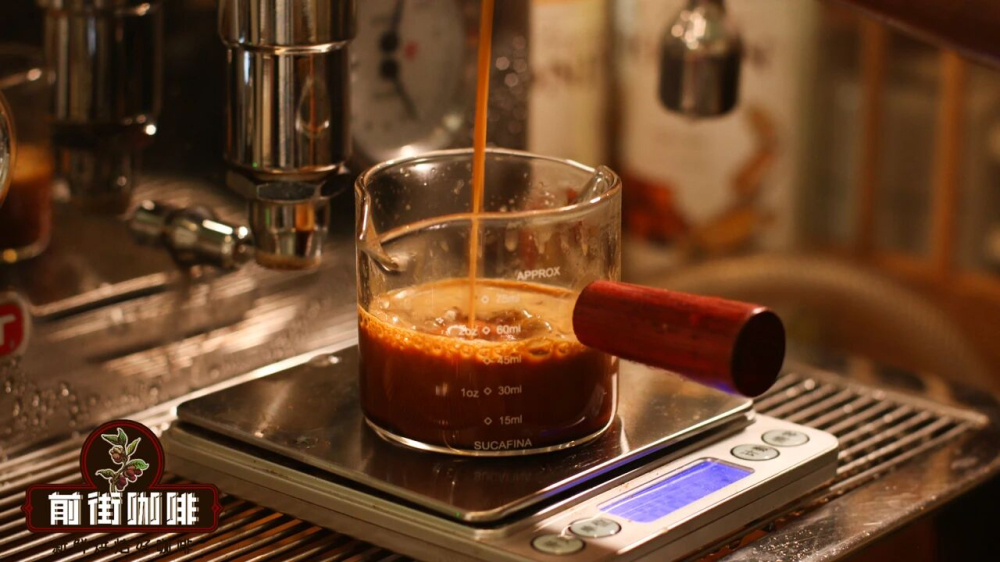
The answer is yes. Although espresso blends are originally designed for high-pressure extraction with espresso machines, they can indeed be brewed using pour over methods. However, adjustments in grind size, water temperature, and brewing technique are necessary. Since espresso blends are typically ground finer to suit espresso machines, it’s recommended to use a coarser grind (around 80% through a 20-mesh sieve) for pour over. The water temperature can be set around 90°C, and a step extraction method is advisable to achieve a more balanced flavor release. In practice, you can fine-tune according to your personal taste to find the brewing style that suits you best.
Recommended pour over parameters and practical tips
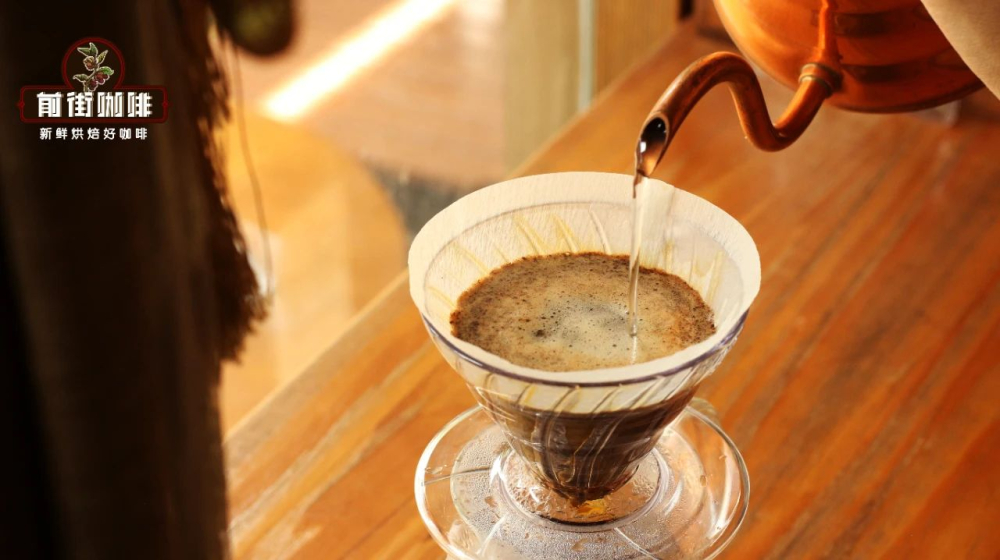
If you’d like to try brewing espresso blends using pour over, you can refer to the following basic parameters: use a V60 filter cone, a coffee dose of 15 grams, water temperature around 90°C, a coffee-to-water ratio of 1:15, and a grind size of approximately 80% through a 20-mesh sieve (coarser than typical espresso grind). For specific operation, start with a 30-second bloom using 30 grams of water, then pour in a small circular motion until you reach 125 grams for the first pour. After the water level drops, continue pouring to 225 grams and stop. The total extraction time is about 2 minutes. These parameters help balance the multi-layered flavors of the blend and avoid over-extraction or excessive acidity.

Conclusion and further thoughts
Whether you choose blends or single origins, the key lies in understanding their characteristics and suitable scenarios. Blends, through skillful blending, offer harmonious and layered flavors, making them ideal for those who prefer a bold taste and consistent performance. Single origins, on the other hand, highlight the unique personality of a specific region, perfect for appreciating terroir differences. If you’re eager to explore more flavors, try brewing an espresso blend using pour over to experience the surprising variations brought by different extraction methods.


The above content is compiled by CoffeeHunters, a coffee news website.

