








Introduction:Want to learn how to select and blend espresso beans with balanced flavors? This article delves into the extraction essence of espresso, from observing crema to analyzing flavor profiles, guiding you to master professional-level tasting techniques. It also shares practical blending formulas, teaching you how to use African and Central/South American beans to create wine-like, chocolatey, or nutty notes, while avoiding common acidic or astringent pitfalls—making it easy even for coffee beginners to get started.
 " alt="">Espresso is renowned for its intense flavor and dense crema, serving as the base for many coffee beverages. An ideal shot of espresso should feature a reddish-brown layer of crema, beneath which lies a wealth of aromatic compounds, including the complex flavors of proteins and oils. Though this highly concentrated drink is bold, it possesses a unique charm and serves as a key indicator for professional baristas when evaluating bean quality.
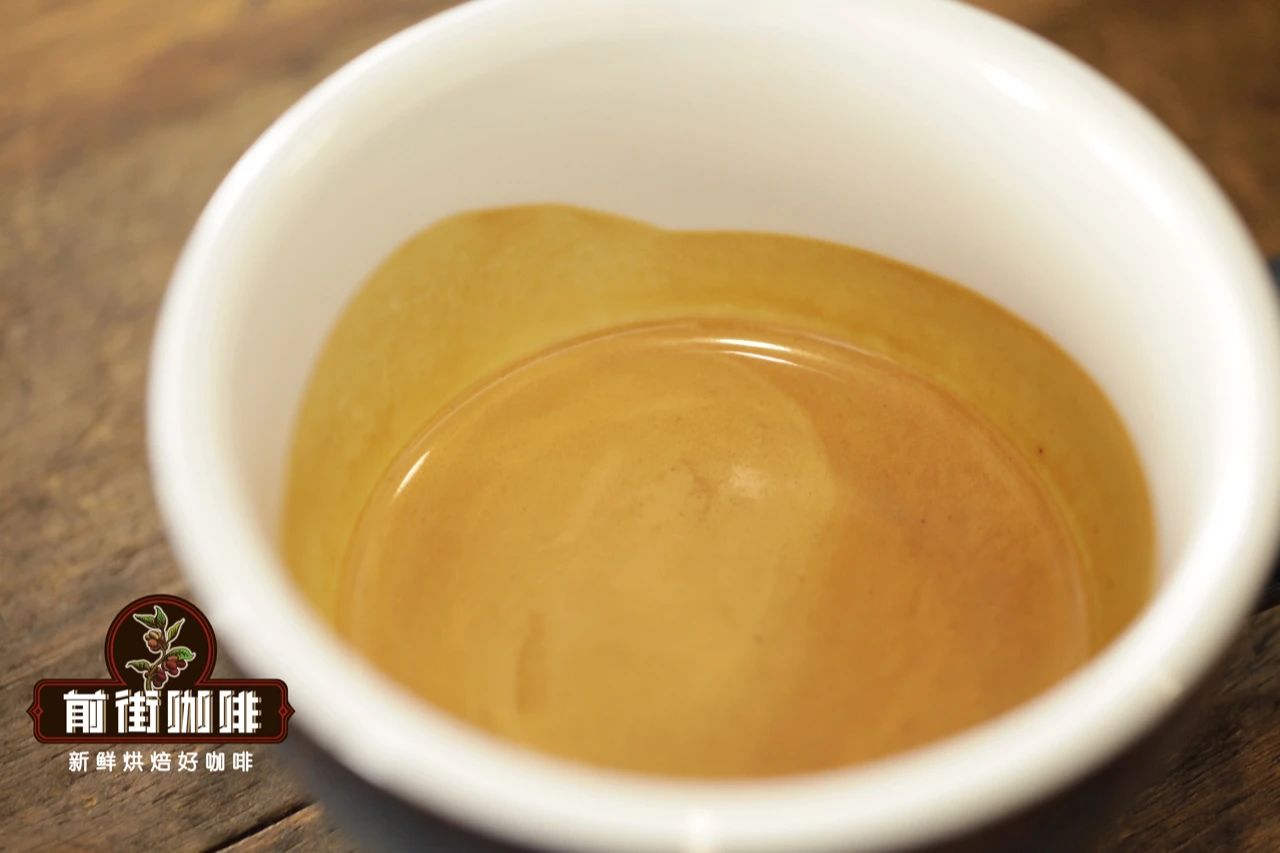 " alt="">Before tasting, ensure your mouth is free of lingering flavors—sipping water or lemon water is recommended to reset your palate. Drinking directly at the bar counter is a common Italian practice; the small 40cc cup should be consumed quickly to allow the coffee’s aromas to diffuse instantly. Note that both oral conditions and ambient temperature can affect flavor perception, so it’s best enjoyed at room temperature for an optimal experience.
 " alt="">Espresso demands extremely strict selection of coffee beans, as the absence of milk amplifies the beans’ inherent characteristics. Blending is key to balancing flavors, typically combining Arabica beans from different regions and adjusting ratios to achieve the desired taste. Professional roasters select complementary bean varieties based on target flavor profiles to create well-rounded blends.
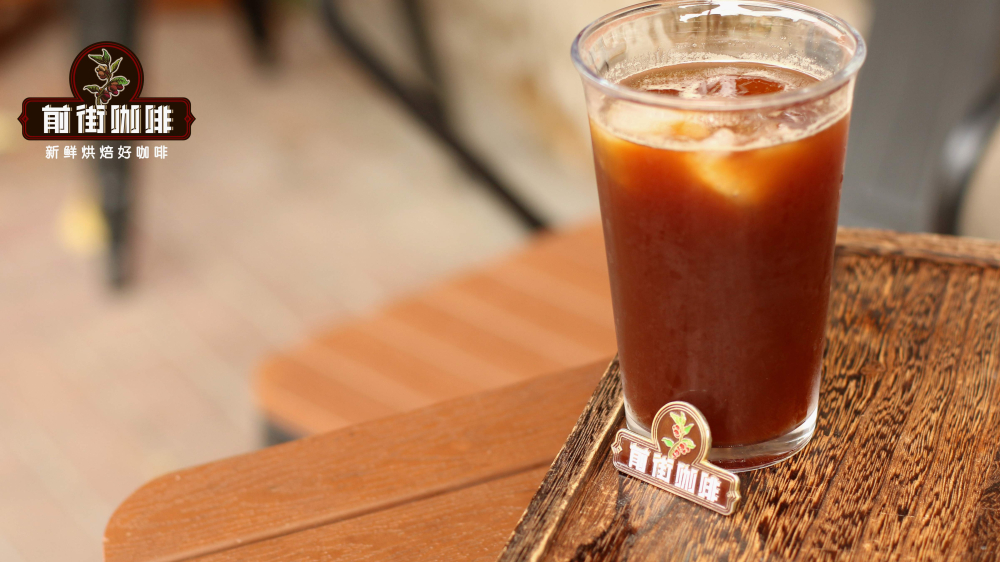 " alt="">Practical blending example: To craft an espresso with wine-like notes and mild acidity, blend 60% Honduran sherry-cask-fermented beans with 40% Ethiopian Yirgacheffe natural red cherry beans. The former contributes whiskey-like aromas and a full body, while the latter adds bright berry notes. This ratio yields a chocolatey finish and pleasant aftertaste, appealing to those who enjoy complex flavors. A medium-dark roast is recommended to enhance caramelization.
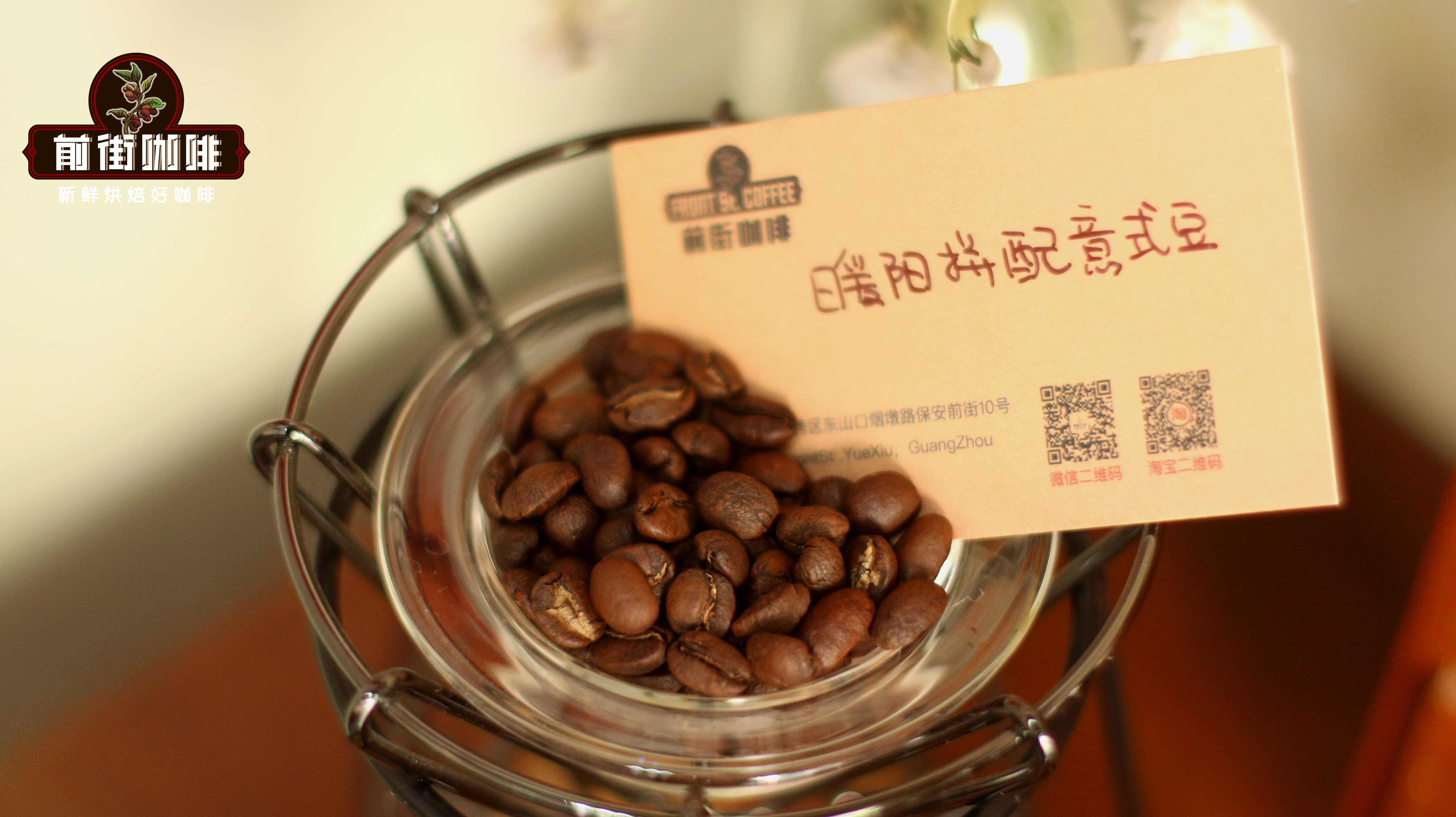 " alt="">Another classic combination is 30% Yunnan beans paired with 70% Brazilian beans, highlighting nutty and dark chocolate tones. This blend reduces acidity while emphasizing sweetness, with crema in a hazelnut hue and excellent persistence. Ideal for traditional Milano-style espresso, aim for a 25-30 second extraction time and a 1:2 coffee-to-water ratio. Note that Brazilian beans require over 14 days of resting to stabilize their flavors.
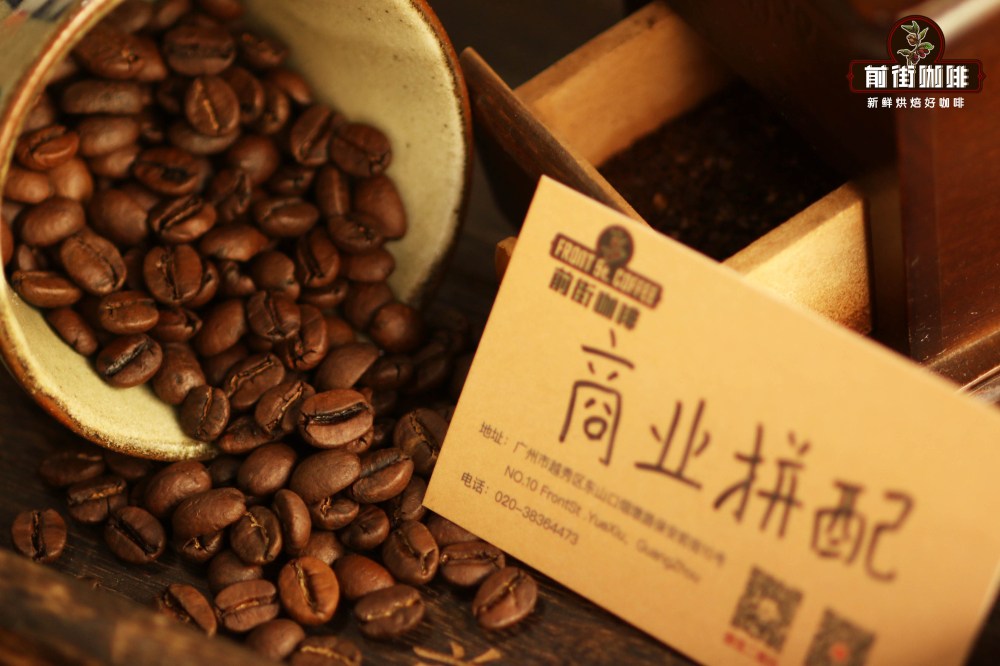 " alt="">Commercial-grade recipes often include 10% Robusta beans to boost crema thickness, such as a 3:6:1 blend of Colombian, Brazilian, and Robusta. This mix balances caramel sweetness with deep chocolate notes, achieving a harmonious acidity-bitterness ratio and an aftertaste lasting over three minutes. Robusta’s proportion must be carefully controlled—excess leads to rough textures. A double-roaster method is advised, processing different beans separately before blending them in the specified ratio.
When evaluating espresso quality, assessing crema thickness (ideally around 3–5mm) and color (uniform hazelnut brown) is fundamental. The flavor profile should transition from bright acidity upon entry, to a burst of sweetness mid-palate, and finally resolve into a mellow bitterness. Regularly calibrate your grinder’s settings (aim for a grind ~20% finer than pour over) and maintain consistent dose weight (7–9g per single shot)—these details significantly impact the final result.
The above content is compiled by CoffeeHunters, a coffee news website.

