








Introduction:A deep dive into the myths and value of espresso blends, from bean selection to roast level settings — we break down the professional-grade recipe design process step by step. In addition to clarifying the common misconception that “blends equal inferior beans,” we also provide practical steps and classic blend inspirations, along with standard espresso extraction parameters to help you create a stable and flavor-balanced blend.
In today’s era of growing specialty coffee popularity, single-origin beans are beloved for their distinct regional and processing flavors, but the importance of espresso blends is equally undeniable. Blending is not only a technique for balancing flavors, but also a stage for roasters to showcase creativity. Through scientific blend design, seasonal variations in bean quality can be overcome, delivering a coffee experience that is consistent year-round yet rich in layers.
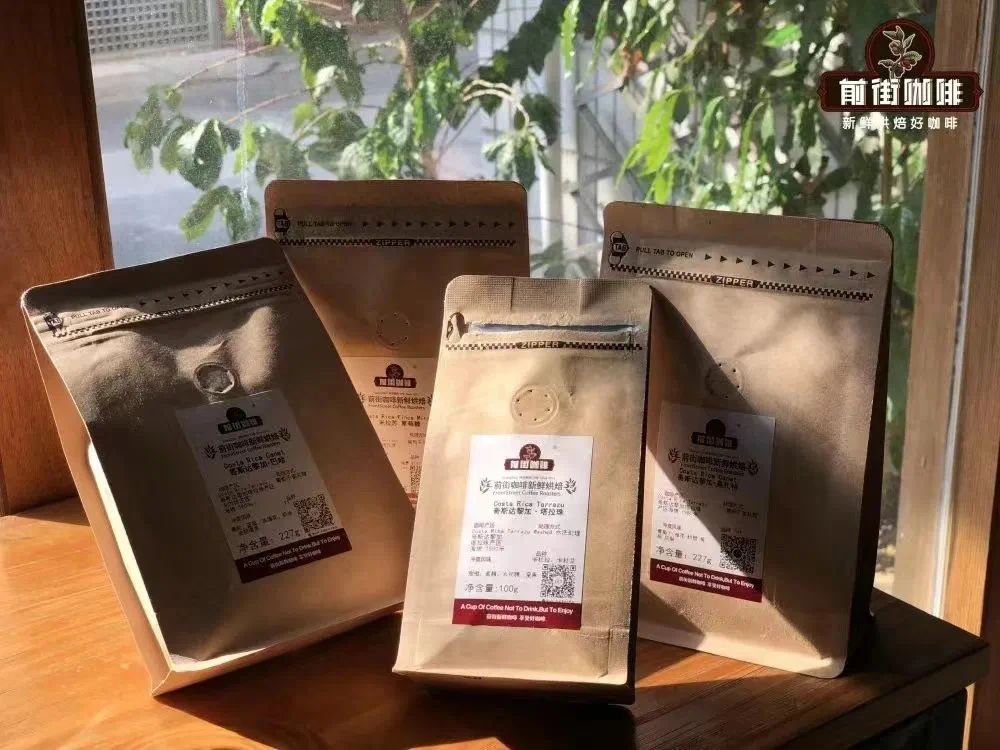
Why do we need blended beans? The primary reason is to maintain flavor stability. As an agricultural product, coffee is influenced each year by varying climate and processing conditions. Professional roasters adjust the proportions of beans from different regions to offset natural variations, ensuring customers consistently enjoy a familiar flavor profile. For instance, dark roasted blends are often used to stabilize body and sweetness, while light roasted blends emphasize acidity and aroma.
The deeper value lies in flavor creation. The interaction between two or more types of beans can produce a synergistic effect, potentially unlocking new dimensions not found in single-origin beans — such as a rounder body, a longer aftertaste, or unexpected tonal combinations. This "1+1>2" phenomenon is the very charm of blending art. It’s worth noting that excellent blends can both highlight the characteristics of individual beans and allow certain flavors to dominate, depending on the intended goal and requiring proportional adjustments.
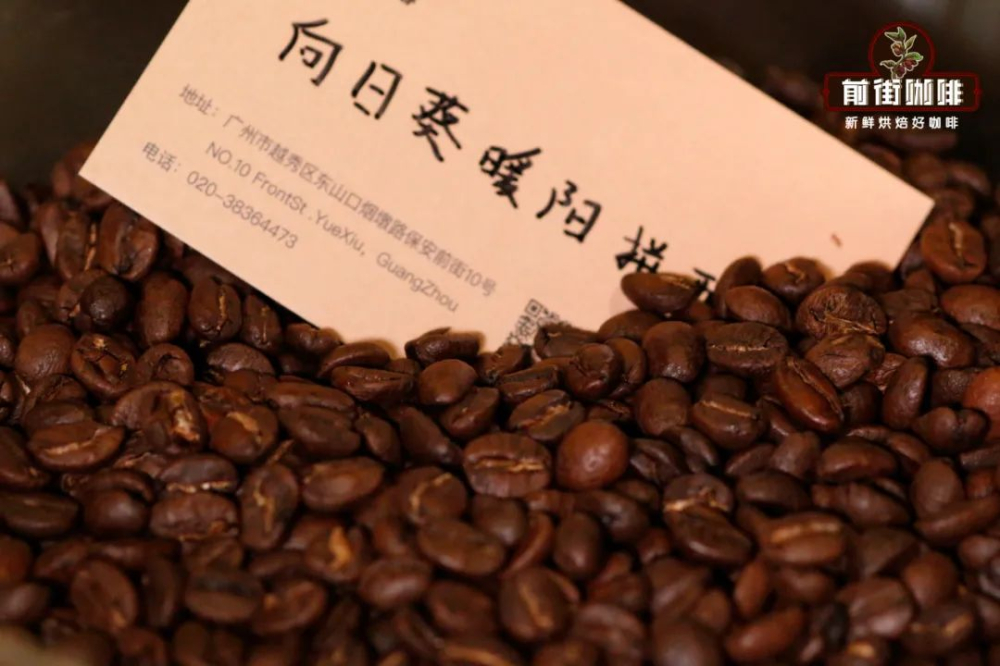
The quality of blended beans is by no means synonymous with low-cost substitutes. In the past, the market equated blends with commercial-grade beans, but modern specialty blends have completely overturned this notion. The key difference lies in bean selection standards and roasting intent: high-quality blends select premium green beans, each with unique traits, and amplify their strengths through precise blending. For example, combining citrus notes from Central America with spicy finishes from Southeast Asia can construct a complex yet harmonious flavor structure. A certain brand’s “Sunflower Warmth Blend” has received continuous acclaim for years, serving as proof of the excellence of specialty blends.
To craft professional-grade espresso blends, you can follow five key steps: First is defining a clear objective — identify whether the blend is intended for home users, cafés, or multi-scenario versatility. This directly influences the flavor direction and roast depth — for example, home-use recipes may prioritize drinkability, while commercial blends need to emphasize extraction stability. It’s recommended to outline a preliminary flavor profile sketch as a basis for subsequent bean selection.
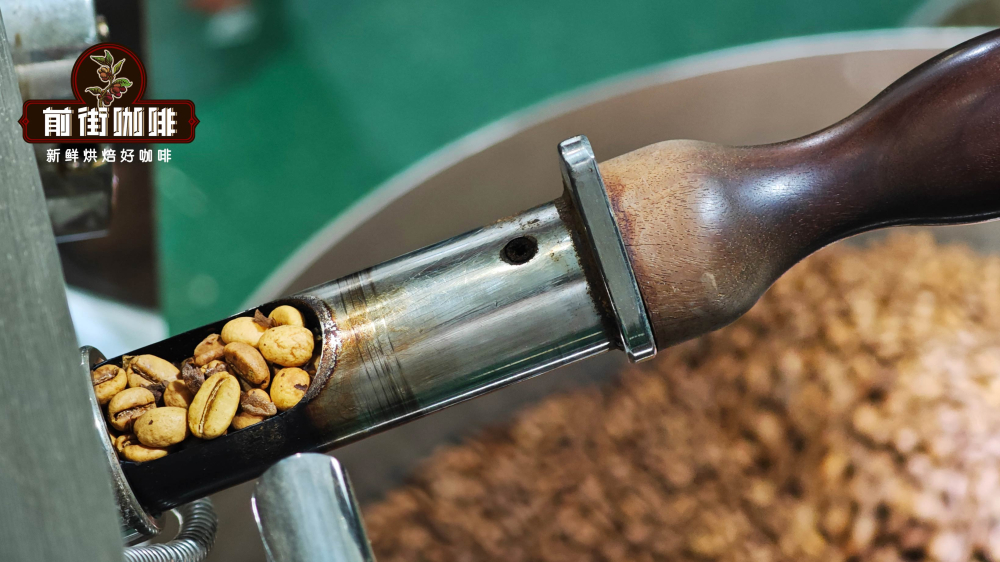
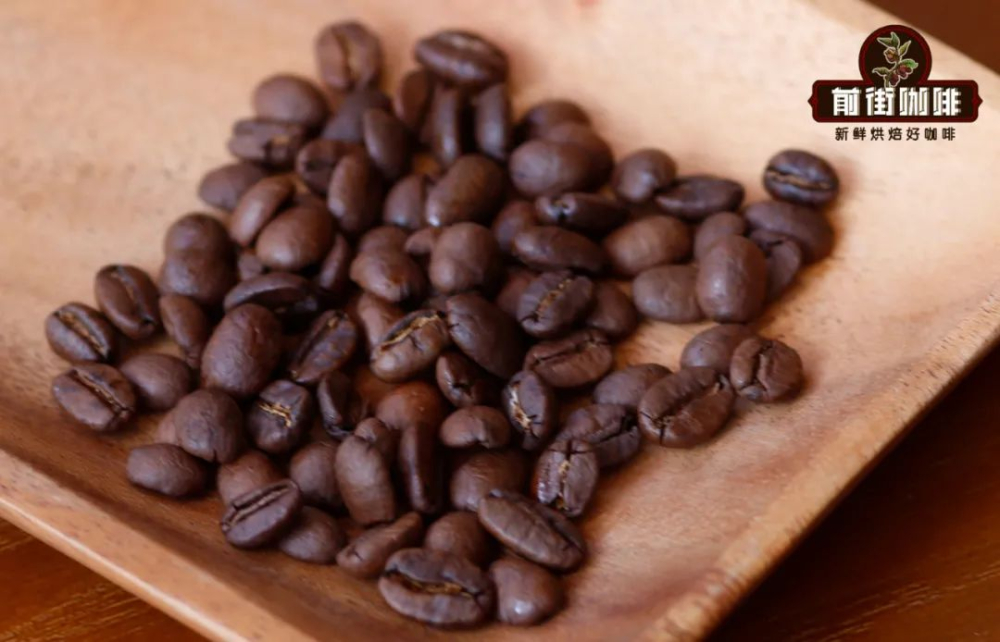
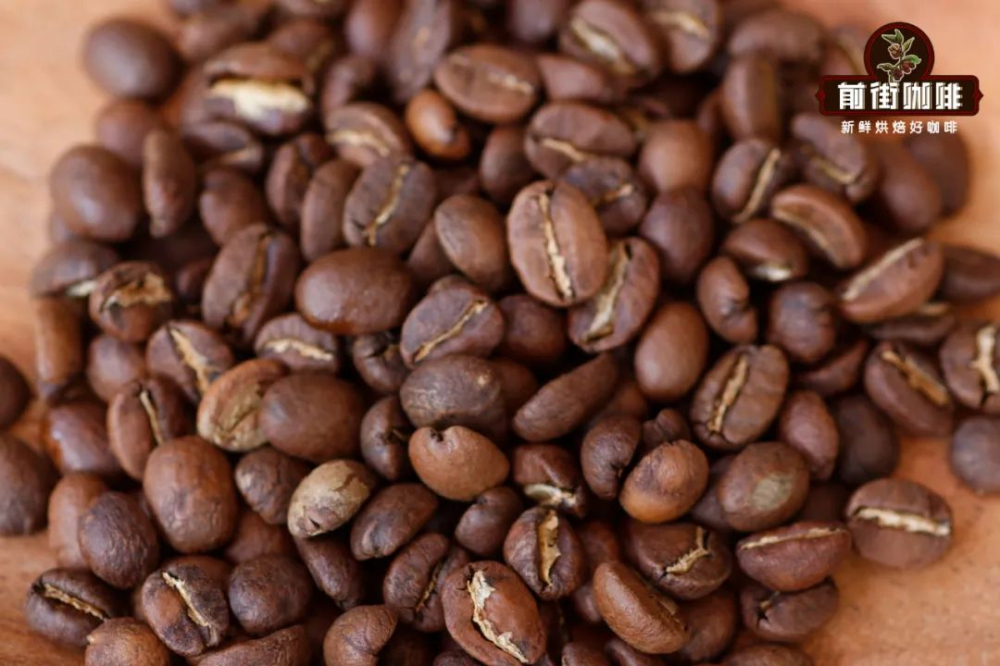
The second step is carefully selecting base beans. Every green bean included in the blend should have standalone single-origin potential, rather than relying on roasting to mask flaws. It’s advisable to establish a bean database, recording each bean’s origin, processing method, cupping characteristics, and ideal roast range. The third step is the crucial roast level design — it’s suggested to first complete various roast tests on individual beans before combining them. Light to medium roasts preserve more of the beans’ innate acidity and aroma but require skilled control; dark roasts enhance body and sweetness but can easily lose detail if overdone. In practice, blending is often done by roasting each bean separately before mixing, allowing for easier proportion adjustments.

The fourth step is the actual blending phase. It’s essential to systematically record the usage ratio, roast level, and combination effects of each bean, including grind performance and extraction curves post-grinding. Seasonal changes should prompt re-evaluation of the recipe, fine-tuning parameters in response to fluctuations in green bean flavors. Lastly, remember that the essence of blending isn’t complexity, but rather the “clear role” of each bean — whether providing an acidity backbone, acting as a sweetness base, or responsible for aftertaste extension.
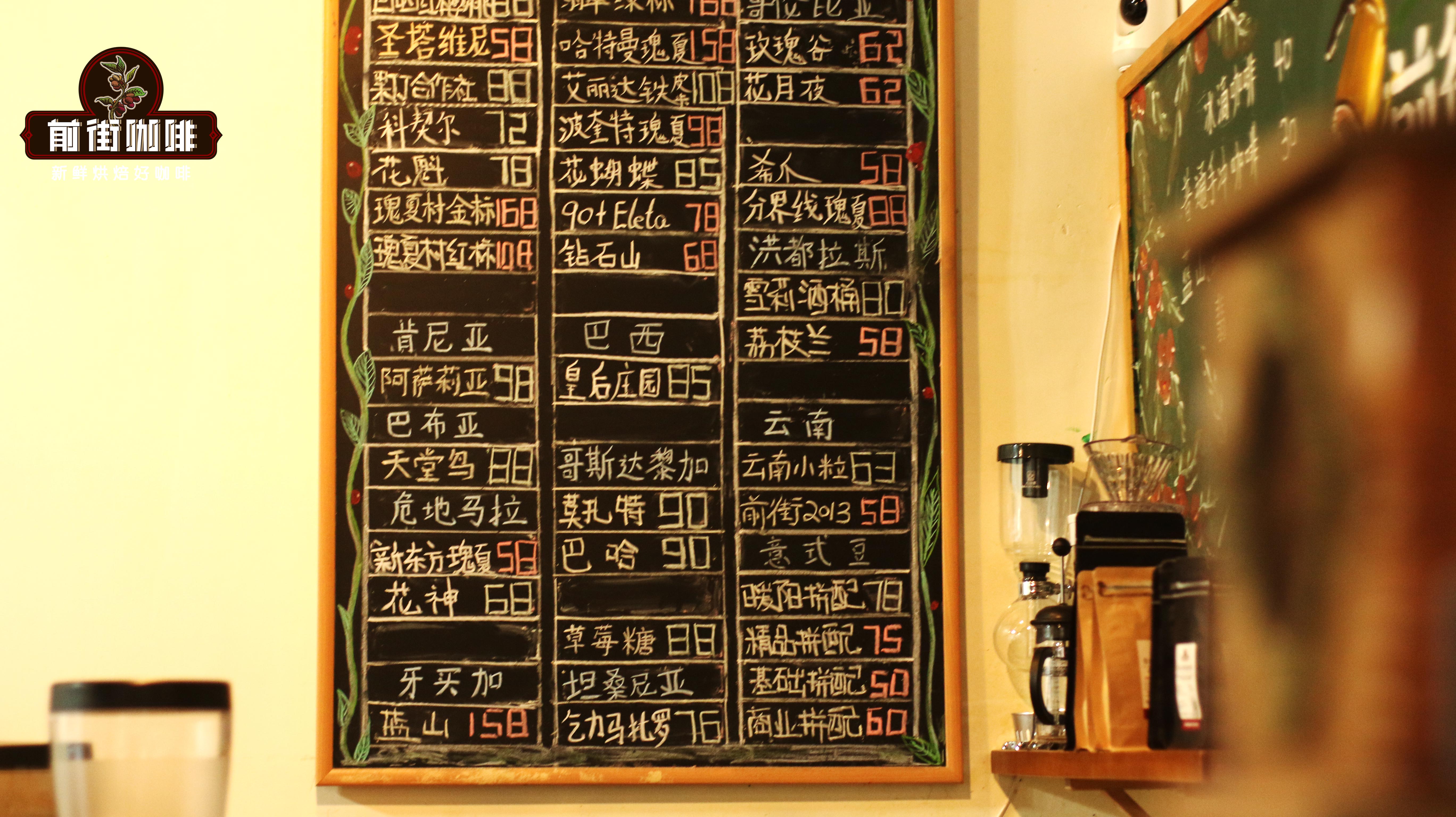
Practical recipe references: The Mamba Blend combines 40% Indonesian Mandheling with 60% Brazilian Red Bourbon, balancing herbal and peanut notes to produce a rich yet clean Blue Mountain-style flavor; Sweetheart Blend uses 70% Ethiopian Yirgacheffe Red Cherry as the base, with 30% Costa Rican Tarrazú added to enhance honey-like sweetness; Floral & Fruity Harmony features 60% Guatemalan Flower God as the dominant bean, complemented by the citrus notes of Yirgacheffe and Kenya AA to create a light, fruity-floral flavor combination. Each recipe may require proportion adjustments based on actual roasting results.

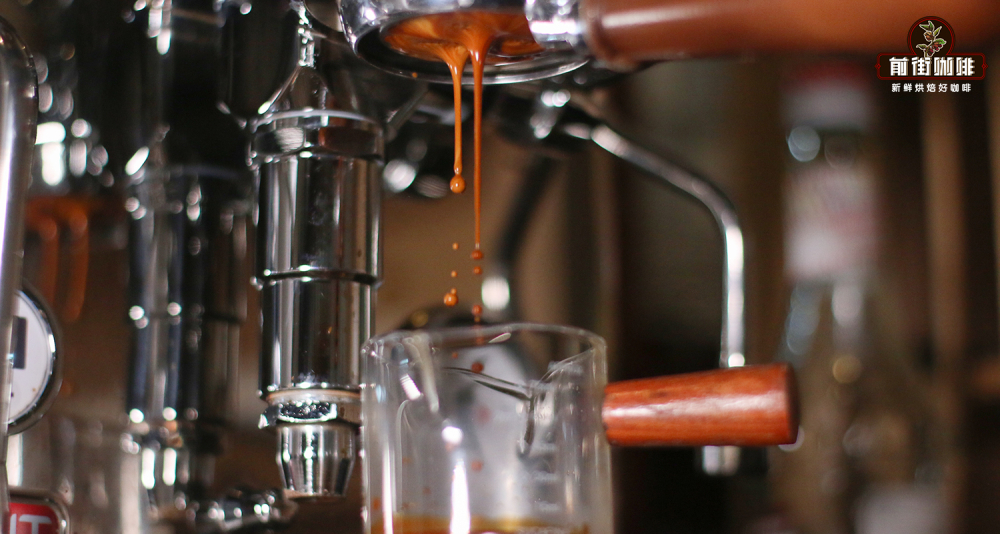
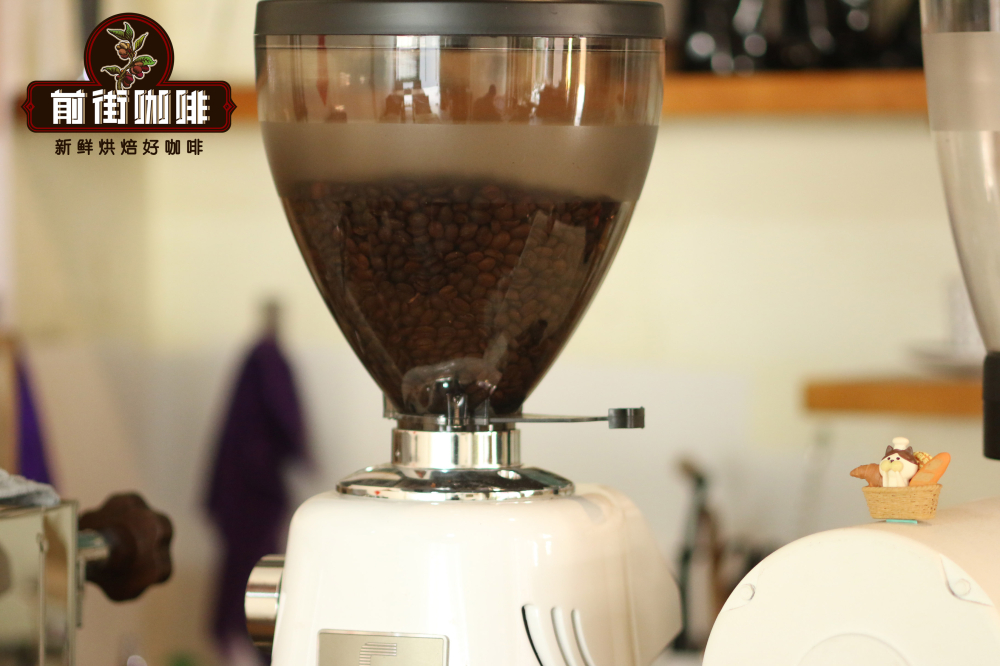
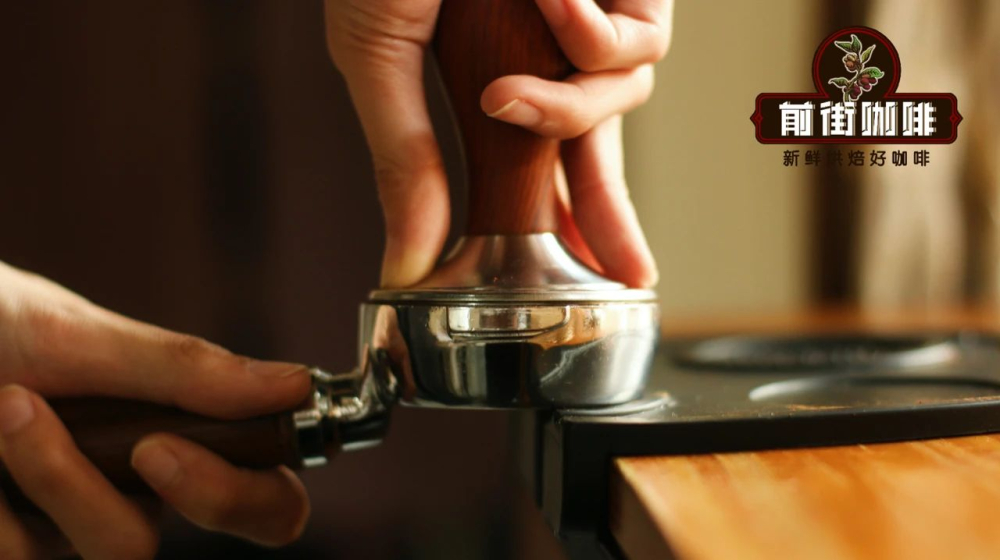
Regarding espresso extraction, for a standard double basket, it’s recommended to use 20 grams of coffee grounds and aim to extract 40 grams of liquid (a 1:2 brew ratio), with time controlled within the 26–32 second range. Too short leads to under-extraction (resulting in thin flavors), while too long causes over-extraction and bitterness (exceeding 35 seconds). Grind size should be adjusted according to bean freshness and roast level — for example, Galileo 2.0 setting suits medium-roasted blends. Before extraction, always wet the portafilter to remove residue, and monitor flow rate changes in real time — environmental humidity and bean temperature can both affect the final outcome.
Successful blends must balance stability and innovation, maintaining signature flavors despite seasonal variables while also delivering surprises through clever combinations. Regardless of the final approach chosen, a systematic process of bean selection, roasting, and testing is the foundation for crafting the perfect espresso.
The above content is compiled by CoffeeHunters, a coffee news website.

