







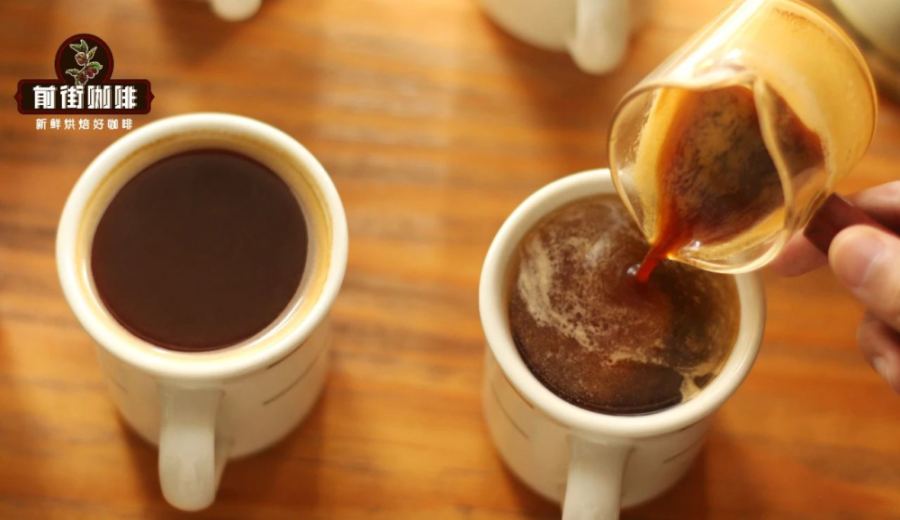
Introduction:Want to know which Americano coffee beans are suitable for commercial use? Or looking to master the technique of brewing black American coffee using espresso blends? This article delves into the origins of Americano coffee, common preparation methods, analyzes the flavor profiles of different espresso blends, and provides practical water-to-coffee ratios and extraction tips to help you find an Americano solution that suits your taste.
There is actually no absolute standard for the correct way to drink Americano coffee—the key lies in choosing the right coffee beans and a ratio that suits you. Many customers, when first trying Americano, often wonder if there’s a fixed way to drink it, but the truth is, you can adjust according to personal taste and find a flavor you enjoy. This innovative way of drinking, originating from American soldiers stationed in Italy during World War II, involves diluting espresso with hot water to make it more palatable to those unaccustomed to the intense flavor of traditional Italian espresso.
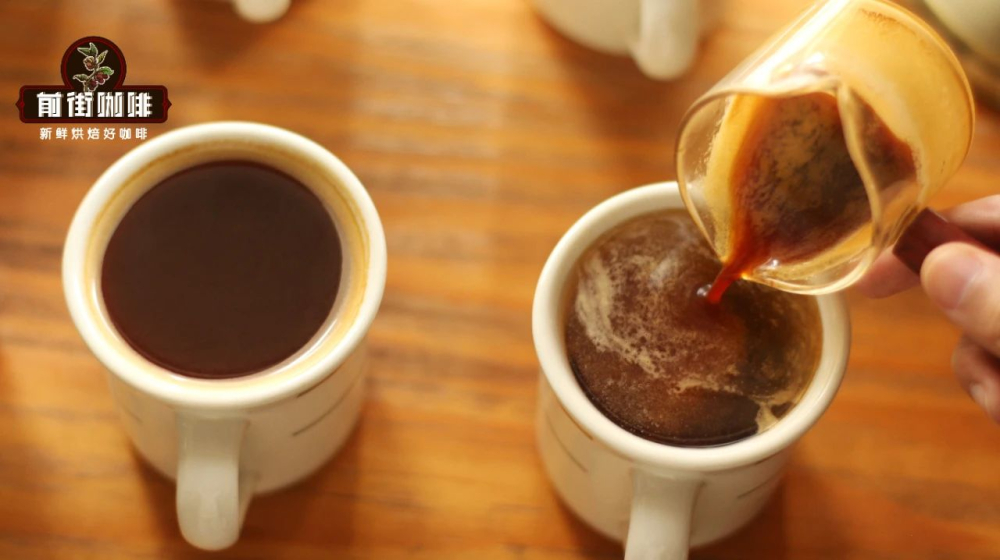
Currently, most cafés use the method of adding hot water to espresso to make Americano, with the ratio typically ranging between 1:4 and 1:8. While this method is simple, the resulting flavor is entirely dependent on the quality of the coffee beans used. In the early days, due to limited espresso options, many people would pair it with milk-based drinks such as lattes or cappuccinos to improve the taste—all of which fall under the umbrella of the espresso coffee system.
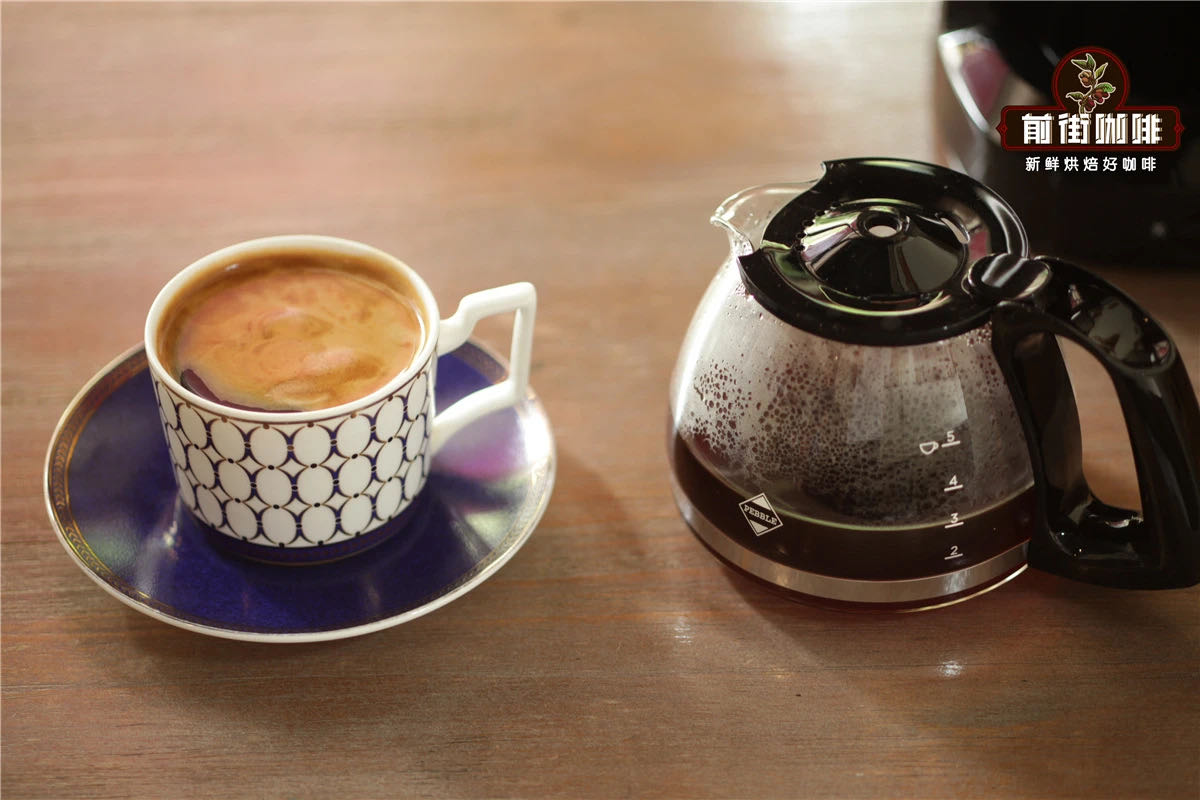
Comparing the ease of drinking between Americano and espresso, Americano is generally more accessible, but the true determinant of whether it tastes good still comes down to the coffee beans. For example, commercial blends often include Robusta to enhance body and Crema performance, meeting the needs of chain stores focused on high-volume production; whereas specialty blends, like the Warm Sun series, emphasize layered flavors with a balance of wine-like notes and fruity acidity, catering to consumers who prioritize quality.
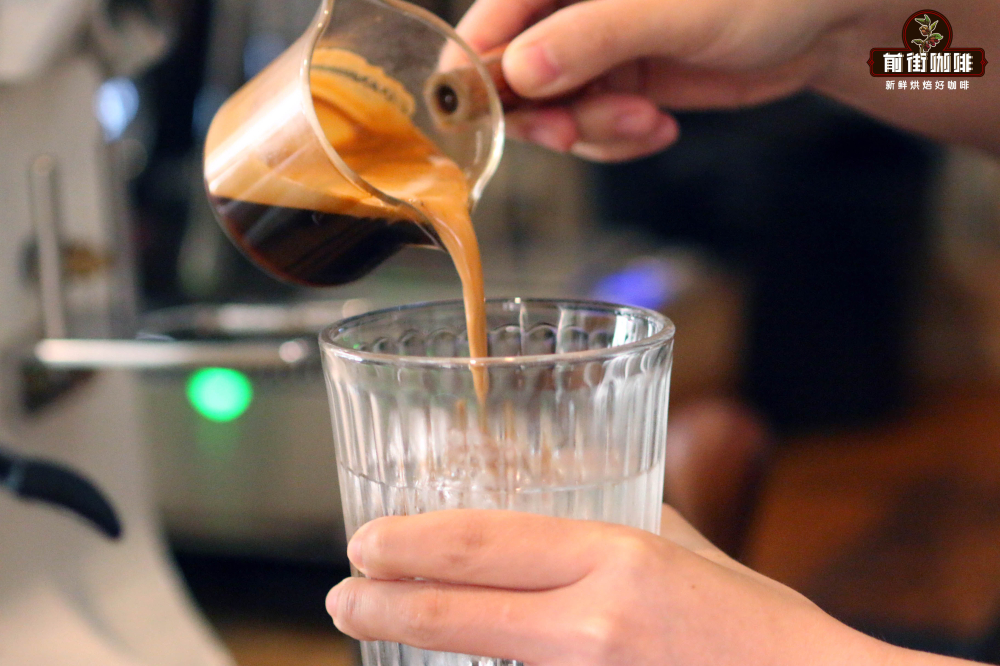
When selecting espresso blends, consider both the roast level and regional bean combination. Dark roast blends (such as those combining Brazilian, Indonesian, and Vietnamese beans) can produce rich, bold flavors and thick Crema, making them suitable for making Americano or lattes; whereas medium to light roast single-origin espresso (SOE) beans can highlight unique regional characteristics, such as floral or fruity notes. Different roast levels affect Crema formation and flavor expression—adjust according to intended use.
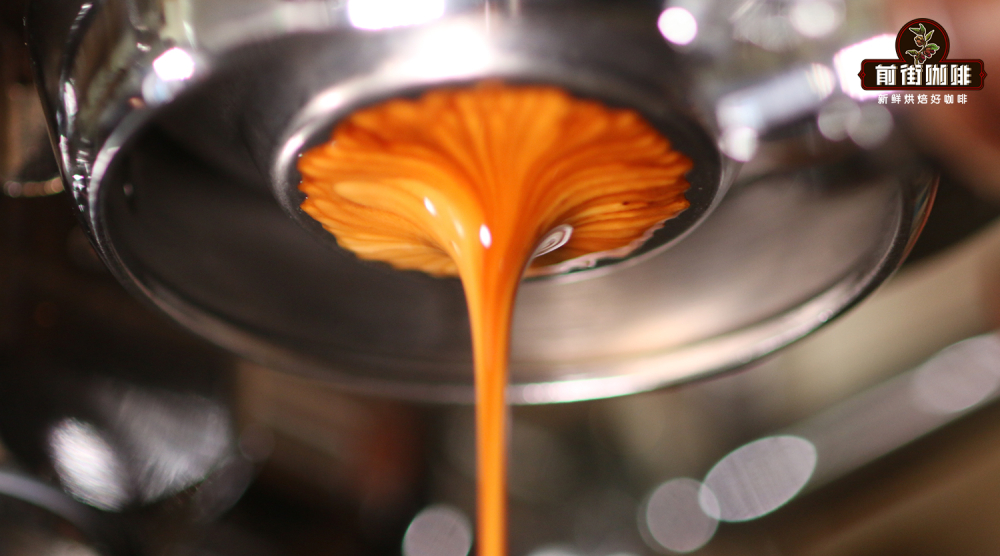
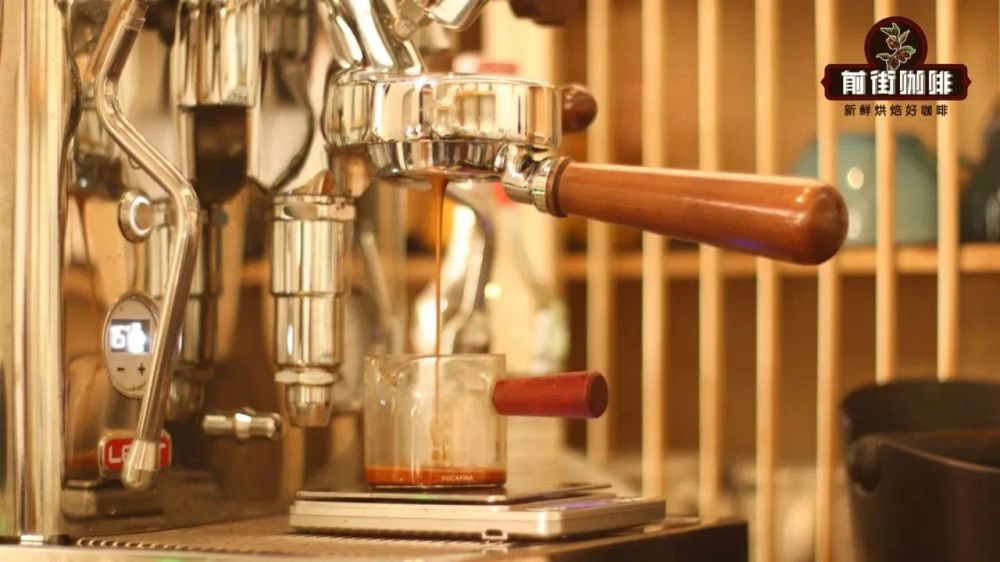
When actually brewing Americano, the water-to-coffee ratio can be fine-tuned based on the beans’ characteristics. A general starting recommendation is a 1:6 to 1:7 ratio, then adjust based on extraction results. When using an espresso machine, ensure the grind is slightly coarser than for espresso, and control the extraction time between 25-30 seconds to avoid over-extraction, which leads to bitterness. If making at home, you can opt for a suitable home espresso machine or moka pot, and make sure the water quality is clean and stable.

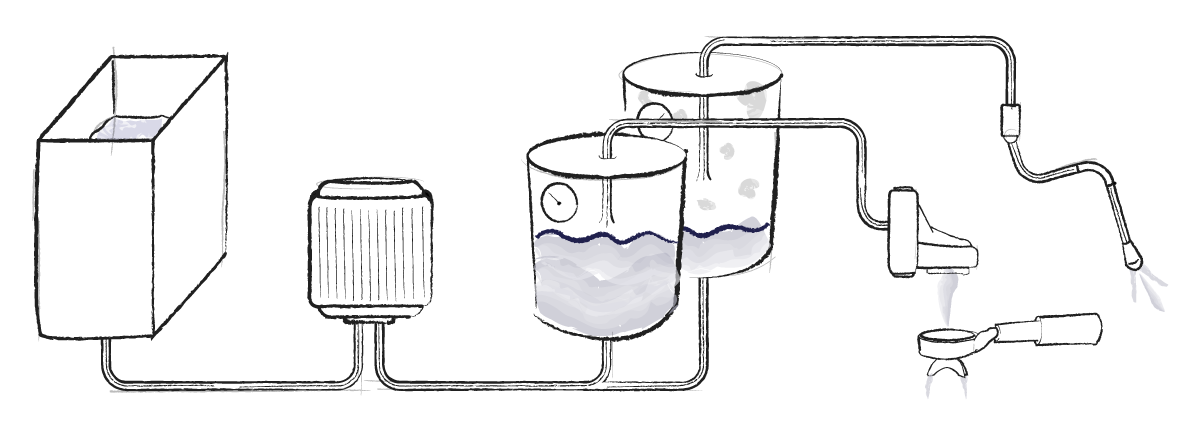
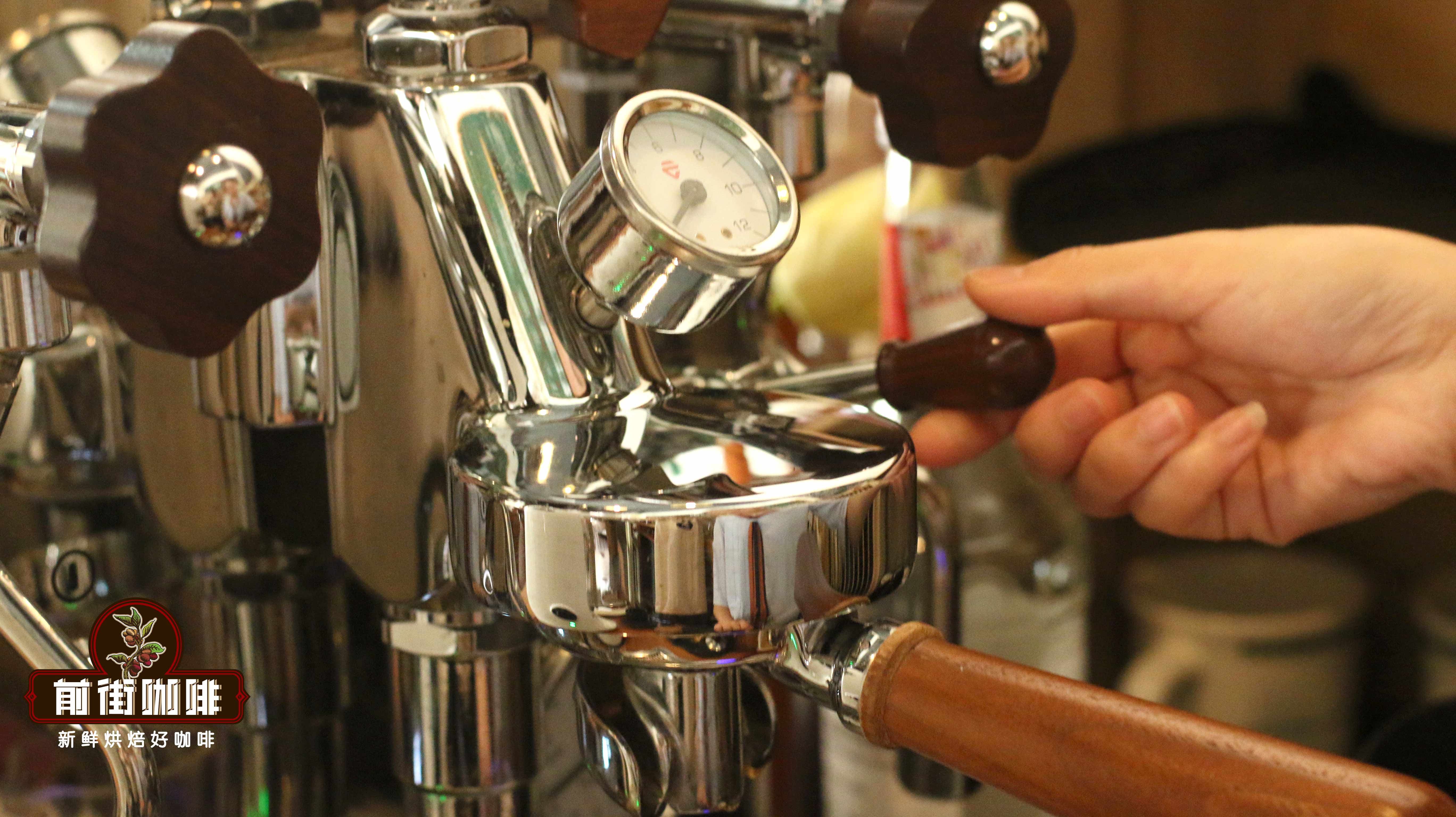
Understanding how an espresso machine works can help optimize extraction. The main process includes: a pump generating 9–10 bar pressure, pushing hot water (approximately 90–96°C) through a compacted puck of coffee grounds, extracting coffee liquid through a filter. Modern machines mostly use vibration pumps or rotary pumps to maintain stable pressure, while the boiler is responsible for heating and temperature control. A dual-boiler system can maintain stable temperatures for both extraction and steaming, which is especially important for commercial use.
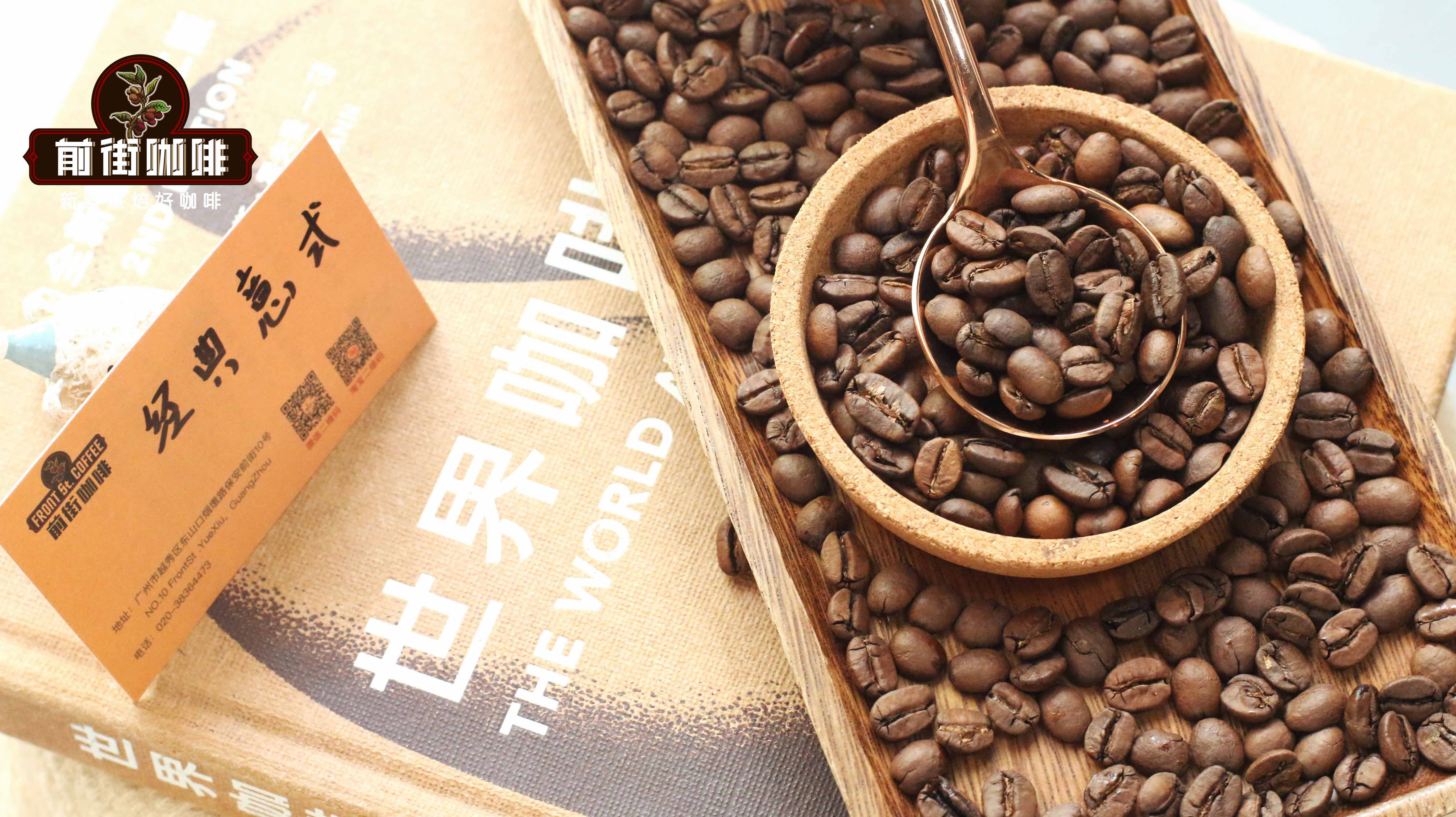
The main reason for flavor differences in Americano coffee lies in the choice of coffee beans and the blend recipe. Commercially available blends are often tailored for specific purposes—for instance, commercial beans emphasizing Crema performance, specialty blends focusing on balanced flavor, or SOE single-origin beans showcasing regional characteristics. Beginners are advised to start with medium-roast blended beans, gradually exploring the flavor differences across various regions and processing methods, to find the combination that best suits their taste.
No matter which blend or roast level you choose, the key lies in understanding the relationship between the beans’ characteristics and extraction parameters. Properly adjusting grind size, water temperature, and extraction time can significantly improve the flavor of your Americano. Remember, the best Americano is the one that satisfies you every time you drink it—there's no need to stick rigidly to fixed forms or others’ standards.
The above content is compiled by CoffeeHunters, a coffee news website.

