








Introduction:Want to understand the differences between single-origin pour over beans and espresso blends? This article delves into why espresso requires specific blends—covering roast levels, flavor stability, extraction principles, and the key factors in designing blend ratios. It also explains how dark roasting enhances crema and bold flavors, making it ideal for readers aiming to deepen their coffee knowledge or craft their own espresso at home.
What are blended coffee beans? Many beginner coffee enthusiasts often ask: Are all coffee beans suitable for espresso? The answer is no. Especially light-roasted beans, which under high-pressure extraction tend to release too much acidity, resulting in overly sharp and unbalanced flavors. So, what kinds of beans are actually suitable for making espresso?
To ensure every shot of espresso delivers consistent and satisfying flavor performance, many baristas opt to use specially craftedespresso blends. These blends are typically roasted darker, allowing them to showcase rich, full-bodied flavors under high pressure and temperature, while maintaining consistent taste profiles.
In contrast,single-origin beans used for pour overoften cannot guarantee the same level of consistency in espresso. Even when using the same bean, variations in regional climate, soil conditions, roast methods, and daily bean freshness can lead to differences in extraction results. Therefore, if your goal is stable espresso output, single-origin beans are generally not the first choice.
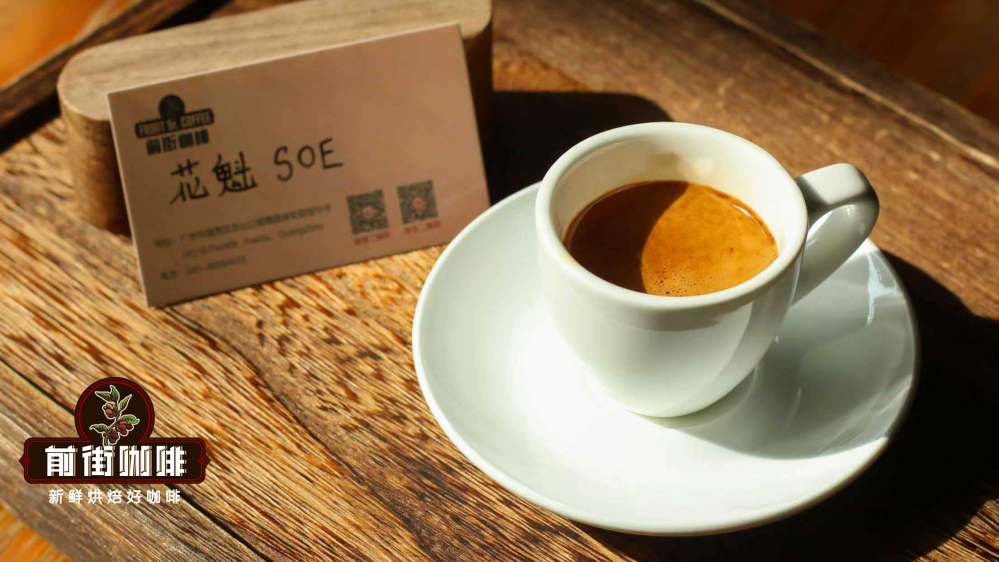
So, what exactly is an SOE (Single-Origin Espresso)? Although SOE also uses single-origin beans, they are usually roasted darker than those typically used for pour over or immersion brewing. While light roasts can highlight pronounced fruit acidity and complex layers, they may produce unpleasant sourness or astringency under the high pressure of espresso machines. Moreover, light roast beans have tighter cell walls, limiting the release of soluble compounds, which is not conducive to achieving the rich body espresso demands.
The creation of espresso blends was precisely to address the shortcomings of single-origin beans in terms of flavor consistency and extraction performance. Coffee professionals found that relying on a single origin bean made it difficult to maintain daily product stability—especially when harvest seasons or roast techniques varied, leading to greater flavor fluctuations. By blending beans from different regions with varying flavor profiles, not only can acidity, sweetness, bitterness, and saltiness be balanced, but daily output consistency can also be maintained, and even cost control can be improved.
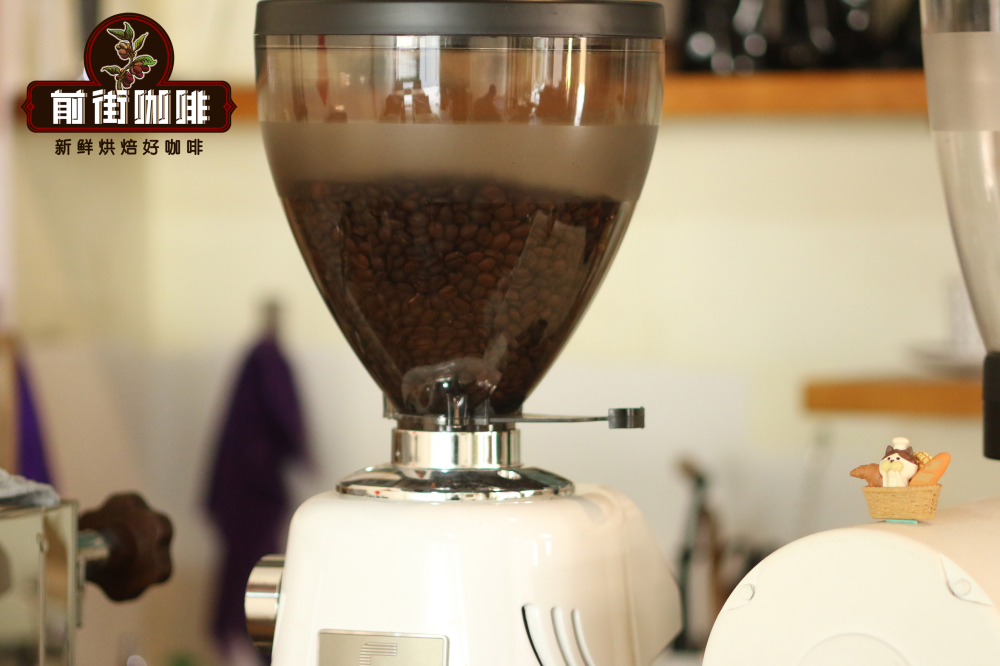
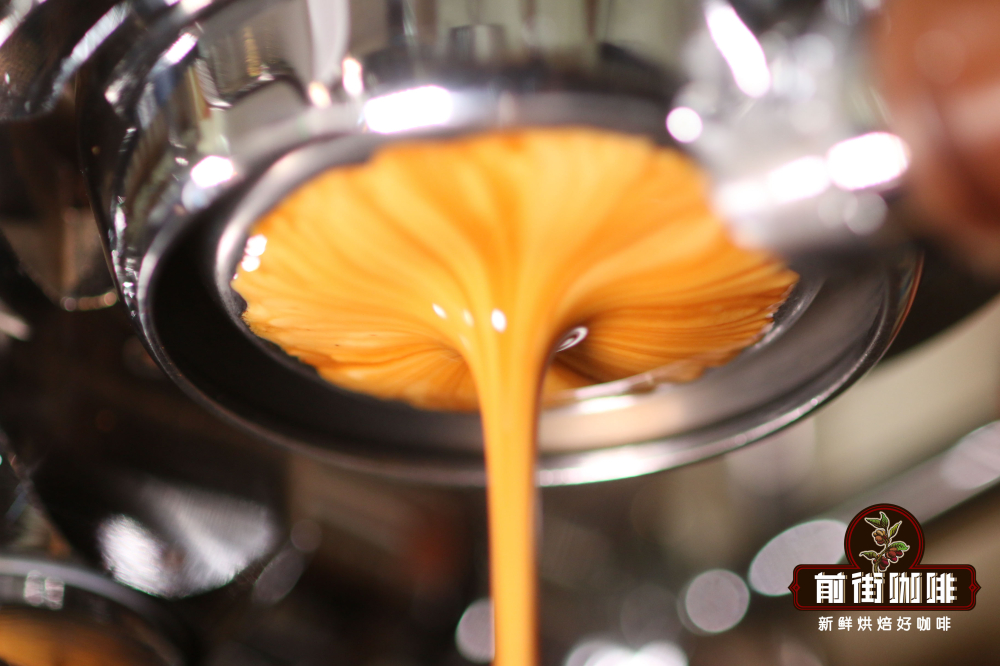
Additionally,the majority of espresso beans are dark roasted, and there's scientific reasoning behind this. Dark roasting reduces the amplification of acidity under high-pressure extraction while promoting a looser bean structure, which helps release more soluble flavor compounds, further enhancing the coffee’s body and smoothness. More importantly, the carbon dioxide produced during dark roasting emulsifies with coffee oils during extraction, forming the golden crema (coffee foam layer)—one of the key indicators of a well-brewed espresso.
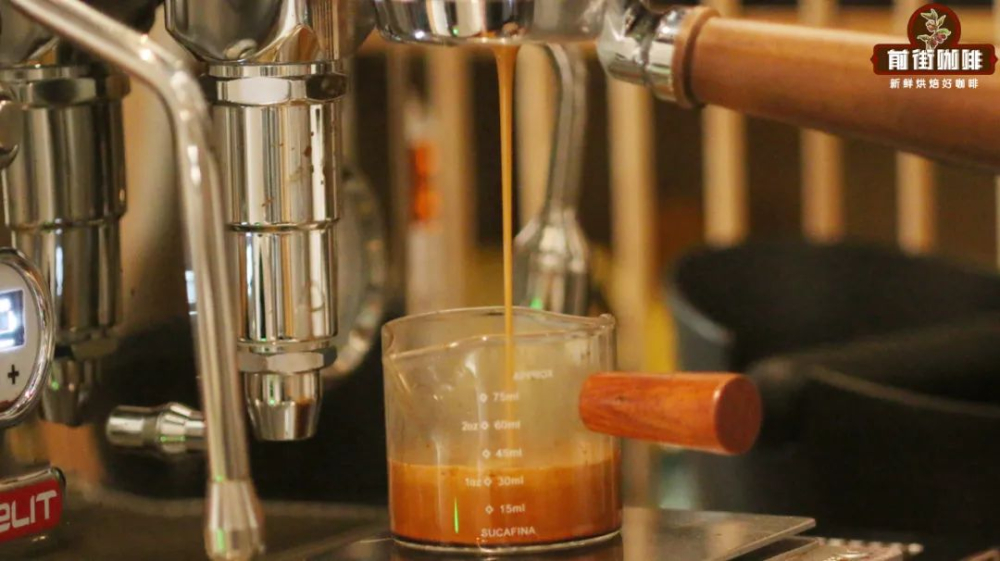
You might wonder: What’s the relationship between this crema and carbon dioxide? In a high-pressure extraction environment exceeding nine atmospheres (9 bar), water’s capacity to dissolve carbon dioxide approaches saturation, preventing its release and causing it to dissolve into the liquid. At the same time, high pressure also emulsifies the fats in the coffee. These fats envelop the carbon dioxide, rising together with the coffee through the spout and eventually floating to the surface, creating the familiar golden crema.
Considering all these factors, it’s easy to see why professional baristas recommend using blends specifically designed for espresso machines when making espresso. So, what are some common espresso blend profiles on the market? Here are several classic blend flavor references:
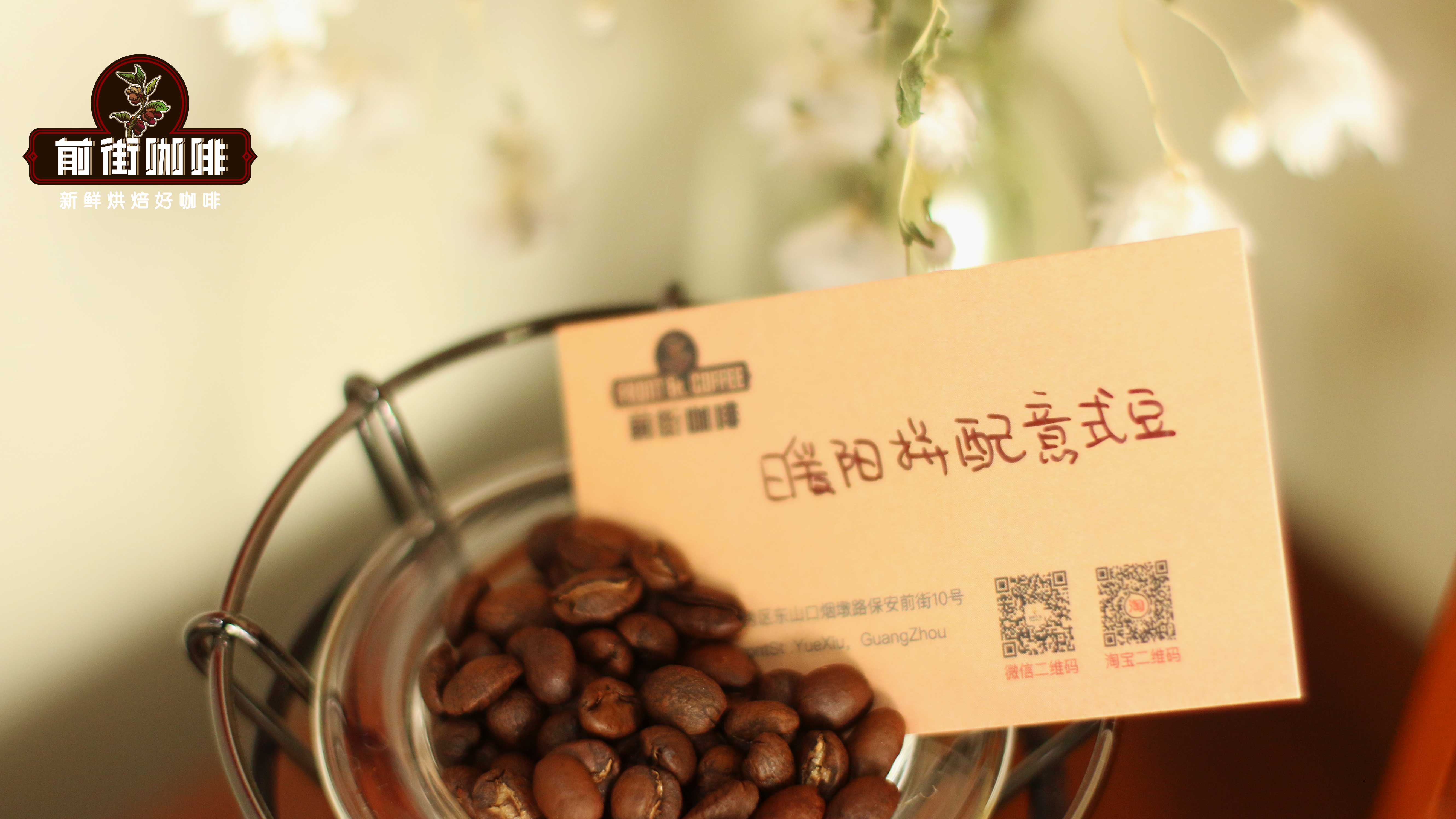
First is the “Warm Sun Blend,” combining Ethiopian sun-dried red cherry beans with Honduran beans. It features intense fermentation aromas, vanilla cream notes, along with berry acidity and a finish of roasted nuts—ideal for coffee lovers who enjoy layered and complex flavors.
Next is the “Premium Blend,” composed of Colombian washed beans and Brazilian semi-washed beans. Its flavor profile is dominated by nuts, dark chocolate, and caramel—perfect for those who prefer rich, mellow tastes.
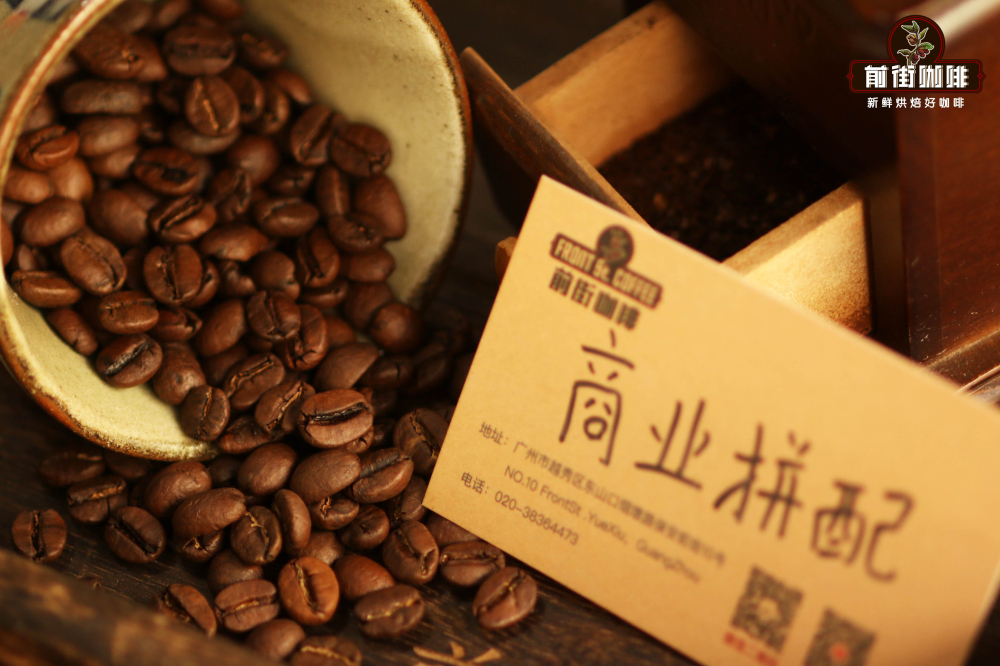
If you’re looking for value, the “Commercial Blend” combines Robusta, Colombian, and Brazilian beans, offering a balanced profile of nuts, cocoa, and caramel—an economical choice for everyday drinking.
Lastly, the “Dark Cocoa Blend” pairs Yunnan washed small-bean beans with Brazilian semi-washed beans. It has a gentle flavor with fruity acidity, caramel, and nutty notes, making it highly suitable for daily drinking needs.
These blends are recommended for use within five days after roasting to achieve optimal flavor. However, freshly roasted beans release large amounts of carbon dioxide, which can affect extraction uniformity, lengthen brew time, or even result in bitterness. Therefore, it’s advised to let the beans degas for 3–5 days after roasting before grinding and brewing, ensuring a smooth and layered espresso.
Finally, a reminder: although carbon dioxide is key to forming crema, excessive gas can make the foam too thick, hindering milk-coffee integration—especially when making lattes or cappuccinos, possibly leading to blurry latte art or an unbalanced overall taste. Mastering these details will help you better enjoy the pleasure of every handcrafted espresso.


The above content is compiled by CoffeeHunters, a coffee news website.

