







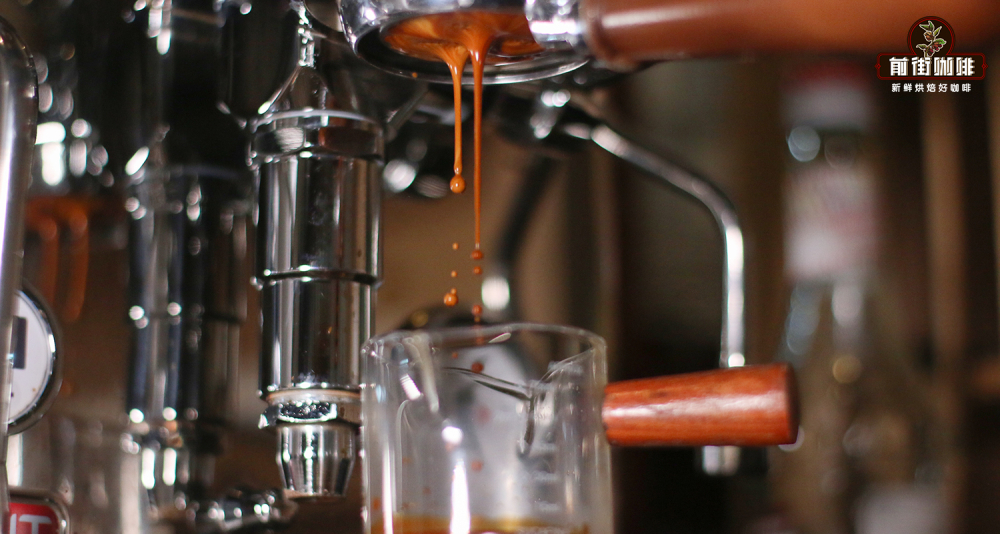
Introduction:The key to mastering espresso lies in precisely controlling extraction parameters, where the coffee-to-water ratio and grind size directly influence flavor expression. This article delves into the golden extraction range of 1:1.5 to 1:2.5, guiding you on how to adjust coffee dose, grind fineness, and extraction time to overcome challenges posed by weather and bean conditions. It also deciphers the flavor secrets behind flow rate variations, helping you consistently pull balanced and rich espressos.
As the birthplace of coffee culture, Italy has popularized espresso worldwide. This short yet highly concentrated brewing method perfectly showcases the essence of coffee. However, crafting an ideal shot requires meticulously balancing multiple parameters, including water temperature, pressure, extraction time, and most crucially, the coffee-to-water ratio and grind settings.
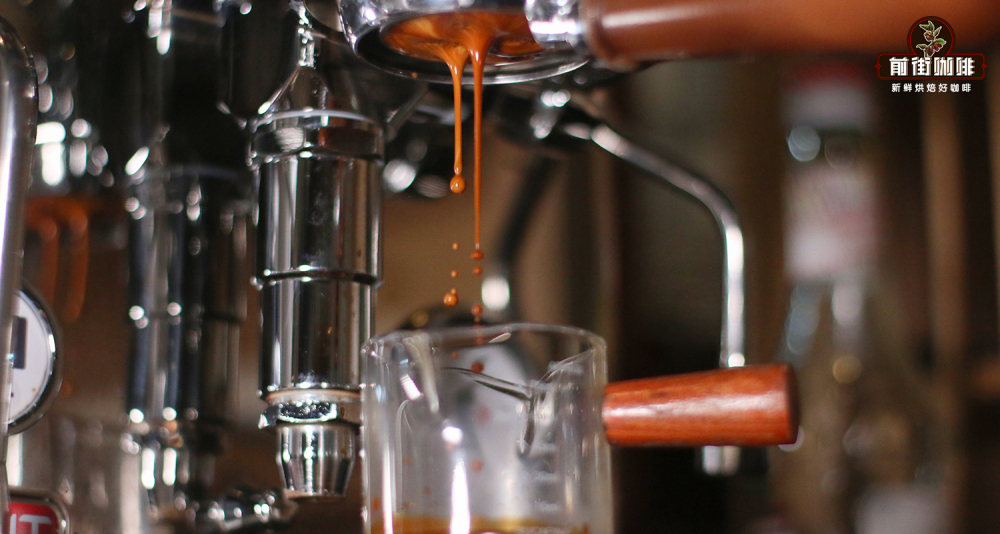
The so-called extraction ratio refers to the weight relationship between coffee grounds and the final liquid. The industry generally accepts a standard range of1:1.5 to 1:2.5, which balances intensity and flavor complexity. In practice, many specialty shops adopt1:2a benchmark value—extracting 2 grams of coffee liquid per 1 gram of coffee grounds—to achieve the optimal harmony of flavor and mouthfeel.
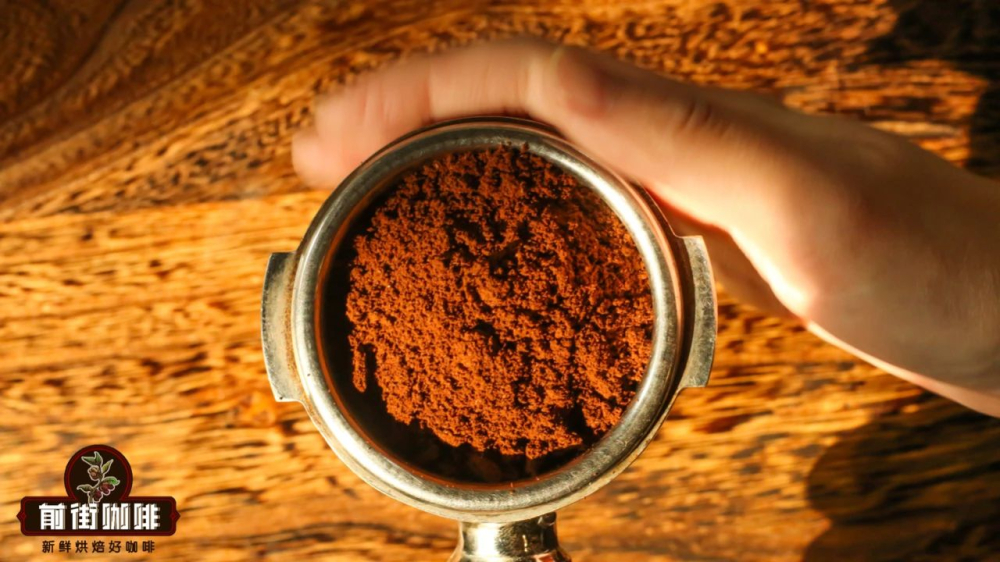
Specifically, the coffee-to-water ratio is determined by the weight of coffee grounds used and the weight of the final extracted liquid. Taking a common double shot as an example, when using a portafilter basket with a capacity of about20 grams, the standard practice is to use20 gramsof coffee grounds and aim to extract40 gramsof coffee liquid, completing the entire process within25 to 30 seconds. Of course, this benchmark can be fine-tuned based on the beans’ freshness that day, grinder condition, or climate factors.
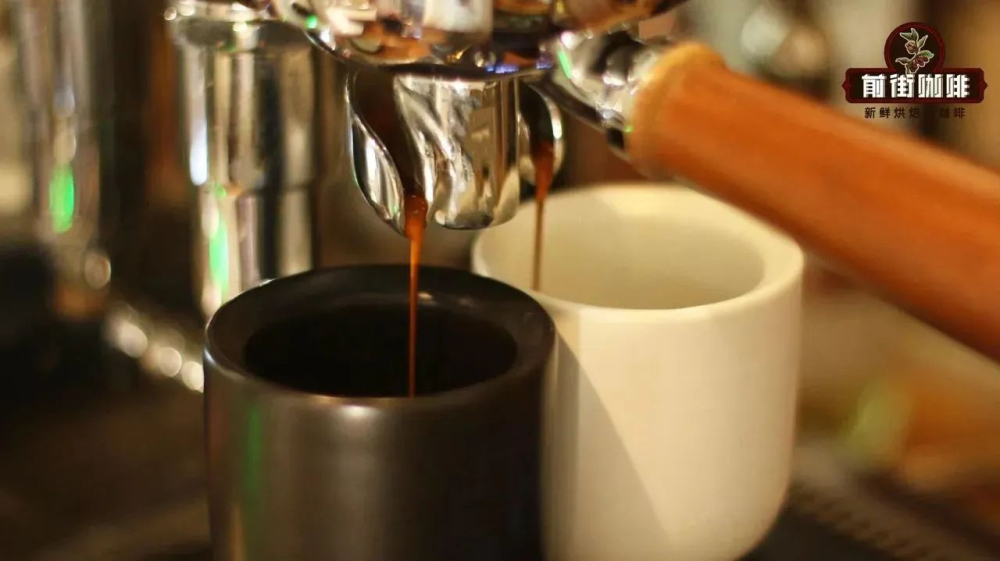
Adjusting the coffee dose not only affects the final liquid yield but also directly impacts the density of the coffee puck and flow rate. Increasing the dose makes the puck denser, slowing water flow and extending extraction time, often resulting in a richer flavor and higher extraction yield. Conversely, reducing the dose speeds up water flow, potentially leading to under-extraction. In practice, it’s recommended to make onlyminor adjustmentseach time and carefully observe changes in flow rate and flavor to gradually find the optimal balance.
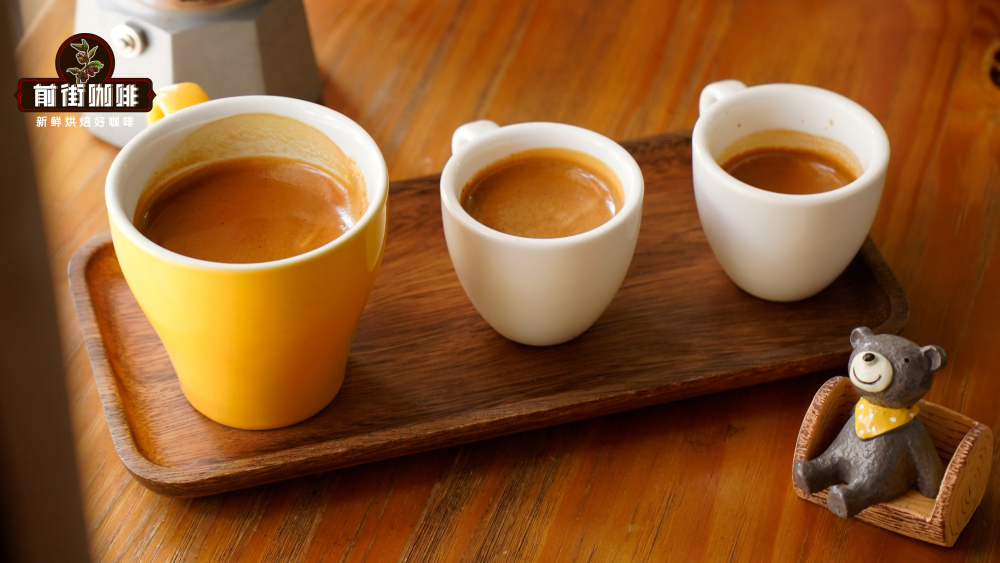
Espresso extraction takes an extremely short time—typically just25 to 30 seconds. To fully release the aroma and flavors within such a brief period, grind fineness is critical. This requires using an electric grinder specifically designed for espresso to achieve an extremely fine and uniform grind.
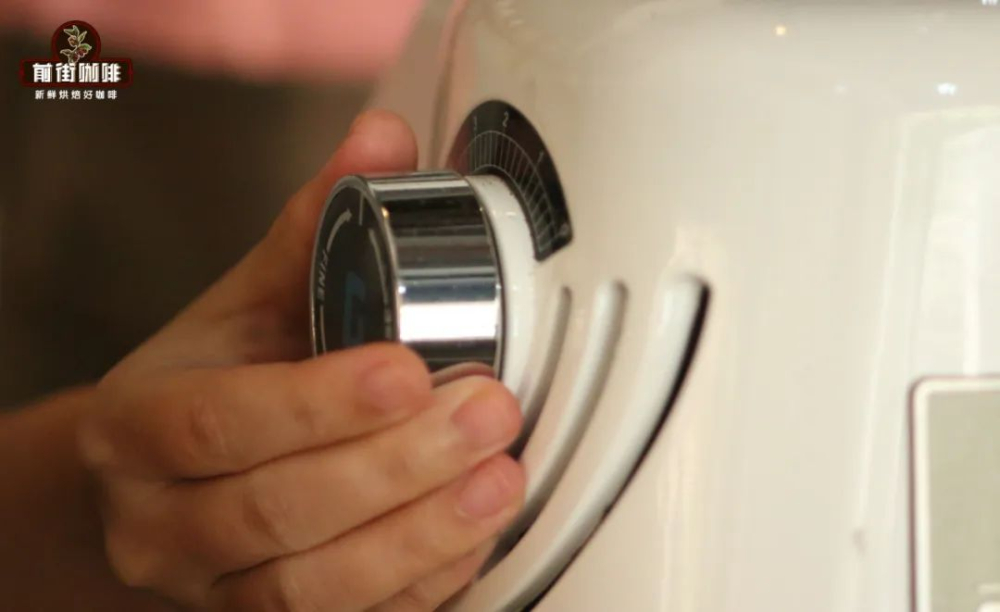
Since espresso extraction amplifies all characteristics of coffee (including flaws), the precision required for grind size is far higher than for other brewing methods. Grind fineness is difficult to judge by eye and is usually assessed by observing flow rate and tasting flavor. If the grind is too coarse, the larger coffee particles result in a loose puck, allowing water to pass through quickly and causing under-extraction, yielding thin flavors with noticeable acidity. On the other hand, if the grind is too fine, the tightly packed coffee restricts water flow, leading to over-extraction, which produces bitterness and harshness. Additionally, espresso grinds are much finer than those for pour over, so adjustments should be made ingradual incrementsto avoid instability from overly large changes.
When facing weather changes (such as increased humidity) or shifts in coffee bean conditions (like reduced freshness), extraction parameters need timely adjustment. Generally, water temperature and pressure remain fixed—commonly9 Bar pressureand94°C water temperature—while the primary means of adjustment involve modifying grind size, coffee dose, and final liquid yield.
For example, if yesterday you used19.8 grams of coffee grounds, extracted38 grams of coffee liquidin29 seconds, but today the same conditions yield extraction in just26 seconds, this indicates faster flow and potential under-extraction. In this case, you could first tryincreasing the dose by 0.1 grams at a time—for instance, up to20 grams. If the final yield remains38 gramsand time returns to29 seconds, but the flavor lacks aroma, it means adjusting the dose alone has limited effect, and furtherfining the grindis needed to reduce particle size and fully release flavor compounds. Conversely, if the flow is too slow, prioritizereducing the dose, and if that doesn’t help, considercoarsening the grind.
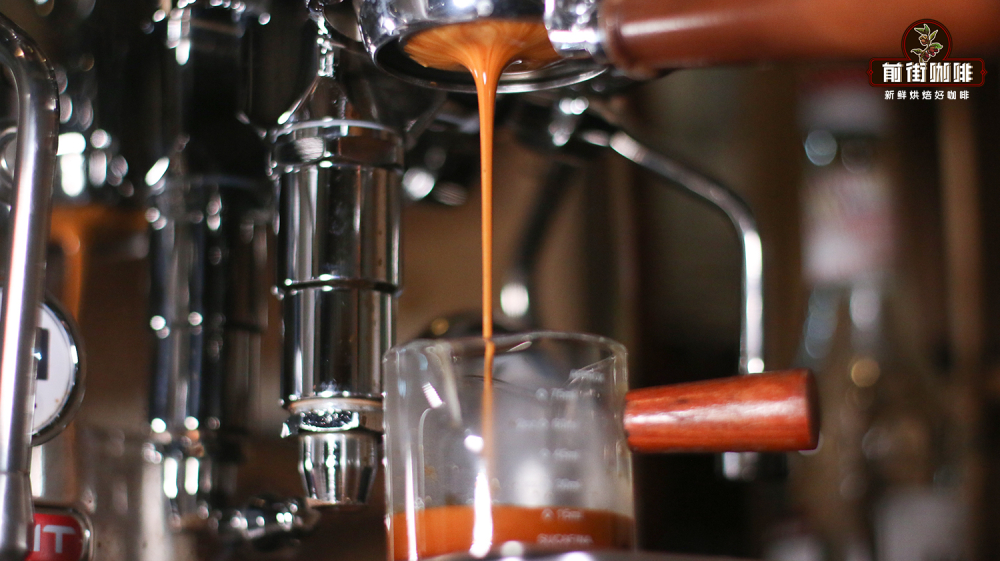
When adjusting parameters, maintain a flexible mindset. Once you’re familiar with your coffee beans’ characteristics and grinder performance, you can quickly find the optimal combination. Take a real-world example: using a self-roasted "Sunflower Warm Sunshine Blend" (composed of 30% Ethiopian Yirgacheffe Natural Red Cherry and 70% Honduran Sherry), with20 grams of coffee grounds, following a1:2 ratio, under9 Bar pressure, extracting40 grams of coffee liquid, and keeping time at30 seconds, you can consistently pull a balanced espresso.
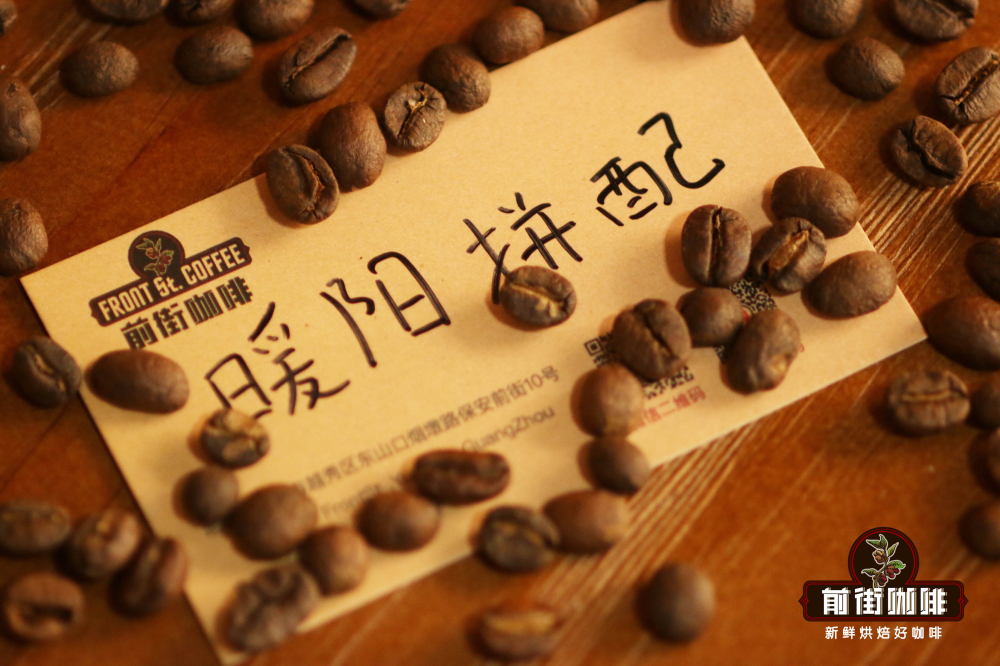
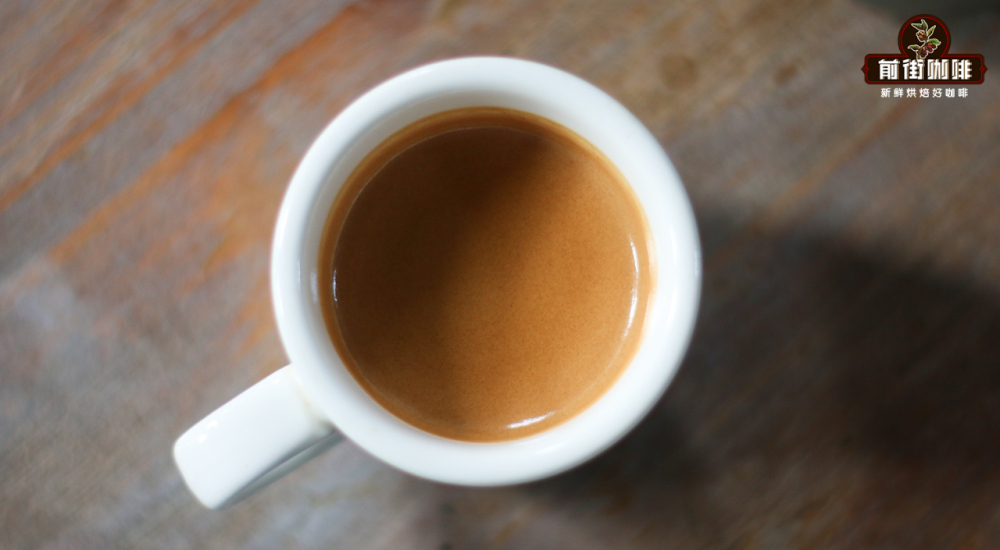
This recipe yields an espresso with rich whiskey-like aromas, accompanied by the bright acidity of berries. As the temperature slightly drops, vanilla and creamy sweetness emerge, with a finish of deep dark chocolate, offering a rounded and layered profile that many baristas consider the ideal flavor expression.
The above content is compiled by CoffeeHunters, a coffee news website.


