







Introduction:Delve into the origins and evolution of espresso coffee, from the classic Espresso to widely loved milk-based drinks like Latte, Cappuccino, and Mocha. This article not only introduces the historical background and basic recipes of each drink, but also details extraction ratios, steps, and key techniques to help readers master the essence of espresso coffee—whether at home or in a café, you can enjoy an authentic flavor.
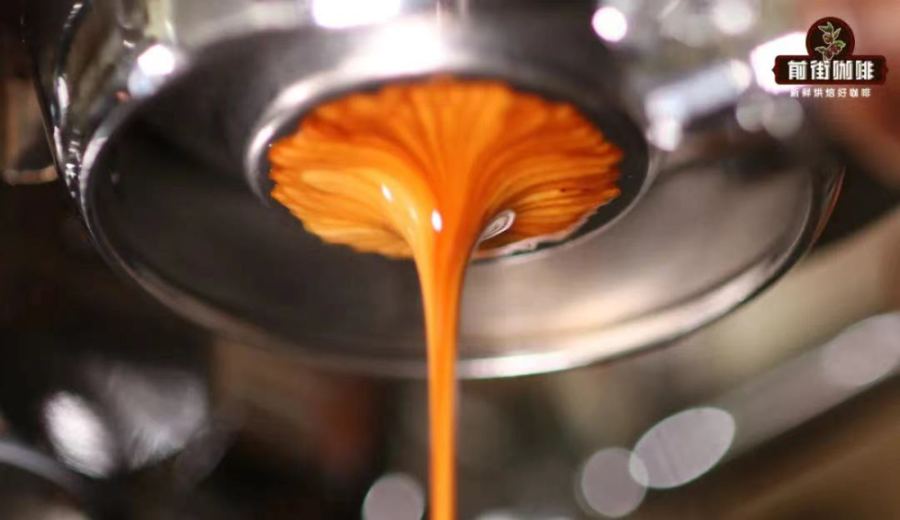
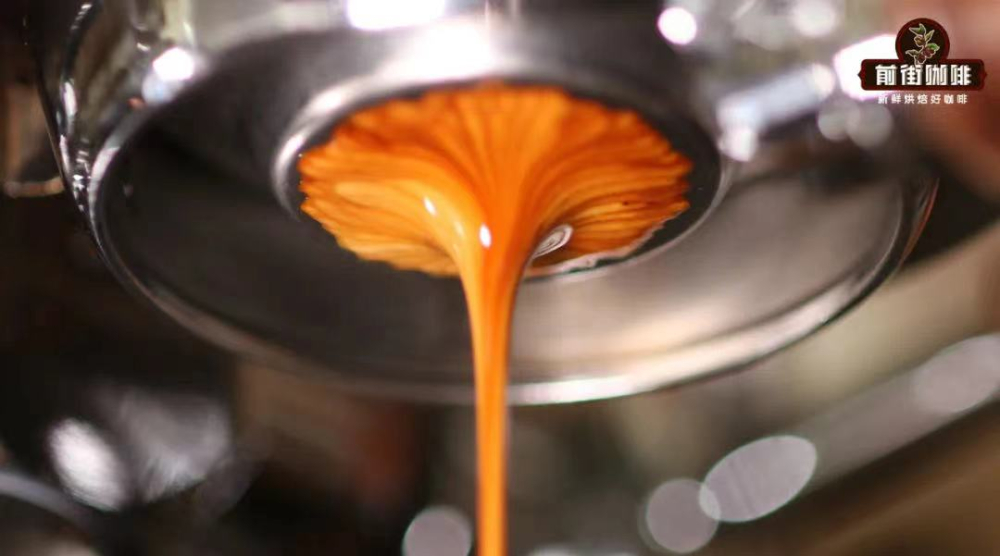
Espresso coffee, often simply referred to as Espresso, is a highly concentrated coffee beverage extracted under high pressure in a short period of time. According to authoritative dictionary definitions, it has a rich and intense taste and serves as an important foundation for modern coffee beverages. This extraction method was first developed during the Industrial Revolution in Italy, where people, seeking a quick energy boost amidst busy lives, utilized steam pressure technology to invent machines capable of rapidly extracting small amounts of highly concentrated coffee liquid.
Over time, espresso spread around the world. Local food cultures gradually incorporated milk, water, or other ingredients based on local taste preferences, giving rise to several classic coffee drinks such as Americano, Latte, Cappuccino, and Mocha. Each drink has its unique flavor profile and preparation method and remains a favorite among coffee enthusiasts globally to this day.
The production techniques of modern espresso have become far more refined than in the early days, and the selection and roasting level of coffee beans are also more meticulous. A high-quality espresso should present a rich yet clean taste, with noticeable bitterness that is not burnt, along with good sweetness and aftertaste. Many professional shops emphasize that a good espresso is not just about strong stimulation, but should also showcase a layered and distinct flavor structure.
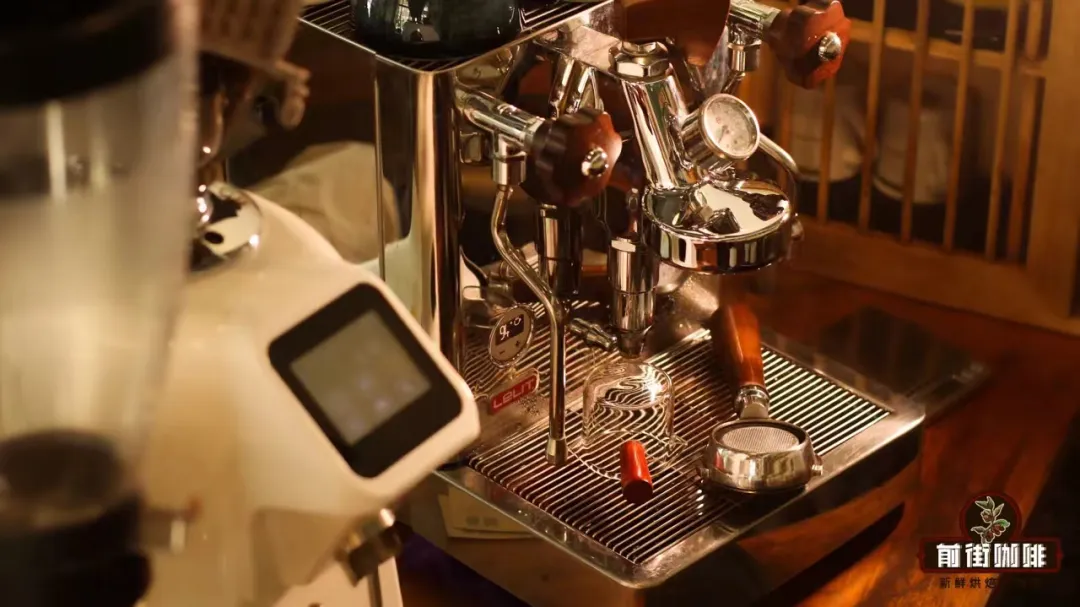
Due to the intense flavor of espresso itself, it is often used as the main base for other coffee drinks. By simply adjusting the ratio of milk, milk foam, or hot water, a variety of classic coffee styles can be created. This flexibility makes espresso coffee suitable not only for those who prefer a strong taste, but also for consumers who enjoy milder flavors.
Common espresso milk coffee includes Latte (Caffe Latte), Cappuccino, and Mocha. In Italian, Latte means "milk coffee," but if you simply say "Latte" in Italy, you might just get a glass of plain milk. Traditional Latte is usually based on a double shot of espresso (about 40 grams), paired with about 200 milliliters of smoothly steamed hot or cold milk, creating a delicate and balanced taste.

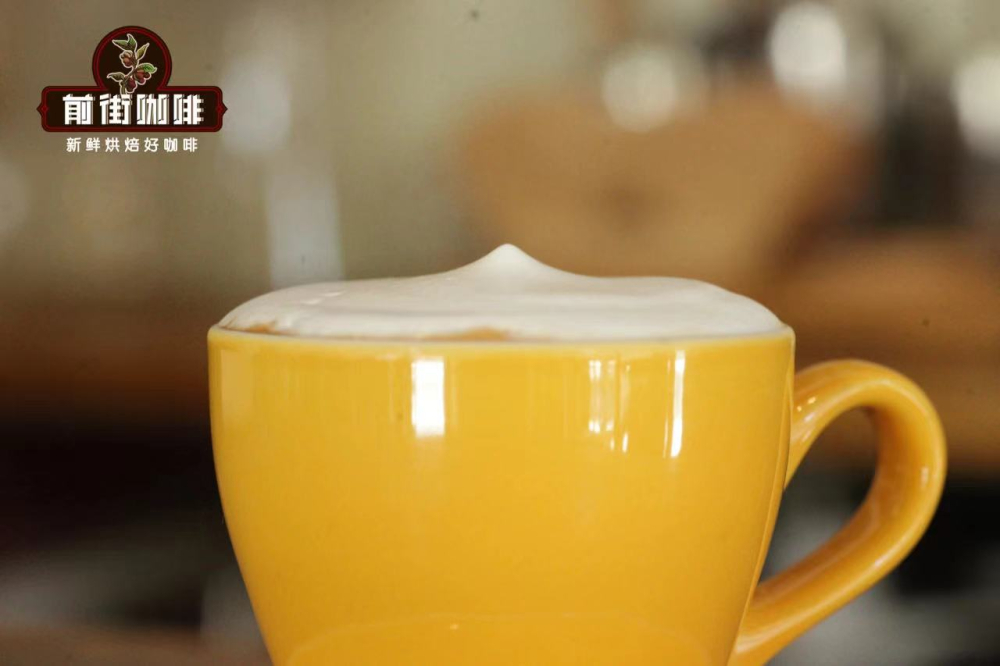
Cappuccino is known for its thick and velvety milk foam. Its name originates from the brown robes and white cowls worn by Franciscan monks in Italy, symbolizing the color contrast between the coffee and the foam. To achieve the best flavor, Cappuccino is generally recommended to be enjoyed hot, using a double shot of espresso, combined with 150 milliliters of hot milk, and topped with about 3 centimeters of fine milk foam. When sipped, one can simultaneously experience the rich textures of coffee crema and foam.
The origin of Mocha coffee is closely related to the port of Mocha in Yemen, which once exported coffee beans with chocolate-like flavors. Modern Mocha involves adding chocolate syrup or cocoa powder to milk coffee, creating a unique drink where sweetness and coffee aroma blend. Typically made with a double shot of espresso as the base, 20 to 30 grams of chocolate syrup are mixed in, followed by about 200 milliliters of milk foam maintained at a temperature of 50 to 60°C. It is often finished with latte art, offering an enticing visual and taste experience.
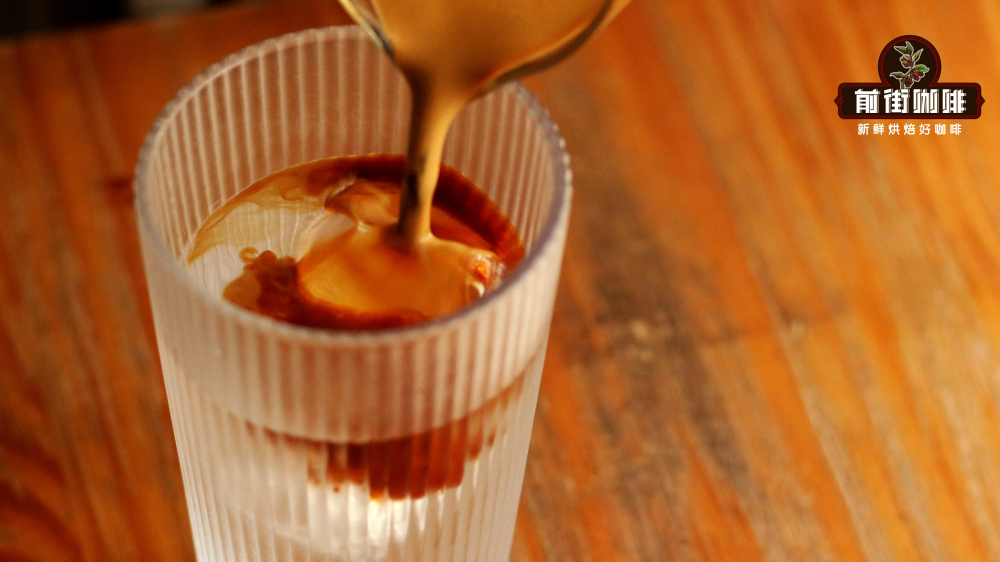
As for Americano (Americano), it originated during World War II when American soldiers in Italy, trying to adapt to the taste of espresso, added a lot of hot water to dilute it. This method was initially jokingly called "Americano" by Italians, meaning "in the American style," and later became one of the most popular coffee drinks worldwide. There is no fixed brewing ratio for Americano, but a commonly suggested ratio is 1:6—for example, using 40 grams of double shot espresso with 180 milliliters of 80°C hot water. For an iced version, you can use 90 grams of ice plus 150 milliliters of room temperature water, then pour in the espresso to create a refreshing Iced Americano.
In summary, espresso coffee is not just a beverage but represents a crystallization of culture and technique. From the intense extraction of espresso to the clever pairing of various milk coffees, every step and ratio influences the final flavor expression. Whether you're a beginner or a seasoned coffee enthusiast, understanding these basic concepts and preparation details can help you better appreciate and enjoy the unique charm of espresso coffee.




The above content is compiled by CoffeeHunters, a coffee news website.


