







Introduction:To brew delicious espresso with a home or commercial espresso machine, choosing the right beans is key. This article explains in detail the types of coffee beans suitable for espresso extraction, analyzes the advantages of dark roasts and blends, and recommends 4 high-value espresso-specific blends in different styles, complete with standard extraction parameters and flavor descriptions to help you get started with ease.
Many people mistakenly believe that espresso can only be made with specific coffee beans, but that’s not the case. Whether single-origin beans or blends, light roast or dark roast, as long as they are extracted under the high pressure of an espresso machine, they can be turned into espresso. However, it’s important to note that the extraction conditions of an espresso machine will amplify both the strengths and weaknesses of the beans—quality beans will showcase rich complexity, while defective beans will expose all their flaws.
When brewing espresso, it is recommended to prioritizedark roast blends. These beans are typically a mix of coffees from different regions, roasted to medium to dark levels, which can balance acidity and bitterness while producing rich crema.
For beginners or everyday use, it is recommended to choose espresso blends blended by professional roasters. These products usually undergo multiple tests and can consistently present classic flavors such as caramel and nuts, and offer better value than single-origin coffees.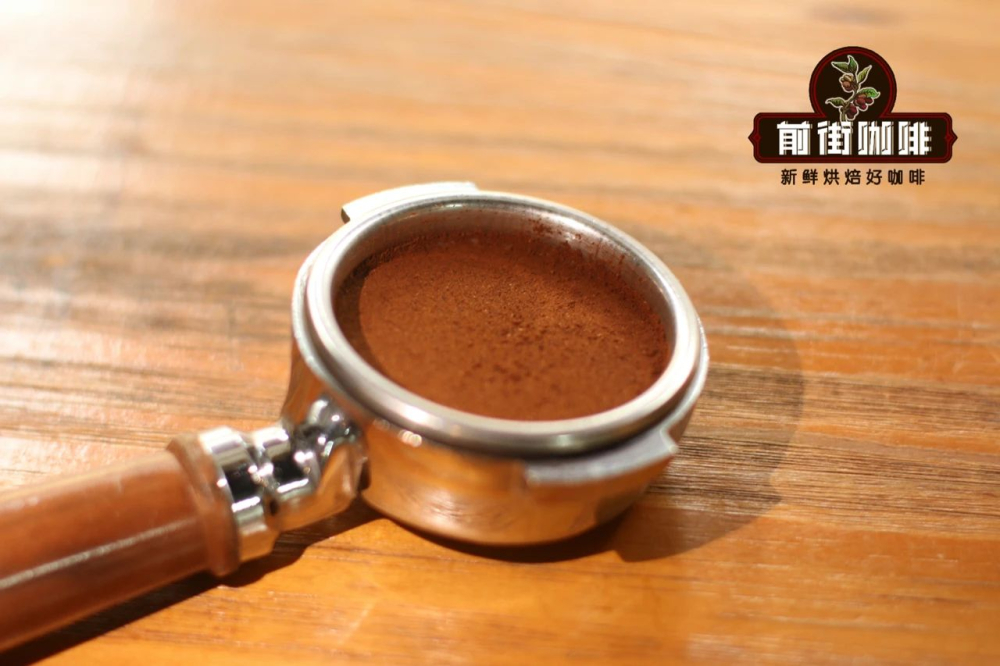
Common base recipes for espresso blends include Brazilian beans (providing a full body and low acidity) and Colombian beans (adding sweetness and balance). Advanced recipes may include Ethiopian beans to enhance fruity notes, or Robusta beans to boost body (suitable for milk-based drinks like lattes).
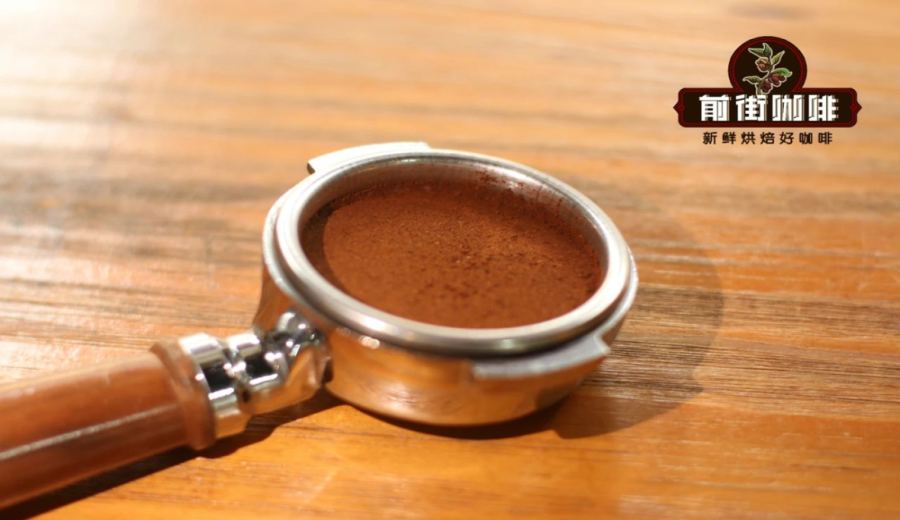
Standard espresso extraction parameters: approximately 18–20 grams of coffee grounds, extracting 40–45 grams of liquid (double shot), with a time control of 25–30 seconds. The crema should have a tiger-stripe pattern and adhere well to the cup walls. Under-extraction will result in sour and astringent flavors, while over-extraction will emphasize bitterness.
Here are four practical blend references (with flavor characteristics):
1. Classic: Brazilian + Colombian dark roast blend, medium-dark roast with a nutty profile, medium crema, suitable for everyday use;
2. Commercial: A three-bean blend with a small amount of Robusta, featuring prominent caramel sweetness, suitable for making lattes;
3. Budget: Yunnan + Brazilian combination, lower cost but good smoothness;
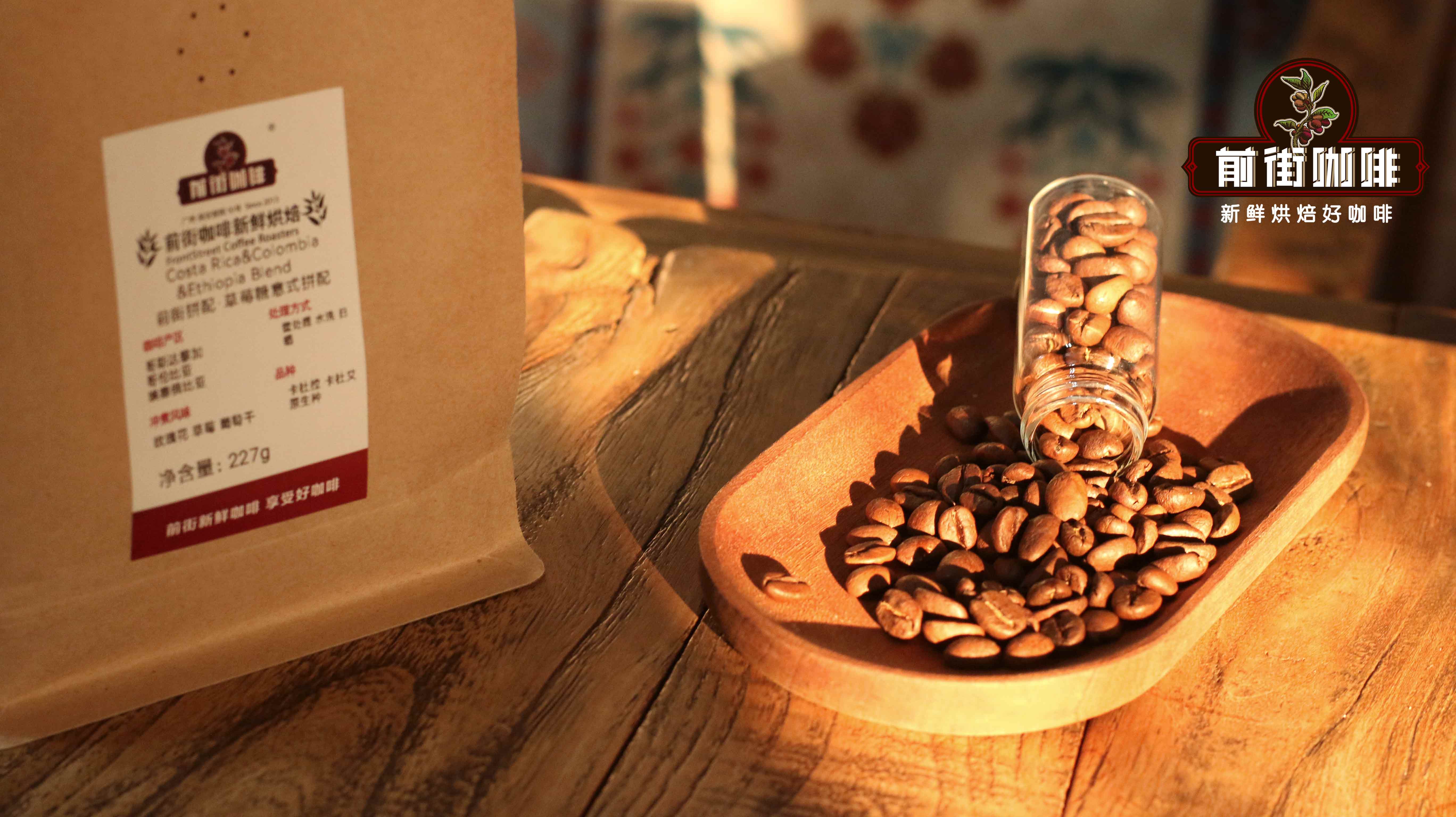
4. Specialty: A blend featuring Ethiopian honey-processed beans, offering aromas of strawberry taffy and dried blueberries, with rich sweet-and-sour layers.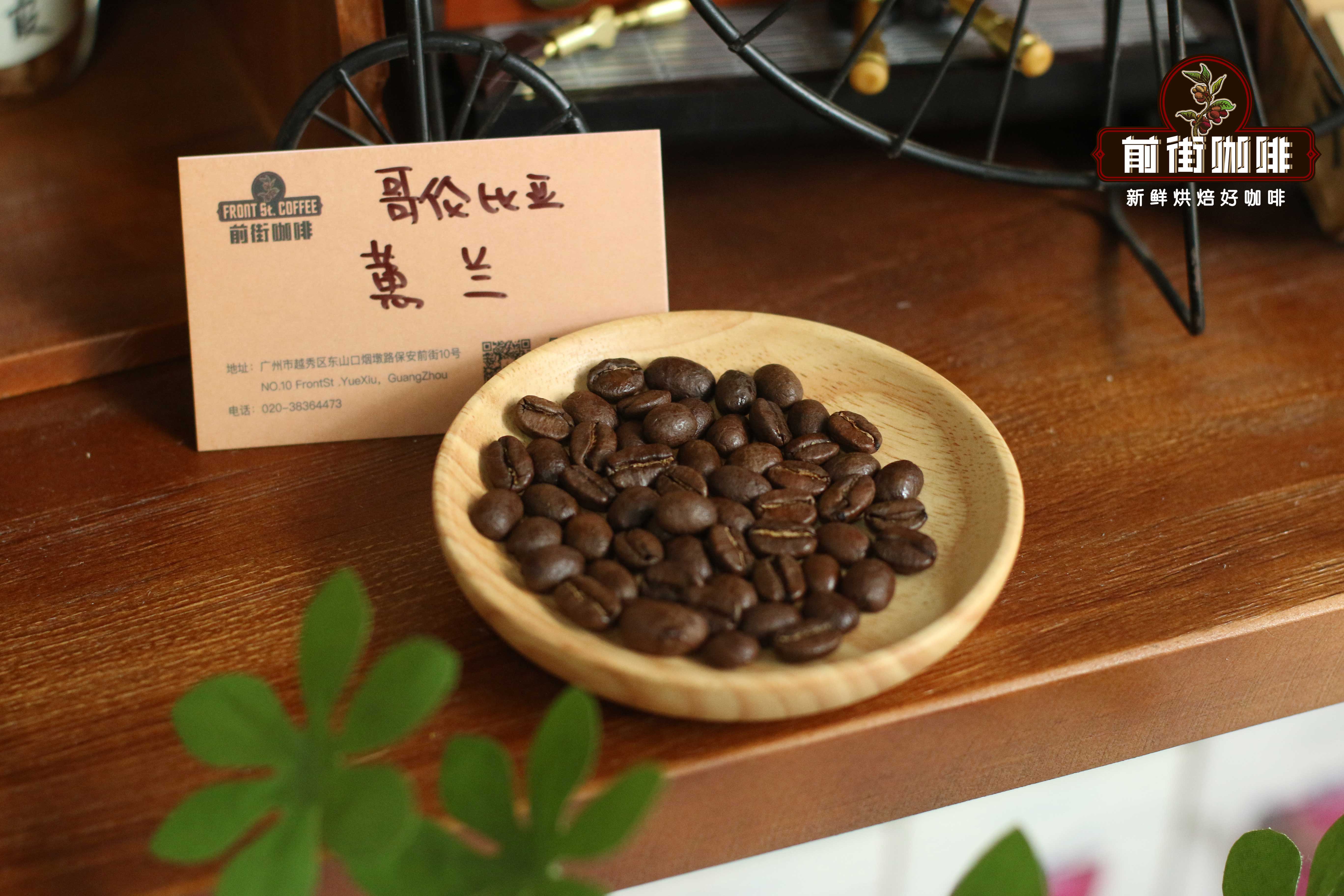
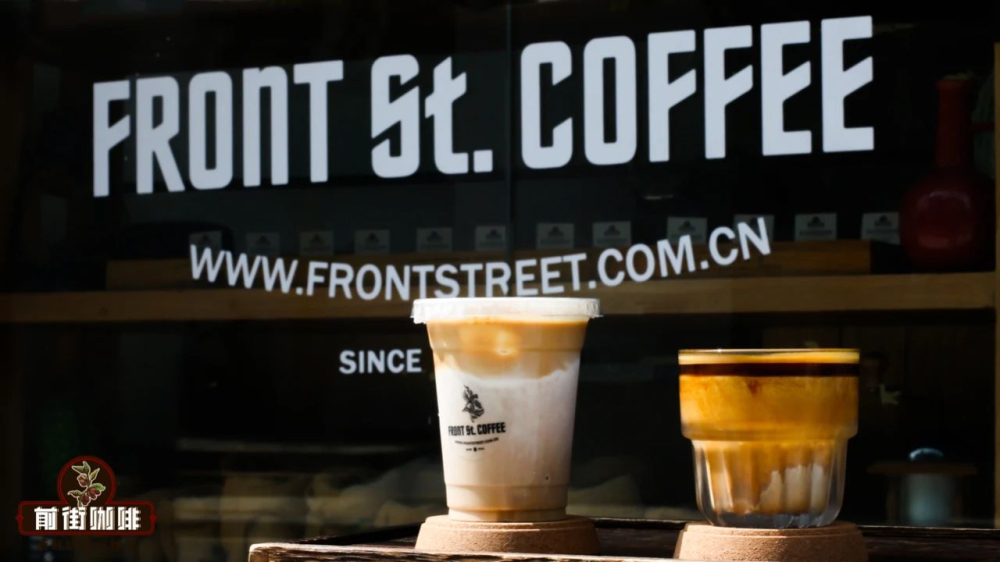
When making iced lattes, it is recommended to use blends with prominent caramel flavors. Combining the espresso (20g coffee grounds extracted to 40g liquid in 28 seconds) with ice and fresh milk highlights the chocolate and nutty aftertaste, making it refreshing and palate-cleansing in summer.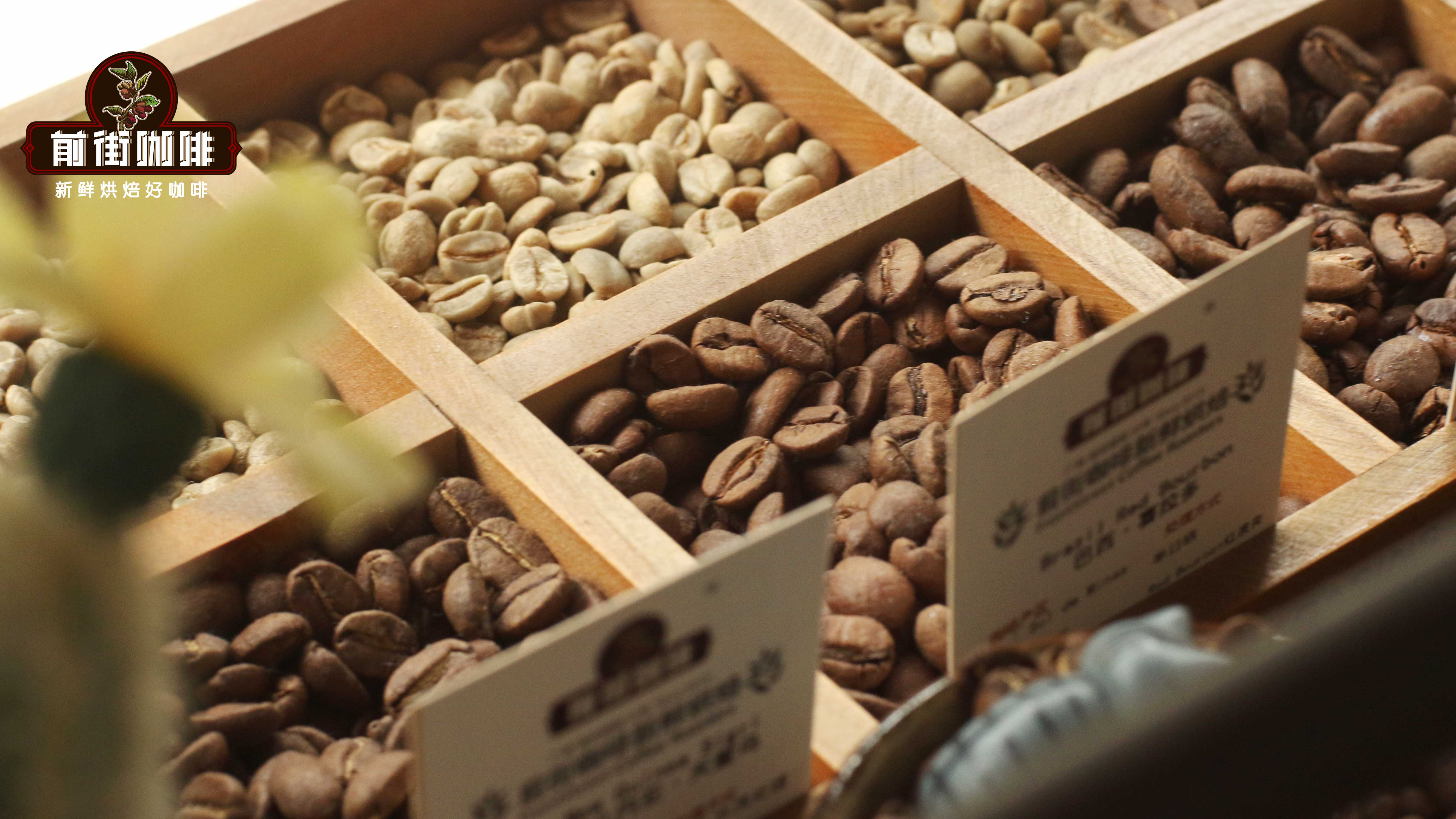
When purchasing, pay attention: check the roast date (recommended to use within two weeks), observe the grind size (espresso requires very fine grounds), and test the extraction parameters. For storage, keep it sealed and away from light to avoid moisture affecting flavor performance.

The above content is compiled by CoffeeHunters, a coffee news website.

