







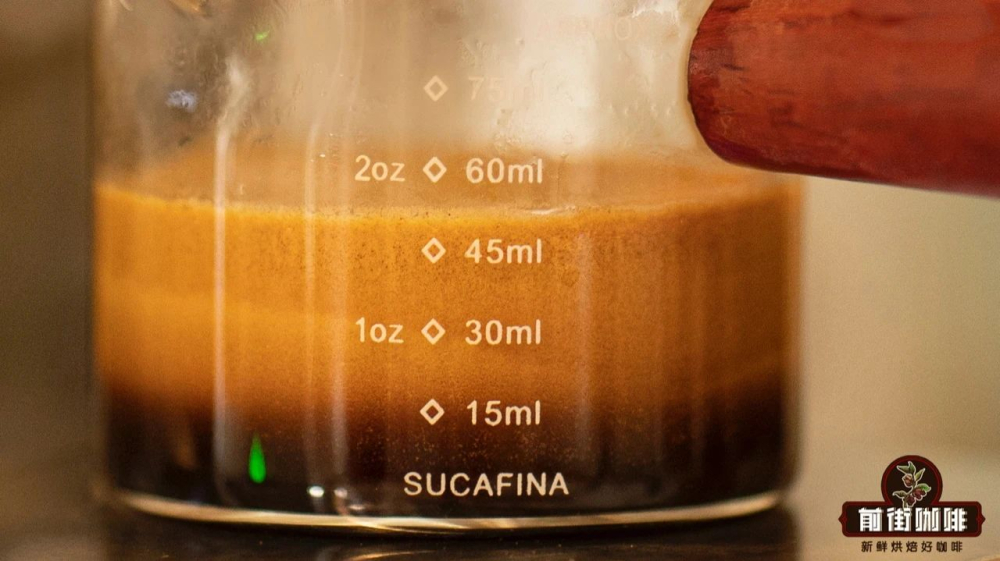
Introduction:Espresso is the first choice for many coffee enthusiasts, but the differences between espresso and americano, the extraction principles, and bean selection often confuse beginners. This article delves into the historical evolution of espresso, standard extraction parameters, compares the flavor profiles of different blends, and explains how to make an americano and its ratios, helping readers master key techniques and choose the right beans and brewing methods.
In recent years, specialty coffee has sparked a global craze. Whether in urban cafés or home brewing setups, espresso plays an indispensable role. Especially when ordering, the commonly seen “americano” actually originates from espresso but differs from traditional Italian-style drinks. What exactly are the differences between espresso and americano? Which suits your taste better—espresso or black americano? This article will take you through history, equipment, extraction principles, and bean selection to fully analyze these common questions.
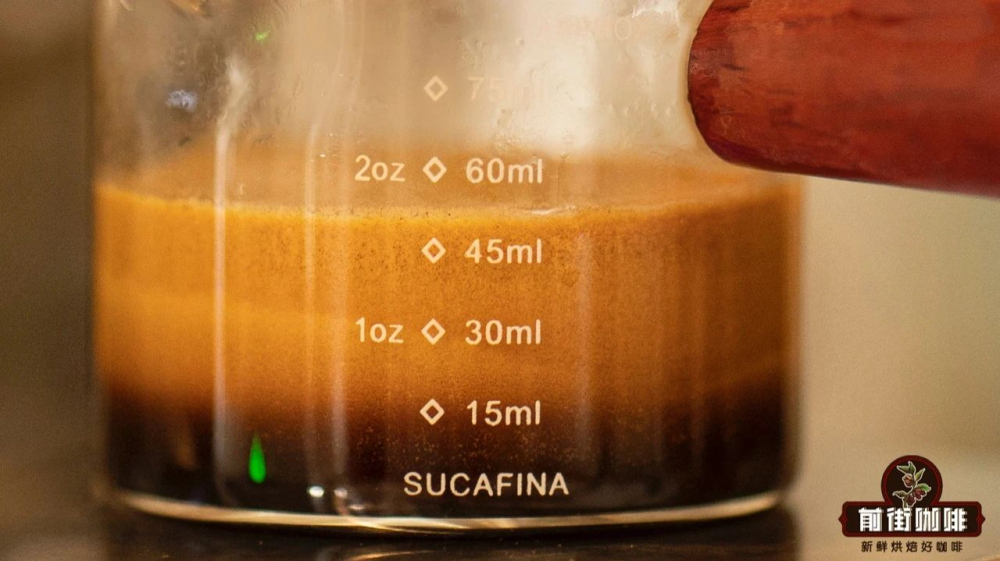
Walking into any café, the most eye-catching piece of equipment is undoubtedly the large, intricately structured semi-automatic espresso machine. This machine is the foundation for making all espresso-based drinks, including espresso, cappuccino, and americano (which uses espresso as its base). Without espresso, the subsequent variety of coffee beverages would not exist.
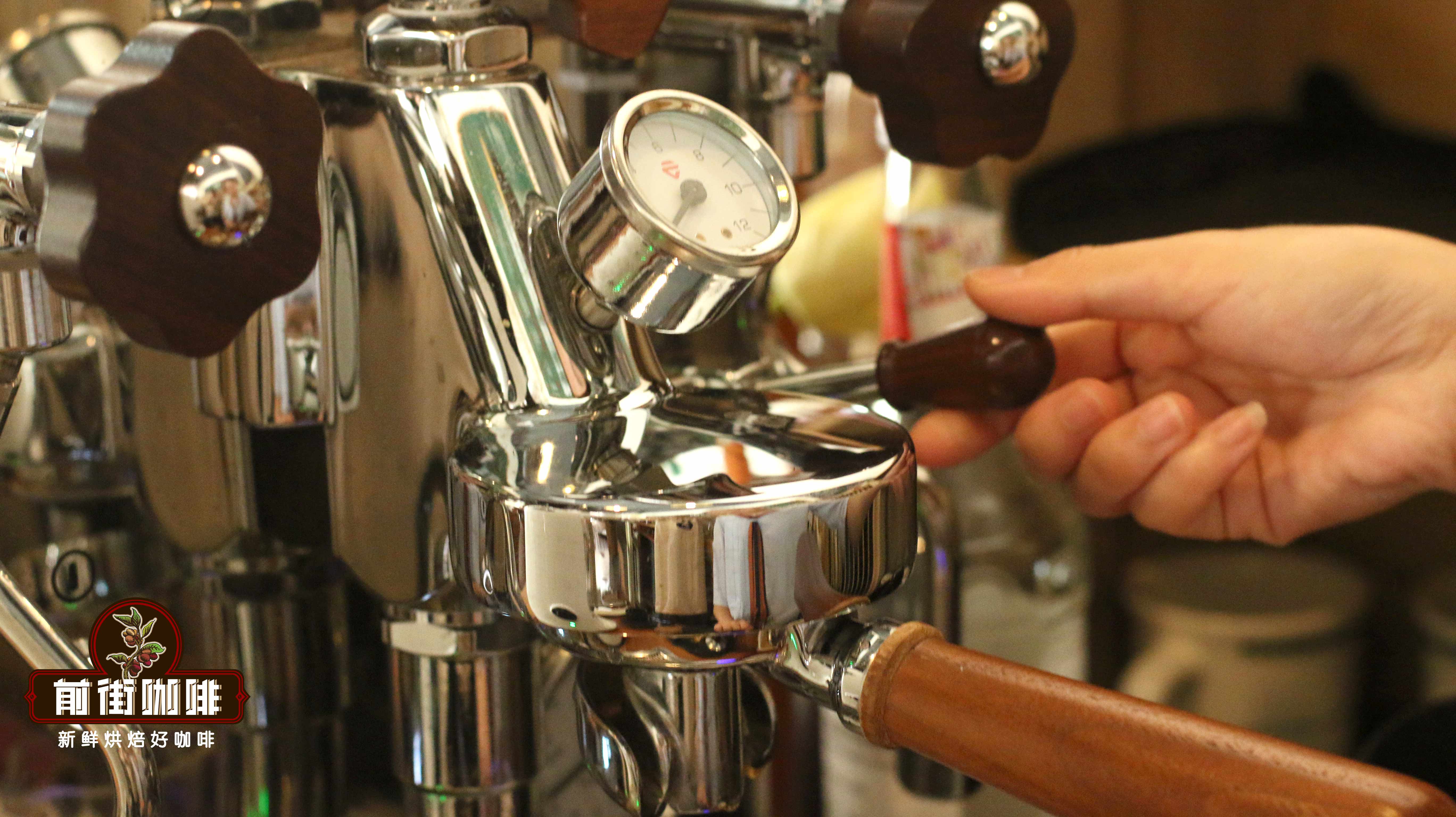
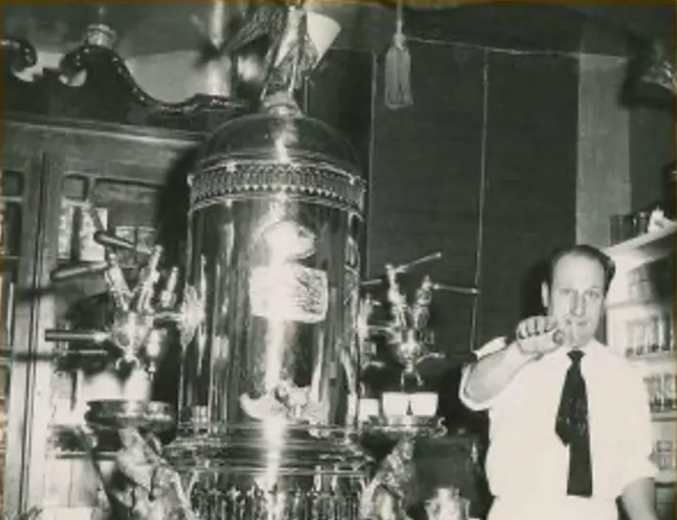
The key to making espresso lies in three elements: high pressure, hot water at high temperature, and extremely short extraction time. This method fully releases the essence from the coffee grounds, creating a rich and layered flavor. According to historical records, the world’s first espresso machine was born in 1884 in Turin, Italy, invented and patented by Angelo Moriondo. This early machine had a unique design with multiple spouts, aiming to serve multiple customers quickly—a significant difference from modern devices.
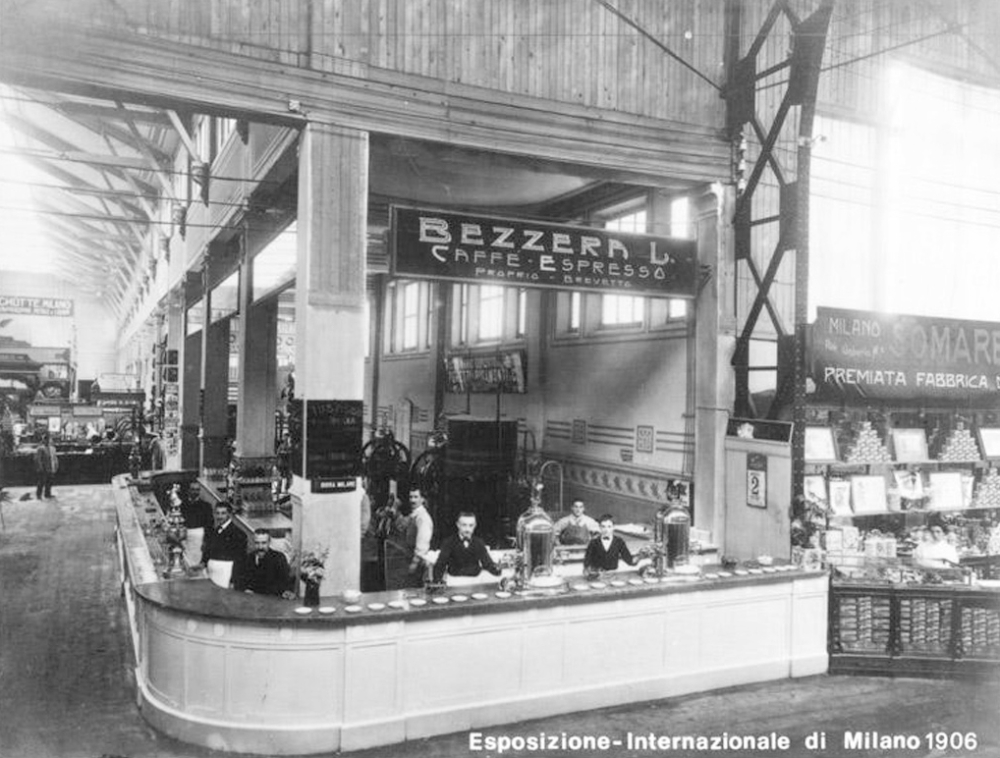
Espresso machine technology saw a major breakthrough in the early 20th century. In 1901, Milan engineer Luigi Bezzera improved the original design, launching a version with four spouts, greatly improving production efficiency. By 1903, Desiderio Pavoni acquired Bezzera’s patent and founded the “La Pavoni” company in 1905, beginning commercial production. However, due to the technological limitations of the time, these early machines did not have ideal extraction conditions—the group head temperature was relatively high (around 140°C), and the pressure was only 1.5 bar, resulting in a flavor closer to that of an American drip machine.
The real turning point came in 1961, when Faema launched the groundbreaking E61 model. Dubbed the “father of the modern espresso machine,” this device was the world’s first semi-automatic espresso machine, allowing baristas to independently adjust key parameters such as extraction pressure, water temperature, and time, laying the foundation for modern espresso extraction.
With technological advancements, the standards for espresso extraction have gradually been established. Although the general process remains consistent—dosing, distributing, tamping, and extracting—the parameters have been optimized to more precise ranges. The internationally accepted standard recommends using 7 grams of coffee, water temperature controlled at 92°C, extraction pressure at 9 bar, and a time frame of 20 to 30 seconds, yielding 20 to 30 milliliters of espresso.
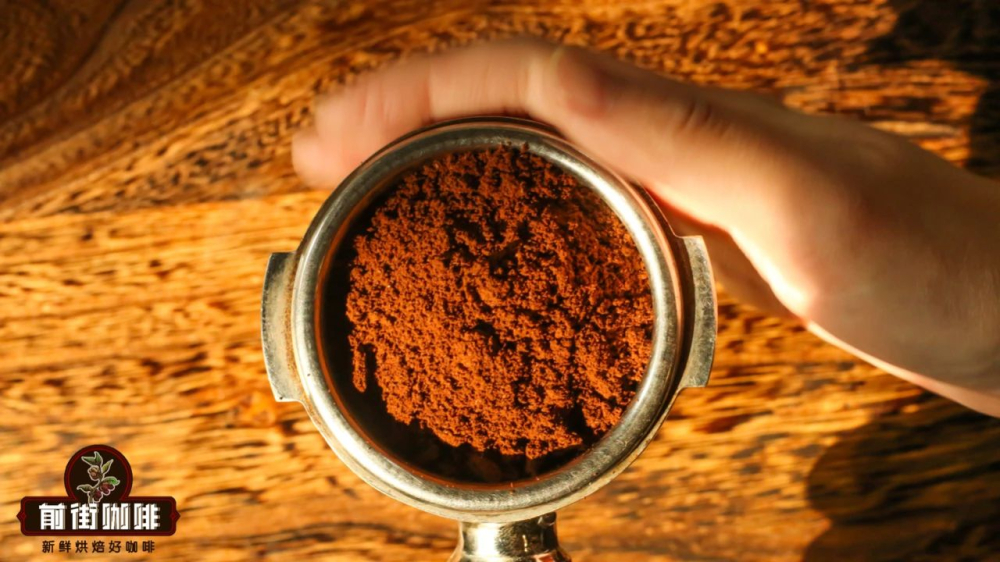
In practice, these parameters are fine-tuned based on equipment and bean characteristics. For example, the portafilter basket capacity must match the machine; being too large or too small can affect extraction uniformity. A common basket size is 20 grams, which provides stable extraction performance. The coffee-to-water ratio (weight ratio of coffee to extracted liquid) typically ranges from 1:1.5 to 1:2.5, with 1:2 being the most commonly used. Note that a low ratio may result in overly intense and bitter flavors, while a high ratio can lead to weak and sour tastes.
Extraction time is influenced by both grind size and coffee-to-water ratio. The higher the ratio, the longer the time needed; the finer the grind, the greater the resistance to water flow, also extending the time. Improper control can easily lead to over-extraction, ruining the delicate flavors of the coffee. Water pressure-wise, 9 bar creates the ideal crema (coffee foam layer); too low results in thin crema, while too high may cause over-extraction, losing the coffee’s quality components. Water temperature should be maintained between 90°C and 94°C—too high can cause bitterness, too low leads to under-extraction and a sour taste.
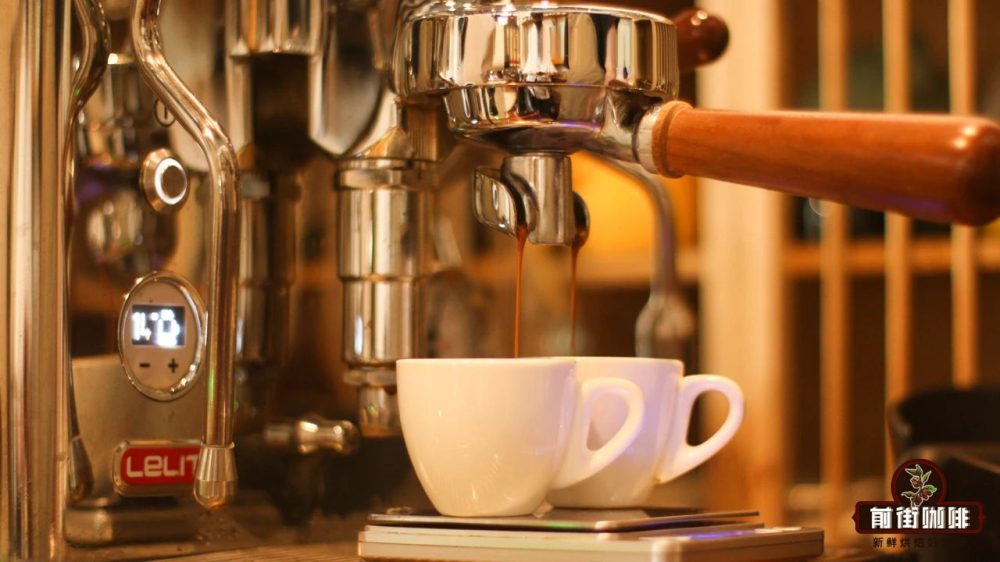
Taking a real-world example, industry shops use the Faema E98 machine, with 20 grams of coffee, water temperature around 92°C, extraction time of 26 to 28 seconds, and a final output of 35 grams of espresso. These parameters can serve as a reference, but it’s recommended to adjust based on your own equipment and taste preferences.
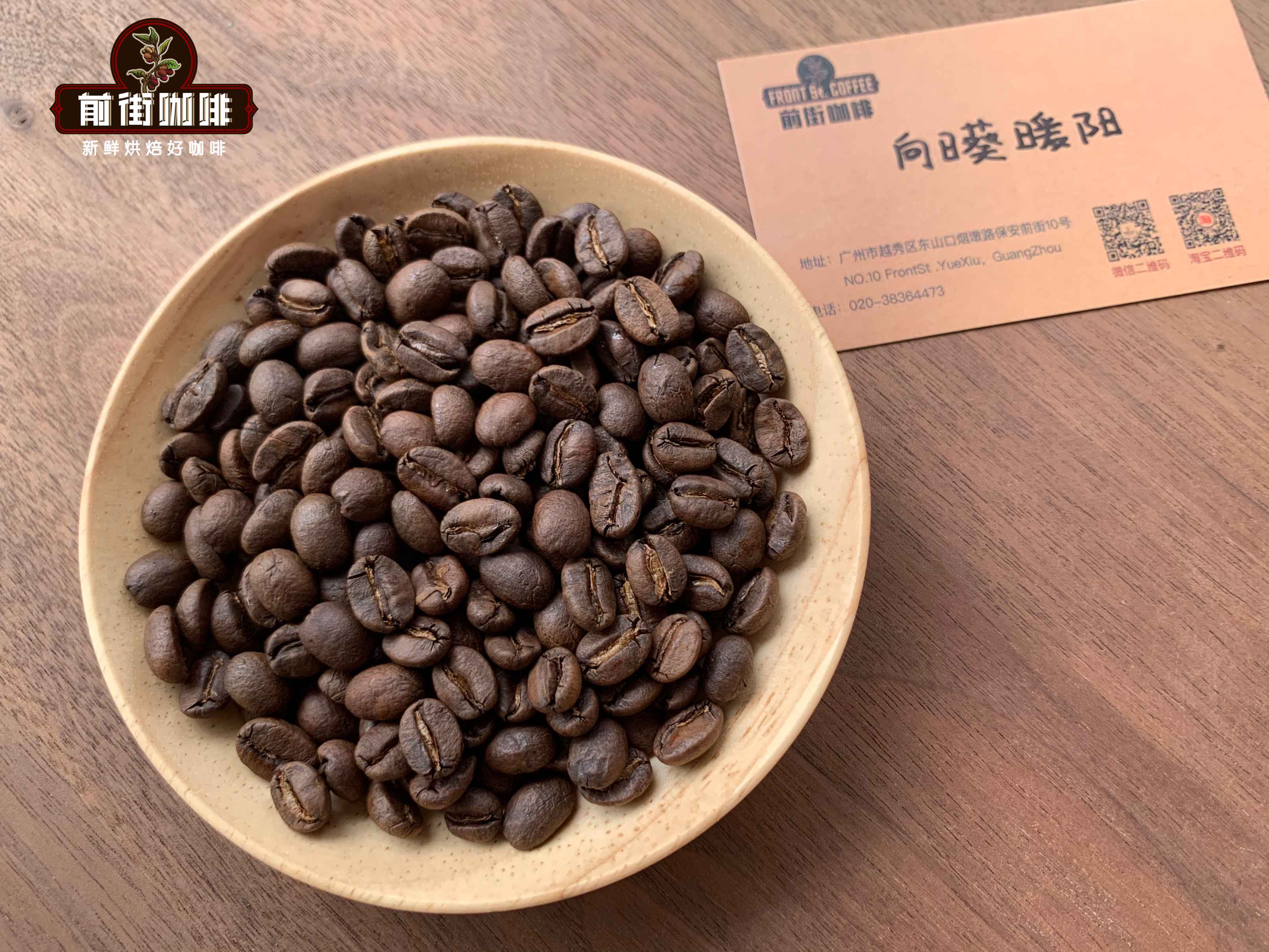
The choice of espresso beans is equally crucial. Taking a commonly used shop blend as an example, under the above parameters, it showcases distinct fruity acidity, berry aroma, and a winey chocolate finish, with a sweet and comfortable aftertaste. This blend, named “Sunflower Warm Sun,” consists of 70% Honduras Sherry and 30% Ethiopia Natural Red Cherry, with its unique flavor derived from a dedicated roasting curve.
It’s important to note that the roast level of espresso blends differs significantly from that of pour over beans, so caution is needed when blending them yourself. For instance, directly mixing Sherry and Red Cherry single-origin beans may not replicate the synergistic effect of a blend. Commonly available espresso blends include: specialty blends (70% Brazil + 30% Colombia, balanced flavor with soft acidity and nutty aftertaste), dark cocoa blends (60% Brazil + 40% Yunnan, featuring layers of cream, nuts, and chocolate), and commercial blends (60% Brazil + 30% Colombia + 10% Robusta, rich in body, combining caramel sweetness with nutty-cocoa notes, well-balanced acidity and sweetness, and a long-lasting aftertaste).
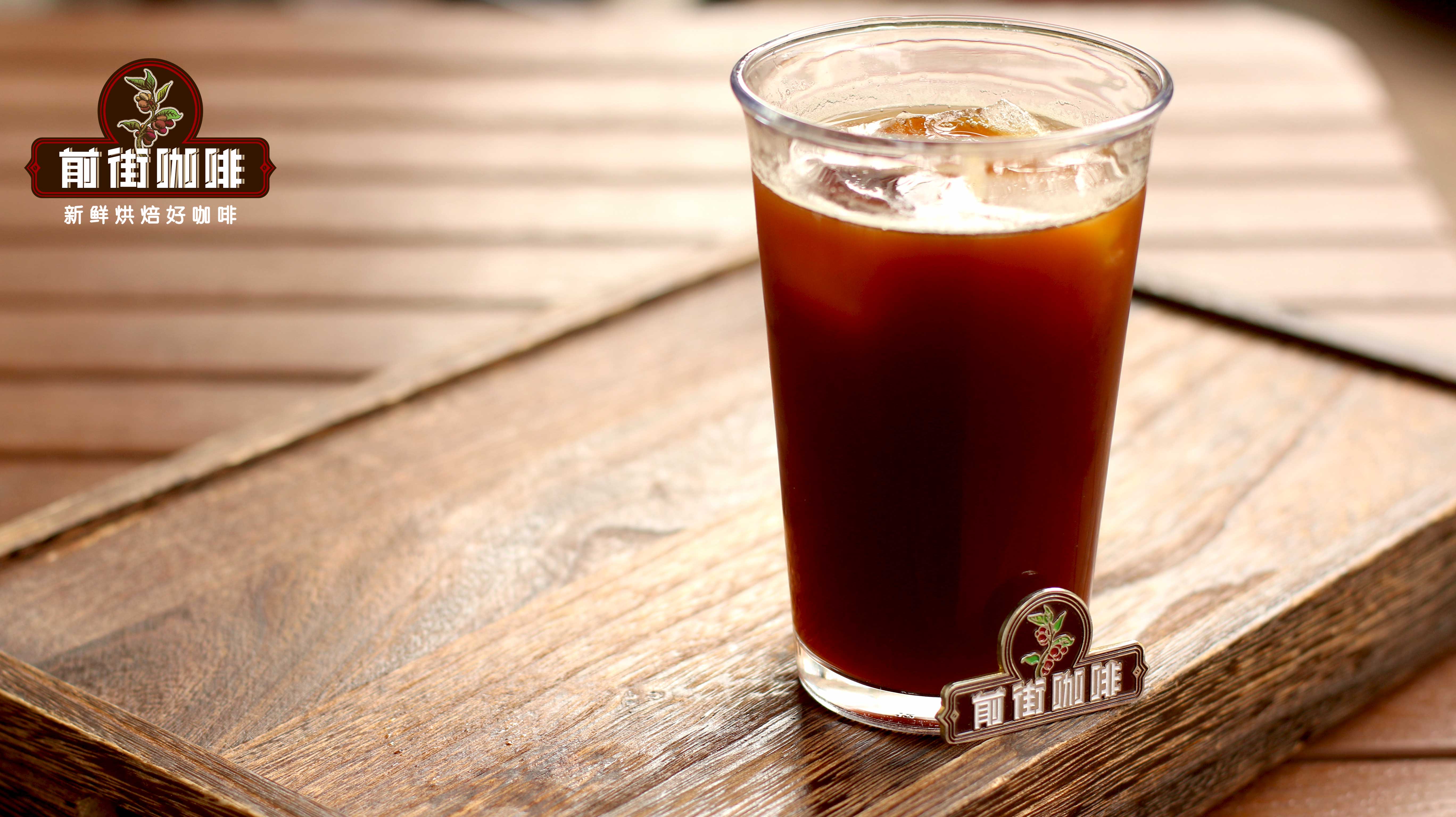
When discussing the differences between espresso and americano, the most直观 distinction lies in the base and preparation method. Americano is typically made by diluting espresso with water in proportion. For example, the industry standard is to use 20 grams of coffee to extract 40 grams of espresso, then mix it at a 1:6 ratio (40 grams of espresso + 240 grams of water), resulting in a refreshing and everyday-friendly black americano.
In summary, from the historical evolution of espresso machines to modern extraction parameters, from the flavor characteristics of blends to the preparation ratios of americano, mastering these key points can help you better appreciate the charm of espresso. Whether you’re a fan of the intense layers of espresso or prefer the refreshing taste of americano, you can find the most suitable choice based on your personal taste.
The above content is compiled by CoffeeHunters, a coffee news website.

