







Introduction:Delve into the historical origins, key growing regions, classic variety evolution, and how the unique wet-hulling process shapes the bold and rich flavor profile of Indonesian Sumatra Mandheling coffee. From the stringent selection criteria of Golden Mandheling to the essential parameters for pour over brewing, this article provides comprehensive and practical specialty coffee knowledge, helping you understand this classic product highly acclaimed by coffee enthusiasts worldwide.
Mandheling coffee is arguably the flagship of Indonesian coffee. Although its name does not derive from a place or a coffee variety, it is the result of an amusing wartime linguistic misunderstanding. During World War II, a Japanese soldier tasted exceptionally good coffee at a café in Indonesia and asked the owner for its name. Due to the language barrier, he misunderstood the response as the origin of the coffee and was told “Mandailing.” After the war, the name gradually spread and eventually became synonymous with high-quality Arabica coffee from Indonesia.
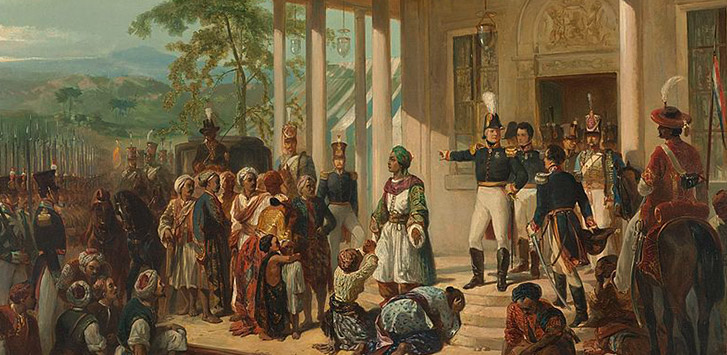
As Indonesia’s second-largest island, Sumatra is not only the core area of the country’s coffee production but also accounts for 74.2% of the national total output. Coffee cultivation on the island dates back to the Dutch colonial period when it was introduced as a substitute for food crops. Although the planting area drastically shrank during World War II, it gradually recovered afterward and became a vital cash crop. The island’s rich volcanic soil and diverse altitudes contribute to the unique terroir flavors of Mandheling coffee.
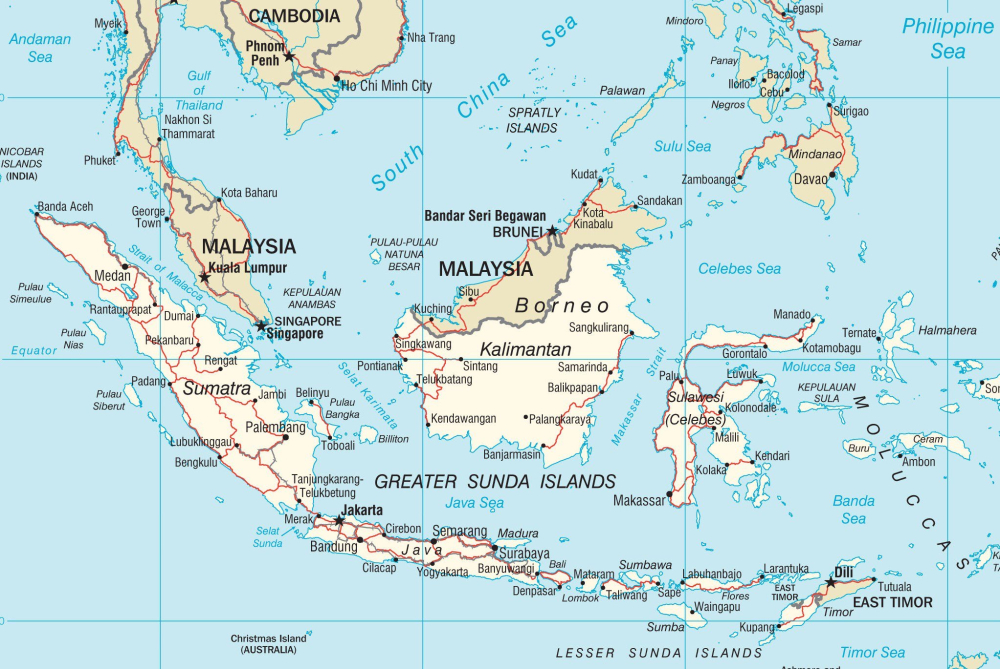
The terrain of Sumatra is divided by the Barisan Mountain Range. The northwestern mountainous areas mainly grow Arabica, with the regions around Lake Toba and Lintong being the most famous Mandheling-producing areas. The southeastern plains mostly cultivate Robusta. With over 90 active volcanoes spread across the island, the mineral-rich fertile soil, along with the early harvest season from November to March, provides an ideal environment for coffee growth.
Lintong Mandheling is produced in the mountainous Lintong region of central-northern Sumatra, near Lake Toba — an important post-war production site where Dutch colonists introduced “Java Mandheling” in 1888. Coffee in this area is grown without shade and free from chemical inputs, primarily managed by small private farms. Adjacent areas such as Diari and the northern part of Lake Toba also produce high-quality coffee under similar conditions. These regions collectively form the main sources of what is labeled as “Mandheling” in the market.
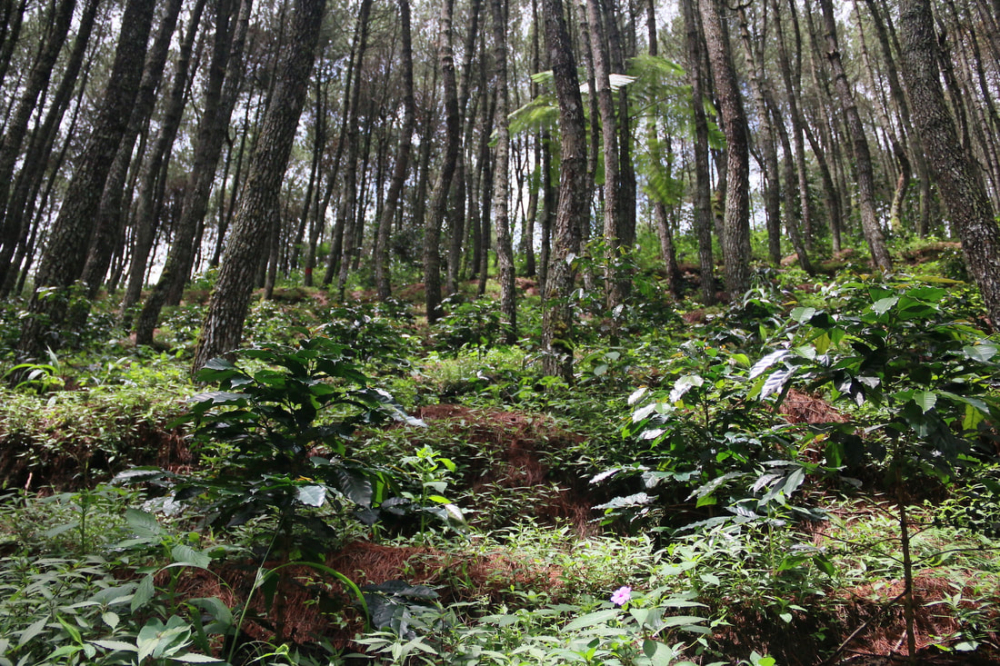
Lake Toba, Indonesia’s largest volcanic lake, has many renowned coffee estates in its high-altitude surroundings. In contrast, Lake Tawar in the Aceh Special Region, though smaller, is an important water source for coffee in the Gayo Mountains. Currently, the top-tier Sumatran coffee mostly comes from the Gayo Mountains at elevations between 1,500–2,500 meters. Local Gayo farmers practice organic farming, and their coffee is often hailed as “green coffee,” known for its clean and bright acidity as well as distinctive spicy notes.
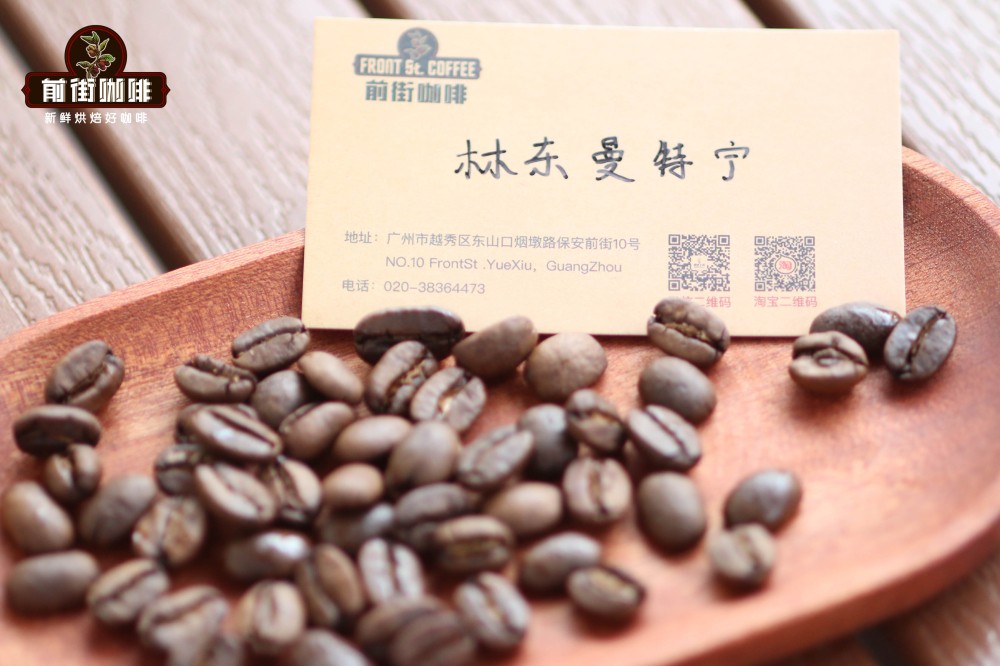
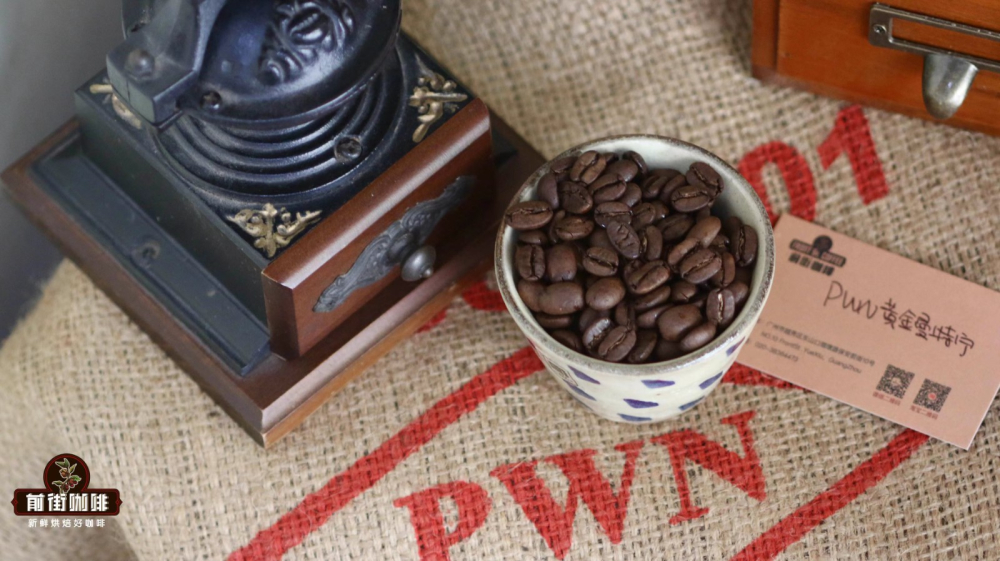
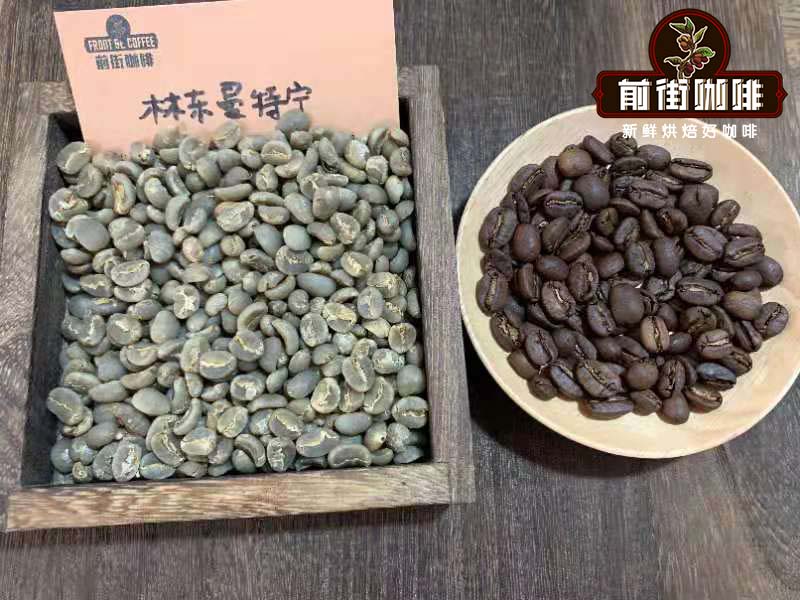
Golden Mandheling is the premium grade among Mandheling coffees. Selected rigorously by PWN, only Grade 1 beans larger than 19 screens are chosen. These beans undergo machine sorting and three rounds of manual hand-picking to ensure no more than three defects per 300 grams of green beans. Processed with dark roasting, they exhibit a deep green color and uniform flat bean shape, fully showcasing the bold and rich characteristics unique to Sumatran coffee.
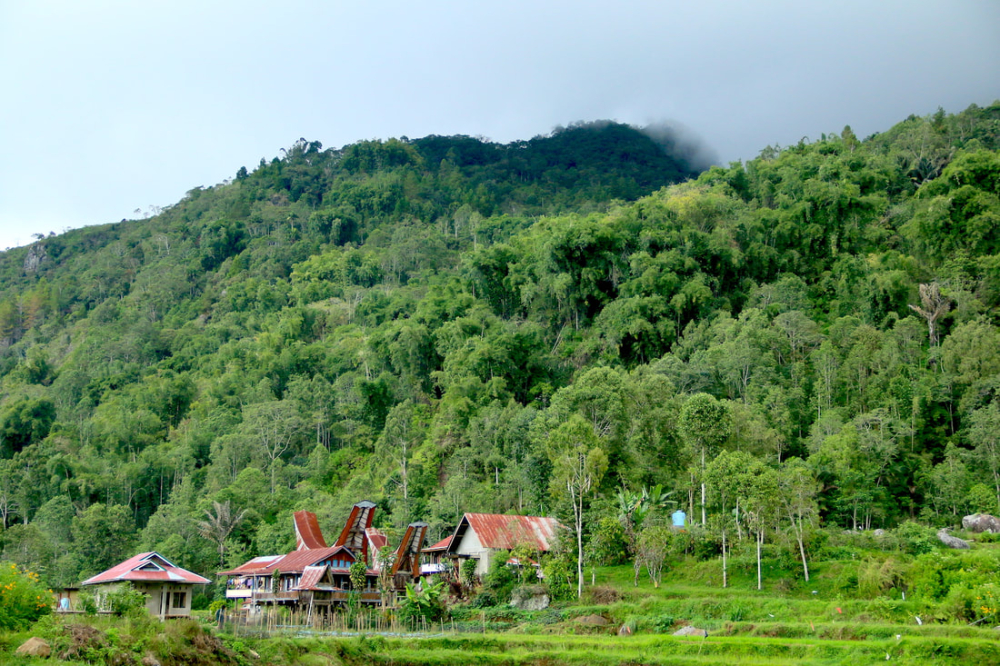
The varietal foundation of Mandheling coffee is Typica, an ancient variety originating from Yemen. Brought to Southeast Asia by the Dutch in the 18th century, it was once the dominant coffee in Indonesia until it was gradually replaced by the disease-resistant Robusta after being hit by leaf rust disease in the late 19th century. The Ateng variety (locally called Tim Tim), commonly seen in modern Mandheling fields, is actually the local name for the hybrid variety Catimor — a cross between Arabica and Robusta — particularly well-suited to the terroir of Aceh and now the mainstream cultivated variety.
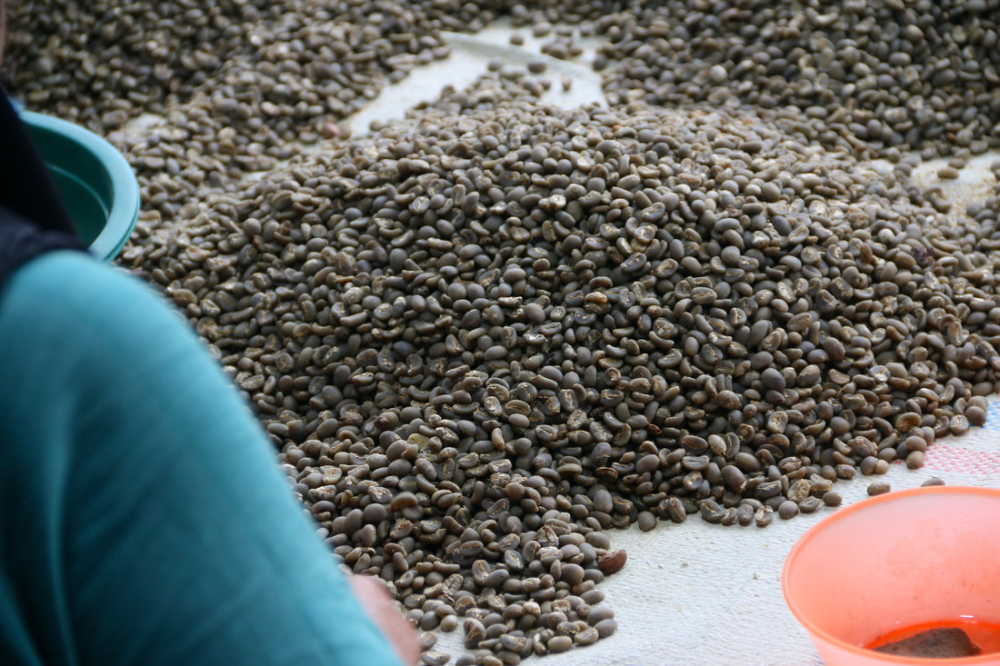
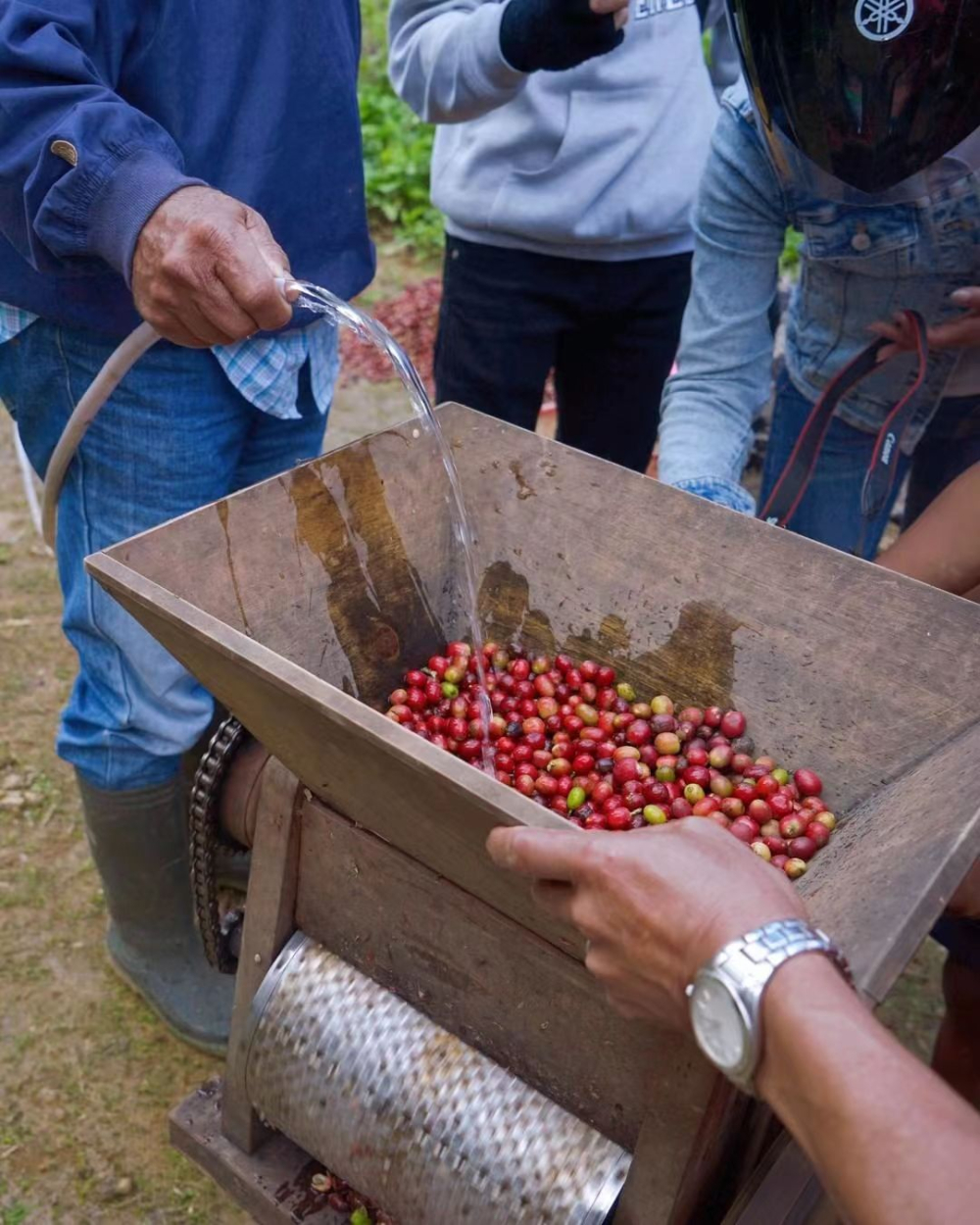
Indonesia’s unique wet-hulling process (also known as semi-washed method) gives Mandheling its signature low acidity, thick body, and bold aroma. Due to the rainy climate making sun drying unfavorable and economic constraints limiting the widespread use of traditional washed processing equipment, farmers developed an innovative technique of removing part of the mucilage before drying. This special process allows the coffee beans to retain more mucilage and fermentation flavors, resulting in distinctive herbal, spicy, and chocolatey notes.
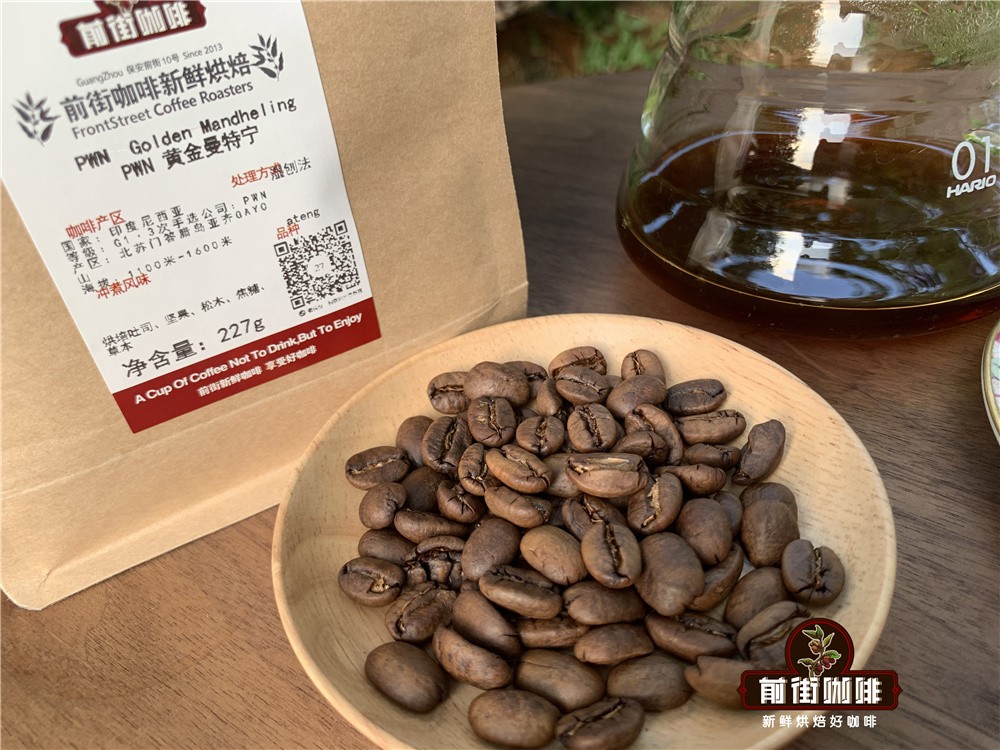
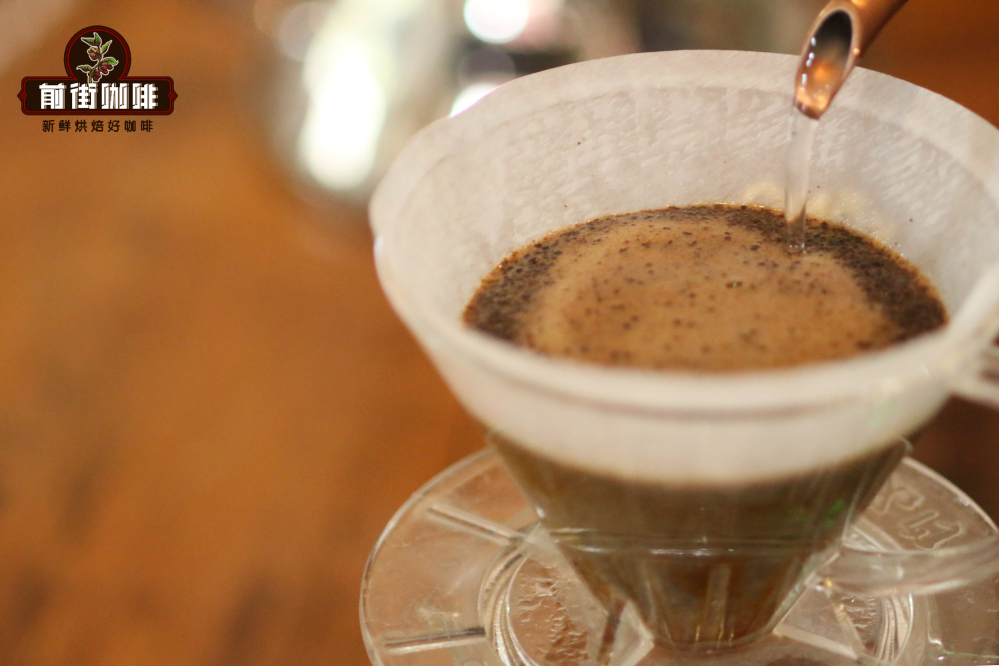
When brewing Mandheling, adjust parameters according to roast level: For dark roasted Golden Mandheling, the Kono filter cone is recommended, with water temperature controlled at 87–88°C to avoid over-extraction. Use medium-coarse grind (about 70% passing through a Chinese standard No. 20 sieve), with a 1:15 coffee-to-water ratio. Brew in three pours — first, bloom with twice the coffee dose for 30 seconds, then pour up to 125g and wait for the bed to drop before pouring up to 225g. Total brew time is about 2 minutes. This method fully highlights its rich body and layered aromatic structure.
Freshly roasted Mandheling requires a 5–10 day degassing period to allow CO₂ to fully release. Medium to dark roasts are recommended to rest for 7–10 days to reach optimal flavor. It is recommended to brew using pour over, French press, or AeroPress to fully present its rich notes of nuts, caramel, and dark chocolate. Practical tests show that using 87°C water and medium grind yields the best flavor balance, with a long-lasting sweet aftertaste and clean finish, showcasing the bold yet delicate character unique to Sumatran coffee.
The above content is compiled by CoffeeHunters, a coffee news website.

