







Introduction:Want to enjoy the unique flavors of Sumatra Mandheling at home but find it hard to brew with a pour over? Coffee drip bags are your ideal solution. This article delves into how Sumatra’s unique wet hulling processing method shapes the low acidity, bold body, and rich characteristics of Mandheling coffee, and provides a detailed guide on the correct brewing steps and common pitfalls of coffee drip bags. Learn to master the golden 1:15 coffee-to-water ratio and three-stage pouring technique to extract the best flavor profile.
With the accelerating pace of modern life, more and more coffee enthusiasts hope to enjoy near-fresh-ground quality even in the office or while traveling. While traditional pour over can fully showcase a coffee’s flavor profile, it’s often impractical in mobile settings. That’s where coffee drip bags come in as the perfect balance of convenience and quality—especially Mandheling drip bags from Indonesia’s Sumatra region, beloved for their distinctive regional character.
The unique flavor of Sumatra Mandheling is inseparable from its production environment. The region maintains humidity levels of 70% to 90% year-round, with annual rainfall exceeding 2000 millimeters. These climatic conditions greatly influence the coffee processing methods. Traditional sun-drying or washed processing is difficult to carry out smoothly in such extremely humid environments, leading locals to develop the uniquewet hulling method (Wet Hulled), also known as Giling Basah. This process has become an iconic processing method for Indonesian coffee, especially in the Sumatra and Sulawesi regions.
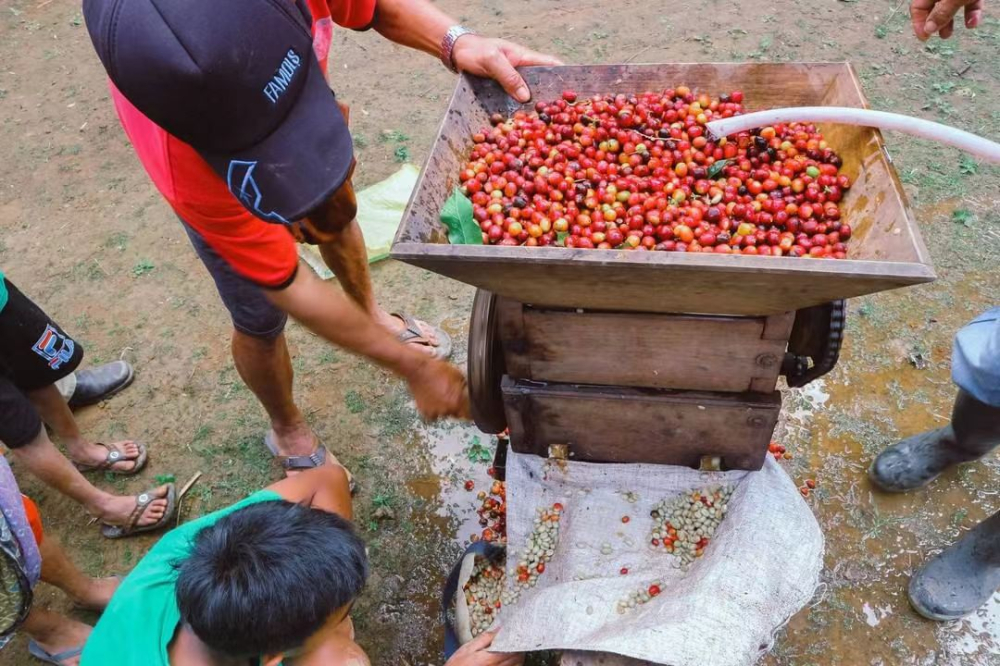
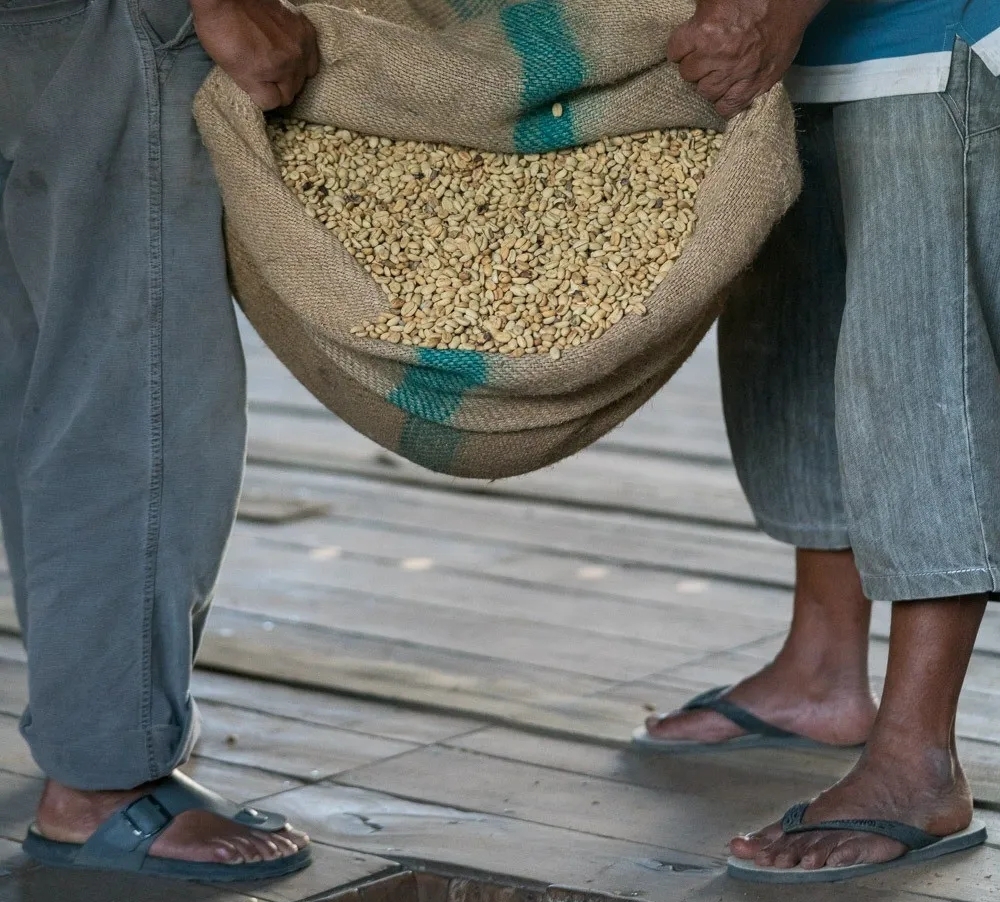
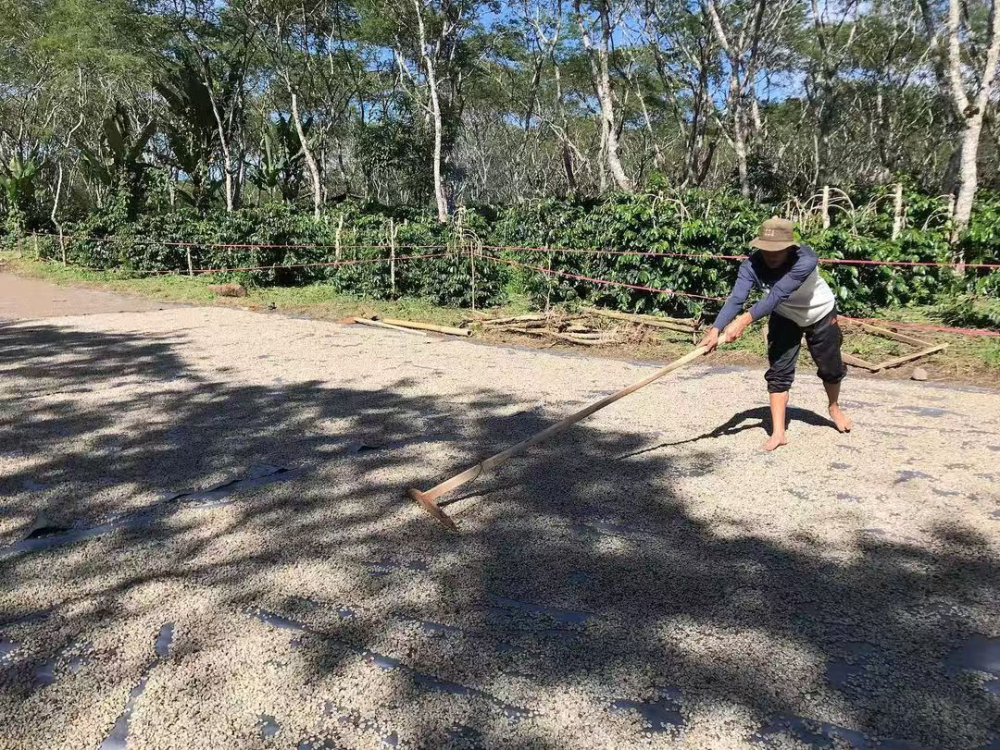
The wet hulling process is full of challenges. Coffee farmers first remove the fruit skin from the harvested coffee cherries, yielding parchment-covered beans that can only be sun-dried for 1–2 days in a moist environment until their moisture content drops to 30–50%, after which they must quickly be sent to a processing facility. At this stage, the beans are still semi-hard and semi-soft, with the parchment layer not yet fully separated from the inner seed. Processing facilities use specially designed machines that remove the husk with greater friction. This process releases white or greenish mucilage and causes the bean surface to become mushy, whitened, or even take on a distinctive gray-green hue.
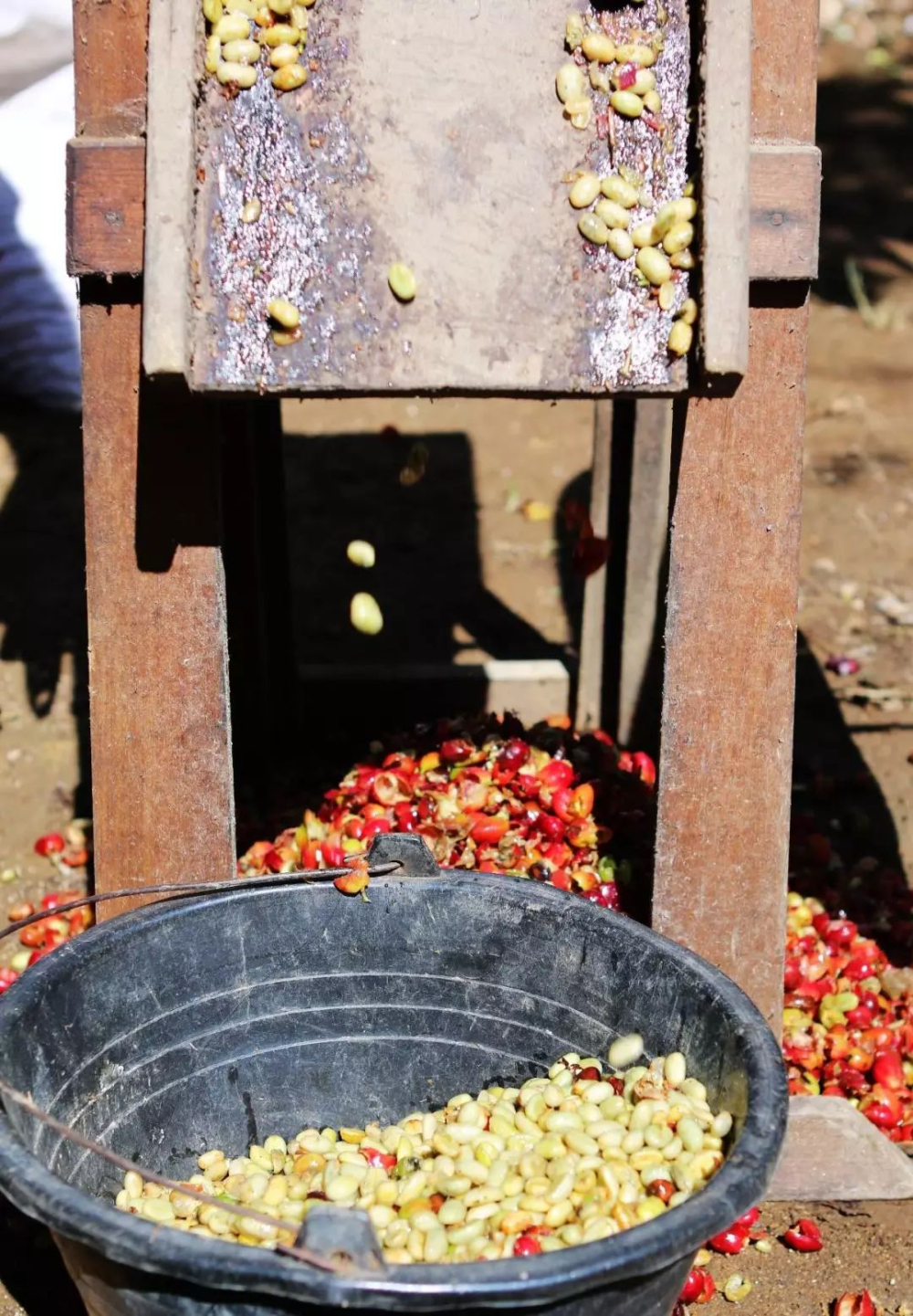
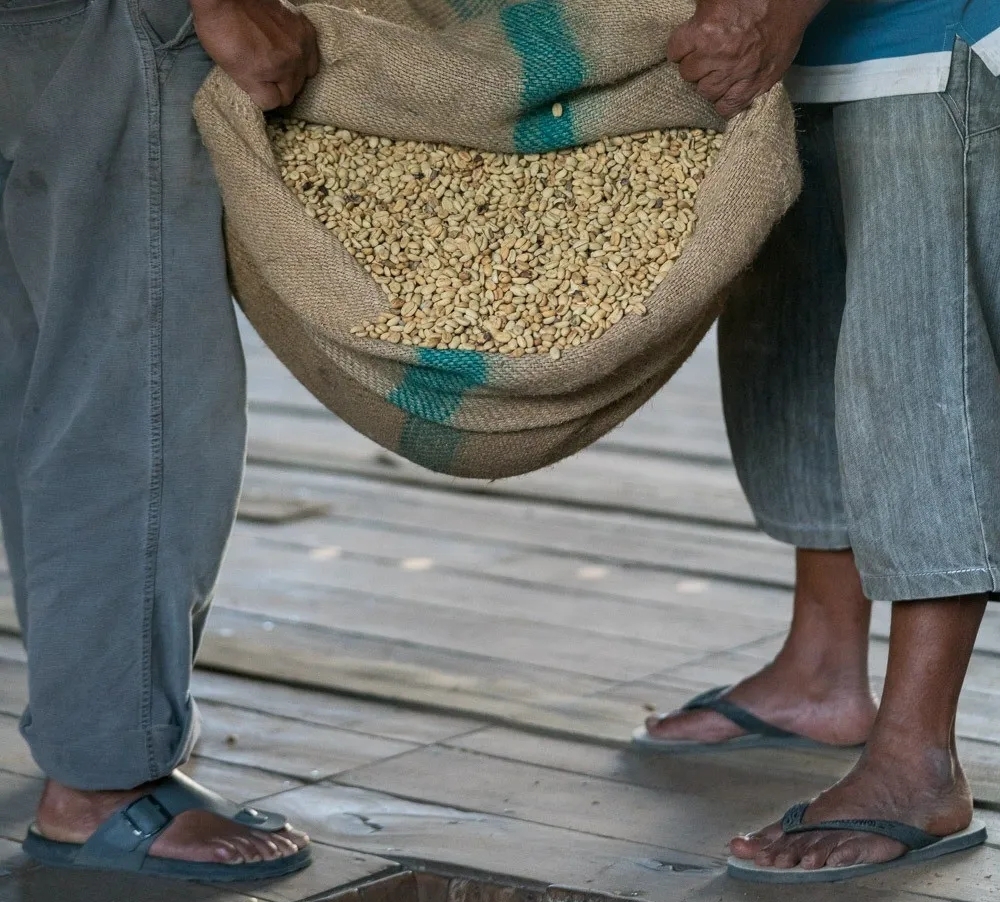
The most distinctive part of the process is that wet hulling removes the outermost parchment layer before the coffee beans are fully dry, exposing the green beans directly to a humid environment for subsequent drying. This special treatment creates a unique microbial environment during the drying phase, resulting in the world-renownedlow acidity, bold body, and rich woody, spicy, and herbal aromasof Sumatra coffee. After full processing, G1-grade coffee beans have their final moisture content controlled between 12%–15%. These high-quality beans form the raw material basis for premium Mandheling coffee drip bags.
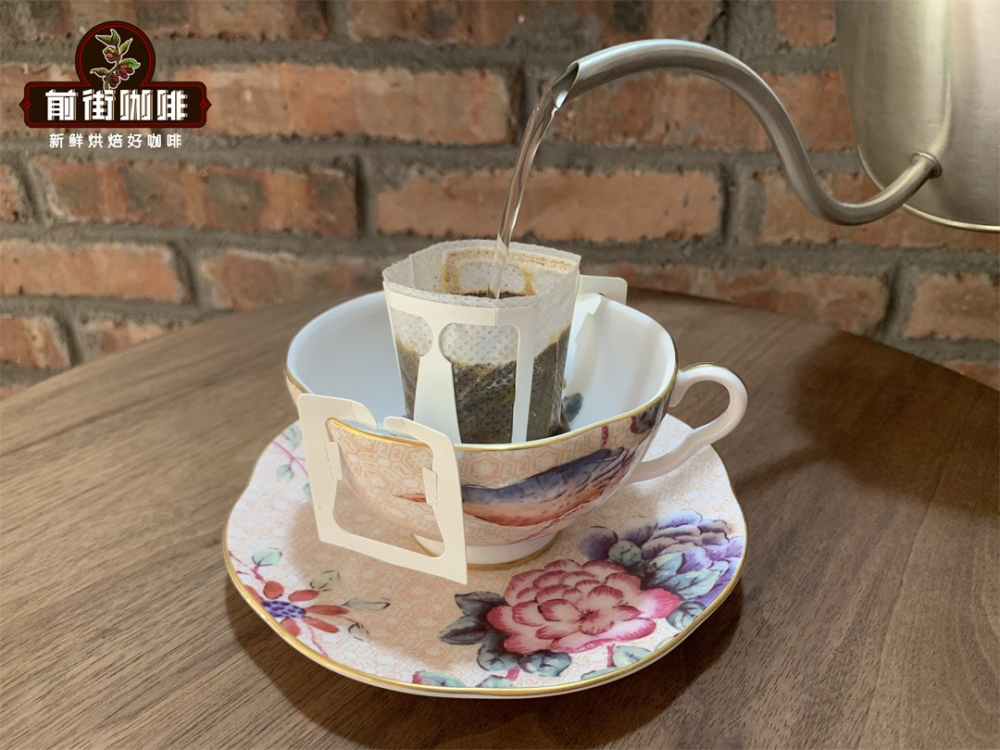
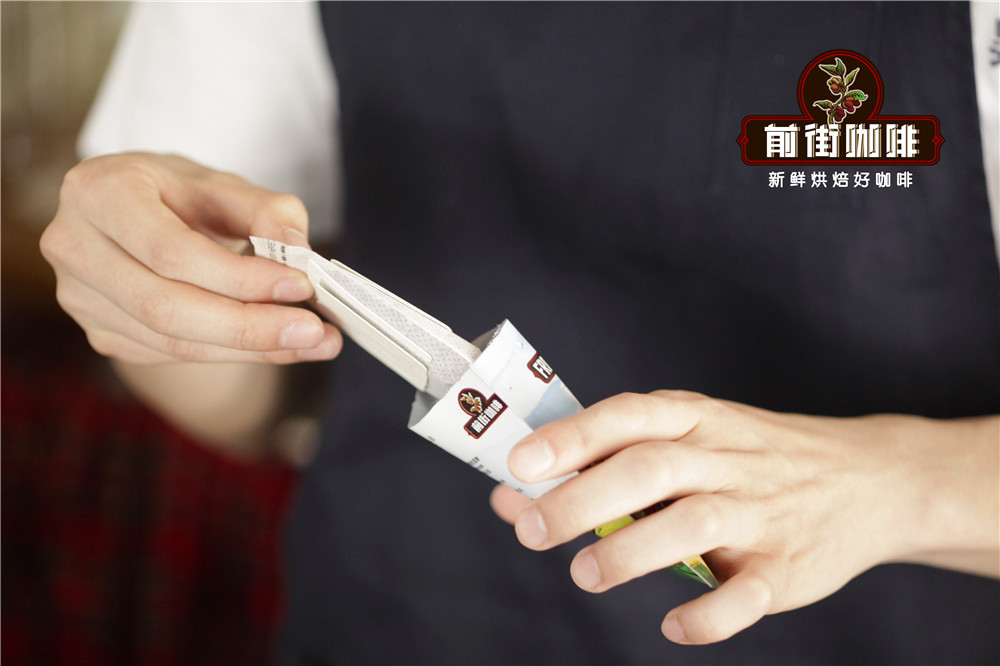
So-called coffee drip bags are essentially a convenient packaging form of freshly ground coffee. Carefully selected coffee beans are ground appropriately and sealed in filter bags equipped with two side handles. To brew, simply place the drip bag on the rim of a cup and pour hot water through it to complete the filtration, perfectly presenting the coffee’s acidity, sweetness, bitterness, body, and aroma. This format is especially suitable for situations where professional pour over equipment isn’t available—just hot water and a cup allow you to enjoy a professional-grade pour over coffee experience anywhere, whether in the office, at home, or on the go.
One common misconception about coffee drip bags is that they can be steeped like tea bags for extended periods. In reality, doing so leads to over-extraction, releasing a lot of unpleasant woody fiber flavors and resulting in noticeable bitterness and off-notes. The correct way to brew is to complete the process within an appropriate time frame to fully highlight the coffee’s elegant layers of flavor. Some well-known brands offer a variety of drip bag products to cater to different flavor preferences.
Brewing coffee drip bags requires just three basic elements: the drip bag itself, a drinking cup, and hot water around 90°C—far simpler than the equipment needed for professional pour over. A 1:15 golden coffee-to-water ratio (e.g., 10 grams of coffee to 150 milliliters of water) is recommended, as this ratio delivers the most balanced flavor. If you prefer a stronger or lighter taste, adjust the ratio accordingly, but beginners are advised to start with the standard ratio and gradually find their personal preference.
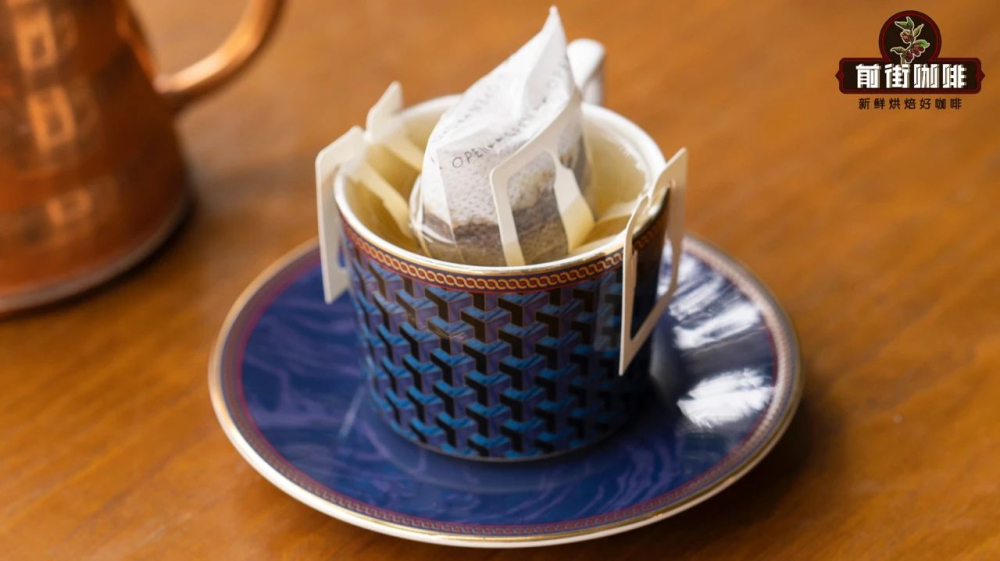
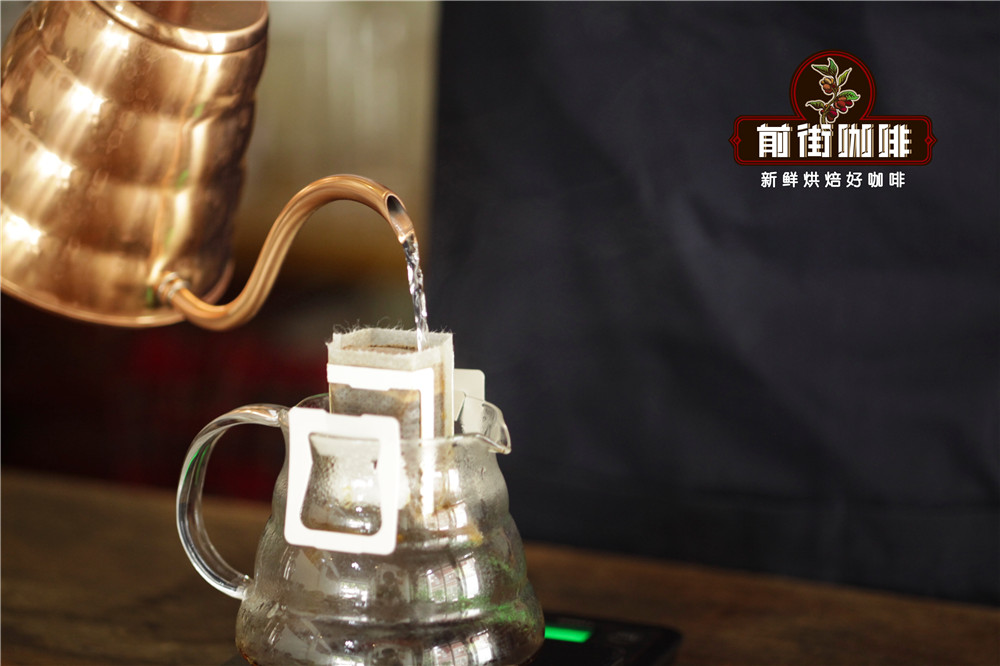
The specific brewing steps are as follows: First, carefully open the outer packaging of the drip bag, tear along the “OPEN” dashed line to open the filter bag, then unfold and securely hang the two side handles over the cup rim. It’s recommended to let freshly boiled water sit for 1–2 minutes to cool down to around 90°C, as this temperature range best highlights the aroma and flavor characteristics of Mandheling coffee. In the first stage, pour a small amount of hot water just enough to saturate all the coffee grounds, and let it bloom for 10–20 seconds. This step is crucial for releasing carbon dioxide and laying the foundation for extraction.
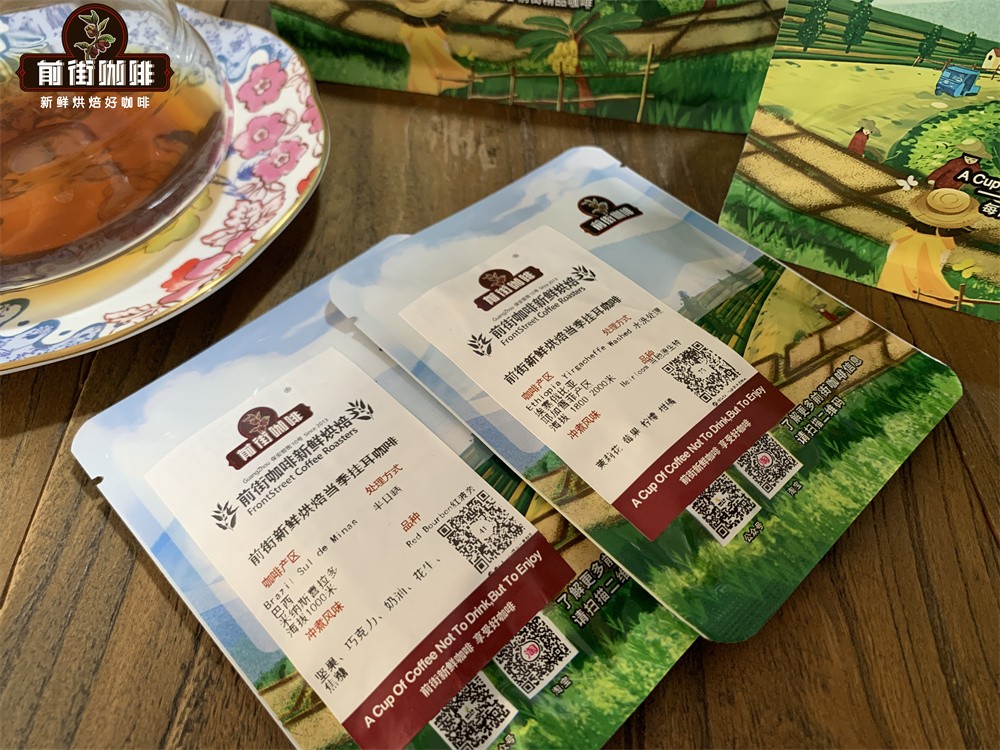
After blooming, begin the main pouring phase. It’s recommended to use the three-stage pouring method: first pour water up to near the edge of the filter bag, wait for the coffee liquid to descend by about half, then pour again to the same level. Repeat this process until the total target volume is reached. This segmented pouring approach helps ensure even extraction of the coffee grounds, avoiding over- or under-extraction in localized areas. Once all the coffee liquid has completely dripped through, gently remove the drip bag and enjoy. Depending on personal taste, you may add sugar or milk to adjust the flavor, but it’s recommended to first taste the pure coffee to fully appreciate the unique regional characteristics of Sumatra Mandheling.
The above content is compiled by CoffeeHunters, a coffee news website.

