







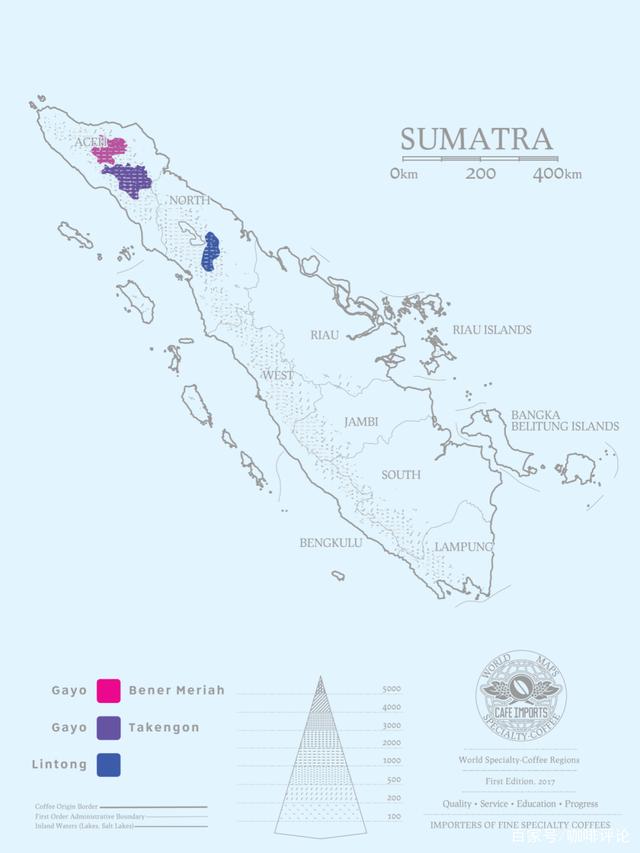
Introduction:Want to understand why Indonesian Mandheling coffee boasts unique spicy and herbal notes? This article delves into the grading system of Mandheling coffee from the Sumatra region, the characteristics of the wet-hulling processing method, and the key factors that contribute to its rich flavor. It also recommends G1-grade dark roast beans suitable for both beginners and advanced enthusiasts, sharing optimal pour over parameters to help you fully experience the layered charm of classic Mandheling.
Mandheling CoffeeWith its intense spices, herbal and woody aromas, as well as a mellow caramel aftertaste, it has become a classic representative of dark roast single-origin coffees favored by many coffee lovers. This coffee from Indonesia’s Sumatra Island not only has a distinctive flavor, but the story behind its origin and processing method is also rich in cultural and regional characteristics.
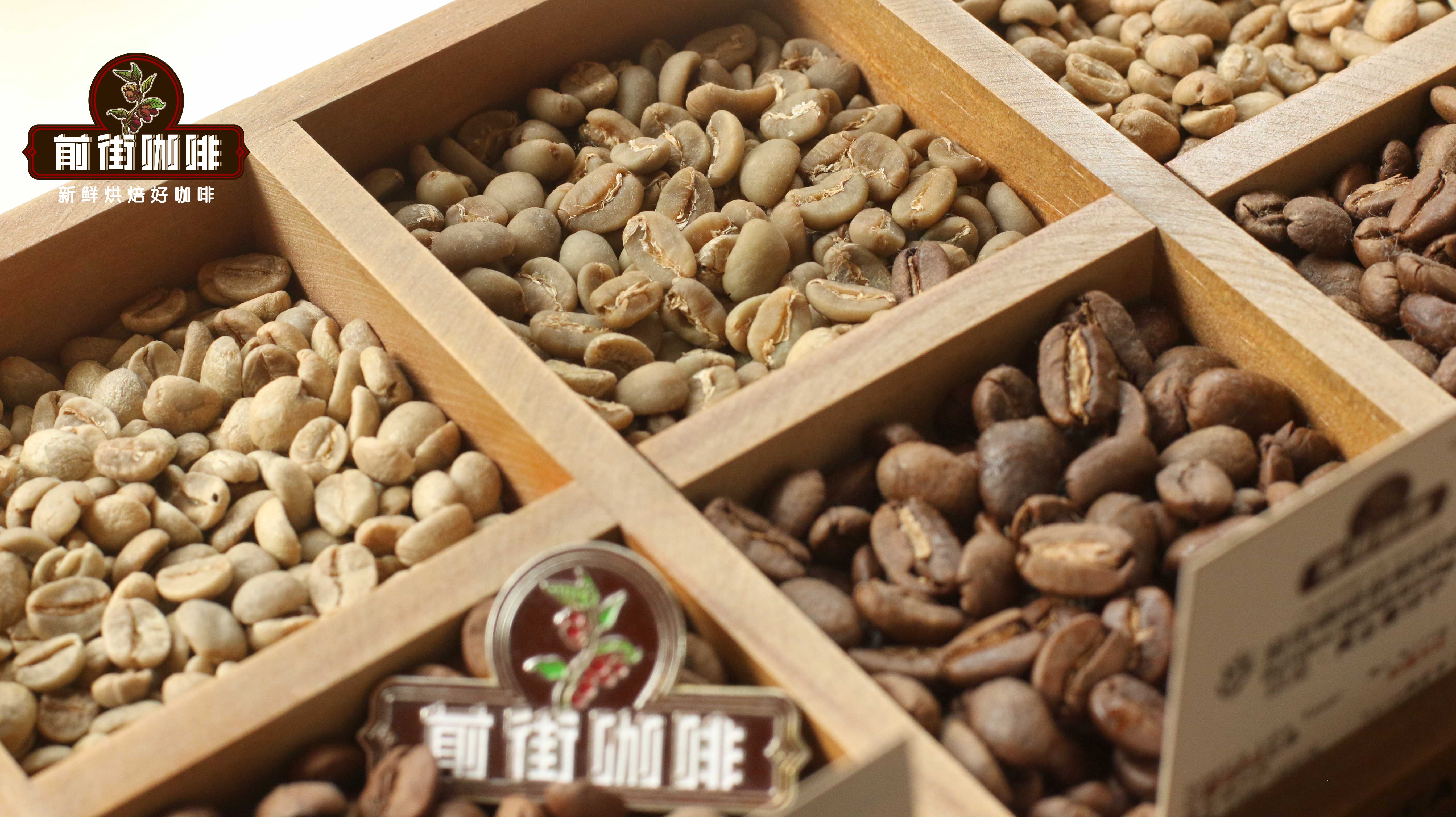
If you’re new to Mandheling, you might want to start with the common entry-level Indonesian G1 Mandheling. These coffees are typically processed usingwet-hullingand undergo dark roasting, showcasing pronounced herbal, pine, and earthy notes — making it an excellent starting point for understanding “classic Mandheling flavor.” Additionally, these beans offer great value for money and are also well-suited as everyday drinking coffee.
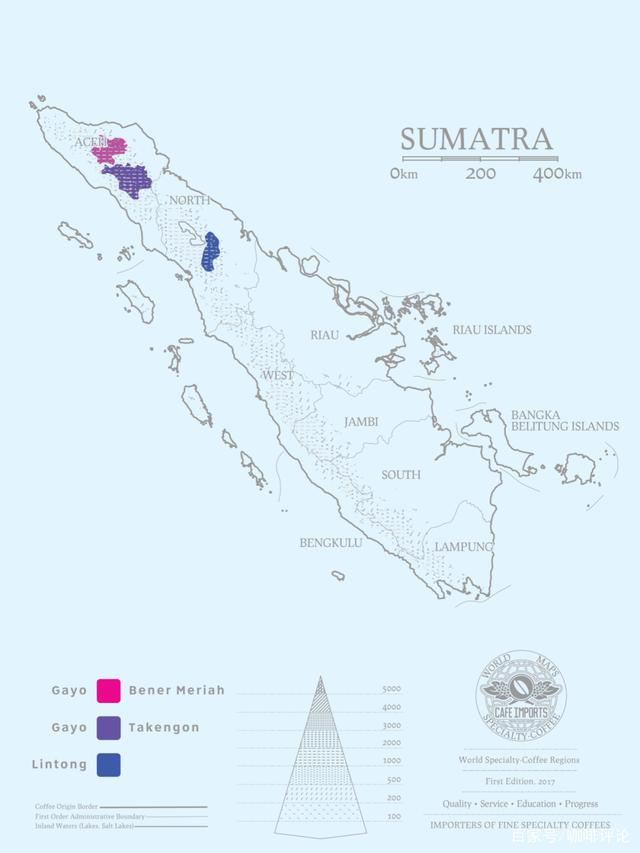
Sumatra coffee is mainly produced in the northern part of the island, specifically in Aceh and North Sumatra provinces. The famousLake Tobain the region provides mineral-rich soil, and combined with high altitudes and natural vegetation cover, allows coffee trees to grow healthily even without shade. These natural conditions, along with special post-harvest processing, together shape the unique character of Mandheling coffee.
So, where does Mandheling’s unique flavor come from? The key lies in Sumatra’s hot and humid tropical rainforest climate, where air humidity can reach 70–90%, making traditional sun-drying or washed processing prone to mold. As a result, the region developed a uniquewet-hulling method: removing the outer parchment layer before it is fully dry, allowing the beans to complete the final drying stage in a “naked” state.
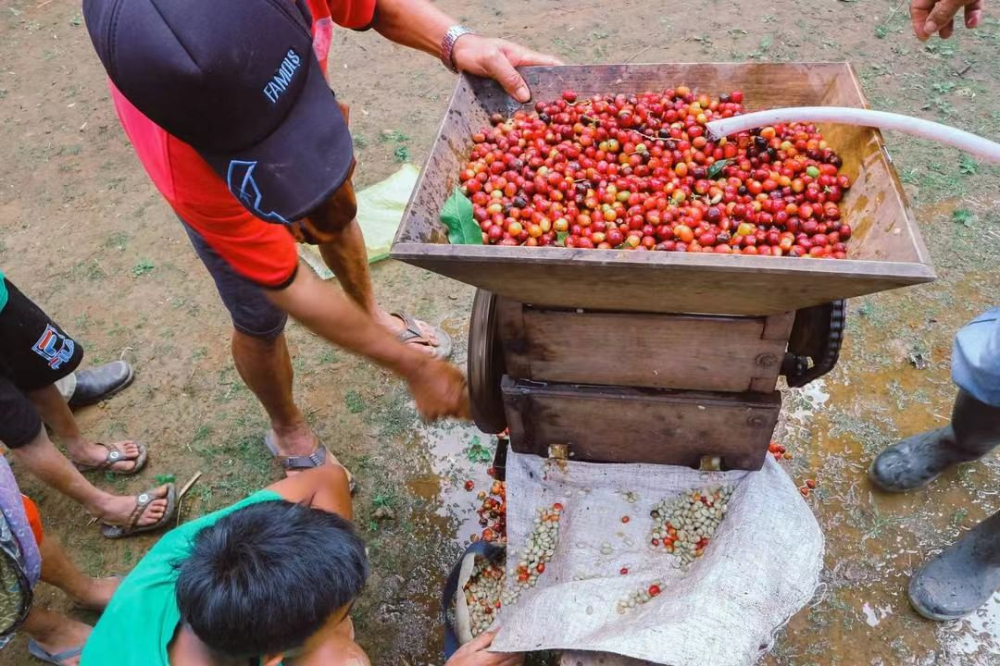
This processing method makes the fermentation and drying stages of the coffee distinct. With shorter fermentation times, less water usage, and residual mucilage on the bean husk, the pre-parchment-removal beans continue to absorb moisture from the surrounding high-humidity air, creating Mandheling’s signaturelow, woody, herbal, and spicy profile— which is also a key reason why it differs significantly from coffees of other regions.
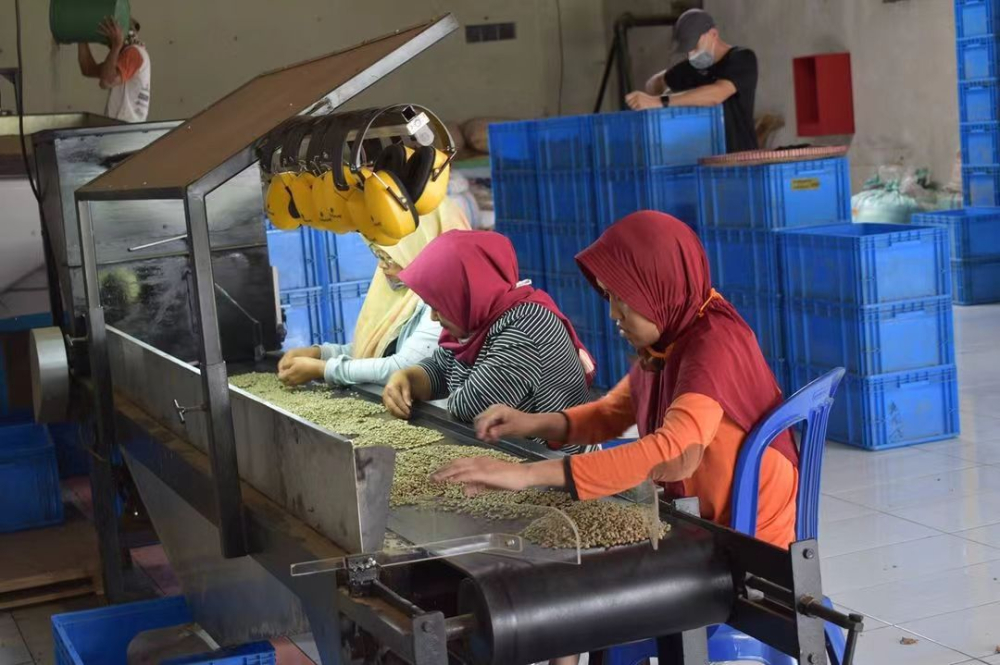
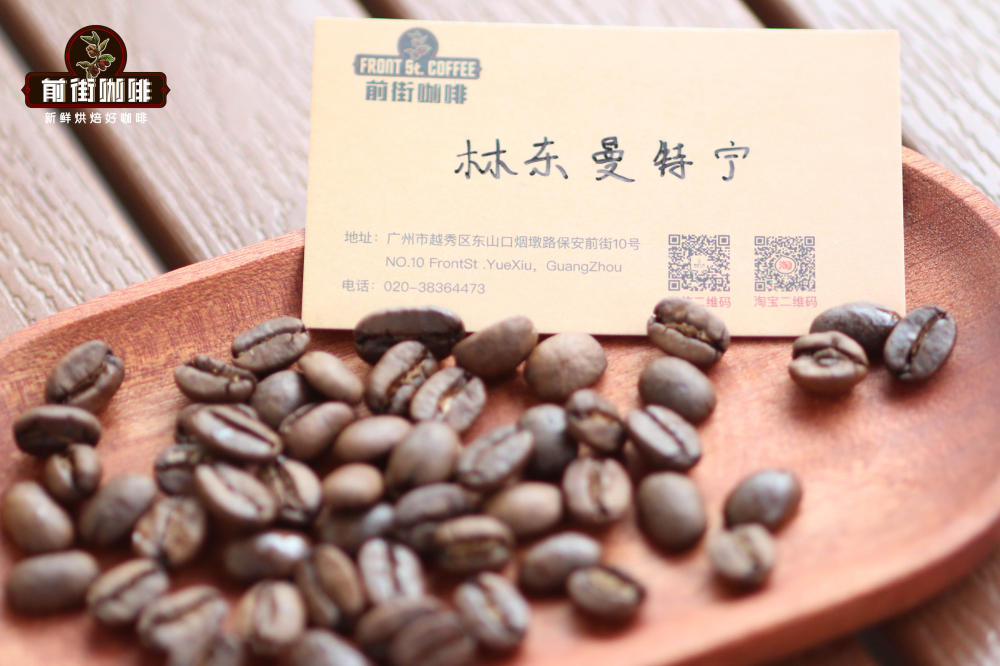
The grading of Indonesian coffee is primarily based on the number of defective beans and bean size. Generally, a bean sorter is used for initial screening, but because Mandheling beans are relatively hard and grown in complex environments, there tend to be more defective beans, and machines alone cannot fully filter them out. Therefore,the hand-picking process is particularly crucial. The highest grade is G1, which requires no more than 11 defective beans in a 300-gram sample. Many well-known Mandheling coffees, such as Lintong Mandheling, are G1-grade beans that have undergone strict hand selection.
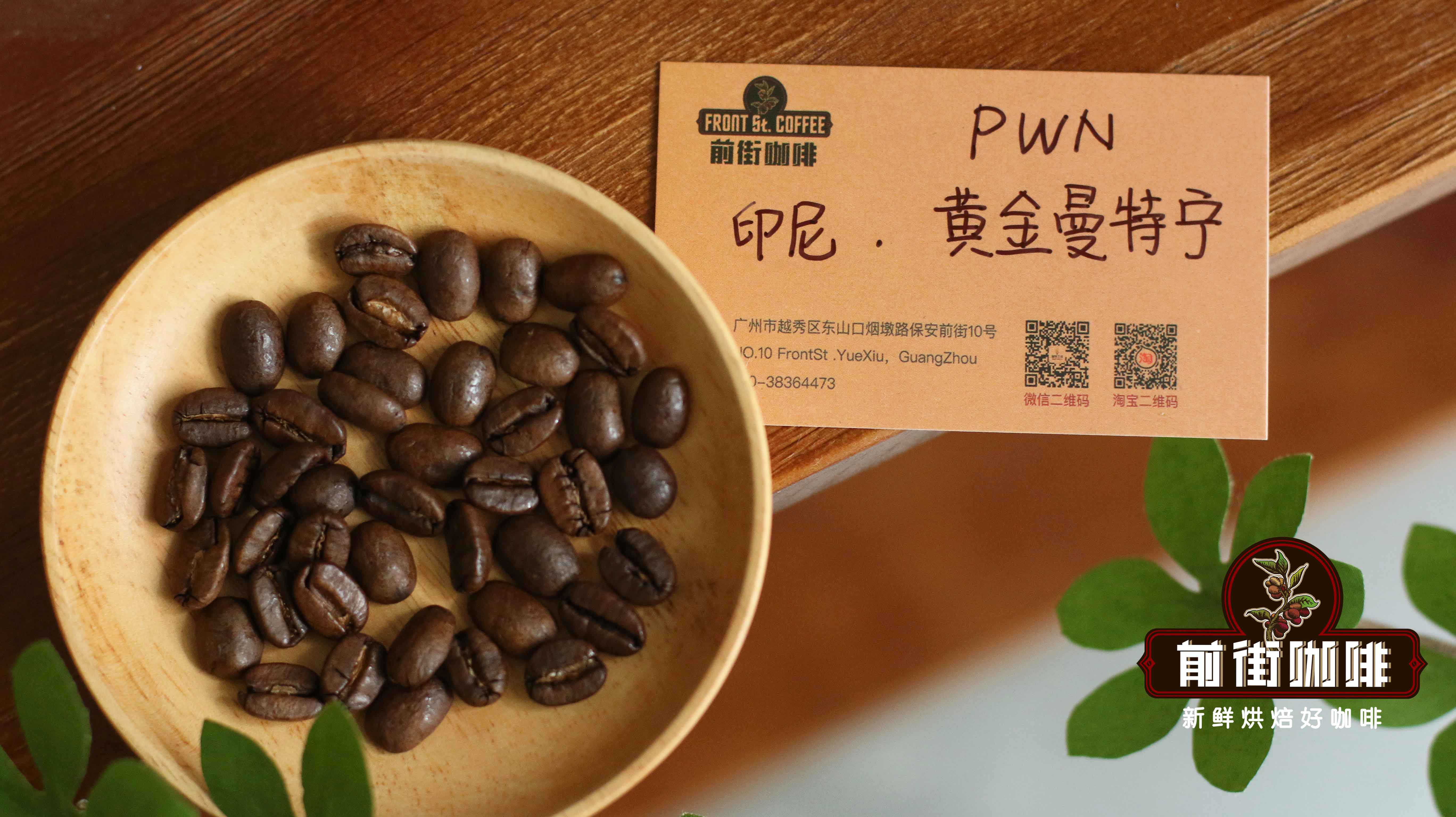
Among the various Mandhelings, theGolden Mandheling, which undergoes multiple rounds of hand selection, is a premium representative. These coffees typically go through machine sorting plus three rounds of manual screening to ensure each bean is plump and uniform, meeting a size specification of 18 mesh or above. Compared to regular Mandheling, it has reduced earthy and woody off-flavors, resulting in a cleaner and brighter flavor profile — making it an excellent choice for advanced enthusiasts.
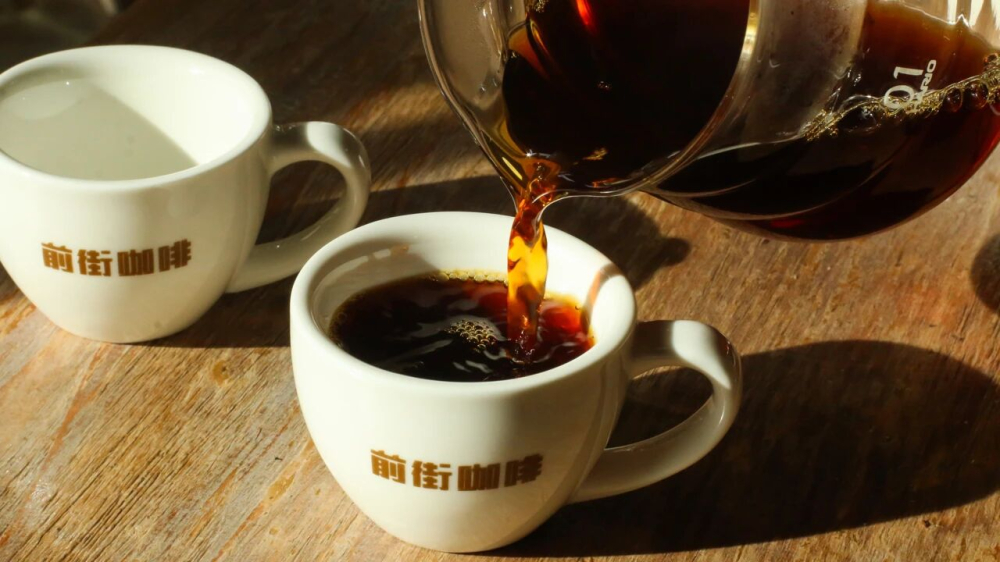
To fully bring out the unique aroma of Mandheling, it is recommended to choose medium-dark roasted beans and use appropriate pour over techniques to highlight its layers. Taking the classic Golden Mandheling as an example, you can use aKono filterwith medium-coarse grind (approximately 70% passing through a #20 sieve), water temperature controlled at 87–88°C, a 1:15 coffee-to-water ratio, and a three-stage pouring extraction. This setup effectively suppresses excessive bitterness while accentuating dominant flavors such as dark chocolate, nuts, and spices.
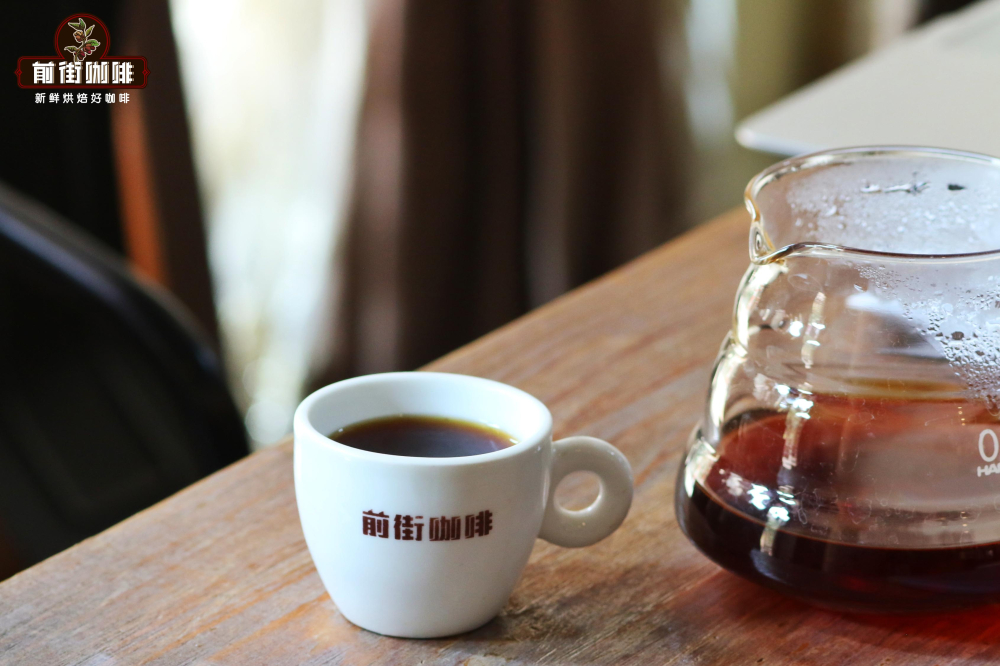
The final brewed Mandheling coffee will present intense dark chocolate and caramel aromas, paired with delicate lingering notes of spices and herbs, featuring a full-bodied, solid texture with clear layers. Whether you’re just starting out or already an experienced coffee enthusiast, gaining a deeper understanding of these origin characteristics and processing details will allow you to better appreciate a truly classic Indonesian Mandheling.
The above content is compiled by CoffeeHunters, a coffee news website.


