







Introduction:Want to know why Geisha coffee is hailed as the "ultimate poetry of the coffee world"? This article delves into the origins of the Geisha variety, explores the characteristics of its major global producing regions, and compares how light, medium, and dark roasts affect its unique aromas and flavors. It also provides professional pour-over recommendations and parameters to help you fully experience this legendary coffee’s multi-layered fruit acidity, floral notes, and honey-like sweetness.
Roast Selection for Geisha Coffee Beans: Light, Medium, or Dark?
Geisha coffee (Geisha, often mistakenly called "Geisha" as in the Japanese art form) is renowned for its delicate floral notes, abundant fruit acidity, and juice-like mouthfeel. Its flavor profile is highly dependent on the roast level. If you prefer bright, refreshing citrus, bergamot, and lemon notes,Light Roastis your best bet, as it preserves the refined acidity and floral characteristics of its high-altitude origin.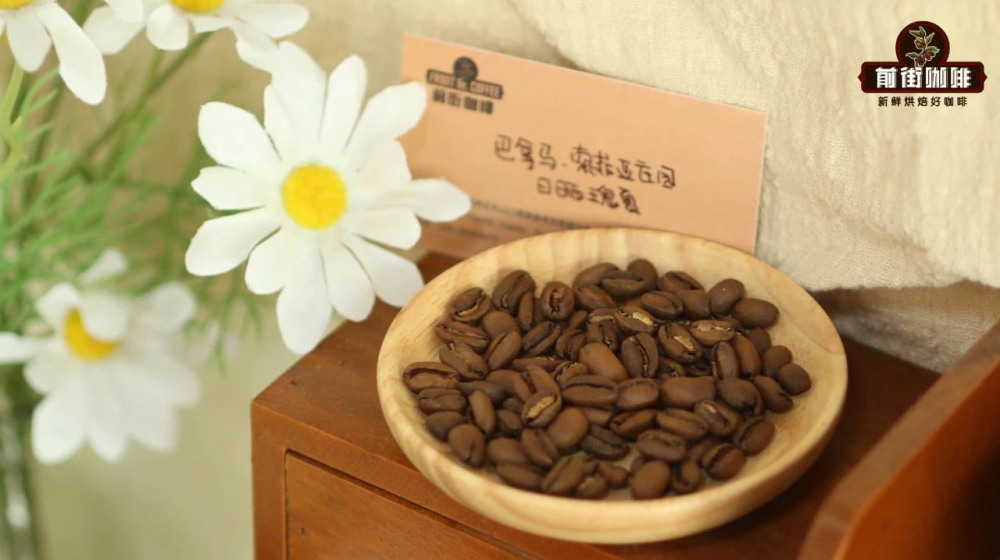
Medium Roast, on the other hand, strikes a balance between acidity and sweetness, bringing out subtle caramel and red wine undertones, making it ideal for those who enjoy a smoother cup.Dark Roastcan highlight intense chocolate and nutty flavors, but it tends to mask the unique vibrant fruit and floral nuances of Geisha. It is recommended only when experimenting with special blends.
Flavor Profile of Geisha Coffee: A Multi-Layered Taste Journey
A high-quality Geisha pour-over starts with bright lemon and citrus acidity, followed by mid-palate notes of peach, honey, and white florals, and finishes with a soft tea-like sensation and sweet, creamy honey aftertaste. As the coffee cools, the acidity becomes even more refined, showcasing a well-defined structure and long-lasting finish—reasons why it won the Panamanian Cup of Excellence competition consecutively from 2005 to 2007.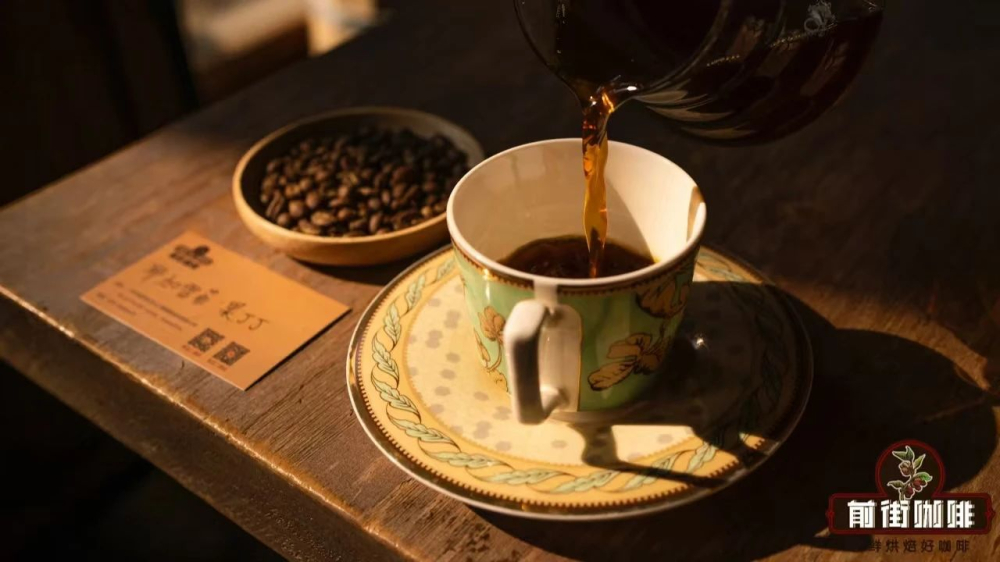
This distinctive flavor profile comes not only from the Geisha variety itself but is also closely tied to factors like altitude, microclimate, and processing methods. It is generally believed that high-altitude environments between 1,400 and 1,800 meters, combined with cloud cover, shade, and fertile volcanic soil, bring out the best in Geisha.
The Origins and Global Cultivation of Geisha
Geisha was first discovered in 1931 in the Geisha Mountains of southern Ethiopia (sharing a similar pronunciation with the Japanese word for "geisha"). It later traveled through Kenya, Tanzania, and Costa Rica before taking root in Panama in the 1960s. Initially used only as a windbreak tree, it wasn’t until after 2004—when Hacienda La Esmeralda entered it into competitions and won numerous international awards—that it rose to fame.
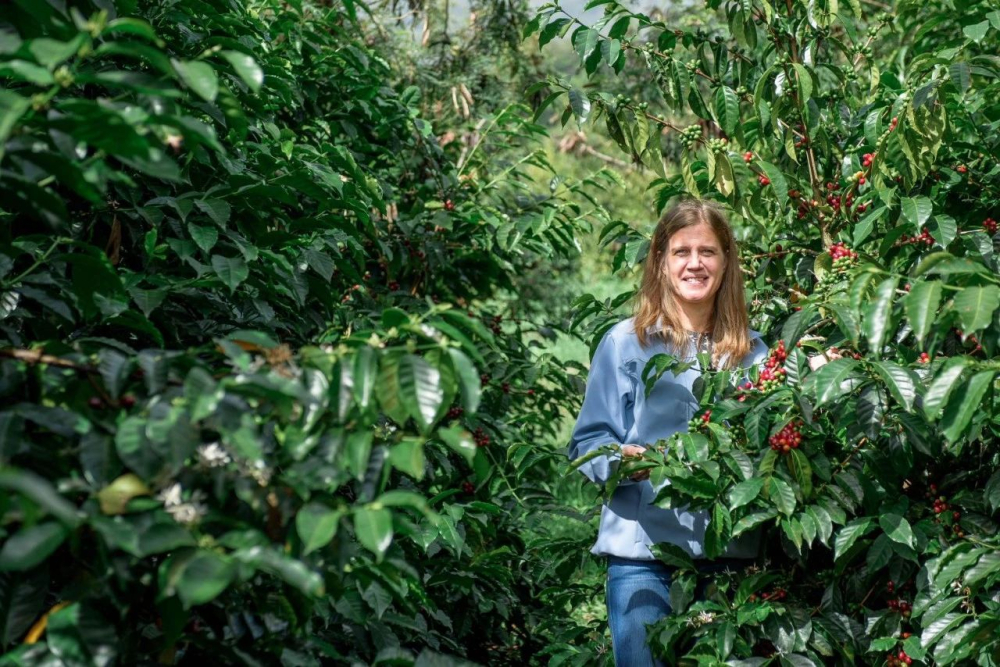
Today, besides Panama, Geisha is also grown in Colombia, Guatemala, and Costa Rica, with each region showcasing different flavor profiles due to varying microclimates. However, the Geisha from Panama’s Hacienda La Esmeralda remains the classic benchmark.
The Critical Impact of Roasting on Geisha’s Flavor
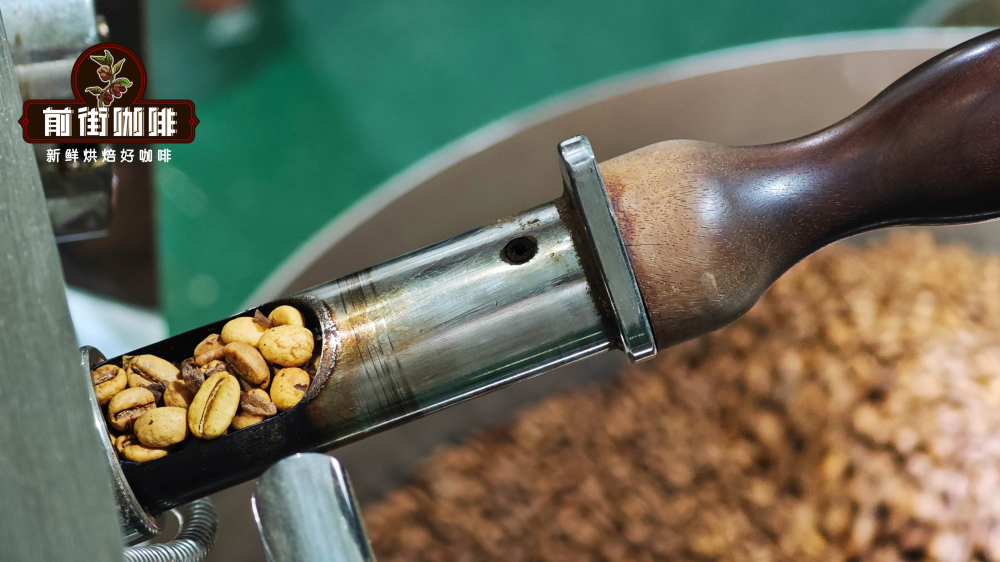
In the specialty coffee realm, light to medium roasts are better at highlighting the bean’s inherent characteristics. Given Geisha’s high acidity and complex aroma profile,it is recommended to roast it close to the end of first crack or the beginning of second crack,as this stage balances floral and fruity notes, sweetness, and body without losing its essence due to over-roasting.
Raw Geisha beans often carry grassy, peachy, berry-like, and faint oolong-tea-like creamy sweetness—distinctive traits. Under-roasting can lead to sharp, unpleasant notes, while over-roasting masks the floral and fruity aromas with carbonized flavors, stripping the coffee of its soul.
Professional Pour-Over Recommendations and Extraction Parameters
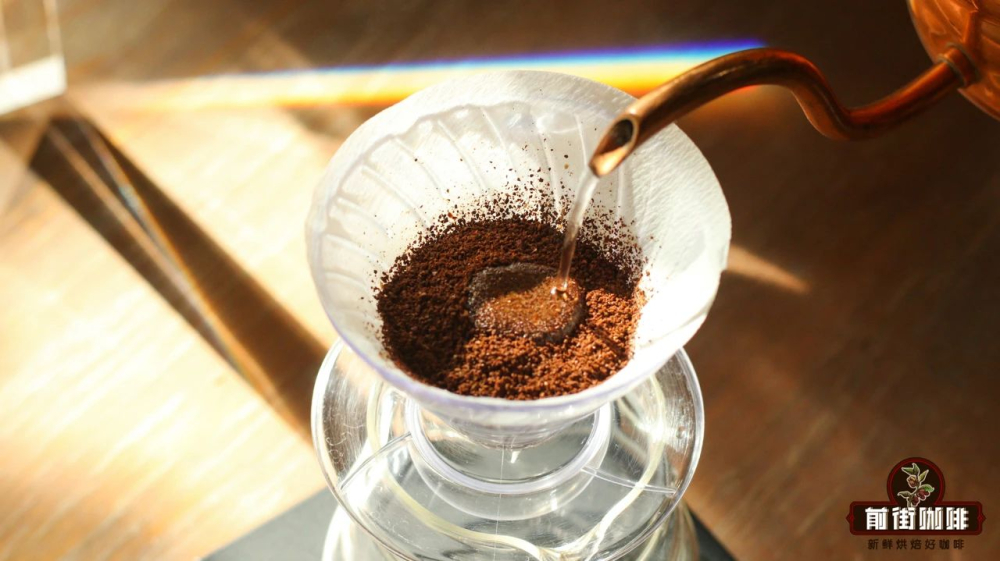
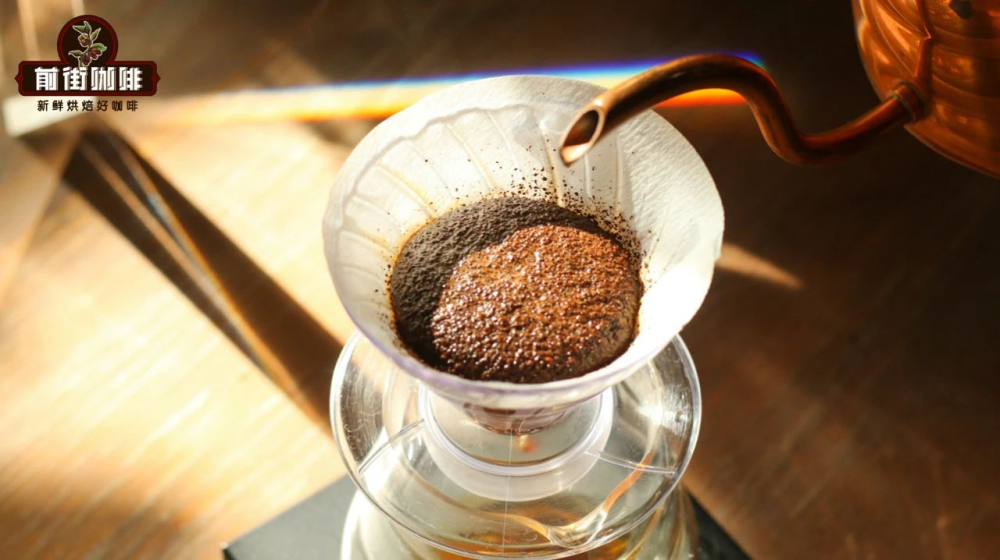
It is recommended to use a Hario V60 dripper with a medium-fine grind (approximately 80% through a #20 sieve), a 1:15 coffee-to-water ratio, and water temperature around 91°C. For pouring, use a slow, staged method, aiming for a total extraction time of 2 minutes and 30 seconds to 3 minutes to fully develop Geisha’s layered aromas and flavors.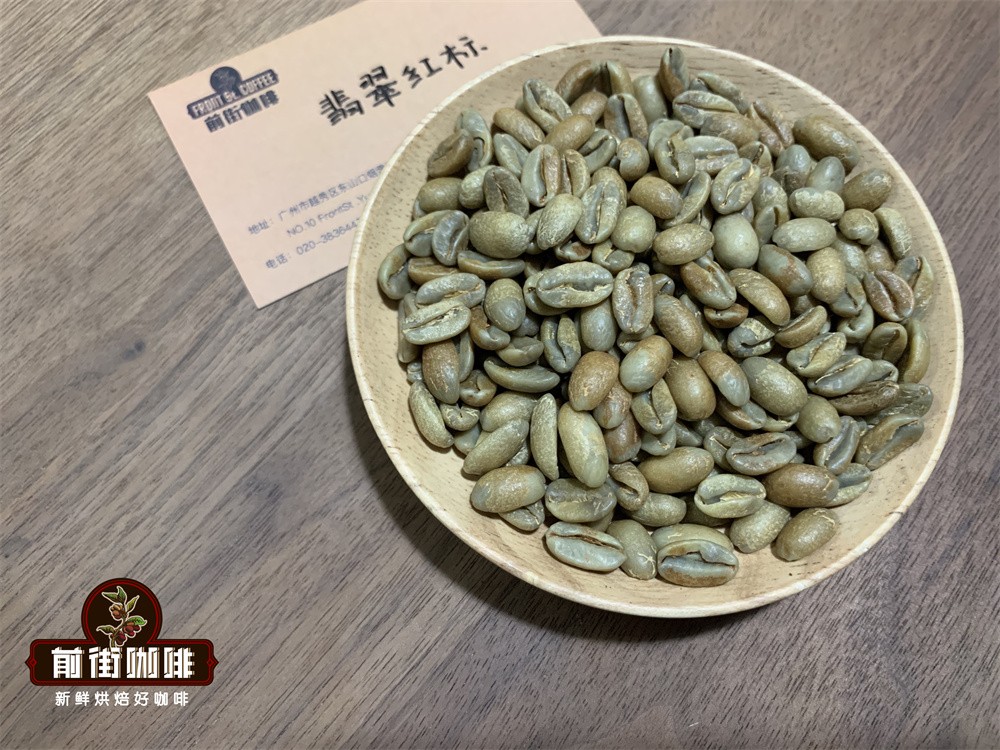
The V60’s spiral ribs and large drainage holes are designed to extend contact time between water and coffee grounds while reducing the risk of over-extraction, making it ideal for highlighting Geisha’s citrus, honey, and tea notes. For a richer cup, consider using a flat-bottomed dripper to enhance body.

Buying and Storage Tips: Freshness Determines Flavor
The optimal tasting period for Geisha coffee beans is after the 4 to 7-day resting period post-roast. It is recommended to choose beans roasted within the last 5 days. If purchasing pre-ground coffee, consume it as soon as possible to avoid oxidation affecting the aroma. The best storage method is in a cool, dry, and dark place, preferably in an airtight container with a one-way valve to preserve freshness.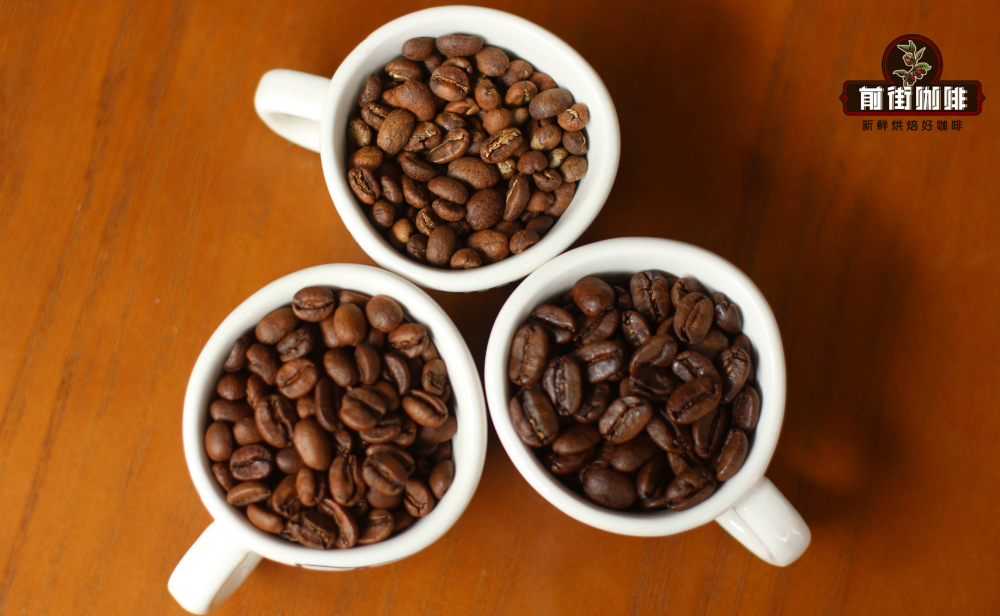
Whether you’re new to coffee or a seasoned enthusiast, Geisha is worth trying. With the right roast and brewing approach, you’ll experience how this top-tier coffee bean paints a vivid picture of layered flavors.

The above content is compiled by CoffeeHunters, a coffee news website.

