







Introduction:Want to understand what makes sundried Yirgacheffe SOE unique, and why it’s especially well-suited for making single-origin espresso? This article dives deep into the differences between SOE (single-origin espresso) and regular blends, helping you master the key extraction techniques for light-roast beans in an espresso machine, and recommends several SOE coffees with vibrant berry notes—perfect for beginners—that will elevate your flavor experience and brewing skills.
Many coffee enthusiasts, after trying single-origin coffee beans in pour over form, are often captivated by their rich floral and fruity aromas, and then wonder: can these types of beans also be used to make espresso? This is where the concept of SOE (Single Origin Espresso)—that is, espresso made from a single-origin coffee bean—comes into play.
Traditional espresso typically uses dark-roasted blends, combining beans from different regions and roasting them to a medium-dark level to bring out stable and bold flavors such as nuts, chocolate, and caramel. However, with the rise of specialty coffee, more and more consumers are seeking single-origin coffees that highlight the unique characteristics of specific regions—especially when brewed through pour over methods, where these layered flavors become even more captivating.
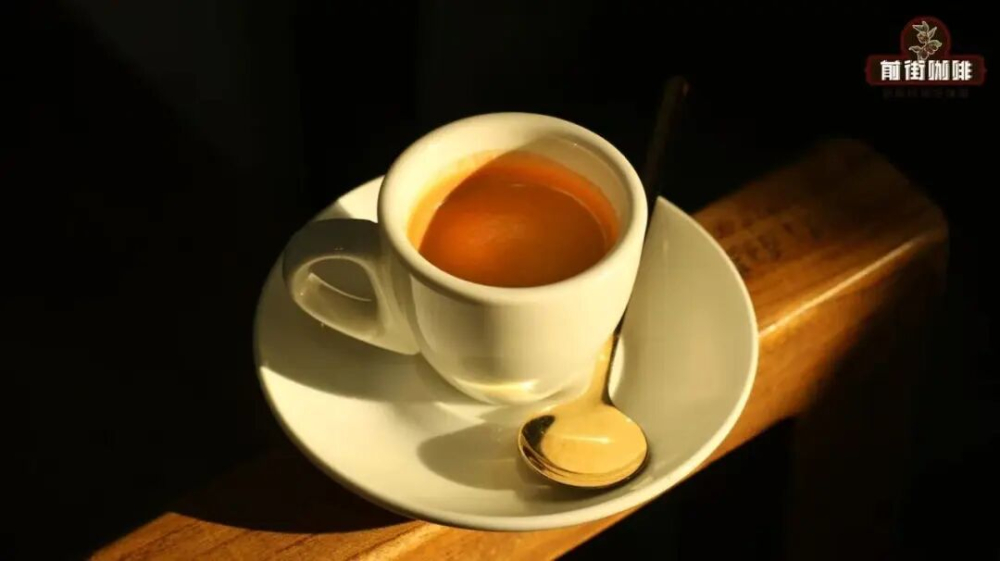
In 2007, after James Hoffmann used single-origin beans from a single region for espresso and won the World Barista Championship (WBC), SOE gradually became a hot topic in the specialty coffee scene. Today, not only do many cafés offer a variety of SOEs with different flavor profiles for customers to choose from, but many coffee enthusiasts have also started experimenting at home, hoping to extract the unique regional charm through their espresso machines.
However, SOE is not simply a matter of switching single-origin beans used in pour over directly to espresso extraction.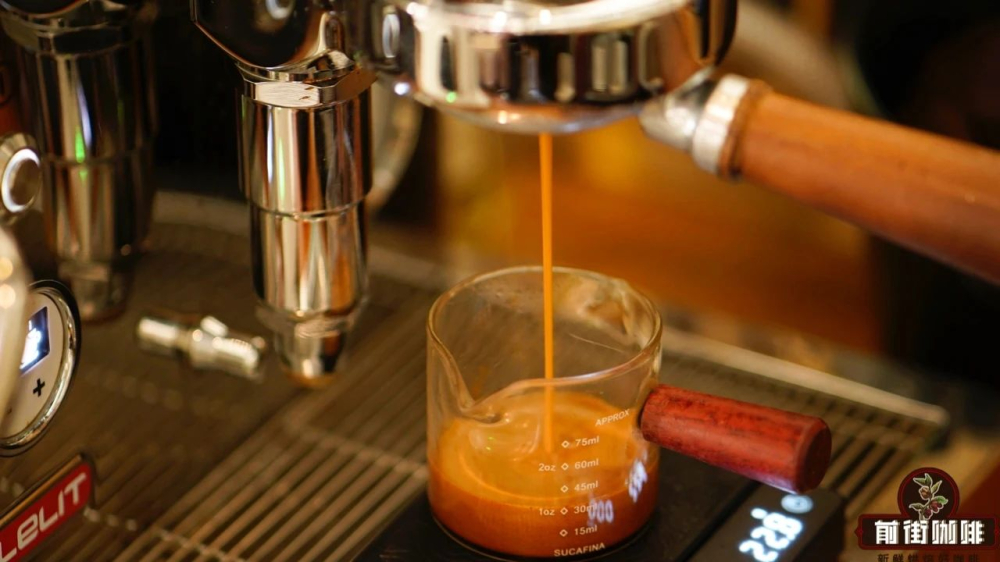 When we use blends to make espresso, beans from different regions roasted to a dark level tend to balance each other out in flavor, and the extraction process is relatively stable. But for single-origin coffee, in order to preserve regional characteristics—such as the common floral and fruity notes found in African beans—roasters usually opt for a lighter roast to retain more acidity and floral aromas. These qualities, which are highly praised in pour over brewing, can be amplified under the high pressure of an espresso machine, resulting in an overly sharp or intense taste in the espresso.
Therefore, to successfully showcase the flavor charm of SOE, roasters need to precisely control the roast level, and baristas must also adjust various parameters during extraction—including grind size, water temperature, brew time, dose, and yield—to find the optimal balance for that particular bean. Light-roast beans are usually harder in texture; if under-extracted, the flavors can appear dull; but if over-extracted, they may bring about unpleasant bitterness and off-flavors. This is also one of the reasons why SOE is considered more challenging.
So, which single-origin coffee beans are suitable for making SOE? The foremost condition is freshness.It is recommended to choose beans roasted within five daysto avoid aroma loss or the development of undesirable woody notes. Additionally, the processing method, origin characteristics, and roast style of the beans can also greatly affect the final extraction performance.
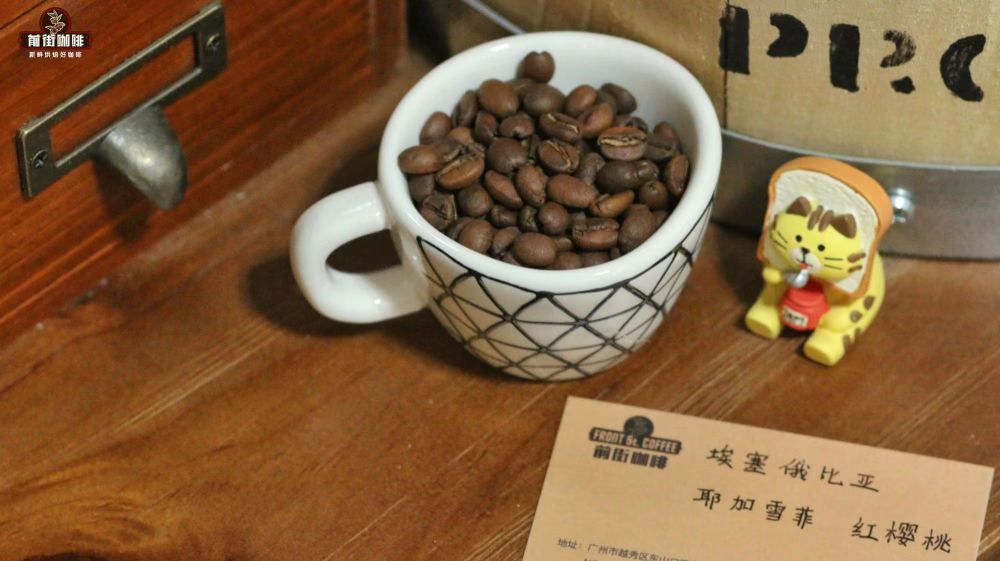
Take sundried Yirgacheffe as an example. While this bean is commonly seen in the pour over world, with proper roasting, it can also become a distinctly flavorful SOE. Sundried Yirgacheffe Red Cherry Coffee Beans retain their full fruit pulp during the ripening period and are dried under the sun, allowing the beans to absorb a large amount of fruit sugars, which results in a rich fruity sweetness and bright acidity. When these beans are made into SOE, the crema tends to be light yellow and fine, with noticeable berry and caramel aromas upon sniffing. The cup offers a balanced sweet-and-sour profile, a clean finish, and even when combined with hot milk, it can still present a honey-like sweet tone.
In summary, selecting the right SOE coffee beans depends not only on origin and processing method, but also on roast level and freshness.While light-roast sundried beans offer standout flavors, they require more precise parameter control during espresso extractionto avoid issues like excessive acidity or over-extraction. For beginners, starting with an SOE that has prominent berry notes and easily recognizable flavors is an excellent choice for entering the world of single-origin espresso.
The above content is compiled by CoffeeHunters, a coffee news website.


