







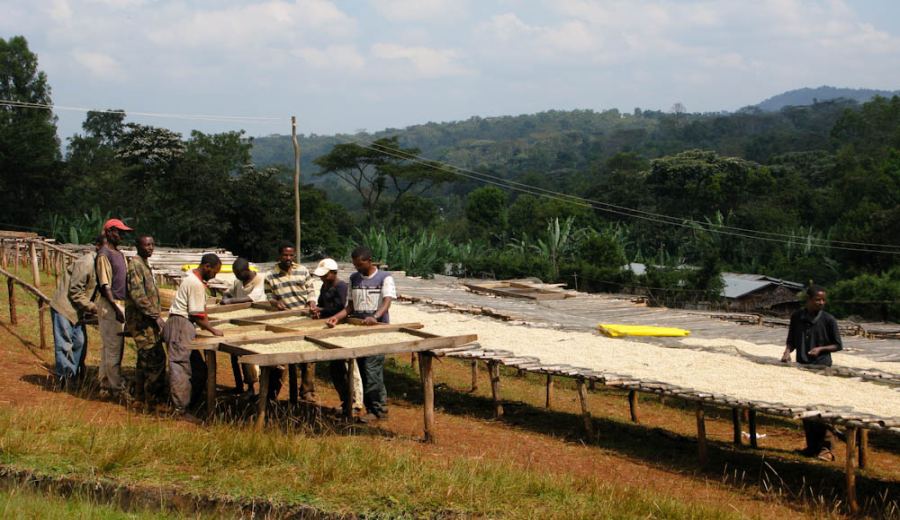
Introduction:Want to understand the naming origin of Yirgacheffe coffee beans and how to choose high-value fruity floral pour-over bags? This article deeply explores the historical background and coffee processing methods of Ethiopia’s Yirgacheffe region, and explains in detail the brewing steps for drip bags — helping office workers easily enjoy a professional-level pour-over experience.
For those just starting to explore specialty coffee, a drip bag that is convenient to carry and delivers great flavor is often an ideal daily choice. Especially in office environments, you can enjoy a quality cup without complicated equipment. Highly praised Yirgacheffe-flavored drip bags, for example, are a top pick for many coffee enthusiasts.
The Origin of Yirgacheffe
“Yirgacheffe” is a mountain town located in southern Ethiopia, commonly translated in Chinese as “耶加雪菲” (Yējiā Xuěfēi), though “耶加雪啡” (Yējiā Xuěfēi) is also occasionally used. The region sits at an altitude between 1,700 and 2,100 meters and enjoys optimal growing conditions, making it a key representative of Ethiopia’s specialty coffee. In the local language, “yirga” means “to settle,” and “cheffe” means “wetland,” so “Yirgacheffe” can be understood as “a place to settle on wetlands.”
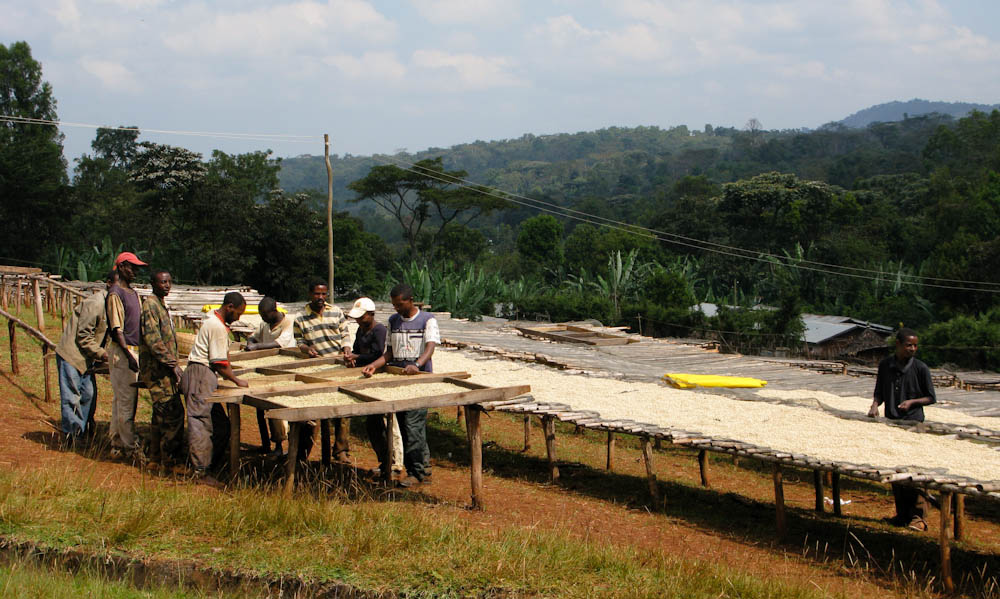
Originally, Yirgacheffe was part of the northwestern area of Sidamo Province, one of the highest-altitude coffee-growing regions in the province. Due to its unique farming methods and astonishing flavor profile, the coffee produced there gradually gained attention. Many farmers even take pride in cultivating coffee with Yirgacheffe characteristics, leading the region to eventually break away from Sidamo and become the now-famous Gedeo Zone — one of Africa’s most iconic coffee-producing areas.
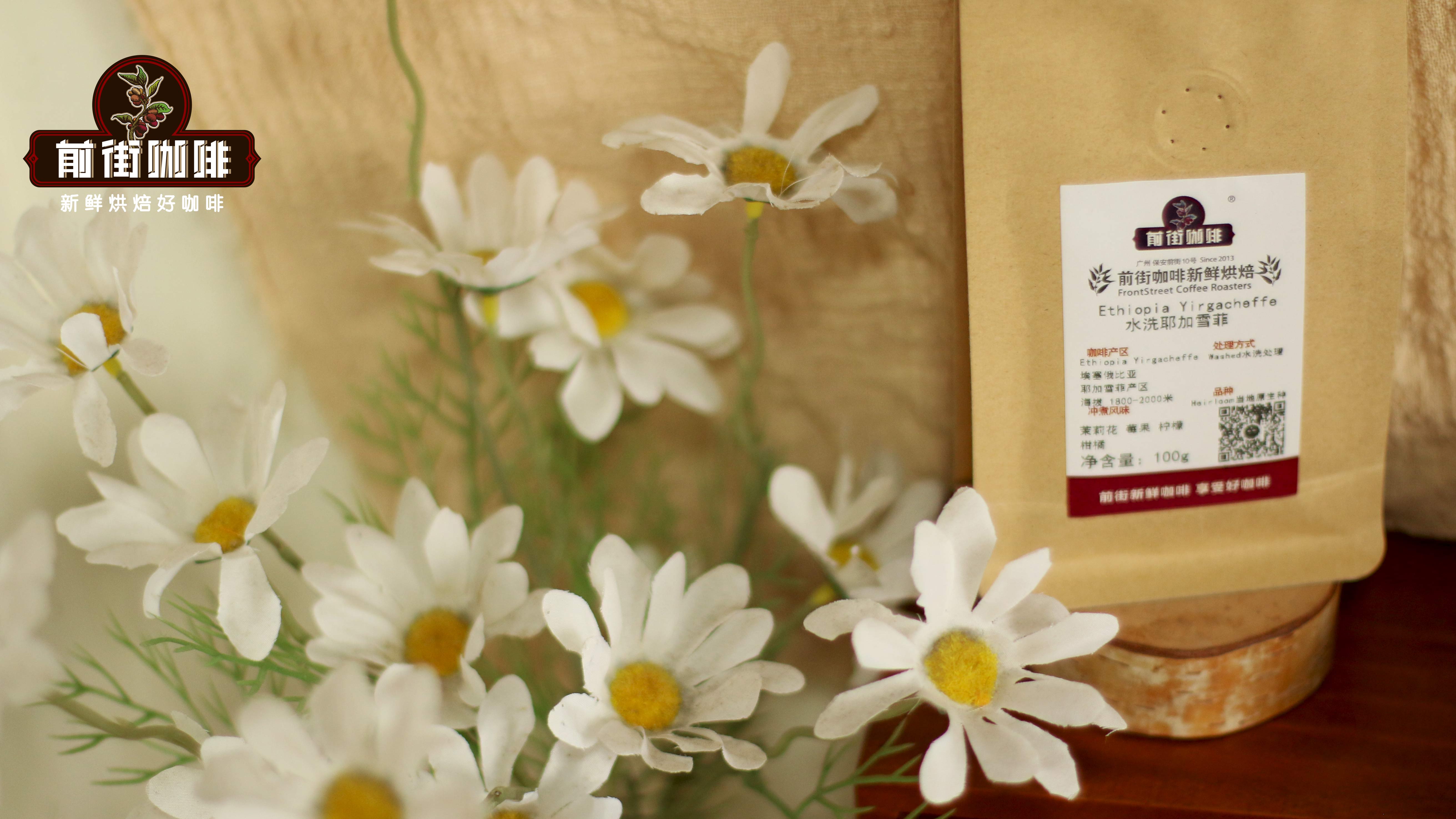
It’s worth noting that due to Ethiopia’s administrative reshuffling around 1995, the former Sidamo Province was divided into the current Sidamo (covering only a small part of the original region) and the Oromia Region, with Yirgacheffe placed under the newly formed Gedeo Zone. Currently, Ethiopian coffee products on the market often list both old and new place names. Here, we use the latest administrative divisions for clarity.
Coffee Growing and Processing Models
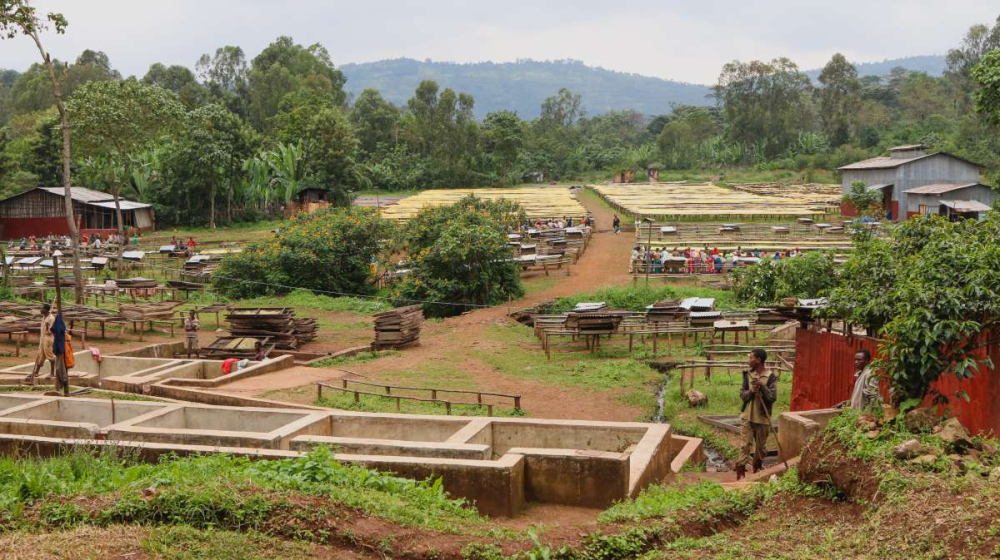
Coffee in Yirgacheffe mostly follows what is known as the Garden Coffee model. That is, farmers grow a small number of coffee trees in their yards or around their homes, harvest them personally during the picking season, and then send them to nearby water-processing facilities for initial processing. Some larger estates may have complete planting, harvesting, and processing procedures, but in most cases, coffee beans of different varieties and origins are collected and processed by processing facilities, then evaluated and graded through auction systems — which is why many Yirgacheffe coffee beans are named after the processing facility or cooperative.
Key Steps in the Washed Processing Method
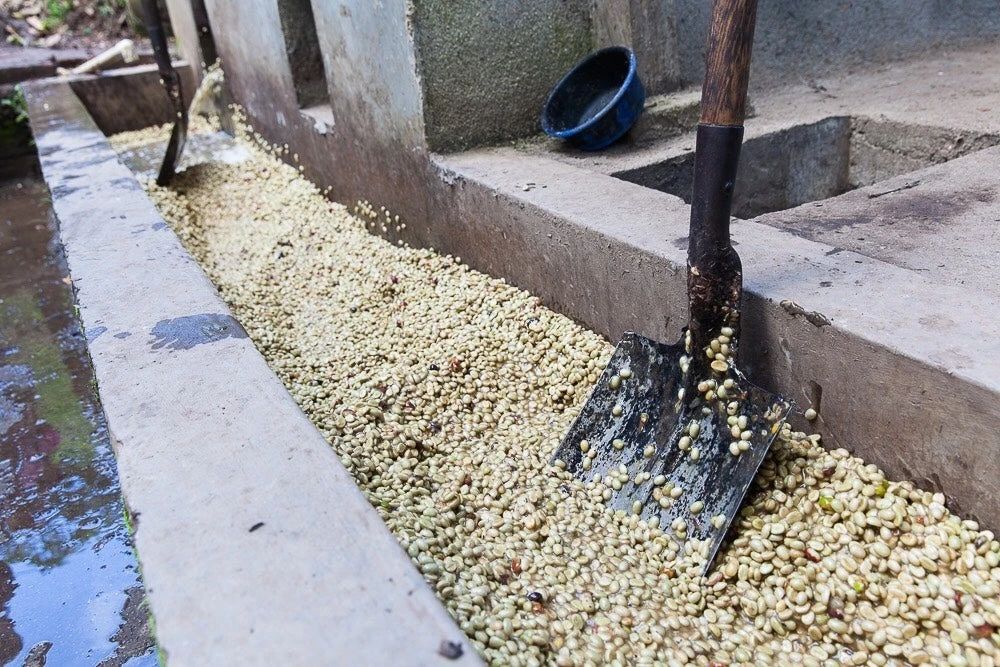
Yirgacheffe coffee beans often use washed processing, which can effectively enhance the purity and stability of flavors. First, a pulper removes the skin and pulp of the coffee cherry. Then the mucilage-covered seeds are soaked in a fermentation tank for about 24 hours, followed by washing with clean water to remove the remaining fruit mucilage layer. Finally, the beans are evenly spread out and sun-dried for 2 to 3 weeks.
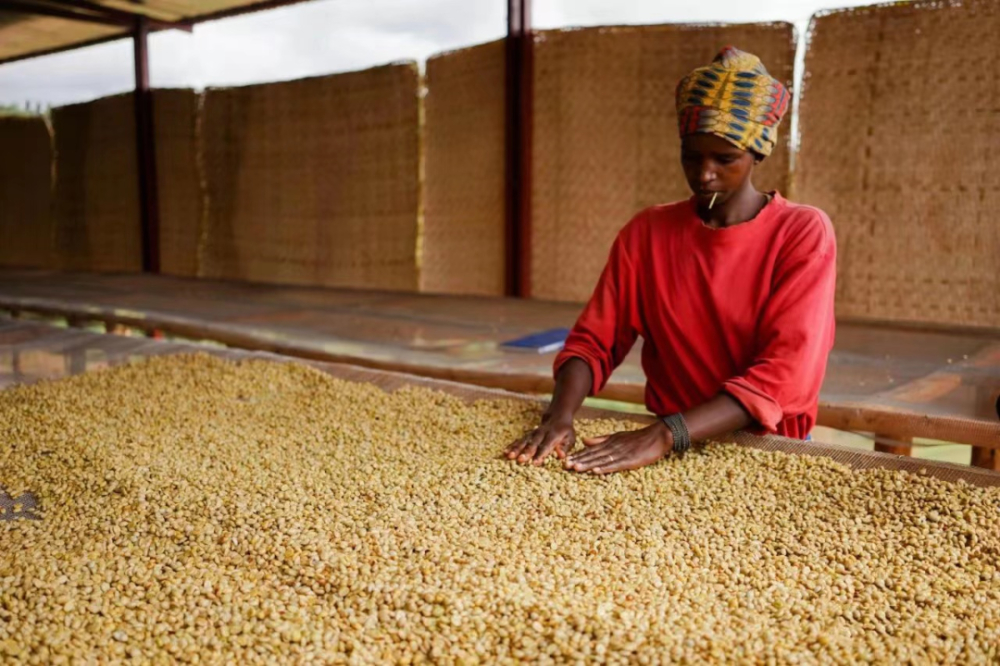
The advantage of washed processing lies in using multiple steps to screen out defective beans, resulting in a coffee with a cleaner, brighter acidity and a clear, consistent flavor profile.
Flavor Characteristics of Drip Bags
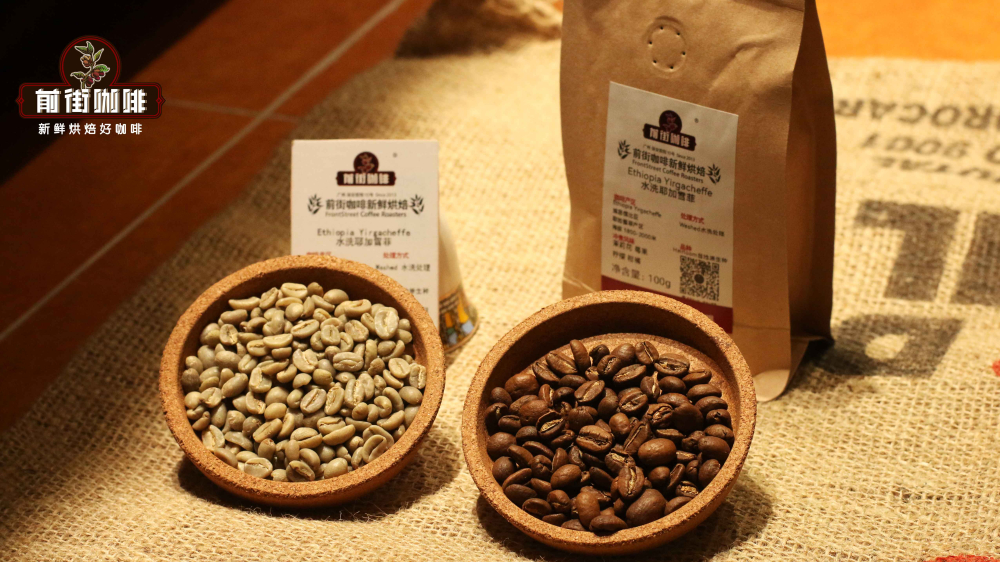
Yirgacheffe drip bags processed via washed methods often showcase bright citrus notes, natural sweetness from berries, along with soft almond flavors and a tea-like aftertaste. The finish may also reveal a hint of honey-like sweetness. Overall, the body is light, the acidity is vibrant and refreshing, making it a very approachable option for drinkers who aren’t fond of intense bitterness.
Office Brewing Step-by-Step Guide
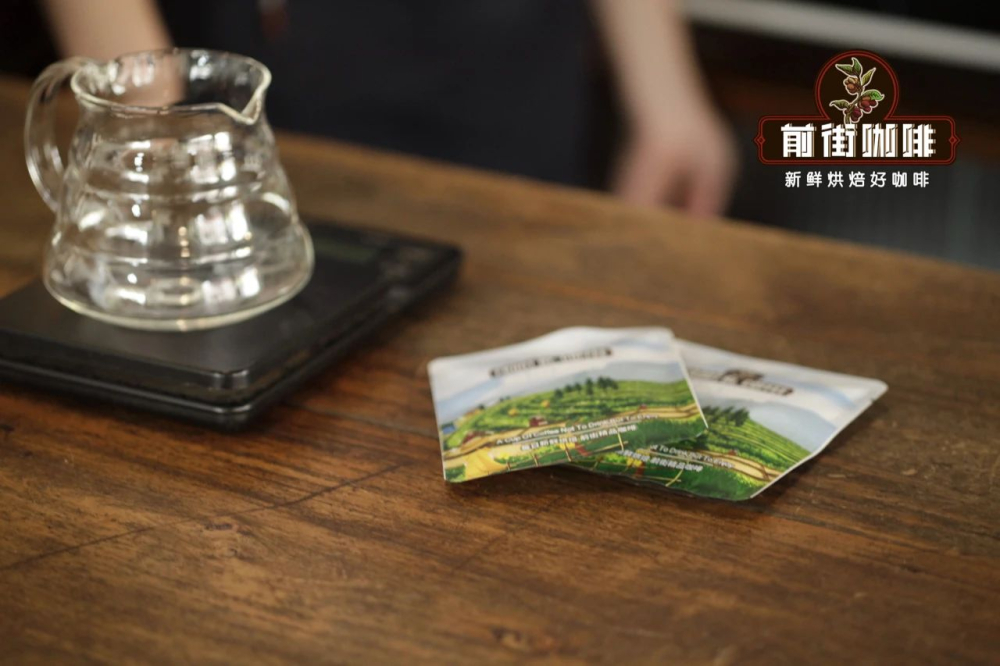
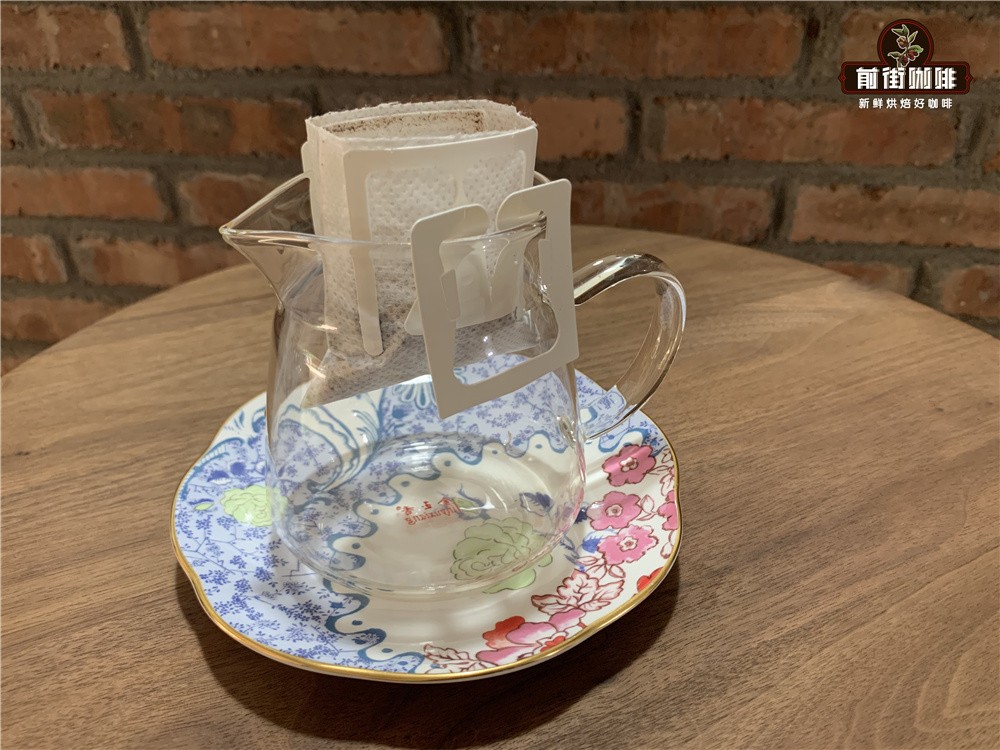
Brewing Yirgacheffe drip bag coffee is simple — just prepare a container for the coffee, such as a sharing pitcher or regular drinking cup, and a kettle for pouring water.
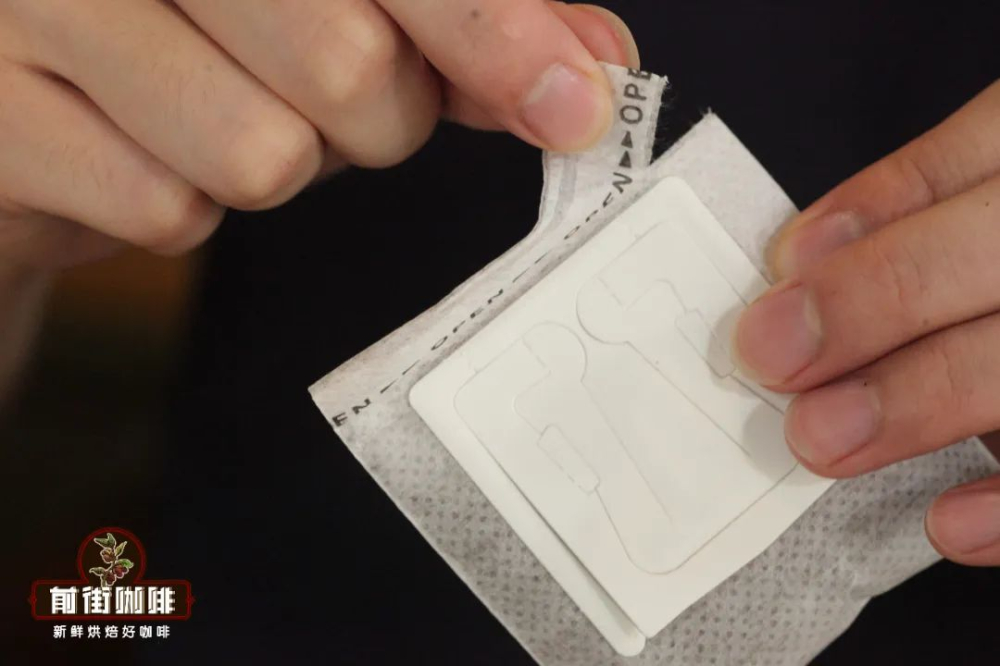
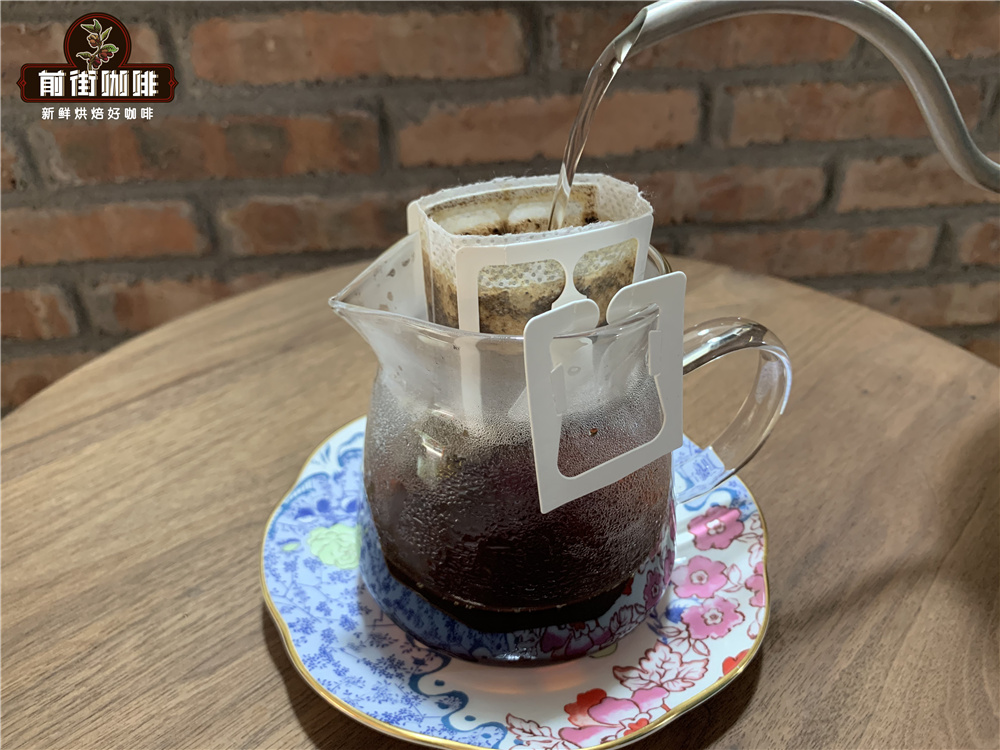
First, tear open the non-woven pouch along the dotted line on the drip bag, gently pull the two “ears” to hang the filter over the rim of the cup. It’s recommended to first bloom the coffee grounds with a small amount of hot water (around 90–93°C) for 10–20 seconds to awaken the aromas. Then continue pouring water steadily and finely. When the liquid level nears the rim, pause to let the coffee drip through. Finally, add the remaining water until the dripping is complete. Give it a gentle stir and enjoy a cup of vibrant Yirgacheffe pour-over coffee.
The above content is compiled by CoffeeHunters, a coffee news website.


