







Introduction:Not sure where to start when choosing fresh coffee beans that suit your taste? This article will guide you through four key ways to identify the freshness of coffee beans, explain the importance of one-way valves and roast dates, and offer bean selection tips for light roast, dark roast, and balanced flavor profiles—helping even beginners easily find the right beans for pour over.
Many coffee enthusiasts often face a common dilemma: how to tell if the beans in hand are fresh? Choosing freshly roasted coffee not only preserves the full spectrum of flavors but also enhances the overall brewing experience. Mastering the following points will help you avoid buying stale or unsuitable coffee beans.
Step 1: Check the Roast Date and Packaging Design
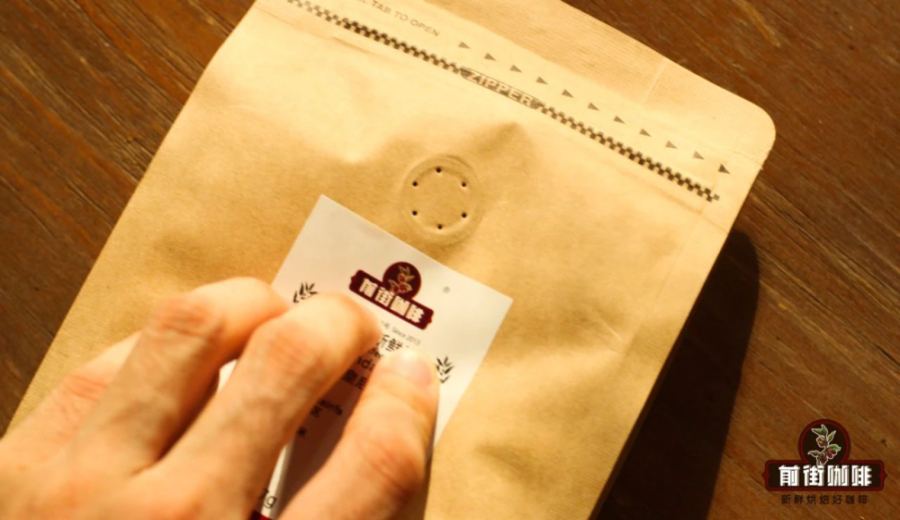
When selecting coffee beans, the first thing to look at is the roast date on the packaging—not the expiration or best-before date. Truly professional coffee roasters will clearly indicate the roast date, ensuring consumers know the optimal tasting window. Additionally, it’s recommended to choose products packaged with a one-way valve. Usually located on the top of the coffee bag, this small button-like vent allows carbon dioxide released during the beans’ aging process to escape while preventing oxygen from entering, helping to maintain freshness.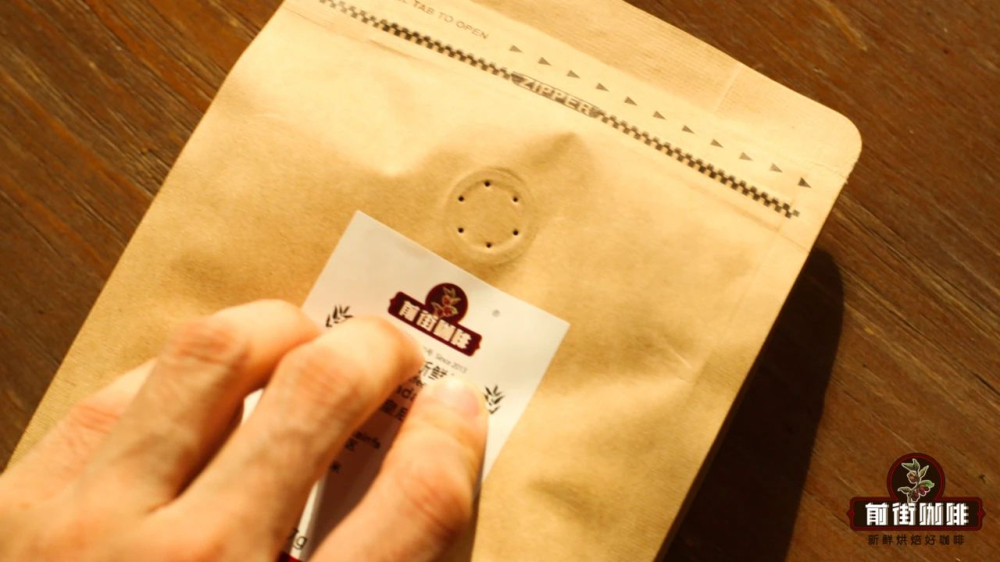
Step 2: The Golden Period for Freshly Roasted Beans
Freshly roasted coffee beans generally have the best flavor within 5 to 30 days after roasting,and it’s advised to enjoy them during this period.. The first five days may have excessive gas and lower stability, but after resting for 2–3 days, the aroma becomes more concentrated. However, after 50 days, the aroma gradually fades, and even expensive beans may fail to deliver the desired flavor. Therefore, it’s recommended to consume them soon after purchase for the best taste experience.
Step 3: Quickly Test the Freshness of Coffee Beans
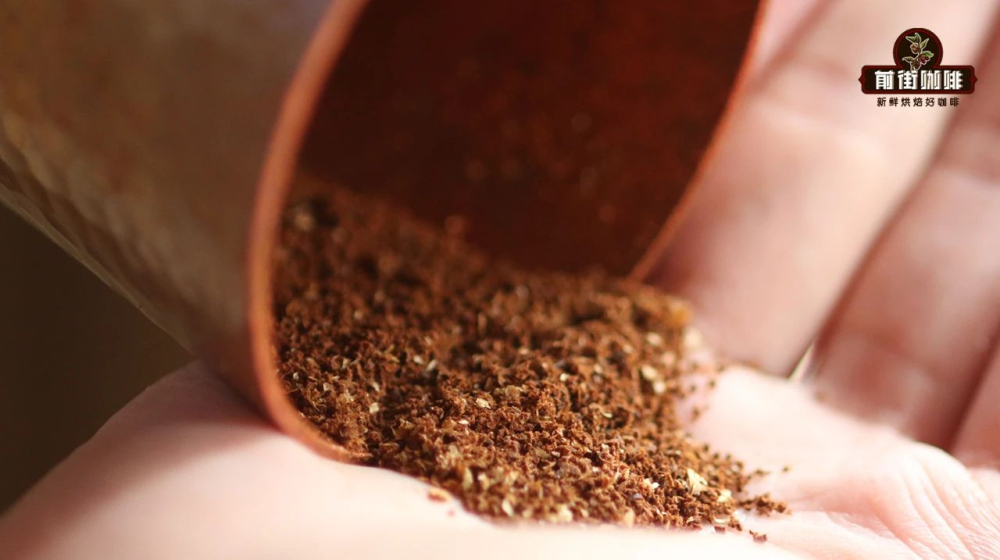
If you want to assess the freshness of coffee beans yourself, a simple sniff test can provide the answer. After opening the package or grinding the beans, take a deep whiff of their aroma. Fresh coffee beans typically emit a rich and pleasant fragrance, whereas beans that have been stored for too long may have a weak scent or even develop off-notes resembling burnt oil. It’s important to note that “oily smell” refers to an olfactory flaw, not the surface condition. If there is a noticeable rancid or stale odor, it means the beans are no longer suitable for brewing.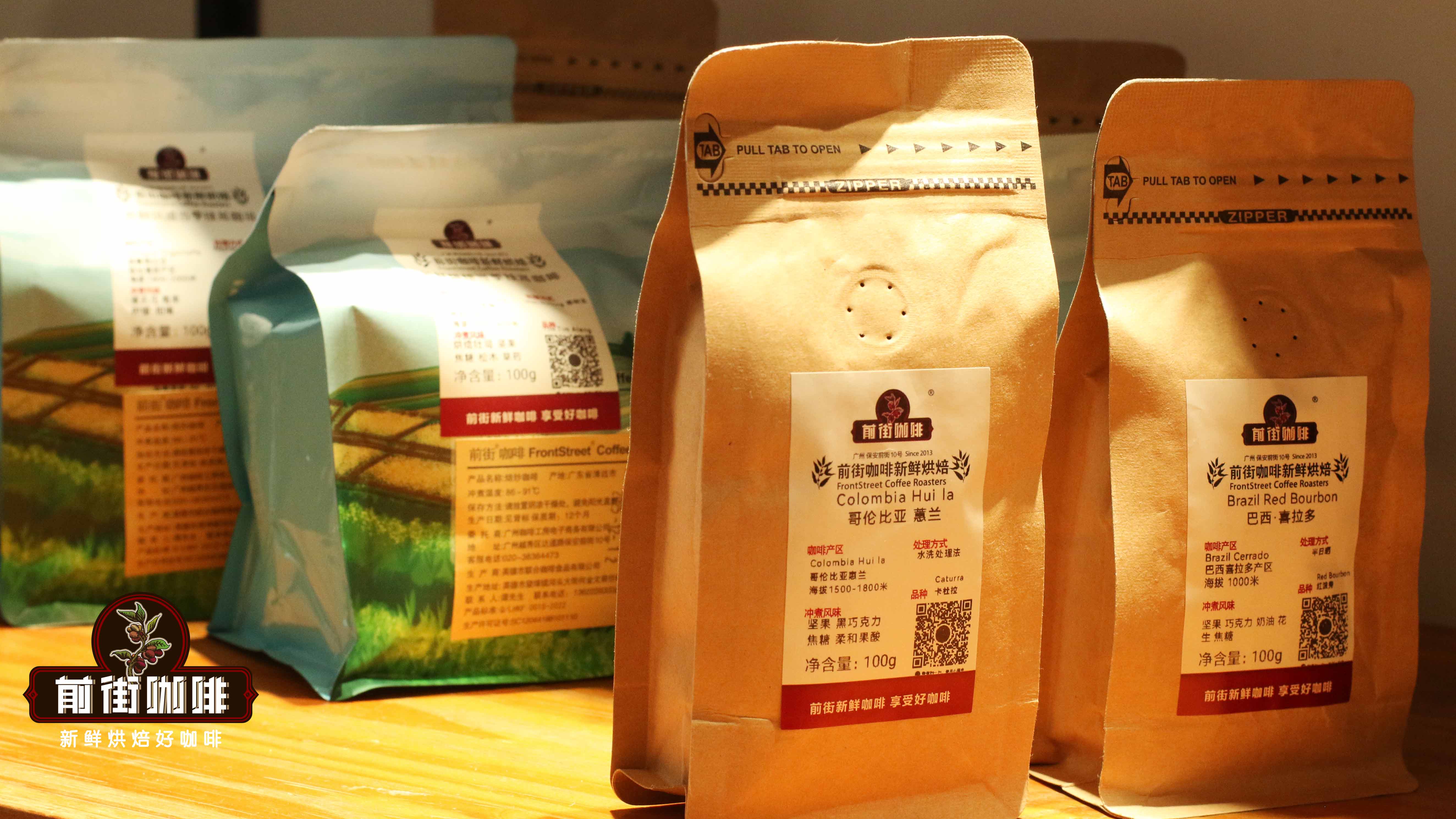
Step 4: Choose Roast Level Based on Taste Preference
The flavor profile of coffee can generally be divided into two main types—bright and acidic or rich and bold—mainly depending on the roast level. Light-roasted beans often feature a fresh acidity reminiscent of fruits such as lemon, citrus, or honey notes, making them ideal for those who prefer a refreshing taste. Dark roasts, on the other hand, showcase intense caramel, spice, or chocolate tones, suiting drinkers who enjoy a fuller body. For those seeking balance, medium-roast beans with pronounced sweetness—such as those offering rose or grape aromas—are a great option.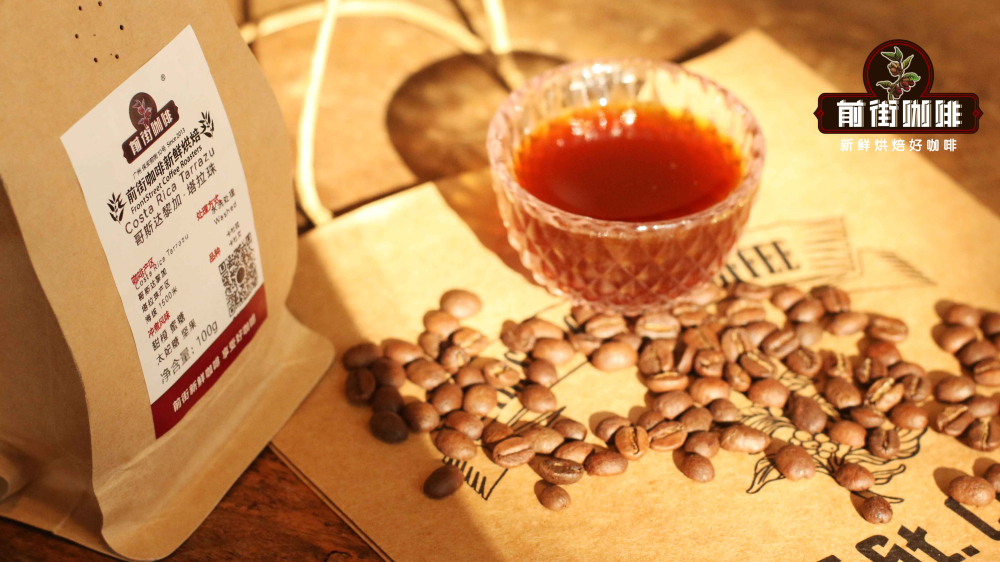
Step 5: Bean Recommendations for Beginners
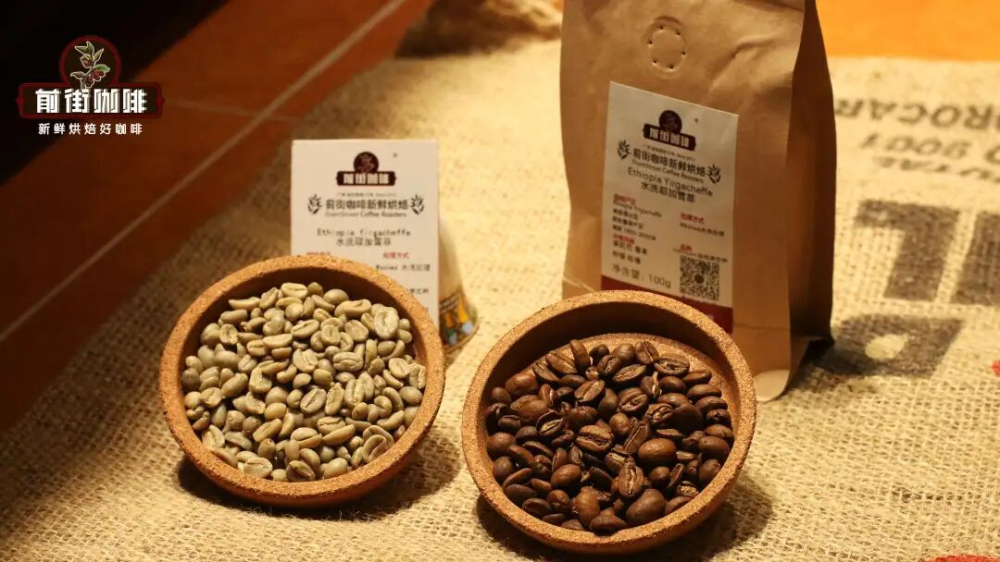
For those new to coffee, it’s recommended to start with single-origin beans, which come from a specific growing region and can help you get familiar with the unique characteristics of different areas. A half-pound pack is suitable for both pour over and budget control. For example, those who enjoy fruity acidity might try Yirgacheffe; those preferring a softer, sweet acidity could opt for Costa Rica Tarrazu or Rwanda Red Bourbon; and for a more balanced, sturdy profile, consider Yunnan small beans, Brazil Cerrado, or Colombia Huila. If you lean toward bold and rich flavors, Indonesian Mandheling is a solid choice.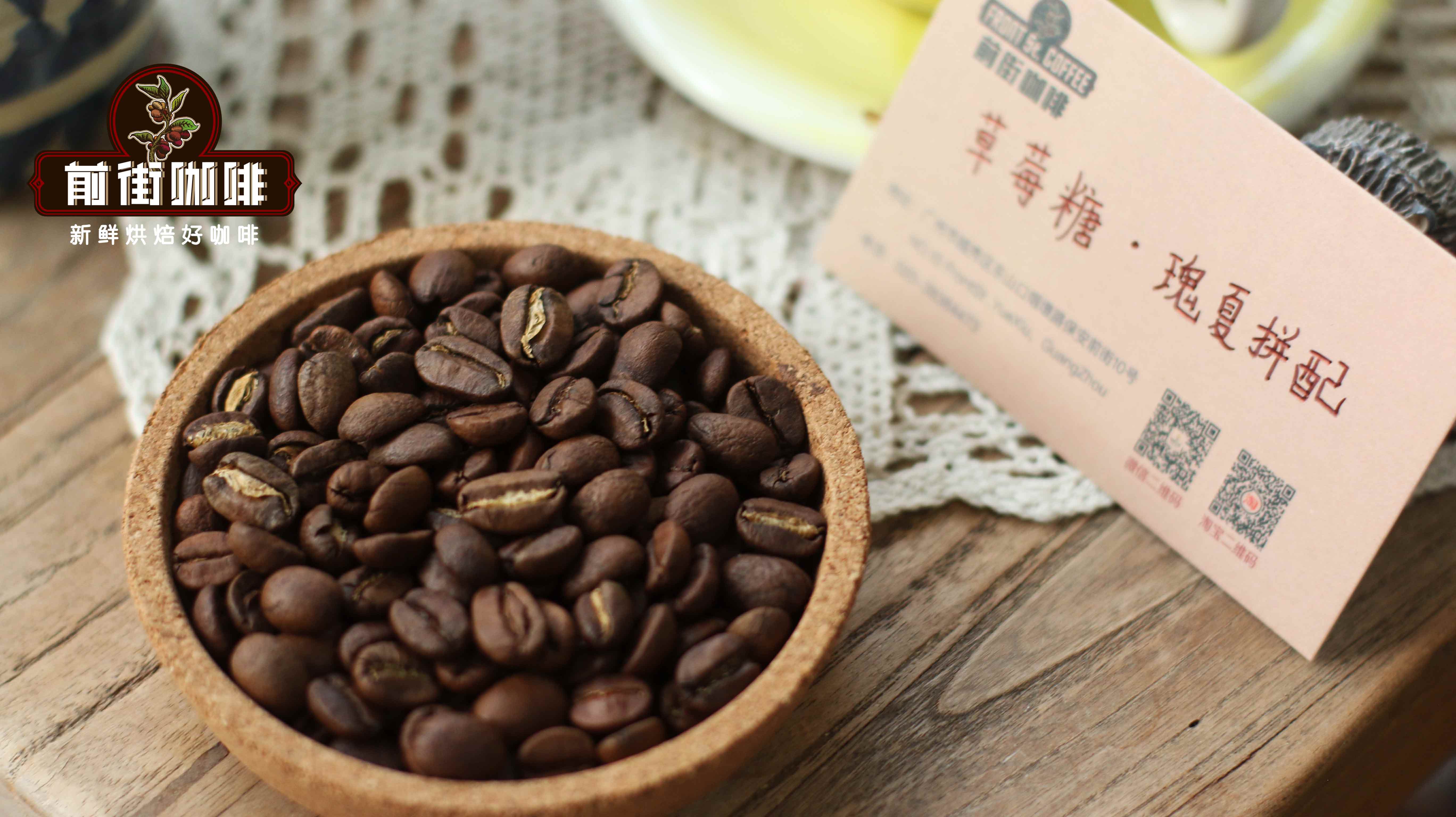
In summary, choosing freshly roasted, well-packaged coffee beans and selecting the right roast level and origin based on personal taste is the first step into the world of coffee. Through continuous trying and comparing, you’ll gradually develop your own coffee flavor map.
The above content is compiled by CoffeeHunters, a coffee news website.

