







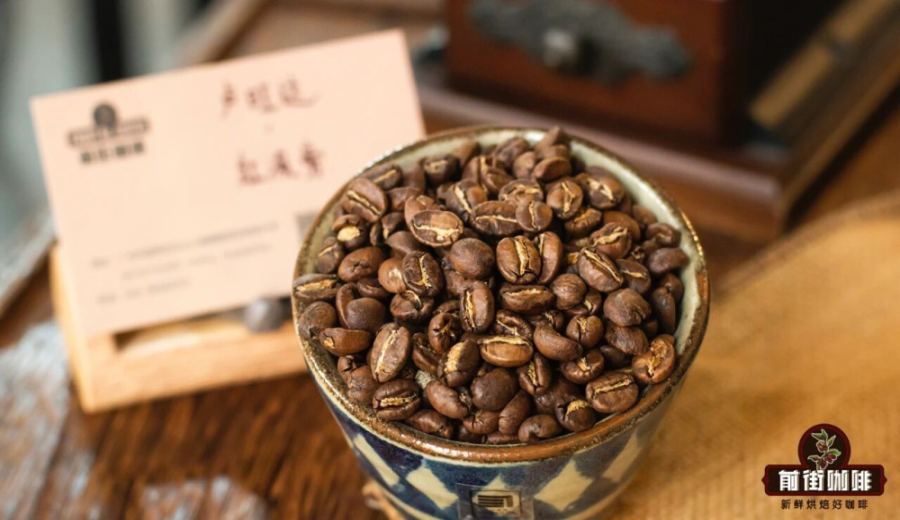
Introduction:Readers who are new to coffee often struggle with choosing beans. This article starts with the basics of roast levels to help you understand how light, medium, and dark roasts influence flavor profiles. It focuses on analyzing the characteristics of light-roast single-origin beans with balanced acidity and sweetness, and uses real examples to illustrate the typical aroma profiles of six popular fruity and floral bean varieties. It also includes tips for beginners on selection and storage to help you find an entry-level bean suitable for pour over.
For those just stepping into the world of coffee, selecting the right beans from a wide array of products does require a strategy. The key is to first clarify two main aspects: your personal taste preferences, and how roast levels shape the final flavor expression. The three common roast levels—light, medium, and dark—each offer distinctly different taste experiences: light roasts preserve more of the original fruit acidity and delicate layers, medium roasts present a rich and balanced feel, while dark roasts enhance caramel notes and intense bitter-sweetness.
The first step is to observe your own taste bud preferences.If you enjoy refreshing drinks with bright acidity, light-roast pour over beans are a good starting point. These beans, due to their shorter duration of high-temperature processing, have not undergone excessive transformation of flavor molecules, often releasing lively floral, citrus, or even tropical fruit notes, making them ideal for beginners seeking a fresh taste experience.
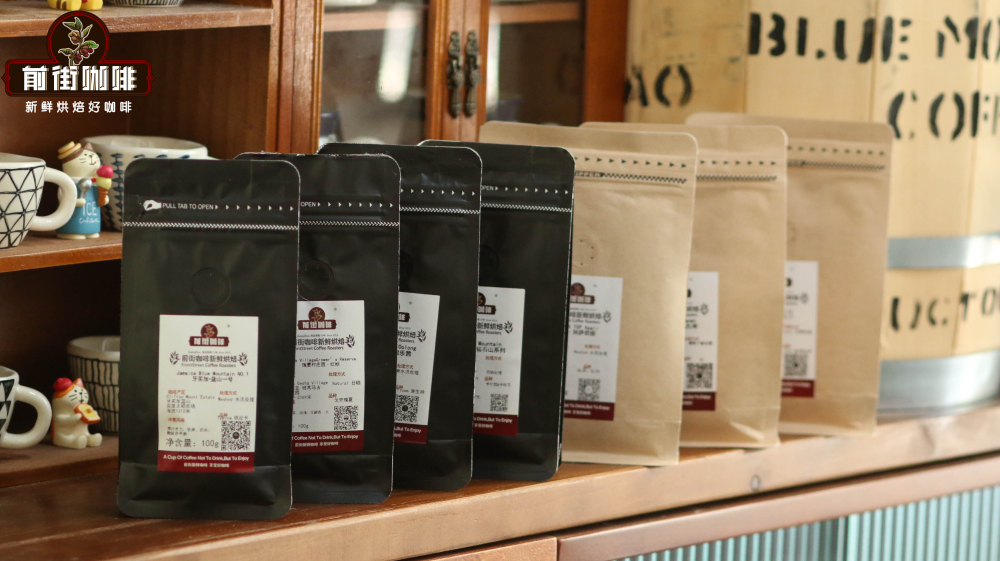
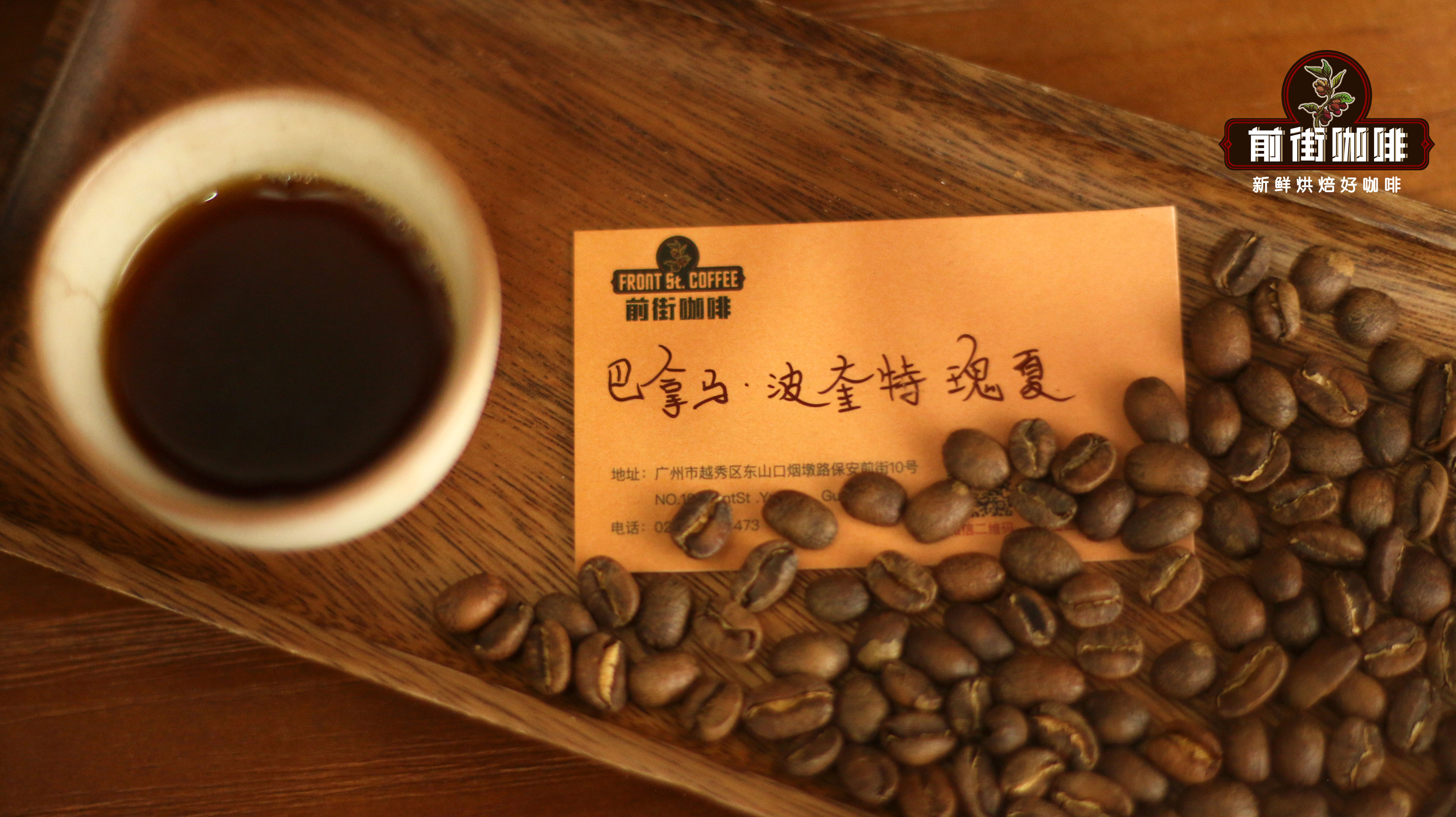
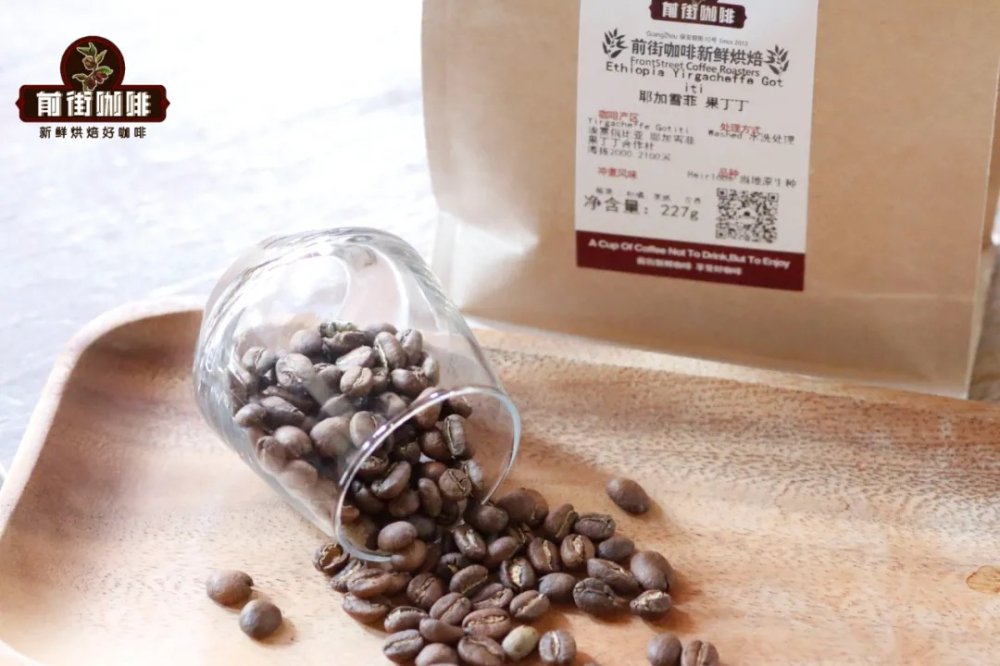
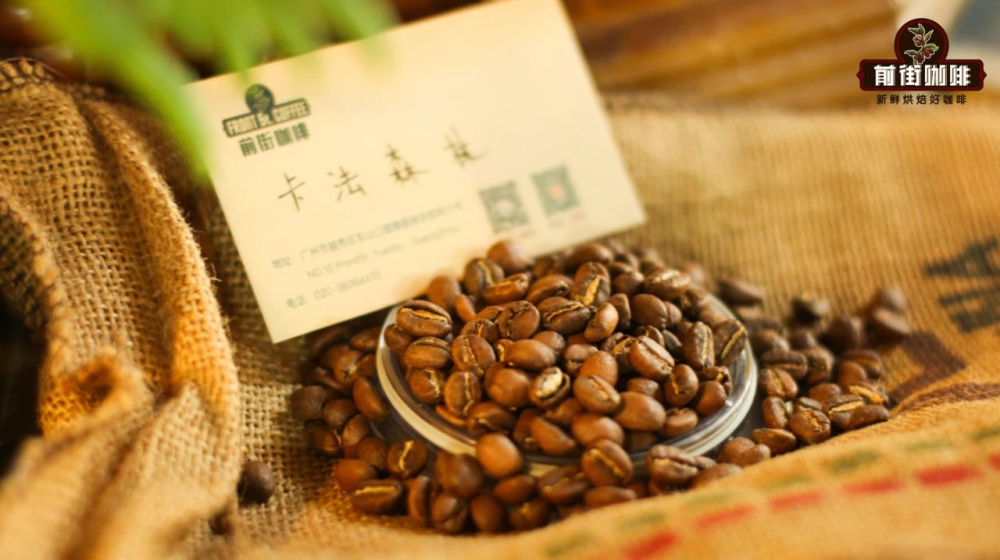
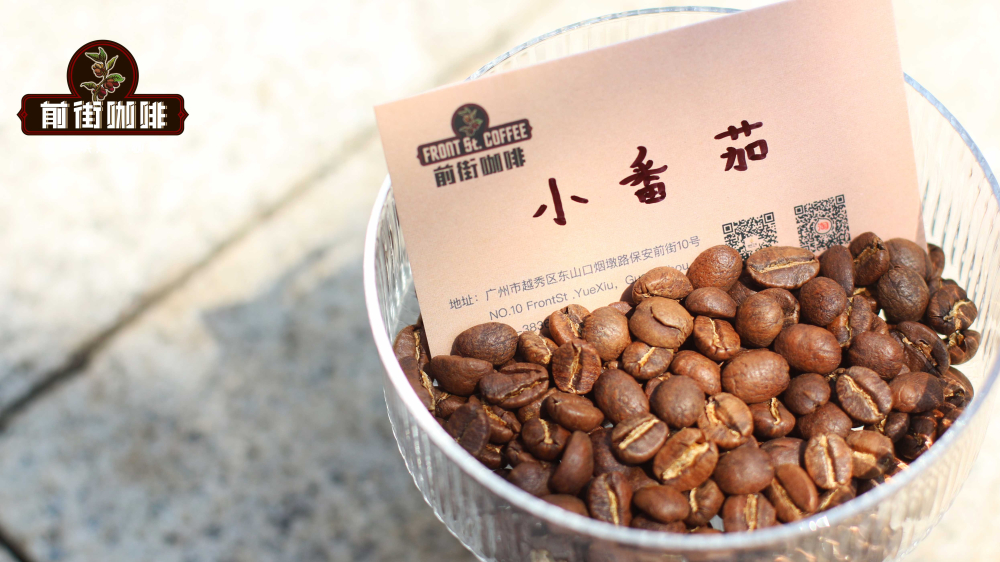
For readers who prefer fruity and floral aromas, we’ve compiled six light-roast single-origin beans with excellent market feedback as reference examples.Each bean variety shown in the images displays distinct fruit characteristics,such as a Red Bourbon variety from a certain Rwandan growing region, which, when brewed, releases vibrant acidity with notes of berries and citrus, and a finish with caramel sweetness and nutty undertones; another well-known cultivar from Ethiopia is distinguished by its complex aromas of strawberry, citrus, and tropical fruits such as guava and mango.
Other noteworthy options include: a mainstream Geisha variety with jasmine floral notes and honey-like texture; an Ethiopian heirloom variety that presents a tea-like base fused with layered floral and berry notes; a hybrid bean with orange-citrus tonality paired with creamy mouthfeel; and a representative from the Kenyan growing region, characterized by bold fruit flavors such as cherry tomatoes and pears. These beans, when brewed using pour over methods (recommended grind size about that of fine sugar, water temperature 88–92°C, coffee-to-water ratio 1:15 to 1:16), can clearly showcase their unique flavor profiles.
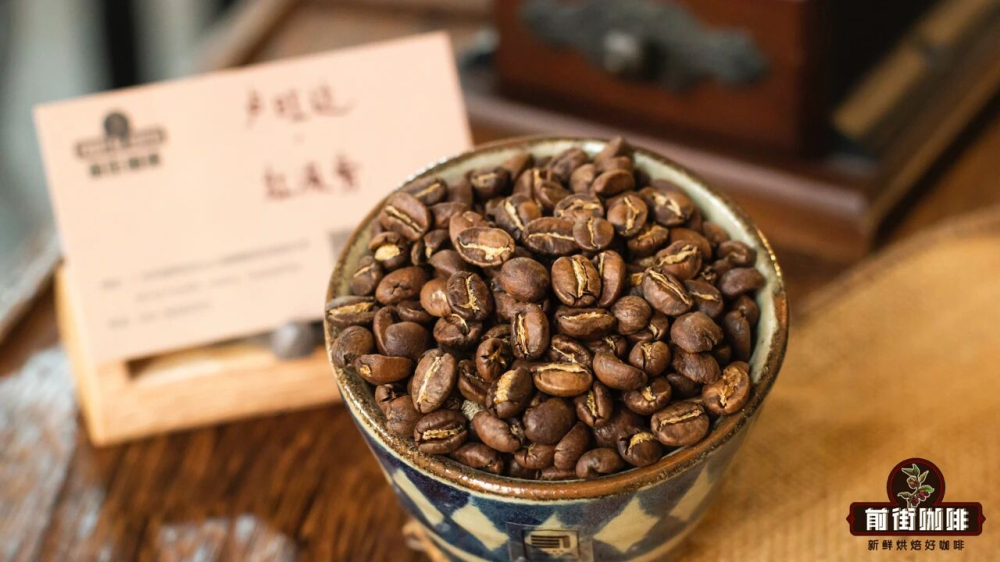
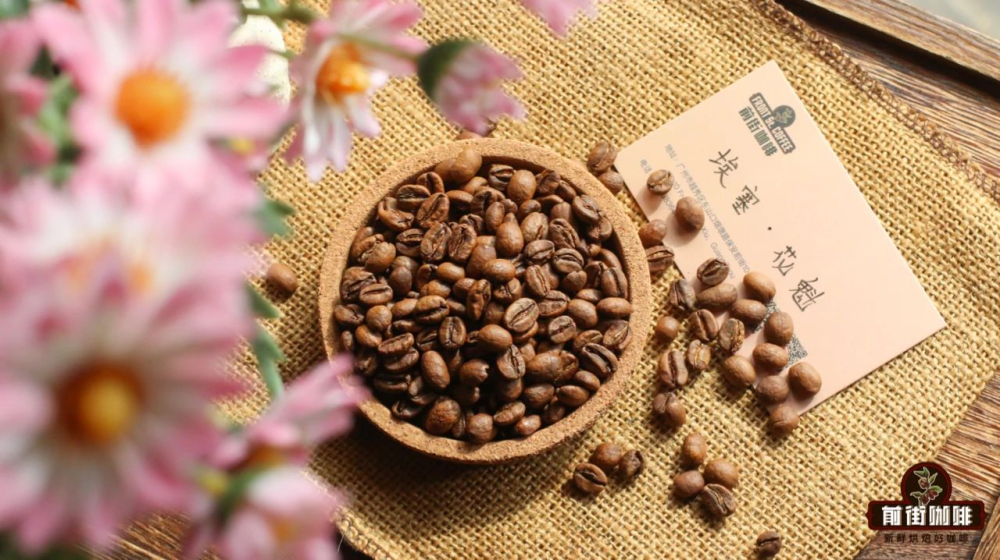
Pay special attention to the roast date and storage method when purchasing.Freshness directly affects the extraction results.—It is generally believed that the 50th day after roasting is a turning point for flavor, beyond which aromatic compounds will noticeably decline. It is recommended to choose products with clearly labeled roast dates, and to prioritize buying whole beans, then adjusting the grind size to one suitable for pour over using your own grinder, in order to retain volatile aromatic compounds to the greatest extent.
Finally, a reminder: regardless of budget, roasters that offer stable supply and consistent quality control are usually more trustworthy. Checking whether the packaging indicates detailed information such as growing region, processing method (e.g., washed, natural), and altitude can help assess the potential flavor direction of the beans. Paired with proper pour over techniques (e.g., blooming time of 30 seconds, controlled flow rate through segmented pouring), even beginners can brew a balanced and enjoyable cup of coffee.
The above content is compiled by CoffeeHunters, a coffee news website.

