







Introduction:Choosing the right pour over coffee filter cone is one of the key factors that influence the flavor extraction of your coffee. For beginners, how do you pick the most suitable filter cone from the many options available? This article will delve into the details from aspects such as filter cone material, structural design, and actual flavor performance, helping readers understand the characteristics and differences of common filter cones like the V60, Kono, and cake filter cones (trapezoidal cones), while also providing practical advice to help you easily find your first choice as a beginner.
In the world of pour over coffee, the filter cone is not just a simple brewing tool—it plays an important role in shaping the final flavor of your coffee. There is a wide variety of filter cones on the market, including the V60, Kono, and cake filter cones (trapezoidal cones), each with its own unique features. These differences affect brew flow rate, flavor clarity, and body intensity. This article will guide beginners through the essential elements of choosing a filter cone—from material and structural design to actual flavor outcomes—to help you select the most suitable one based on your personal preferences.
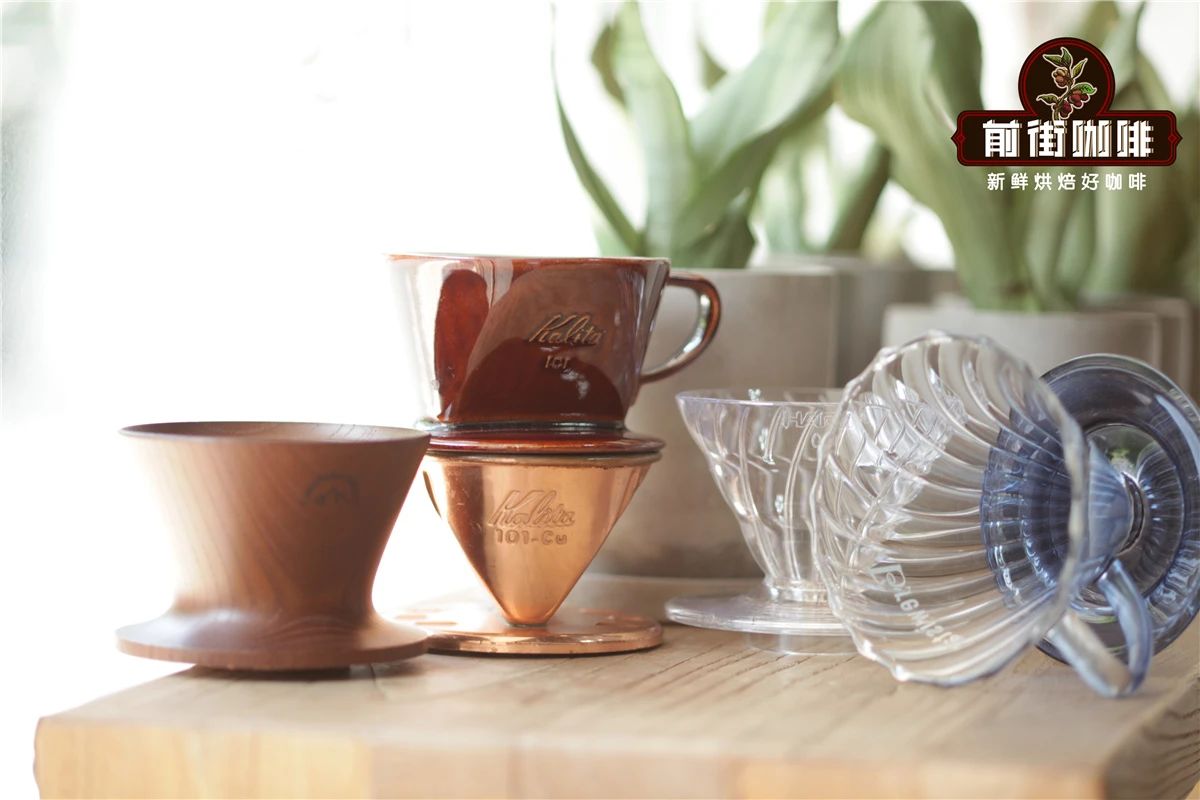
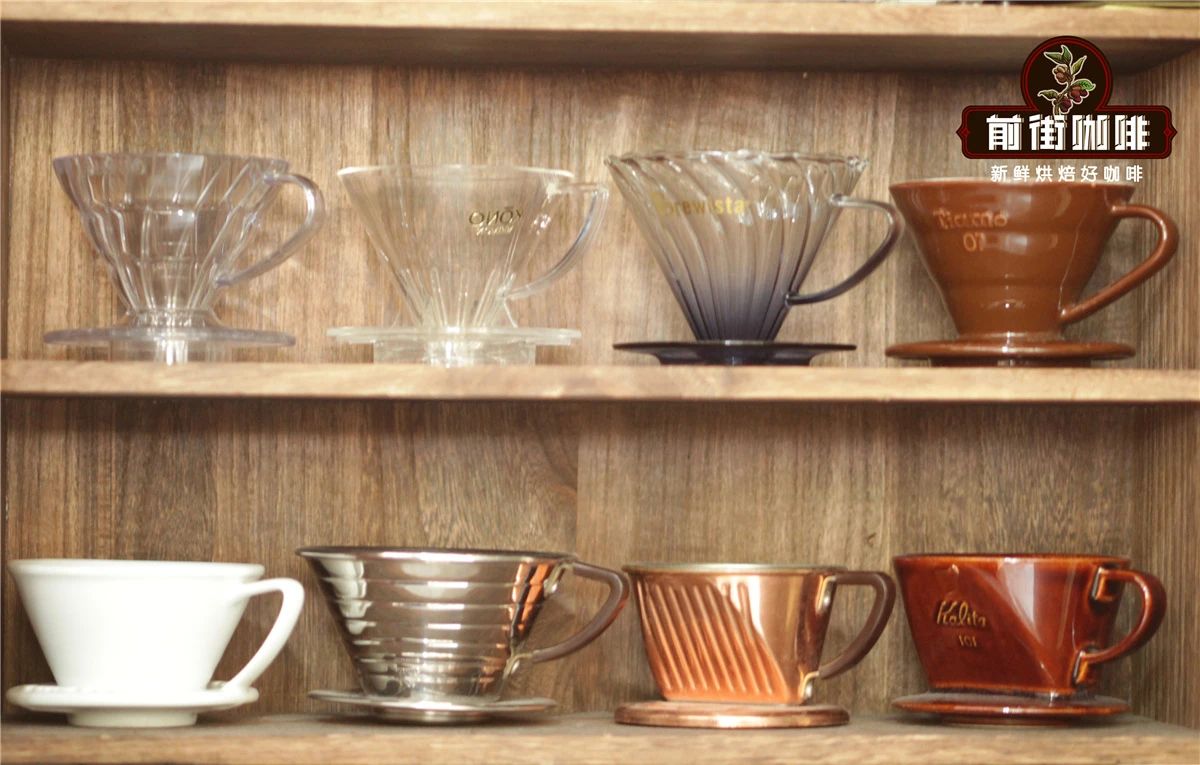
First, let’s take a look at the materials used in filter cones. Commonly available options on the market include resin, glass, ceramic, metal (such as brass), and wood. When choosing a filter cone, you can evaluate it based on three main factors: heat retention, molding precision, and price. Starting with heat retention, different materials have varying abilities to maintain temperature after heating. The general ranking is: ceramic offers the best heat retention, followed by brass metal, then glass, and finally resin. However, without preheating, the heat retention performance reverses—resin maintains temperature more stably, followed by brass metal, glass, and lastly ceramic. In addition, although ceramic provides good insulation, it cools down quickly when not preheated, and its ribs, due to glazing, tend to be smoother, which may affect water distribution.
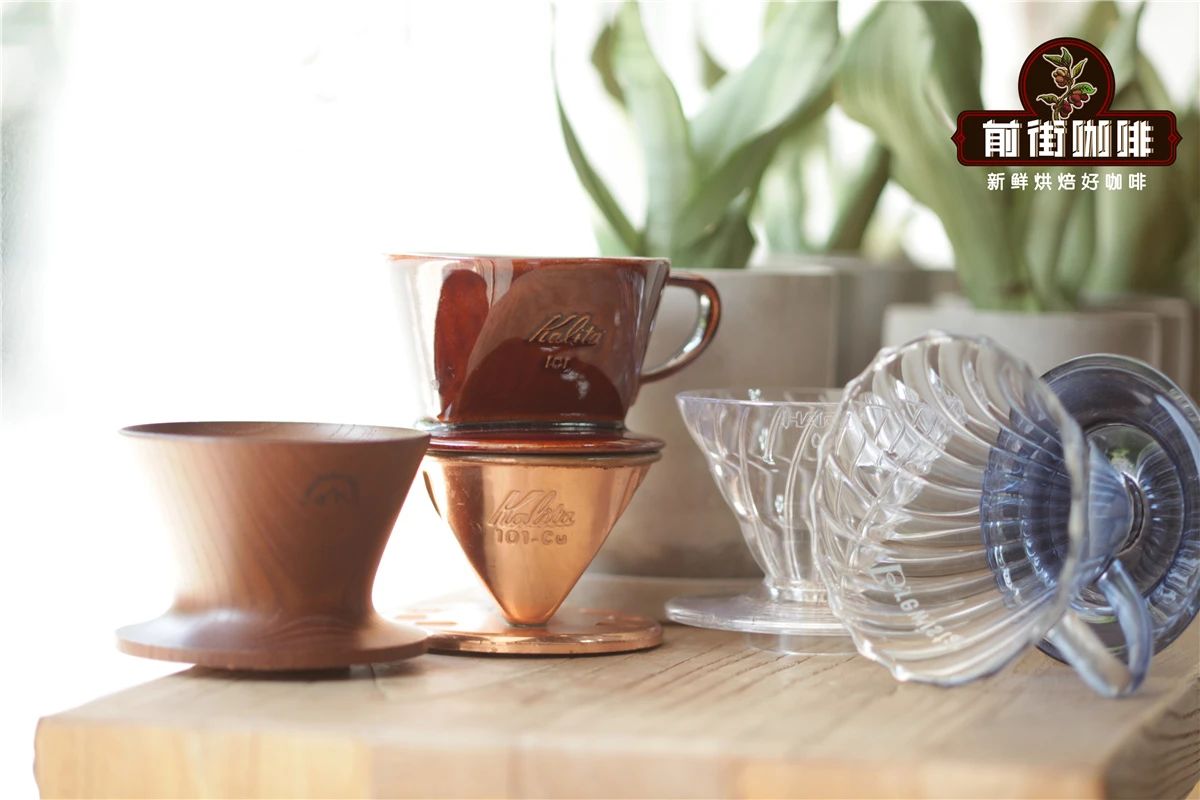
Next, let’s discuss molding. The “ribs” inside the filter cone play a key role in influencing water flow and the evenness of extraction, and the craftsmanship of these ribs varies depending on the material, directly affecting their precision and structural support. Resin filter cones, being mass-produced industrial items, usually have more precisely formed and firmer ribs, making them noticeably more tactile. In contrast, ceramic filter cones, which require glazing during the final process, tend to have smoother ribs that may not effectively support the filter paper, thereby affecting water flow speed. Glass and metal filter cones fall somewhere in between. Overall, the ranking for molding precision is: resin > glass > brass metal ≈ ceramic.

In terms of price, taking the well-known brand Hario as an example, metal filter cones are the most expensive, followed by ceramic and glass, while resin filter cones are the most budget-friendly. If you value cost-effectiveness and want a filter cone that is lightweight, durable, and easy to carry, resin is undoubtedly the best entry-level choice. If you care more about aesthetic design and tactile feel, ceramic filter cones offer a solid and elegant feel, though you should be aware that their curved designs may impact how well the filter paper unfolds, which in turn could alter the flow rate.
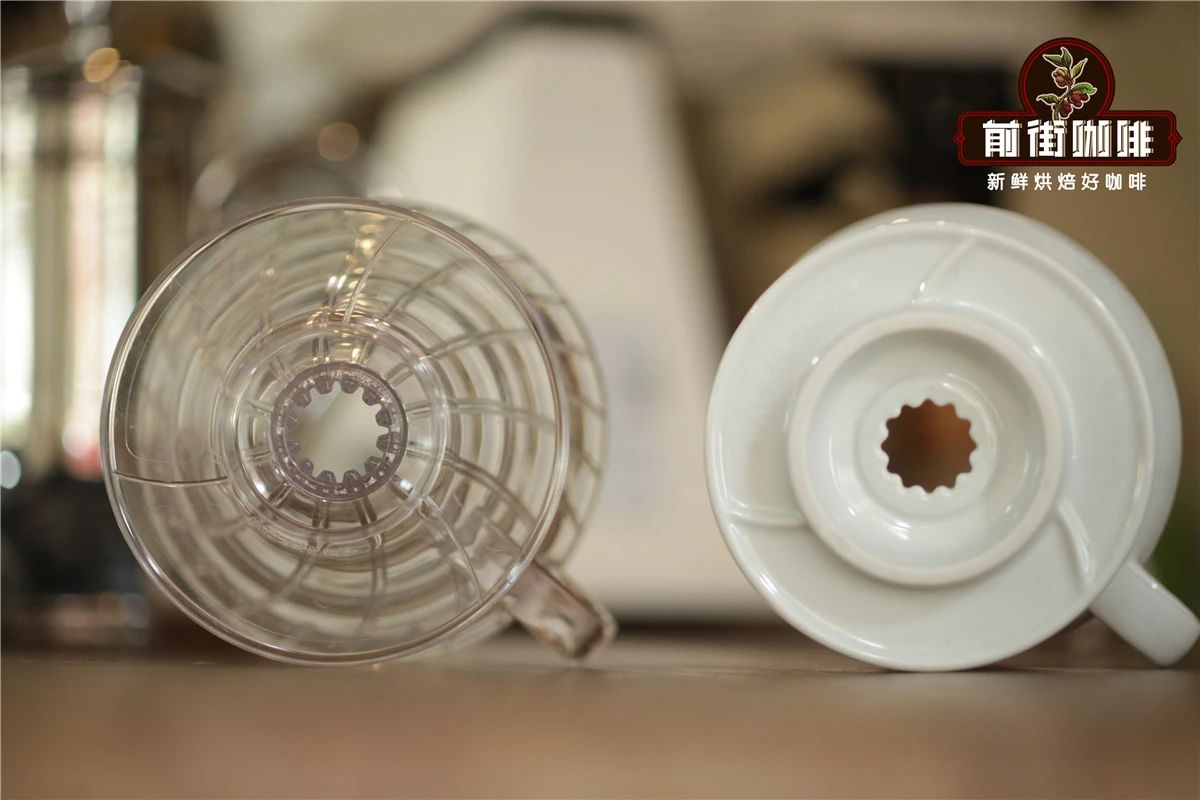
Beyond material, the structural design of the filter cone also affects the outcome of coffee extraction. Currently, mainstream filter cones can be broadly divided into three types: conical filter cones (such as the V60), trapezoidal filter cones (also known as cake filter cones), and flat-bottomed filter cones. Among them, multi-ribbed conical filter cones such as the V60, Origami, and Starry are designed to accelerate water drainage, making them suitable for extracting light-roasted beans with bright and vibrant flavors, highlighting clear floral and fruity notes.
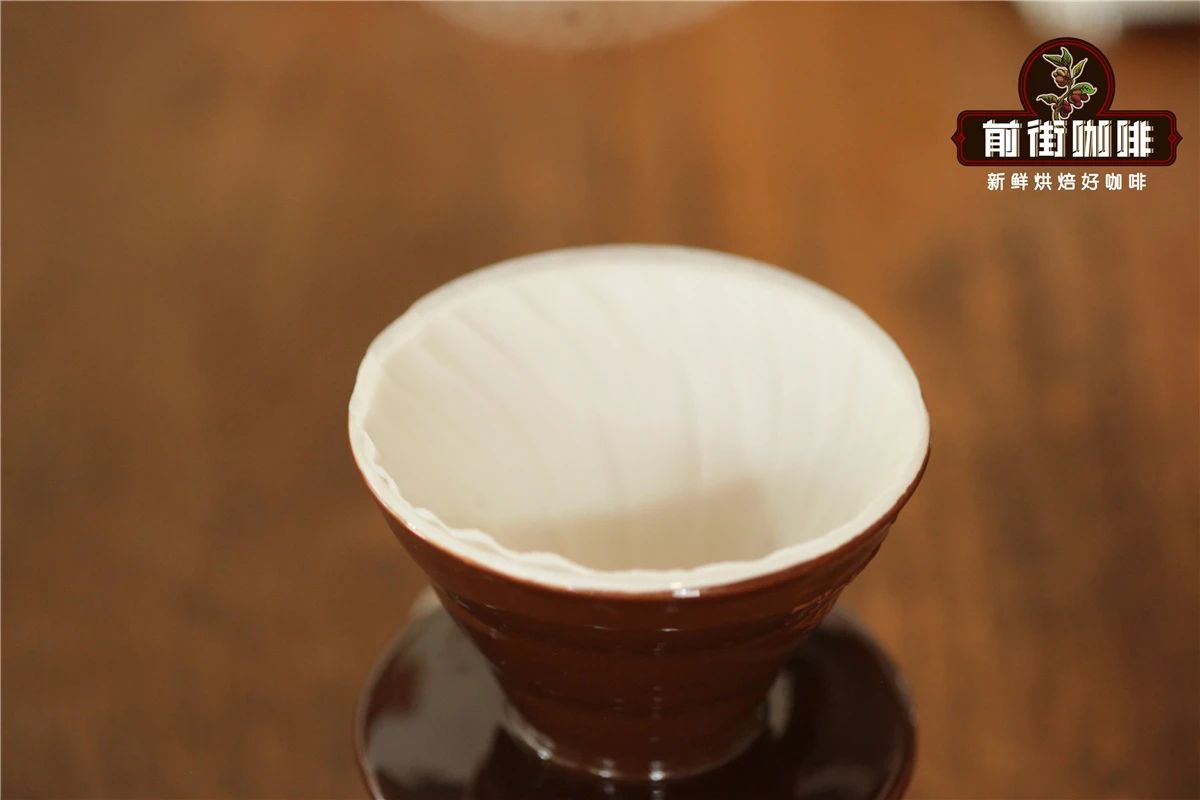
In contrast, Kono filter cones, trapezoidal filter cones (cake filter cones), strawberry filter cones, and cross-star infinite filter cones use fewer or specially designed drainage ribs. This slows down the water flow rate, allowing for a longer contact time between water and coffee grounds, resulting in a richer and sweeter coffee liquid. They are especially suitable for medium to dark roasted beans, bringing out a full-bodied mouthfeel and flavors like caramel and nuts.
If you’re new to the world of pour over coffee and unsure where to start, it’s recommended to begin with Hario’s resin version of the V60. This filter cone is affordable, lightweight, and durable, and has become an industry standard due to its widespread use. It’s an excellent tool for beginners to practice with and compare different flavors. No matter what kind of filter cone designs or coffee bean flavors you want to explore in the future, the V60 provides a stable reference base.

The above content is compiled by CoffeeHunters, a coffee news website.


