







Introduction:Choosing the right coffee beans for pour over is key for beginners. This article explains how to select single-origin beans with distinct flavors based on roast levels (light, medium, dark) and regions (Africa, Central & South America, Asia), offering options for different preferences such as balanced acidity and sweetness or rich and full-bodied profiles, along with 6 cost-effective practice beans for reference, helping you easily find the best balance between flavor and price.
Pour over coffee can clearly highlight the unique characteristics of single-origin beans. It's recommended that beginners start with single-origin beans to explore different regions and roast styles. By adjusting the roast level, specific flavor traits can be amplified or muted — for example, light roasts emphasize floral and fruity notes, while dark roasts highlight nutty and chocolatey layers.
The world’s premium coffee-growing belt is located between 25°N and 25°S latitude, covering 79 major producing countries. Geographic differences give each region its signature flavor profile — from the high acidity and brightness of Africa to the full body and low acidity of Southeast Asia. When selecting beans, it’s advisable to first identify your desired flavor direction.
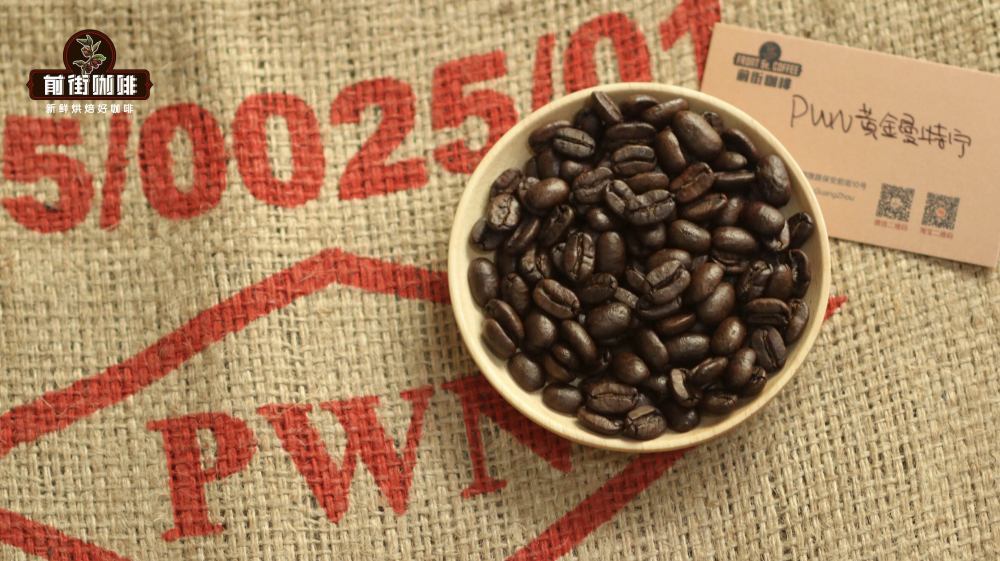
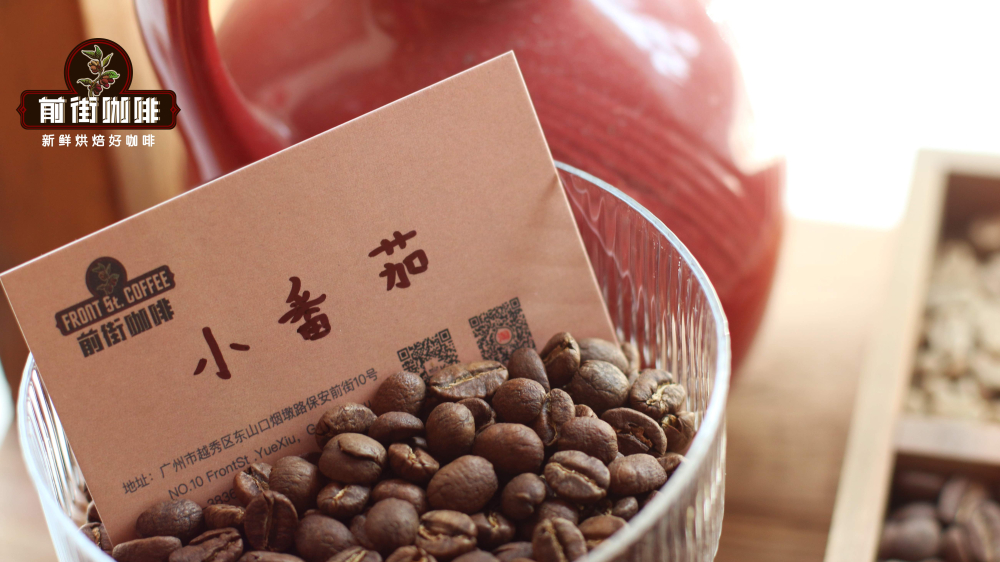
Common flavor preferences can be divided into three categories: those seeking bright acidity and floral-fruity aromas can try African beans such as Ethiopia and Kenya (recommended light roast), like Yirgacheffe with citrus notes; those preferring a solid mouthfeel and balanced bitterness-sweetness can opt for dark roasted beans from Brazil, Indonesia, and Jamaica (such as Mandheling); if you want a mellow acidity paired with a nutty base, then medium-roasted beans from Papua New Guinea, Yunnan, or Costa Rica are more approachable.
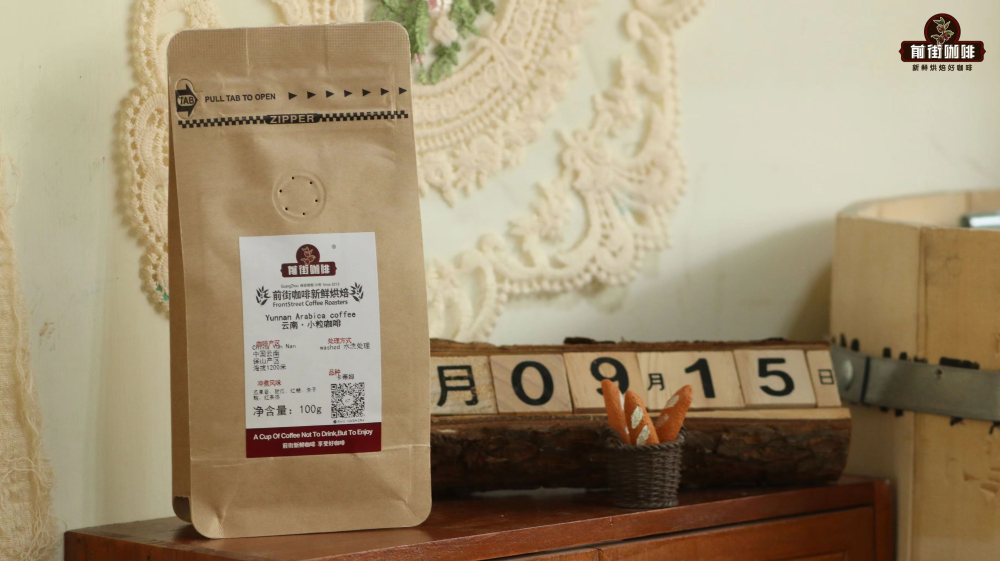
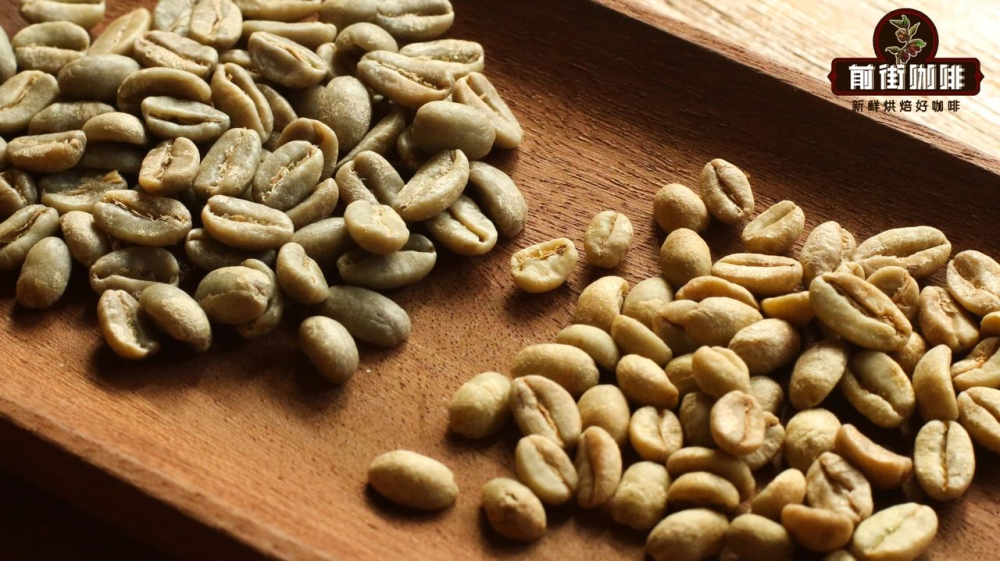
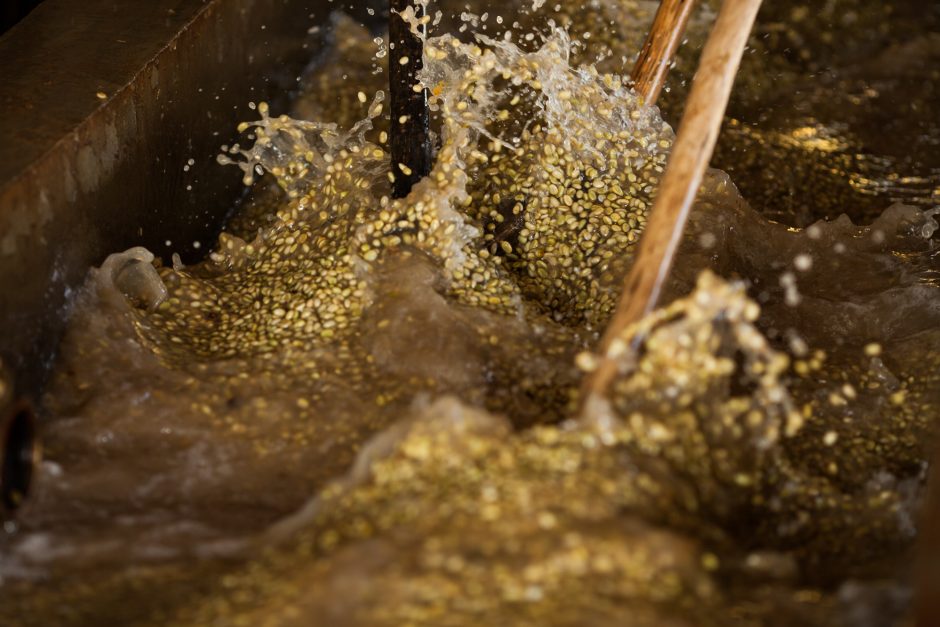
The processing method directly affects the final flavor profile. Traditional methods include the natural (dry) process, which retains the full sweetness of the fruit pulp, delivering rich and complex sweetness; the washed (wet) process removes the mucilage through fermentation, resulting in a clean and bright acidity structure (exemplified by Flower Dance); the honey process falls between the two, retaining some mucilage to add extra sweetness. Advanced enthusiasts can explore special methods like anaerobic fermentation, though their intense flavors may increase the difficulty for beginners to discern.
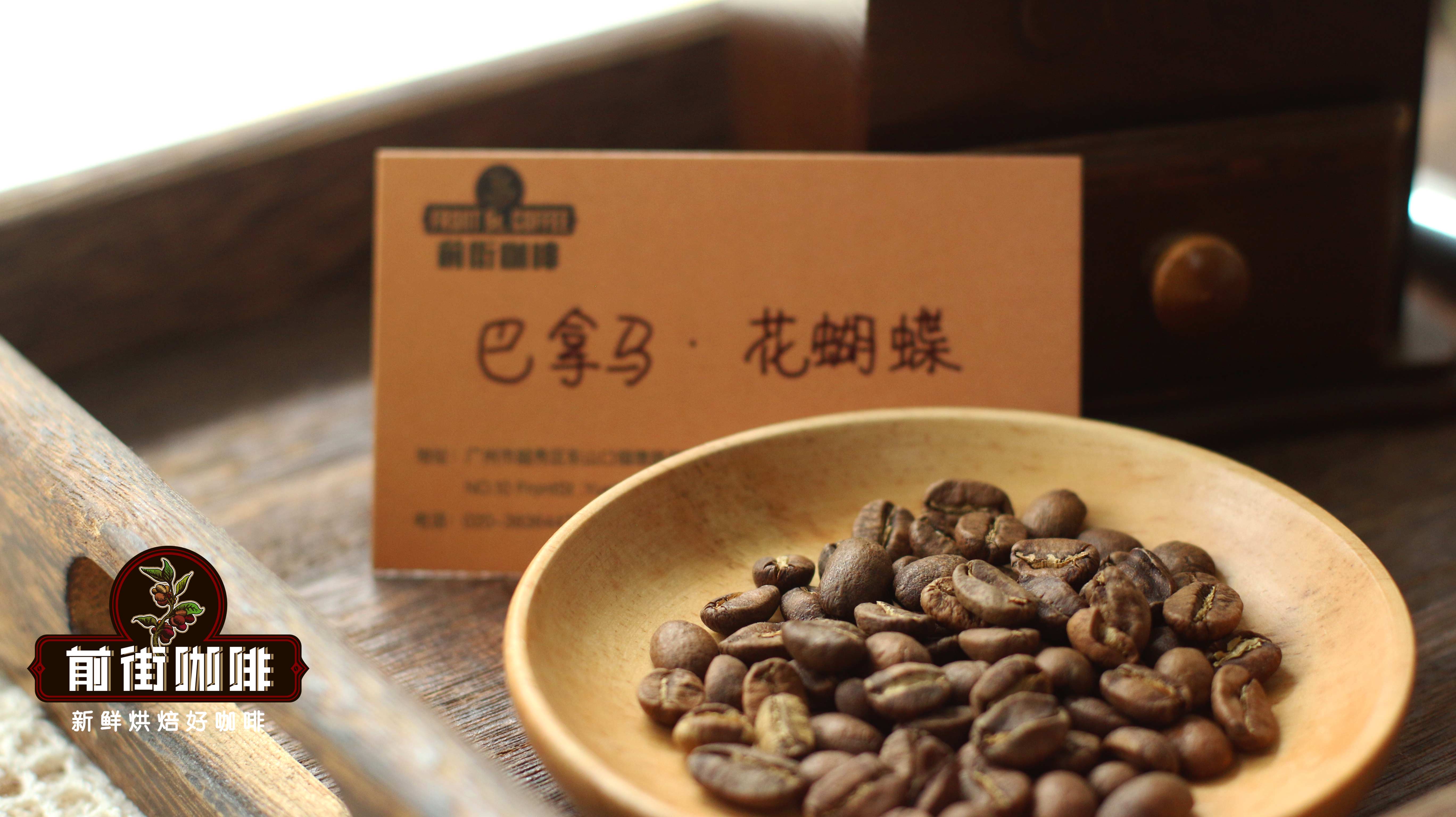
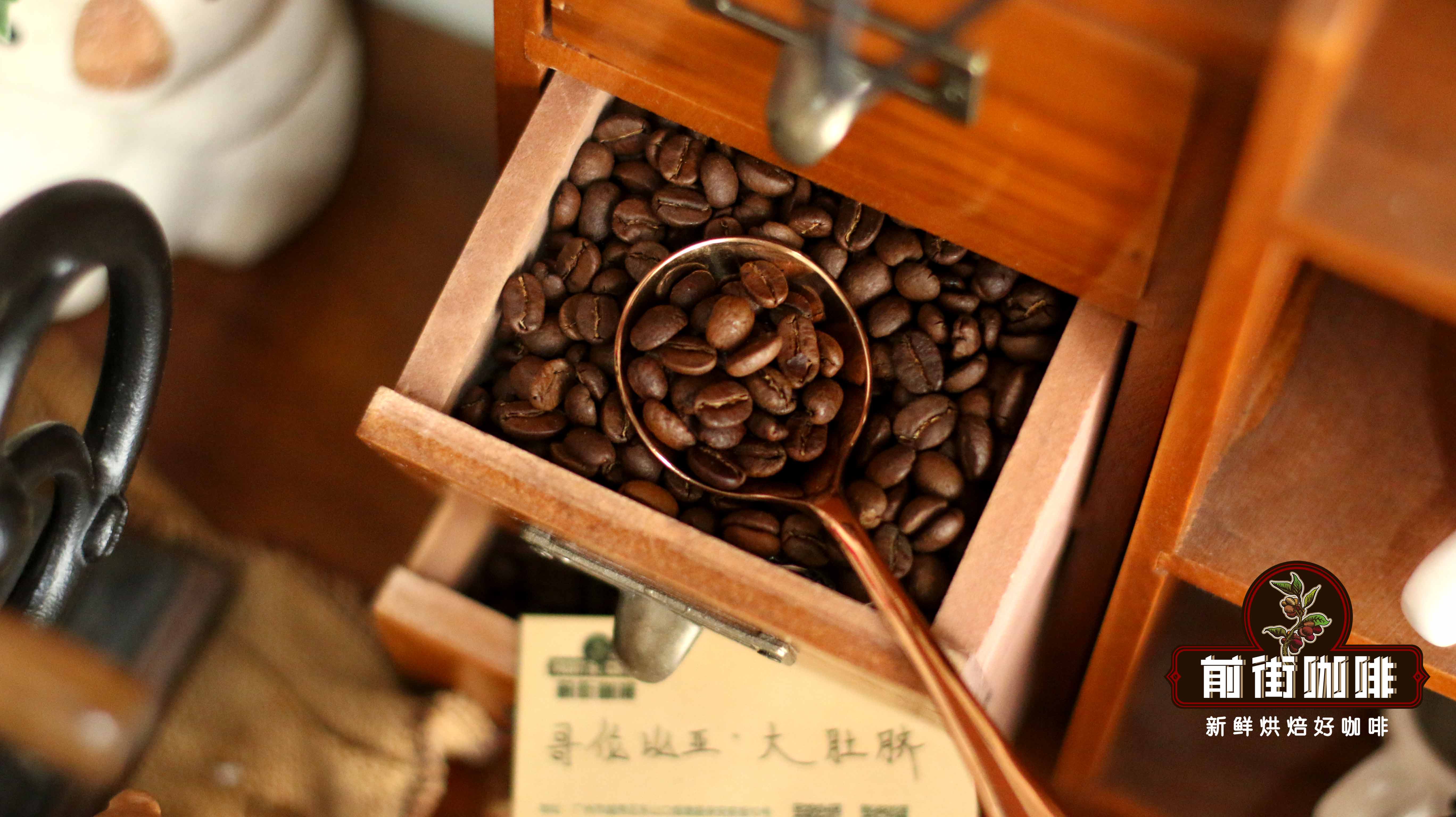
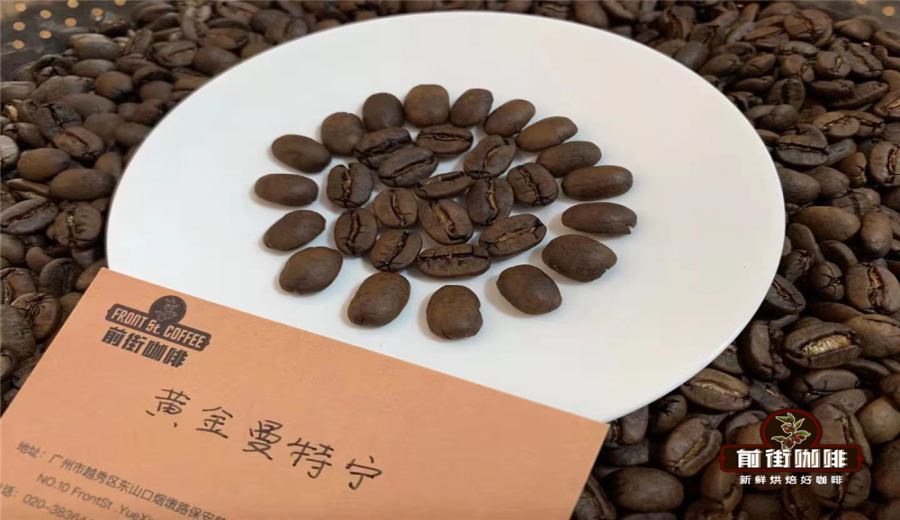
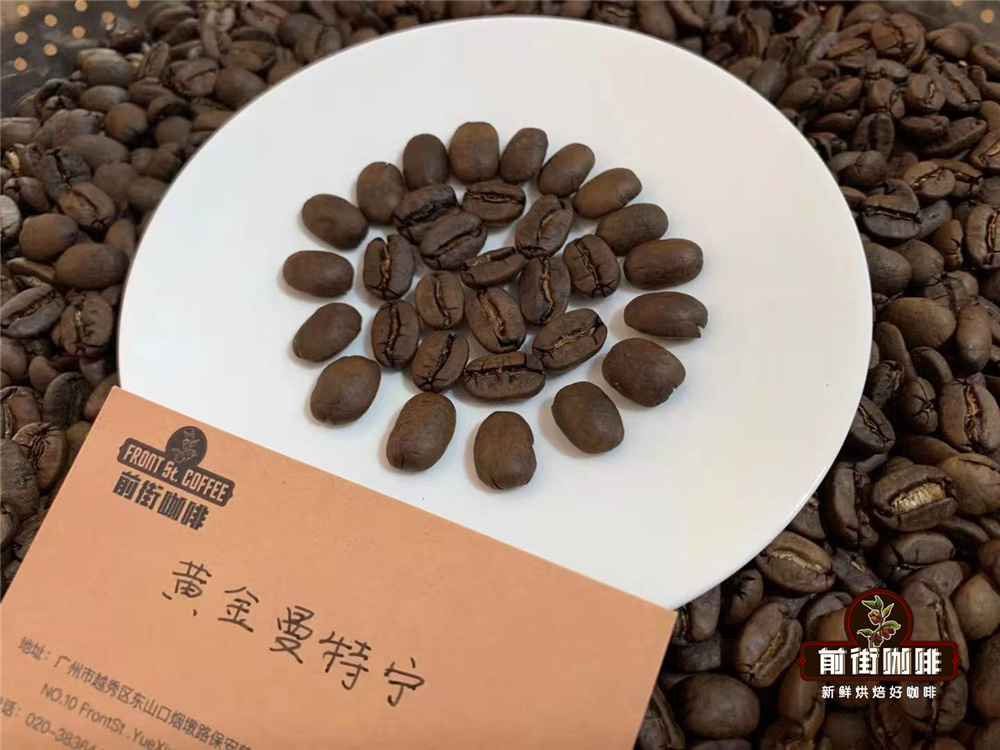
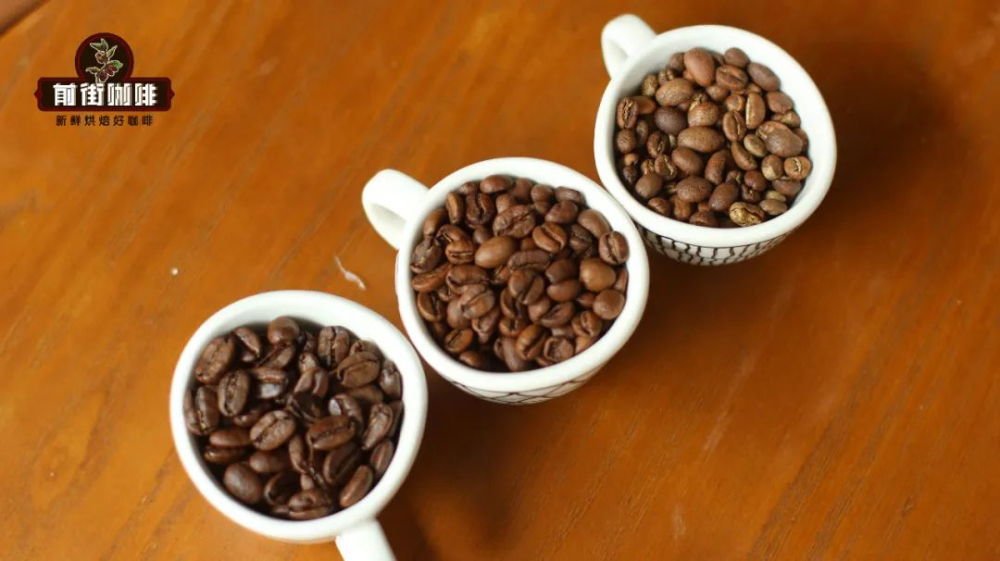
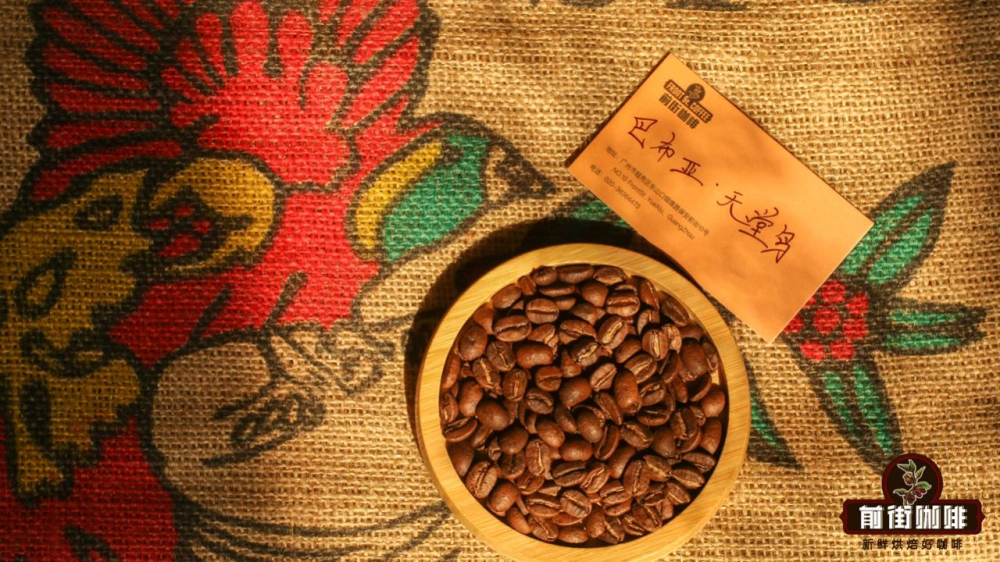
The choice of roast level should match regional characteristics and personal taste. Light roasts (like Yirgacheffe) focus on developing lemony acidity and floral notes; medium roasts (like Bird of Paradise) balance sweetness and fruit acidity, producing a warm texture reminiscent of toasted bread; dark roasts (like Golden Mandheling) use high temperatures to extend caramelization, forming a thick chocolatey and spicy finish.
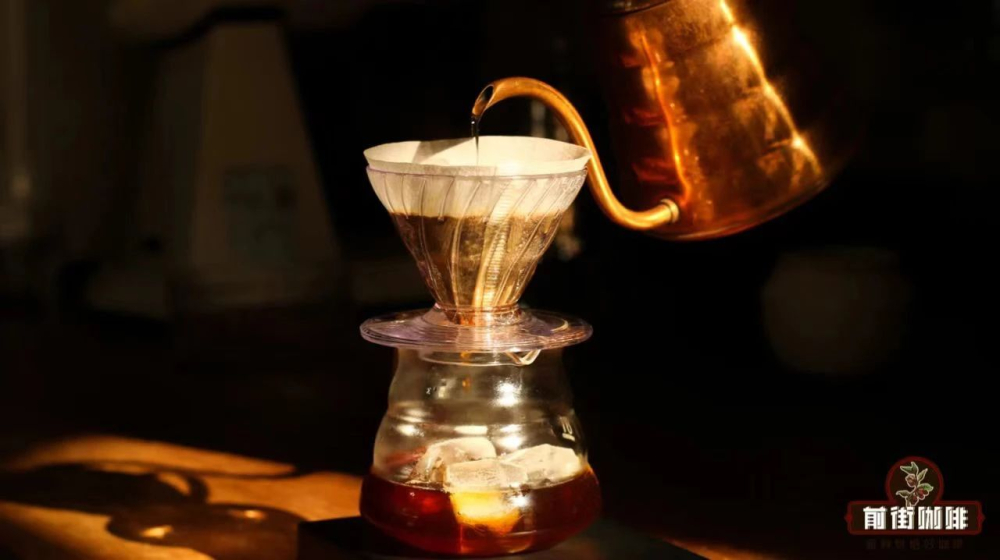
Beginners on a budget are advised to start with affordable, representative beans to avoid frustration from expensive beans affecting learning confidence. Focus on bean density, grind uniformity, and pouring technique stability, gradually building sensitivity to extraction parameters (e.g., water temperature 90–93°C, brew ratio 1:15–1:16).
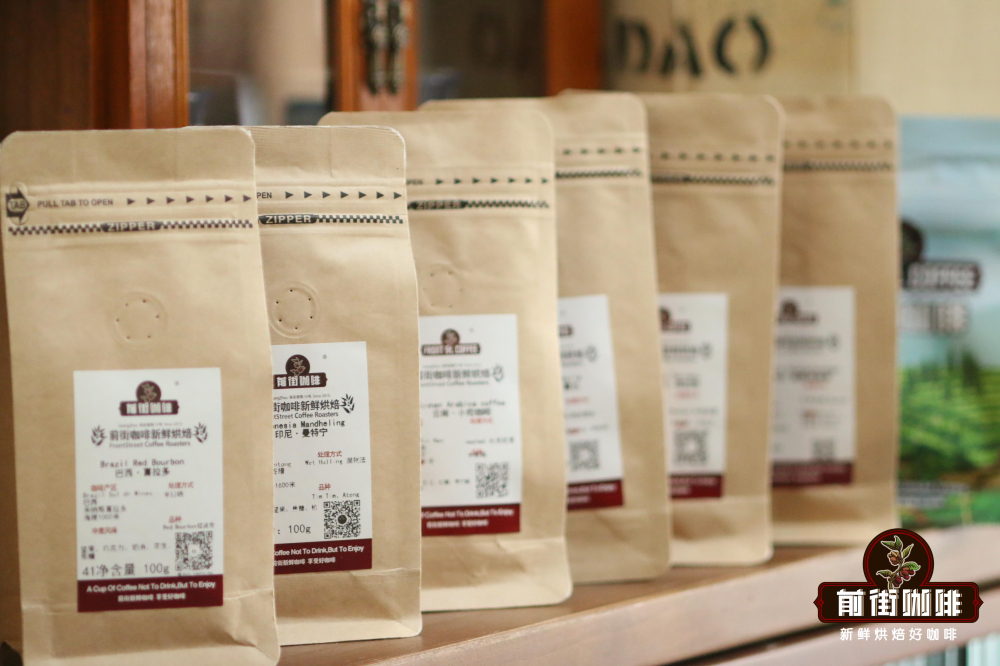
Based on common market needs, six foundational practice beans worth including are: Ethiopian washed Yirgacheffe (floral-citrus/light roast), Colombian Huila (balanced nutty tone/medium roast), Brazilian Cerrado (chocolate-nutty/medium-dark roast), Yunnan small beans (mellow tea-like feel/medium roast), Indonesian Mandheling (herbal-full bodied/dark roast), and Costa Rican Tarrazú (tropical fruit/medium roast). These beans cover major regional features and serve as a solid foundation for building a flavor map.
The above content is compiled by CoffeeHunters, a coffee news website.

