







Introduction:Want to find the perfect coffee beans for pour over, drip brewing, or the moka pot, but not sure where to start? This article provides a detailed breakdown of the best bean varieties for each brewing method — from the bright, fruity acidity of Yirgacheffe to the rich, bitter-sweet depth of Mandheling. We also recommend several high-value classic blends to help you choose the most flavorful beans based on your brewing equipment and taste preferences, elevating every brew experience.
For those new to coffee, choosing the right beans is the first step to enjoying pour over or espresso. Whether you're after crisp, bright acidity or a bold, full-bodied cup, different brewing methods suit different types of coffee beans. Understanding the characteristics of each bean type and recommended parameters is key to unlocking their full potential.
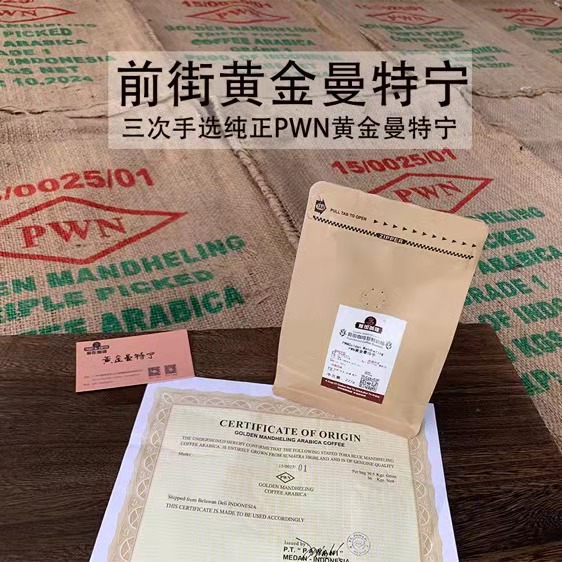
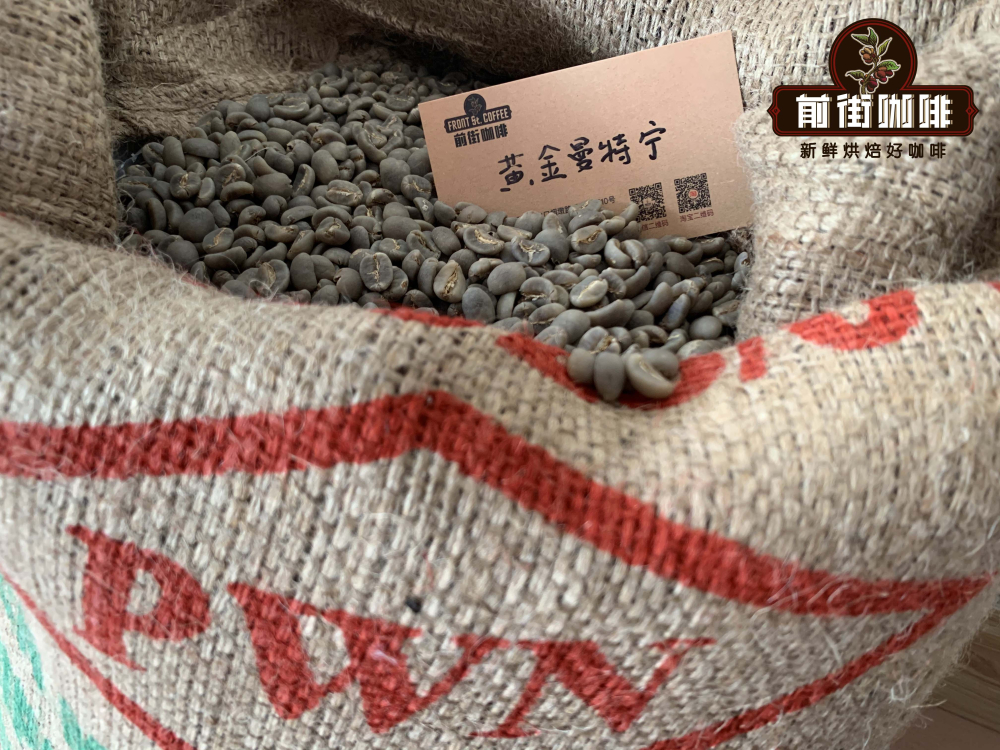
For users of pour over brewers or American drip machines, we recommend several representative coffee beans. First up is Golden Mandheling from Indonesia, sourced from the Gayo Highlands in Aceh. It’s known for its strict selection criteria — only beans sized 18+ that have undergone three rounds of manual sorting are chosen, with a defect rate below 3%, ensuring whole, pure beans. This coffee often features rich notes of nuts, dark chocolate, and subtle herbal aromas, making it ideal for those who enjoy a bold flavor with a refreshing kick.
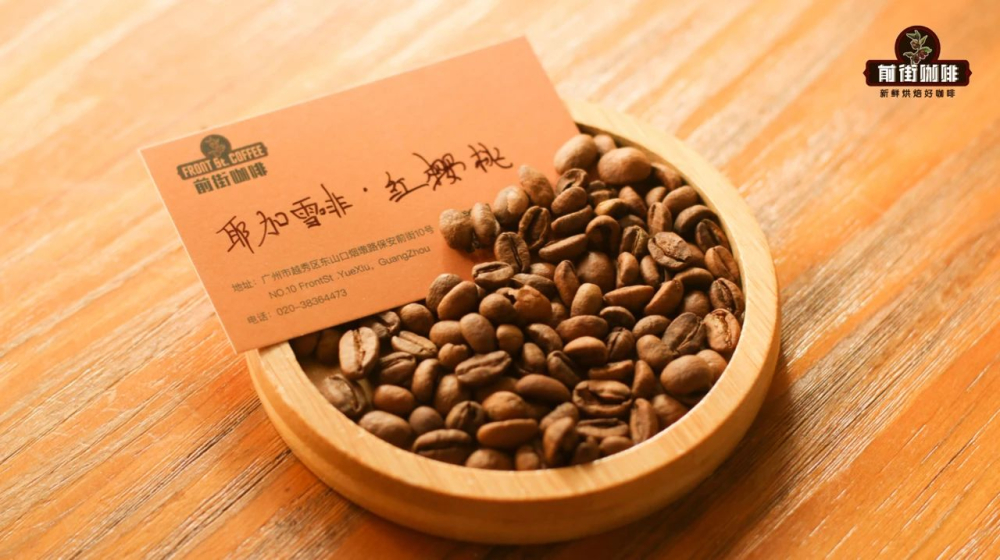
Another highly acclaimed option is Yirgacheffe Red Cherry. This series originated from a quality improvement initiative launched by Dutch traders in 2007, focusing solely on harvesting fully red coffee cherries. By increasing purchase prices and subsidizing farmers, it ensures a stable output of premium flavors. This coffee typically exhibits bright citrus acidity and sweet berry notes, making it very approachable for those trying black coffee for the first time without overwhelming intensity.
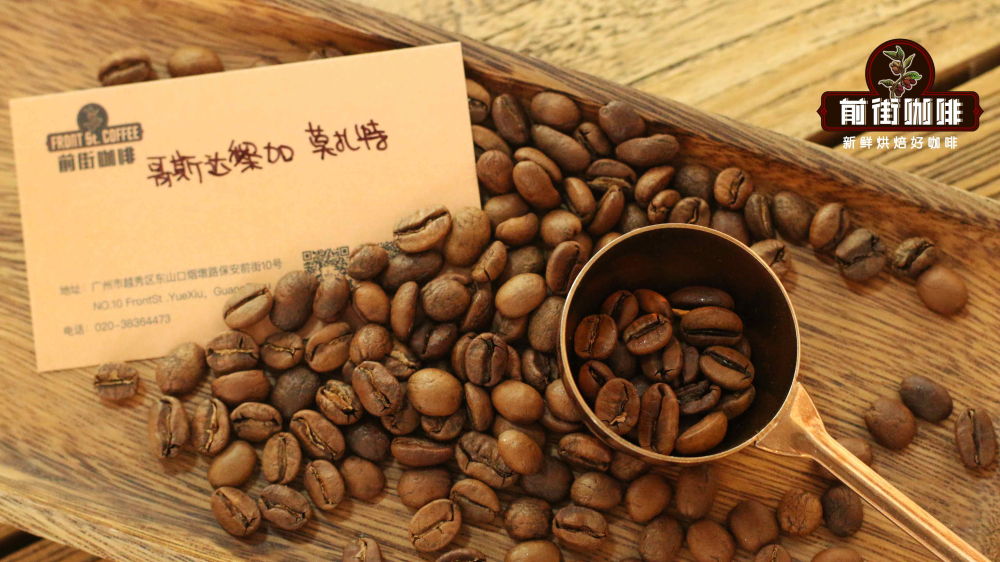
If you prefer options with dried fruit sweetness and gentle acidity, the Musician Series from Costa Rica — particularly the Mozart beans — are worth a try. These beans are processed using the raisin honey method, resulting in intense notes of grapes, berries, pineapple, and a unique osmanthus aroma. The cup is noticeably sweet, making it a great choice for pour over lovers who enjoy fruity profiles.
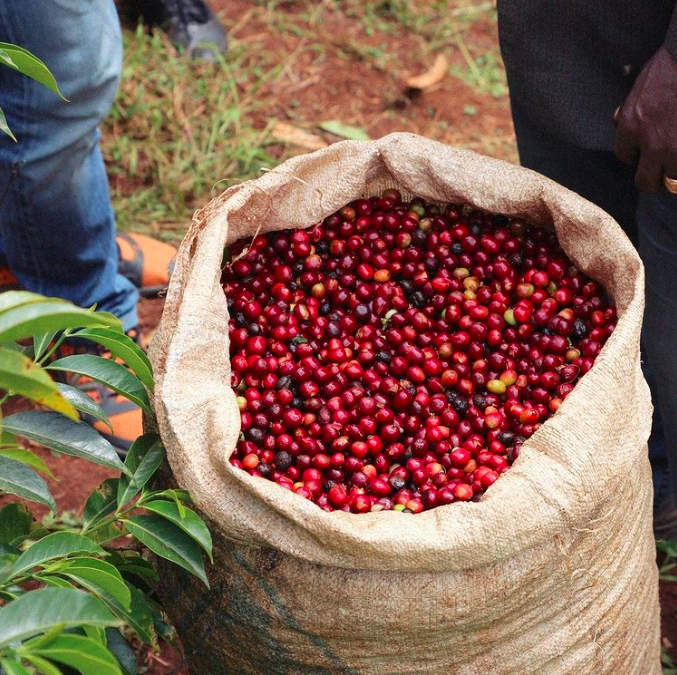
In addition, a certain brand’s 2013 coffee beans from Yunnan are also an option not to be overlooked. Planted in the Lincang region since 2013 using the Typica variety and adhering to traditional sun-drying methods, these beans showcase a brown sugar sweetness and a silky chocolate-like mouthfeel. They help break stereotypes about Yunnan coffee and are perfect for beginners wanting to explore local flavors.
Shifting to bean varieties suitable for milk-based drinks or espresso machines, classic blends are a solid choice. This blend combines Brazilian Red Bourbon, Indonesian Mandheling, and Vietnamese Robusta, producing a rich crema, sturdy body, and flavors of caramel, dark chocolate, and cream. When milk is added, it highlights notes of buttery cookies, cocoa, and nuts, making it an ideal base for lattes or cappuccinos.
If you’re on a budget but still want consistent performance, the Black Cocoa blend is a highly cost-effective recommendation. Dominated by Brazilian beans with Yunnan beans blended in for balance, it delivers a well-rounded flavor that’s easy to enjoy even for beginners or daily heavy drinkers. This blend works well with milk, offering warm notes of caramel and nuts, and is affordably priced at around 50 yuan per pound — perfect for everyday use.
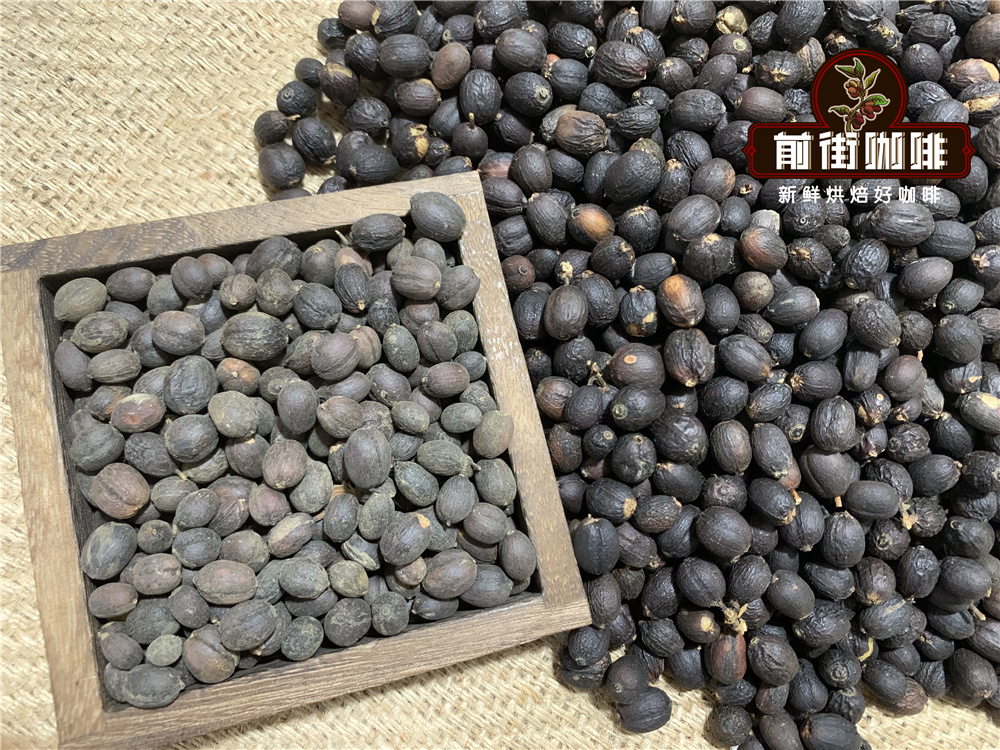
In summary, selecting coffee beans should involve a comprehensive consideration of brewing method, personal taste preference, and budget. For pour over or drip brewing, go for single-origin beans with bright acidity or balanced richness, while for espresso or milk-based drinks, blends are preferable for their stable and complex flavor profiles. Familiarizing yourself with the characteristics and recommended extraction parameters of various beans will take your coffee experience to the next level.


The above content is compiled by CoffeeHunters, a coffee news website.

