







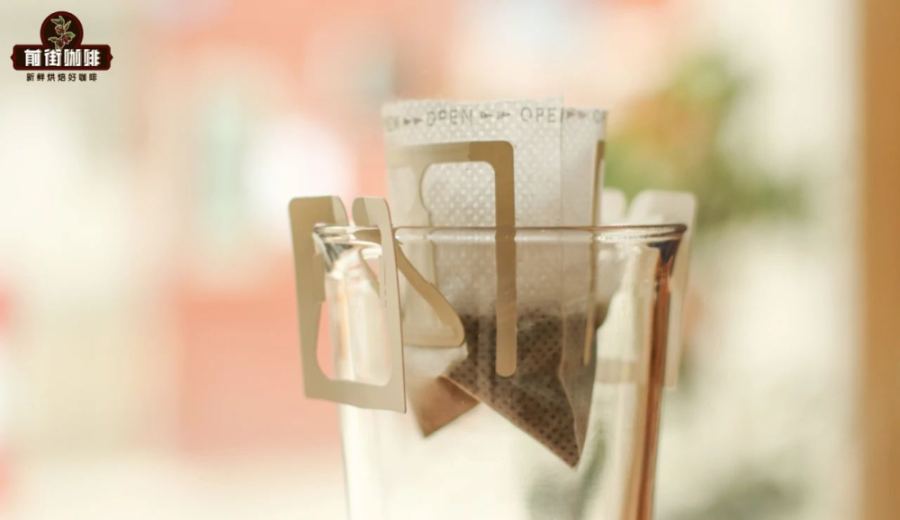
Introduction:Drip bags are a convenient choice for busy modern coffee lovers who want to enjoy the flavor of pour over coffee, but how do you pick drip bags that are fresh and offer elegant flavors? This article explains the advantages of drip coffee bags, key selection tips, and recommends classic drip bag combinations with different flavor profiles. It also shares standard brewing steps and essential parameters so you can easily brew professional-level coffee.
In recent years, drip bags have become the top choice for many specialty coffee enthusiasts who want to avoid the hassle of manual brewing. Some believe that only freshly ground beans can truly showcase the essence of coffee, leading to skepticism about drip bags. However, as long as you choose the right product, the flavor performance of drip bags is not much different from that of pour over coffee—especially for beginners, it’s a friendly and efficient way to get started.
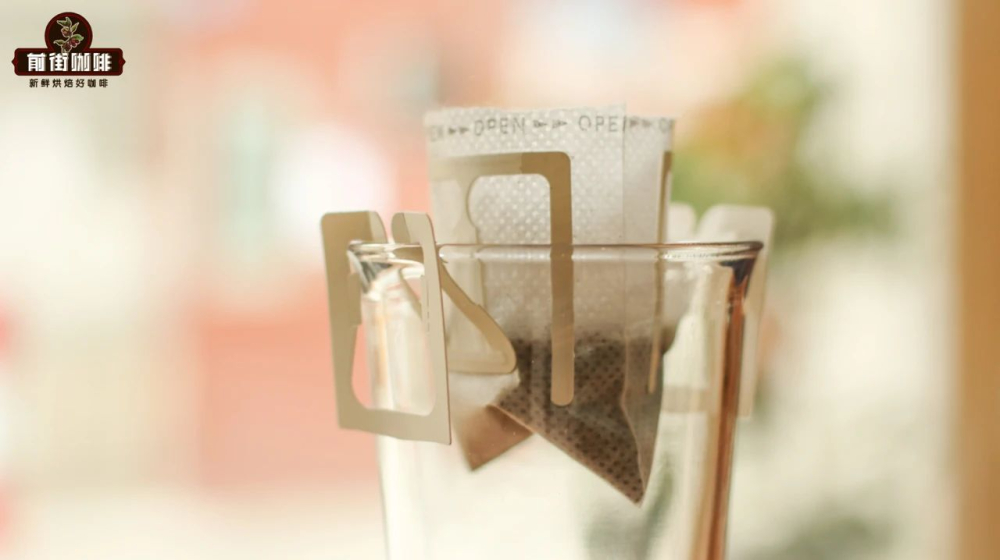
The packaging technology of modern drip coffee has advanced significantly, effectively blocking oxygen intrusion. As long as you choose drip bags made from freshly roasted beans and consumed within their optimal flavor window, their flavor performance can almost match that of freshly ground pour over coffee. The key lies in the quality and storage condition of the coffee beans, which are also important criteria for evaluating the quality of a drip coffee product.
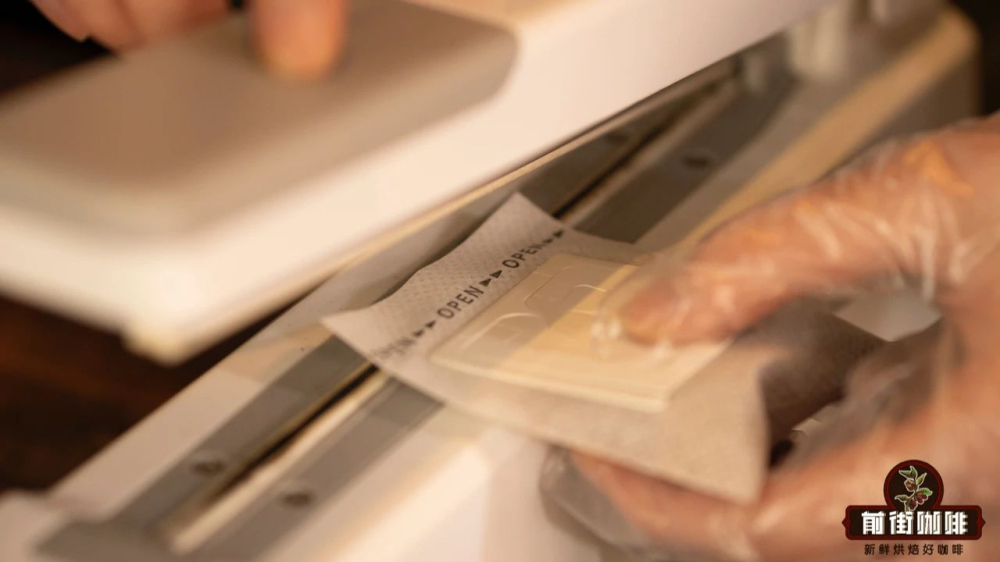
High-quality drip coffee is usually produced using freshly roasted and freshly ground beans. Before grinding, each batch of coffee is meticulously cleaned in the grinder to avoid flavor interference between beans, ensuring that each cup reflects the true characteristics of that particular batch. In addition, grind size is extremely important—too fine may lead to over-extraction and muddled flavors, while too coarse may result in under-extraction and a thin taste. After multiple tests, most brands opt for a medium-fine grind, suitable for most drinkers to brew aromatic and layered coffee with simple tools.
Faced with the many drip coffee products on the market, how can you choose without making a mistake? First,freshnessis key. It’s recommended to choose products with clearly labeled roast dates—the fresher the coffee, the richer the flavors. It’s best to consume the coffee soon after purchase. Additionally, the packaging should provide complete information, including coffee bean variety, origin, grind size, and roast date, allowing consumers to make choices based on their flavor preferences. Finally, coffees from different regions have distinctly different flavor profiles, so you can choose based on your personal taste when selecting.
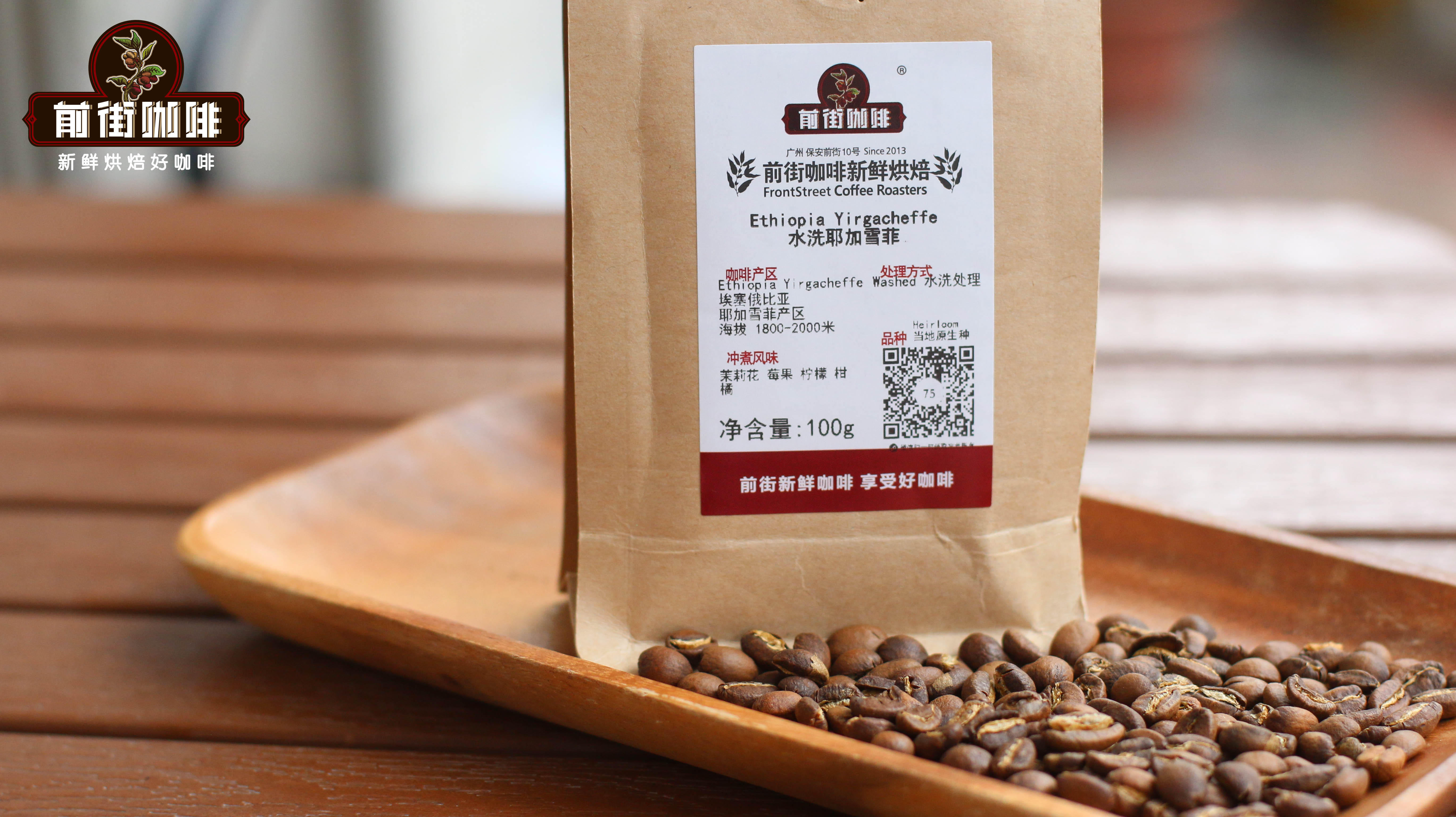
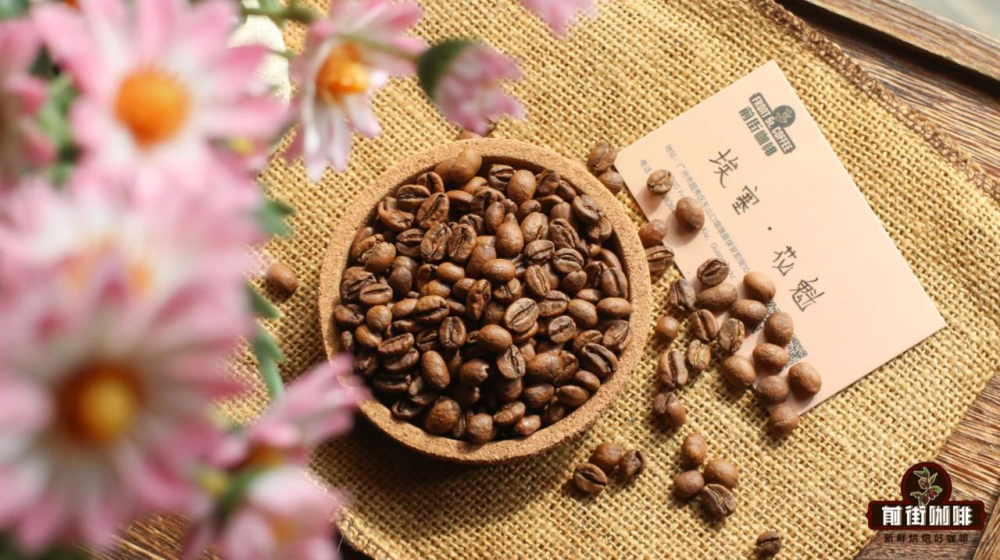
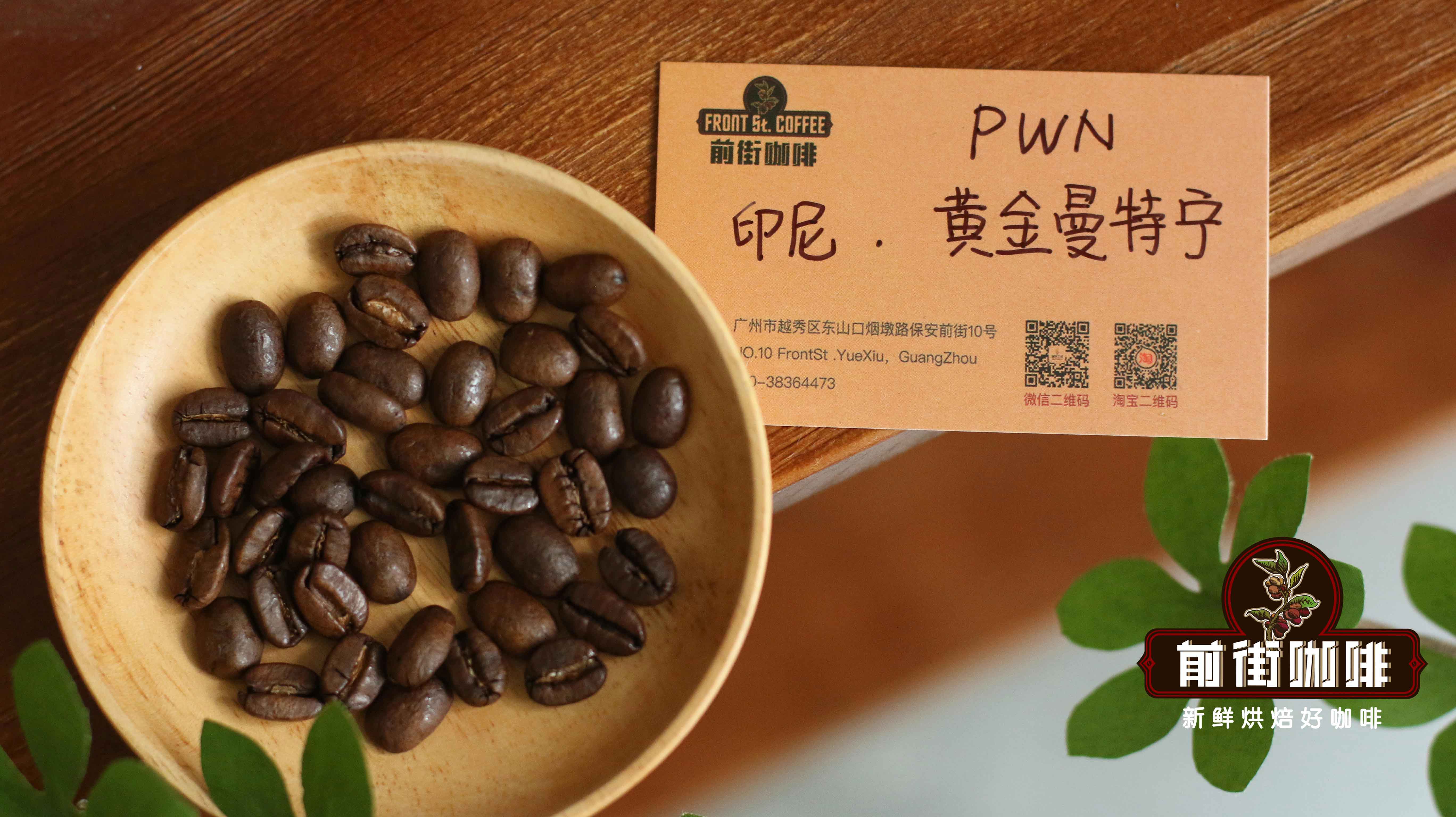
If you prefer floral and fruity notes with bright acidity, consider a Yirgacheffe drip bag featuring citrus, honey, and tea-like flavors—its refreshing sweet-tart profile is especially suitable for those who enjoy a clean taste. If you love the rich sweetness of tropical fruits, a Natural-process Huakui drip bag offers soft sweetness with notes of strawberry, mango, and caramel, featuring a complex profile and a long-lasting aftertaste. For those who dislike acidity and prefer a full-bodied taste, an Indonesian Golden Mandheling drip bag is recommended, with prominent aromas of spices, dark chocolate, and caramel, offering a rich and low-acid cup.
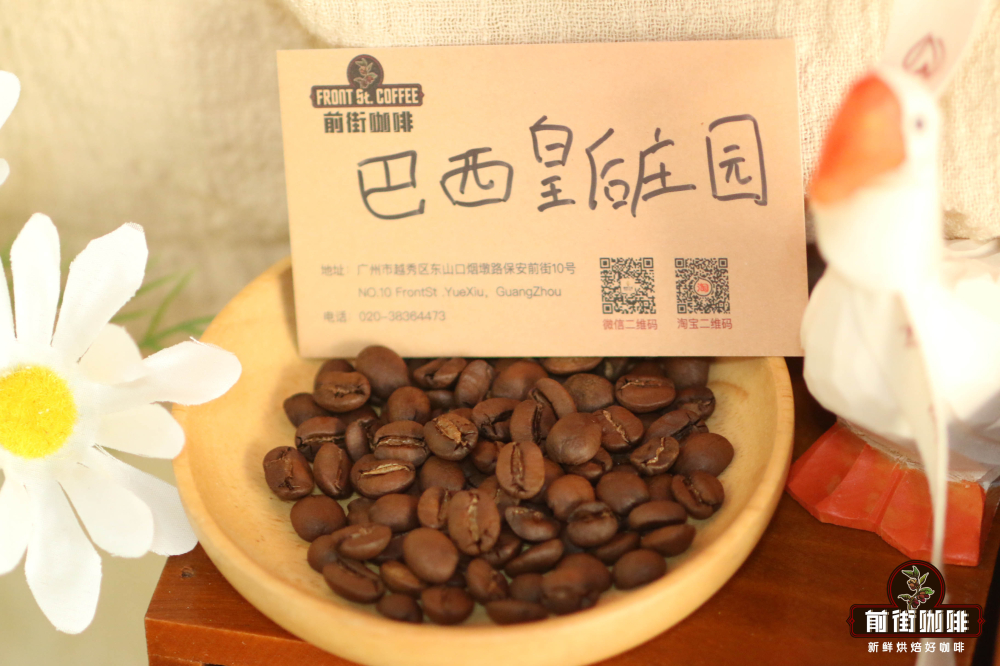
If you’re seeking a balanced and stable coffee experience, a Brazilian Queen Estate drip bag is a great choice, featuring a blend of nutty, creamy, and chocolatey flavors with a round, smooth mouthfeel—neither acidic nor bitter—and perfect for everyday drinking. Each drip coffee has its own unique personality, and you might choose based on mood or occasion, also experiencing the charm of different regions and processing methods.
Brewing a drip bag is similar to pour over but much simpler. Generally, each drip bag contains about 10 grams of coffee grounds—you don’t need to weigh them separately. It’s recommended to use a 1:15 to 1:16 coffee-to-water ratio, meaning you pour about 140 to 150 milliliters of hot water, with water temperature controlled at around 90°C. If you don’t have a thermometer, you can turn off the heat once the water boils and let it sit for 2–3 minutes to reach the ideal temperature.
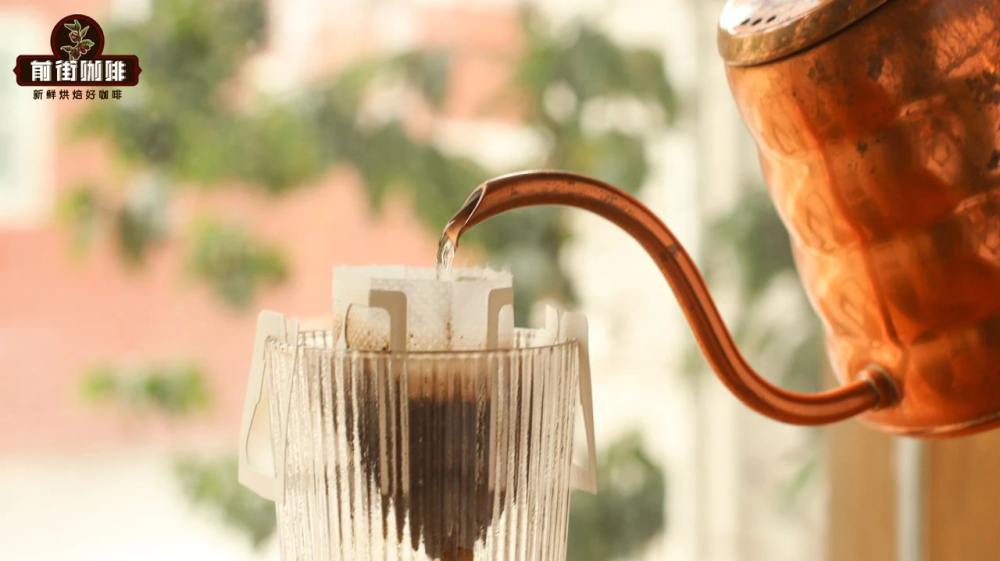
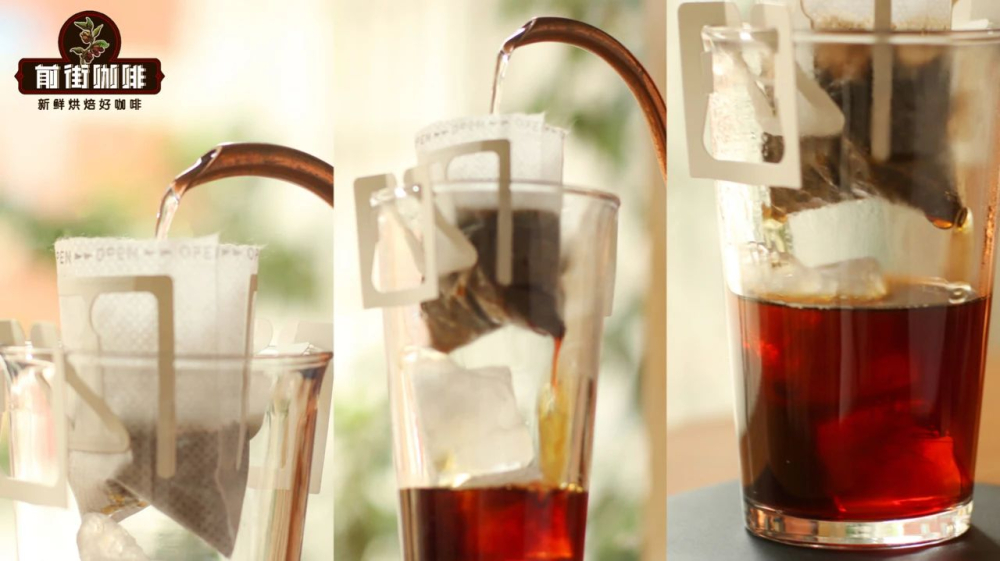
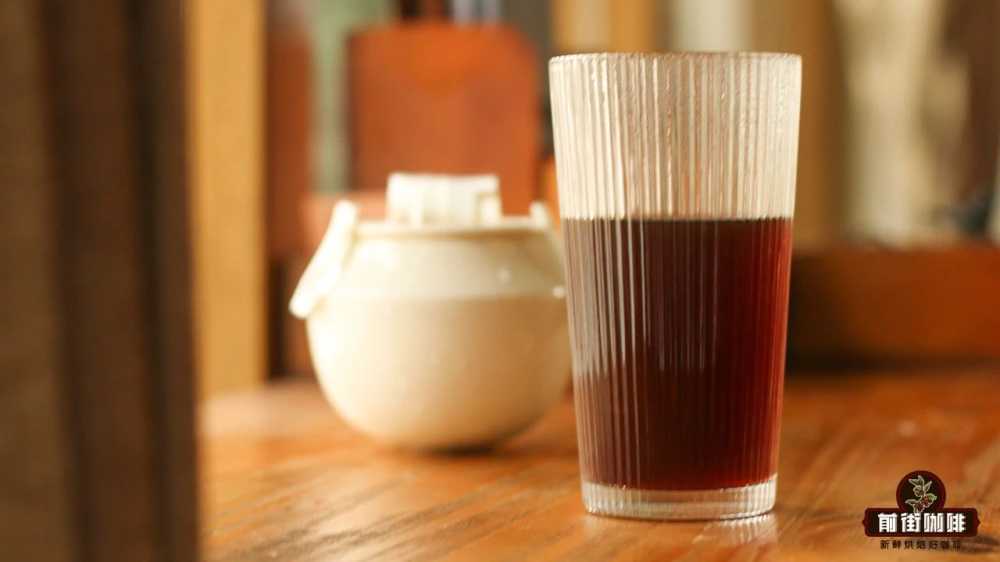
Before brewing, it’s recommended to preheat your cup. Then, tear open the drip bag’s seal, hang the two “ears” of the filter pouch on the edge of the cup, and gently shake to evenly distribute the coffee grounds. The first step is to fully wet the coffee grounds with a small amount of hot water for about 30 seconds of blooming to awaken the aroma. Then, pour water in small circles, waiting for the water level to slightly drop before continuing. Repeat this until you reach a total of 140 to 150 milliliters, then remove the drip bag—your delicious cup is ready.
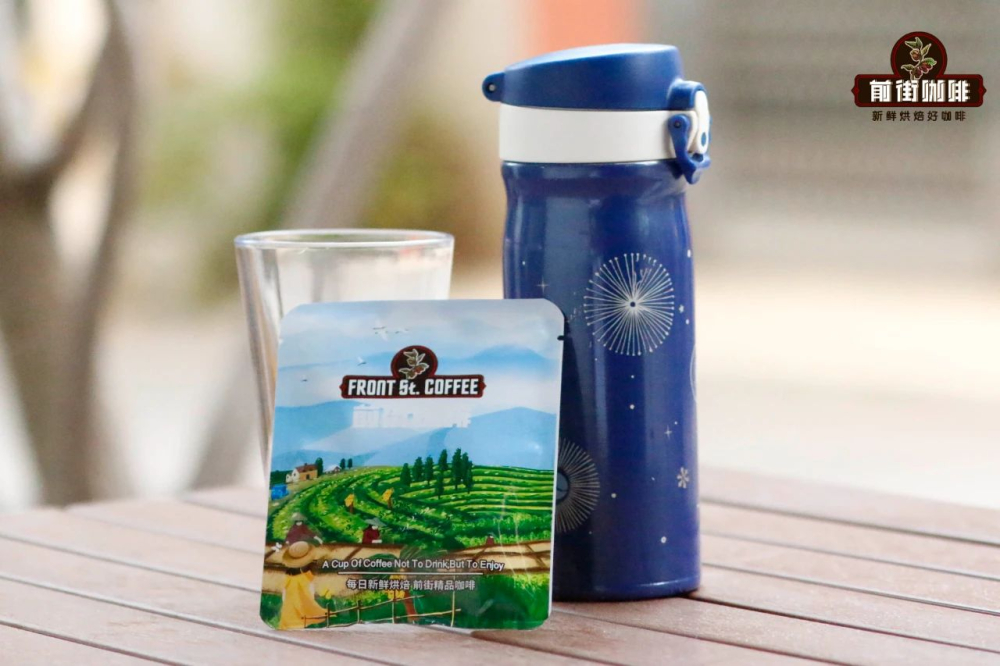
If you’d like more precise control over water volume, you can also directly pour 150 to 160 milliliters of hot water and remove the drip bag once all the water has filtered through. The whole process takes about one minute—simple and efficient. Please note that because drip coffee comes pre-ground, its flavors dissipate faster. It’s recommended to consume it soon after opening to enjoy the best flavor performance.
The above content is compiled by CoffeeHunters, a coffee news website.


