








Introduction:Choosing the right coffee beans is the key starting point for enjoying a great cup of coffee. This article selects top specialty coffee beans from ten renowned global regions, spanning from Brazil to Rwanda, covering a variety of flavors including light, medium, and dark roasts, along with practical pour over recommendations and extraction parameters to help beginners quickly grasp the characteristics of each region and select the single-origin beans that suit them—perfect whether for personal enjoyment or as a gift.
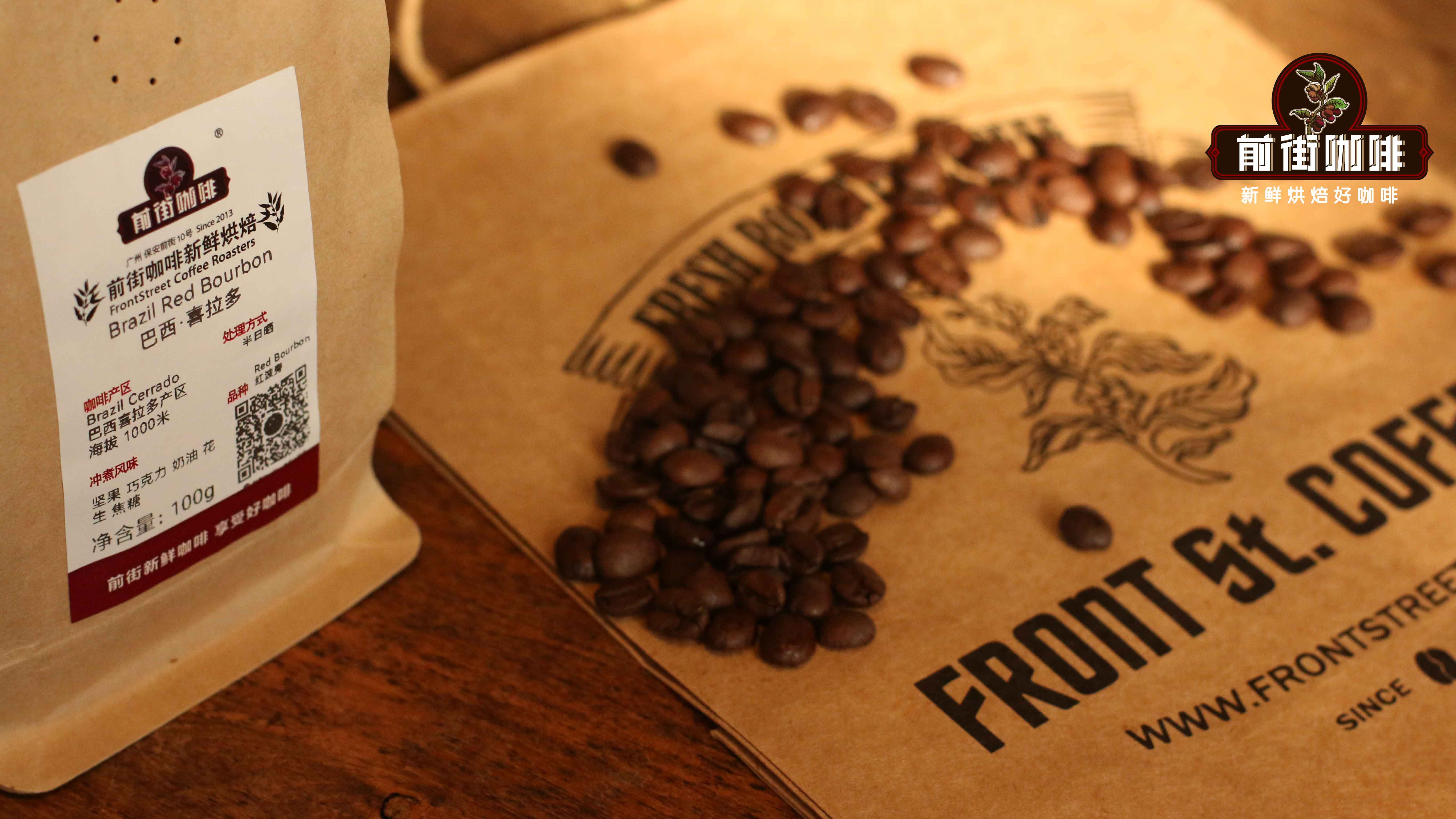
【Brazil】Cerrado Red Bourbon

As the world’s largest coffee-producing country, Brazilian coffee is known for its stable flavor profile. Cerrado Red Bourbon is a low-acidity bean variety commonly used as the base in espresso blends. It features distinct notes of chocolate, cream, and nuts, making it ideal for those who enjoy a rich and mellow taste. A medium-dark roast is recommended, and when brewing with a pour over method, use water at 92–94°C with an extraction time of around 2 minutes to fully highlight its full-bodied base.
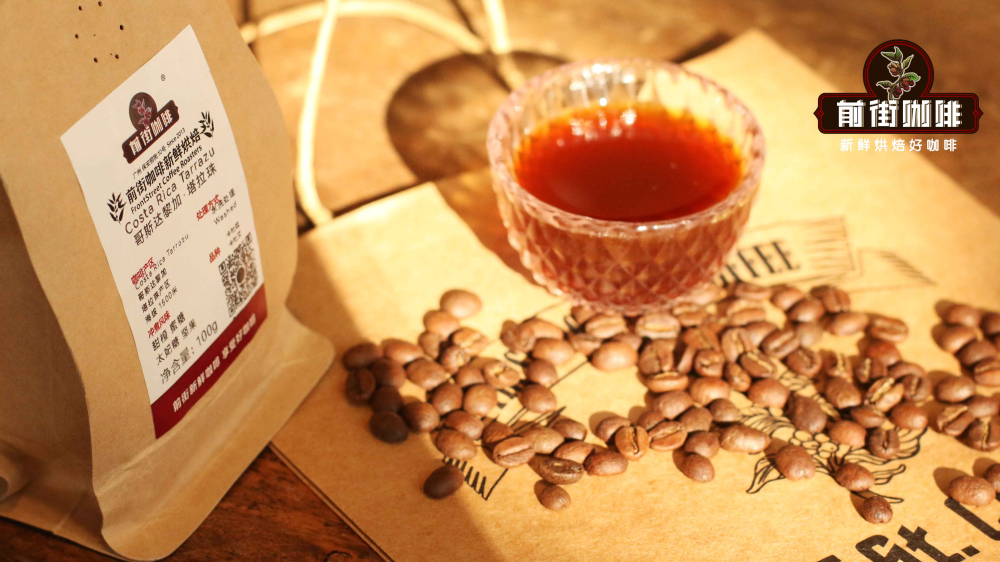
【Costa Rica】Tarrazú
Costa Rica’s volcanic terrain produces high-quality Arabica beans, with the Tarrazú region being particularly famous.Its fertile volcanic ash soiland stable climate create a balanced acidity and sweetness. The recommended beans have bright acidity reminiscent of sweet orange and citrus, paired with nutty and maple syrup undertones. A light to medium roast preserves more layers of fruit acidity, and using a V60 filter with a medium-fine grind and a 1:15 coffee-to-water ratio is ideal for pour over.
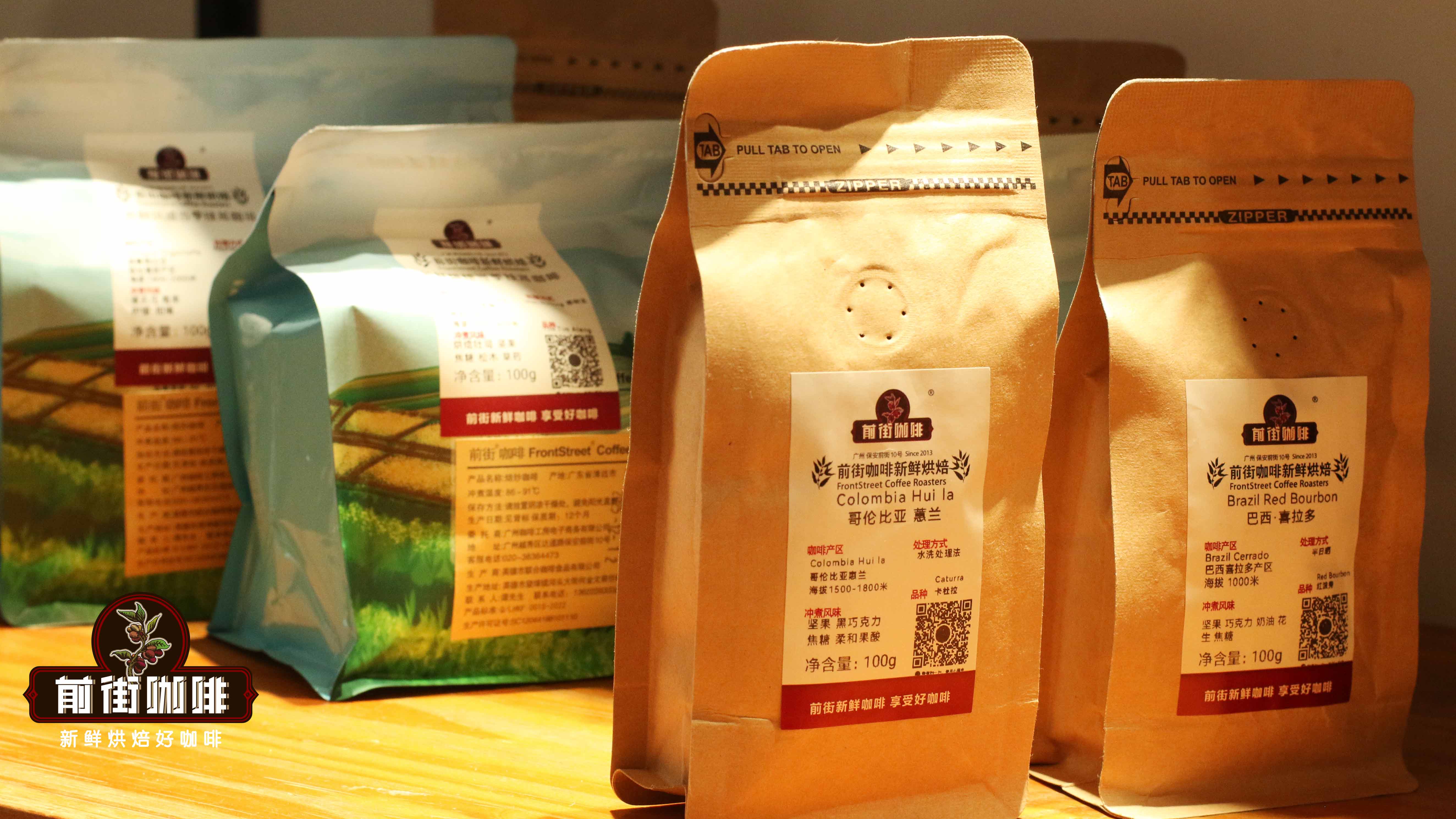
【Colombia】Huila
Coffee from the Huila region is known for its rich layered profile, with a mellow taste as complex as red wine.Notes of dark chocolate and caramelare its main characteristics, making it suitable for those who prefer sweet flavors. A medium-dark roast enhances its full-bodied texture, and trying a French press with water at 93°C and a 4-minute extraction can bring out delicate flavors of nuts and almond biscotti.
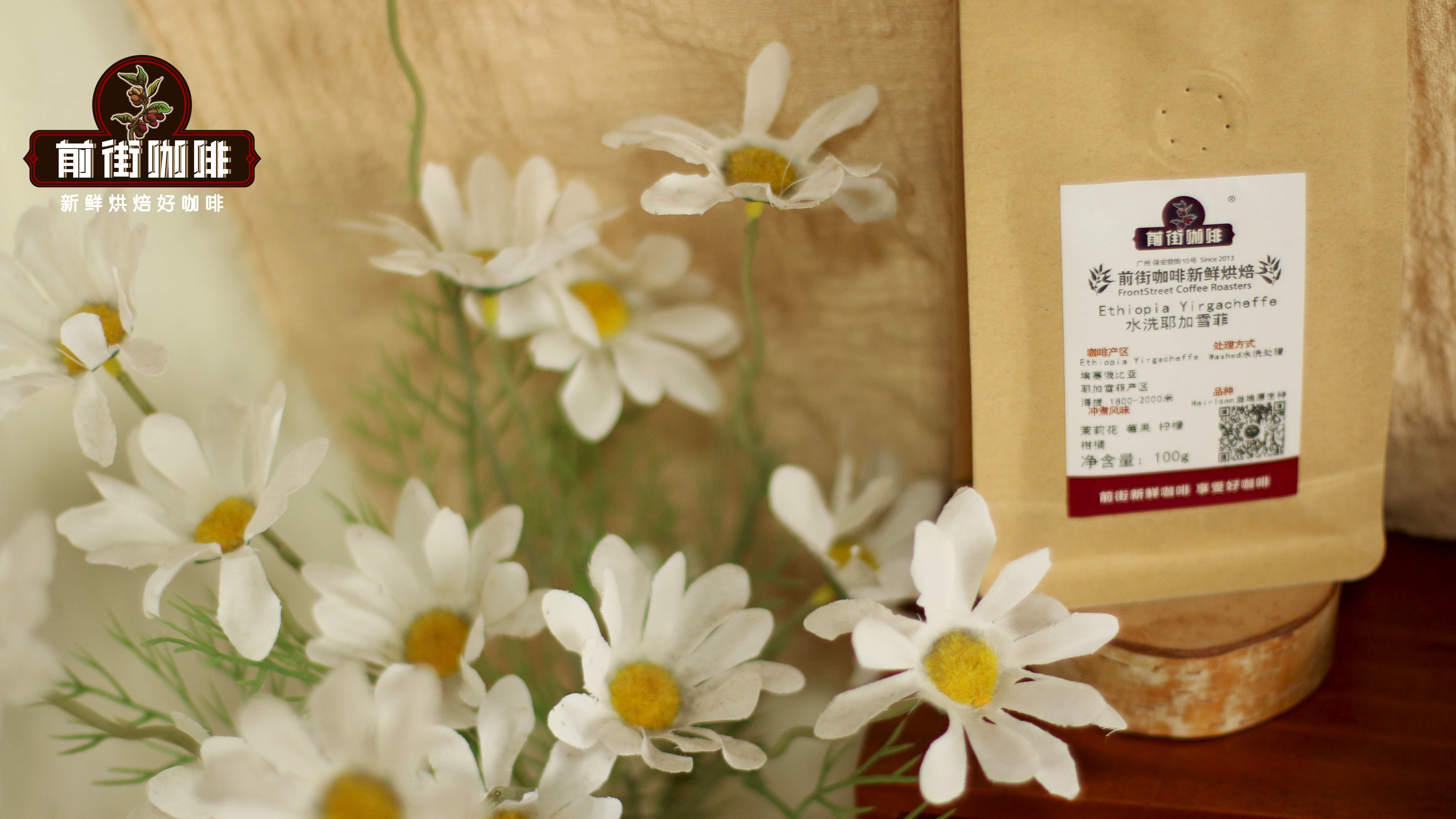
【Ethiopia】Yirgacheffe
As the birthplace of coffee, Ethiopia boasts the most native varieties. Yirgacheffe stands out for itstea-like body and floral aroma,with its light citrus notes making it a favorite among pour over enthusiasts. A light roast highlights its lemon and green tea flavors; using a Kalita Wave filter with a fine grind and water at 88–90°C, along with a multi-pour method, better showcases its complex aromas.
【Indonesia】Mandheling
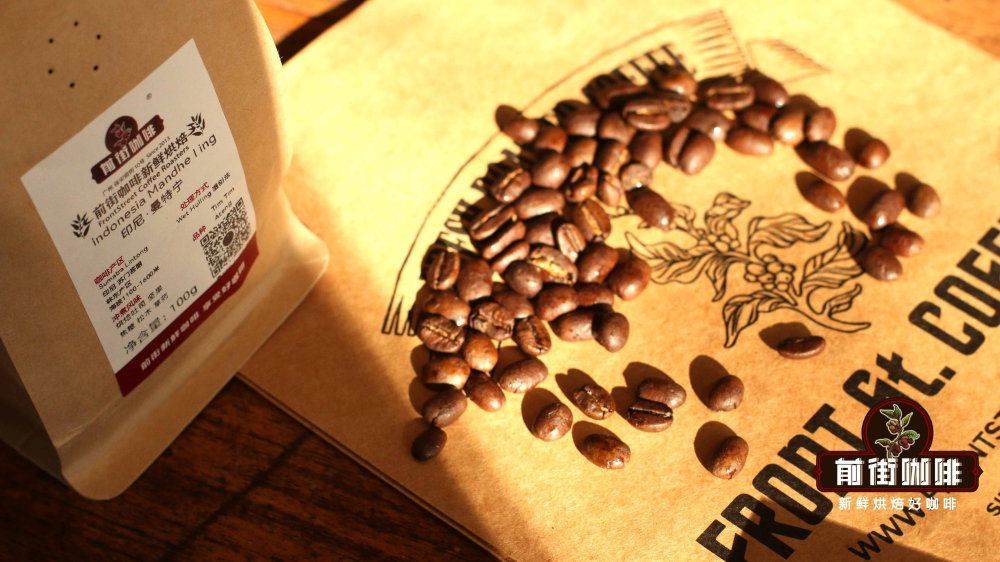
Mandheling from Sumatra is known for its uniqueherbal and spicy profile,with low acidity and high body, suiting those who enjoy bold flavors. Mandheling from the Lintong region often has notes of dark chocolate and caramel in the finish, and a medium-dark roast enhances its spice layers. For pour over, using an AeroPress with water at 91°C and a slow extraction helps reduce excessive bitterness.
【Honduras】Washed Catuai
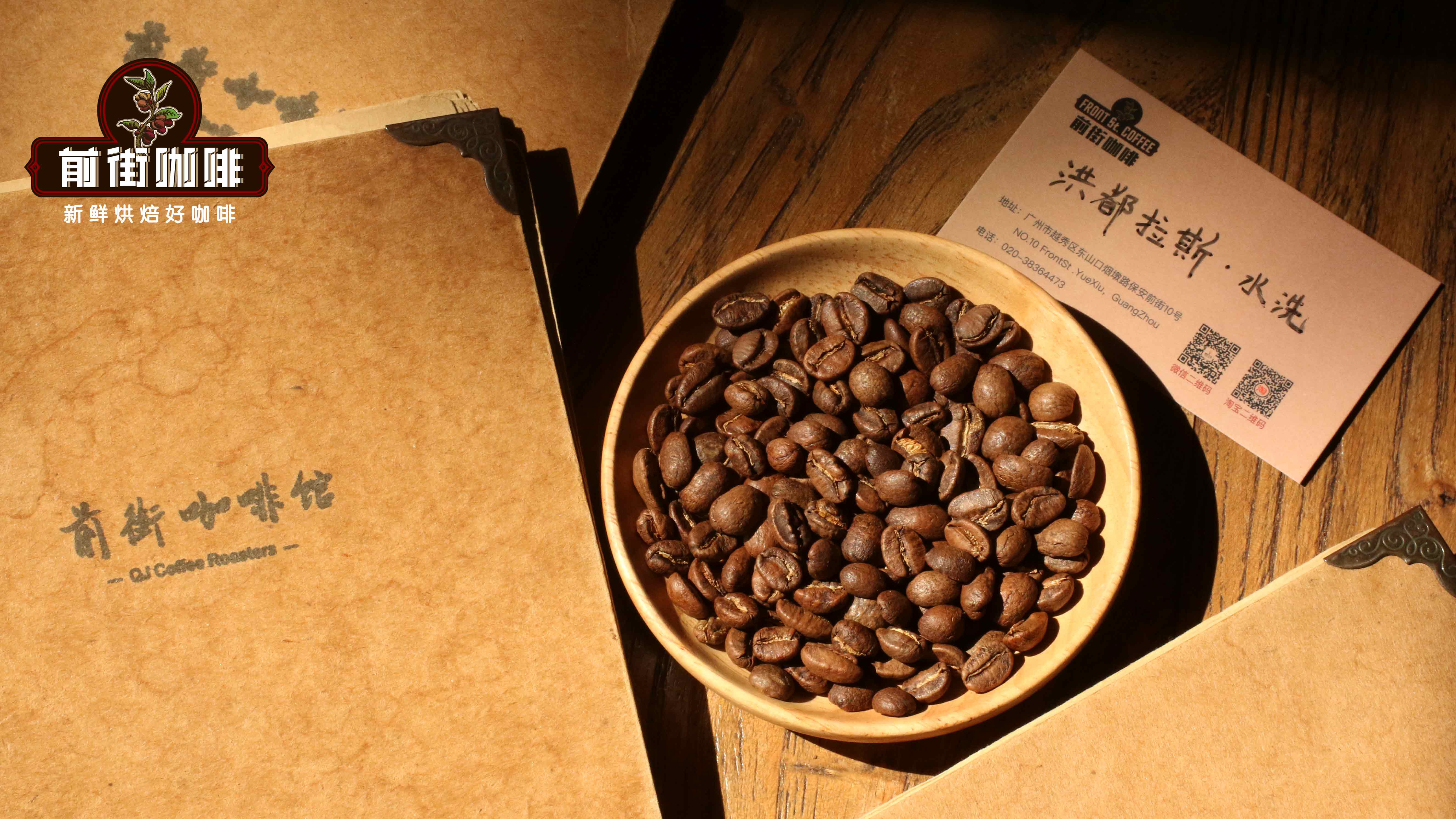
Honduras’ washed processing method highlights the coffee’s cleanliness, and the Catuai variety mainly featuresnutty and cocoa tones.Its malty sweetness is suitable for making cold drip or cold brew, and a medium roast balances the acidity and sweetness. When brewing with a pour over, it’s suggested to extend the blooming time to 40 seconds and use a coarse grind to avoid over-extraction.
【China】Yunnan Peaberry
Yunnan Peaberry coffee originates from the Typica variety,and its small bean sizeis one of its characteristics. Coffee from the Baoshan and Pu'er regions has seen significant quality improvements in recent years, often featuring notes of nuts and brown sugar. A light to medium roast retains its tea-like qualities, and using a fan-shaped filter with water temperature controlled at 90–92°C brings out its gentle chocolate and tea leaf tones.
【Panama】Emerald Diamond Hill

The Diamond Hill series, grown at altitudes of 1400–1700 meters, is known for itscitrus and black tea aromas.Variants of the Geisha variety often feature bright acidity and floral notes, and a light roast maximizes their complexity. Pour over is recommended using a Kalita 185 filter with ultra-fine grind and water at 89°C; a multi-pour method highlights the transitions between its black tea and nutty layers.
【Kenya】Little Tomato

Kenyan coffee’s uniquedouble washed processcreates exceptional clarity and brightness in acidity. The Little Tomato variety is known for its dark plum and black plum tones. With medium body and caramel sweetness, it suits iced pour over. A fine grind and water at 90°C for fast extraction enhances the contrast between its fruit acidity and fruity finish.
【Rwanda】Red Bourbon

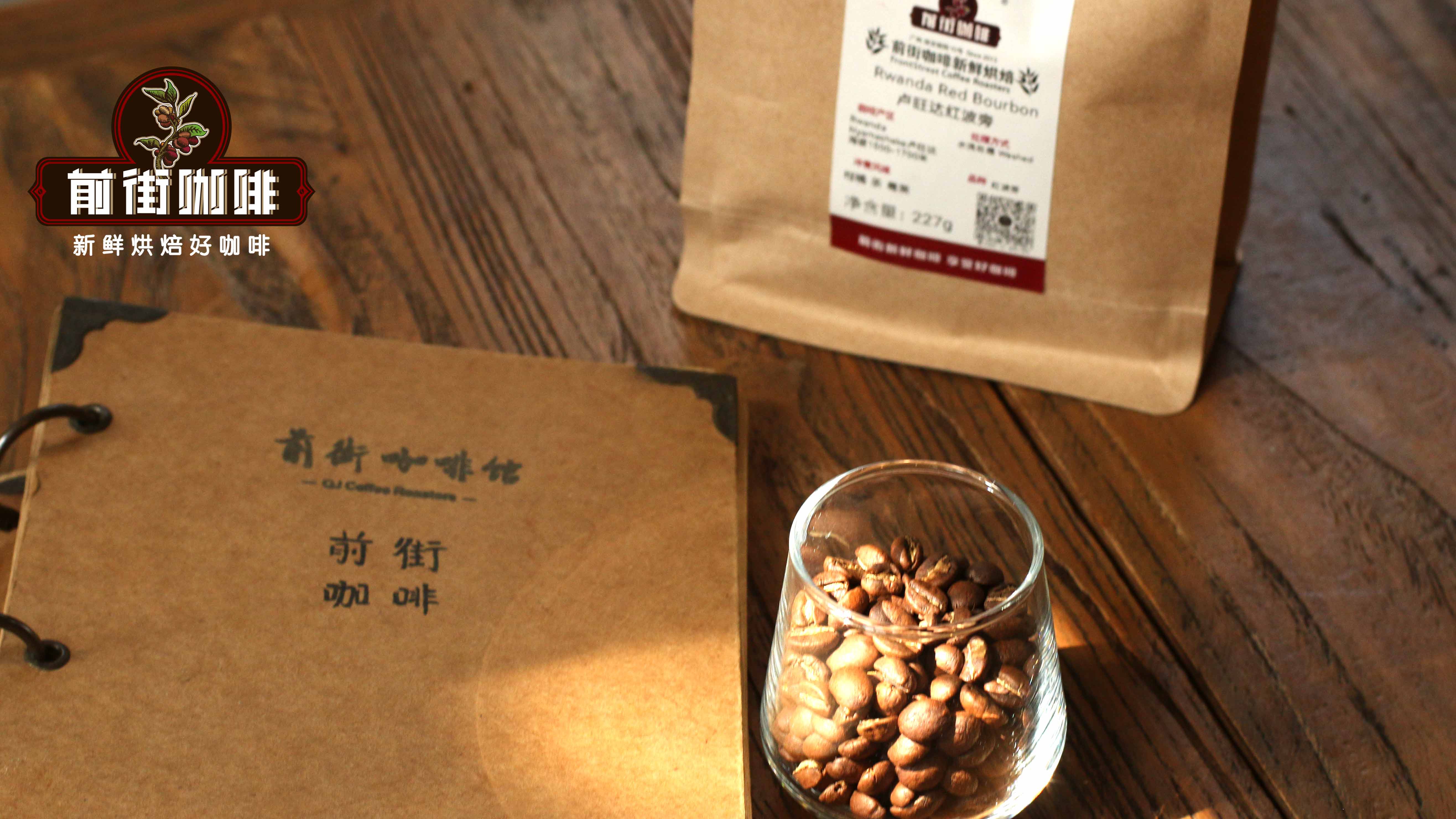
Rwanda’s rigorouswashed sorting processensures bean purity, and the Red Bourbon variety starts with notes of apple and green tea. The berry acidity then transitions into subtle floral tones, resulting in a clear overall flavor profile. A medium-light roast preserves its fresh qualities, and during pour over, it’s advised to use center pouring after the first bloom to avoid over-agitation that could affect the expression of acidity.
The above content is compiled by CoffeeHunters, a coffee news website.

