







Introduction:Selecting high-quality single-origin coffee beans is an essential skill for pour-over enthusiasts. This article curates ten globally renowned specialty coffee beans from top-producing regions, covering classic varieties such as Jamaican Blue Mountain, Panamanian Geisha, and Ethiopian Yirgacheffe. It details each bean’s altitude, processing method, and flavor profile, along with expert-level tasting notes and brewing parameters to help you build a comprehensive understanding of specialty coffee.
With the rise of the specialty coffee movement, global consumers face an unprecedented selection dilemma—from high-altitude Geisha to lowland Robusta, the thousands of single-origin beans available can be overwhelming. This article systematically outlines ten internationally recognized high-quality pour-over beans, with a special focus on top-tier Arabica representatives, helping you precisely match your personal taste preferences.
The Core Definition of Specialty CoffeeFocusing on a single origin and premium variety. Strictly speaking, specialty coffee refers specifically to single-origin beans that score 80 points or above in professional cupping evaluations, with over 95% beingArabica. These coffee trees grow at altitudes of 1200–2200 meters, with fruit maturation periods lasting 8–11 months, resulting in complex aroma layers and bright acidity structures.
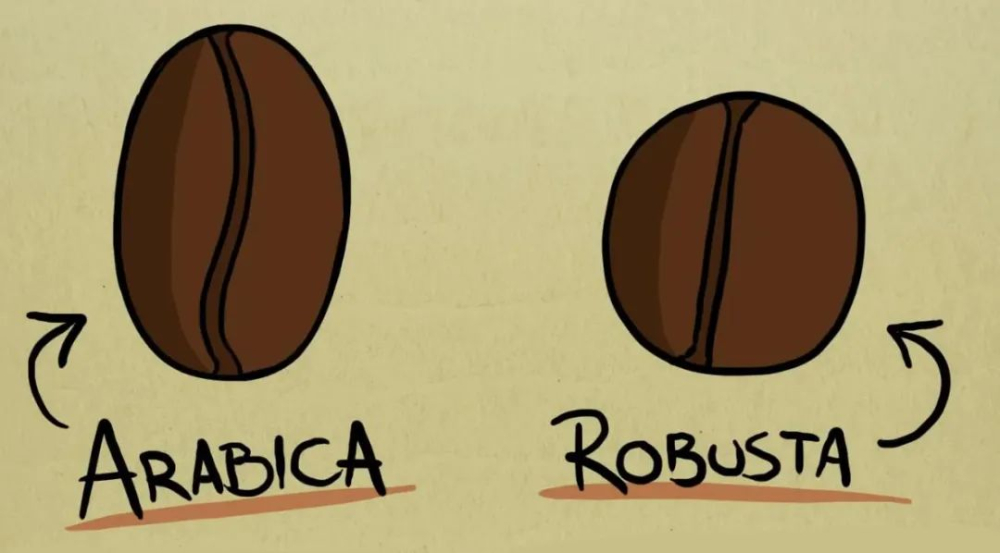
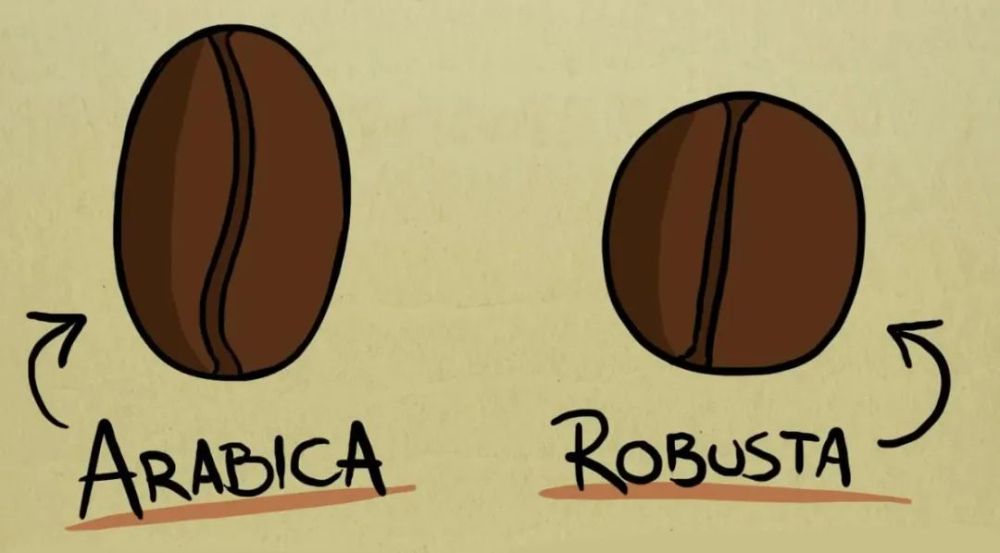
Key Differences Between Arabica and RobustaAre reflected in three dimensions: the former requires a cool climate with an average annual temperature of 15–24°C and is generally planted at altitudes above 1000 meters; the latter thrives in low-altitude (400–800 meters) hot and humid environments, with caffeine content reaching 2.7%, leading to prominent bitterness. Professional roasters recommend choosing Arabica grown above 1500 meters for pour-over, where the ratio of chlorogenic acid to sugar compounds can reach 1:15.
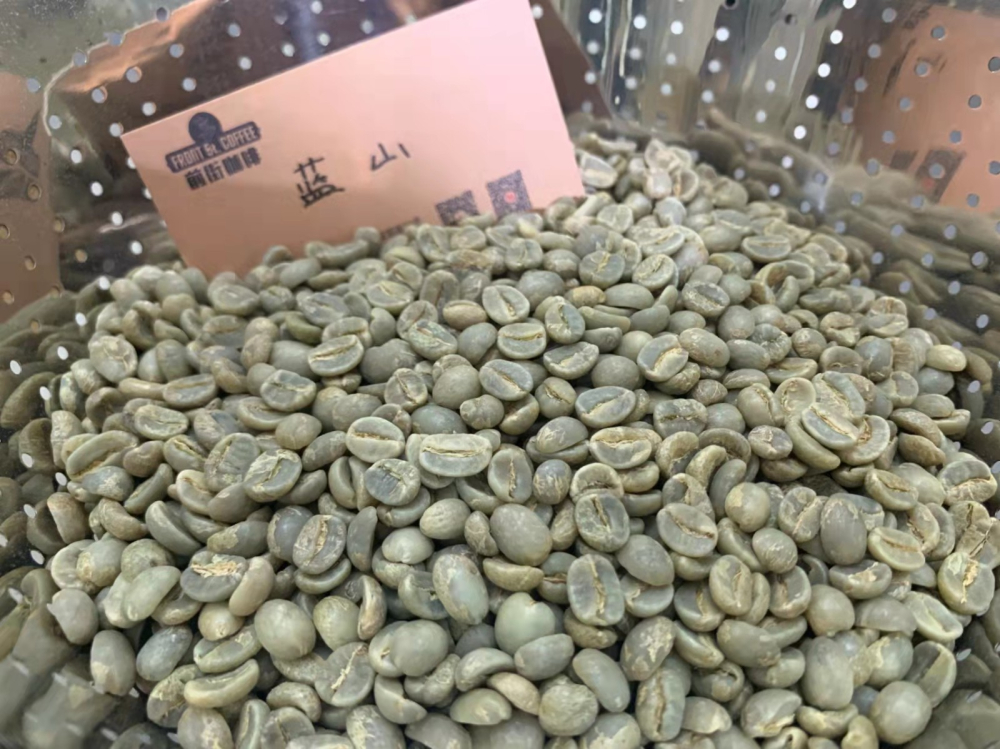
Modern specialty coffee has broken through purebred limitations by cultivating disease-resistant hybrid varieties through crossbreeding. For example, Catimor combines the leaf rust resistance of Timor hybrids with the flavor genes of Arabica, becoming the main cultivar in many regions. However, top-tier estates still adhere to traditional varieties, such as the unique Typica of Jamaican Blue Mountain, which has undergone two hundred years of varietal optimization.
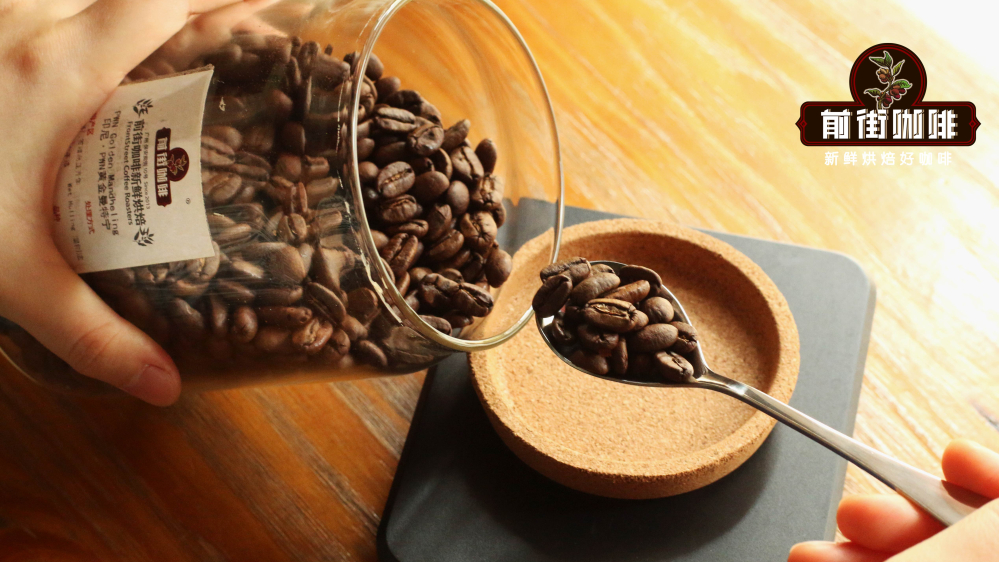
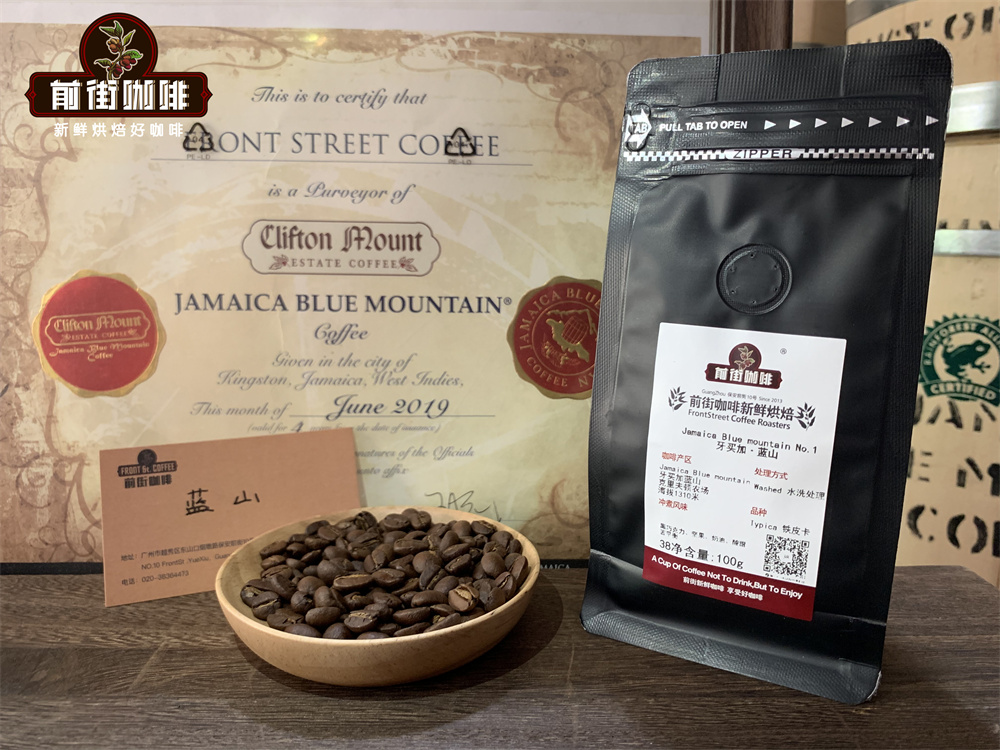
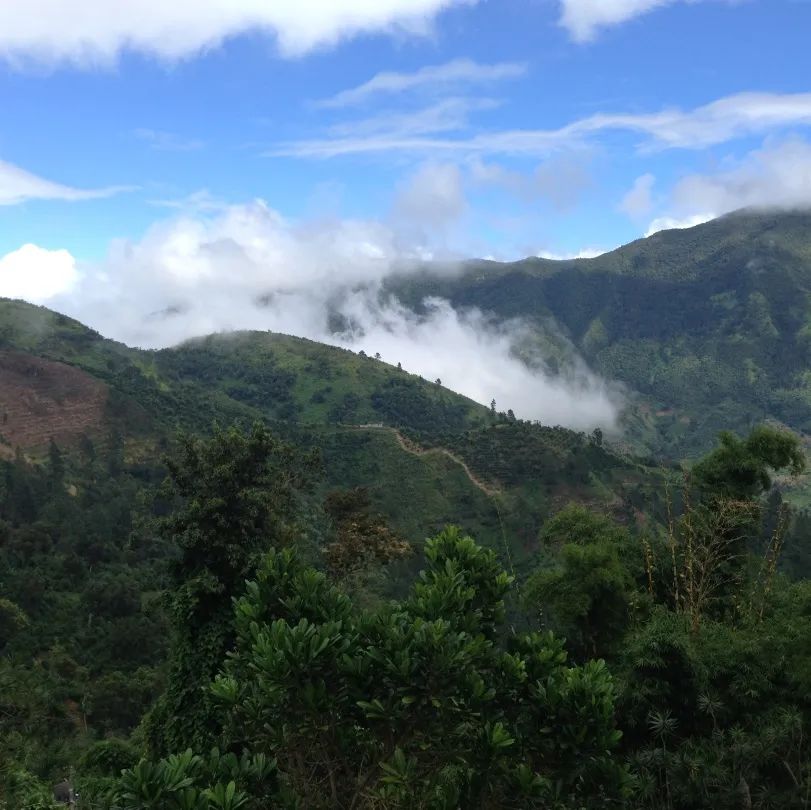
Jamaican Blue Mountain Coffee Beans(Country/Region: Jamaica Blue Mountain / Altitude: 1310 meters / Variety: Typica / Processing Method: Washed) are considered the Rolls-Royce of the coffee world. Itsthree certification characteristicsinclude: ① Limited to the legally designated 6000-hectare Blue Mountain mountain range ② Transported in wooden barrels ③ Featuring the Rainforest Alliance frog logo. The flavor presents black chocolate (70% intensity), roasted almonds, and a subtle citrus finish. It is recommended to use a water temperature of 90–92°C and a 1:15 coffee-to-water ratio for extraction.
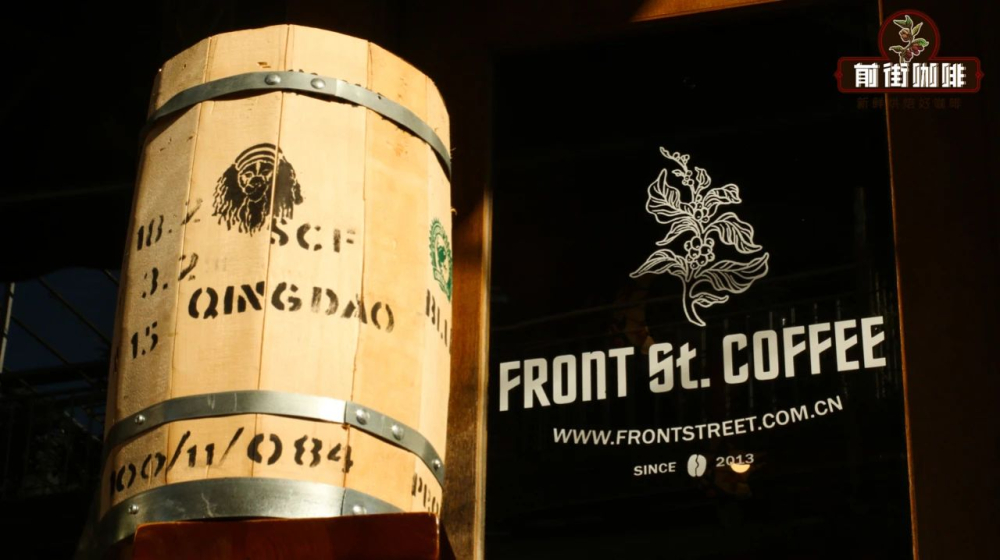
To authenticate genuine beans, observe three core indicators: the exporter must be an authorized company of the Jamaica Coffee Industry Board (JACRA), the inner walls of the wooden barrel should have a humidity-regulating coating, and the laser anti-counterfeiting mark on the barrel lid displays the Rainforest Alliance frog pattern. Common counterfeits are often blended beans processed in Kaohsiung, Taiwan, which can be identified by a lack of the "honey sweetness" unique to Blue Mountain in cupping.
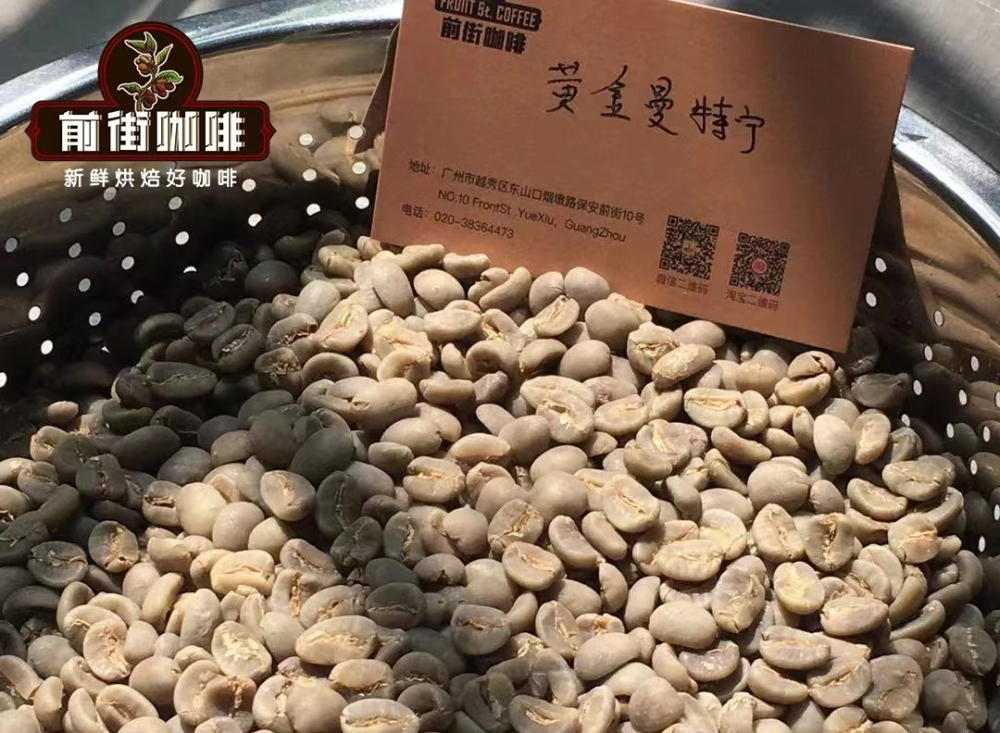
Indonesian Golden Mandheling(Sumatra Gayo Mountain / Altitude: 1100–1600 meters / Ateng Variety / Wet-Hulled Process) showcases the rich philosophy of Southeast Asian coffee. The latest batch undergoesfour rounds of manual sorting, resulting in a defect rate below 0.3%, giving it a uniqueroasted toastandpine smokecomplex flavor. The wet-hulled process accelerates drying, creating low acidity and high body. The optimal brewing method is 88°C low-temperature slow extraction, extending the blooming time to 45 seconds.
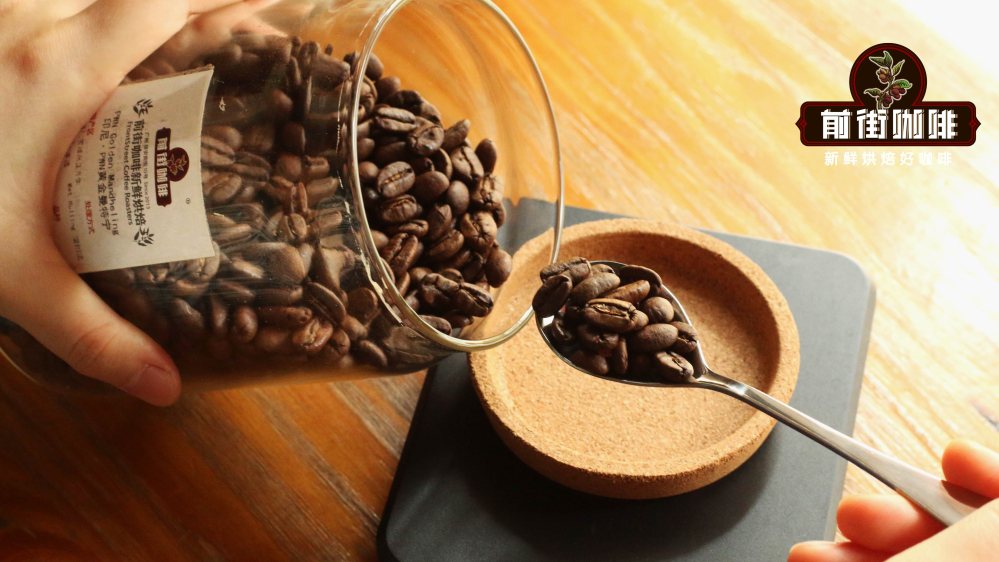
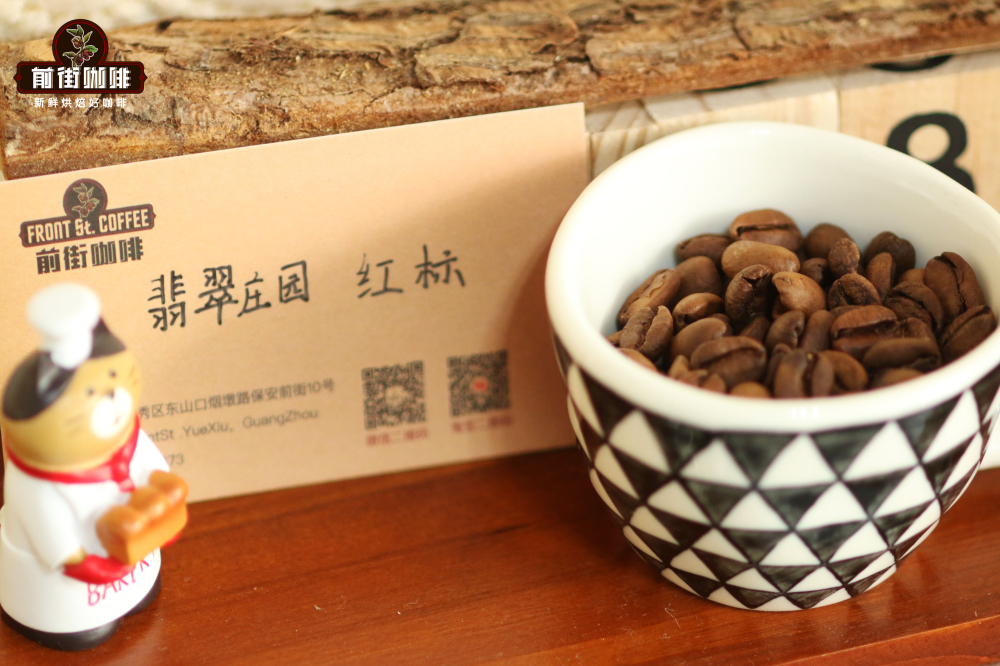
Panamanian Hacienda Esmeralda Geisha(Boquete Region / Altitude: 1700 meters / Geisha Variety) is divided into three quality tiers: Red Label, the competition-grade 90+ point selection from the Jaramillo microclimate plot; Green Label, a regular competition blend; and Blue Label, sourced from lower-altitude plots. The naturally processed Red Label Geisha unfoldsjasmine(intensity 8/10),lychee honey, andcaramel puddingin three layers of flavor. It is recommended to use a V60 filter and a center-pouring technique to highlight the floral notes.
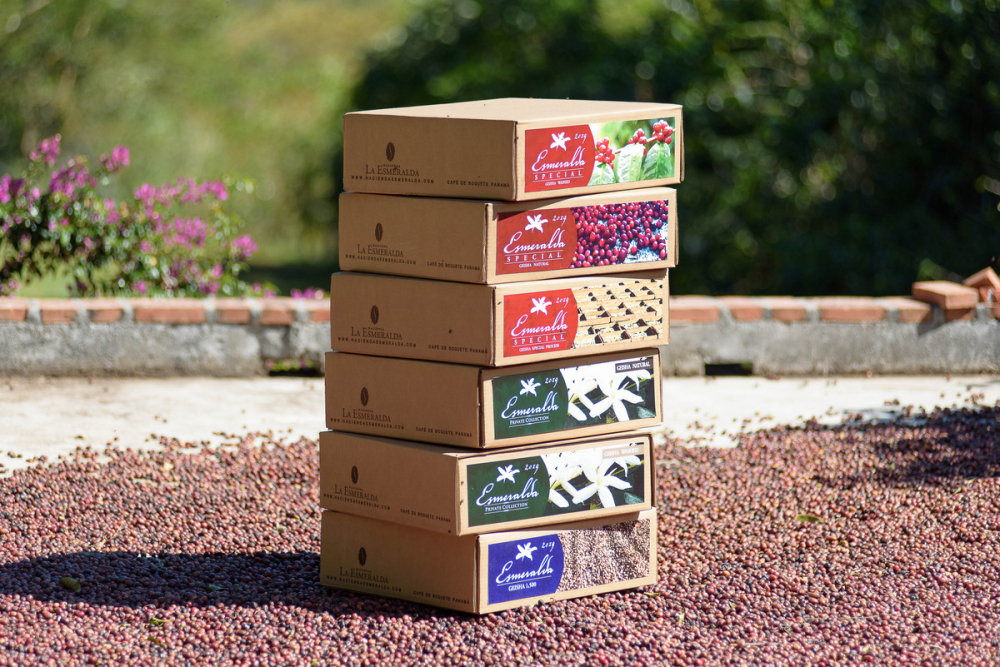
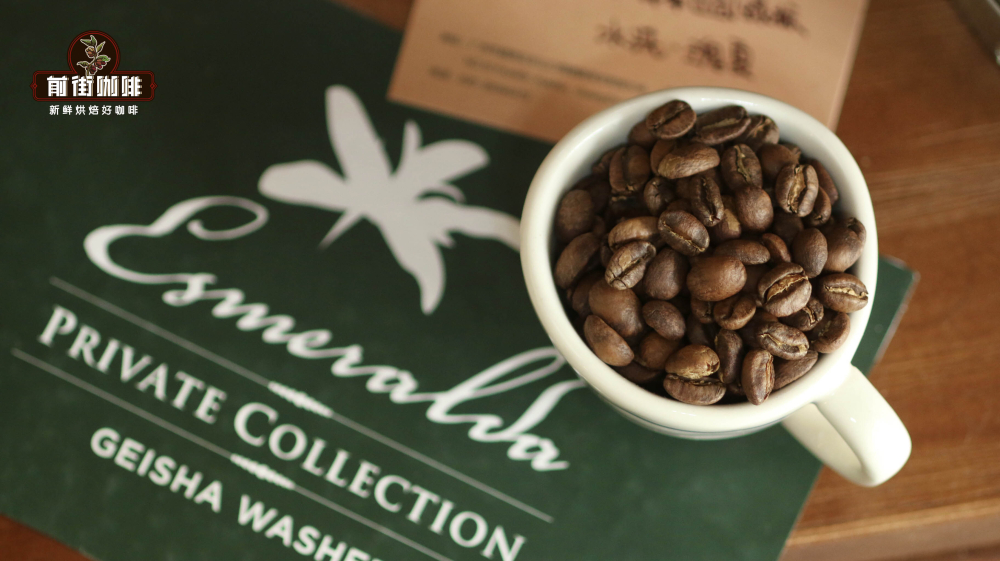
Processing methods directly influence flavor expression: theyeast fermentation stageof naturally processed Geisha lasts 120 hours, promoting glucose conversion; whereas washed Geisha enhances citrus notes through the depulping process. Professionals recommend storing in single-way valve aluminum foil bags, keeping them away from light for no more than 12 months.
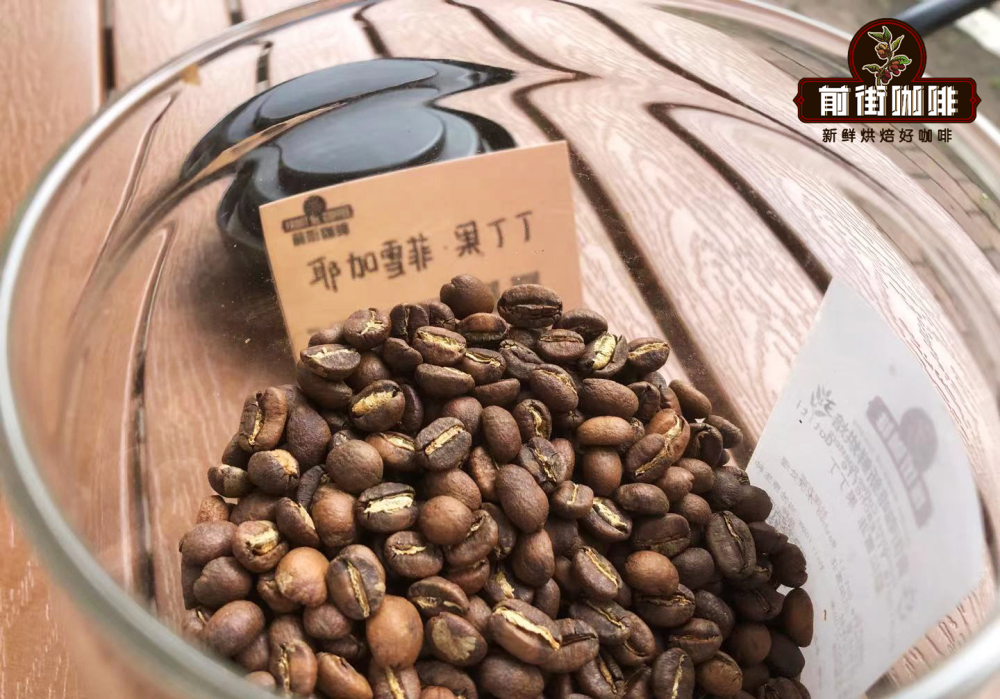
Ethiopian Guji Dingding Washed Beans(Yirgacheffe / Altitude: 1900–2300 meters / Heirloom Variety) represent the refreshing archetype of African beans. The washed process removes 80% of the pulp layer, highlightingcitric acid(pH 5.2) andwhite floralnotes in a bright combination. This cooperative implements ablockchain traceability system, with each bag of coffee beans featuring a unique farm coordinate QR code.
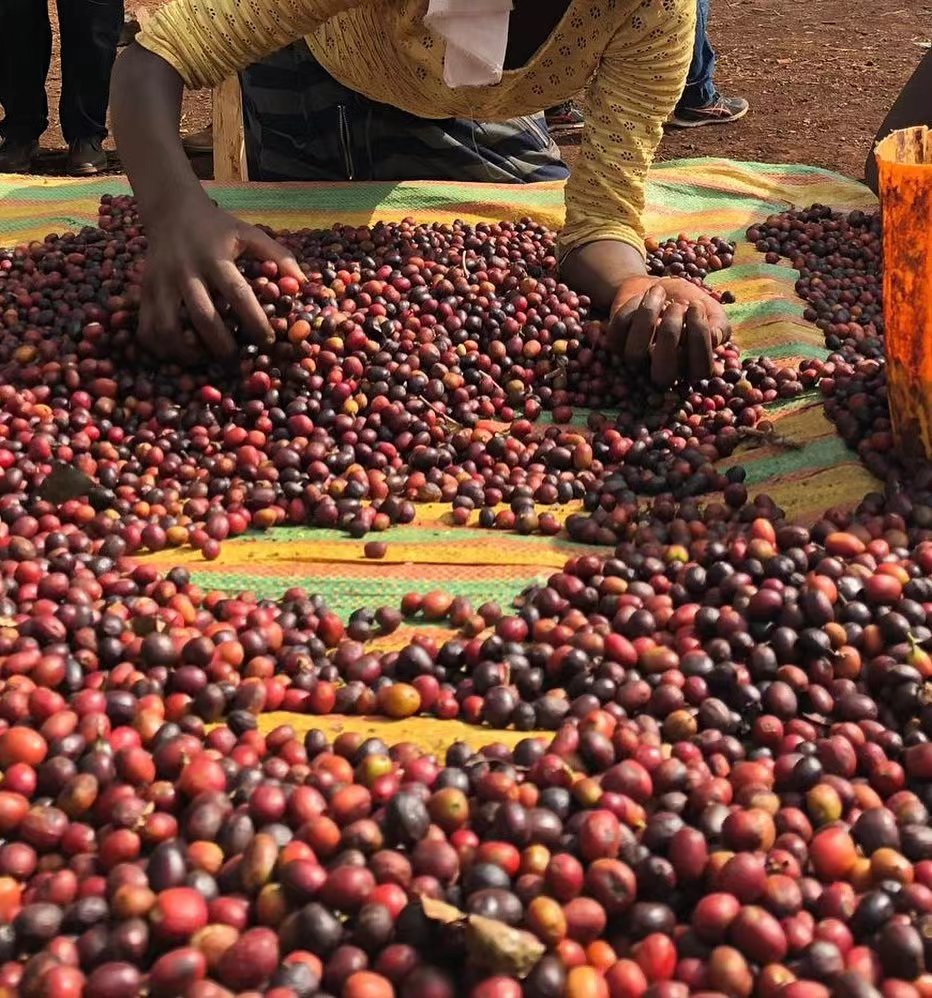
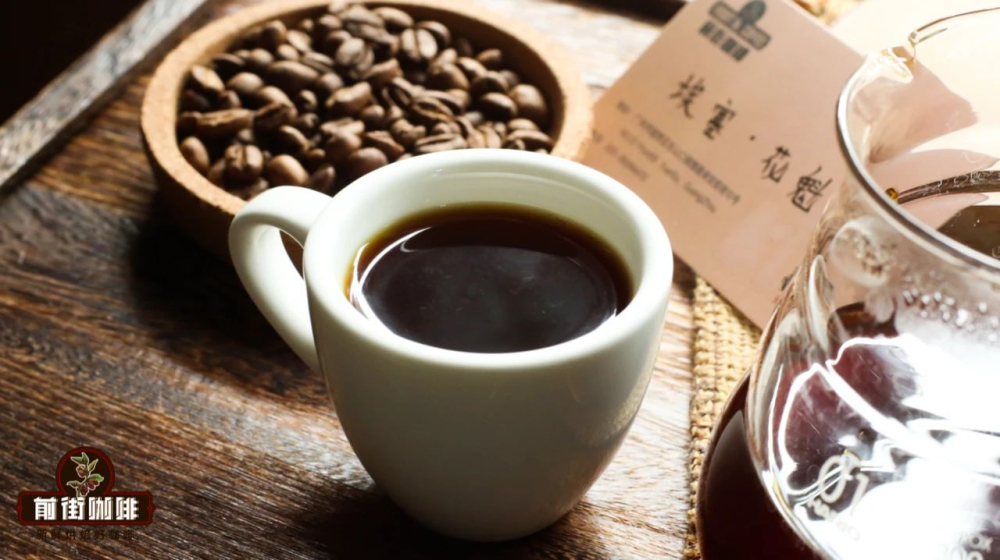
Sidamo Huakui(Hambela / Altitude: 2250–2350 meters / Heirloom Variety) owes itsthree-stage fermentationto a unique flavor structure: the initial stage presentsrose petalaroma, the middle stage releasescream strawberrysweetness, and the finish carries an oolong tea aftertaste. Compared to traditional Yirgacheffe, itsmalic acidcontent is 15% higher, making it ideal for pairing with milk to achieve a silky texture.
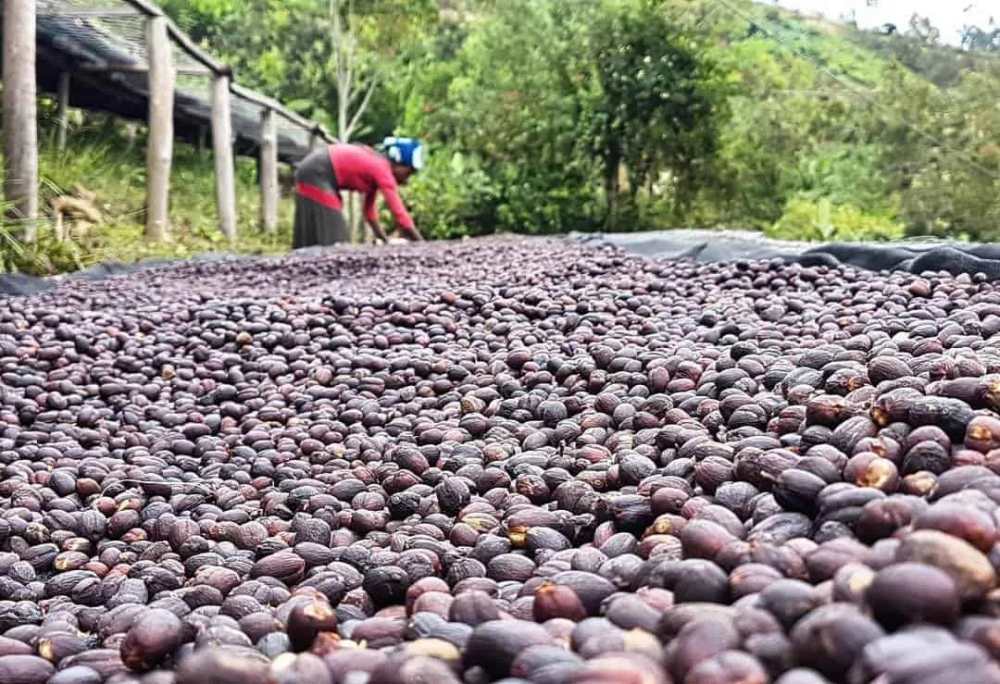
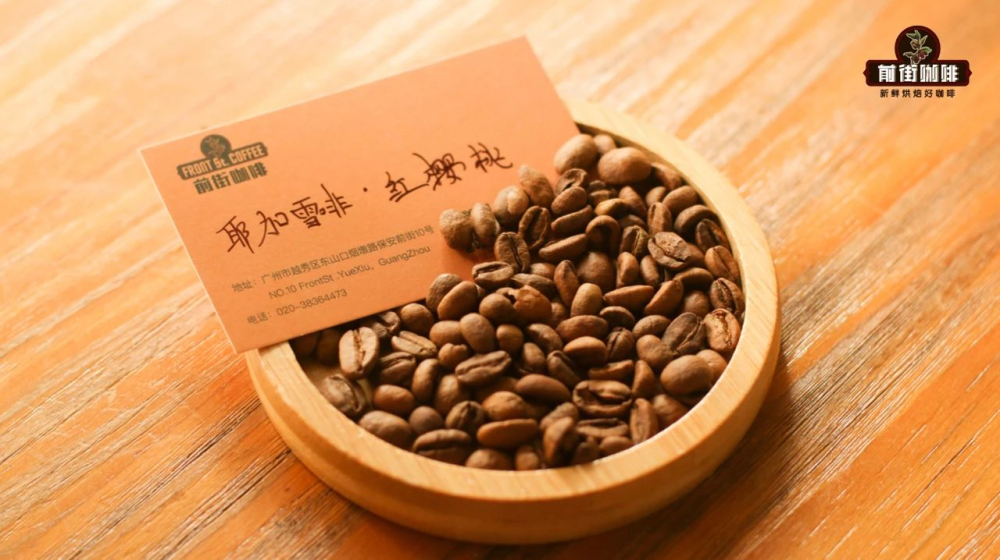
Red Cherry Project Natural Beans(Yirgacheffe / Altitude: 2300 meters) adopt aprecision agriculture modelfunded by the Dutch government: selecting mature fruits over 22mm, followed by 21 days of raised-bed sun-drying to achieve a sugar level of 22°Brix. The distinctive wine-like aroma comes from thelactic acid fermentationprocess, with cupping revealing noticeableberry juicinessandcaramelized finish.
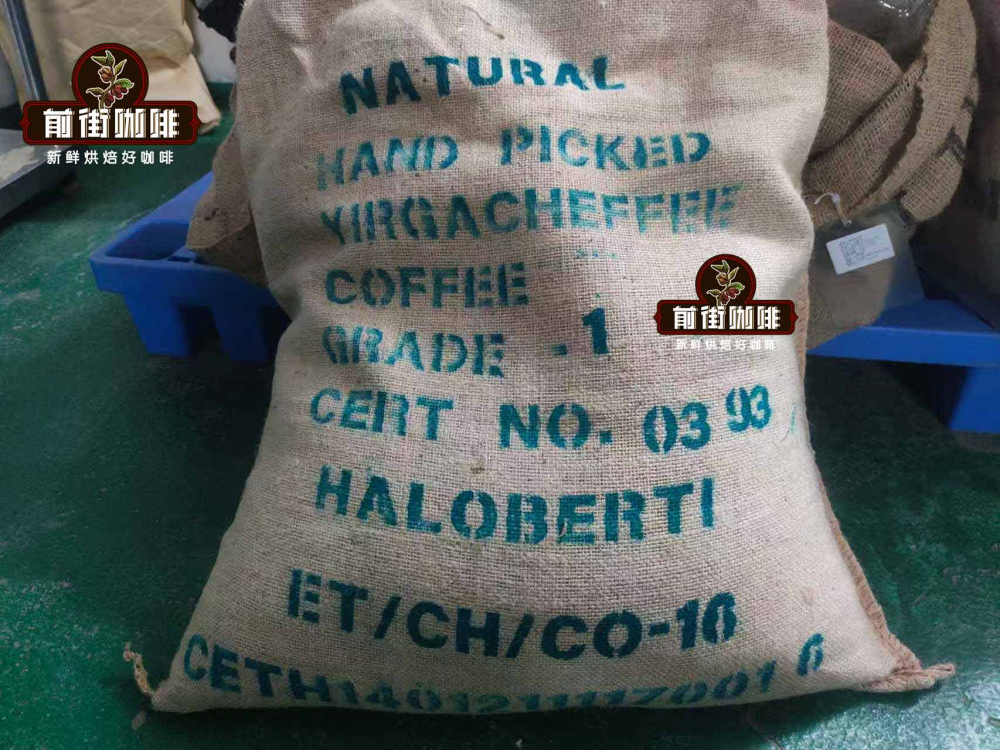
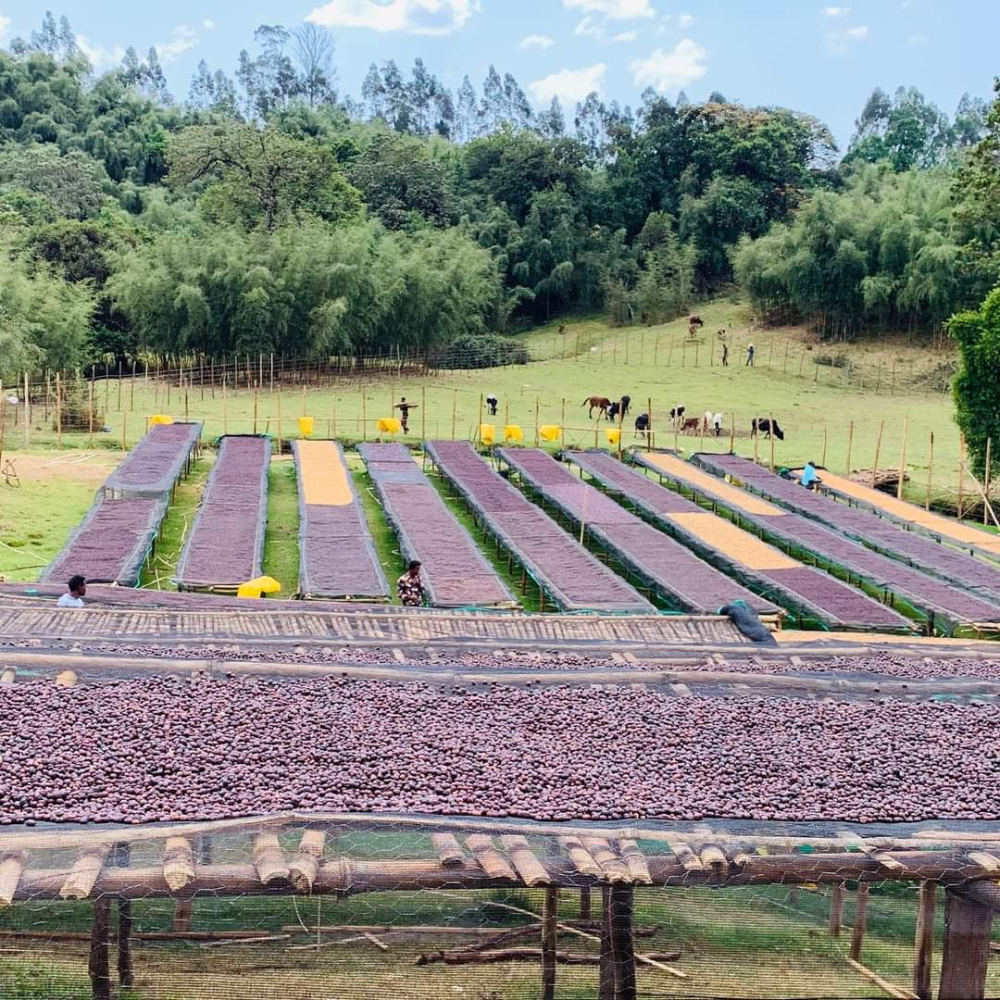
Brazilian Queen Estate Coffee (São Paulo / Altitude: 1400–1950 meters / Yellow Bourbon) interprets the classic balance of South American beans:Pulped natural processpreserves 15% of the pulp layer, developingroasted nuts(intensity 7/10) andcaramel toffeedual textures. Itslow acidity(pH 5.8) makes it suitable for cold brew, with a recommended medium-coarse grind to adapt to high-temperature extraction.
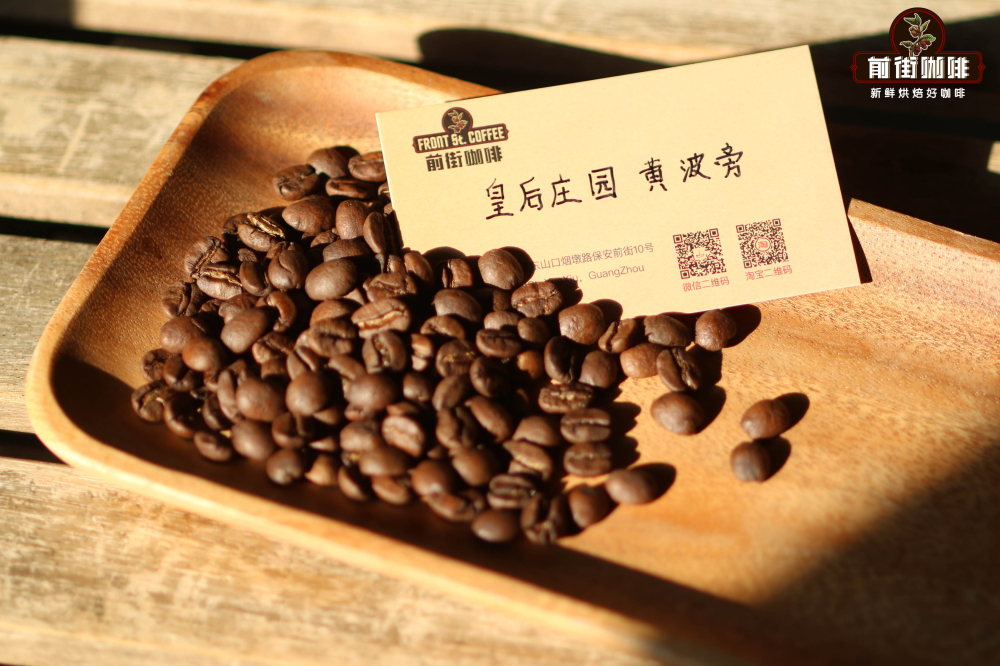
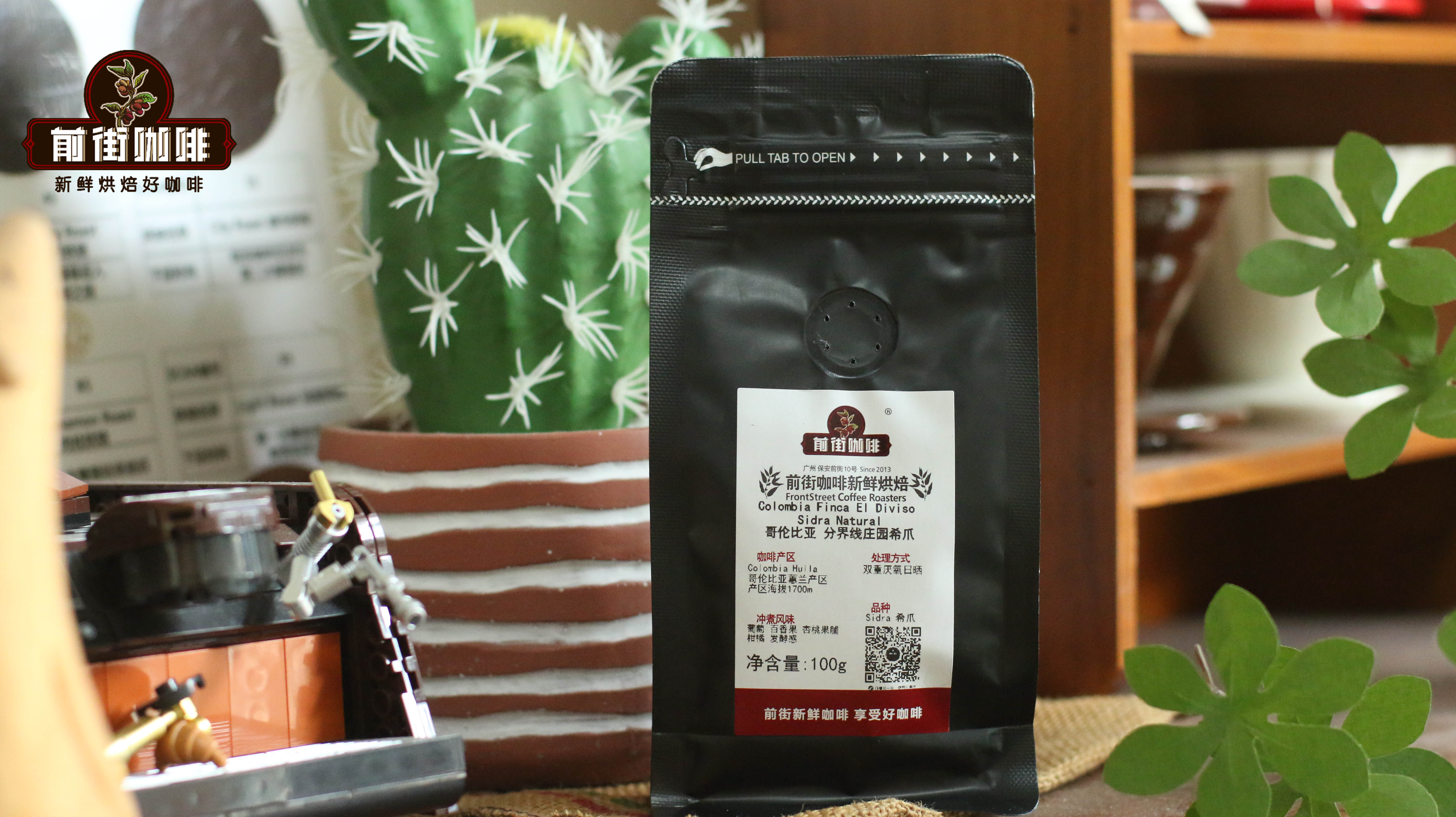
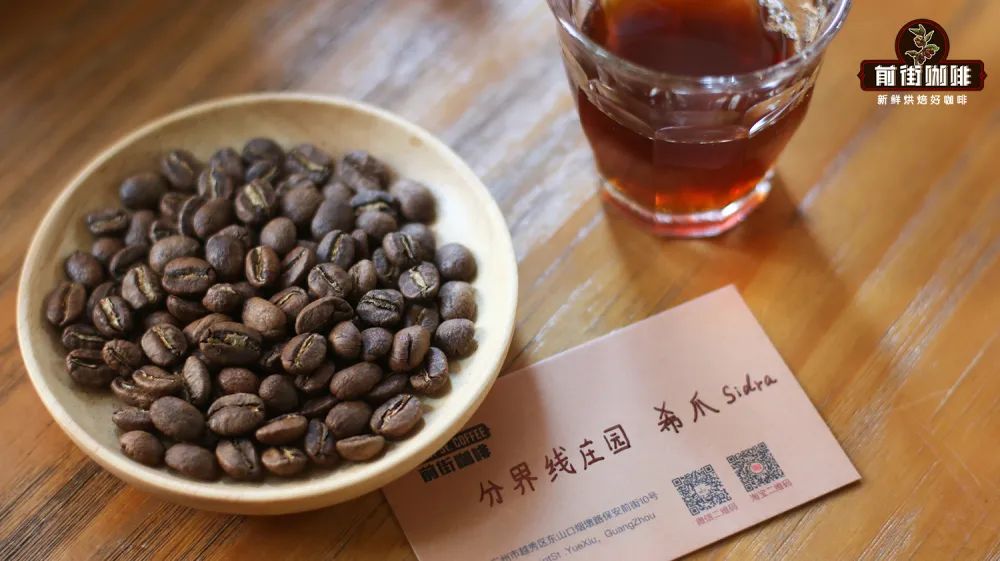
Colombian Sidra Coffee (Huila / Altitude: 1700 meters) innovatively employsdouble anaerobic natural process: first undergoing 72 hours of sealed fermentation, then conventional sun-drying. This technique produces a uniquegrape juiceflavor andfermented wine aroma, with TDS concentration advised to be controlled at 1.35% to balance sweetness.
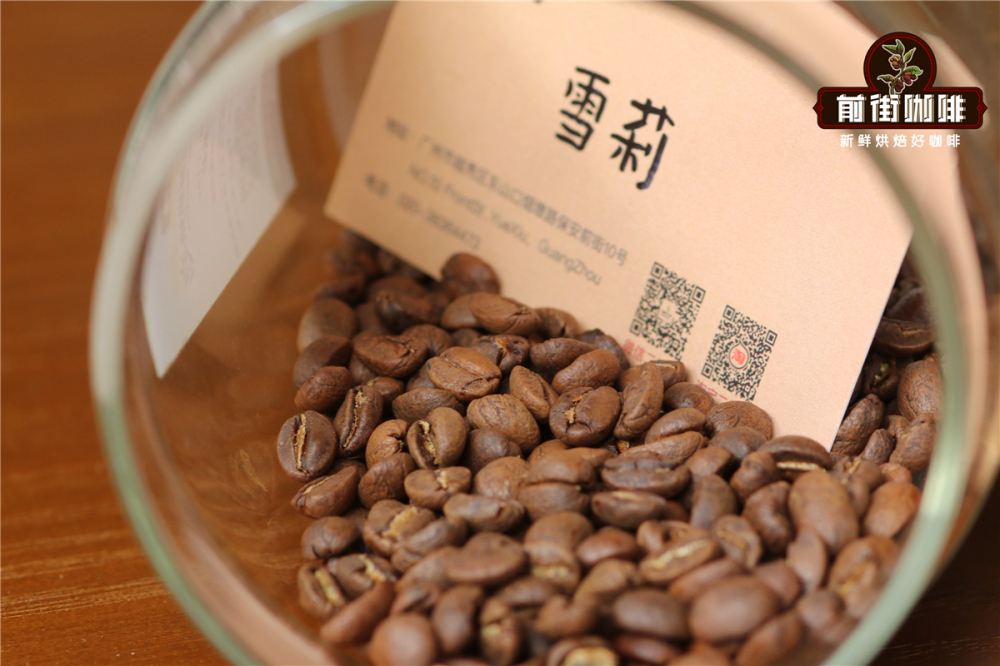
Honduran Sherry Barrel Coffee (Masaguara / Altitude: 1500–1700 meters) utilizeswhiskey barrel aging: after standard washed processing, the parchment beans are aged in bourbon barrels for 30 days. The final product presents avanillin(12ppm concentration) anddark chocolateluxury combination, with the optimal drinking period being 21–28 days post-roast.
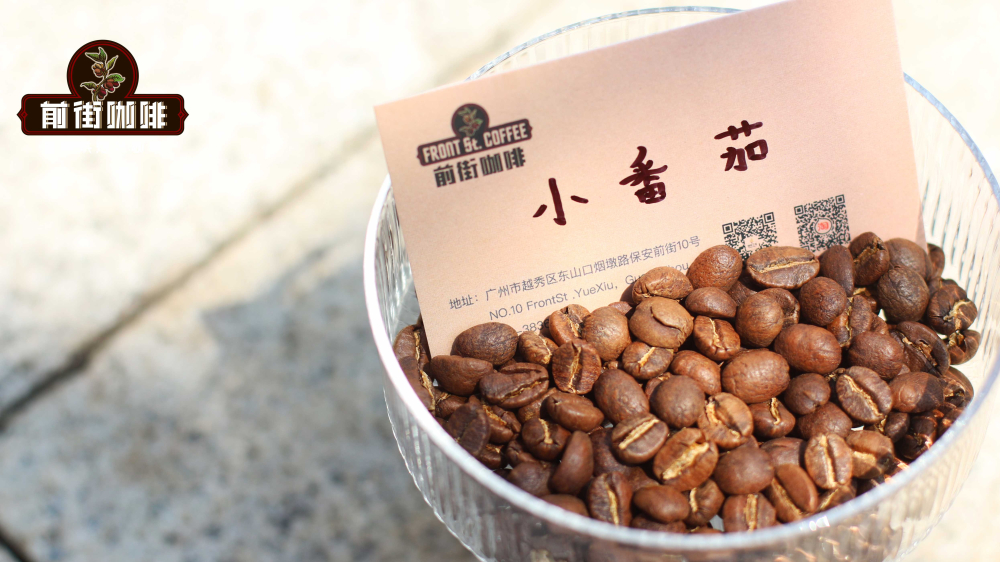
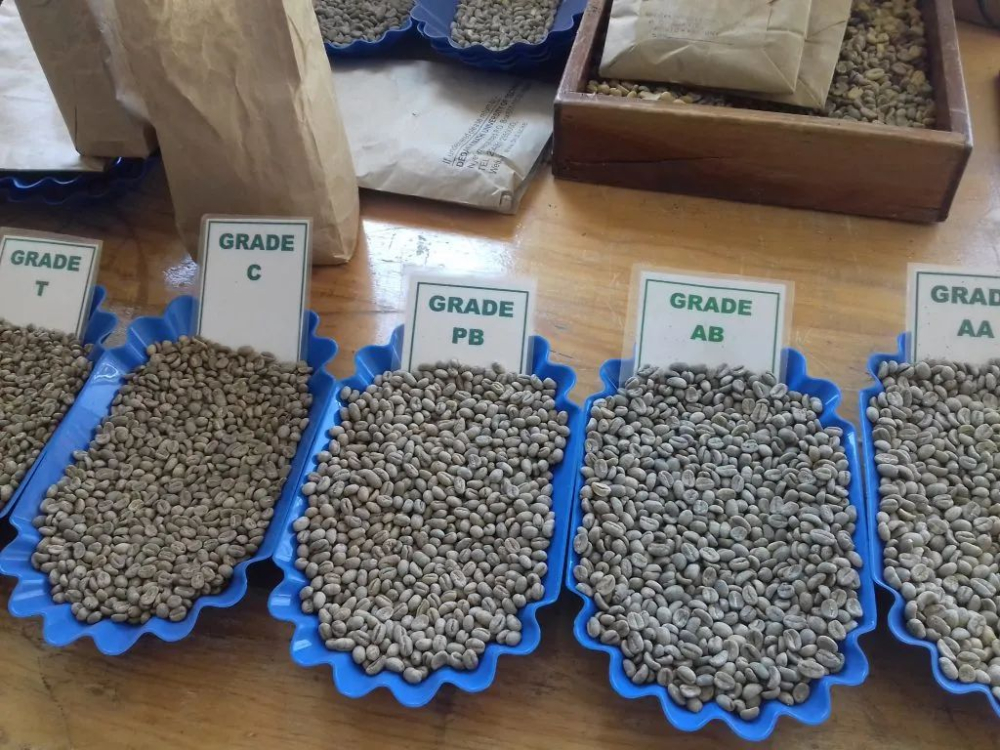
Kenyan Little Tomato Beans (Thika / Altitude: 1750 meters / SL28/SL34) feature atwo-stage fermentationlasting 72 hours, resulting in intensecherry tomato acidity(pH 4.9) anddried plumaftertaste. The K72 washed process’s multiple water changes effectively enhance cleanliness, and a ceramic server is recommended to highlight its bright fruity acidity.
Purchasing Advice: Prioritize beans withorigin traceability codesandroast dates(recommended to buy within 7–21 days post-roast), stored in an environment with 10–20% humidity. Standard pour-over parameters are: 15g dose / 90±2°C water temperature / #20 grind size (70% passing rate through a Chinese standard No. 20 sieve), adjustable based on bean characteristics.
The above content is compiled by CoffeeHunters, a coffee news website.

