







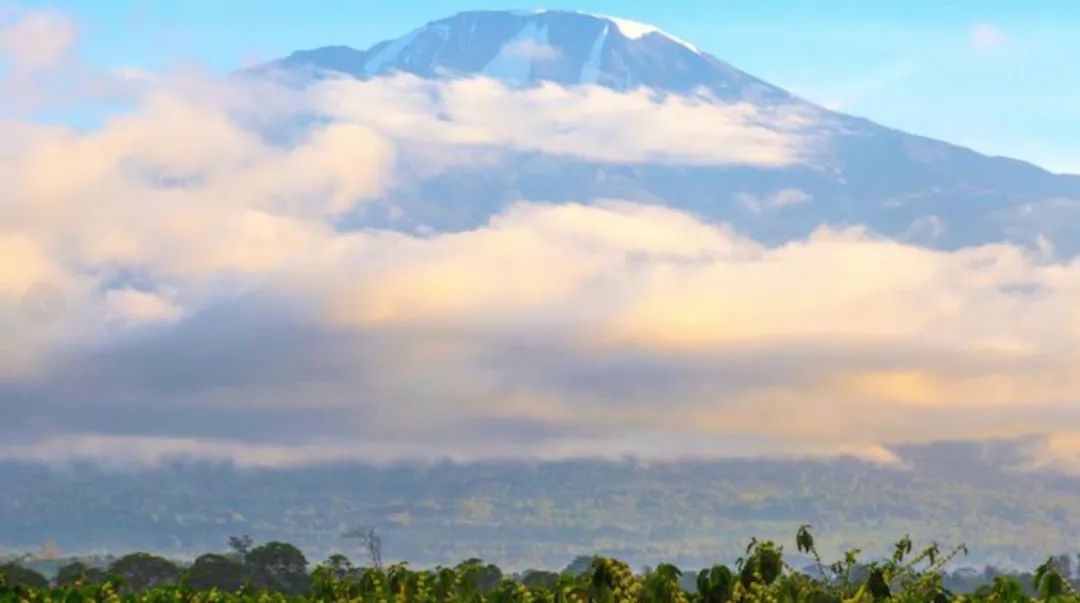
Introduction:Although Tanzanian coffee is not as well-known as Kenyan or Ethiopian coffee, it is hailed as the "coffee gentleman," especially the washed Typica beans from the Kilimanjaro region, which stand out with their mild acidity and fragrant, lingering finish. This article delves into the unique characteristics of its origin, its development history, and provides professional pour over recommendations and parameters to help you fully experience the delicate flavors of this classic African bean.
The coffee beans from the northern Tanzanian Kilimanjaro volcanic region are grown at elevations between 1,300 and 2,000 meters above sea level. As Africa’s highest peak, Mount Kilimanjaro is surrounded by mineral-rich volcanic ash soil, coupled with significant day-night temperature variations, providing ideal growing conditions for coffee trees and enabling the beans to accumulate rich flavor compounds.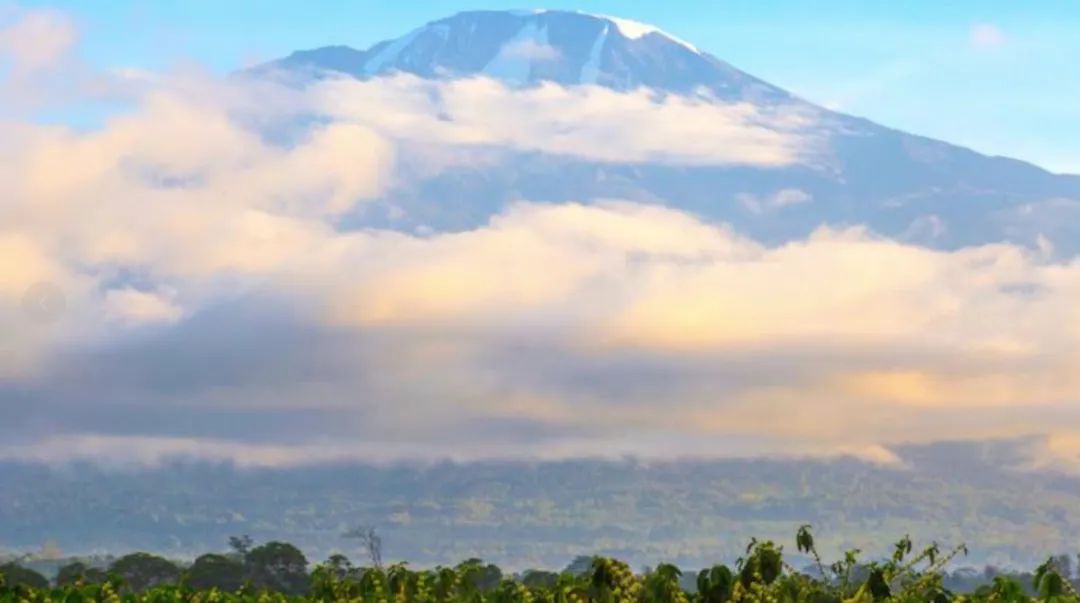
Although Tanzanian coffee is not as globally renowned as its neighbors Kenya or Ethiopia, its quality has remained consistently high, placing it alongside these two as one of the "Big Three African Coffees." European roasters have even bestowed upon it the title of "coffee gentleman," describing its flavor as gentle and restrained, showcasing a noble and balanced character.
The history of coffee cultivation in Tanzania dates back to the late 19th century during the German colonial period. At that time, Germans introduced Arabica coffee trees around Mount Kilimanjaro and Mount Meru, but due to the implementation of a European-style agricultural system that clashed with traditional local farming practices, the initiative faced considerable resistance initially. Nevertheless, it laid the foundation for Tanzania’s coffee industry.
In the 20th century, under British administration, the coffee industry further developed. The British colonial government promoted the cooperative system, allowing farmers to collectively produce and sell coffee. This not only improved quality control but also stabilized income, having a profound impact on the long-term development of Tanzanian coffee.
After Tanzania gained independence in 1961, the government committed to developing the coffee industry. Despite facing multiple reform challenges and without significant increases in production, the quality of the coffee has consistently remained high, upholding its historical legacy.
Among the various regions, the Kilimanjaro region is the most renowned for its coffee. It boasts not only high altitudes and significant day-night temperature differences but also fertile volcanic soil and clean water from high mountain snowmelt, all contributing to the exceptional qualities of the coffee beans. The area primarily employs the washed processing method, fully leveraging these natural advantages.

Compared to the bold acidity of neighboring Kenyan coffee, Tanzanian coffee is known for its gentle and refined acidity, with a relatively mild and elegant flavor profile, earning it the title of "coffee gentleman" in the European market. The washed Typica beans from the Kilimanjaro region are a classic representation of this trait.
This Tanzanian coffee bean is precisely a washed Typica from Kilimanjaro, roasted to a medium-light level. To highlight its mild acidity, the roaster chose to drop the beans at approximately 1 minute and 45 seconds into the first crack, preserving the maximum amount of flavor details and aromatic layers.
For pour over brewing of this coffee, the following parameters are recommended: 15 grams of coffee, a 1:15 coffee-to-water ratio, water temperature controlled at 92°C, and grind size around the 10-setting on an Ek43 grinder, or 80% extraction through a #20 sieve. Using a V60 dripper and a three-stage pouring method can fully showcase its delicate flavors.
The specific steps are as follows: first, pour enough water for blooming and let it sit for about 30 seconds, then pour 120 milliliters of hot water in small streams with wide circles. Once the water has drained from the dripper, pour the final 75 milliliters in small streams with circular motions. The total extraction time is about 2 minutes and 5 seconds. This approach enhances extraction efficiency and is suitable for medium-light roasted beans.
The brewed coffee emits a rich aroma of berries, with a cup featuring gentle red berry and citrus acidity, followed by a honey-like sweetness and a smooth black tea-like aftertaste in the finish. The overall mouthfeel is full-bodied and layered, perfectly interpreting what it means to have a "gentle and refined" coffee flavor—no wonder it is hailed as the "coffee gentleman."
The above content is compiled by CoffeeHunters, a coffee news website.

