







Introduction:Mandheling coffee from Sumatra, Indonesia, is renowned for its rich, full-bodied flavor and unique herbal aroma. But do you know about its main growing regions and varieties? This article delves into the differences between Mandheling from the Lintong and Aceh regions of Sumatra, the strict selection standards of PWN Golden Mandheling, the historical background and flavor characteristics of aged Mandheling, and provides practical pour over brewing parameters to help you better understand and brew high-quality Mandheling.
Mandheling coffee from Sumatra, Indonesia, holds a distinctive place in the global specialty coffee scene with its deep, bold flavors and unique herbal and spicy notes. However, this type of coffee often receives polarized reviews—enthusiasts are drawn to its rich and layered taste, while those less accustomed to it may be put off by its low acidity and heavy body.
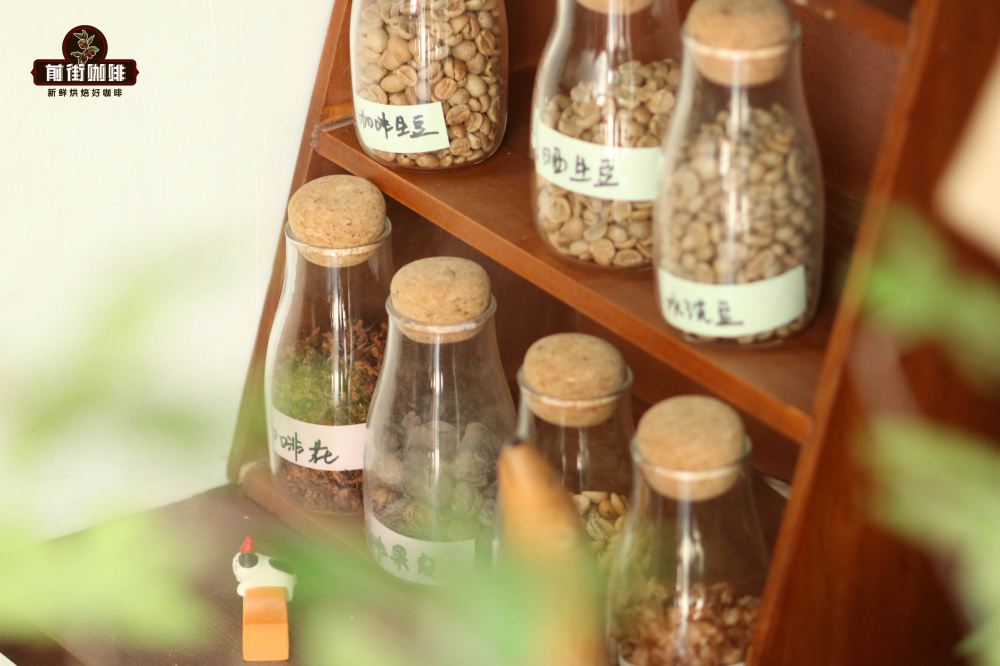
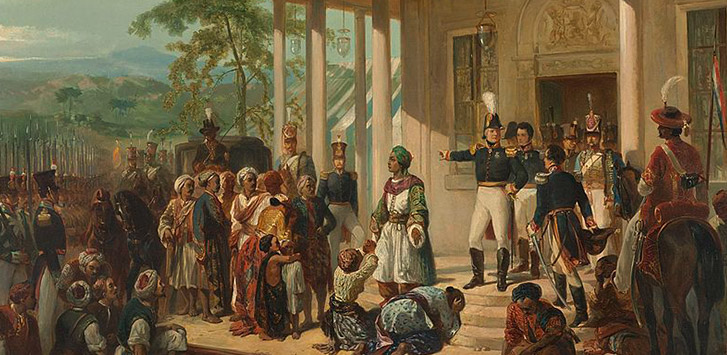
Although Indonesian Mandheling is now world-renowned, Indonesia is not actually the birthplace of coffee. In the 17th century, as European demand for coffee surged, the Dutch East India Company introduced coffee seedlings to Indonesia twice, eventually succeeding in cultivating them on Java Island before gradually expanding to Sumatra and Sulawesi. However, the leaf rust disease in the early 20th century severely damaged Java’s Arabica plantations, forcing farmers to switch to the more disease-resistant Robusta. Today, Indonesia is one of the top Arabica-producing countries in Asia.
Sumatra is Indonesia’s primary Arabica coffee-growing region, with the northwest areas of Lintong and Aceh being the most famous. Lintong, located around Lake Toba in North Sumatra Province, is the birthplace of traditional Mandheling. Through its unique “wet hulling” processing method, the coffee is endowed with a full-bodied taste, pronounced caramel sweetness, and a distinctive herbal aroma.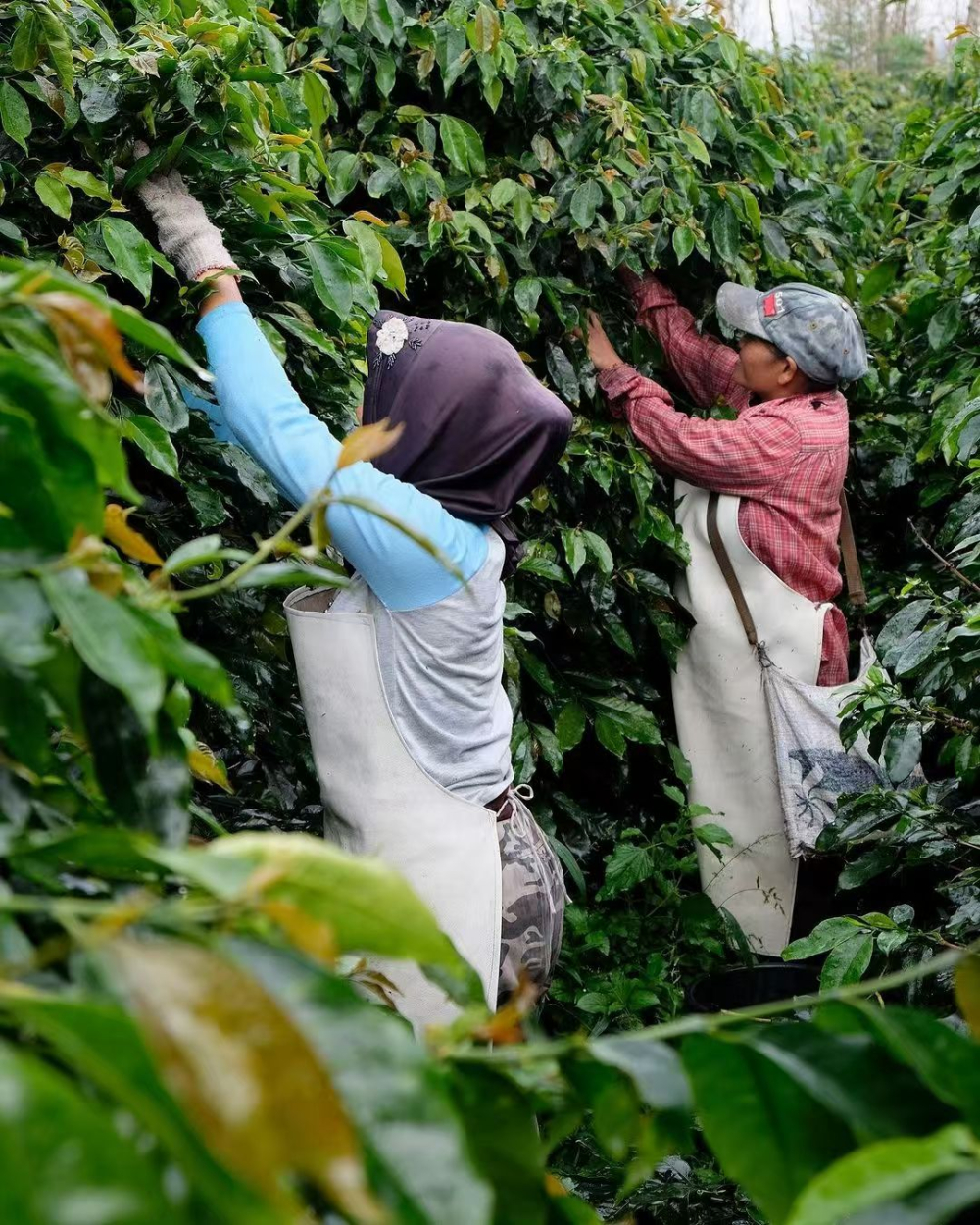
The Aceh region is a relatively newer growing area. Arabica coffee trees were first introduced here from North Sumatra in 1924, and production has since grown steadily, even gradually surpassing that of Lintong. However, due to climate change, the high-altitude areas suitable for coffee cultivation in Lintong may shrink significantly over the next thirty years, while Aceh is expected to become a major producing region in the future.
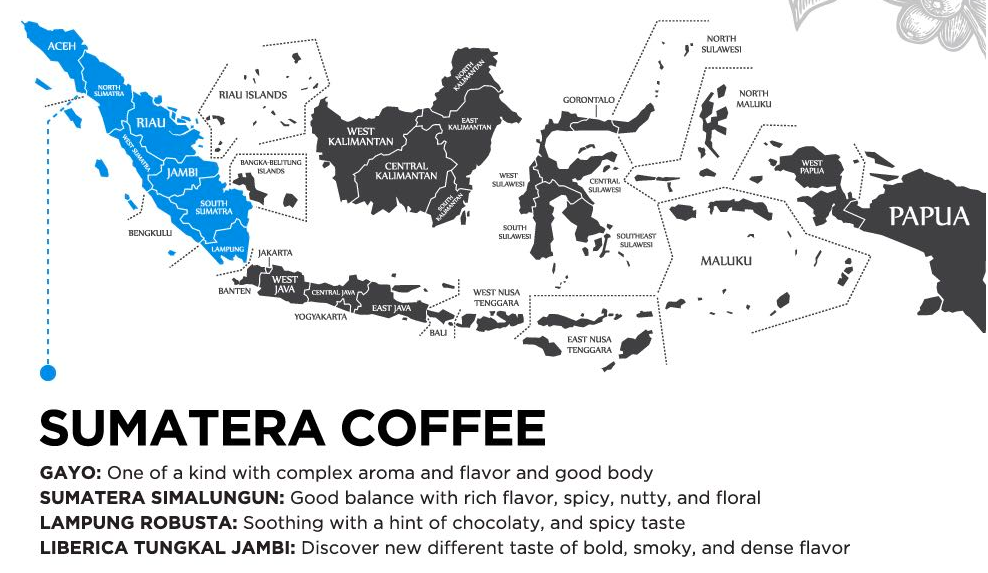
Although both come from Sumatra, Mandheling from the Lintong and Aceh regions exhibit clear flavor differences. Cupping comparisons show that Mandheling from Aceh typically demonstrates brighter acidity, relatively milder herbal notes, and an overall clearer flavor profile.
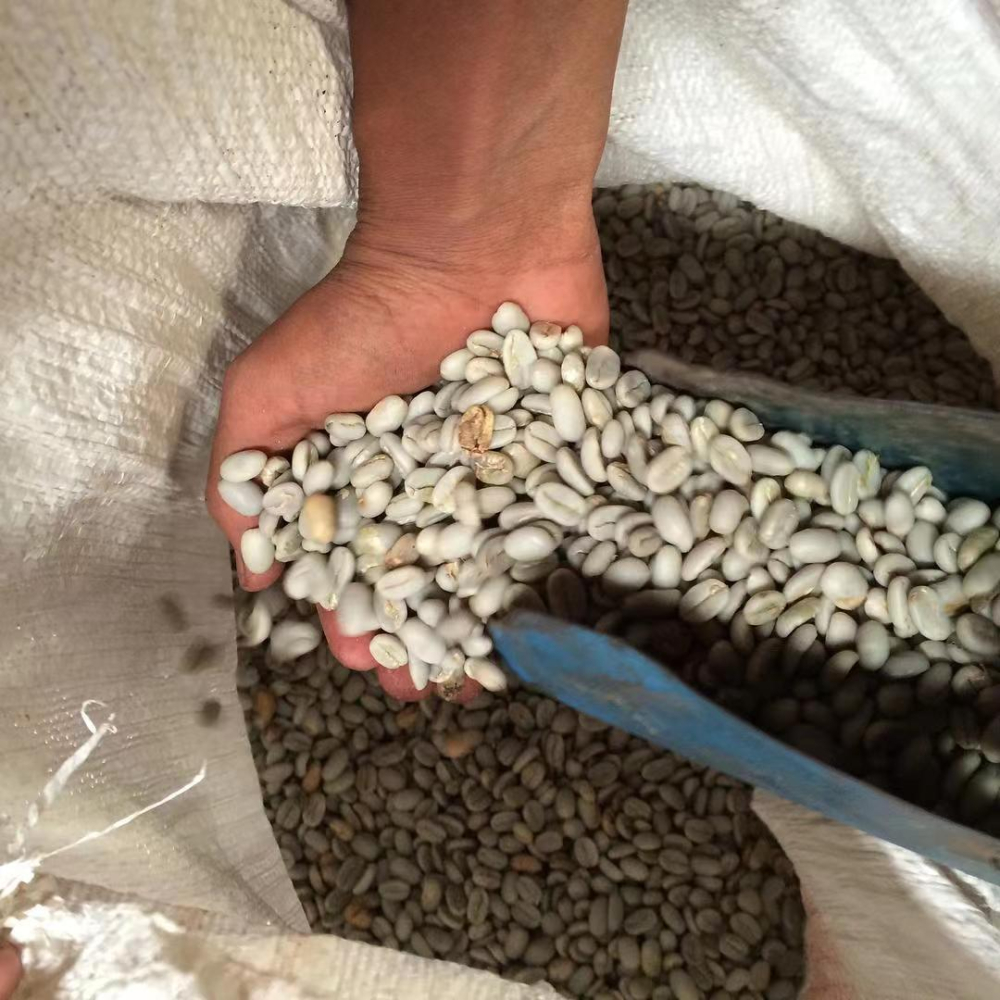
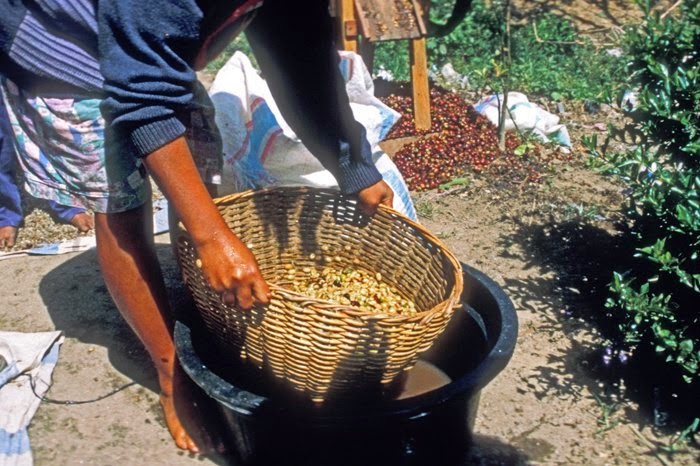
These flavor differences stem not only from natural factors such as altitude and microclimate but are also closely related to post-harvest processing techniques. Sumatra’s rainy and humid climate is not conducive to traditional sun-drying or washed methods, so the local “wet hulling” method was developed. This technique involves briefly fermenting—or not fermenting at all—the depulped and mucilage-covered beans in their parchment, then removing the parchment layer while the beans are still semi-dry, thereby reducing moisture content earlier in the process. This can easily impart unique “woody” or “earthy” notes to the beans, but it also shapes Mandheling’s distinctive bold and heavy mouthfeel.
When talking about Sumatran Mandheling, one cannot overlook the “Golden Mandheling” produced by PWN. This coffee is famed for its rigorous selection process: only G1 grade beans with a size of 18 mesh or above and no more than 3 defective beans per 300 grams of green coffee are chosen, followed by three rounds of manual sorting to ensure no defective beans interfere. This meticulous selection process results in Golden Mandheling’s cleaner taste, brighter acidity, and softer sweetness, making it a representative of premium Mandheling.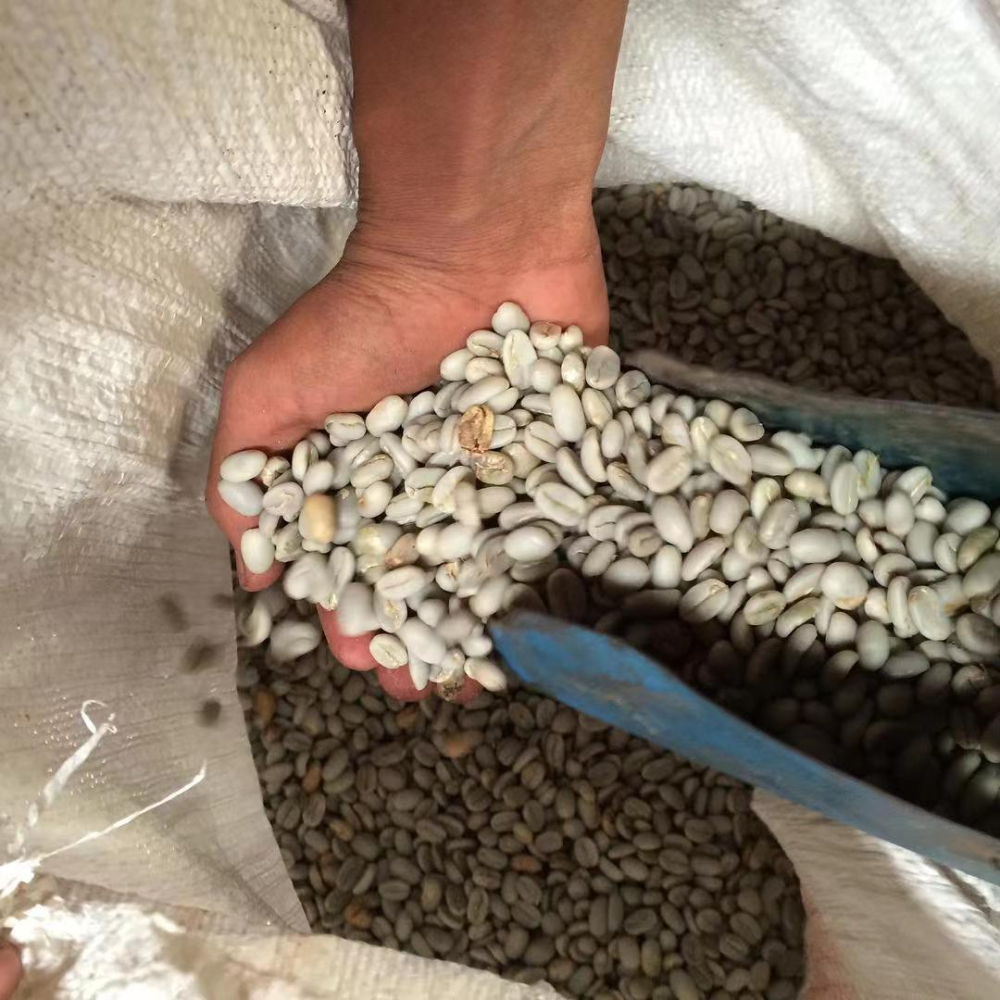
However, due to high market demand, some merchants may pass off Mandheling of the same grade but not produced by PWN as Golden Mandheling. Consumers can ask sellers for the green coffee sack and certification documents to verify authenticity. Generally, authentic PWN Golden Mandheling is easily recognizable in cupping for its cleanliness and consistency.
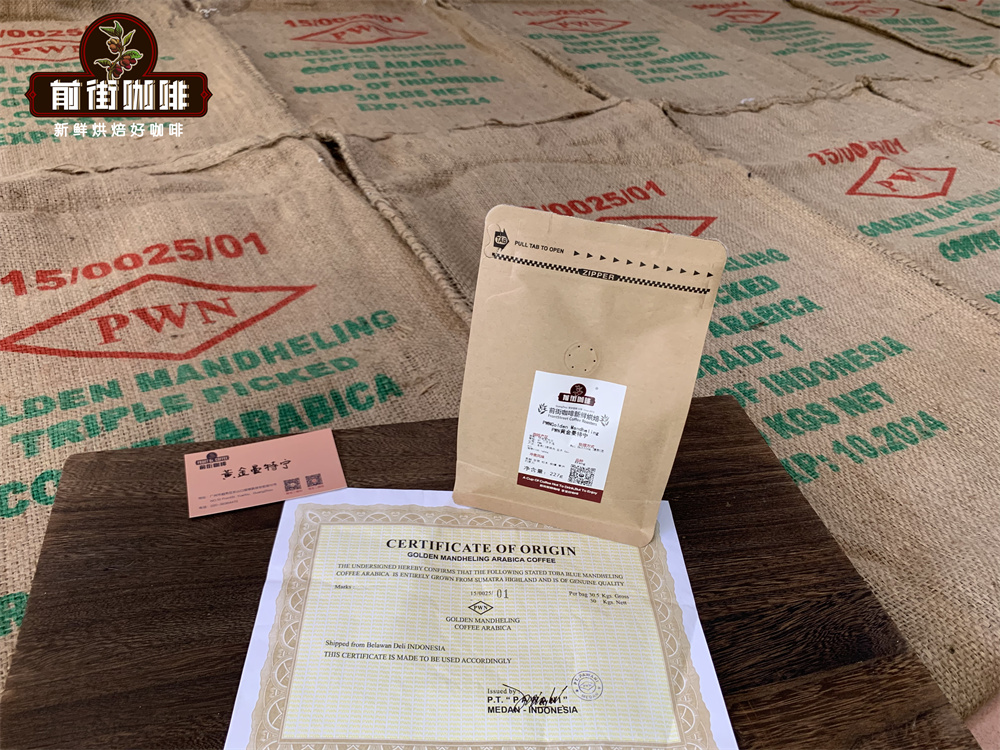
It’s worth mentioning that the variety of Golden Mandheling is often labeled as “Ateng,” which is actually the local Indonesian term for the Catimor family. Catimor is a hybrid of Arabica and Robusta and, while not traditionally the first choice for specialty coffee, can still deliver respectable flavor under Sumatra’s specific environment and processing methods.
Additionally, “aged Mandheling” is another hallmark of Sumatran coffee. This processing approach was not initially intentional but originated during the Dutch colonial period when, to ensure stable supply for long-distance transport to Europe, coffee beans were often harvested early and stored for extended periods. This accidentally resulted in intense aged aromas. Nowadays, aged Mandheling follows a well-established process: after wet hulling, the parchment beans are stored in cool, ventilated warehouses and regularly turned. Over time, acidity gradually transforms into sweetness, the flavor becomes richer and fuller, and notes such as aged Pu’er tea, caramel, spices, and chocolate emerge, with low acidity and complex layers.
Basic information about aged Mandheling:
Region: Sumatra
Altitude: Approximately 1500 meters
Variety: Caturra, Typica
Processing method: Wet hulling
Flavor characteristics: Aged Pu’er tea, caramel, herbs, chocolate; low acidity
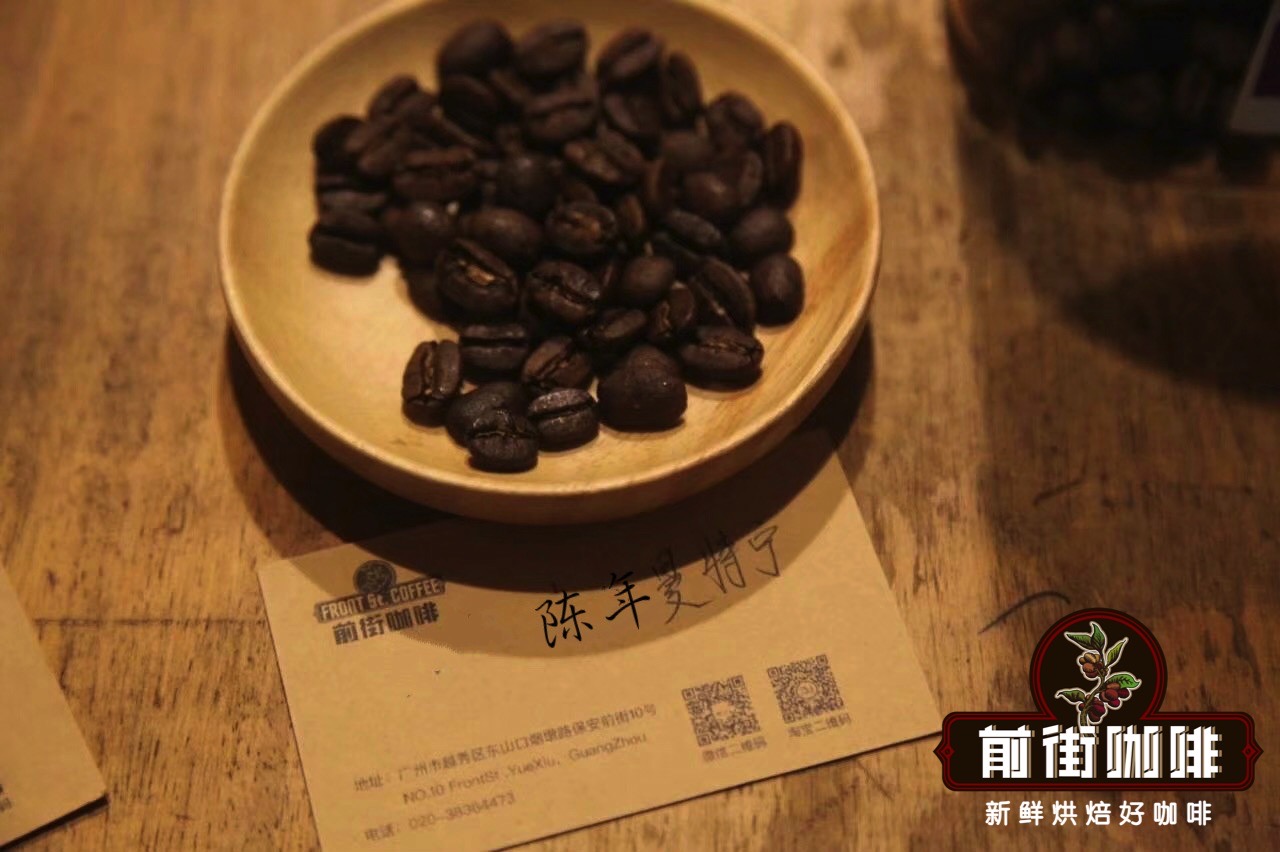
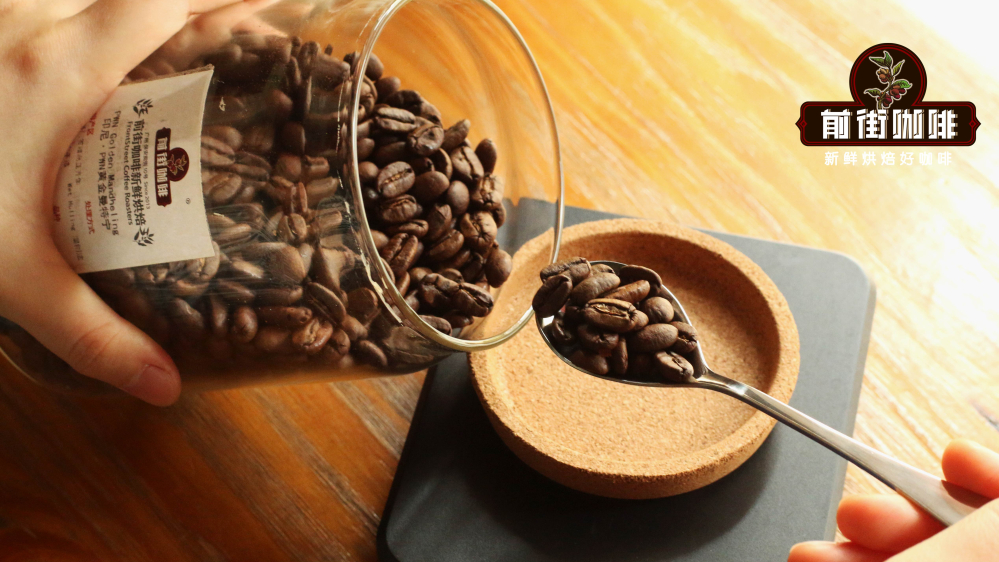
For general Sumatran Mandheling (including Golden Mandheling), it is recommended to use a medium-dark roast to fully highlight its full-bodied texture and low-acid characteristics. Below are practical pour over brewing suggestions suitable for achieving a balanced and mellow extraction:
- Filter cone: KONO
- Brewing water temperature: 88°C
- Coffee dosage: 15 grams
- Coffee-to-water ratio: 1:15
- Grind size: 70% passing through a standard Chinese No. 20 sieve (medium-coarse to slightly fine, close to the texture of fine sugar)
Pour over steps:
1. Preheat your equipment and filter cone, then pour a small amount of hot water for blooming for 30 seconds (about 30 grams of water).
2. Starting from the center, slowly pour water in a circular motion with a thin stream until you reach 125 grams, controlling the flow rate to allow the water level to drop steadily.
3. When the water level is about to expose the coffee bed, continue pouring in circles until the total weight reaches 225 grams.
4. The total brewing time is recommended to be around 2 minutes, with slight adjustments based on actual flow rate.
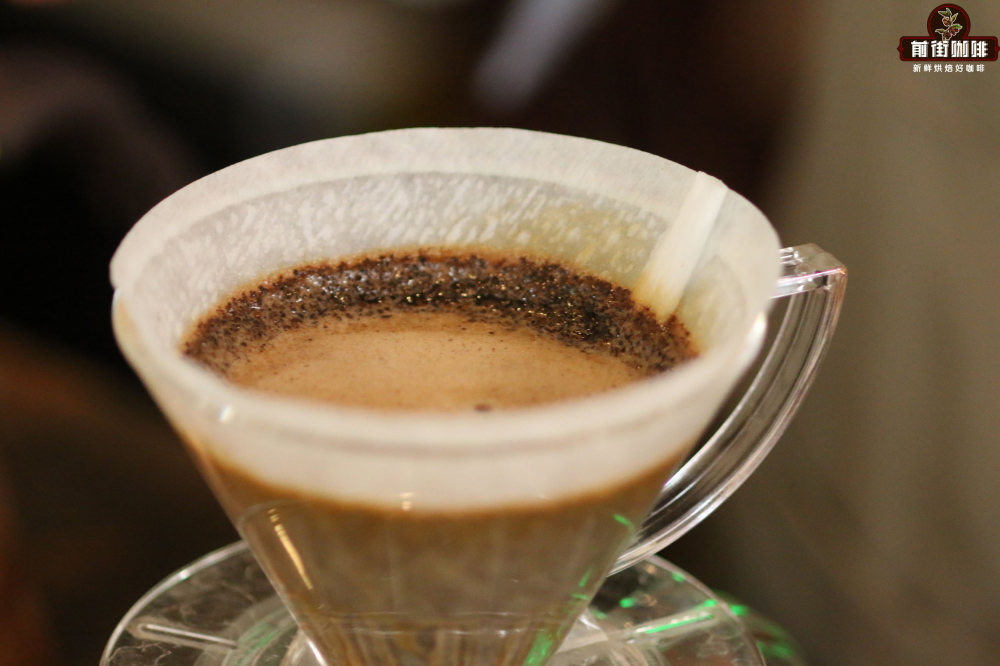
By understanding the diversity of Sumatran Mandheling—from regional differences and processing method characteristics to aged flavors—and mastering the correct brewing parameters, you’ll be able to better appreciate the profound charm of this classic coffee. Whether you’re new to coffee or a seasoned enthusiast, you’re sure to discover new surprises.
The above content is compiled by CoffeeHunters, a coffee news website.

