







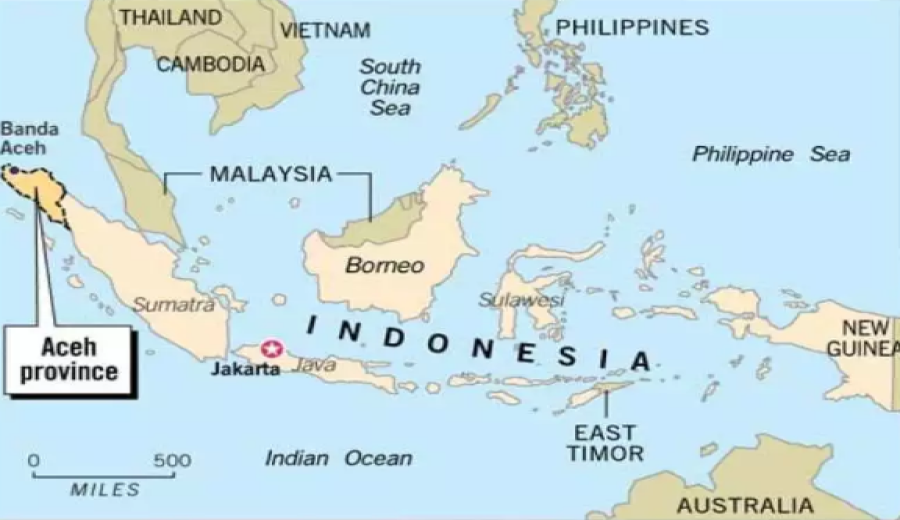
Introduction:As Indonesia’s second-largest island, Sumatra boasts unique volcanic soil and climatic conditions, making it one of the world’s most renowned origins for Mandheling coffee. This article will take you deep into the key coffee-growing regions of Sumatra—such as Aceh and North Sumatra provinces—to explore the origins of Mandheling, its varietal characteristics and market positioning, as well as discuss the challenges this classic coffee faces in the specialty market and its future development directions.
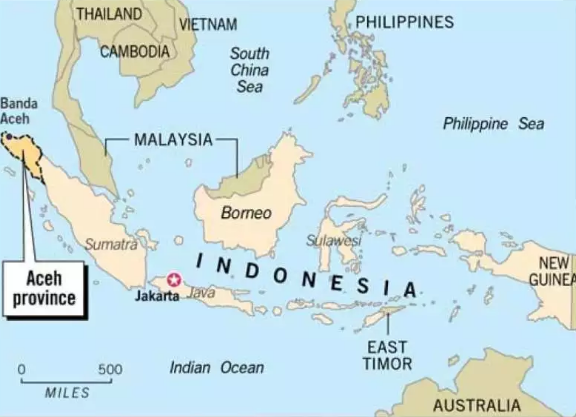
Sumatra is the second-largest island in Indonesia after Java and the sixth-largest island in the world, with an area roughly thirteen times that of Taiwan. Located on the Pacific Ring of Fire, the island’s frequent volcanic activity has produced fertile volcanic soils highly suitable for coffee cultivation. As early as the Dutch colonial period, to meet growing coffee demand and enhance the economic benefits of colonialism, the Dutch East India Company introduced coffee to Sumatra. To this day, coffee remains a vital cash crop in the region.
As a perennial crop, coffee trees help reduce soil erosion, especially during the transition periods between the dry season (May to September) and the rainy season. Sumatra’s coffee is primarily grown in the two northernmost provinces of the island: Aceh and North Sumatra. These regions not only have moderate altitudes but also favorable climates for producing coffee beans with distinctive flavor profiles.
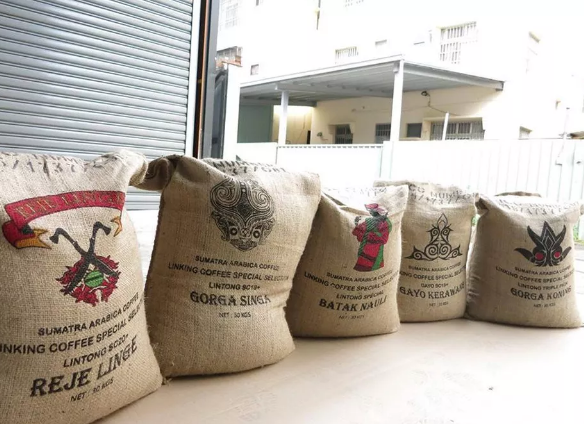
Among them, Aceh is the main producer of organic coffee in Sumatra, with coffee cultivation concentrated around Lake Tawar in the Gayo Mountains. The area is mostly operated by Gayo ethnic farmers. This region is known for producing high-quality coffee with low pesticide residues and is a top choice for consumers seeking clean and unique flavors.
As for North Sumatra, the focus is mainly on two major production areas around Lake Toba: Sidikalang to the west and Lintong to the south. Growers in these areas are predominantly from the Batak ethnic group, who mostly engage in small-scale farming and intercrop various plants under shade trees, creating a naturally biodiverse environment. This reduces pest and disease occurrence and lessens the need for pesticides.
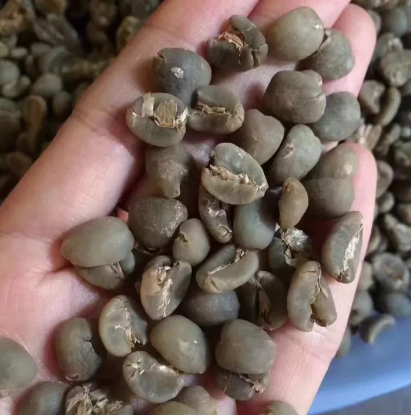
Since most of the farming is carried out by smallholder families with limited capital and technical input, traditional cultivation methods are commonly used. These methods not only reduce dependence on pesticides but also help maintain ecological balance. Such farming environments have also contributed to the unique flavor characteristics of Sumatran coffee—particularly its low acidity and rich, full-bodied taste—which have made it a classic favorite among many coffee enthusiasts.
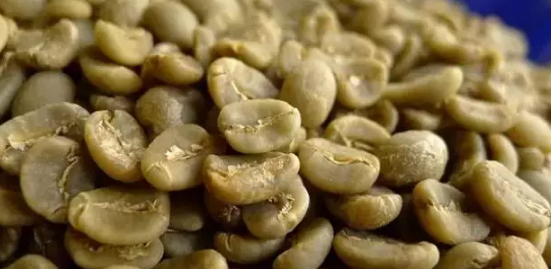
When talking about Sumatran coffee, one cannot overlook the widely known name “Mandheling.” Interestingly, Mandheling does not refer to a specific coffee variety or origin, but rather originates from a misunderstanding during World War II. It is said that a Japanese soldier, while drinking a cup of richly flavored coffee in Sumatra, asked what variety it was. The locals misunderstood his question as “where are you from?” and answered “Mandheling,” the name of a local ethnic group. This term was later adopted and became synonymous with Sumatran coffee.
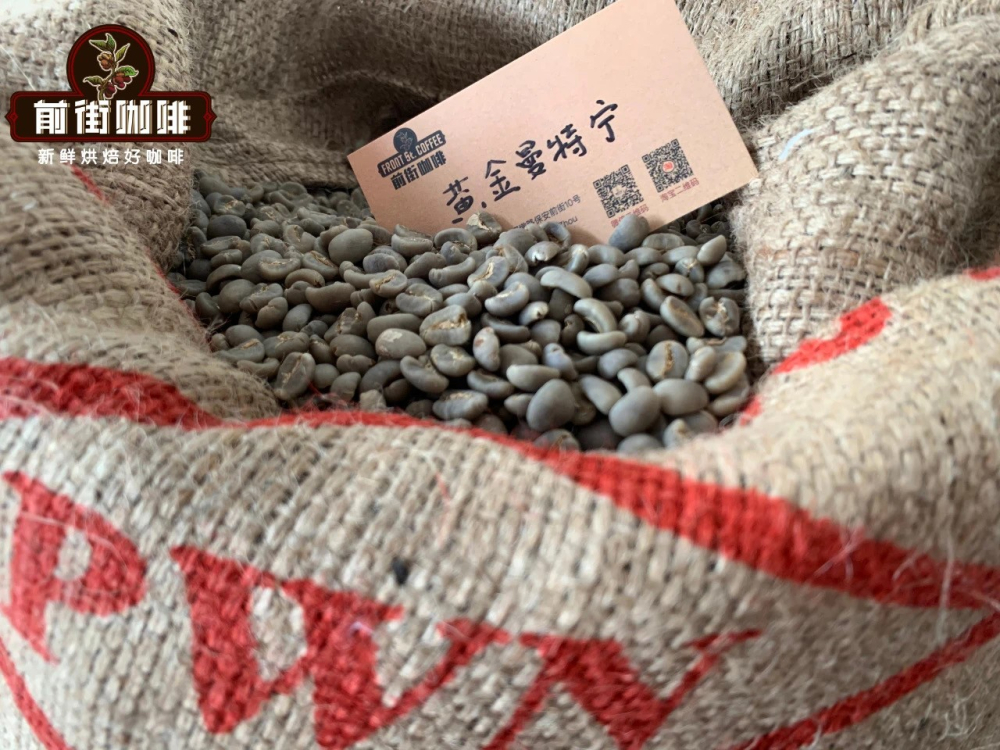
In reality, Mandheling today is more often used to describe coffee with specific flavor profiles originating from Sumatra, rather than as an official variety or place name. Common types of Mandheling include Lintong Mandheling, Gayo Mandheling, Tiger Mandheling, Golden Mandheling, and Aged Mandheling, each with its own unique processing method and flavor profile. For example, Lintong Mandheling typically exhibits a full-bodied, low-acid character with spicy and herbal notes, making it a favorite among traditional coffee drinkers.
With its rich, full-bodied taste and low acidity, Mandheling coffee is particularly well-suited for milk-based drinks like lattes or cappuccinos, where it can showcase abundant sweetness and aroma. However, in today’s specialty coffee market—where diverse flavors, clear layers, and traceability are highly valued—the flavor profile of traditional Mandheling is relatively one-dimensional and has gradually faced challenges on the international stage. Many emerging origins, such as Ethiopia and Colombia, have attracted a growing number of specialty coffee enthusiasts with their brighter acidity and complex floral and fruity aromas.
Therefore, for Indonesia’s coffee industry, breaking away from the entrenched image of “only Mandheling” and developing more diverse coffee varieties and processing methods will be key to its continued expansion in the global specialty coffee market. For consumers, trying Sumatran coffees from different origins and processed in various ways can also uncover a wider range of flavor possibilities and further appreciate the coffee potential nurtured by this volcanic island.
The above content is compiled by CoffeeHunters, a coffee news website.

