







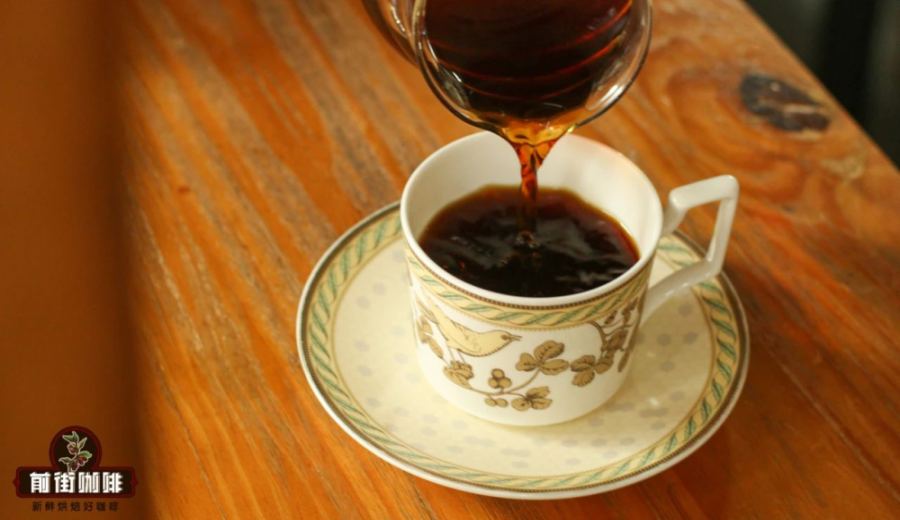
Introduction:Indonesian Mandheling coffee is renowned for its unique spicy profile and rich body, but did you know that the name "Mandheling" actually originated from a misunderstanding? This article delves into the regional characteristics of Sumatra’s Golden Mandheling, explores the wet-hulling processing method, and provides expert-level flavor profiles and pour over brewing recommendations to help coffee enthusiasts master this classic single origin—from beginner to advanced levels.
The Interesting Misunderstanding Behind the Name "Mandheling"
Many well-known coffee names derive from their growing regions or varieties, but "Mandheling" comes from a World War II-era miscommunication. At the time, Japanese soldiers stationed in Sumatra asked about the name of the coffee, and the shopkeeper replied "Mandailing people (Mandailing)," which was later mistakenly spread as "Mandheling" after the war and has remained in use ever since.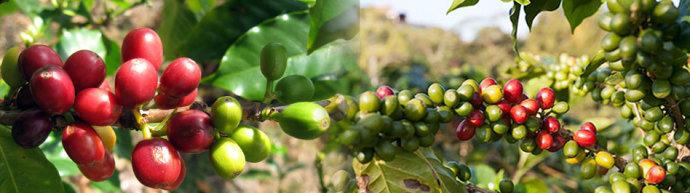
Sumatra’s Terroir Creates Unique Flavors
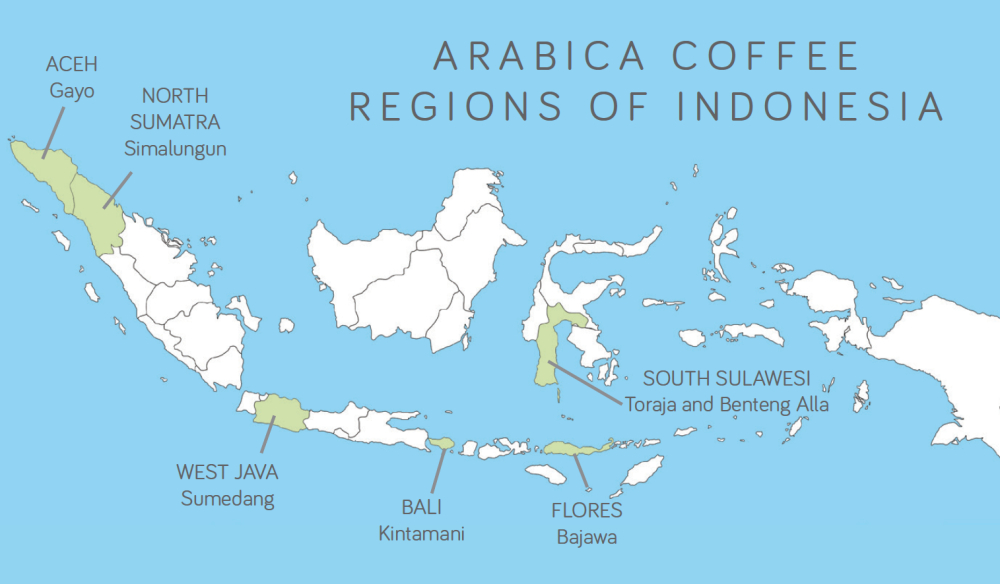
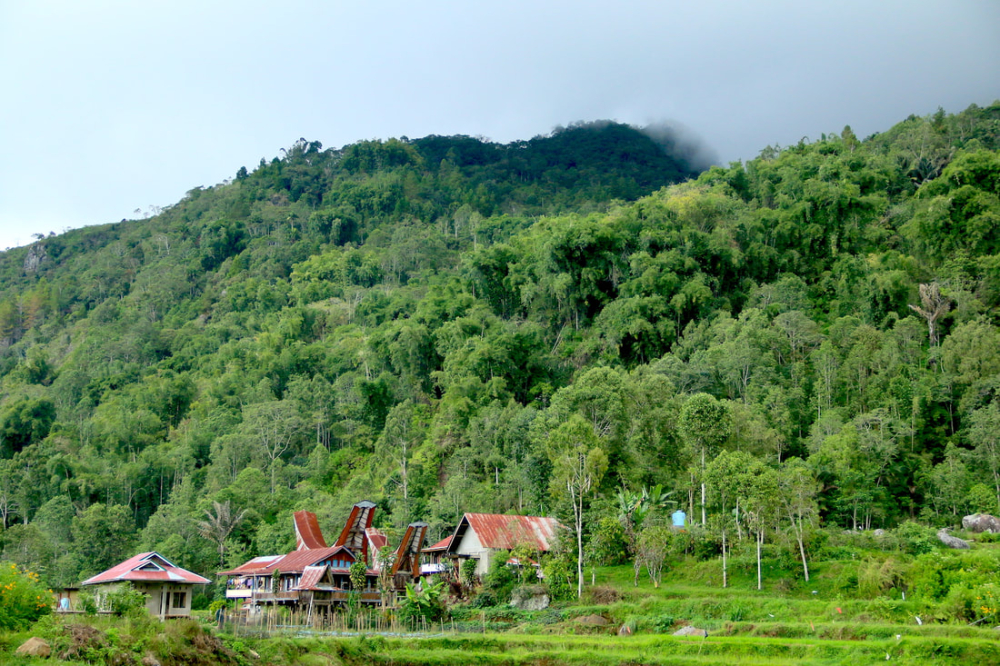
Mandheling coffee is primarily grown in the mountainous regions around Lake Toba in Sumatra,at altitudes of 600–1200 meters.The tropical rainforest climate causes the coffee cherries to ripen more quickly, resulting in pronounced herbal and spicy notes. Among these, the ancient tree varieties in the Gayo Highlands of Aceh are considered to be of the highest quality. The fertile volcanic soil is rich in minerals, but the lower altitude means acidity is less pronounced.
Wet-Hulling and the Challenge of Defective Beans
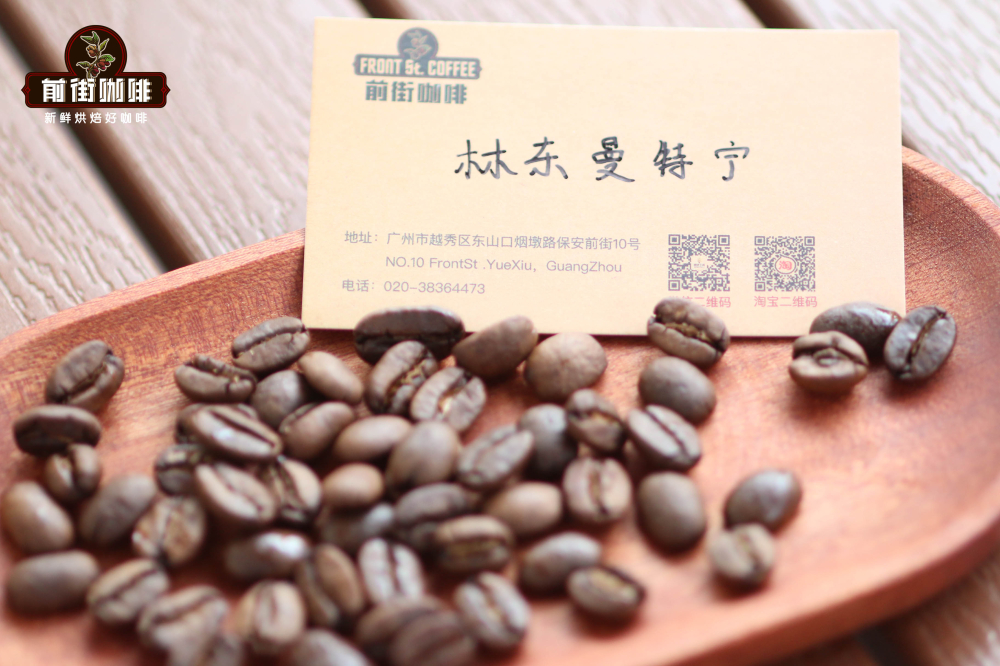
Green beans from the Lintong region often have inconsistent sizing and require strict sorting. The traditionalwet-hulling processinvolves drying the fermented parchment coffee to a moisture content of 20–24%, then removing the parchment while the beans are still soft and flattening them into shape—resulting in the distinctive "hoof-shaped" green beans. This method shortens the drying time and reduces acidity.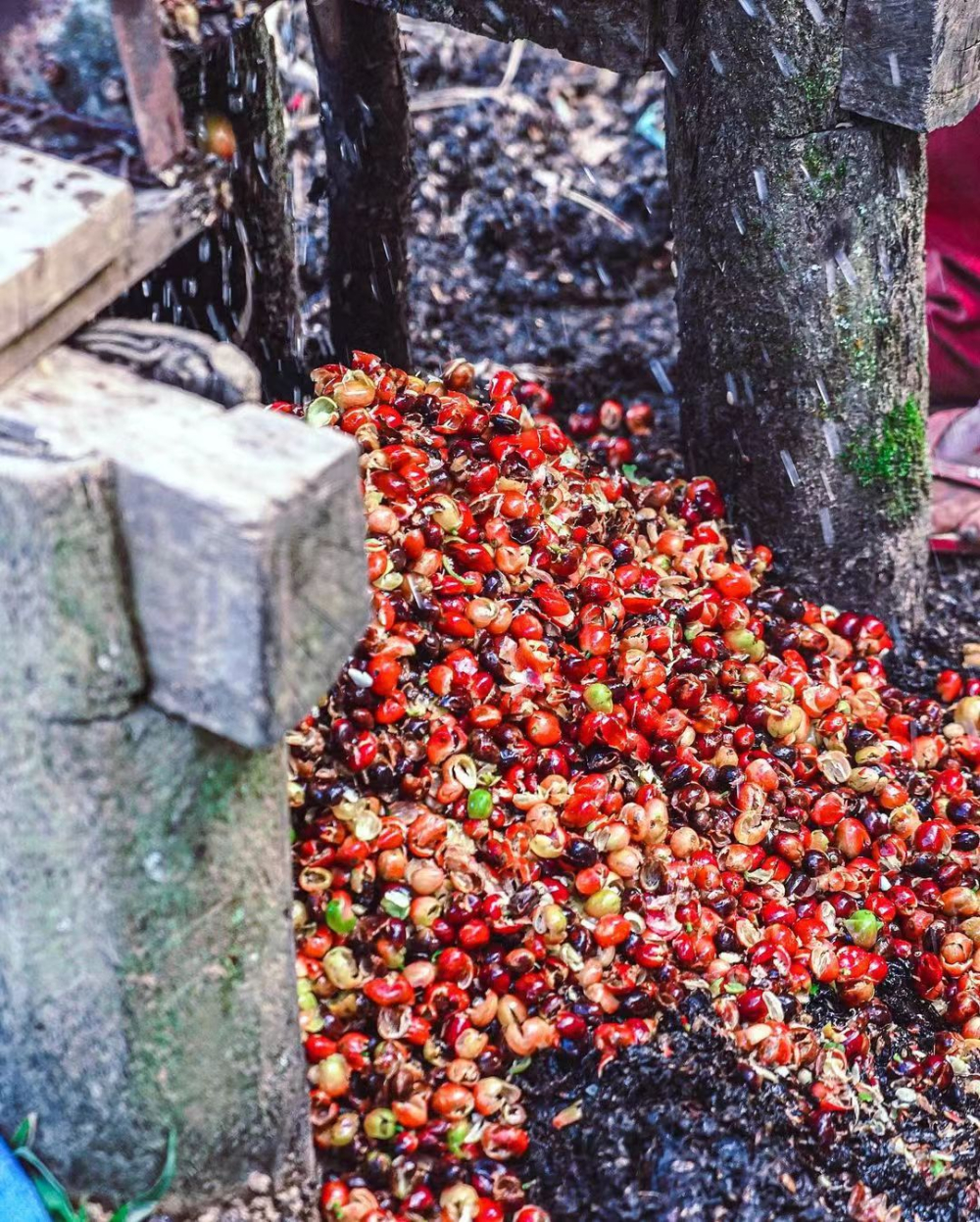
The Strict Standards of Golden Mandheling
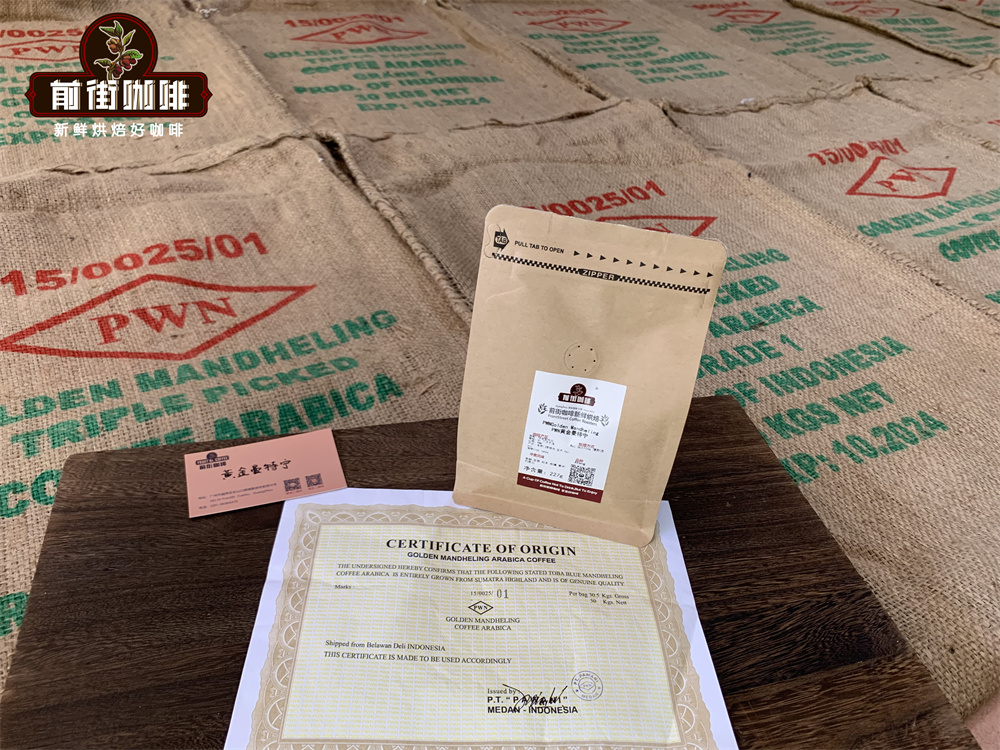
The "Golden Mandheling" registered by Indonesia’s PWN company is limited to G1 grade (no more than 3 defects per 300g) green beans, which undergofour rounds of manual sortingto ensure uniform size. Compared to regular Mandheling, it offers a cleaner and brighter flavor profile, with more pronounced sweetness and body. There are many counterfeit products on the market, so be sure to check for certification labels.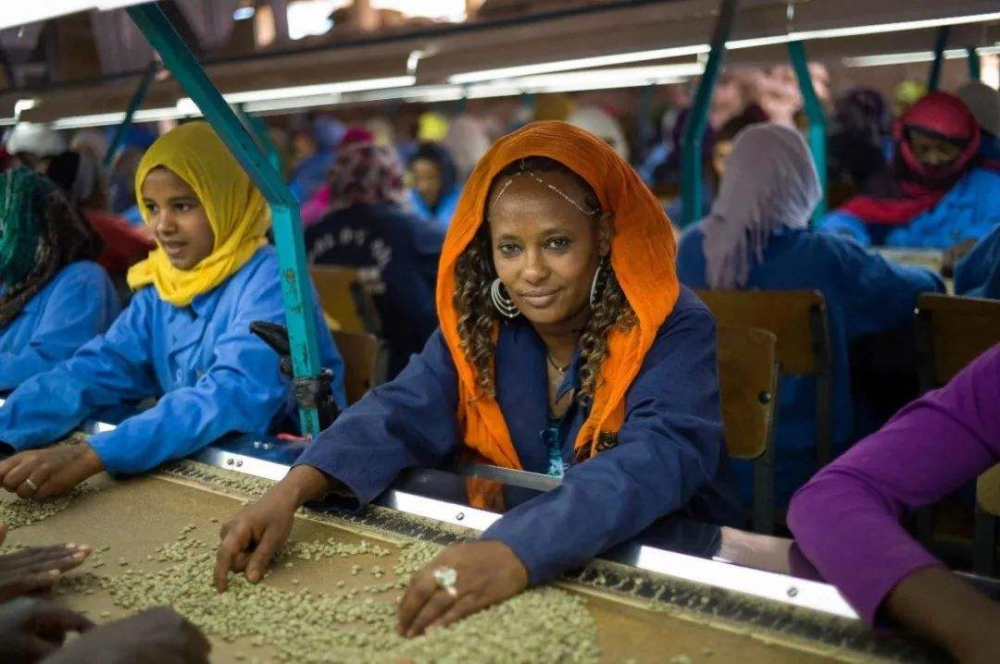
Main Varietal Characteristics
Indonesian Mandheling mostly uses the disease-resistantAteng series(a Catimor hybrid variety). Although not a traditional Arabica cultivar, it adapts well to the local environment and offers stable yields. The early-introduced Tim Tim variety (a natural cross between Typica and Robusta) was also once widely cultivated.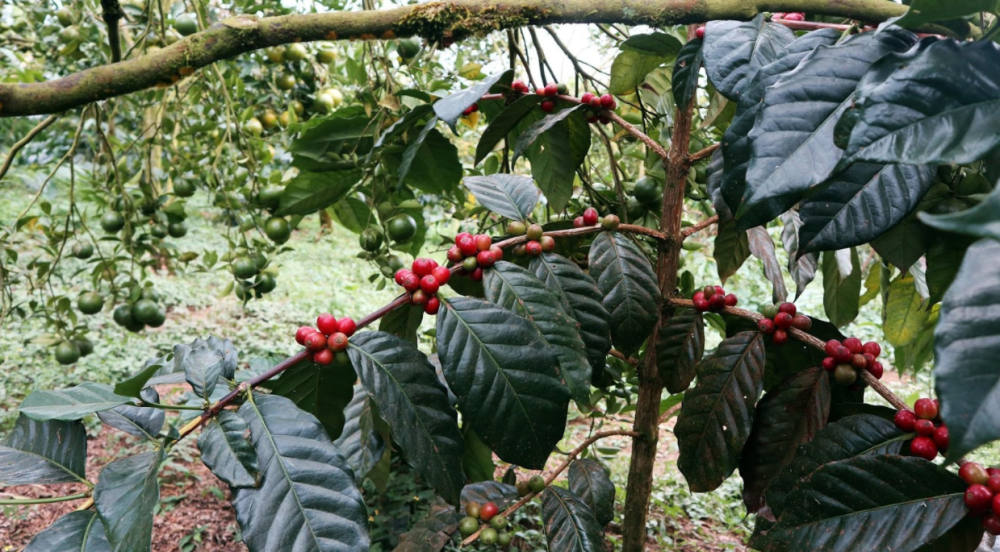
From Everyday Bean to Specialty Bean: Choosing Your Mandheling
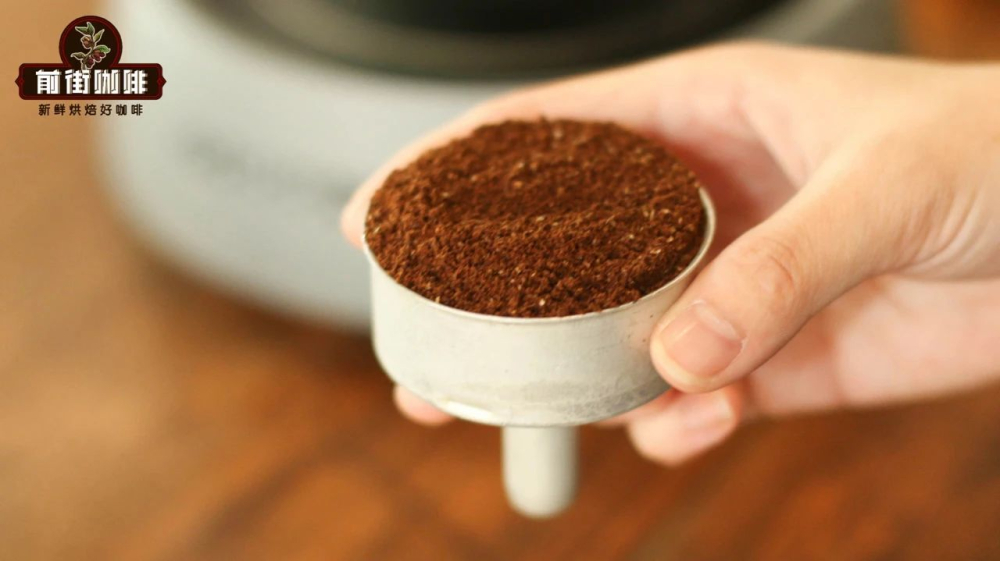
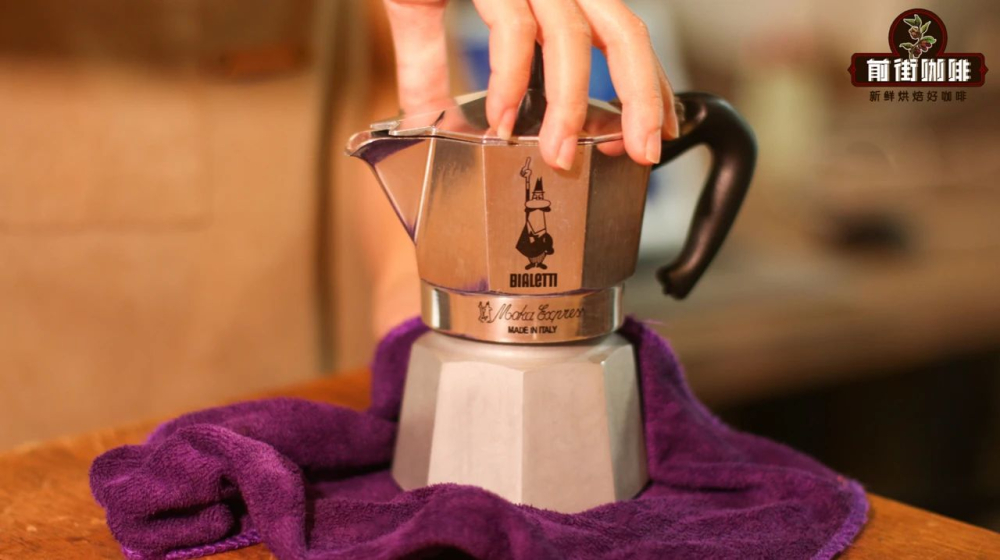
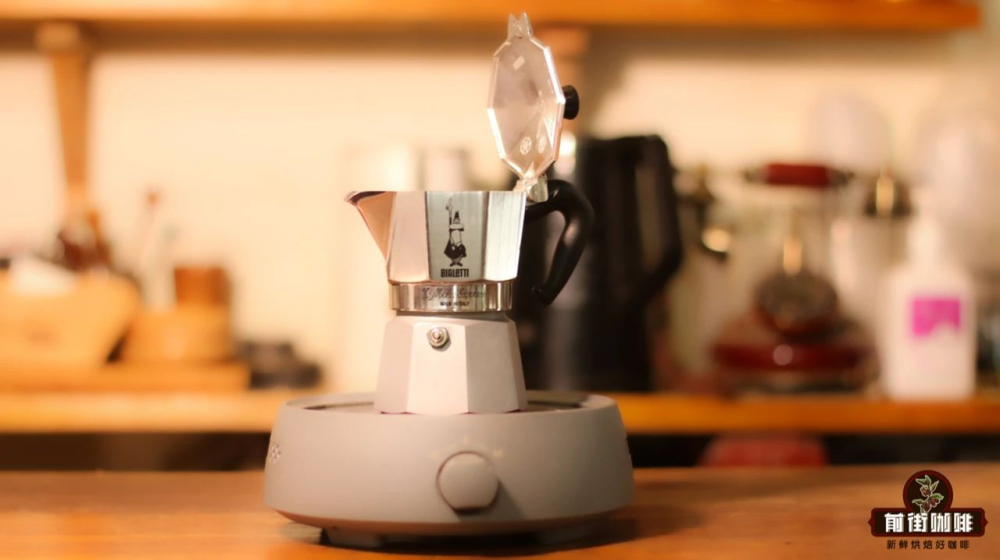
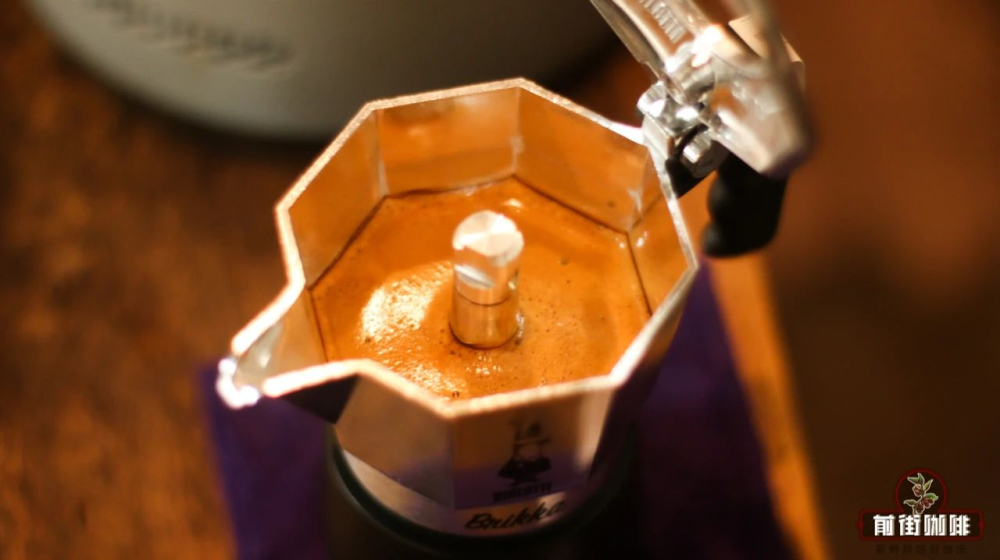
Beginners can try Lintong Mandheling (grown at 1100–1600m altitude, flavor notes: nuts/spices/caramel), where dark roasting highlights its bold characteristics. For more advanced drinkers, we recommend PWN Golden Mandheling (same altitude, flavor notes: herbs/spices/caramel), best brewed using amoka potwith medium-fine grind (approximately 20g coffee to 36ml extraction in 30 seconds), or via pour over at 92–94°C with a pulse pouring technique.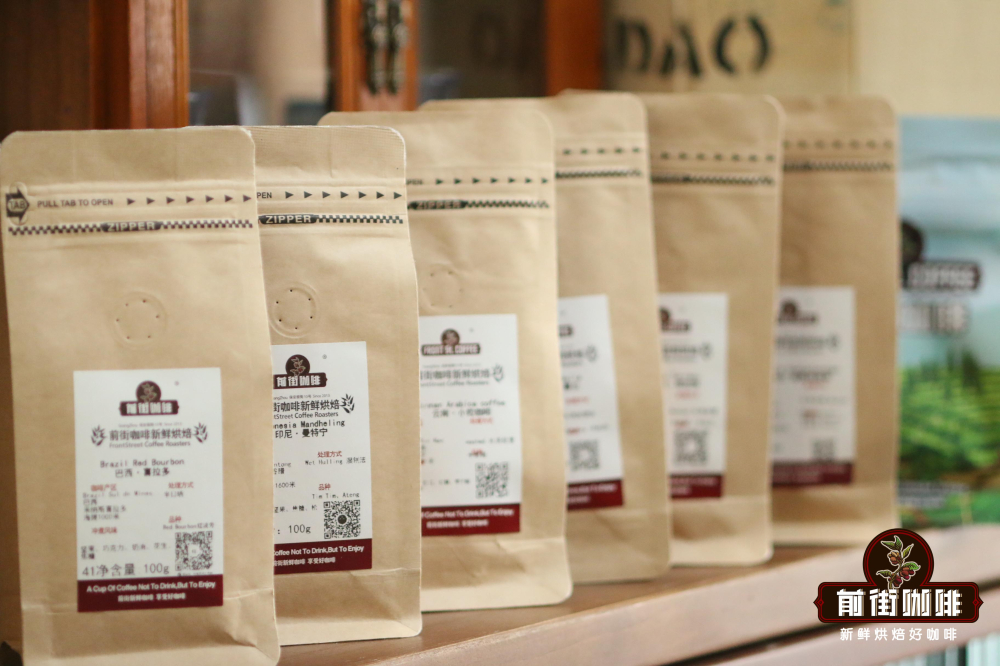
Practical Brewing Tips
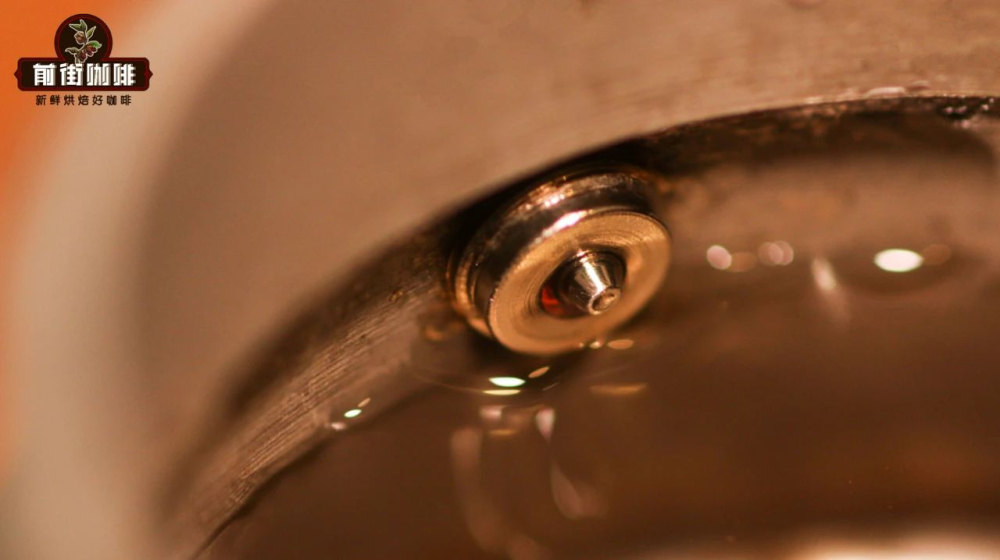
When using a moka pot, be sure not to fill the lower chamber above the safety valve. Lightly tamp the coffee in the filter basket without compacting it. Beginners are advised to keep the lid open to monitor the brewing process and avoid overflow. For a smoother taste, add 150ml of hot water to dilute; for a stronger brew, mix with fresh milk to make a latte.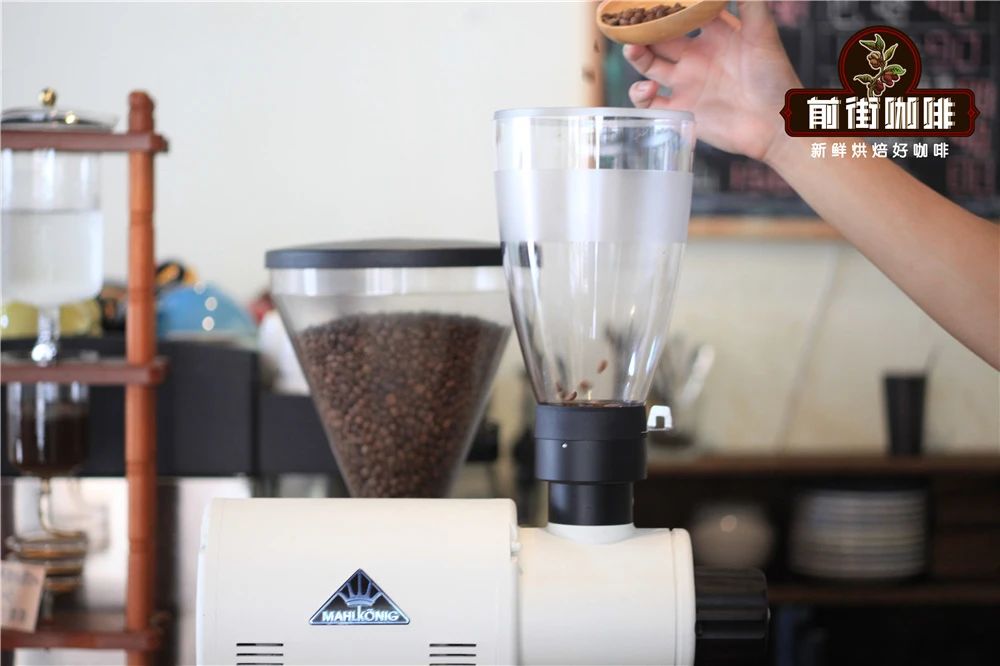
The above content is compiled by CoffeeHunters, a coffee news website.

