







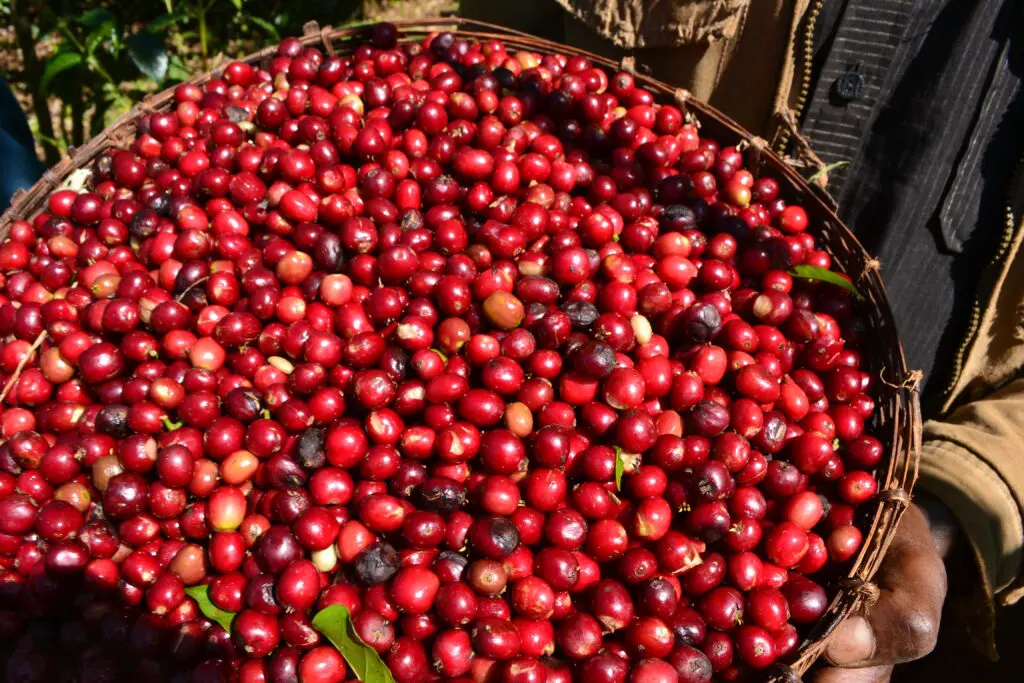
Introduction:Yirgacheffe is the most iconic specialty coffee region in Ethiopia, renowned for its unique floral and fruity aromas. This article delves into the history of Yirgacheffe, the characteristics of the region, the washed processing method used by the Gedeb Cooperative, and provides professional pour-over recommendations and extraction parameters to help you fully explore the flavor potential of this classic coffee bean.
When it comes to coffee with rich floral and fruity notes, many people first think of Yirgacheffe. Although Geisha is also celebrated for its floral characteristics, the aroma profile of Yirgacheffe is often clearer and more layered. As a well-known specialty coffee region in Ethiopia, Yirgacheffe was originally part of Sidamo but was later separated due to its distinctive flavor profile, becoming a flavor holy grail in the hearts of coffee lovers worldwide.
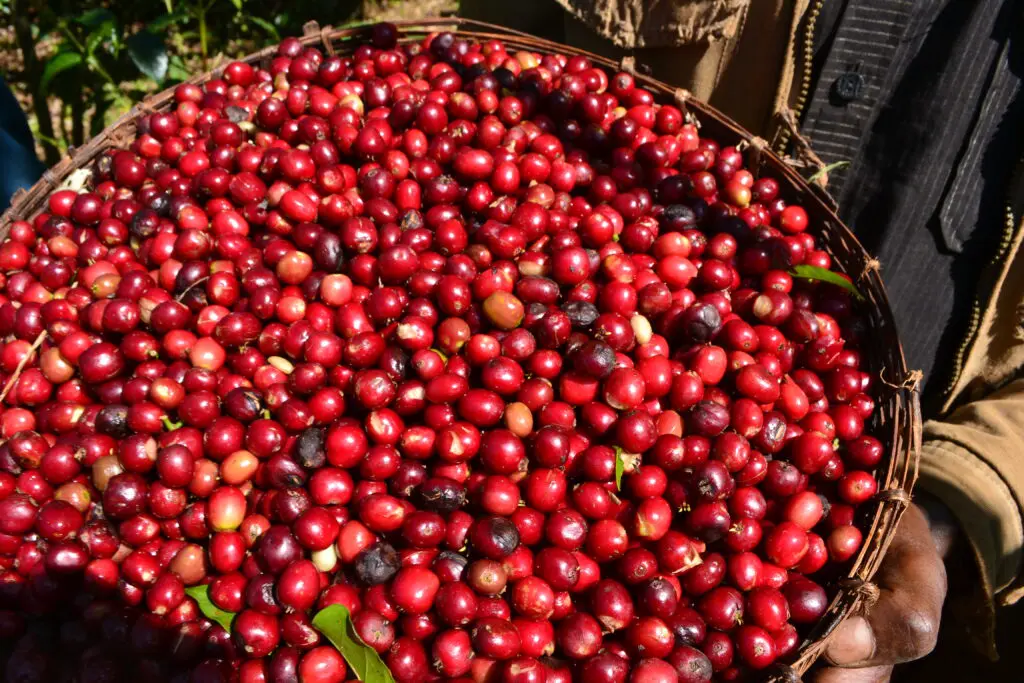
The name "Yirgacheffe" originates from ancient words. "Yirga" means "to settle down," while "Cheffe" refers to "wetland." This small town in the Sidamo region is situated on a plateau at an altitude of 1,700 to 2,100 meters, with a cool, foggy climate and spring-like weather all year round. Such a unique natural environment, combined with the local cultivation methods, has created the irreplaceable flavor characteristics of Yirgacheffe coffee.
Coffee in Yirgacheffe is mostly grown by local farmers in their backyards or intercropped with other plants, with limited production per household, representing a typical garden-style cultivation. The so-called "Yirgacheffe flavor" usually features distinct jasmine floral notes, a refreshing lemon or lime acidity, as well as fruit and tea-like aromas such as peach and almond. This coffee offers a well-defined layering of flavors upon entry, with a rich and delicate body and a pleasant sweetness in the aftertaste. It is often described as "a hundred flowers blooming upon drinking," with a silky-smooth mouthfeel that is truly unforgettable.
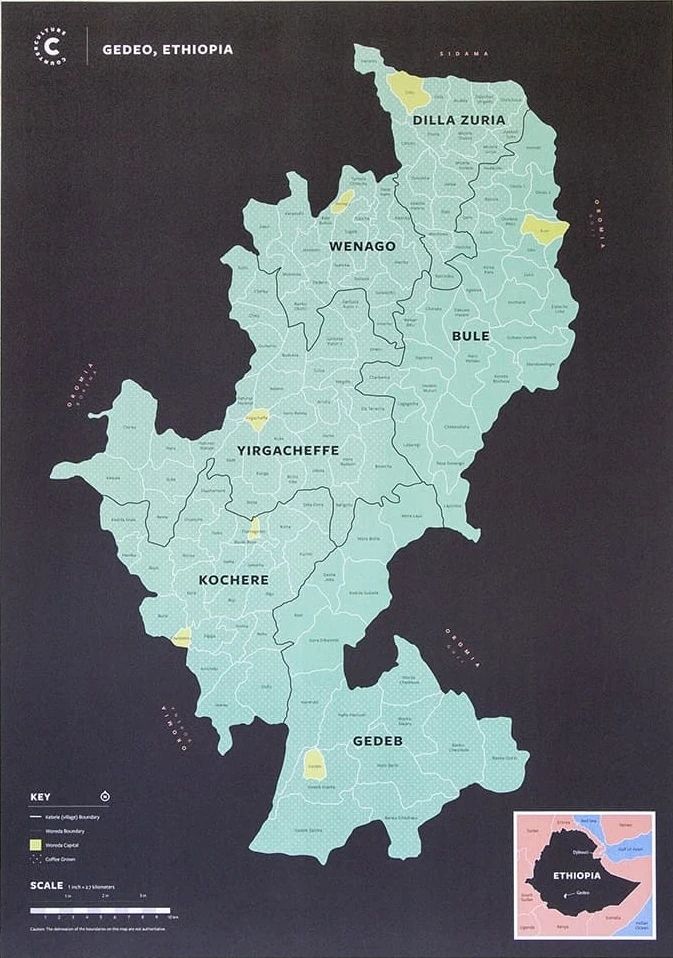
The Gedeo Zone, where Yirgacheffe is located, especially the Gedeb area, is one of the focal points of specialty coffee. Gedeb is located below the town of Kochere, about 60 kilometers from the town of Yirgacheffe, at an altitude of 1,900 to 2,200 meters, higher than the general Yirgacheffe region. The large diurnal temperature variation and abundant fog brought by the high altitude provide ideal growing conditions for coffee trees, and also give the beans here richer aromas and brighter acidity. Although classified under the Kochere region in the ECX auction system, Gedeb and Kochere are actually administrative peers, and in the specialty coffee world, Gedeb is often regarded as an independent premium micro-region.
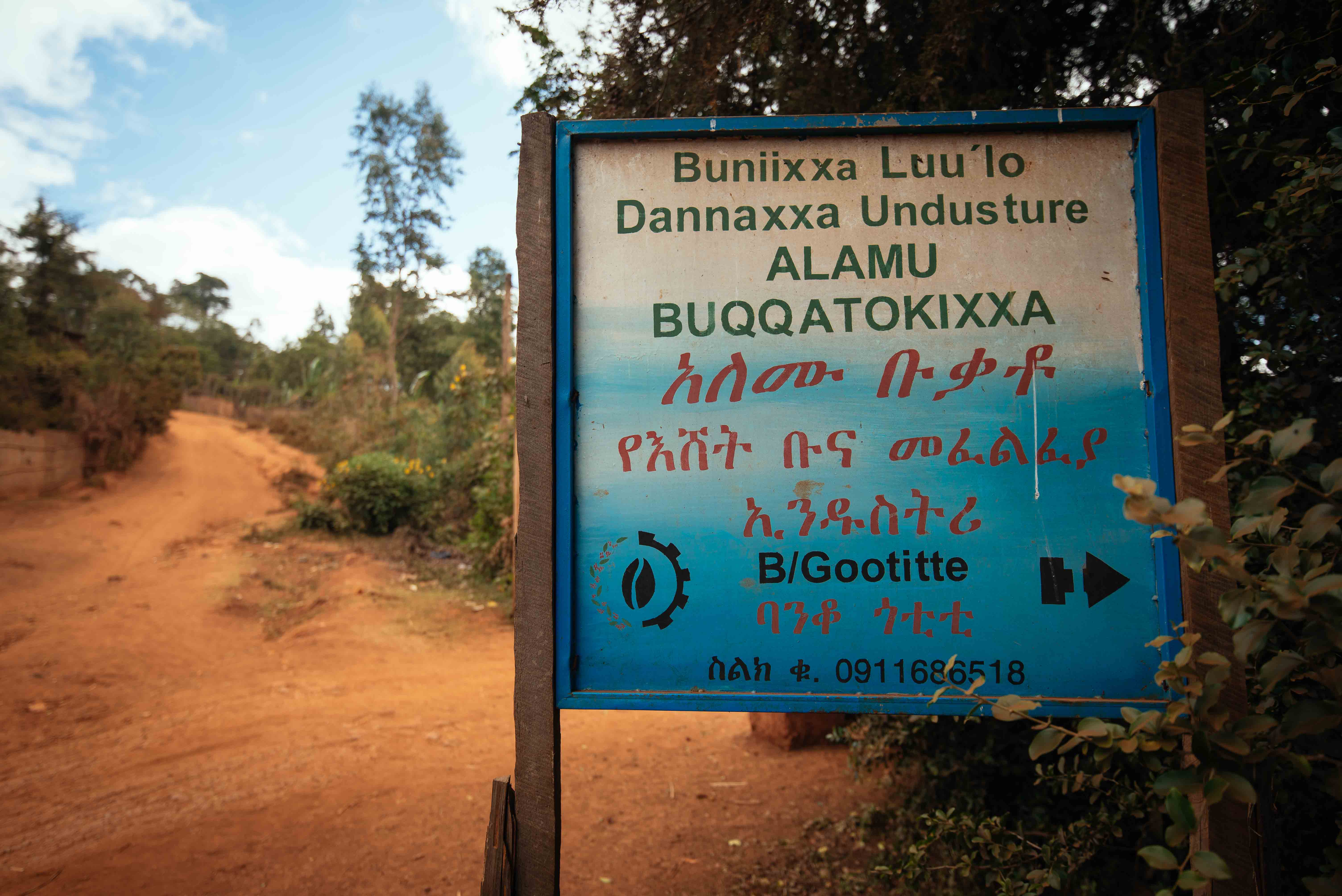
Under Gedeb’s jurisdiction are several well-known villages, including Worka Sakaro, Halo Bariti, Banko Gotiti, and Banko Dahato. The coffee beans produced in these villages each have their own characteristics, with Banko Gotiti being one of the representatives of washed Yirgacheffe.
In the classification system of the Ethiopian Commodity Exchange (ECX), Yirgacheffe is mainly divided into four major regions: Wenago, Yirgacheffe, Kochere, and Gelana Abaya. The Kochere region includes western Kochere and eastern Gedeb (Gedeb). Although Gedeb and Kochere are administratively equal, Gedeb is often treated as a separate micro-region due to its outstanding flavor performance. The Gedeb Cooperative is located in the Worka Kebele area of the Gedeb region in the southern part of Yirgacheffe.
The predecessor of the Gedeb Cooperative was part of the Worka Cooperative under the Yirgacheffe Coffee Farmers Cooperative Union (YCFCU). In 2012, in order to improve coffee traceability, this group of about 300 smallholder farmers decided to become independent and formed the Gedeb Cooperative. The cooperative still adheres to traditional washed and natural processing methods and is one of the most respected sources of green beans in the Yirgacheffe region.
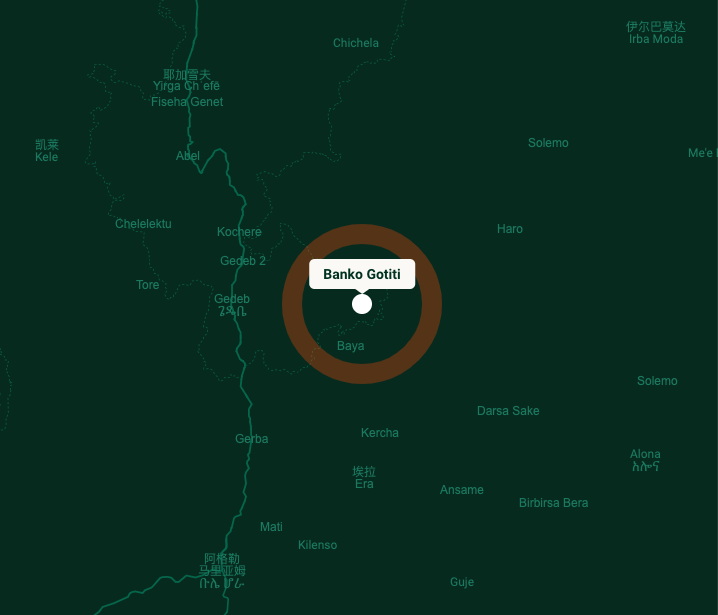
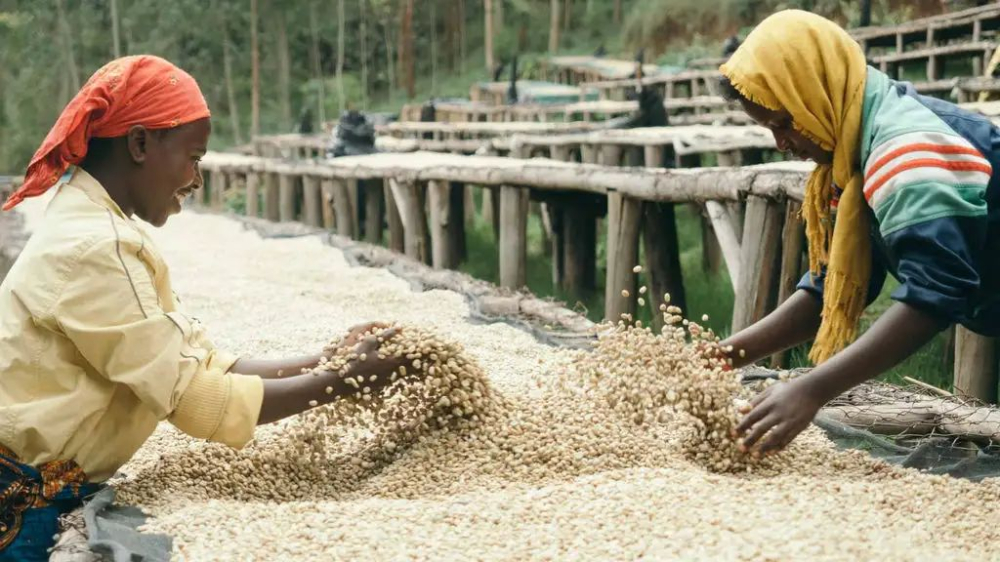
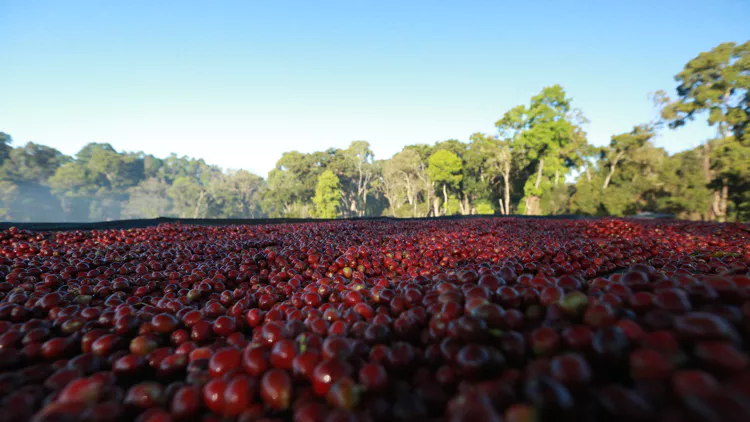
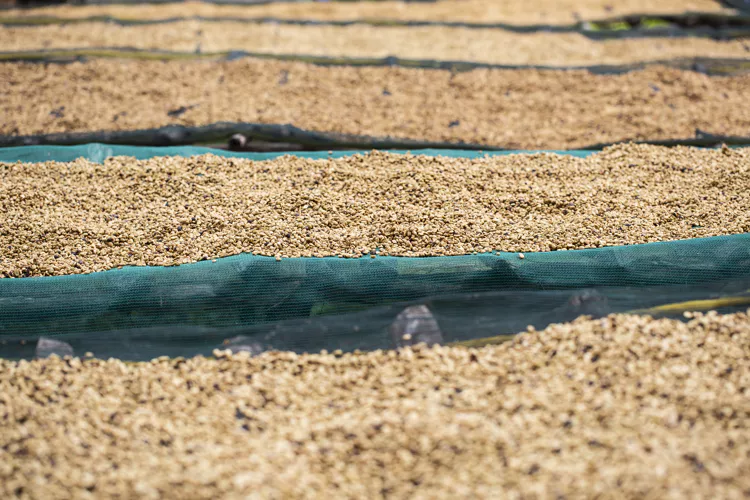
When it comes to the processing methods of Yirgacheffe, washed processing is one of the most representative techniques. Ethiopia introduced washed technology from Central and South America in 1972. Although the process is complex and water-intensive, it can highlight the inherent flavor characteristics of the coffee beans. The steps of washed processing include: placing harvested coffee cherries in water to use buoyancy to remove unripe fruits; then removing the skin and pulp, placing the mucilage-covered beans in a fermentation tank for about 18 to 36 hours until the pulp is decomposed; subsequently rinsing with clean water and using specially designed channels to wash away lighter defective beans, and finally evenly spreading the coffee beans on African beds to dry.
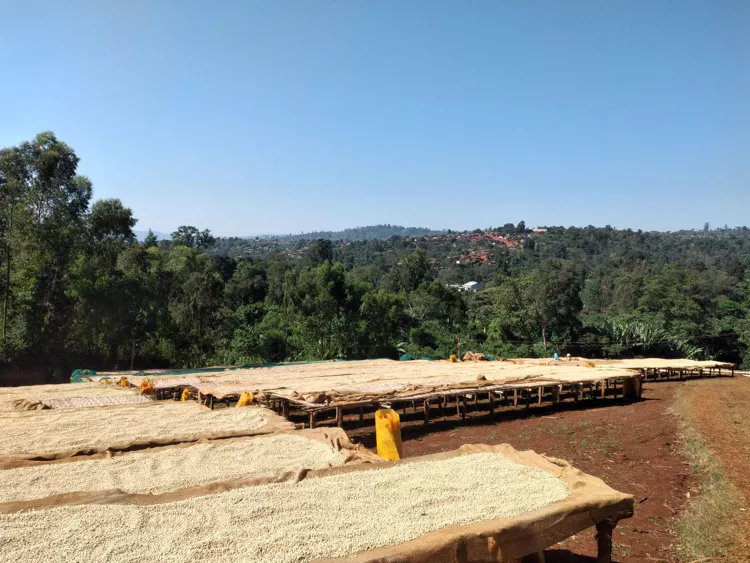
The greatest feature of the washed processing method is its ability to clearly showcase the acidity and aroma of the coffee. Yirgacheffe, after washed processing, often exhibits bright citrus tones, delicate white floral notes, and a clean, crisp mouthfeel. This processing method has made Yirgacheffe one of the benchmarks of the world’s specialty coffee.
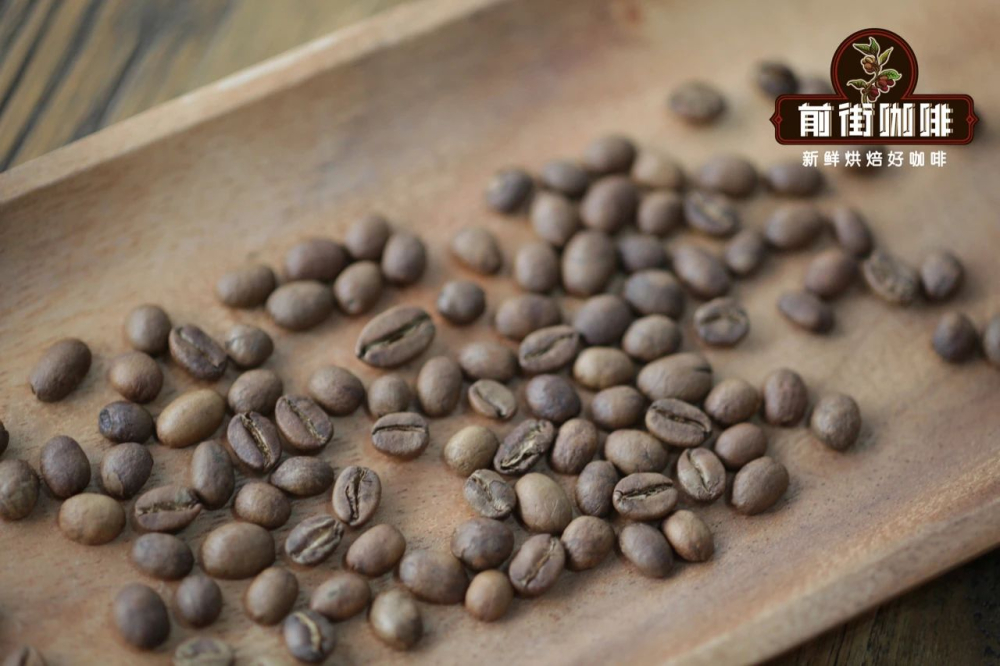
In terms of variety, Ethiopian coffee is mostly referred to as "Heirloom." This is not a single variety but rather a collective term for thousands of wild and semi-wild Arabica strains found within the country. Since Ethiopia is the genetic home of Arabica, with nearly 2,000 recorded varieties—1,927 native and 128 introduced—and most have not been thoroughly classified, it is common to see slight variations in bean size and appearance within the same batch. These heirloom varieties have naturally evolved under the local soil and climate conditions, forming the unique flavor foundation of Yirgacheffe.
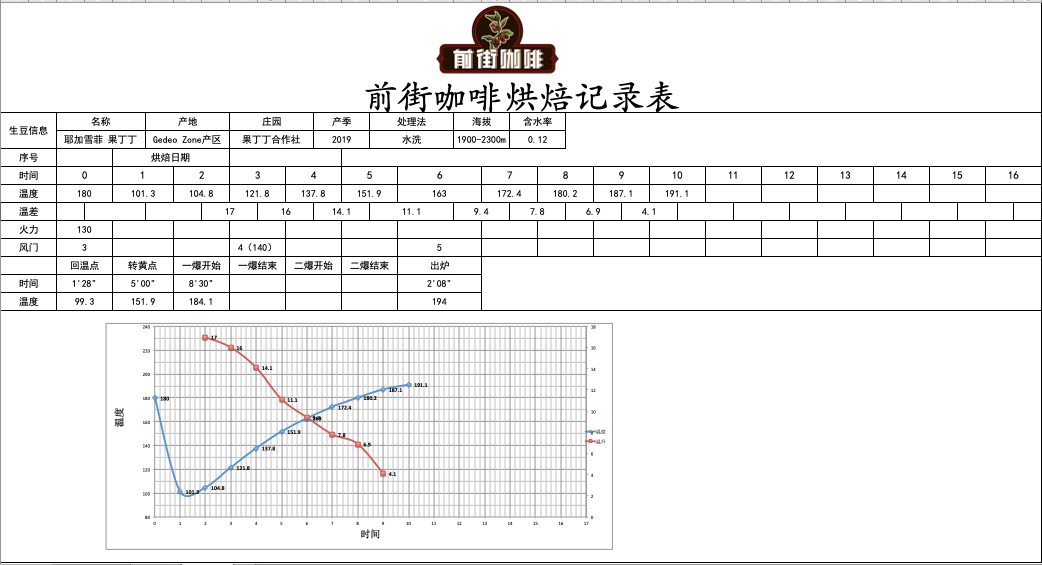
In terms of roasting and extraction, Yirgacheffe is suited to light-to-medium roasts to highlight its floral and fruity profiles. For example, roasters at some coffee shops often use low-heat slow roasting to extend the dehydration time of the beans, preserving more fruit acids and aromas. Below is a set of professional roasting references: using a Yangjia 800N roaster (300g capacity), charge temperature 175°C, air damper open to 3, flame power 120; turnaround point around 1 minute 32 seconds, when the roaster temperature drops to 140°C, adjust the air damper to 4, and when the bean surface turns yellow and the grassy smell fades; then gradually reduce the flame power, adjust to 100 at 166°C, and to 80 at 176°C; around 8 minutes 28 seconds, when the bean surface shows wrinkles and dark spots, entering the prelude to first crack, pay attention to the sound of the first crack; first crack begins at 9 minutes 38 seconds, adjust the air damper to 5, and continue development for 1 minute 30 seconds, finally dropping the beans at 193.5°C. Agtron bean color value is about 74.6, powder value 79.8, Roast Delta value is 5.2.
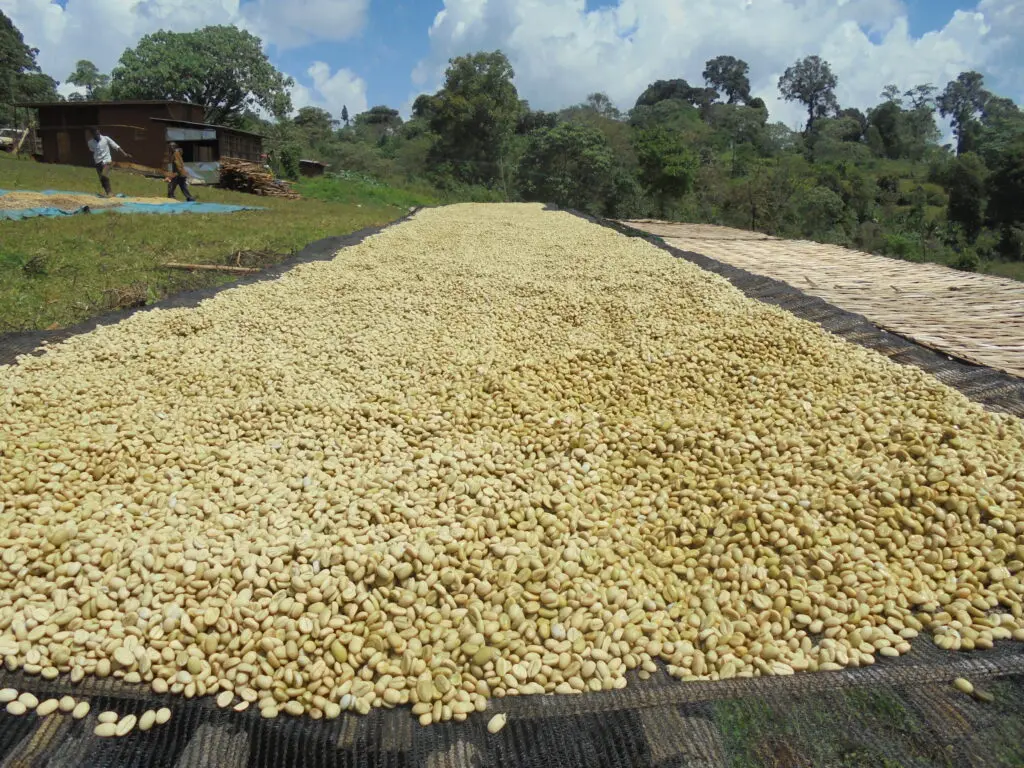
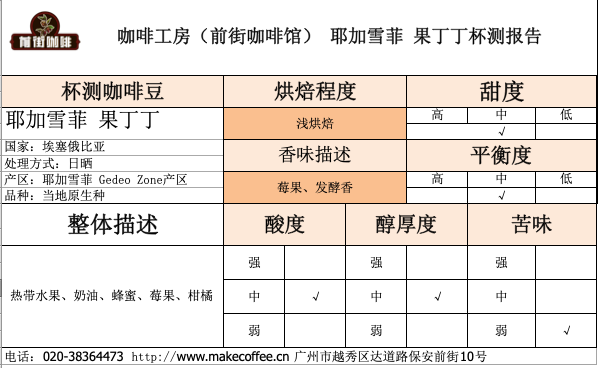
Cupping this Gedeb washed Yirgacheffe often reveals complex flavors of tropical fruits, cream, honey, berries, and citrus, with bright acidity, clear sweetness, and a long-lasting aftertaste.
As for pour-over recommendations, you can use a Hario V60 filter, with water temperature controlled at 91°C, coffee dosage 15 grams, coffee-to-water ratio 1:15, and grind size medium-fine (about 80% passing through a Chinese standard No. 20 sieve). The recommended pour-over technique is a staged extraction: start with 34 grams of water for a 36-second bloom, then pour in a small circular motion until reaching 120 grams for the first pour, wait until the water level drops just about to expose the coffee bed, then continue pouring to 229 grams before stopping, and wait for the water in the filter to drop before removing the filter. Total extraction time is about 2 minutes. These parameters can fully showcase the fruit acids, floral notes, and tropical fruit flavors of the Gedeb washed beans, with the citrus notes in the aftertaste being particularly long-lasting and captivating.


The above content is compiled by CoffeeHunters, a coffee news website.

