







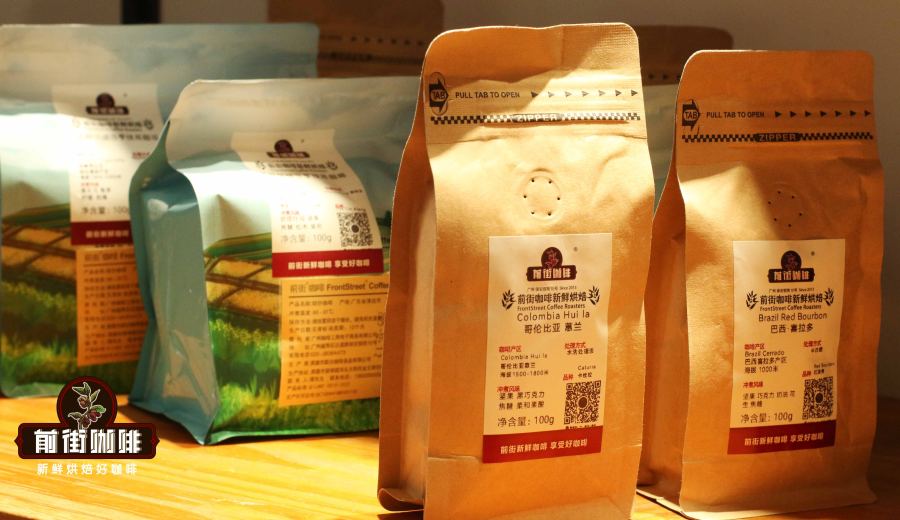
Introduction:Selecting coffee beans suitable for pour over is the first challenge for beginners. This article provides an in-depth analysis of the differences between single-origin and blended beans, recommends three entry-level beans with distinct flavors and great value, and details their flavor profiles and recommended brewing scenarios. Through practical cupping comparisons, it helps newcomers quickly develop the ability to identify acidity, body, and aroma, while also offering useful advice on selection and brewing.
In the world of coffee, the difference between single-origin beans and blended beans directly impacts brewing methods and final flavor expression. Single-origin beans, due to the uniqueness of their origin and processing methods, are especially well-suited for extraction via filter methods such as pour over, showcasing clear regional flavor characteristics; whereas blended beans are often designed to achieve a balanced and rich taste, making them more suitable for high-pressure extraction methods like espresso.
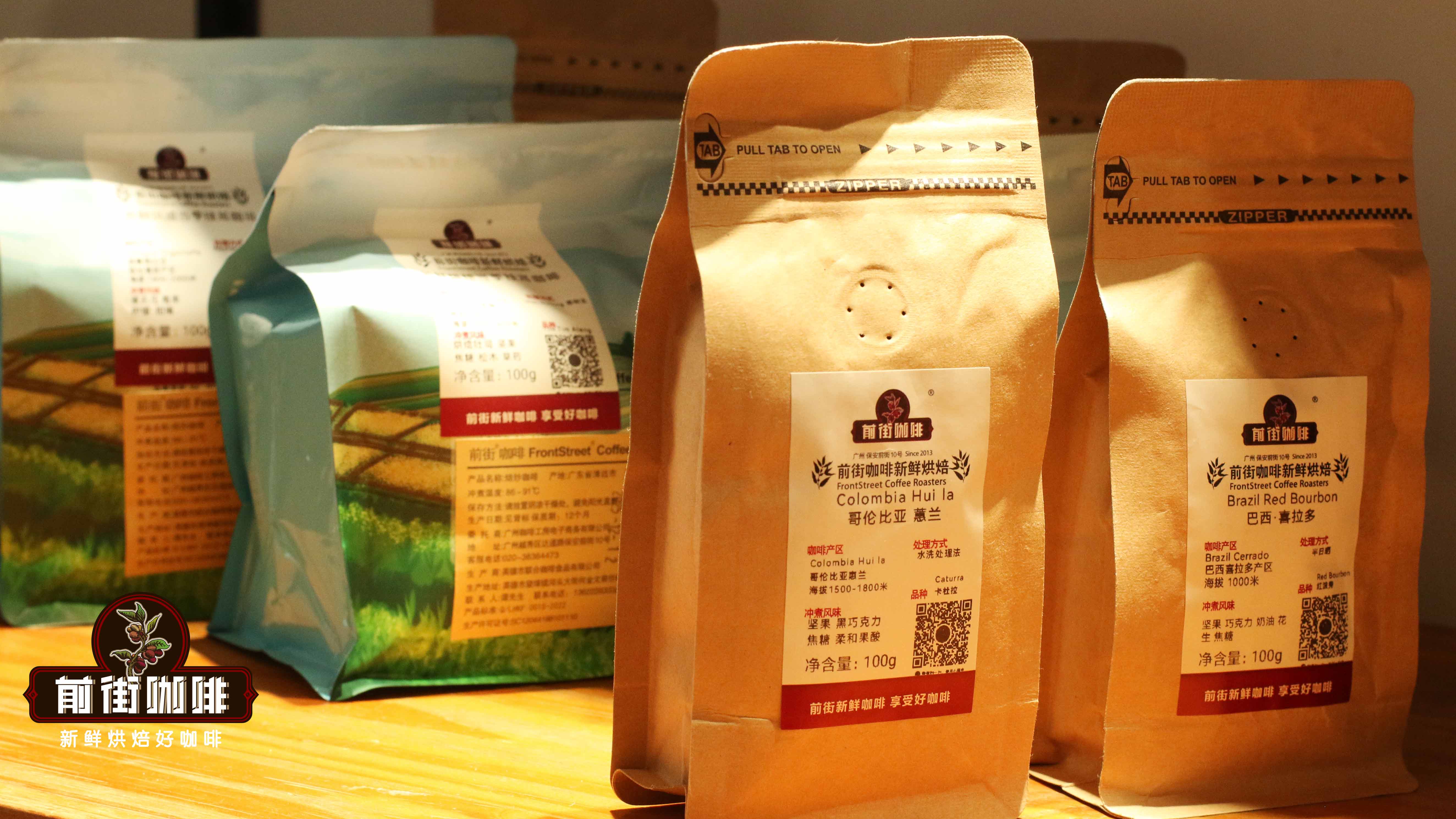
For those new to pour over, it is recommended to start with three representative, high-value specialty coffee beans. These beans not only present clear flavor profiles but also help you understand the typical characteristics of different producing regions. Through practical cupping comparisons, you can develop sensitivity to acidity, sweetness, and aftertaste.
The top recommendation is a bean from Colombia’s Huila region, which has a nutty base tone accompanied by distinct black chocolate and cocoa aromas. Its acidity is soft, bitterness is extremely mild, and body is medium—making it suitable for users who prefer a smooth and mellow taste. For brewing, it is recommended to use a medium-light roast, with water temperature controlled at 90–92°C, which can effectively highlight its sweetness.
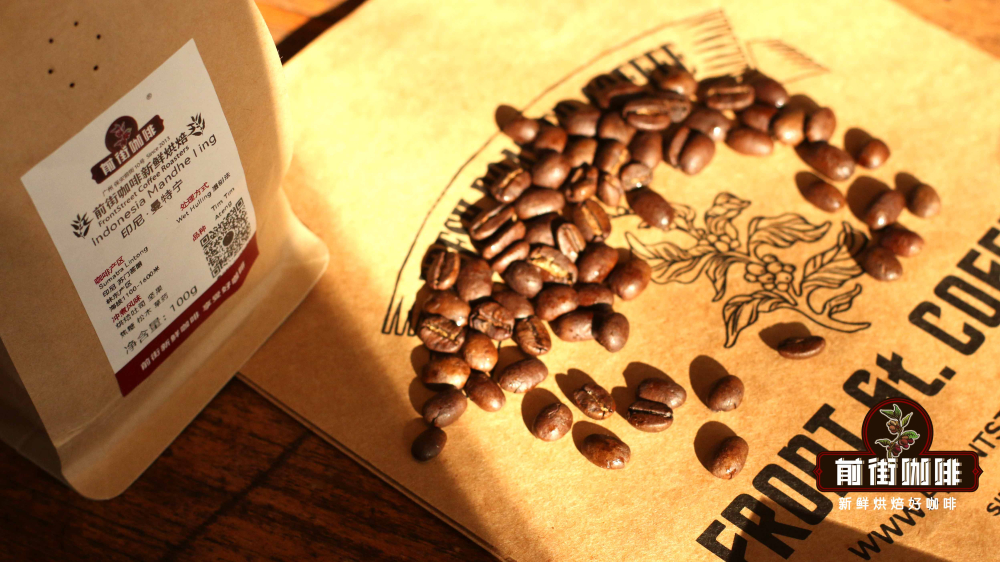
Coming from Indonesia, Mandheling exhibits distinctly Southeast Asian flavor characteristics. It shows a prominent spicy and herbal tone, paired with a rich caramel finish, with almost no acidic interference. Among the three, it has the highest body, offering a dense mouthfeel similar to unsweetened dark chocolate—especially suited for drinkers who prefer a full-bodied taste. Note that brewing may require slightly longer time; it is recommended to use a medium-dark roast and increase the coffee-to-water ratio to 1:15.
The most floral and fruity Ethiopian Yirgacheffe is the best entry choice for beginners wanting to experience bright acidity. Distinct citrus and lemon aromas are released first, followed by soft floral tones, with very low bitterness and a refreshing aftertaste. The overall flavor profile is similar to that of a floral fruit tea. It is recommended to use a light roast with slightly higher water temperature (92–94°C), and adopt a center-pouring method to avoid over-extraction.
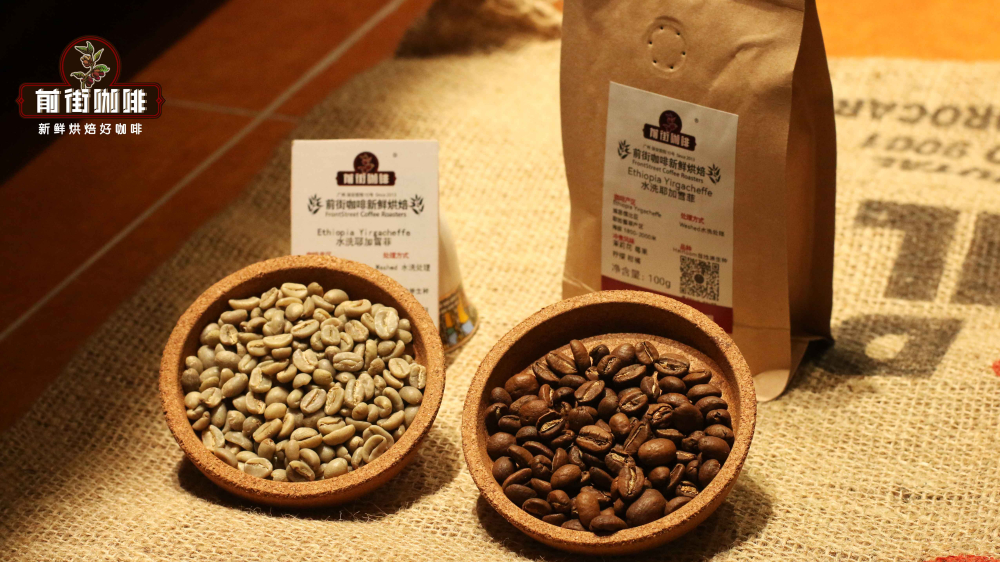
These three beans cover the typical flavor spectrum from acidity to bitterness, and it is recommended to taste and compare them in sequence. After actual experience, you will find that the differences in coffee flavors come not only from origin, but also crucially from roast level and adjustments in brewing parameters. For beginners on a budget, these affordable specialty beans not only offer consistent quality, but also provide sufficient learning value—making them an important foundation for developing your personal coffee preferences.
The above content is compiled by CoffeeHunters, a coffee news website.

