







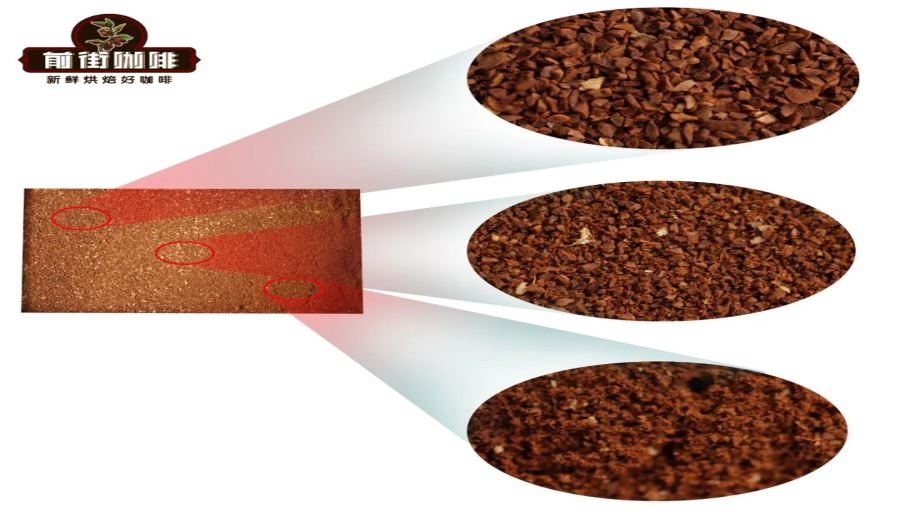
Introduction:Grind size is a core factor that influences the flavor extraction of coffee, and different brewing devices have vastly different requirements for coffee grind coarseness. This article, based on scientific data, provides practical grind reference ranges for pour over coffee, French press, and cold brew/drip methods, and explains how a 20-mesh sieve passing rate (68%–85%) corresponds to the optimal extraction effect for various devices. It helps you precisely adjust your grind parameters to avoid over-extraction or under-extraction.
The first step in brewing coffee is always to grind the beans into a powder form suitable for your device. With the growing popularity of specialty coffee culture, more and more coffee enthusiasts choose to brew at home, yet they often encounter a key issue: why does the same coffee bean taste so different when enjoyed in a café versus brewed at home? The answer often lies in the grind size—an aspect that seems simple but is actually extremely important.
Coffee beans must be ground to release their flavor compounds. But not all soluble components are desirable—too coarse a grind can lead to under-extraction and weak flavors, while too fine a grind may release excessive bitter and astringent impurities. Mastering the correct grind coarseness is the primary step in elevating the quality of your home-brewed coffee.
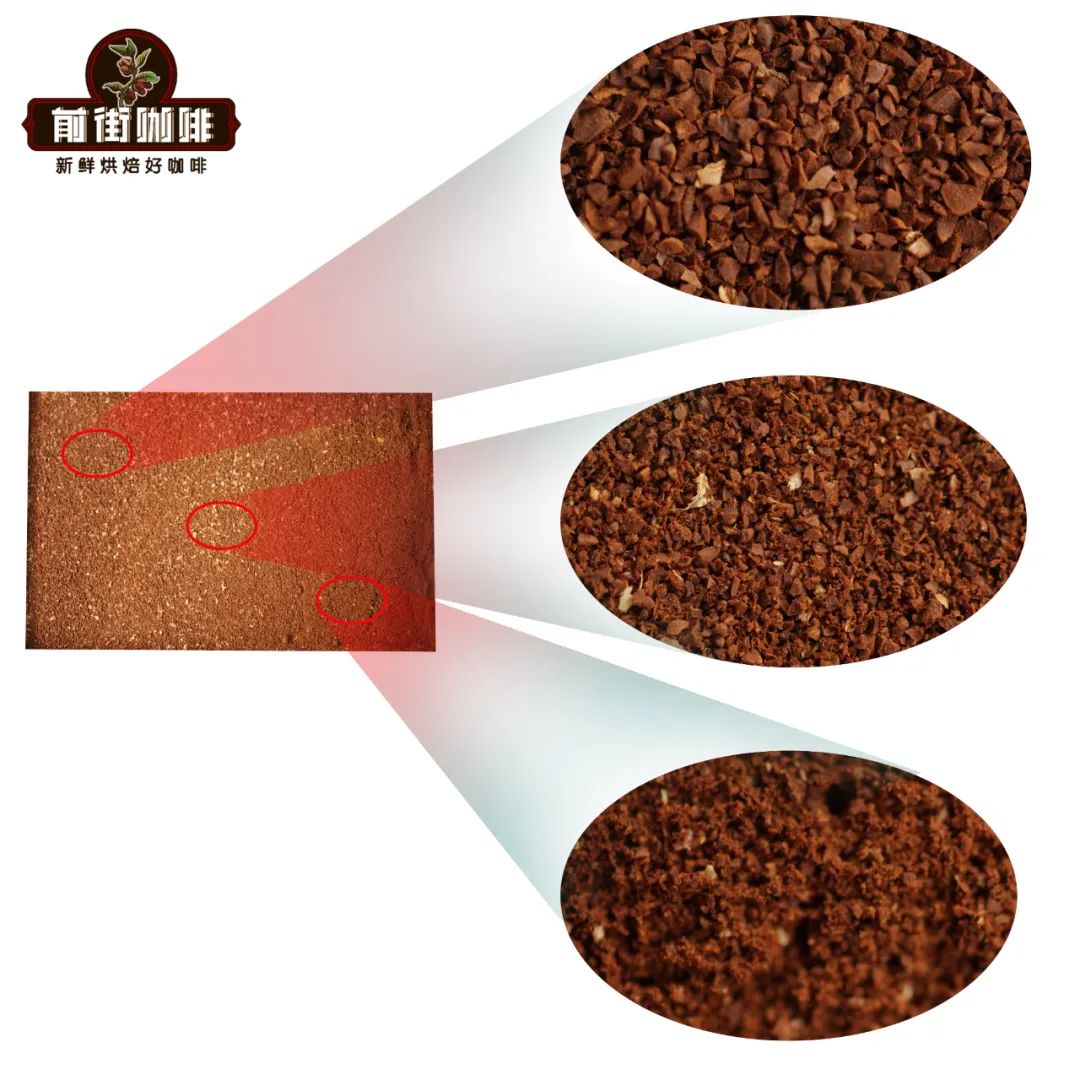
It’s worth noting that different brewing devices, due to differences in design principles, also have very different requirements for the coarseness of coffee particles. Taking common devices like pour over coffee, French press, and cold brew/drip as examples, their ideal grind sizes from coarse to fine are: French press > pour over coffee > cold brew/drip > espresso machine. This ranking directly relates to the extraction pressure, time, and filtration method of each device.
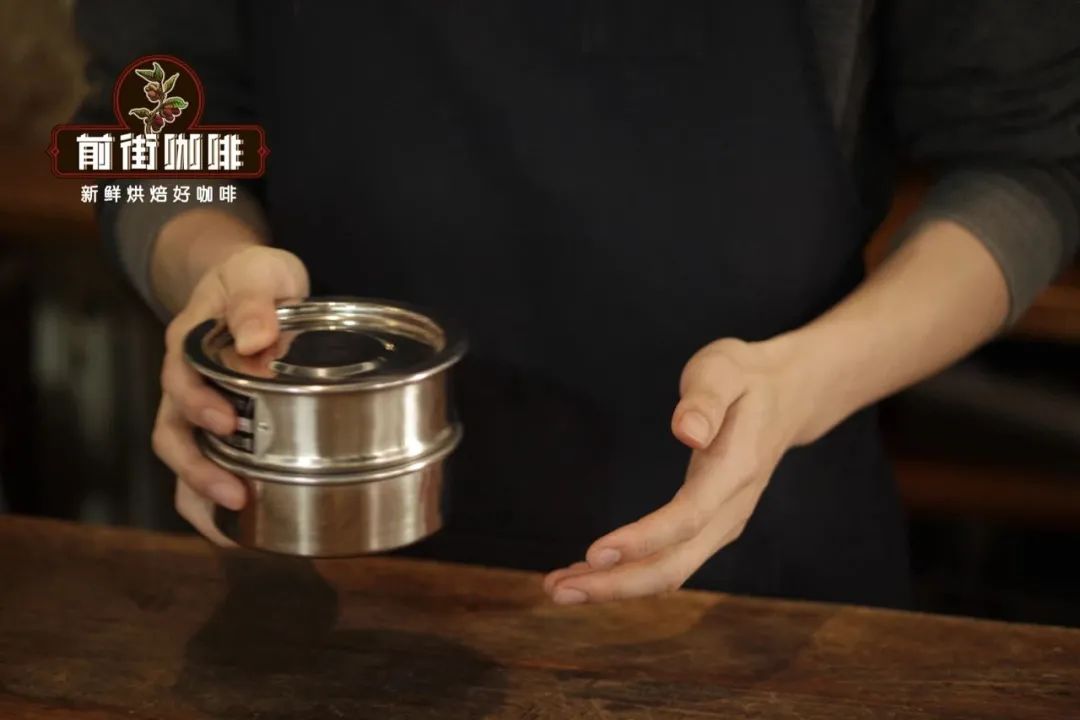
However, relying solely on subjective terms like “coarse” or “fine” is still insufficient to precisely control extraction results. The industry-recognized objective standard comes from the cupping process—originally a method used to evaluate green coffee bean quality—which, through the passing rate of a 20-mesh Chinese standard sieve (aperture 0.85mm), provides us with specific numerical references: the cupping standard grind size has a sieve passing rate of 70–75%. In practice, simply pour 20 grams of ground coffee into a standard sieve, shake it horizontally until no more particles fall through, then weigh the amount that passed through to calculate the rate (for example, if 15.2 grams pass through, that’s a 76% passing rate—the higher the number, the finer the grind).
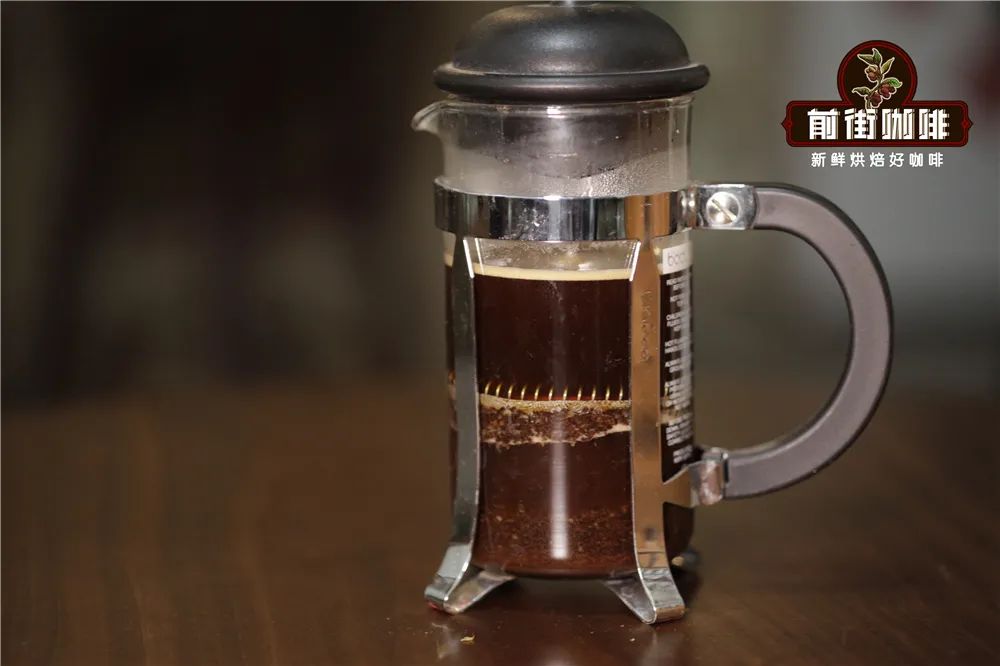
The French press, as the simplest immersion brewing tool, has an ideal grind size that is highly similar to the cupping conditions. Because it uses a metal filter, it is recommended to choosea coarse grind with a 20-mesh sieve passing rate of 68–75%, which ensures sufficient immersion while avoiding fine particles passing through the filter and affecting mouthfeel. Advanced adjustments should take roast level into account: medium-light roasted beans are suited to a slightly finerpassing rate of 72–75%, which can bring out more floral and fruity notes; medium-dark roasts are advised to use acoarser grind with a 68–71% passing rateto reduce the burnt bitterness caused by over-extraction.
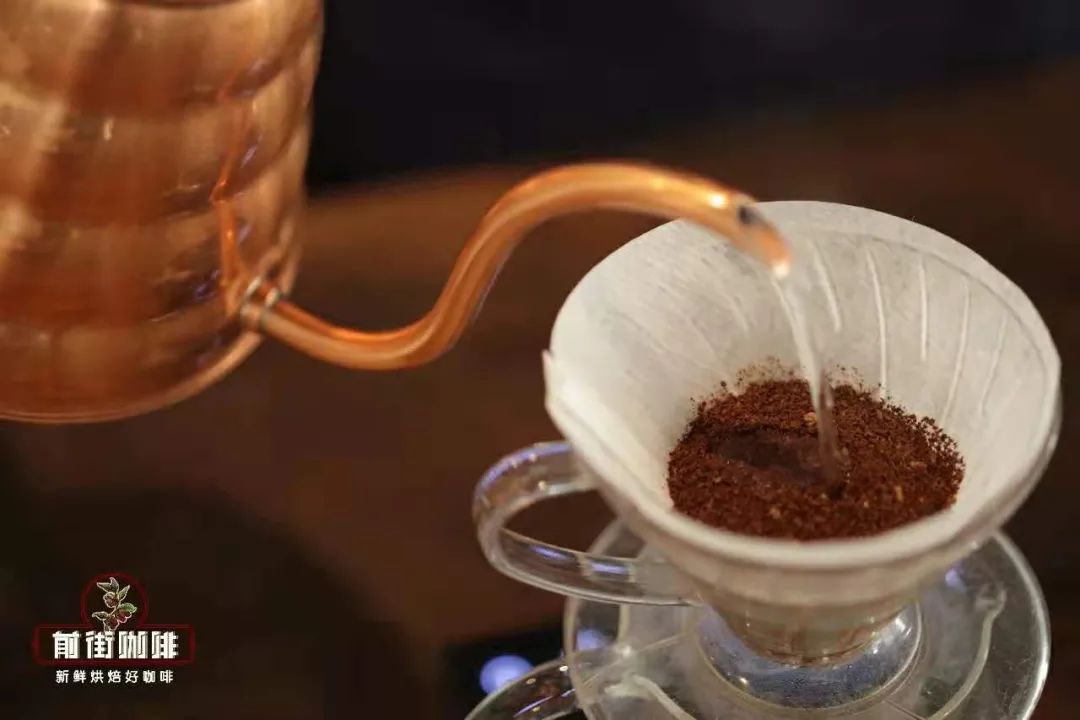
The drip characteristics of pour over coffee require a finer grind than the cupping standard.The recommended range is a 20-mesh sieve passing rate of 70–80%(some practical suggestions extend this to 75–85%), and the relatively short brewing time (usually 1 minute 30 seconds to 2 minutes 30 seconds) requires slightly finer powder to improve extraction efficiency. The influence of roast level is equally significant: medium-light roasts are suited to afiner grind with a 75–80% passing rateto highlight bright acidity and aroma; medium-dark roasts are recommended to use amedium-coarse grind with a 70–75% passing rateto balance a rich body with impurity control.
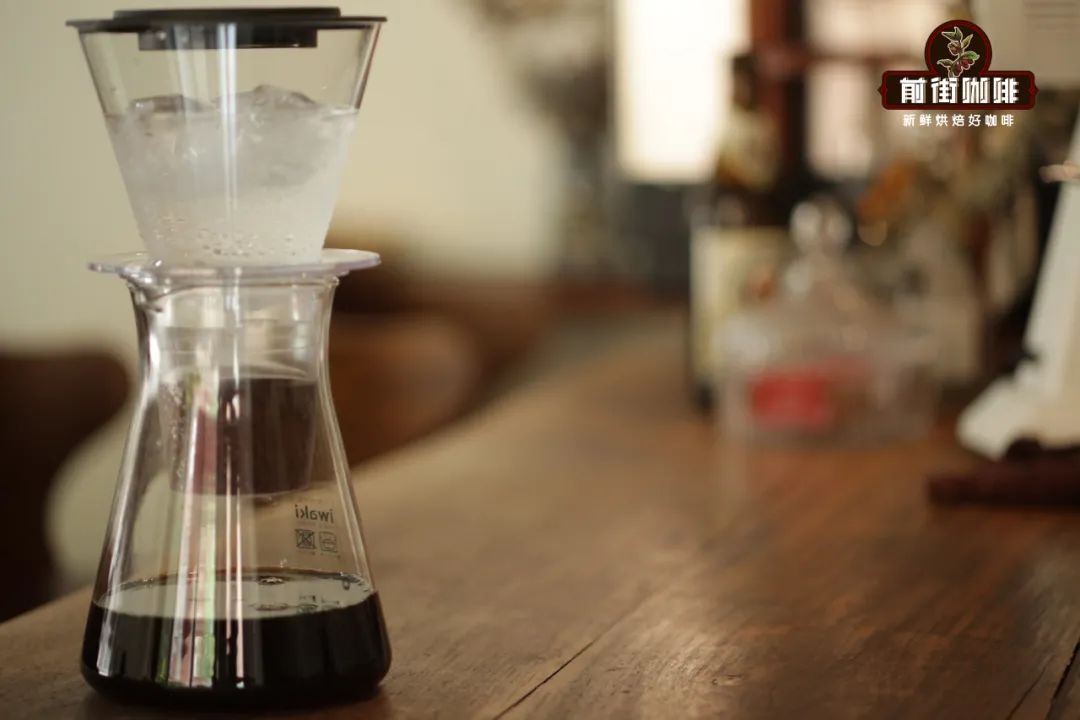
Cold brew/drip, because it uses cold water for slow extraction, must employ a finer grind to increase contact surface area. The ideal range falls ata 20-mesh sieve passing rate of 80–85%—this range compensates for the slow diffusion speed at low temperatures, but care must be taken to avoid grinding too finely, which can cause clogging of the coffee bed or cloudiness in the filtrate. For those who prefer a stronger flavor, a85% passing ratecan be chosen, while those seeking a crisper taste can adjust to a80% passing rate. A special reminder: coffee beans of different densities may show significant differences even at the same grind setting, so it’s recommended to calibrate by testing with the same type of beans. Mastering these key details will greatly improve the consistency of your home-brewed coffee.
In practical operation, it’s also important to note: even with the same grinder settings, low-density beans like Yirgacheffe may produce physically different particle sizes compared to high-density beans (such as Colombian Rose Valley). If you notice abnormal extraction results, first re-confirm the grind size with a single origin bean before adjusting other parameters. Getting these key details right will significantly enhance the stability of your home coffee brewing.
The above content is compiled by CoffeeHunters, a coffee news website.


