







Introduction:The impact of water quality on pour over coffee is often overlooked, but in fact, water makes up over 98% of the brewed coffee liquid and is a key factor influencing extraction results and flavor expression. Understanding the hardness, pH level, and mineral content of your water can help you achieve a more balanced and layered cup. This article will delve into the ideal water conditions for pour over brewing, highlight common misconceptions, and show you how to make simple adjustments at home to elevate your coffee’s quality.
To brew a pour over coffee with balanced flavors and rich layers, in addition to selecting high-quality beans, your choice of water is equally crucial. In fact, water accounts for more than 98% of a cup of coffee, so choosing the right water is one of the key factors that affect the final outcome.
So, what kind of water is actually suitable for pour over coffee? First, we need to understand the two main indicators of water quality: hardness and pH level. These two factors directly influence the efficiency of extraction and the release of flavors.
The so-called “hardness” of water refers to the concentration of mineral ions such as calcium and magnesium in the water. Although the water we encounter daily may look clear and free of impurities, most tap or natural water sources contain cations like calcium, magnesium, potassium, and sodium, as well as anions like bicarbonate—all of which affect the softness or hardness of the water. Generally speaking, hard water, due to its high mineral content, is not suitable for pour over coffee.
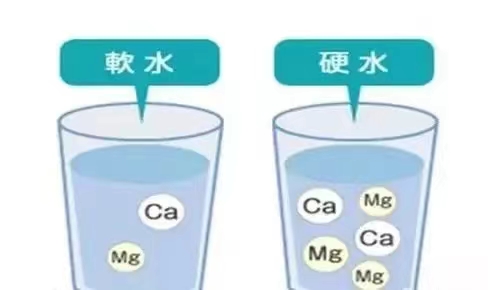
According to expert recommendations, water suitable for pour over coffee should have a total dissolved solids (TDS) concentration between 75–250 ppm. However, in practice, soft water with a TDS value below 100 ppm is more likely to extract delicate and balanced coffee flavors. It’s important to note that TDS only reflects the total amount of dissolved substances in water and doesn’t specify what those substances are or their proportions. Research shows that an appropriate amount of calcium ions in water helps enhance the extraction of coffee acidity, while magnesium ions can amplify the sweetness and aroma of the brew. Therefore, soft water with a proper balance of calcium and magnesium is usually the ideal choice for pour over coffee.
Aside from hardness, the pH level (acidity or alkalinity) of water is also a significant factor affecting coffee flavor. A pH of 7 is neutral; lower values indicate greater acidity, while higher values indicate alkalinity. Most coffee has a pH between 5 and 6, making it a mildly acidic beverage. To achieve a good balance of acidity, sweetness, and aroma in your coffee, it’s recommended to use water with a pH between 6.5 and 7—neutral to slightly acidic—for brewing. If the water’s pH is too high, it may cause the coffee to taste dull or even develop unpleasant salty or soapy notes.
In daily life, many people use tap water directly for pour over brewing, but this is actually a common misconception. In most regions, tap water tends to have relatively high TDS values, and in some cases, you can even see noticeable limescale deposits inside kettles—that’s the effect of hard water. Even if the TDS of tap water in certain areas seems within an acceptable range, it may still contain trace amounts of residual chlorine. This chemical not only introduces a pool-like off-flavor but can also make the coffee taste unnaturally gritty, with a muddled flavor profile. If your household tap water is filtered, it’s still advisable to measure the TDS and compare flavor differences through actual brewing, since some filters have limited effectiveness in removing minerals and chlorine.
Moreover, many coffee enthusiasts believe that using purified water (i.e., deionized water) might be a better option, but this is also a myth. Purified water contains almost no minerals. While it may appear “clean,” it fails to effectively extract the acidity, sweetness, and aroma from coffee, often resulting in a flat and dull taste. The acidity may also become overly sharp and unbalanced. Therefore, completely mineral-free pure water is also unsuitable for pour over brewing.
As for commercially available mineral water, although it may sound natural and healthy, not all types are suitable for pour over. Many people choose based on price or brand, but the real key lies in the mineral content and TDS values indicated on the bottle. For example, a well-known imported mineral water available on the market has a TDS value as high as 489 ppm, far exceeding the recommended range for pour over coffee. Using it for brewing could suppress flavor expression, leading to over-concentrated or uneven extraction. Therefore, when selecting bottled mineral water, always check the packaging for TDS levels and the breakdown of mineral components, and opt for products with moderate TDS and a balanced mineral composition to truly enhance the overall performance of your coffee.
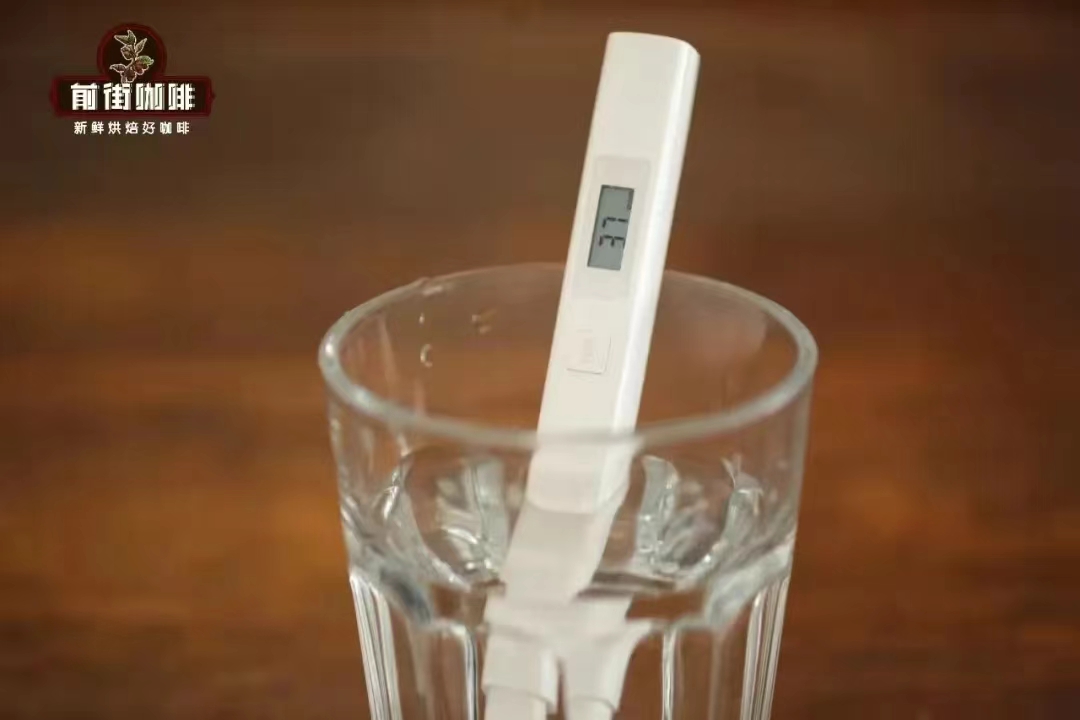
In summary, if you’re looking for water suitable for everyday pour over brewing, it’s best to choose soft water with a TDS value under 100 ppm and a pH close to neutral. Avoid using highly hard, high-TDS, or chlorinated tap water, and don’t easily opt for purified water or mineral water with high mineral content. By adhering to these basic principles, you’ll be able to brew more delicious and professional-quality coffee right at home.
The above content is compiled by CoffeeHunters, a coffee news website.


