







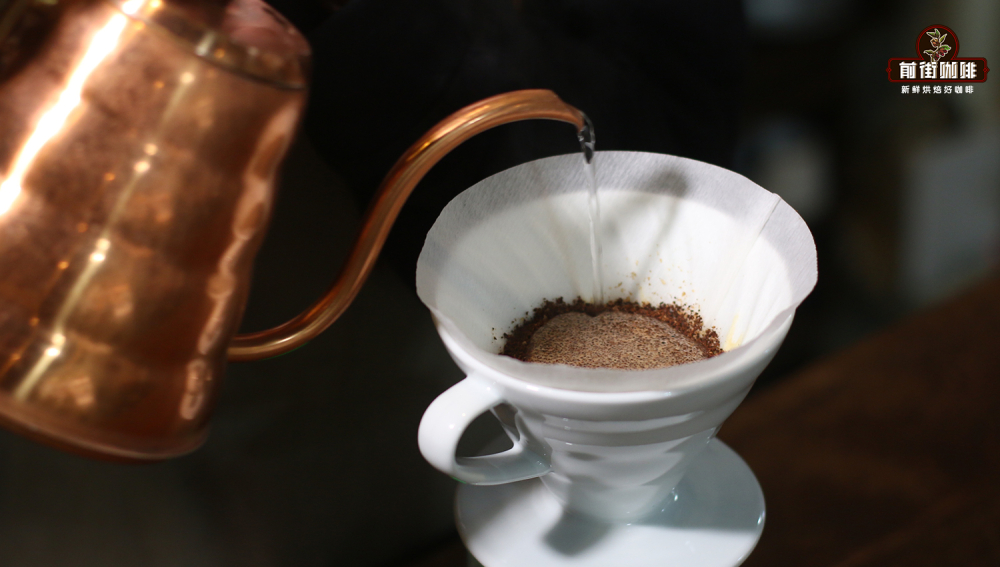
Introduction:From coffee-to-water ratio to pouring techniques, this article details the five key factors that influence the flavor of pour over coffee. For single-serving extraction needs, it provides a standard recipe of 15 grams of coffee grounds with 225 milliliters of water, using a Colombian Huila region Geisha coffee as an example to analyze a three-stage pouring technique at 90°C water temperature and medium-fine grind size—helping you precisely control the balance of acidity and sweetness as well as the layers of flavor.
The core of pour over coffee lies in balancing parameters. One of the first questions most enthusiasts face is: how much coffee powder should be used for a single serving? According to the Golden Cup Standard, it is recommended to use a 1:15 coffee-to-water ratio—that is, extracting 225 milliliters of coffee liquid from 15 grams of coffee grounds. This not only presents a full range of flavors without being thin. The TDS concentration corresponding to this ratio is about 1.2%-1.45%, meeting the "balanced taste" desired by most people, but can also be fine-tuned according to personal preference.
The basic single-serving formula is 15 grams of coffee powder with 225 milliliters of water. If making a double serving, it is recommended to use a larger-sized filter cone and increase the coffee amount by 10 grams (totaling 25 grams). It is important to note that changes in the thickness of the coffee bed will affect the flow rate—excessive stacking can easily lead to over-extraction, and beginners should first master the standard single-serving extraction technique.Image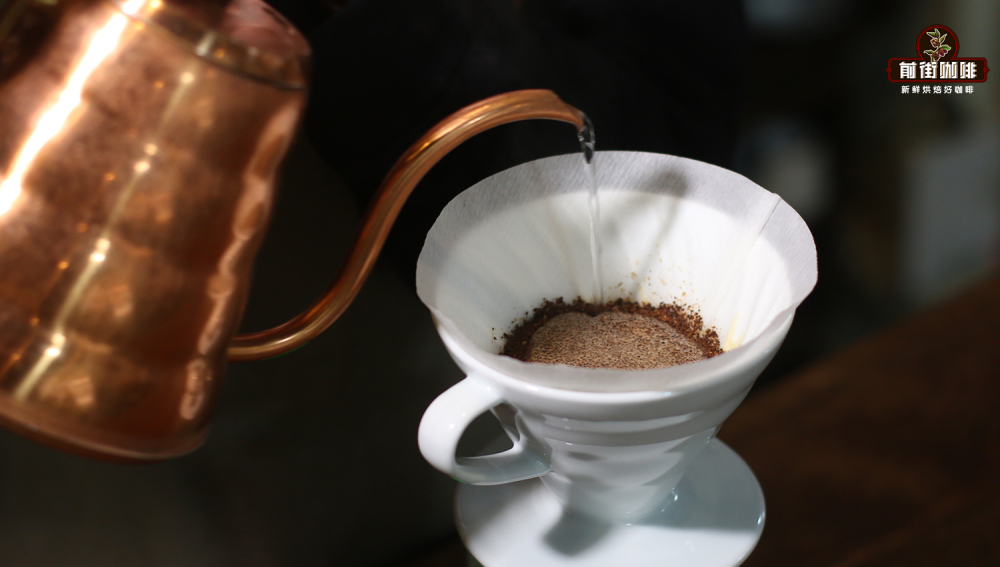 shows the impact of different serving sizes on the structure of the coffee bed.
Taking the Geisha coffee from the “Boundary Line Estate” in Colombia’s Huila region as an example, this medium-light roasted bean, grown at an altitude of 1800 meters and processed with double anaerobic sun-drying, exhibits a complex aroma of passion fruit, grapes, and apricots.Key parameters are as follows: Hario V60 filter cone, 90°C water temperature, and a sugar-like fine grind size with 80% passing rate through a Chinese standard No. 20 sieve(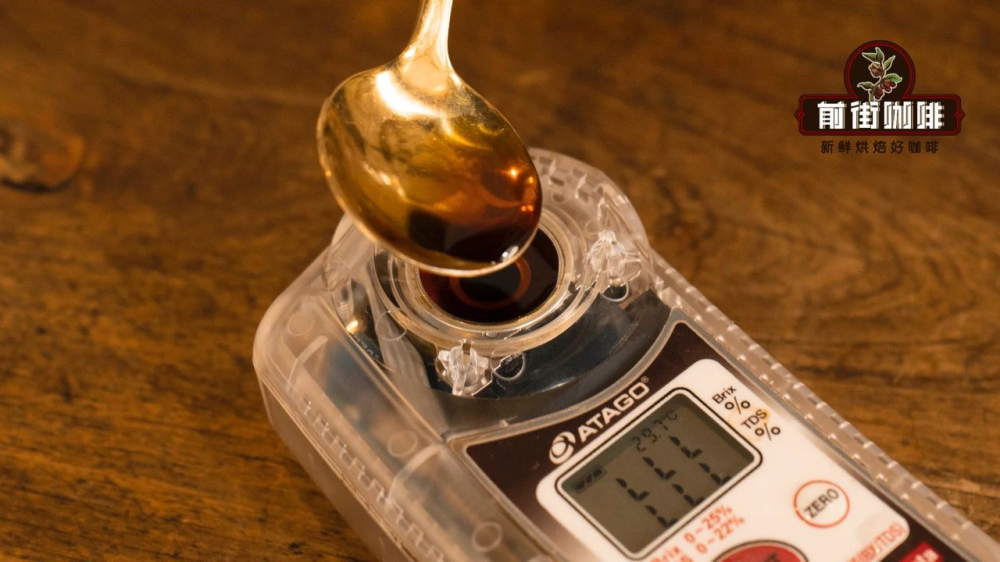 shows a close-up of the coffee beans). This combination highlights the tropical fruit character without masking the rich base.
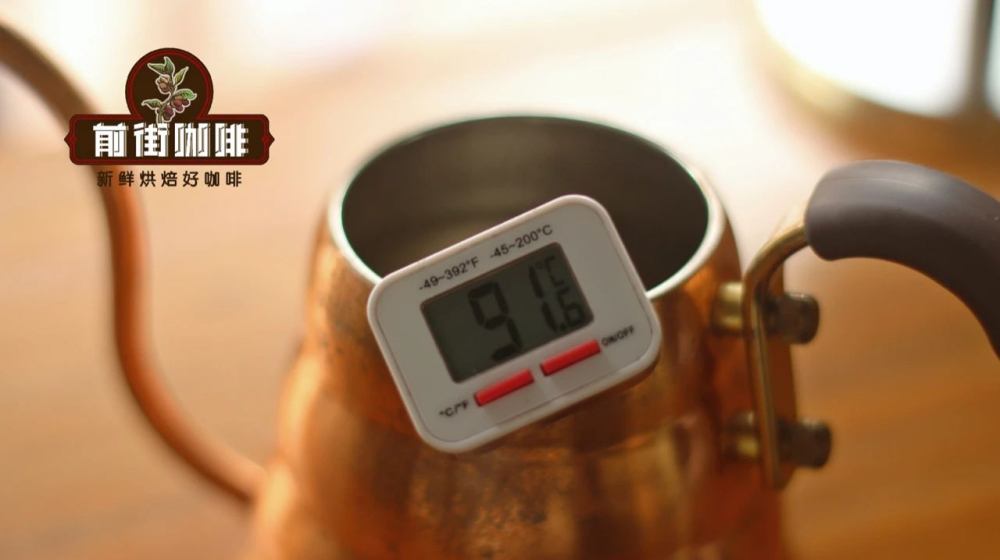
Water temperature control directly affects the efficiency of material extraction. 90°C falls within the ideal range for light-roast beans—higher temperatures may extract too much tannin, leading to astringency, while temperatures below 83°C make it difficult to fully release flavor molecules. It is worth noting that some Japanese baristas prefer low-temperature slow brewing around 85°C, but for high-acidity varieties like Geisha, 90°C better balances brightness and sweetness.Practical test data shows that the extraction yield at this temperature remains stable between 18%-22%(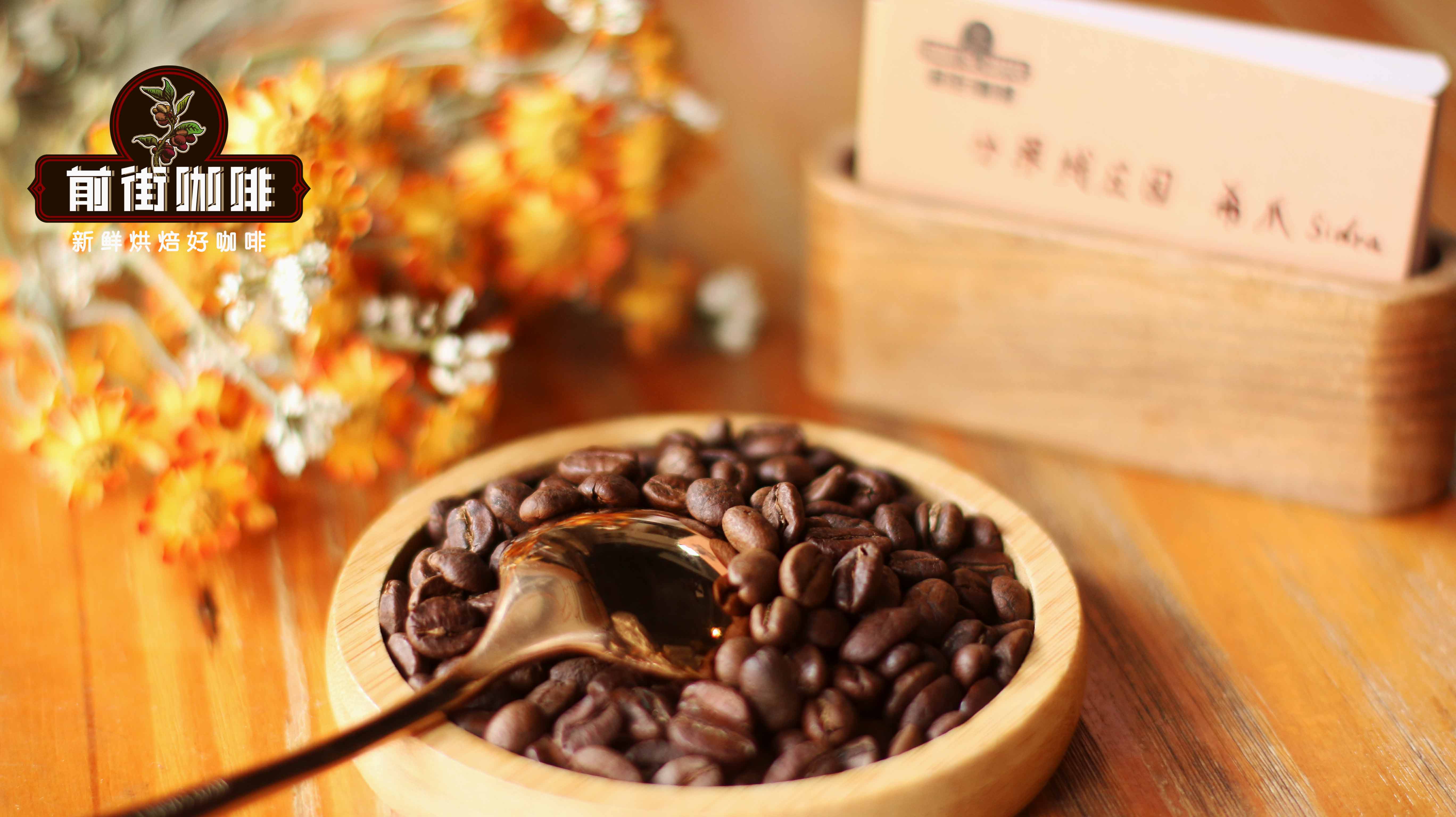 is a schematic diagram of the thermometer measurement).
The choice of grind size needs to balance contact time between coffee and water and the uniformity of extraction. Medium-fine grind (80% passing rate through a No. 20 sieve) is roughly the size of fine sugar granules. It ensures enough surface area for hot water contact while avoiding channeling effects caused by overly fine particles.If a noticeable bitterness appears in the final stage, you can try adjusting the grind to a coarser level with 70% passing rate; conversely, if extraction is insufficient, adjust it finer(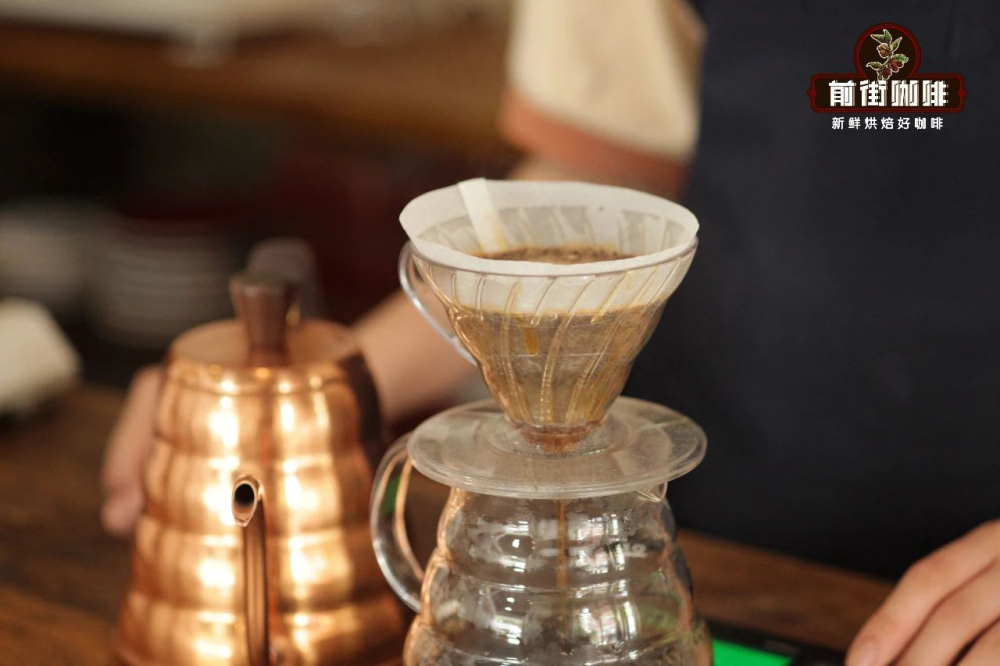 compares particle distribution across different grind sizes).
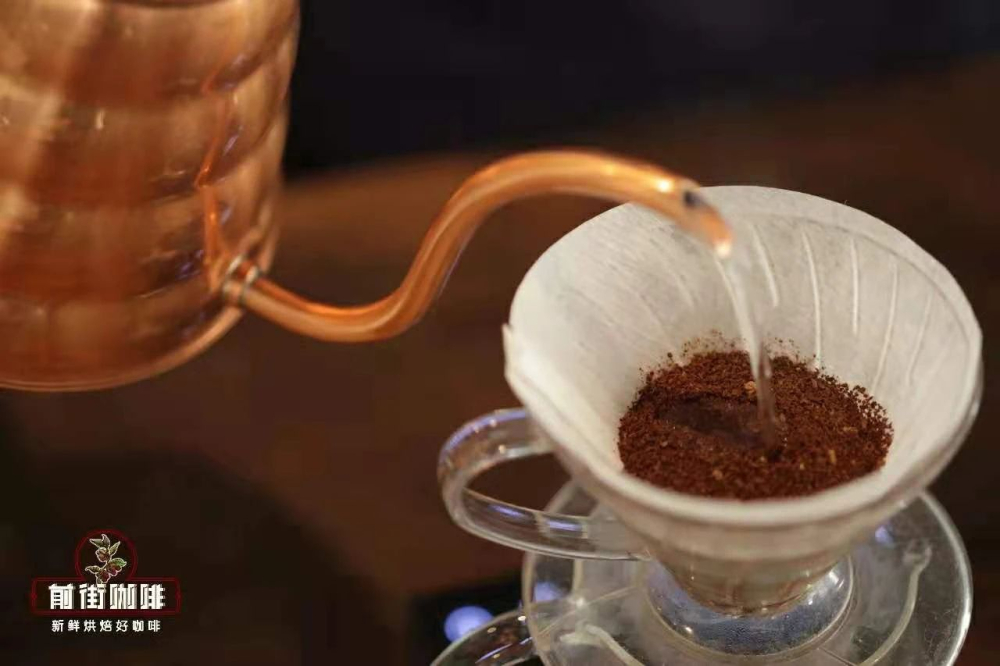
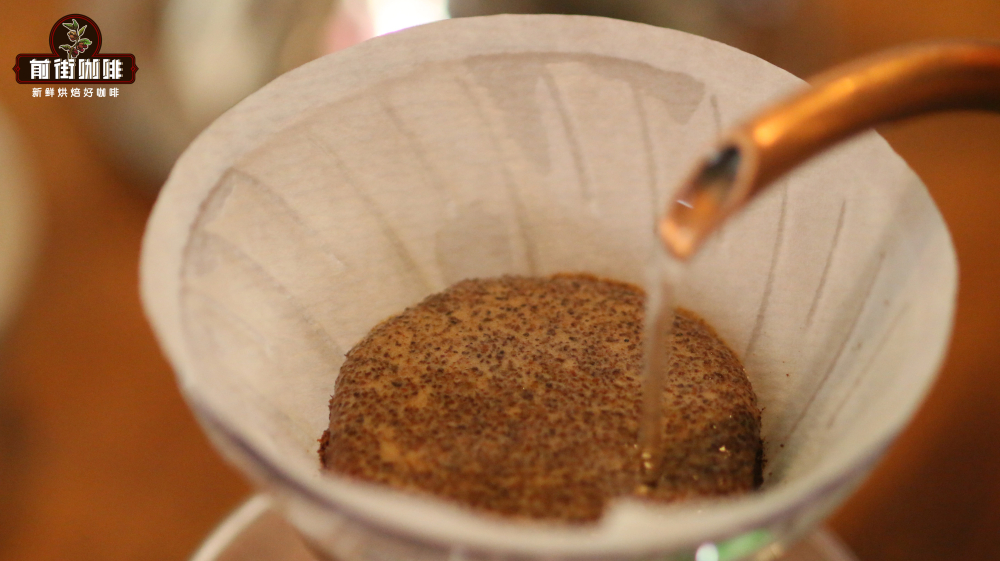
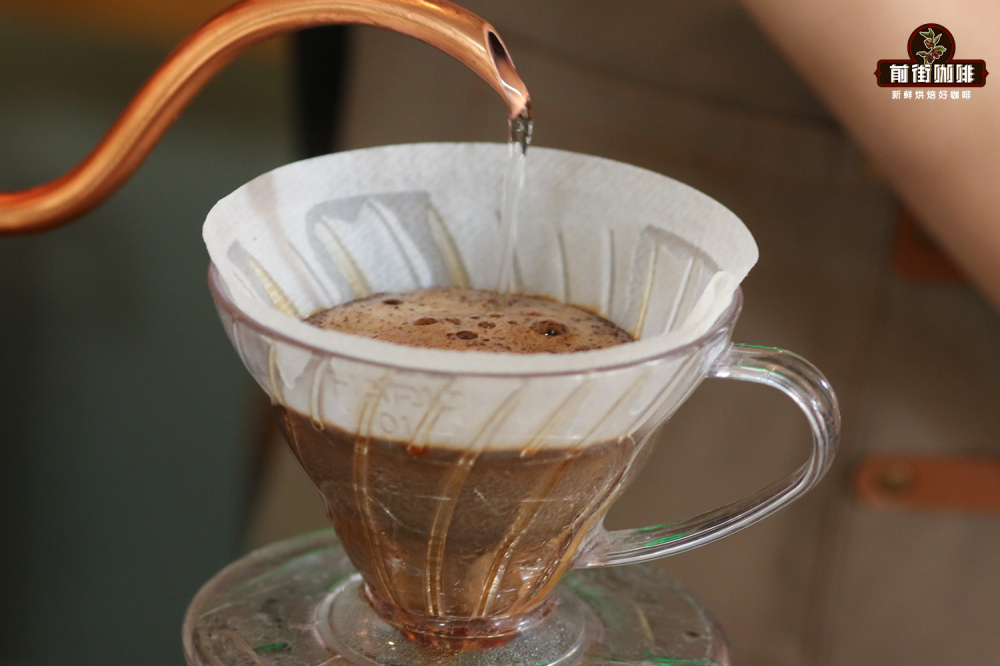
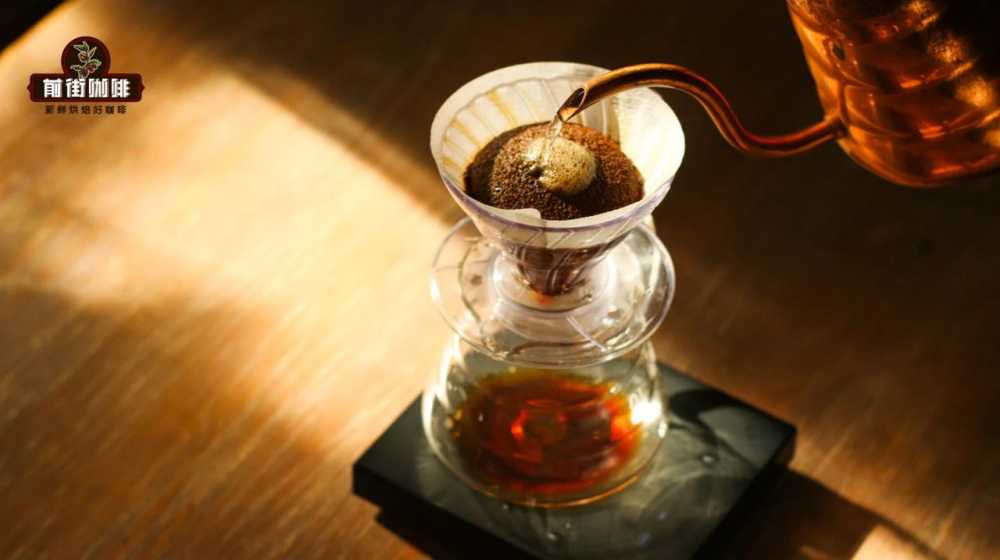
The three-stage pouring method can effectively improve extraction stability: the first stage involves pouring 30 grams of hot water for a 30-second bloom to help freshly roasted coffee grounds release carbon dioxide.Key points include: leveling the coffee bed in advance, keeping the water flow gentle like rainfall, and avoiding concentrated pouring in a single spot(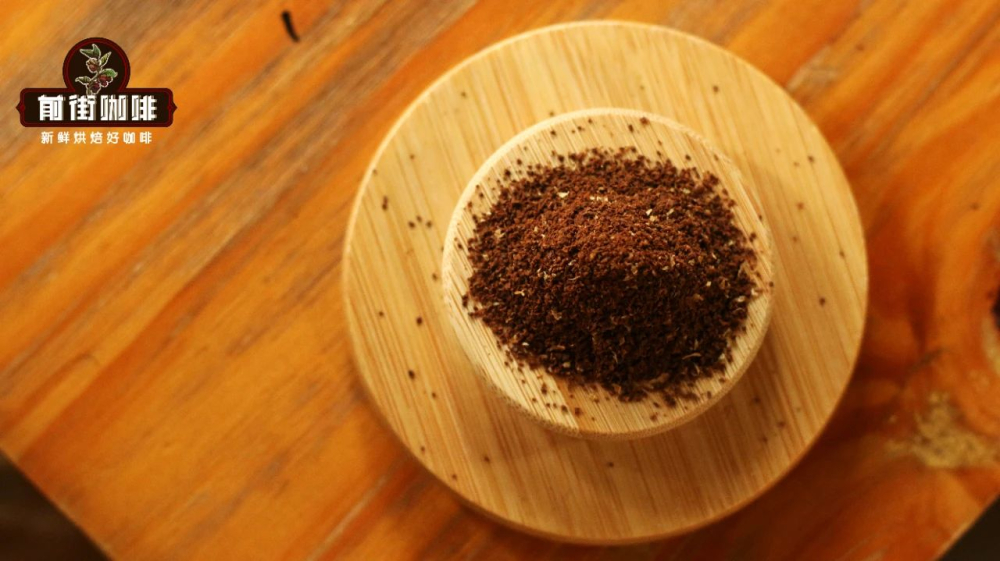 demonstrates the correct blooming technique). When even wrinkles appear on the surface of the coffee bed, you can move on to the second stage of circular pouring.
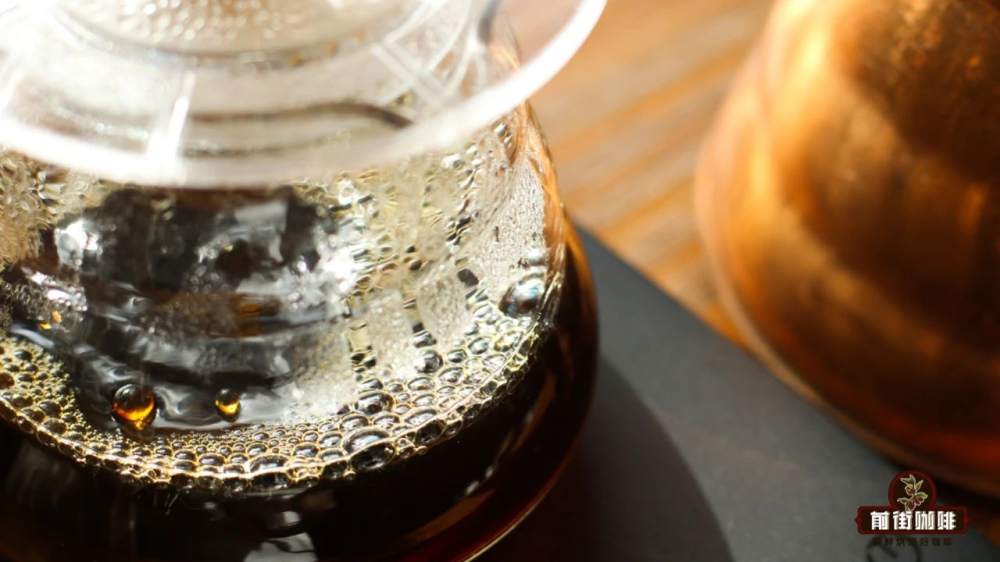
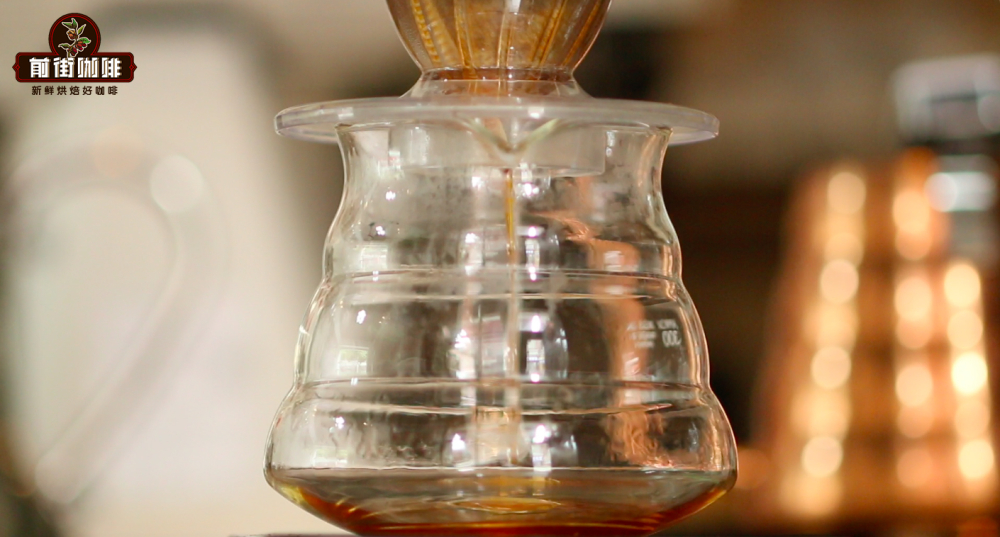
The second stage involves pouring with a small stream in a coin-sized area until reaching 125 milliliters, and the third stage continues pouring until the total volume of 225 milliliters when the water level drops to the edge of the filter paper. Throughout, the water stream must fall vertically to prevent disrupting the structure of the coffee bed.Special note: pausing the pour more than three times can easily introduce off-flavors in the final stage. It is recommended to maintain a continuous extraction rhythm by adjusting the amount poured per pour( shows the critical point of water level drop).
The complete extraction process takes about 2 minutes, including 30 seconds of bloom + 90 seconds of pouring. Common mistakes include: ending extraction too early resulting in thin flavors, too coarse a grind causing sharp acidity, or uneven pouring speed leading to localized over-extraction.It is recommended that beginners use a timer for assistance and record the flavor changes after each parameter adjustment, gradually establishing a personal preferred extraction scheme.
The above content is compiled by CoffeeHunters, a coffee news website.


