







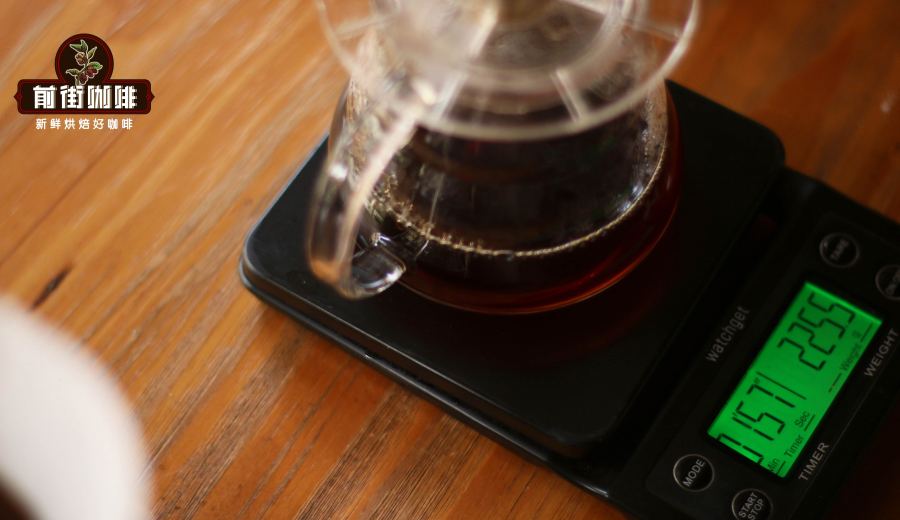
Introduction:The charm of pour over coffee lies in the diversity and flexibility of brewing techniques. Different pouring methods can affect the extraction efficiency and flavor expression of the coffee. This article delves into six popular pour over techniques—including single pour, three-part pour, 4-6 method, triple warmth, volcano pour, and stirring method—analyzing each method’s operational logic, key parameters, flavor characteristics, and suitable scenarios. It also compares the practical differences among them to help you find the brewing style that best suits you.
In the specialty coffee world, pour over methods are incredibly diverse. Different pouring techniques not only influence the efficiency of coffee extraction but also directly determine the clarity, layering, and balance of the final flavors. From the beginner-friendly single pour to temperature-variable brewing, to the visually striking volcano pour, each technique has its unique appeal.
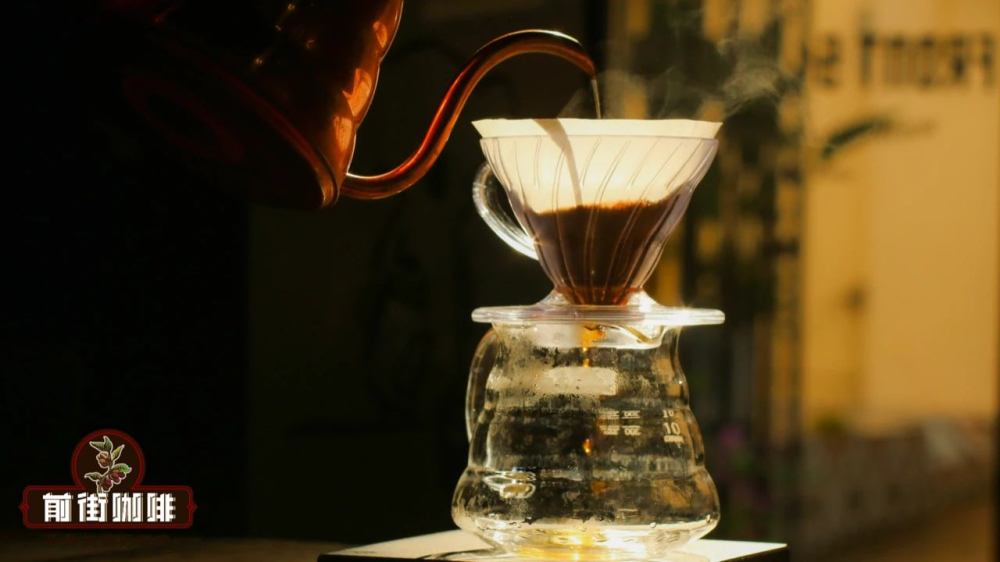
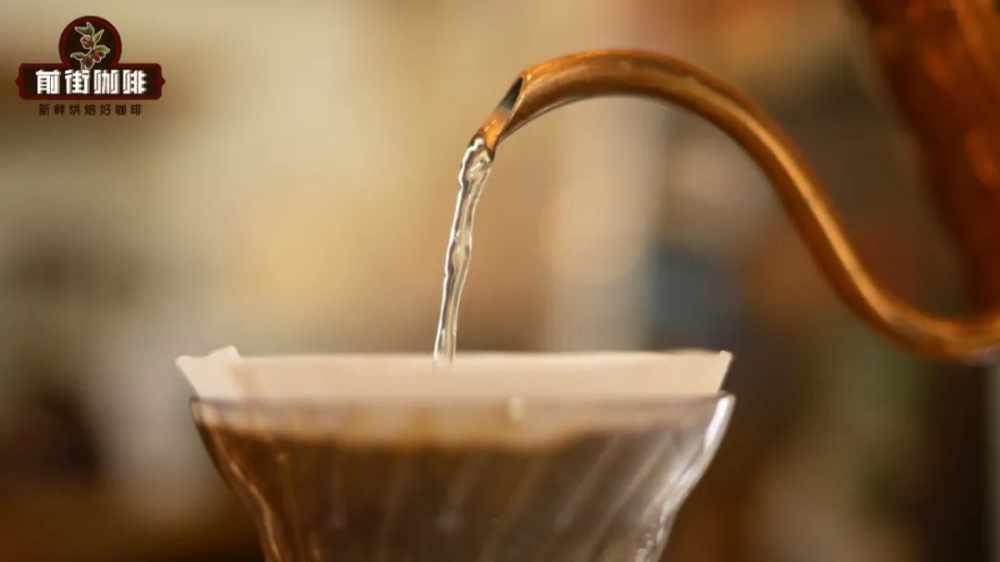
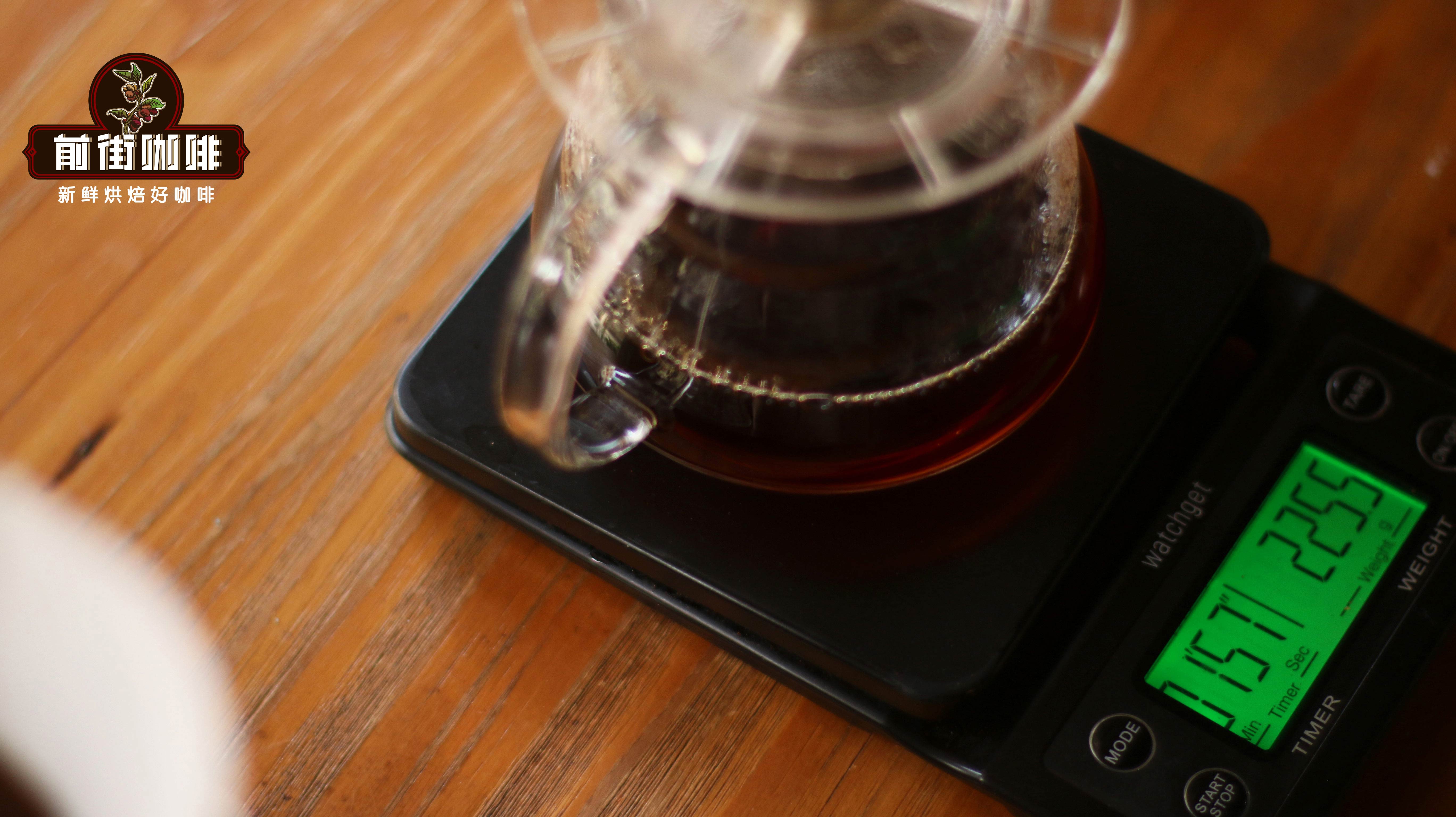
First up is the “single pour” method, a foundational technique often recommended for beginners. Unlike the one-pour method where all water is added at once, the single pour simplifies the entire process into two stages: first, a small amount of 30ml hot water is used for blooming to awaken the coffee grounds; then the remaining 195ml is poured in one go. Typically using 15g of coffee and 225ml of total water, the entire process takes about 2 minutes. The name is inspired by Japanese kendo, referring to the pouring motion as clean and sharp like the stroke of a sword. Its advantages include ease of operation, stable extraction, clear flavor notes, and minimal off-flavors, making it ideal for those seeking a pure and clean taste.
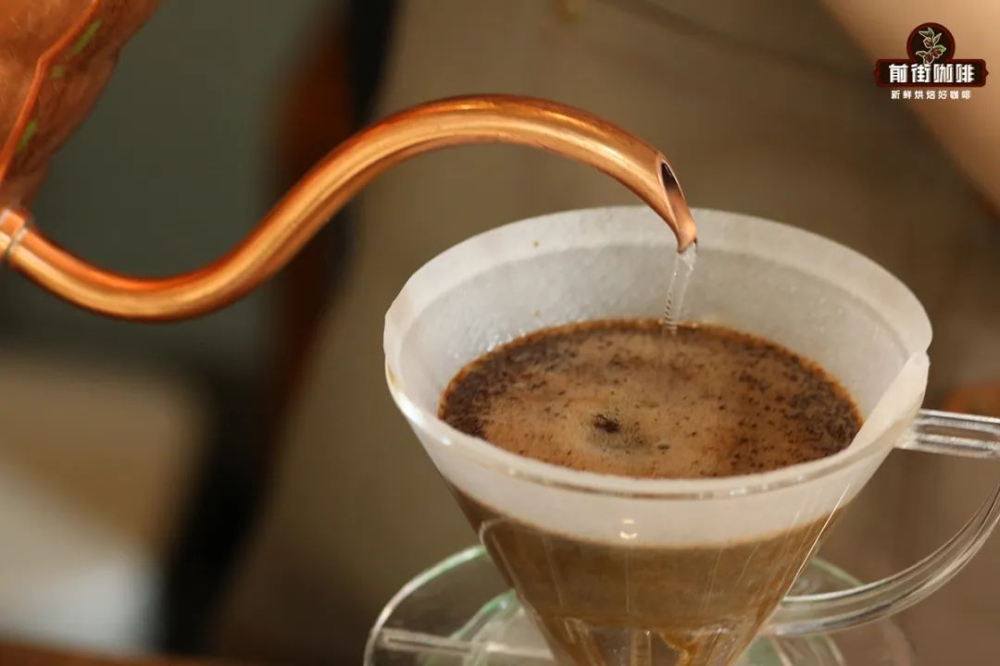
Next is the widely popular and flexible “three-part pour.” This is a common method used by many cafés and works well with a variety of origins and processing methods, especially recommended for beans with distinct flavors like Yirgacheffe or Geisha. The core concept is to release different flavor compounds in the coffee at varying rates—first acidity, then sweetness, and finally bitterness—by pouring in stages. Using 15g of coffee and 225ml of water as an example, it’s divided into a 30ml bloom, followed by a first pour of 95ml and a second pour of 100ml. Though the overall extraction time is slightly longer, the multiple gentle pours ensure even extraction across the coffee bed, resulting in richer layers and a more complete flavor profile.
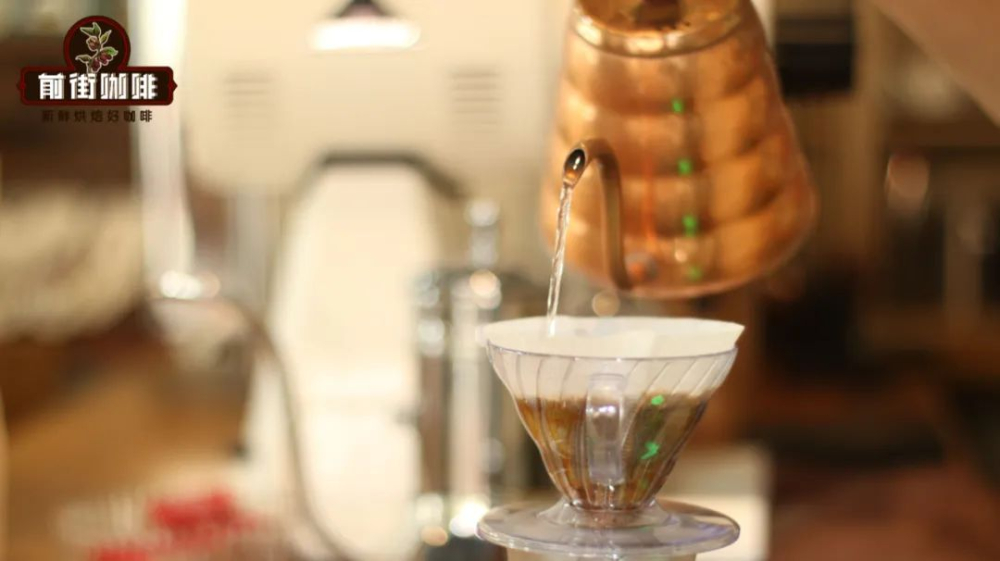
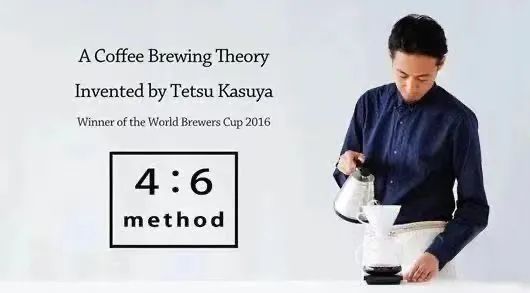
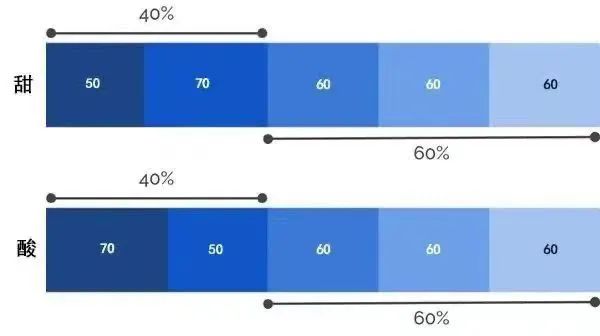
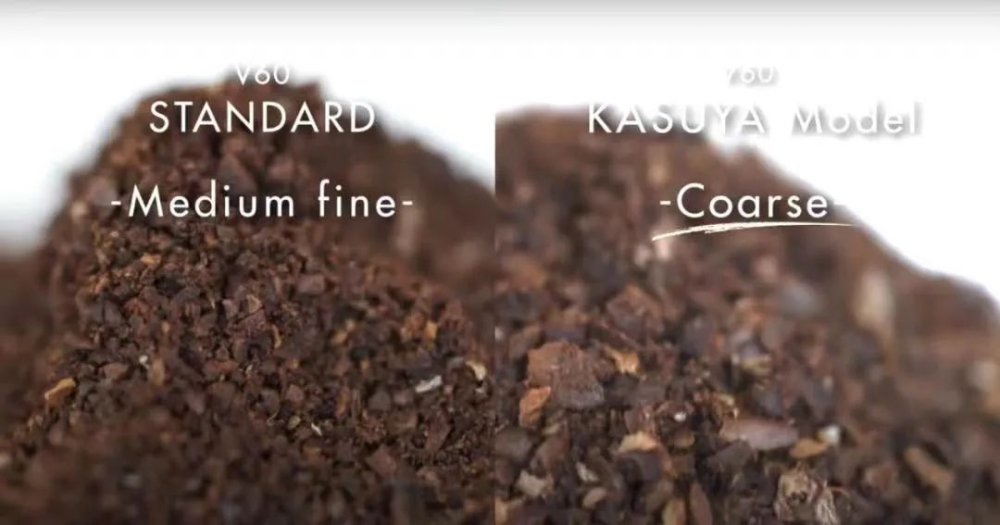
The “4-6 method” was popularized by Japanese barista Tetsu Kasuya, with the goal of making brewing more accessible and emphasizing that “anyone can brew good coffee.” This method doesn’t require precise water control or advanced skills, just adherence to the ratio. Typically using 20g of coffee and 300ml of water, it's divided into five pours, each 60ml, with intervals of 45 seconds (including pouring time). The first two pours make up 40% of the total water volume, mainly shaping the balance between acidity and sweetness; the last three pours account for 60%, influencing body and intensity. However, because the overall extraction time is longer, it’s advisable to use a slightly coarser grind to avoid over-extraction, with a recommended particle size around 50% extraction rate using a #20 sieve.
Another more challenging technique is the “triple warmth” brewing method, a type of temperature-variable pour that was introduced by Wu Zelin. This method uses four different water temperatures: the first two stages at 94°C, the third reduced to 90°C, and the final stage dropped to 80°C. Using 16g of coffee and 240ml of water, it’s divided into four pours (40ml, 60ml, 60ml, and 40ml respectively). By extracting active flavor compounds with higher temperatures first and then using lower temperatures to finish the brew, it avoids over-extraction. This method is especially suited for complex coffees that require fine control, such as Huā Kuí or Huā Húdié. However, it demands a solid grasp of temperature management and brewing experience, so multiple attempts are recommended to find the optimal balance.
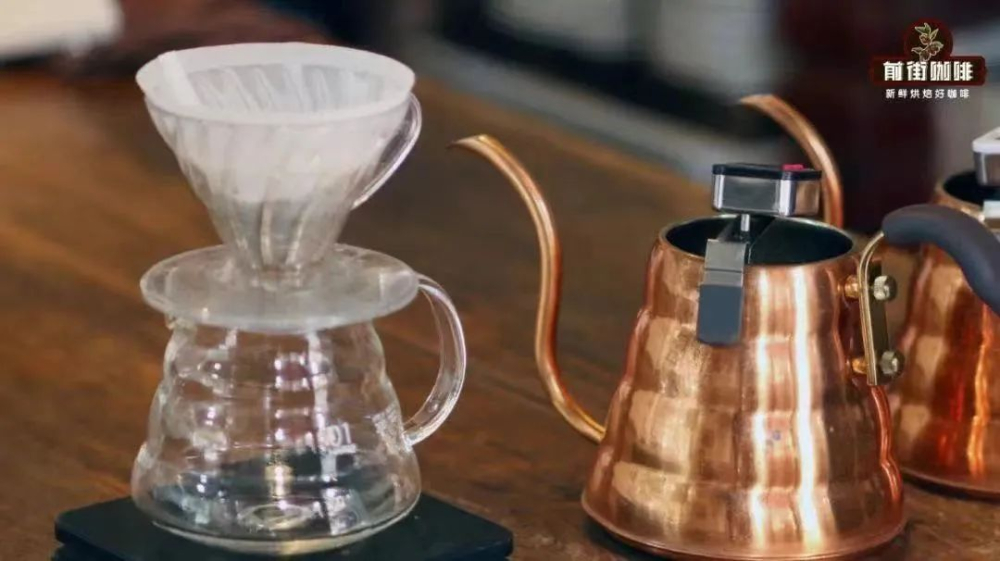
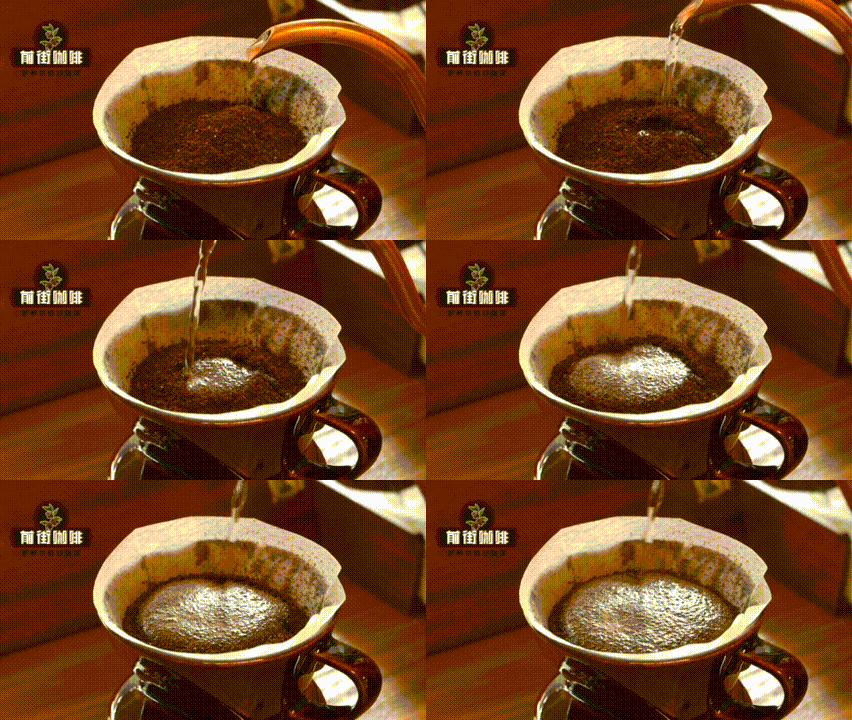
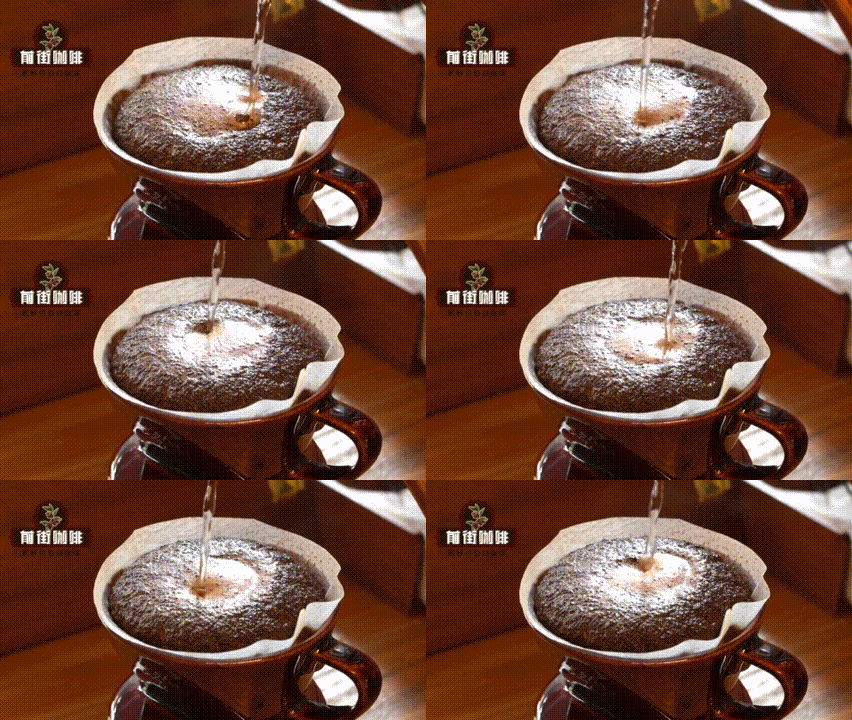
When it comes to both visual appeal and fun, the “volcano pour” is definitely a standout. Originating in Japan, it gets its name from the way the coffee grounds puff up in the center during pouring due to gas release, resembling a volcanic eruption. This method is recommended for dark roast beans like Golden Mandheling or Colombian Huila, paired with a V60-style filter cone. You can use up to 30g of coffee at a 1:10 ratio (i.e., 300ml of water). Start with a 30-second bloom using about 60ml of water (twice the coffee weight), then continue with gentle, repeated small streams of water poured directly in the center. This technique offers a dual sensory experience—visual and taste-wise—delivering high sweetness and balanced mouthfeel. The volcano pour is not only ideal for dark roast lovers but also highly entertaining to watch.
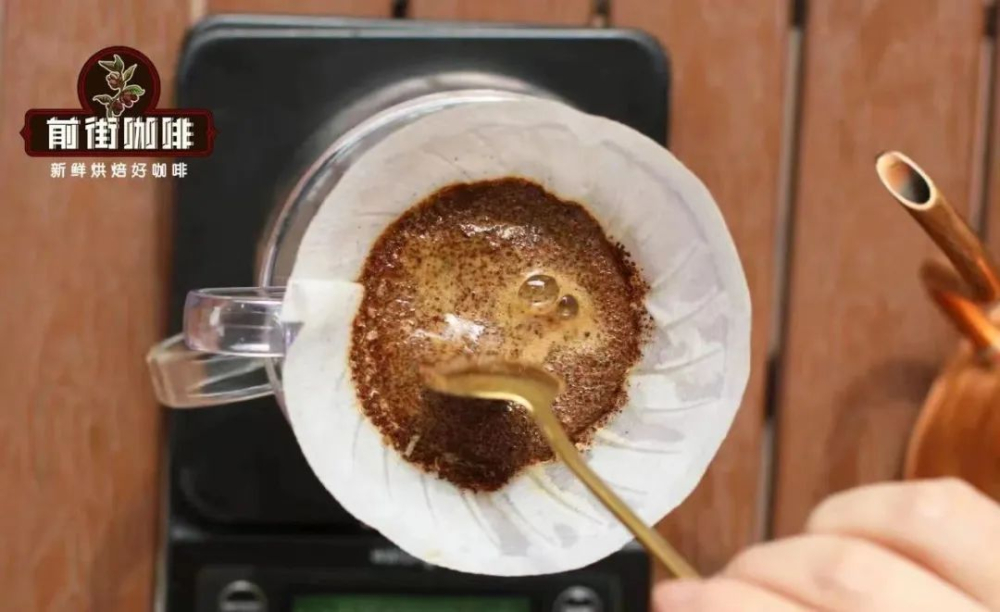
Finally, we have the “stirring method,” which traces back to the winning technique of 2012 World Brewers Cup champion Matt Perger. This method emphasizes specific stirring motions (alternating up-down and left-right) during the bloom stage to promote even water absorption and full degassing of the coffee grounds, thereby improving extraction consistency. While it effectively addresses the issue of under-extracted grounds at the bottom, it has a steeper learning curve. Improper stirring intensity or frequency can cause fine particles to clog the filter and affect flow rate. Therefore, it’s recommended to master the basics first and adjust stirring based on bean characteristics. This method is better suited for advanced users, especially with vibrant beans like Paradise Bird or Rwandan Red Bourbon.
In summary, these six pour over methods—whether you prefer the simplicity and efficiency of single pour, the temperature play of triple warmth, or the visual drama of volcano pour—all revolve around adjusting the release sequence and extraction balance of coffee’s three primary flavor components: acidity, sweetness, and bitterness. Once you understand these principles, choosing a brewing method that aligns with your taste preferences and technique comfort level will allow you to truly enjoy the endless possibilities of pour over coffee.
The above content is compiled by CoffeeHunters, a coffee news website.


