








Introduction:Pour-over coffee may seem simple, but many details can affect the final flavor. As the crucial first step, why is blooming necessary? How can adjusting the pouring technique and coffee-to-water ratio optimize extraction and aroma? This article delves into the science of blooming, explores six key factors influencing its effectiveness, and provides practical pour-over steps and pulse pouring suggestions to help beginners master professional brewing techniques.
The Necessity of Blooming
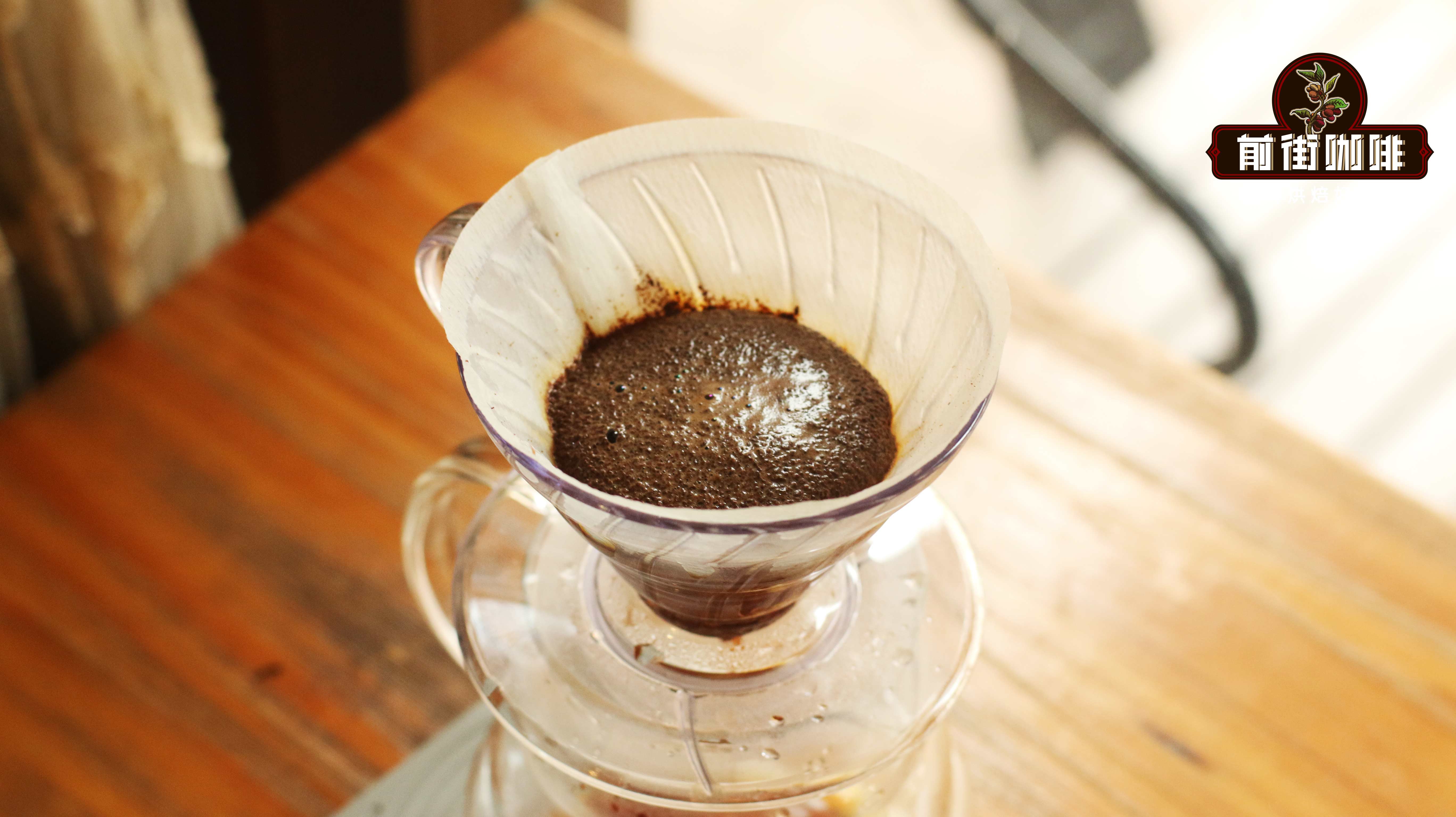
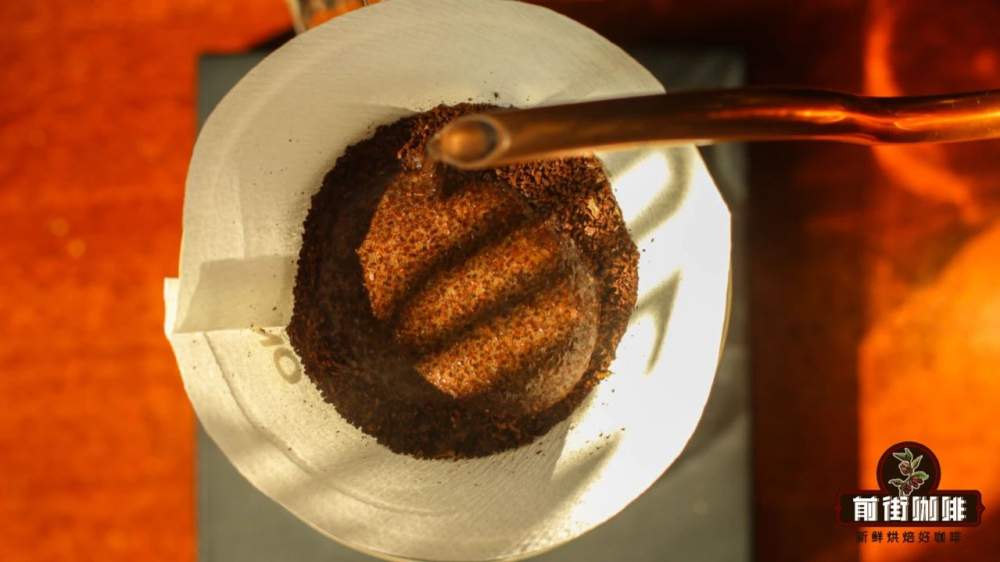
In the pour-over coffee brewing process, blooming is the most fundamental yet essential step. By pouring a small amount of hot water to evenly wet the surface of the coffee grounds, it not only releases carbon dioxide trapped inside the beans but also promotes uniform extraction later on. Freshly roasted coffee beans contain a relatively high amount of gases. If water is poured directly without blooming, the flow can be blocked by these gases, causing over-extraction at the surface while the inner flavors remain under-extracted, ultimately affecting the overall balance of taste.
The Core Role of Blooming
In professional terminology, blooming is often referred to as "Bloom," which refers to the process of pre-wetting the coffee grounds with a small amount of hot water before the main pour. This step activates the aromatic compounds in the coffee while expelling gases that can interfere with extraction. Experiments have shown that skipping the blooming step can easily lead to under-extraction, especially for freshly roasted beans—insufficient degassing causes the water to only contact the surface layer, resulting in uneven extraction and missing flavors.
Key Factors Affecting Blooming Effectiveness
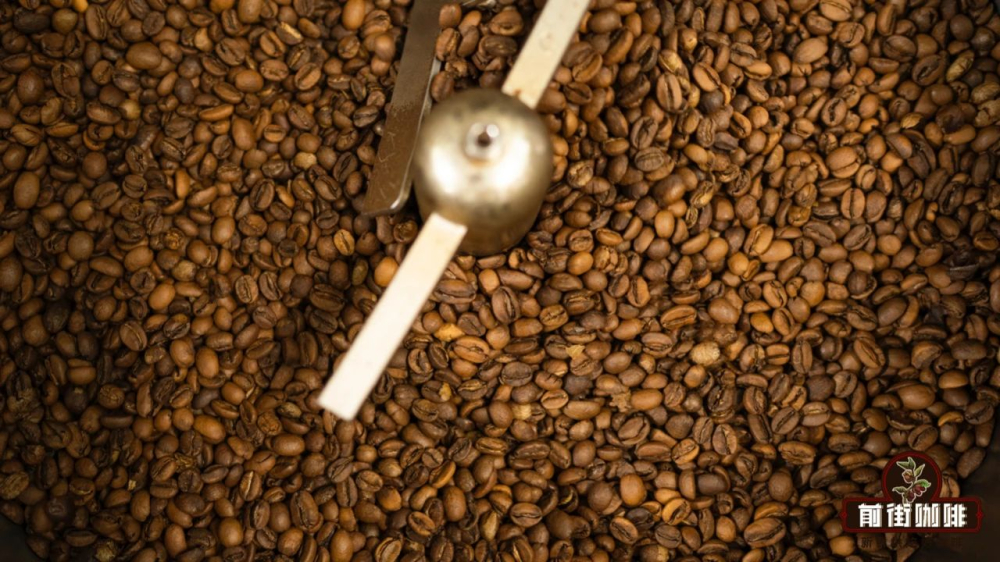
The effectiveness of blooming is influenced by multiple variables, including the storage time of the coffee beans, roast level, water temperature, pour volume, blooming duration, and grind size. These factors together determine the efficiency of gas release and the uniformity of extraction.
Coffee Bean Condition and Roast Level
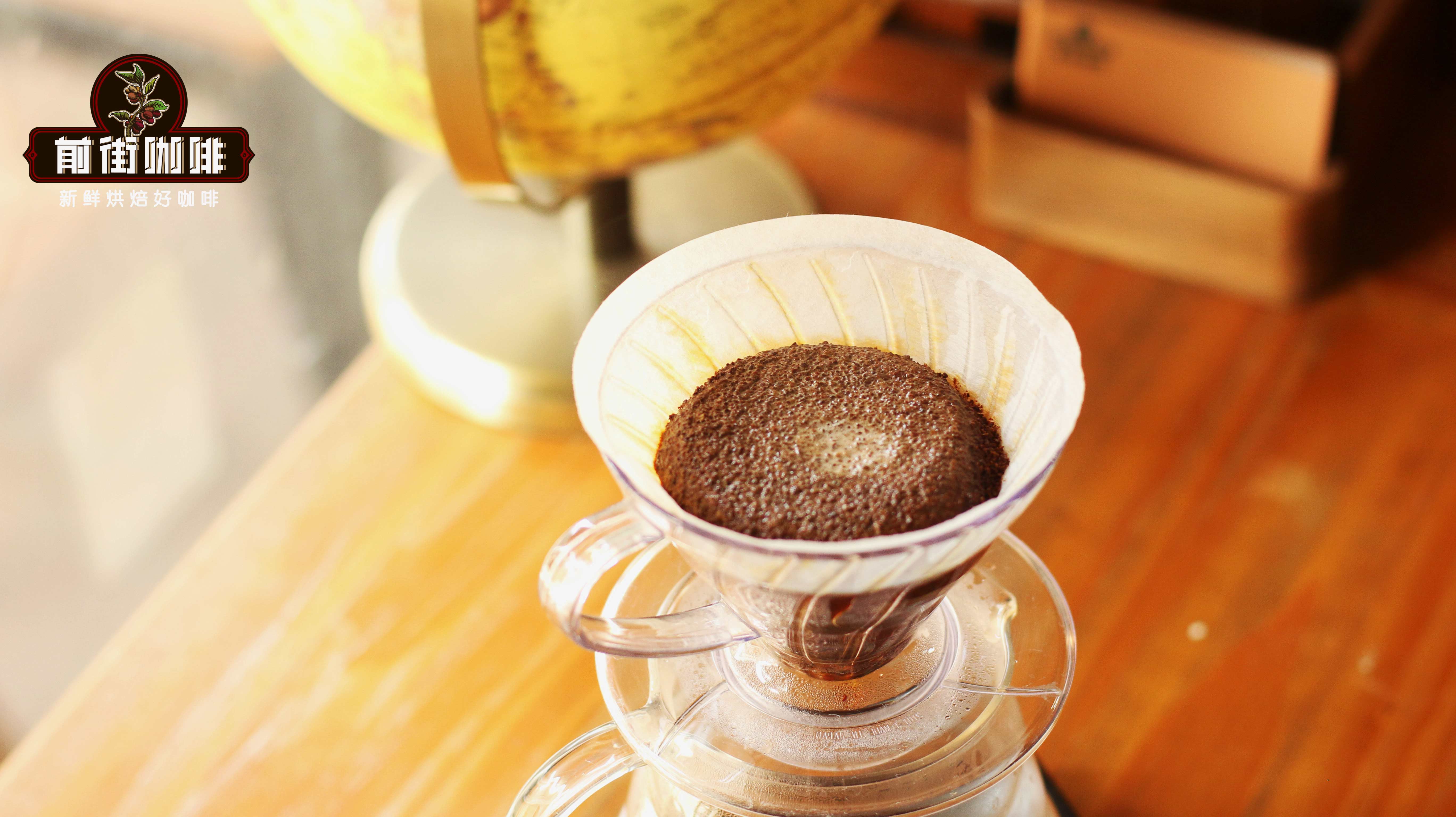
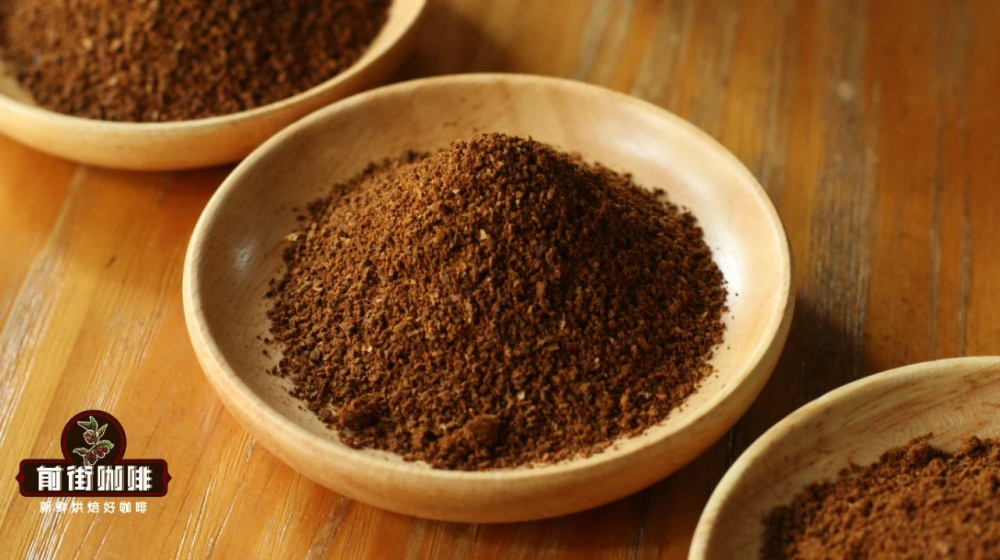
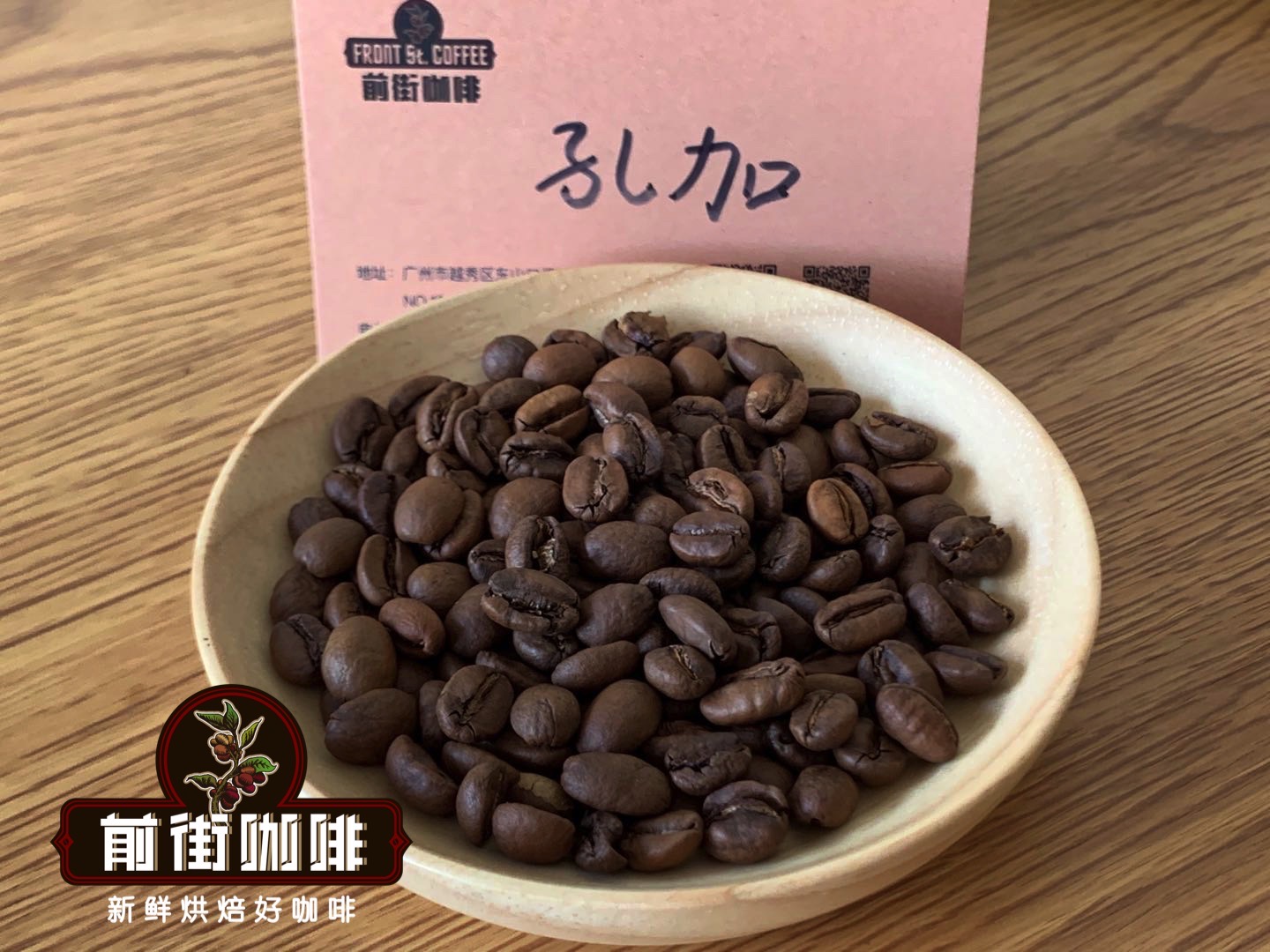
Freshness and roast level are two main factors that influence blooming expansion. Coffee beans that have been stored for too long gradually lose their internal gases, which may result in less noticeable blooming. Lighter roasts, due to their denser texture and lower gas content, typically show less expansion compared to medium or darker roasts.
Control of Water Temperature and Pour Volume
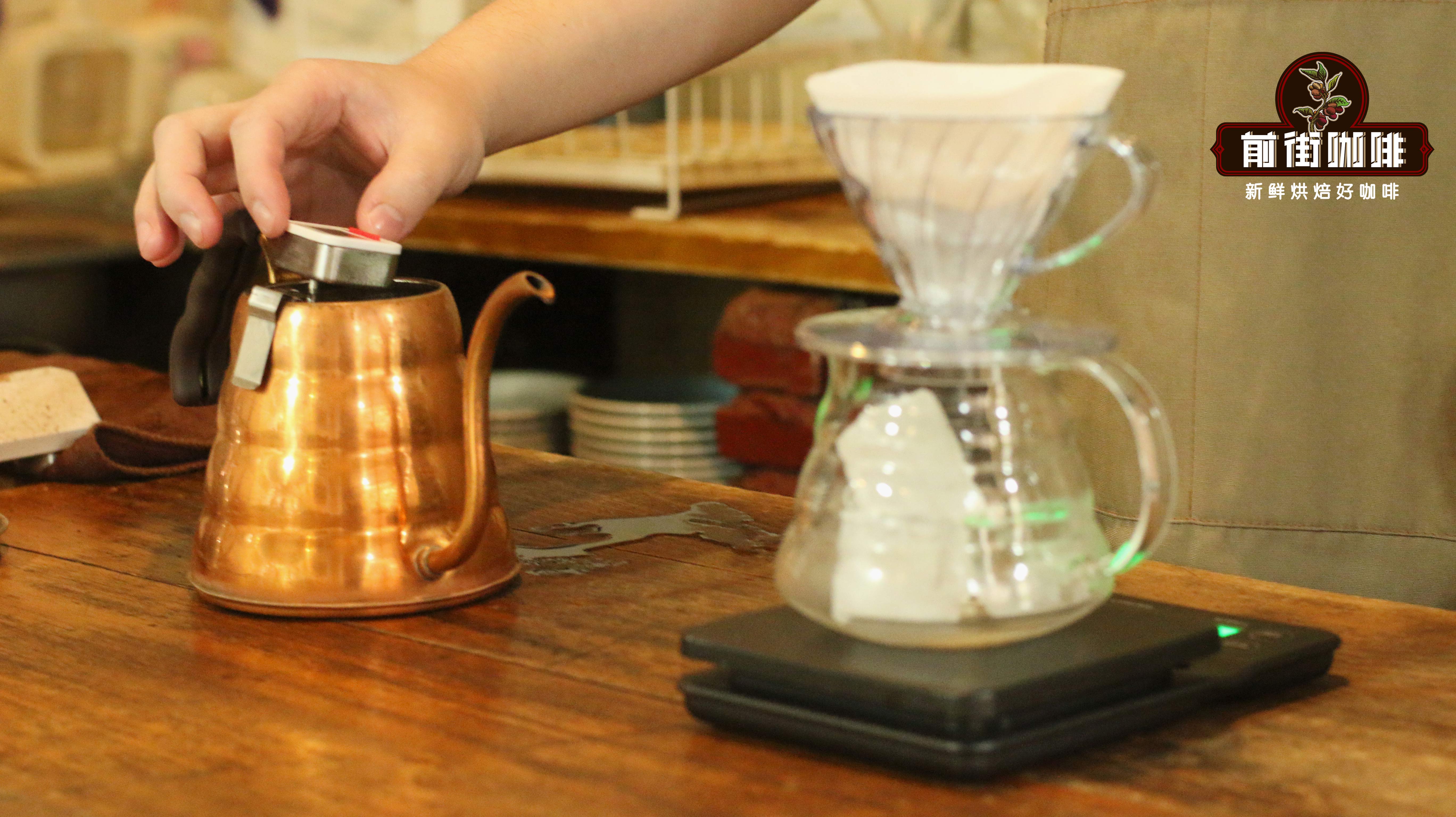
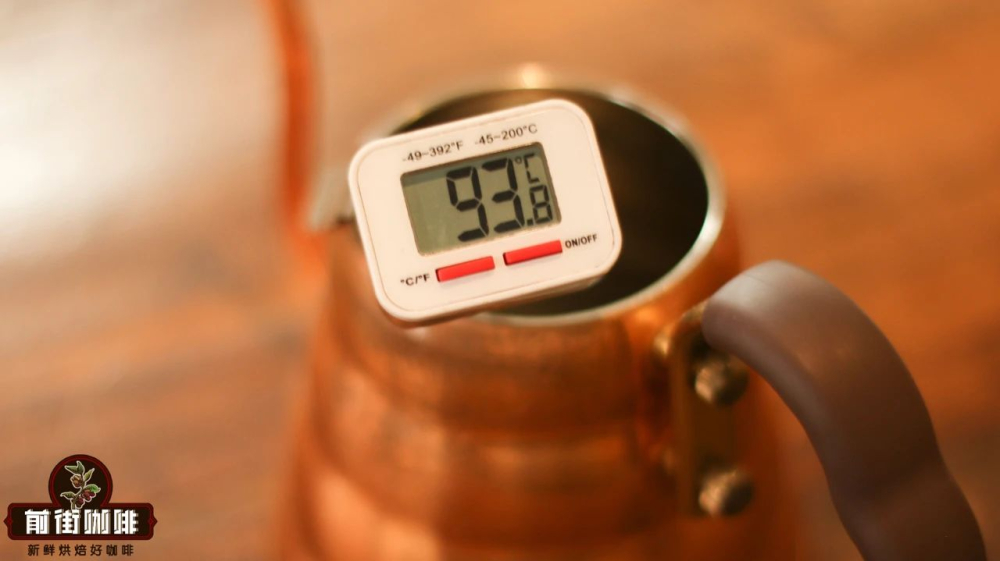
Water temperature directly affects the rate of dissolution of coffee substances. Too high a temperature (above 95°C) may extract excessive bitter and astringent impurities, while too low a temperature may result in insufficient flavor extraction, affecting blooming performance. Similarly, an insufficient pour volume can cause uneven wetting of the coffee grounds, leading to a rough and astringent taste; too much water may dilute the initial extraction concentration, resulting in a flat flavor profile.
Blooming Duration and Grind Size
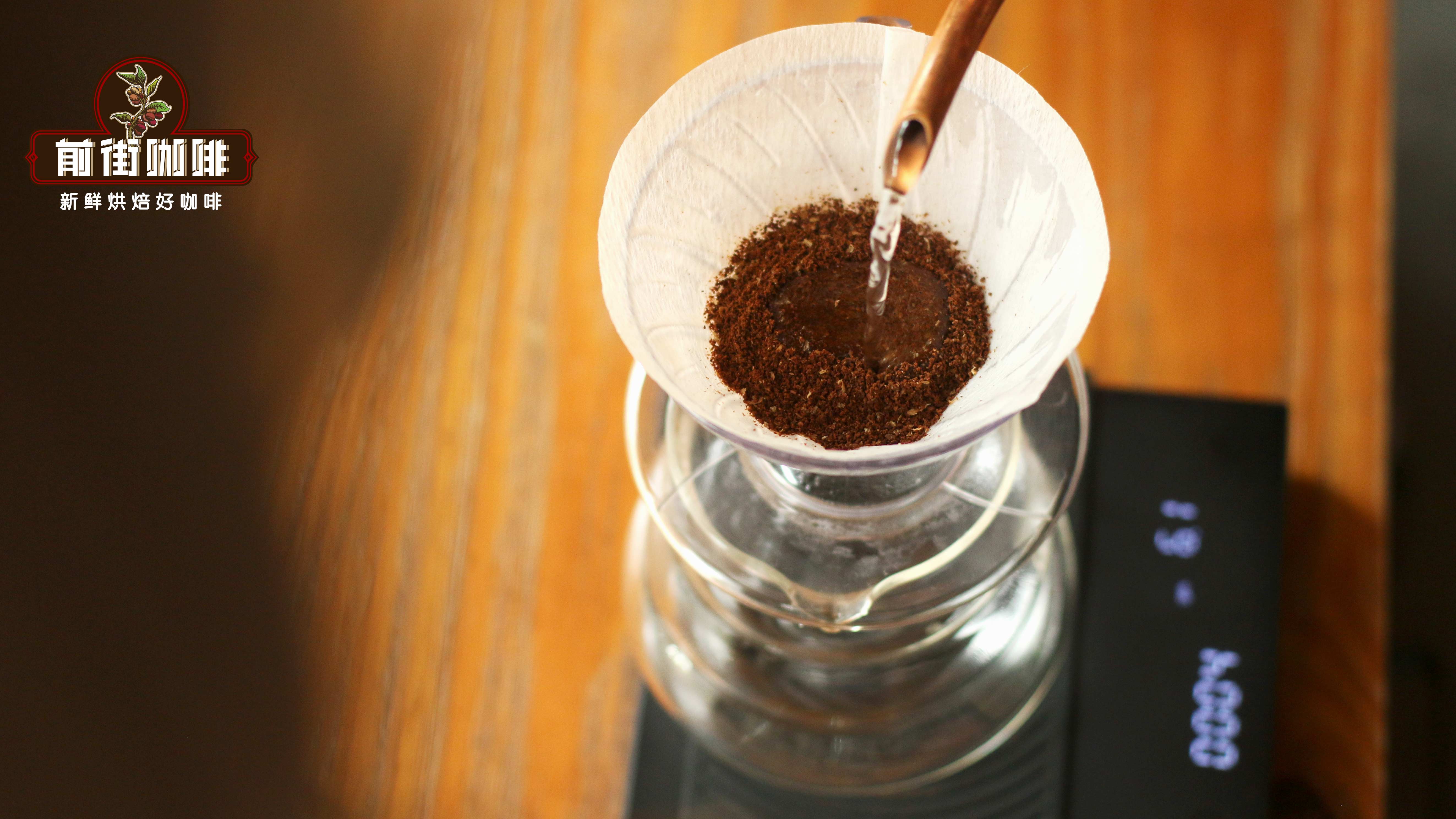
The ideal blooming time is generally between 30 to 60 seconds. Once the expansion of the coffee grounds begins to stabilize, you can begin the main pour. Grind size is equally important: overly coarse particles reduce the contact area between water and coffee, leading to inadequate gas release; overly fine particles may hinder water penetration, compromising blooming quality. It’s recommended to adjust the grind to an appropriate coarseness using a standard sieve to ensure good expansion.
Visual Changes During Blooming
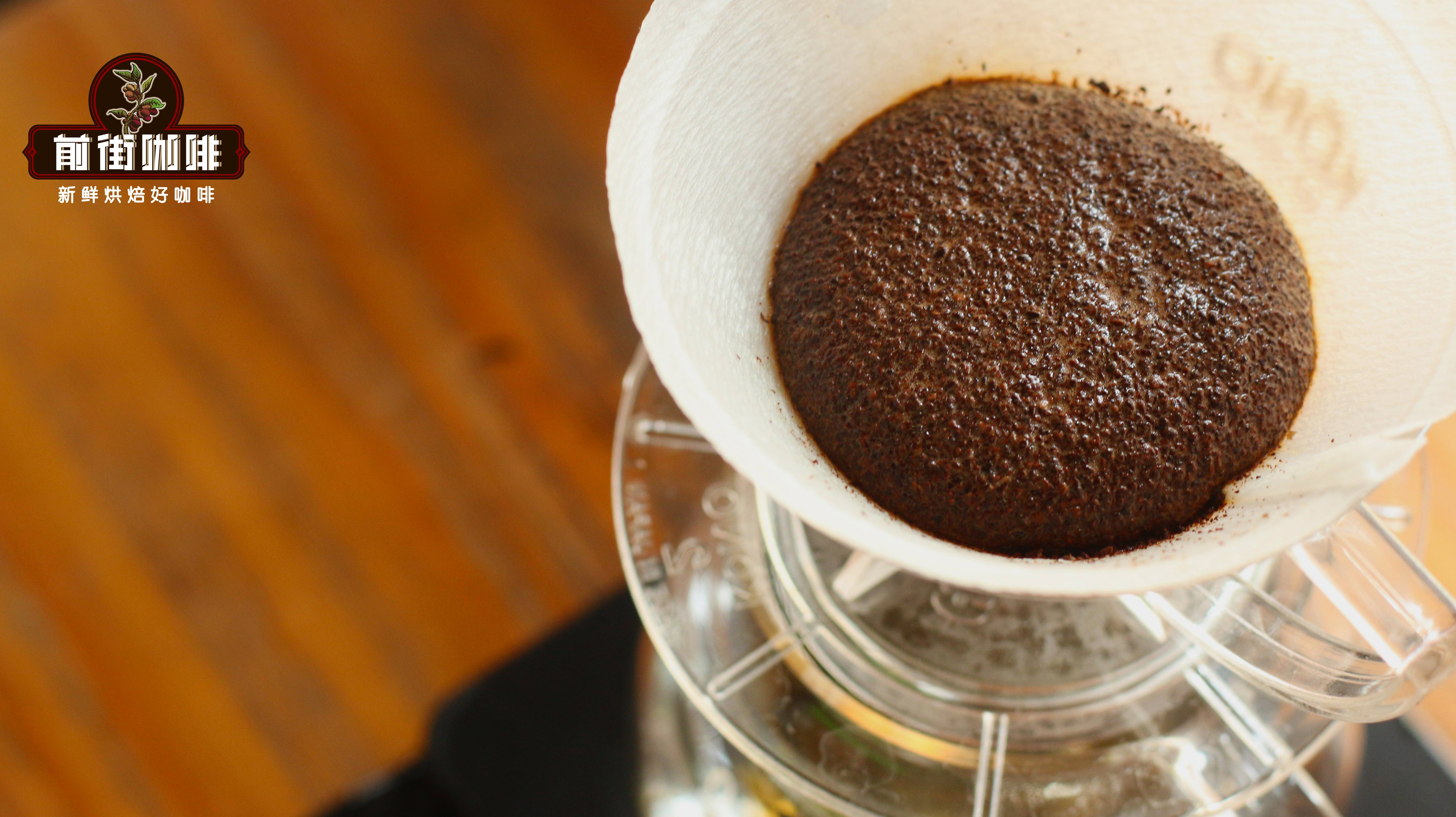
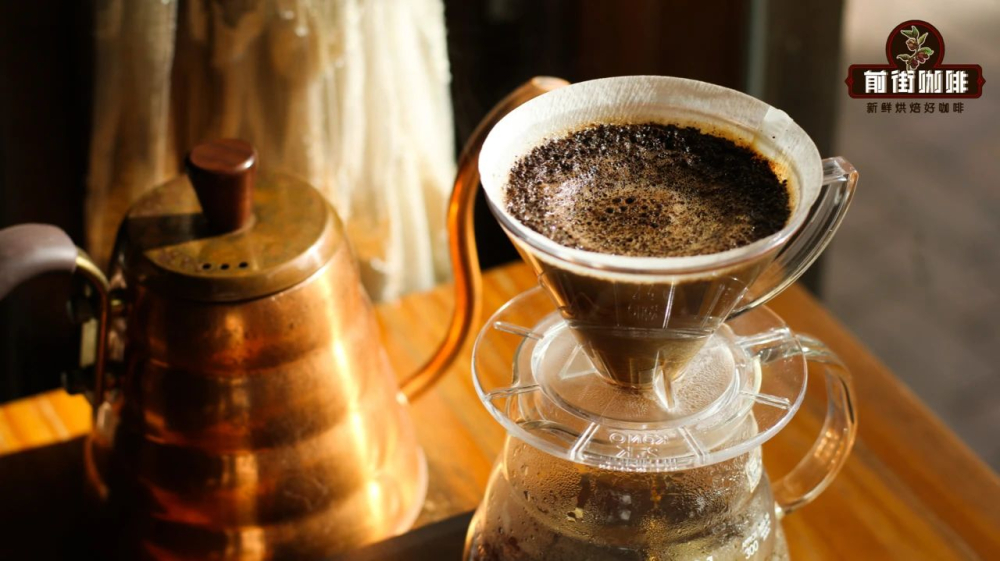
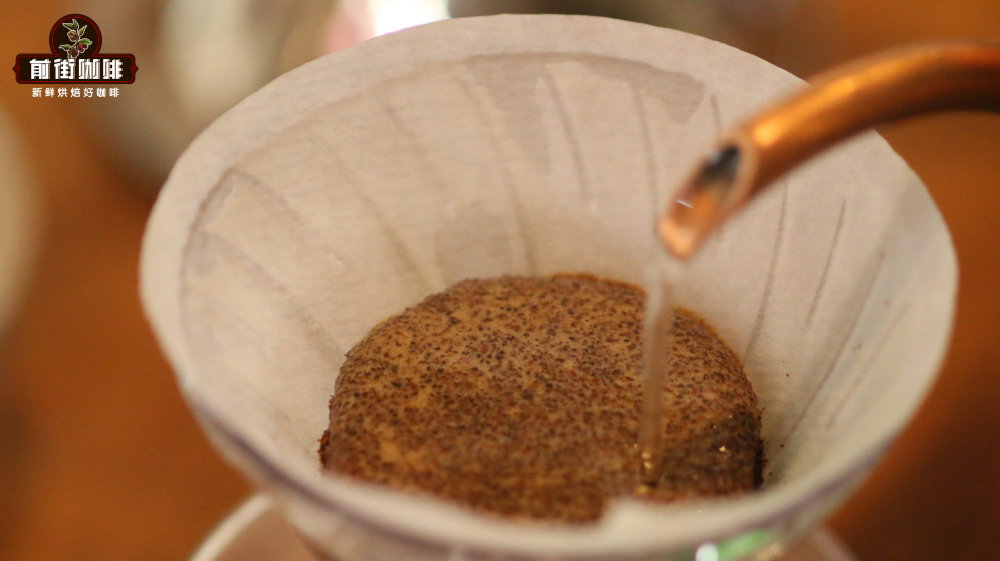
During blooming, the coffee grounds expand due to heat and gas release, resembling a small mound. As the gases gradually escape and the temperature drops, the expanded layer will flatten or even slightly shrink—this signals that blooming is complete and you can proceed to the next stage of pouring.
Pour-Over Steps and Pulse Pouring
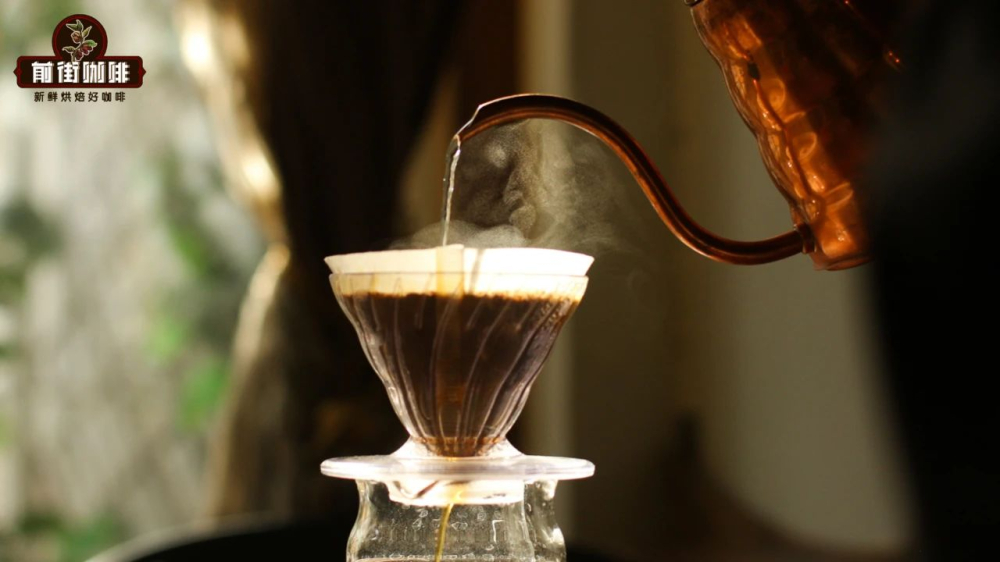
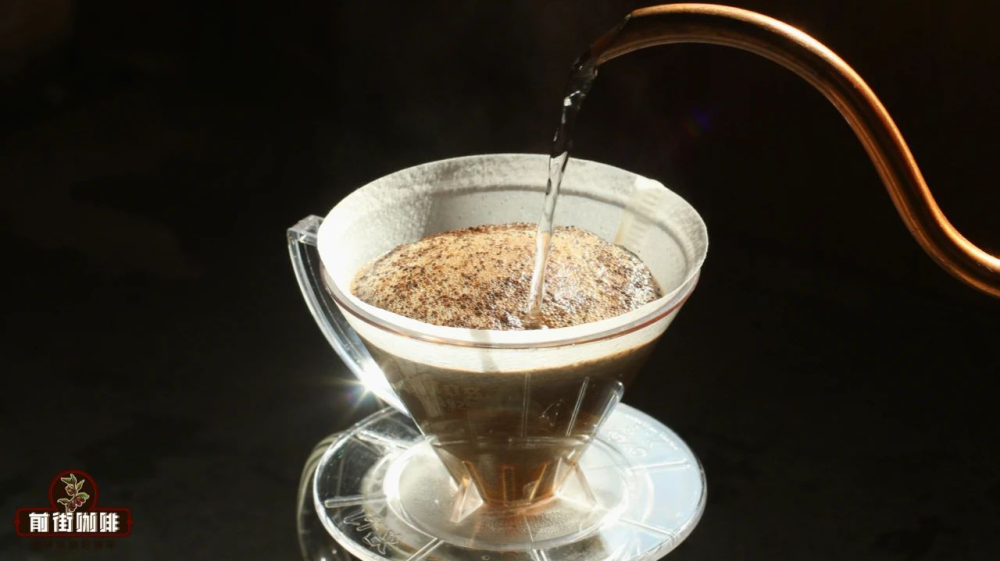
A typical pour-over process can be divided into three stages of pouring, with total extraction time controlled to around 2 minutes. First, bloom for 30 seconds, then use a small stream of water to pour in circles, gradually expanding to cover the entire coffee bed to ensure even extraction. Pulse pouring helps distinguish the front, middle, and back notes of the coffee, enhancing the overall flavor profile.
Experimental Comparison of Pulse Pouring
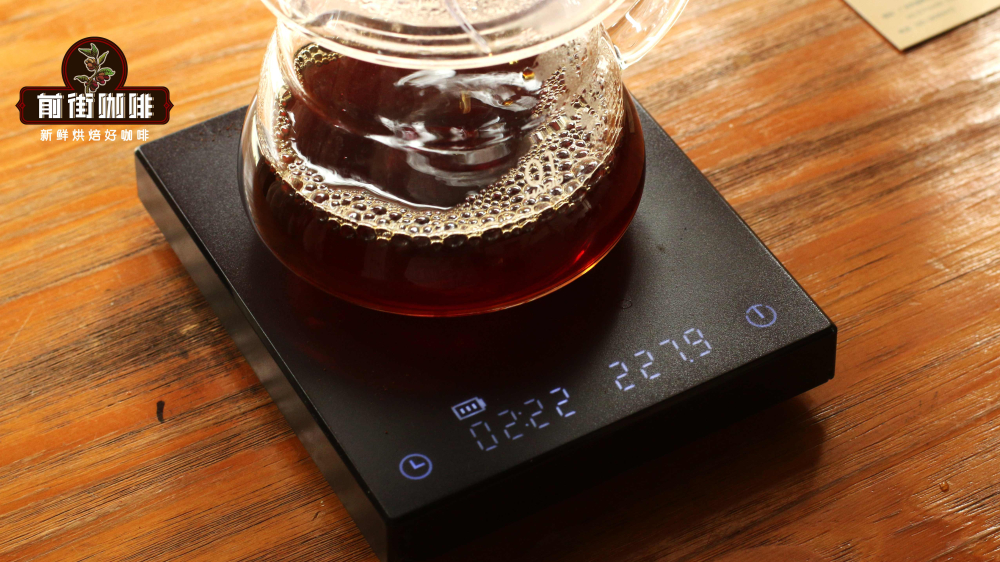
Experiments adjusting the number of pouring stages found that increasing the number of pulses can extend extraction time, thereby improving the yield of extracted substances and flavor complexity. However, the optimal pouring pattern still needs to be adjusted based on the characteristics of the coffee beans, grind size, and coffee-to-water ratio, and is not fixed.
Coffee-to-Water Ratio and Flavor Balance
An appropriate coffee-to-water ratio (such as 1:15) is crucial for flavor expression. A ratio that is too high may lead to under-extraction, while one that is too low can easily result in over-extracted bitterness. Based on personal taste preferences, the ratio can be slightly adjusted to achieve the desired strength and aroma layers.
The above content is compiled by CoffeeHunters, a coffee news website.


