







Introduction:Pour over coffee, as a representative of specialty coffee, is beloved by coffee enthusiasts for its simple equipment and diverse flavors. This article will delve into the core functions of essential pour over tools, provide purchasing recommendations, and detail how key parameters such as water temperature, grind size, and brew ratio affect extraction. It also offers a practical three-stage pouring technique and answers to common questions to help beginners master pour over skills and brew richly layered single-origin coffee.
With the rise of specialty coffee culture, more and more coffee lovers are trying to brew their own unique cups at home. Compared to expensive espresso machines, pour over equipment is not only more affordable but also has a lower learning curve. With basic skills mastered, one can consistently highlight the unique flavors of coffee. This article will guide you through the foundational setup of pour over coffee, the functions of each tool, key purchasing considerations, and an in-depth analysis of the factors that influence extraction quality.
[Basic Setup for Pour Over Coffee]
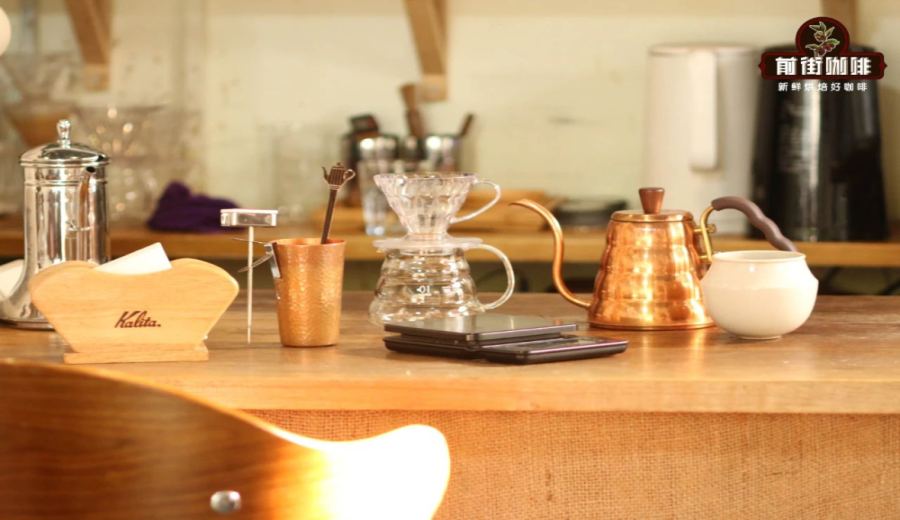
A complete pour over coffee toolkit includes a pour over kettle, filter cone, server, grinder, filter paper, digital scale, thermometer, and a sieve. Each tool plays its part—controlling water temperature, ensuring grind uniformity, and precise measurement—all contributing to the final coffee outcome.

[Choosing and Understanding the Pour Over Kettle]
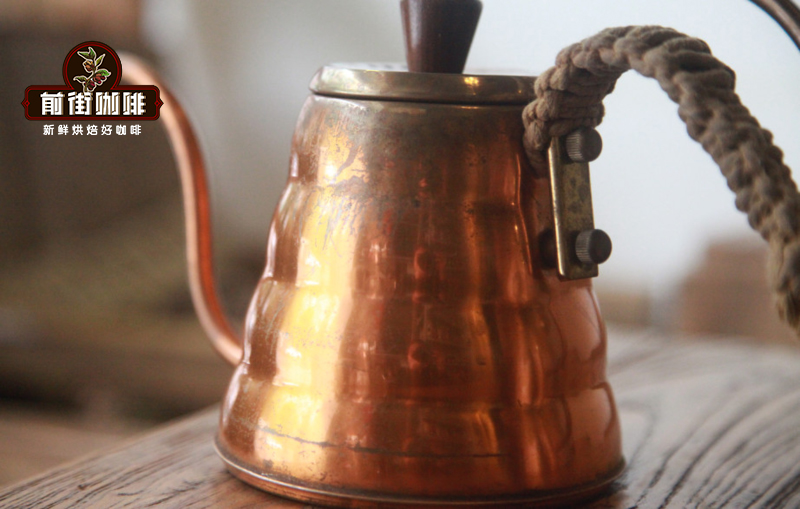
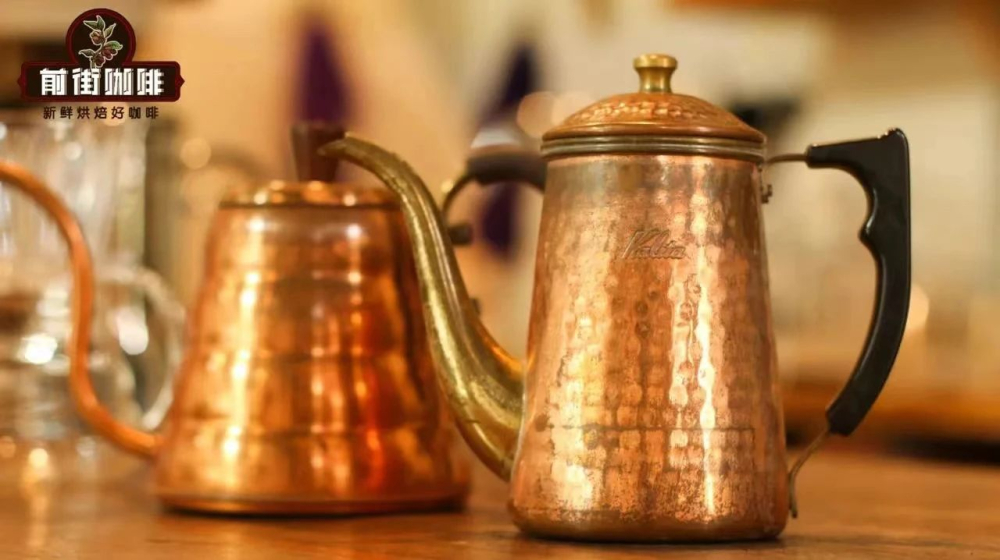
The design differences of pour over kettles directly affect water flow control, which in turn alters coffee extraction.Takahiro Shizuku Due to its precise water flow and excellent craftsmanship, it is considered an ideal choice for beginners. Although priced over 500 yuan, its 0.9L capacity and stainless steel material can handle most usage scenarios. If you prefer a slender spout design,Bonavita Temperature-Controlled Pour Over Kettle features an imported UK temperature control system that maintains water temperature within ±1°C, paired with a professional gooseneck spout that effectively controls water direction and speed, making it suitable for users seeking stability.Kalita Goose Neck Kettle combines Japanese craftsmanship with practicality. Its spout narrower than 5mm is suitable for advanced users exploring different pouring techniques, and the combination of wood and stainless steel adds to the user experience.HARIO Buono is known for its matte-polished stainless steel material and versatile water flow adjustment capabilities, capable of handling everything from small-stream drip filtration to immersion-style brewing.
[Types and Design Principles of Filter Cones]
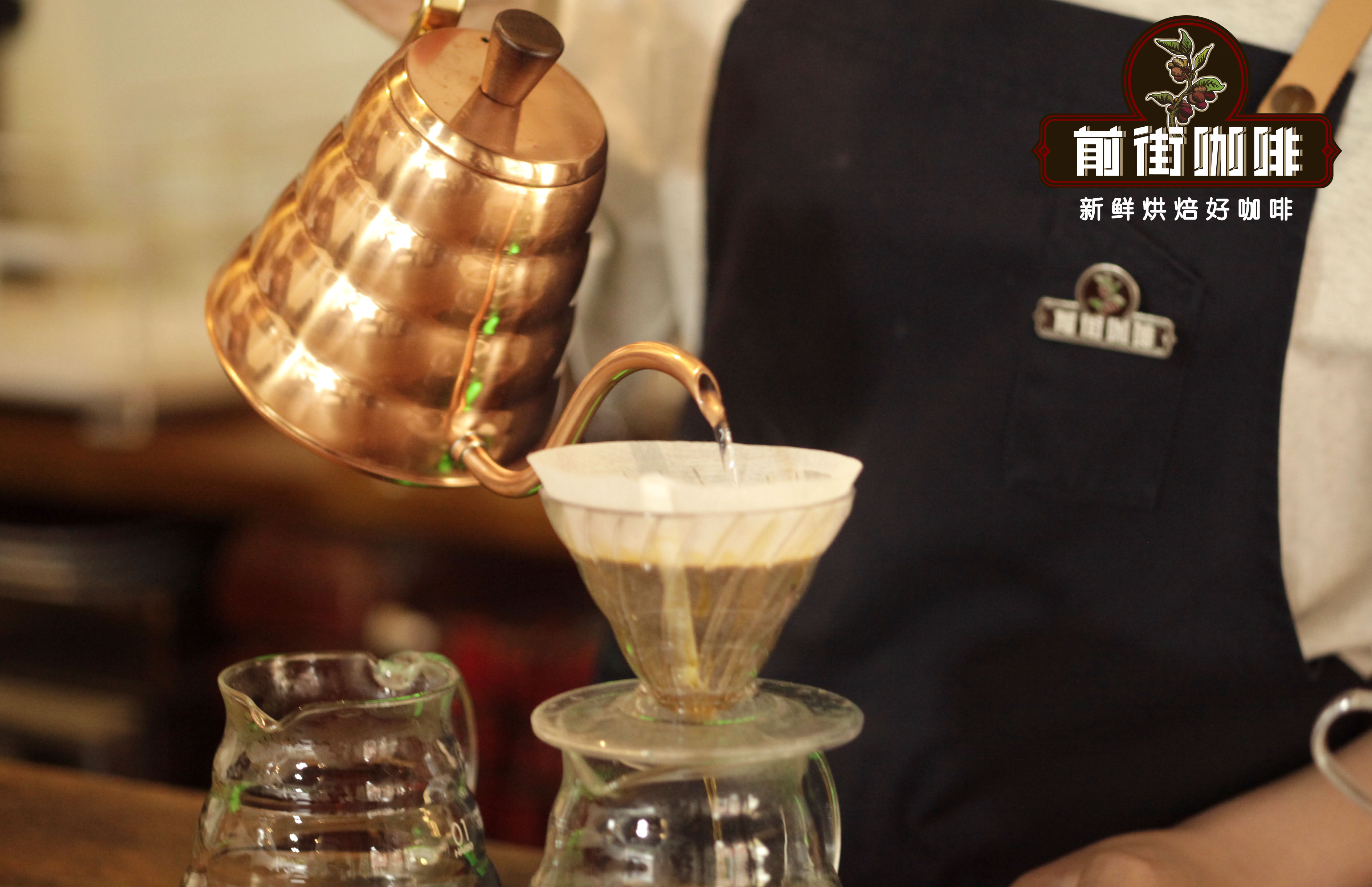
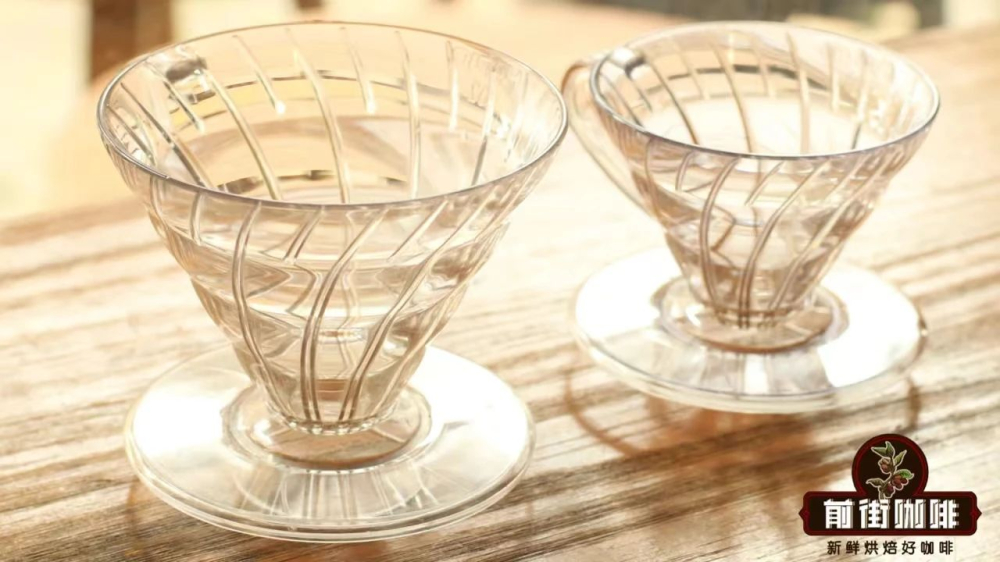
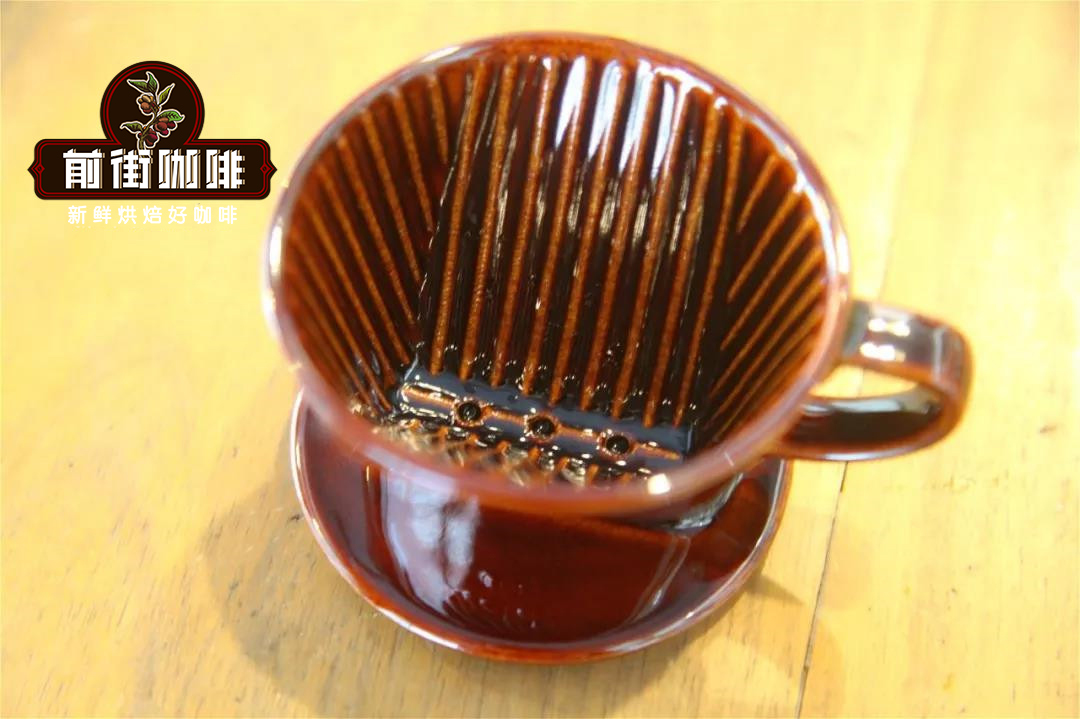
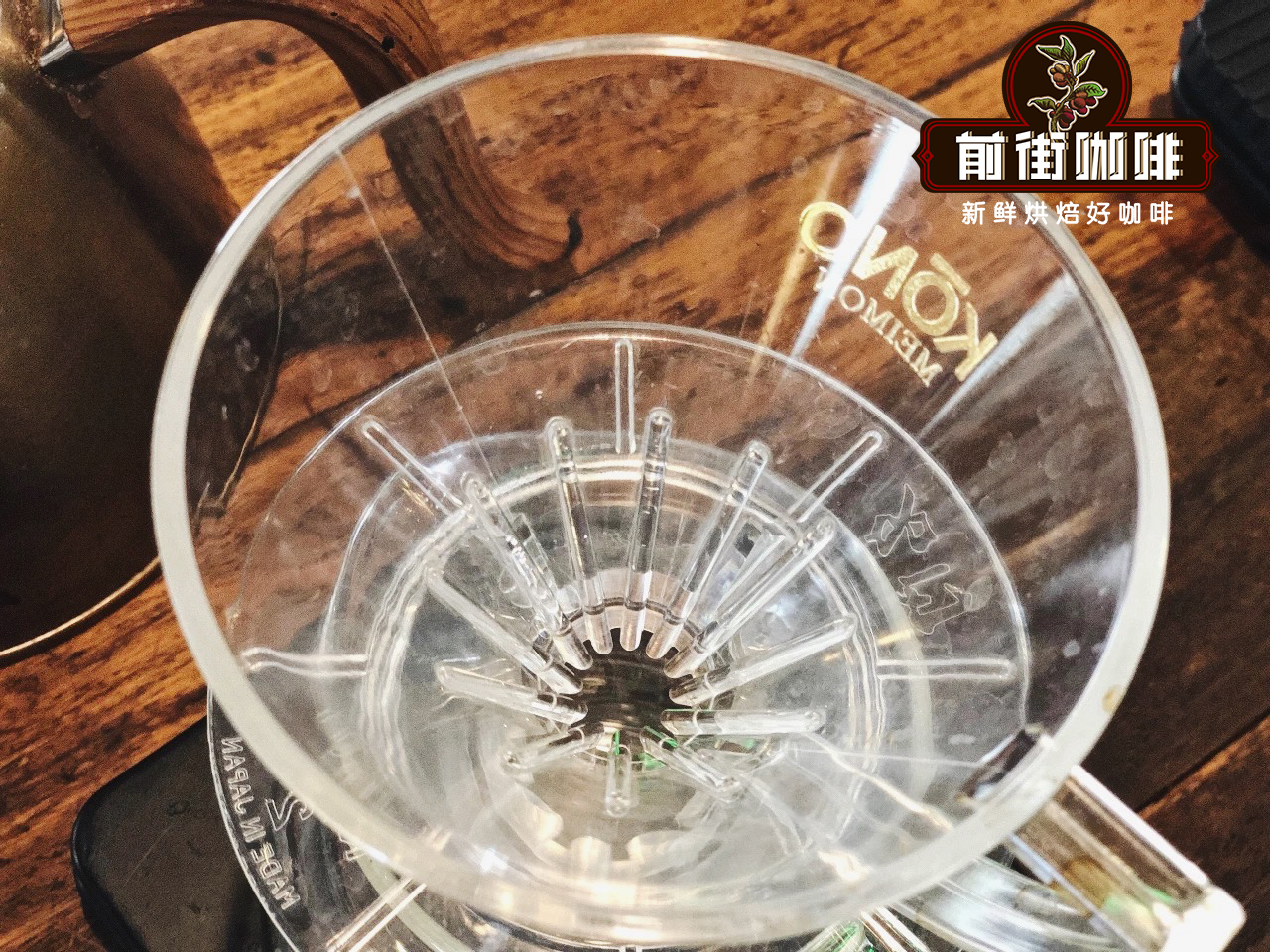
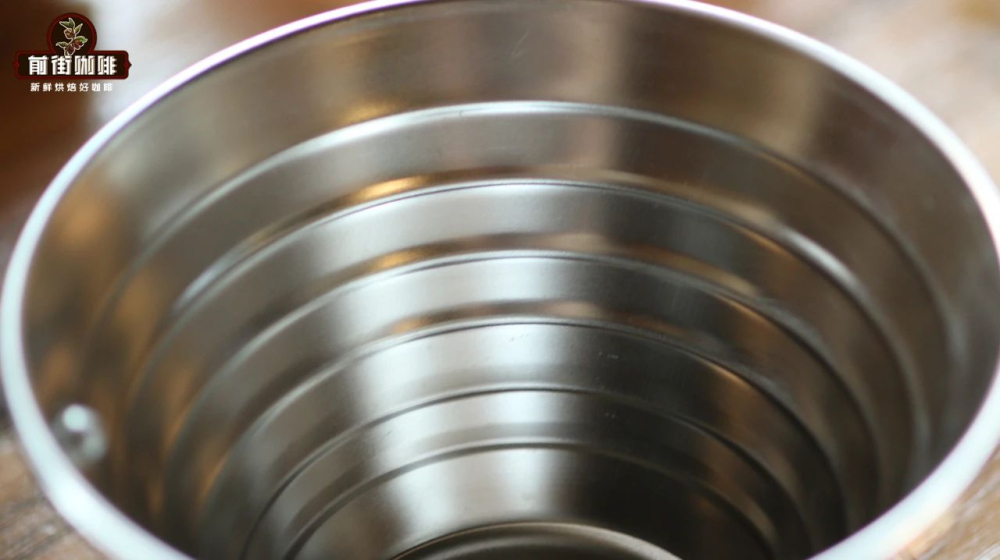
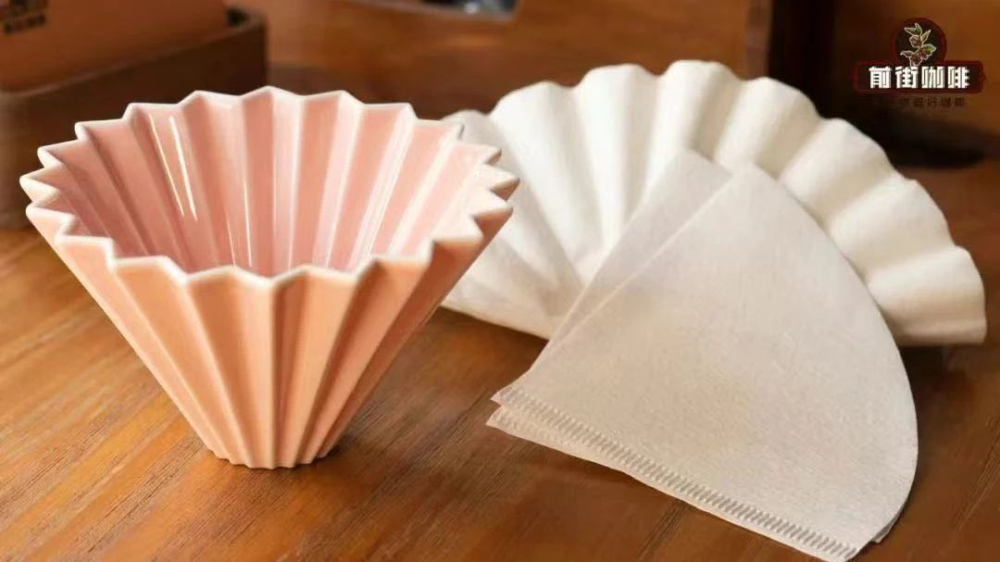
The structural design of the filter cone significantly impacts coffee grounds expansion and air circulation.Hario V60 is the most widely used filter cone. Its 60-degree conical design extends the time water passes through, large-sized filter holes regulate flow rate to control flavor, and spiral ridges promote air release, enhancing grounds expansion. The ceramic material of theKalita Filter Cone offers good heat retention. Its three-hole trapezoidal structure with uniform glaze is ideal for presenting coffee with a rich body and lower acidity.KONO Filter Cone features short ribs that allow the filter paper to adhere tightly to the cone walls, extending water absorption time and improving extraction evenness.Cake Filter Cones stabilize water flow with a flat bottom and three-hole structure, combined with folded filter paper to create a larger extraction surface, suitable for brewing methods aiming for balanced flavors.
[Types of Grinders and Grinding Effects]
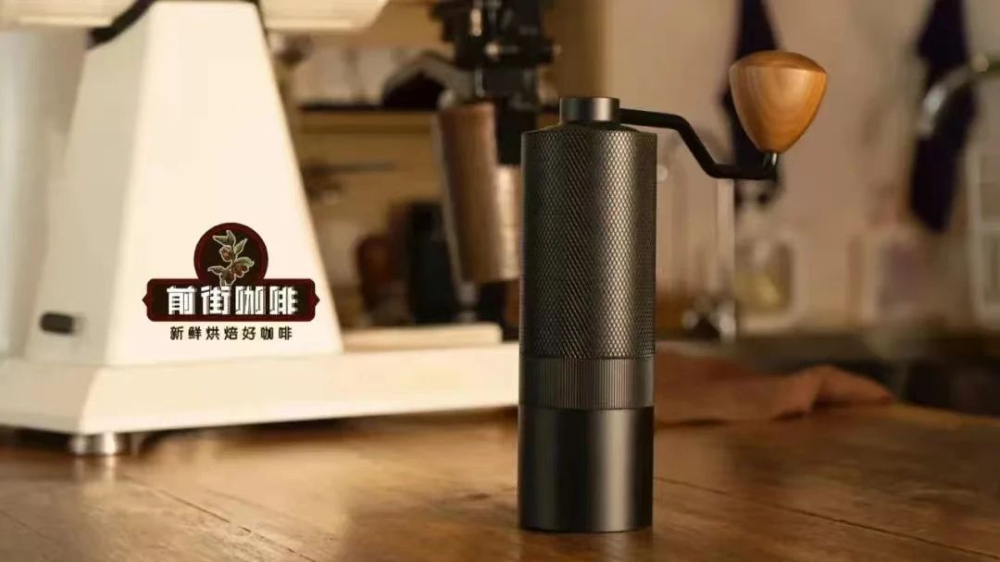
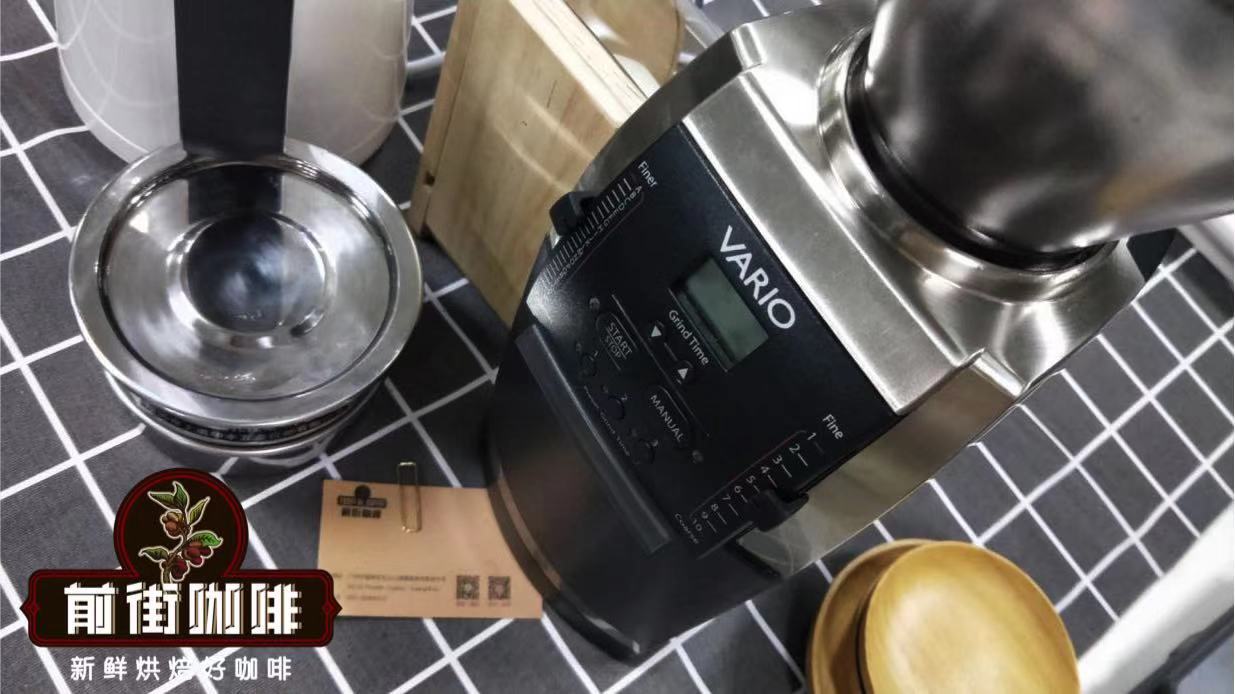
The blade design of a grinder determines the shape of coffee particles and extraction characteristics. A burr grinder with flat burrs produces coffee particles that are flaky, quickly enhancing concentration and aroma release, but care must be taken to avoid over-extraction; a conical burr grinder crushes beans with a pressing motion, producing chunky particles with rounded, layered flavors. Common models like the Baratza Encore offer consistent grinding performance.
[Function Breakdown of Auxiliary Tools]
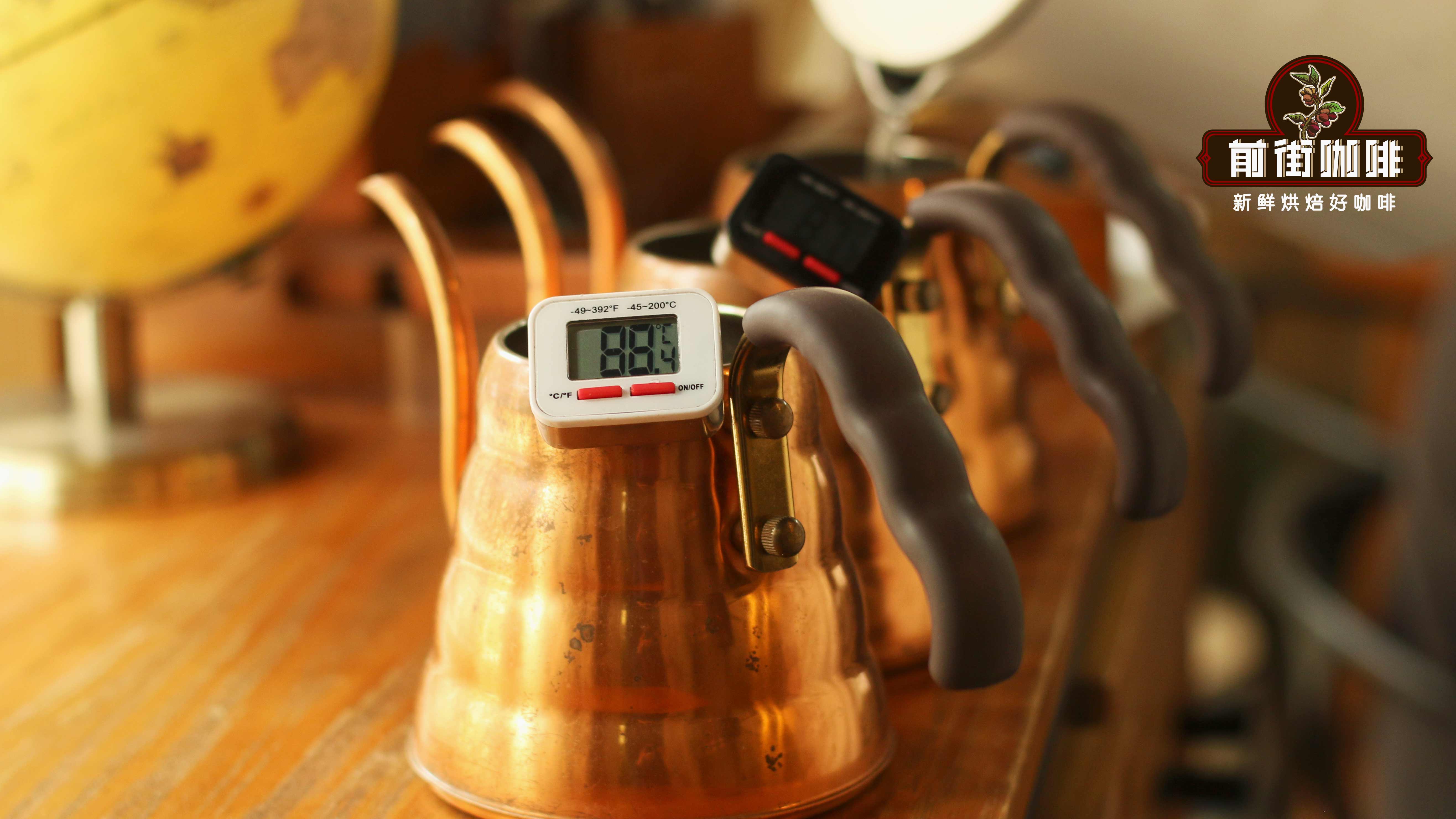
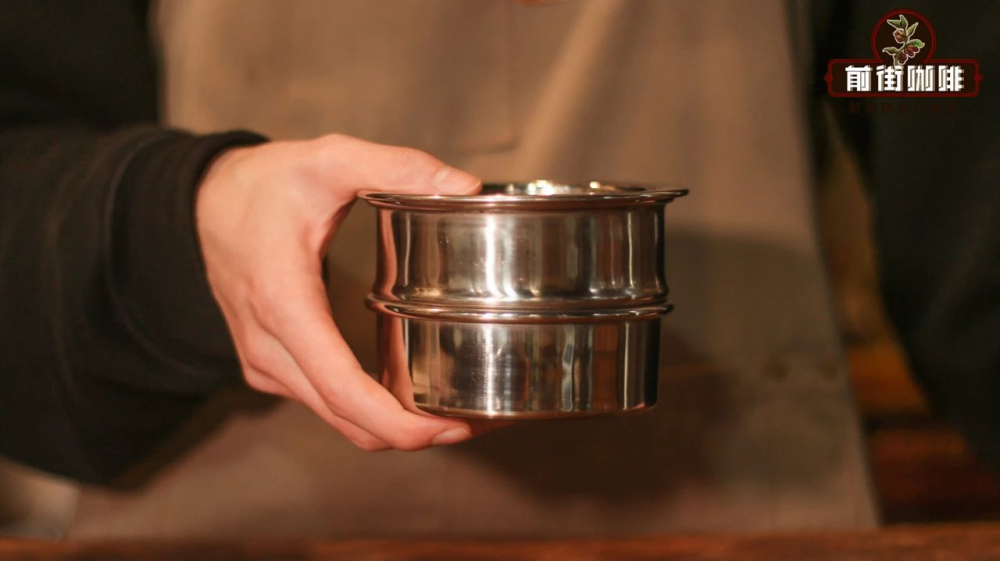
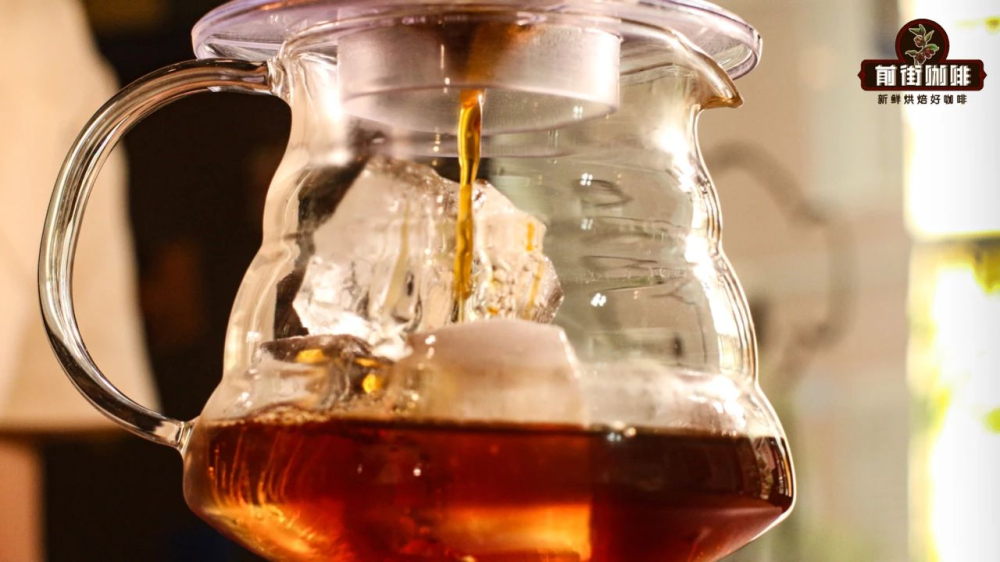
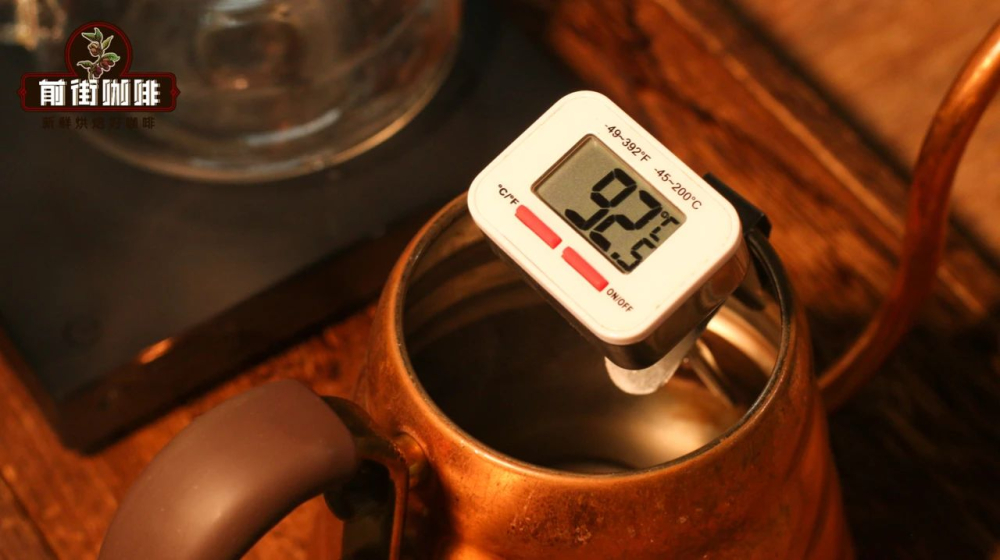
A thermometer is used to accurately measure water temperature, while a digital scale ensures the accuracy of the brew ratio. It’s recommended to choose models with precise readings to minimize variable factors. Filter paper comes in bleached and unbleached types, and the appropriate specification should be selected based on the filter cone type. A sieve is used to check grind coarseness; practical tests show that passing 80% through a Chinese standard No. 20 sieve is the ideal grind size for pour over. While a server is not essential, transparent graduated designs help track the progress of multi-cup brewing. The HARIO V60 Cloud Server or Kalita Server are recommended.
[Key Parameters and Techniques for Pour Over Coffee]
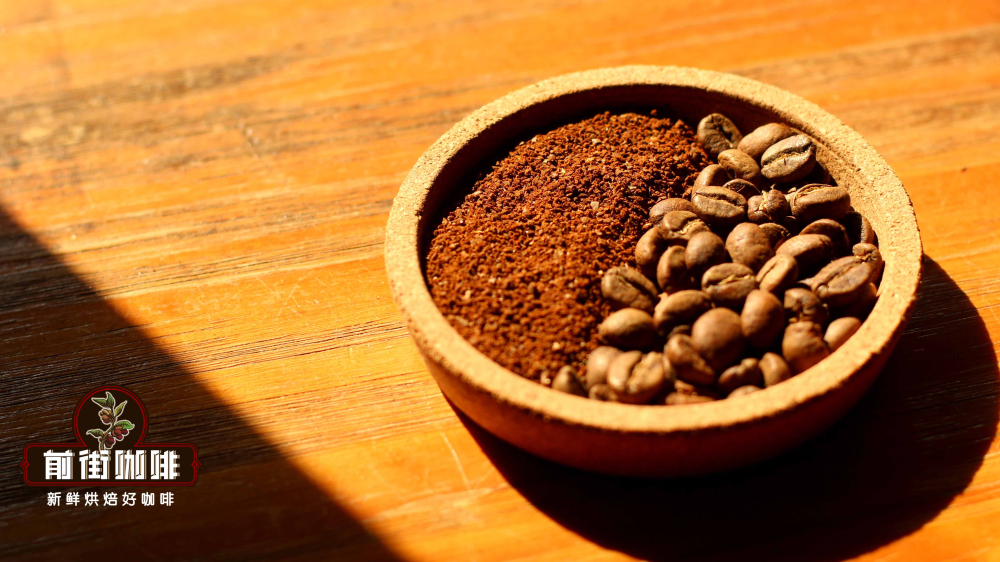
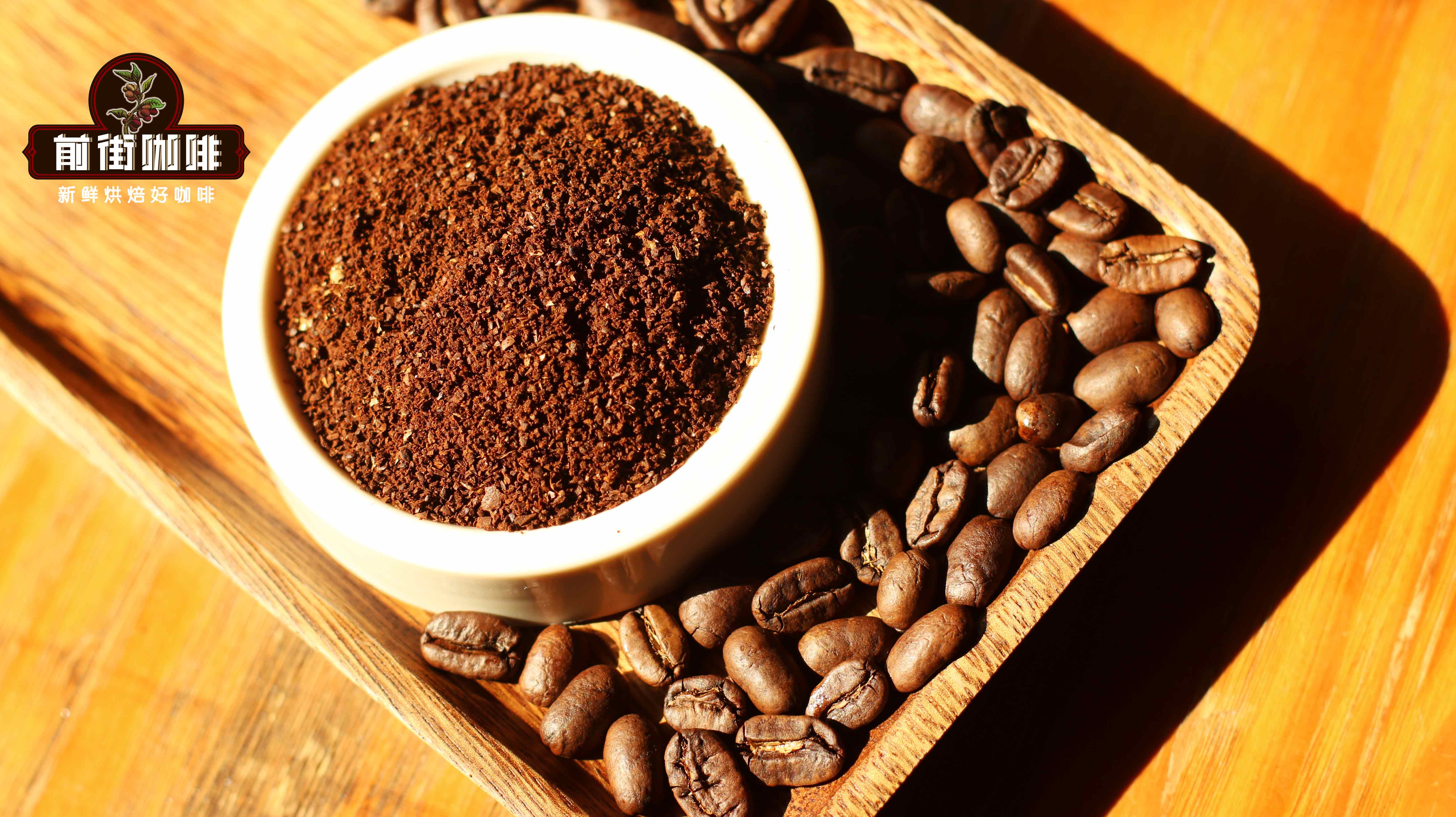
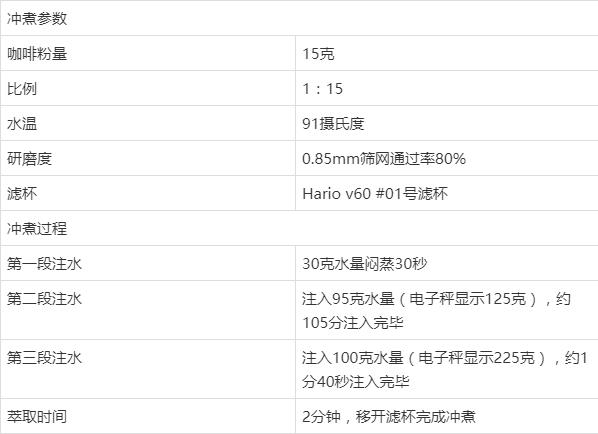
Successful pour over coffee relies on six key elements: water temperature, grind coarseness, brew ratio, water quality, coffee bean freshness, and pouring technique. Water temperature affects extraction efficiency—light to medium roasts are recommended at 90–91°C, while medium to dark roasts suit 85–87°C. Temperatures that are too high can lead to bitterness, while those that are too low may result in weak flavors. Grind size is ideally based on an 80% passage rate through a No. 20 sieve; too fine risks over-extraction, too coarse leads to under-extraction, and medium-fine (about the size of white sugar granules) is a universal choice.
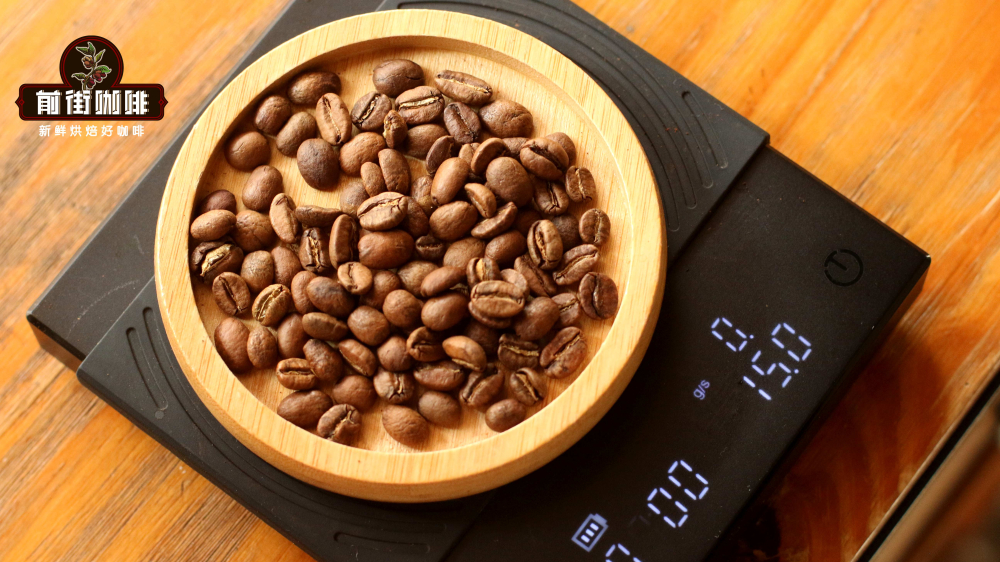
Common brew ratios range from 1:10 to 1:16, with 1:15 recommended as a balanced option—you can adjust according to personal taste. For water quality, use filtered or purified water to avoid the flavor impact of tap water impurities, as varying mineral content can significantly alter extraction results. Choose single-origin beans to experience regional characteristics. Freshly roasted beans require a 4–7 day degassing period to reach optimal flavor, and it’s best to consume them within a month.
[Three-Stage Pouring Technique Tutorial]
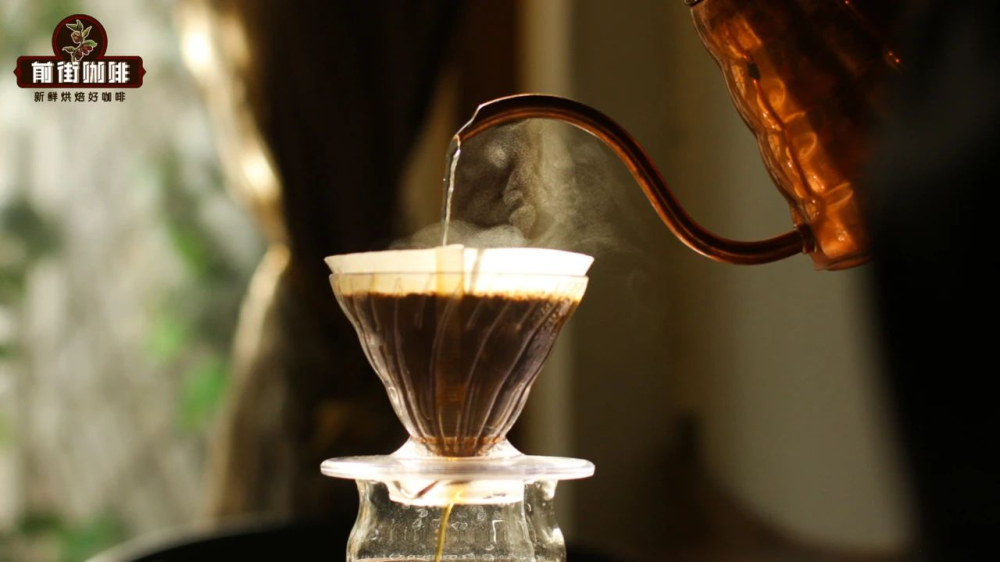
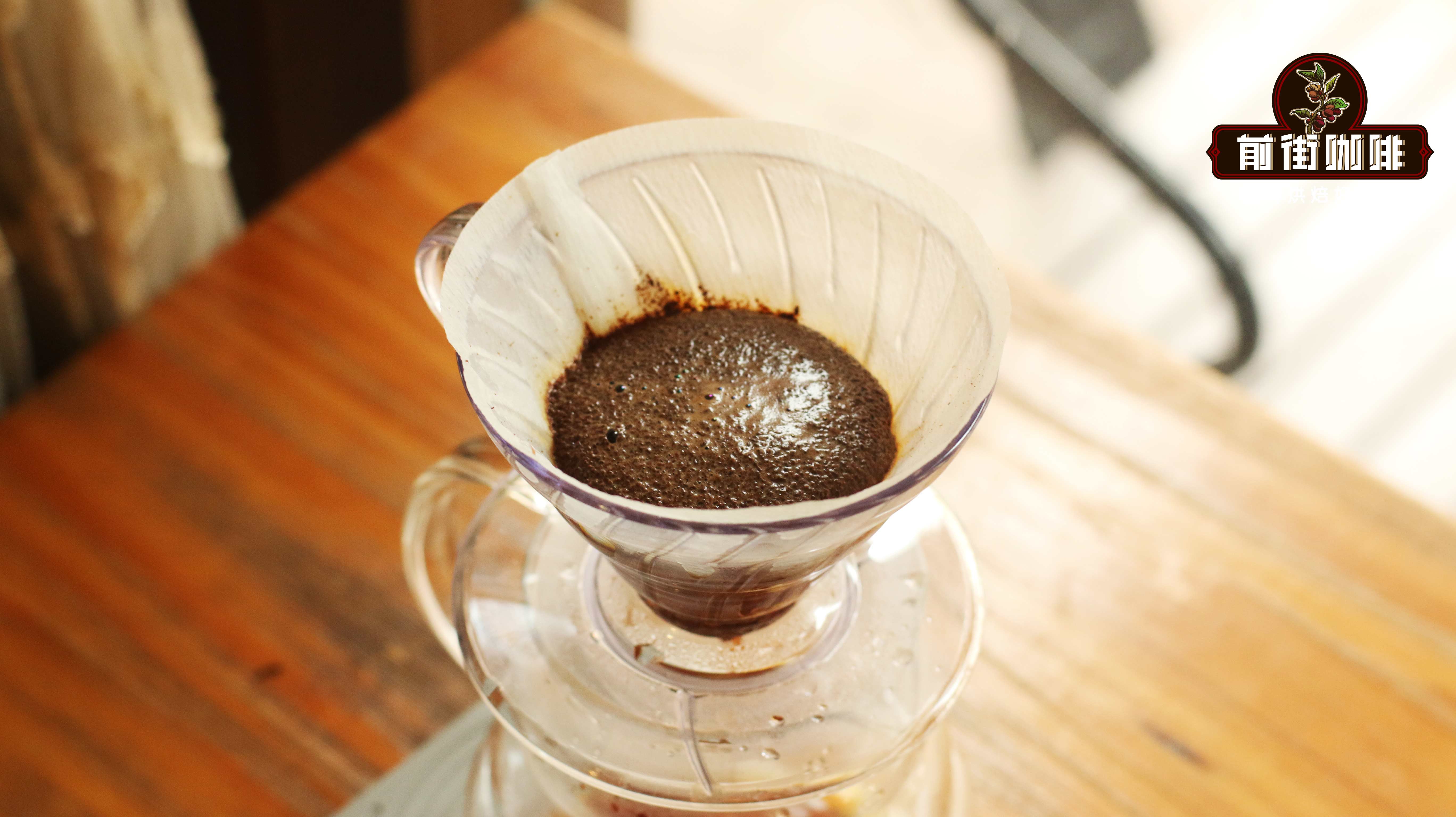
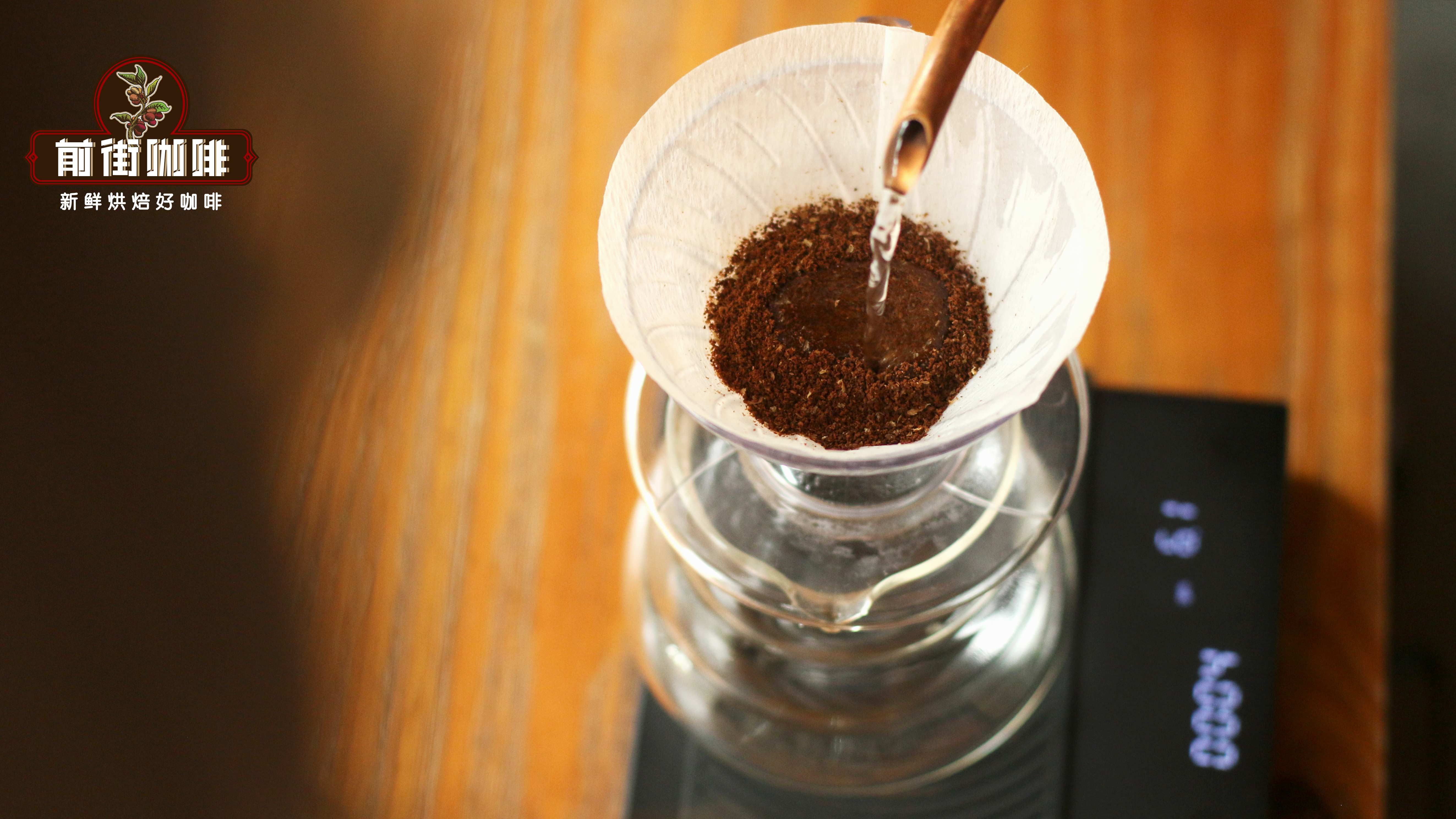
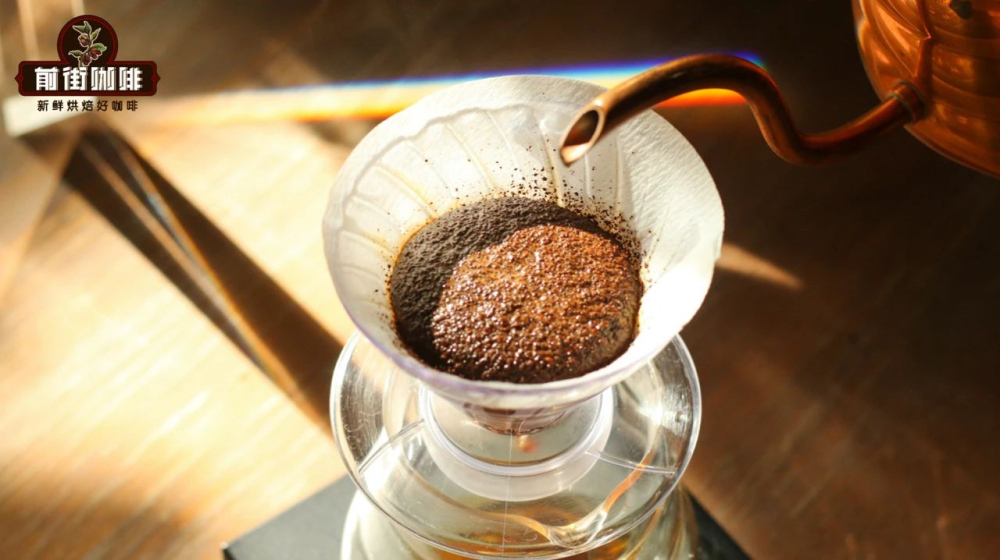
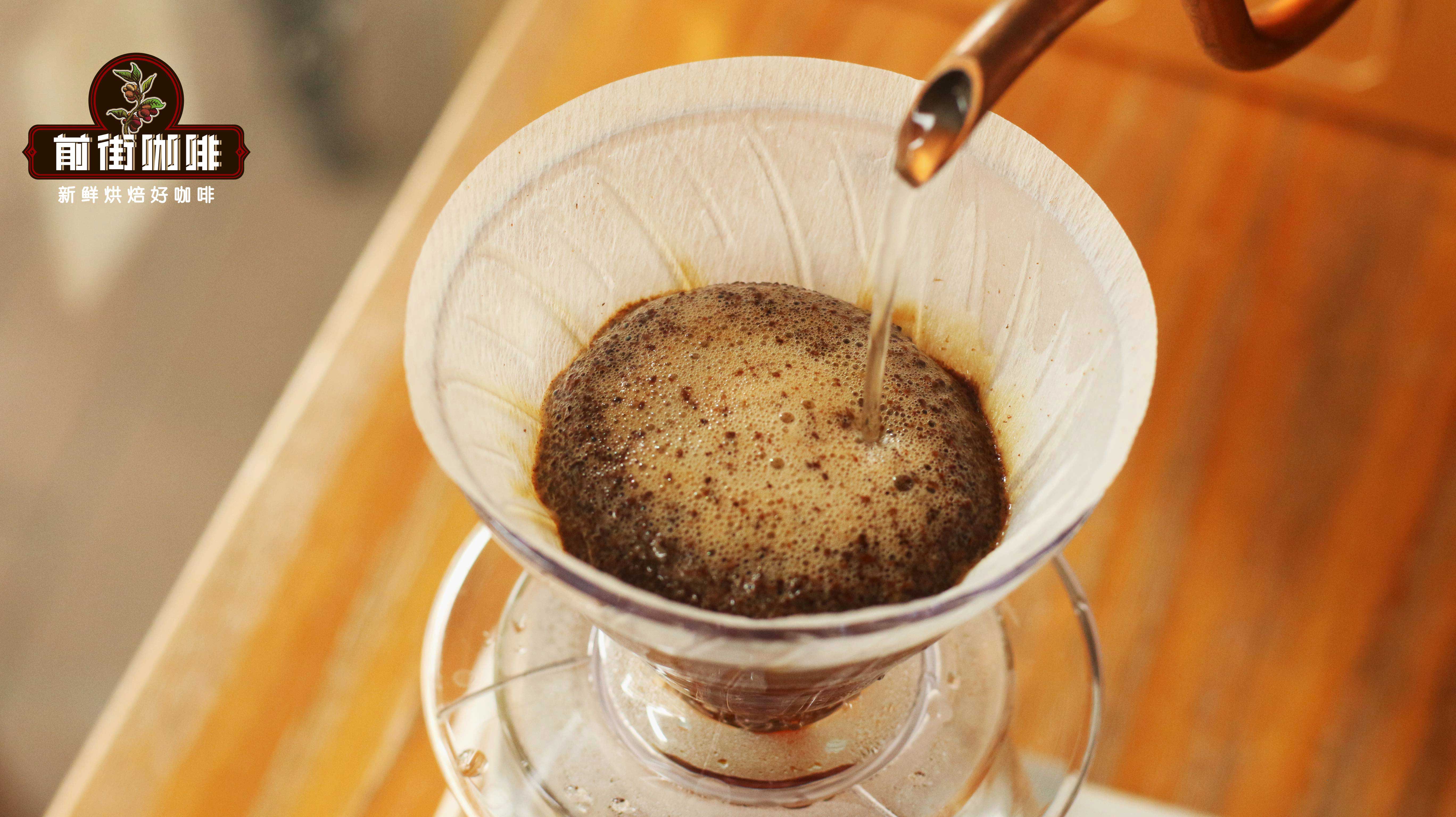
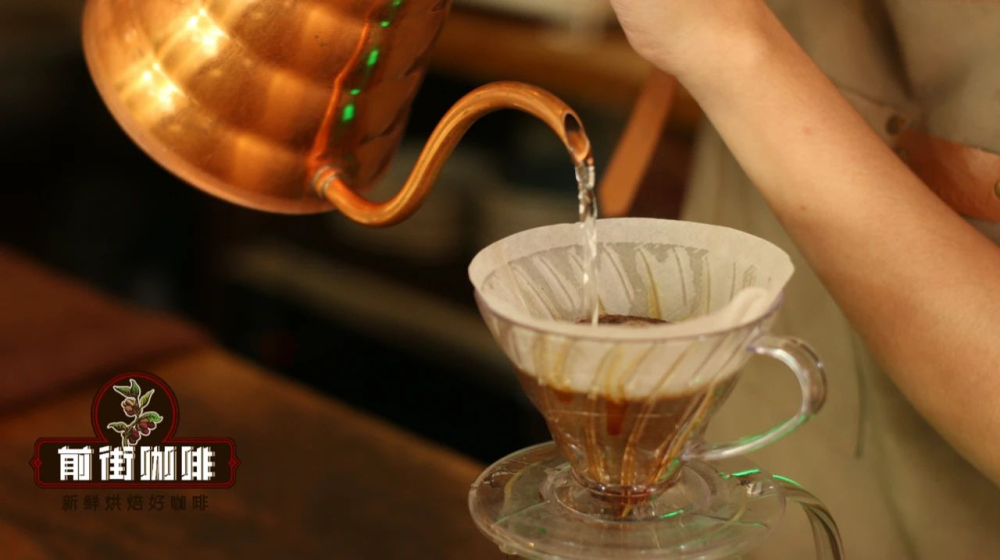
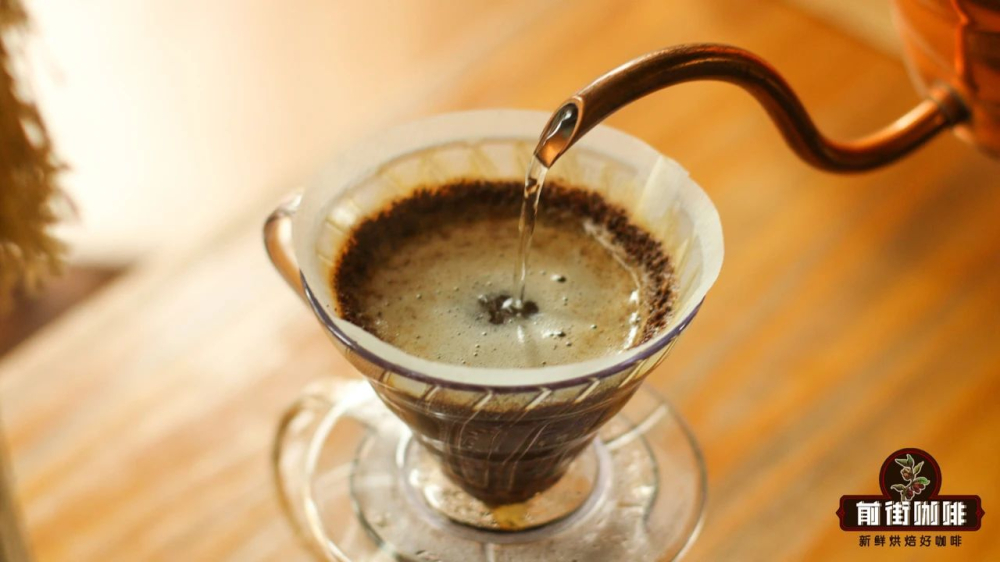
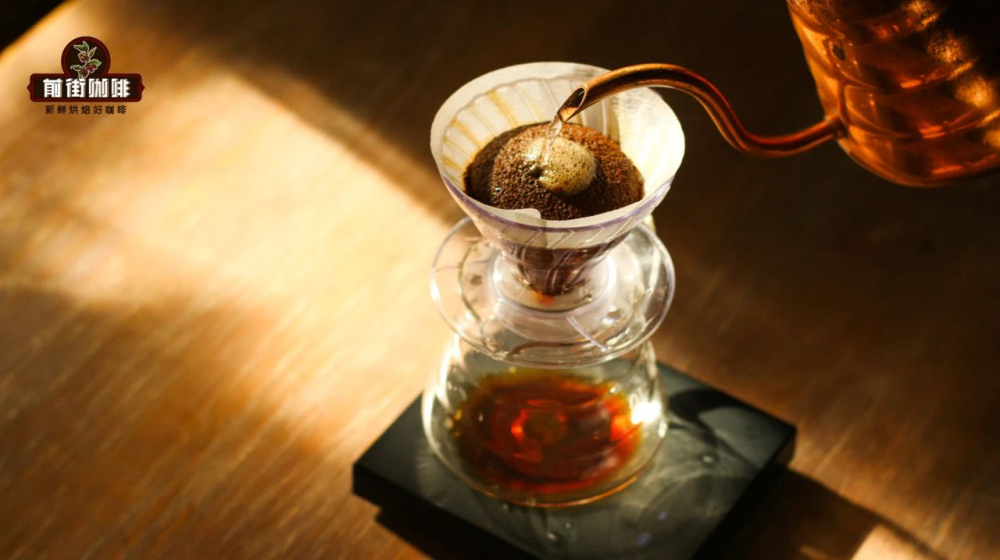
Beginners are advised to use the three-stage pouring method, which clearly highlights the front, middle, and back notes of coffee through segmented extraction. The first step is blooming—pouring twice the coffee’s weight in water at around 90°C to moisten the grounds for about 30 seconds, encouraging gas release and even absorption. The second step involves pouring in small circles from the center with controlled water flow, keeping the water level below the height of the coffee bed. The third step continues pouring after the water level drops, observing foam levels and adjusting the pace to avoid over-extraction and off-flavors in the final phase. Using Ethiopian Yirgacheffe as an example—with 90°C water, a 1:15 brew ratio, and medium-fine grind—you can extract pronounced floral notes and lemony acidity, with a tea-like richness in the aftertaste.





The above content is compiled by CoffeeHunters, a coffee news website.


