







Introduction:Explore how single-origin coffees showcase their unique personalities through the terroir of different regions — from the bright floral and fruity notes of light roasts to the rich, bold aromas of dark roasts. Learn how various stages of roasting influence flavor. This article provides detailed brewing parameter suggestions and practical tips to help beginners find suitable specialty beans for practice and master the key steps to consistently extract an ideal cup.
Single-origin coffee best authentically reflects the terroir of its place of origin. Due to differences in climate, soil, and altitude across countries, the beans exhibit distinctly unique flavor profiles. Whether it’s a bright, vibrant acidity or a rich, balanced bitterness and sweetness, the right roasting method can further highlight these traits, making it the perfect entry point for coffee newcomers to understand flavor layers.
Lightly roasted single-origin coffees usually feature pronounced acidity paired with lively floral and fruity aromas. These beans are ideal for those who enjoy a refreshing taste, with common flavor notes including citrus, berries, or tropical fruits. The roasting process retains more of the bean’s original compounds, so a slightly higher water temperature is recommended during brewing to bring out the bright acidity.
In the medium roast stage, acidity gradually softens while bitterness begins to emerge without being overly intense, alongside the development of nutty, caramel-like sweetness and baked bread notes. These beans offer good balance and are suitable for everyday drinking, often described with complex flavors like roasted almonds, cocoa, or a mix of citrus fruits. Brewing parameters can be slightly adjusted to emphasize the full-bodied base.
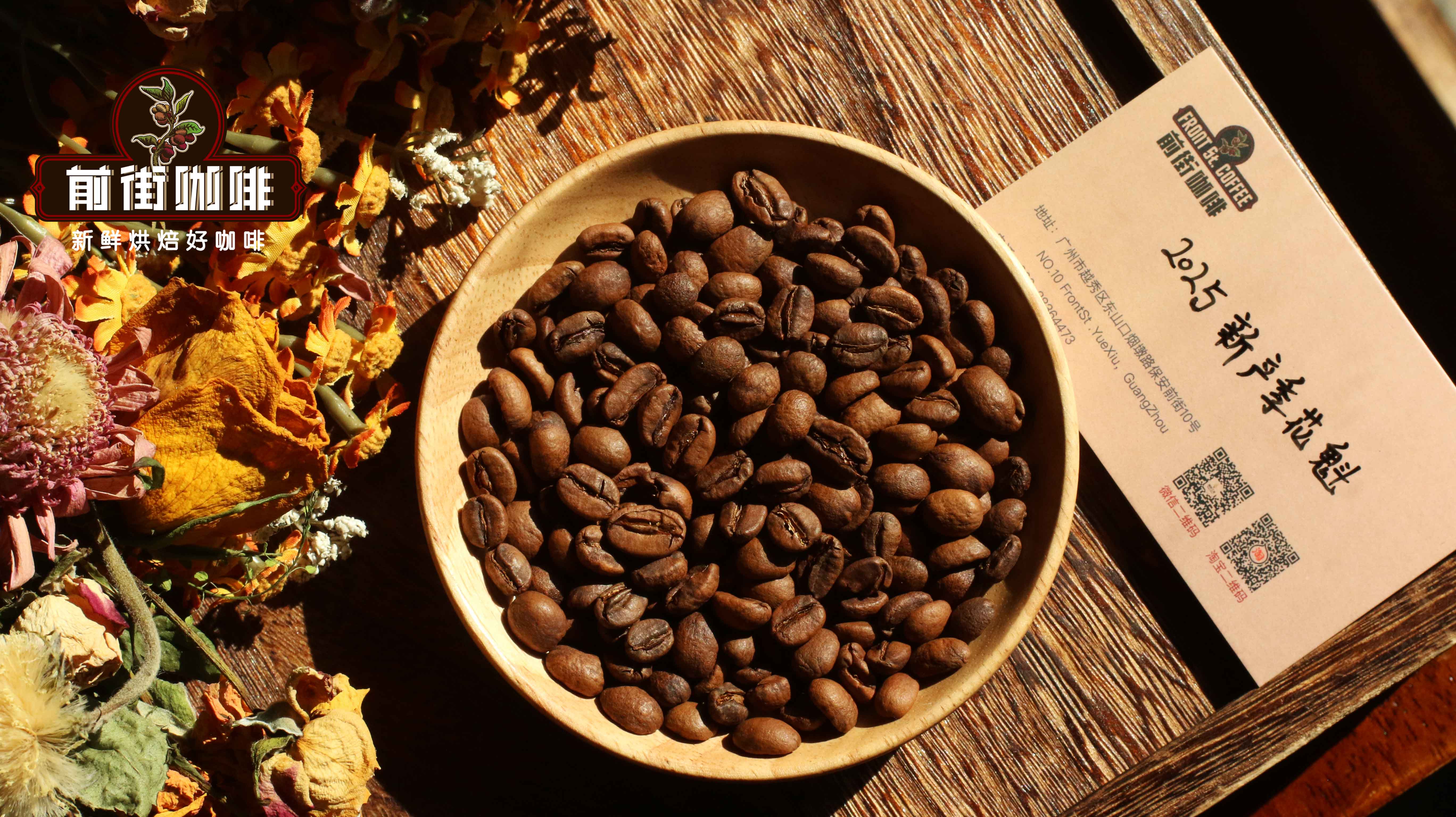
Dark roasts transform acidity almost entirely, with bitterness becoming more pronounced along with distinct woody tones and piney aromas. These beans often showcase rich flavors of chocolate, spices, or caramelized sweetness, catering to those who prefer a bold taste. The extended roasting process increases bean density, so attention to water temperature and grind size is essential during brewing to avoid over-extraction.
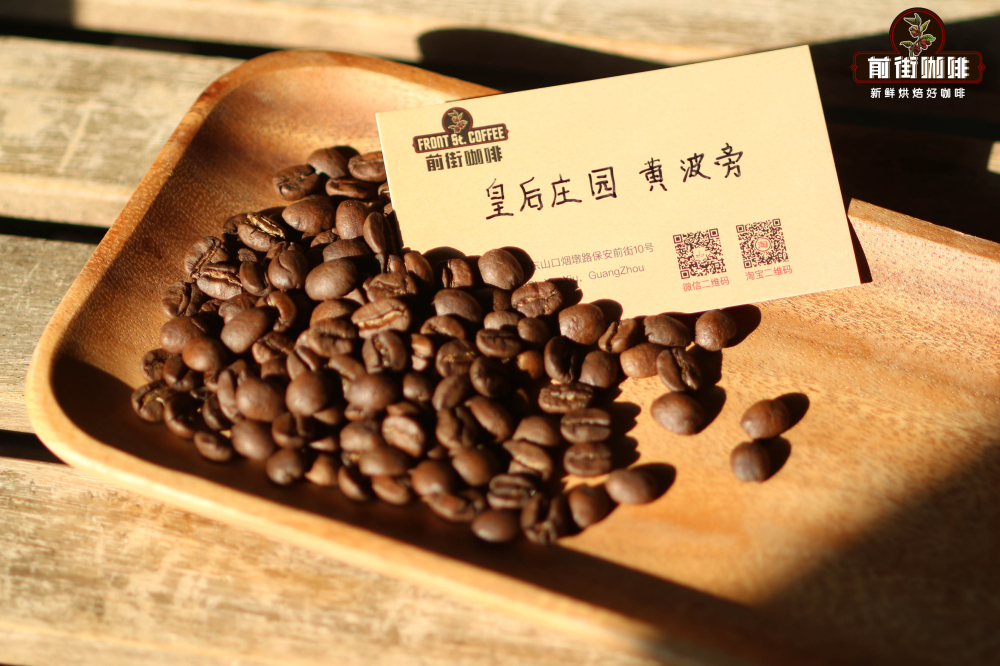
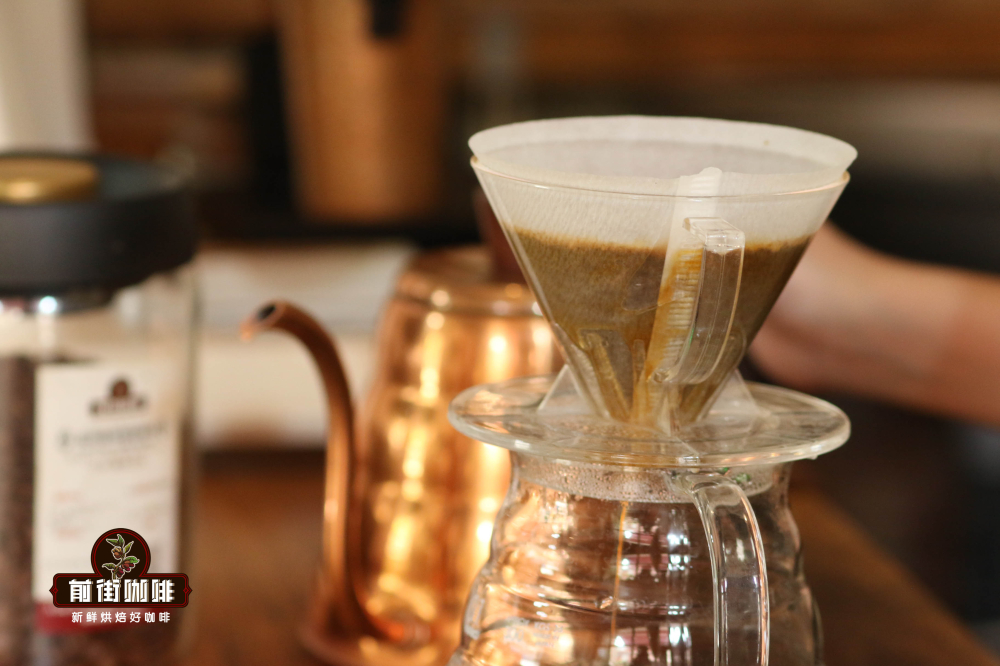
For pour-over brewing, using the commonly available Queen Estate medium roast beans as an example, it is recommended to use a Kono filter cone with 15 grams of coffee and a 1:15 coffee-to-water ratio. Set the grind size to 70–75% extraction through a Chinese Standard No. 20 sieve, equivalent to a medium-fine grind, which ensures appropriate flow rate and sufficient extraction.
The specific brewing steps are suggested as follows: first, pour 30 grams of water at 88°C to bloom for 30 seconds to activate the coffee grounds; then, pour in stages up to about 125 grams of water. When the coffee liquid level drops to half, continue pouring until reaching a total of 225 grams to complete extraction. The entire process should take about 2 minutes and 10 seconds. This parameter combination effectively balances clarity and flavor complexity.
It is worth noting that beans from different regions and roast levels may require adjustments in water temperature and grind coarseness. For light roasts, a water temperature of 90–92°C is recommended to enhance the expression of acidity, whereas dark roasts can be brewed at 85–87°C to reduce the risk of bitterness. Regular cleaning of the grinder and pour-over equipment can also significantly affect the final flavor outcome.
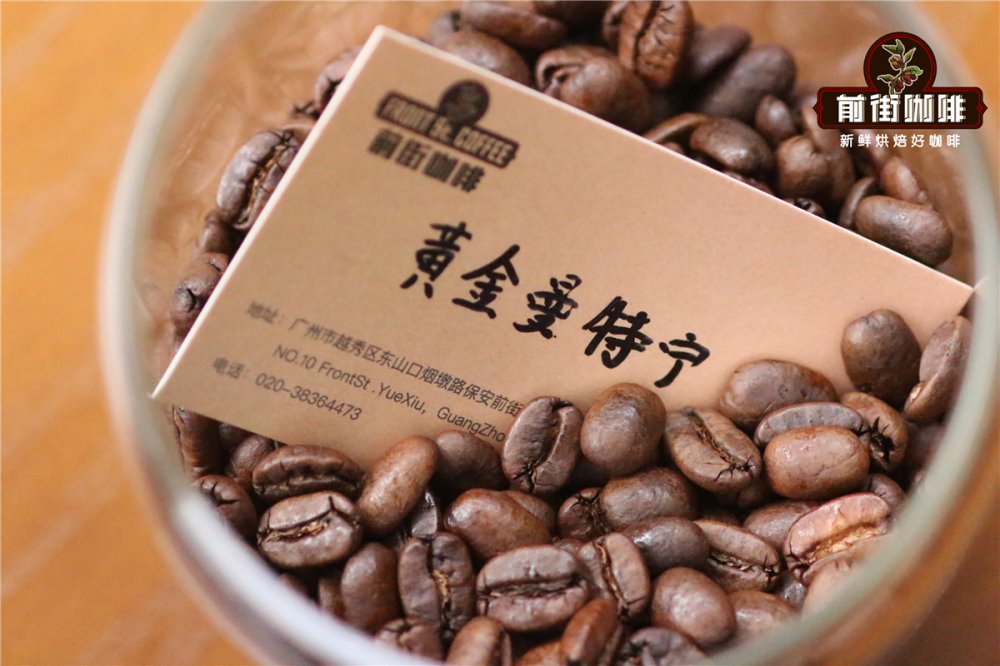
For beginners new to pour-over brewing, it is recommended to start with single-origin beans that have distinct flavors and are reasonably priced — for example, light roasts with prominent floral and fruity characteristics, or balanced, easy-drinking medium roasts. By observing changes in grind size, pouring speed, and blooming time, you can gradually develop a sensitivity to extraction parameters and eventually discover your preferred flavor profile.
The above content is compiled by CoffeeHunters, a coffee news website.


