








Introduction:The charm of pour over coffee lies in its ability to precisely highlight the flavor layers of coffee beans by controlling water temperature, pouring technique, and time. Among these, the blooming step—before extraction—directly impacts the release of aroma and the evenness of extraction. This article explains the principles, influencing factors, and practical parameters of blooming, and breaks down the three-phase pouring method to help beginners master a stable brewing rhythm and produce richly layered coffee.
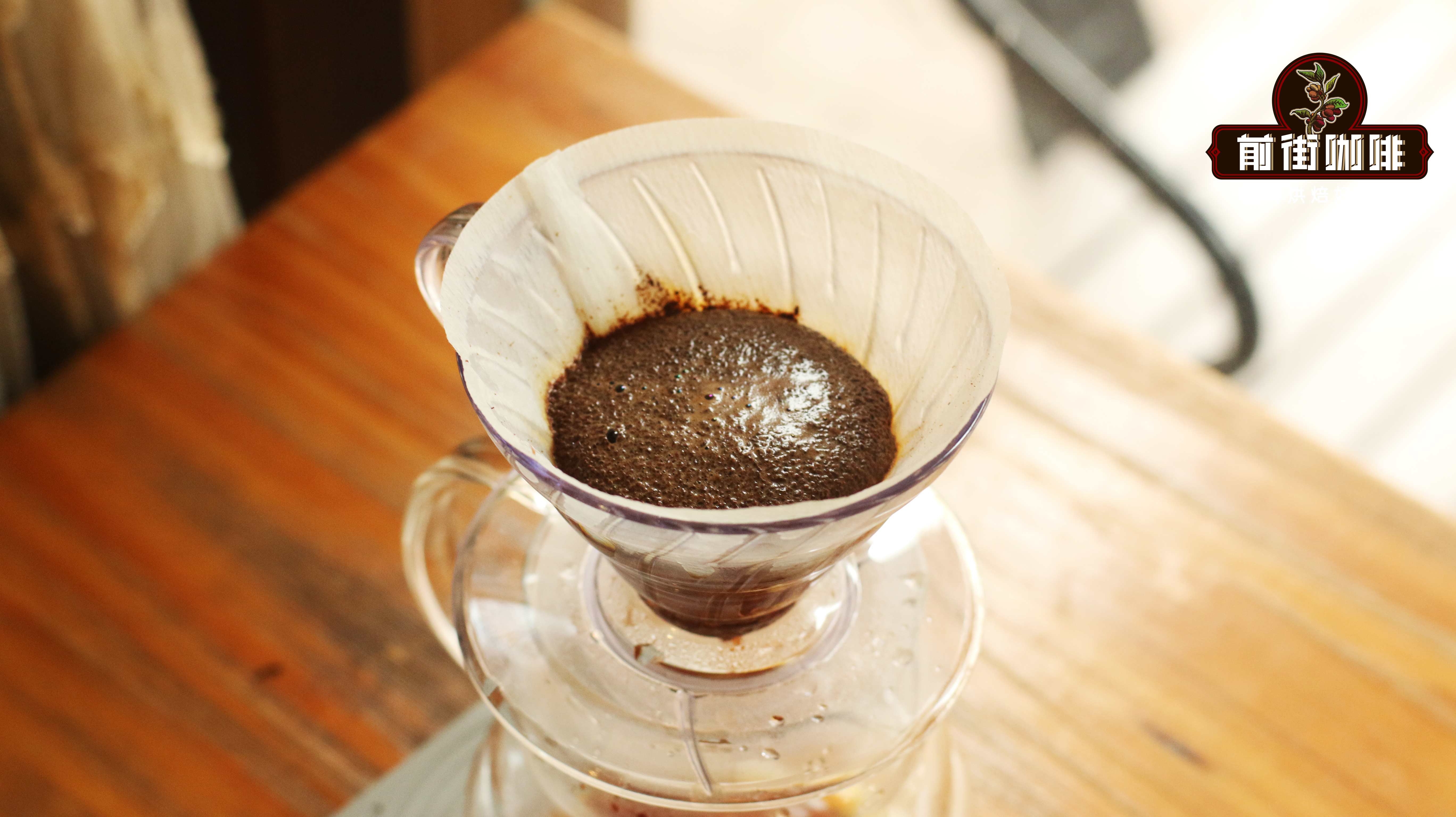
In pour over brewing, many beginners often wonder why the blooming step is necessary. In fact, blooming is not just part of the process but a foundational step that ensures the full release of coffee flavors. By evenly moistening the surface of the coffee grounds, blooming allows the carbon dioxide inside the beans to escape, promoting better contact between hot water and the grounds for more uniform extraction.
What is Blooming?
In professional terms, blooming is commonly referred to as "Bloom," which means the action of evenly wetting the coffee bed with a small amount of hot water before the main pour. This step not only helps release gases but also initiates the extraction process, making the coffee’s flavors clearer and brighter. Skipping the bloom can lead to uneven extraction, weak flavors, or even astringency.
Key Factors Affecting Blooming Performance
The outcome of blooming is influenced by multiple variables, including:Freshness and roast level of the coffee beans,Water temperature,Pour volume and timing, andGrind size. These factors interact to determine the degree of expansion and gas release efficiency of the coffee grounds during blooming.
Freshness and Roast Level: Determine Gas Release Volume
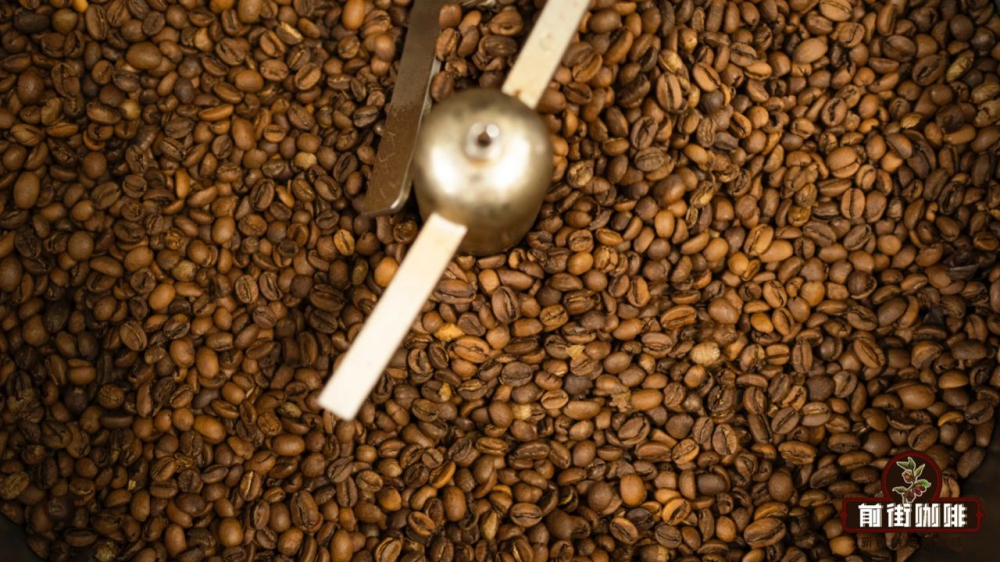
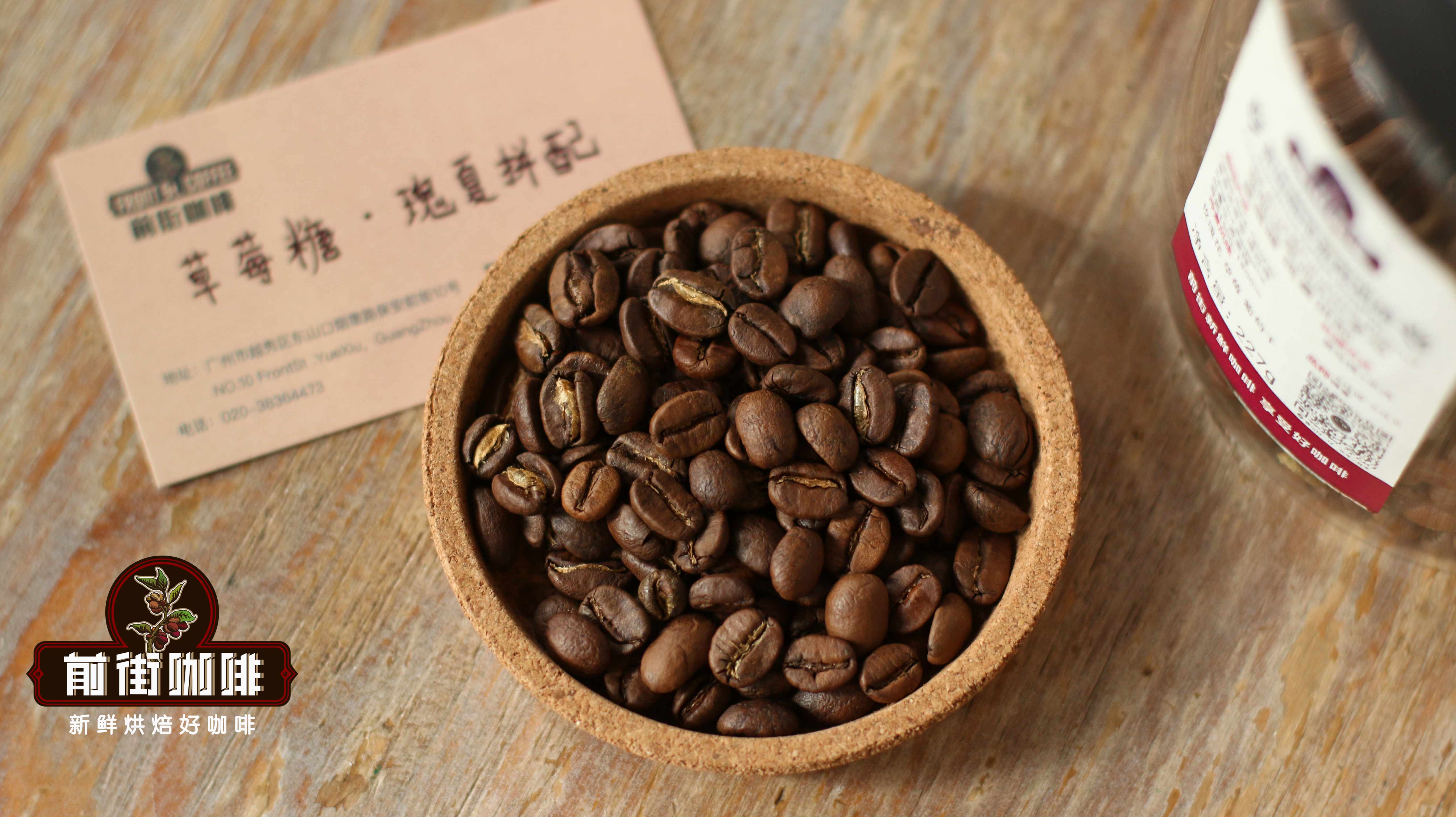
Freshly roasted coffee beans contain more carbon dioxide, making it easier for them to form a fuller bloom. In contrast, beans that have been stored for too long may show little to no bloom due to gradual gas loss. Additionally, light roast beans, being denser with fewer internal pores, typically release less gas compared to medium or dark roasts.
Water Temperature and Volume: Control Extraction Efficiency
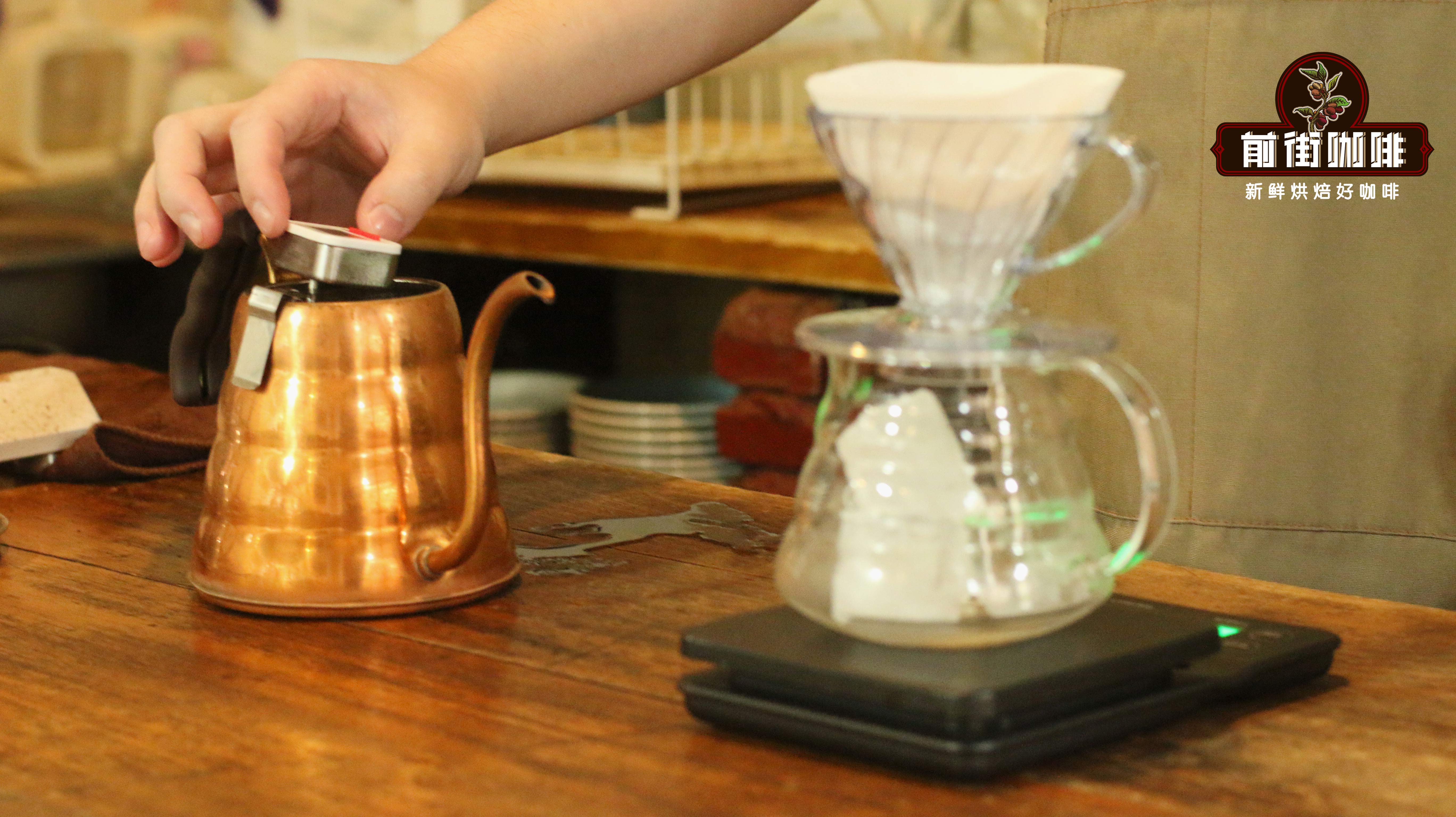
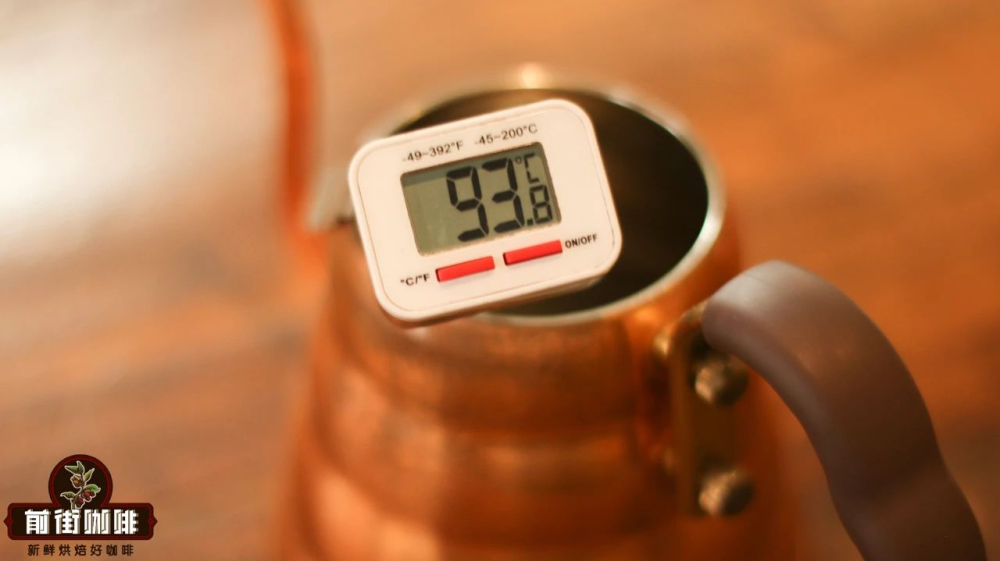
The water temperature during blooming should be similar to that used in the main brewing phase. Temperatures that are too high (above 95°C) can lead to over-extraction and bitter, burnt flavors, while temperatures that are too low may fail to effectively trigger gas release or dissolve coffee compounds. The pour volume should also be moderate—too little leads to uneven wetting and incomplete extraction later on, while too much may prematurely dilute the coffee and affect flavor clarity.
Blooming Time and Grind Size Adjustments
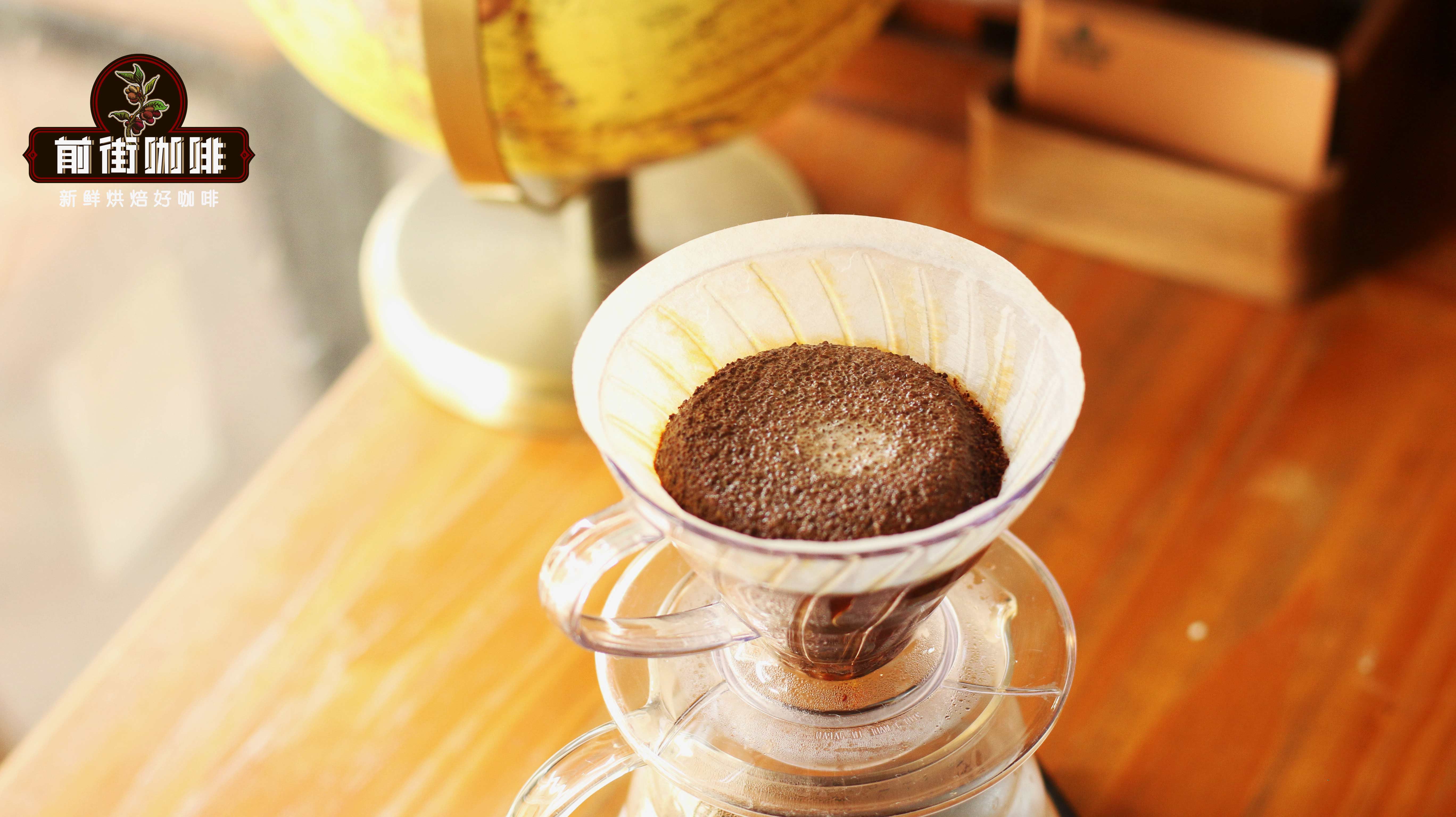
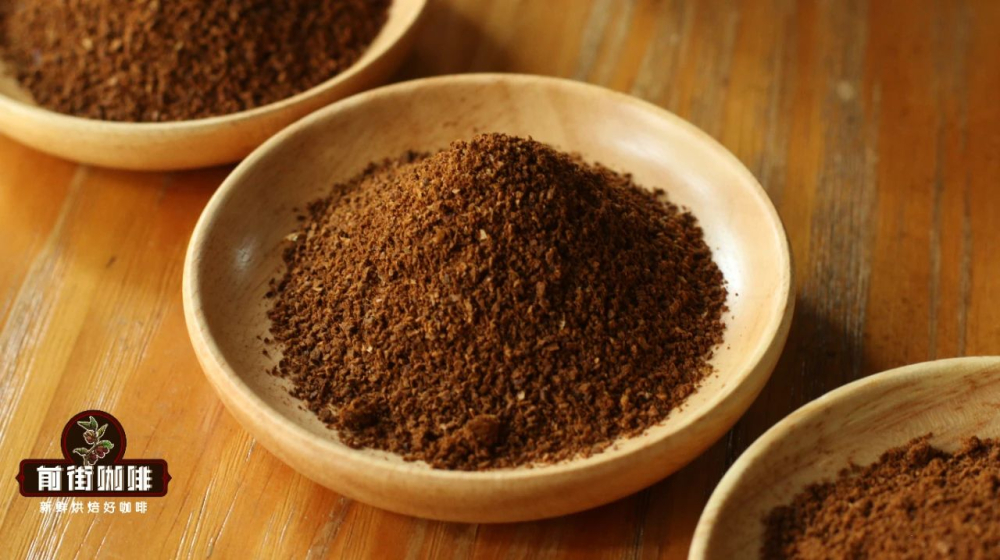
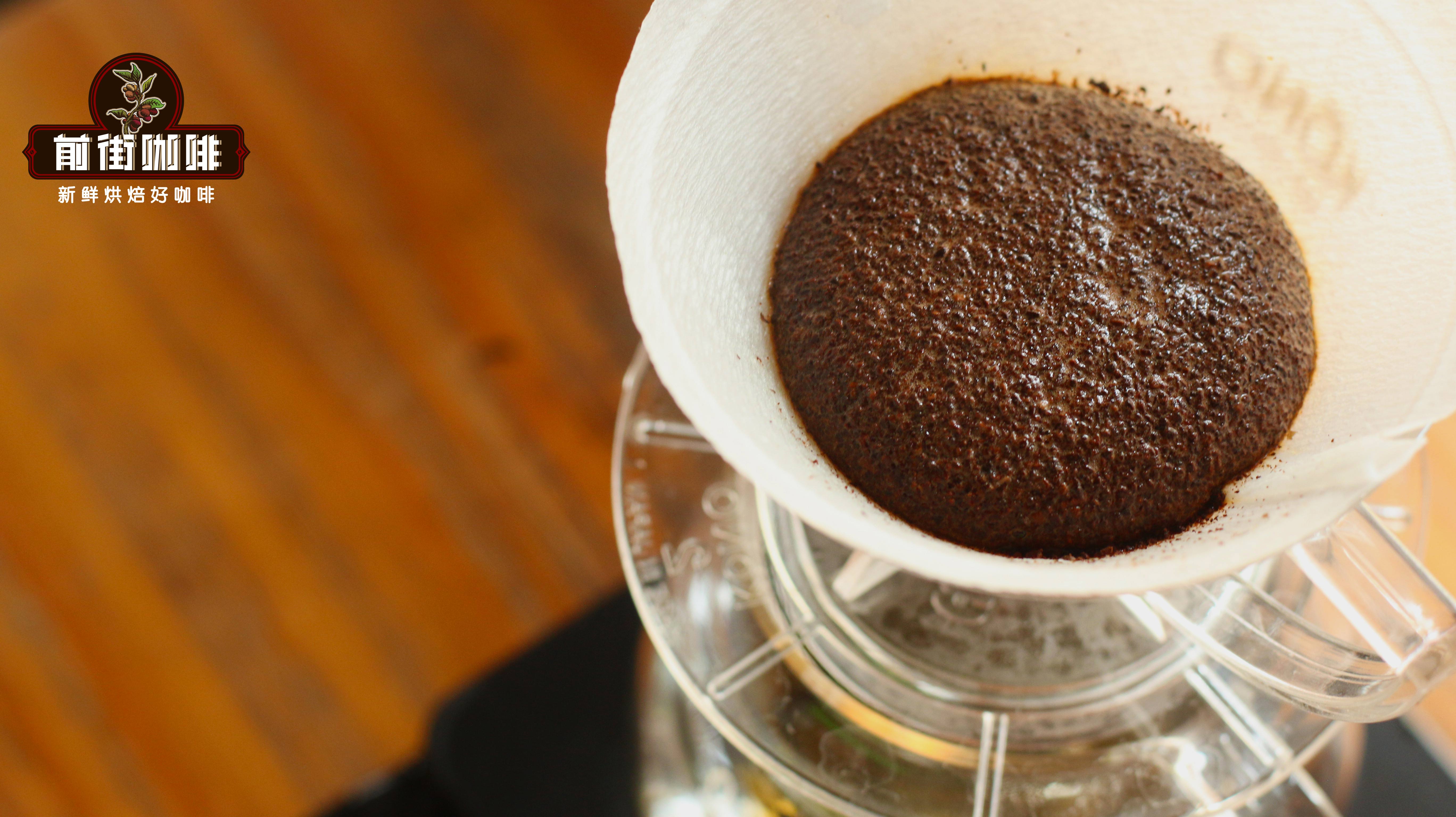
Generally, the blooming time is kept within30 to 60 seconds. When the coffee grounds begin to swell and then gradually settle and slightly wrinkle, you can move on to the next stage. Meanwhile, grind size also affects the degree of bloom—grounds that are too coarse result in insufficient contact area, while overly fine grinds hinder water penetration, both impeding smooth gas release. A medium grind helps achieve a full “hamburger-like” bloom, laying a solid foundation for subsequent extraction.
Practical Observations of Blooming: Monitoring Expansion
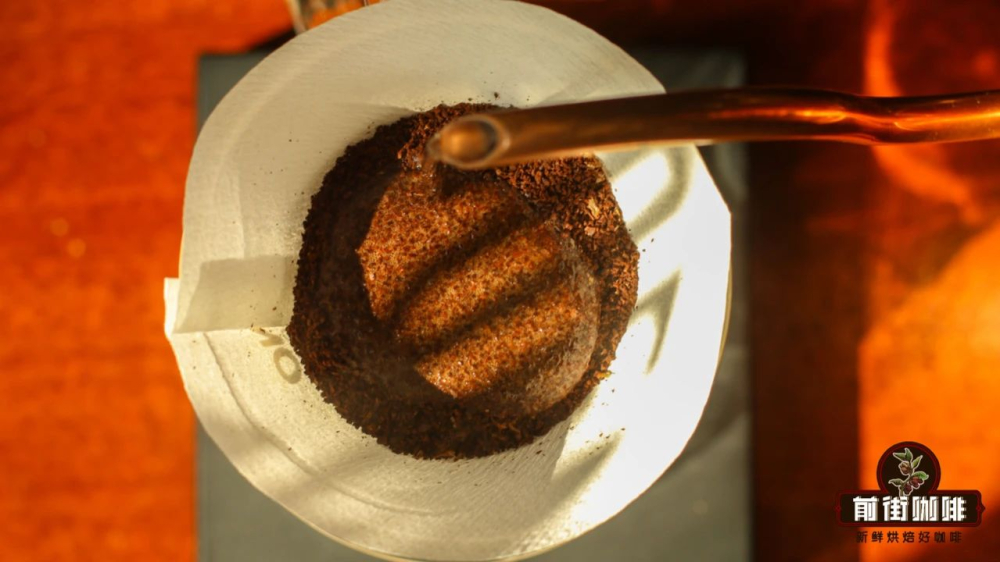
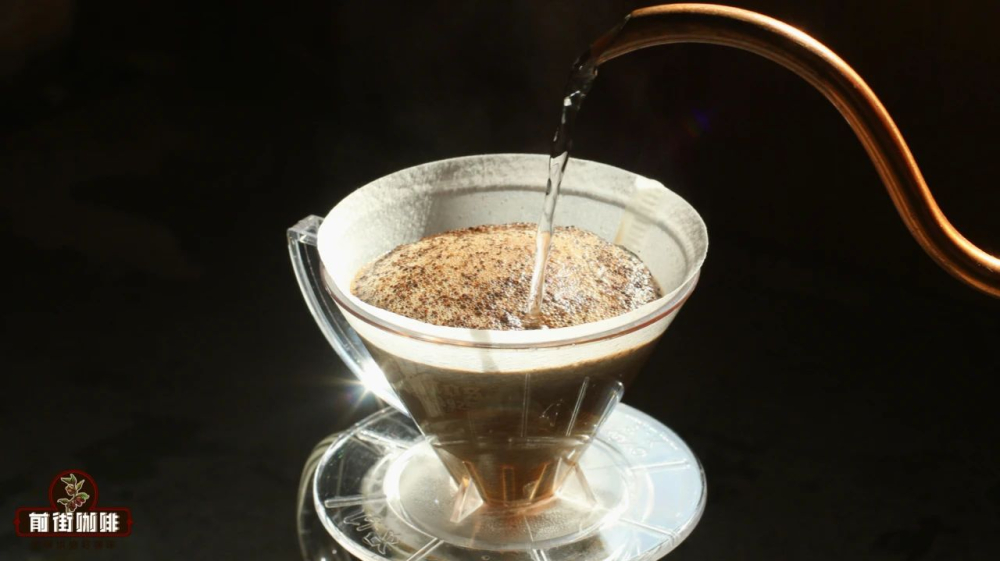
When hot water contacts the coffee grounds, the internal gases expand and escape through the porous structure, causing the coffee bed to rise into a small mound. As gases are released and water penetrates, soluble compounds begin dissolving, gradually increasing the concentration of the brew. Near the end of the bloom, as gas release slows and temperature slightly drops, the mound will flatten or even crack slightly—this signals that blooming is complete and you can begin the main pour.
Demonstration of the Three-Phase Pouring Method
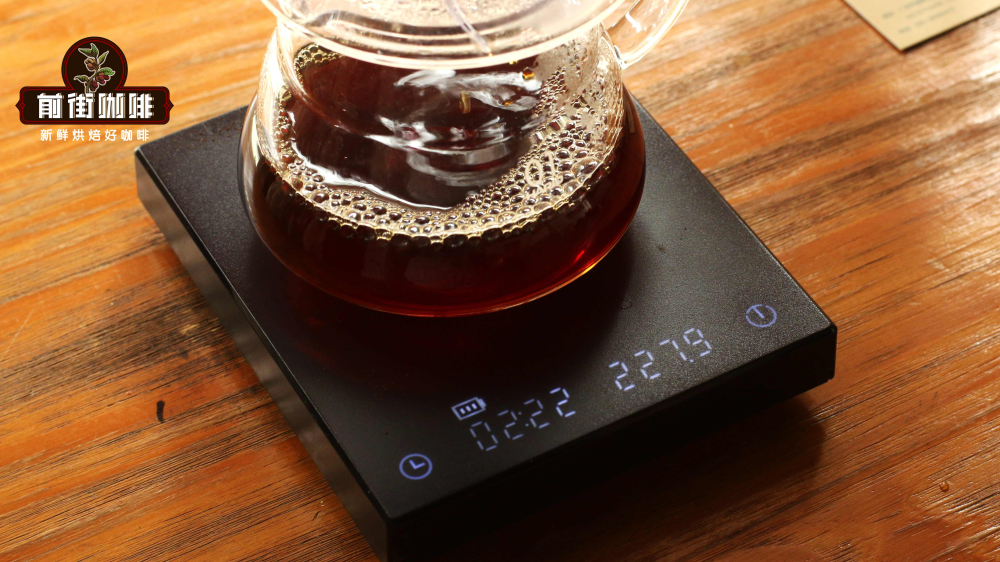
Taking the three-phase pour as an example, the total brewing time can be controlled at around2 minutes, including blooming (30 seconds), the second pour (30 seconds), and the third pour (stopping at 1 minute 50 seconds). This segmented approach helps balance the flavor expression across the front, middle, and back notes of the coffee, allowing acidity, sweetness, and body to emerge clearly.
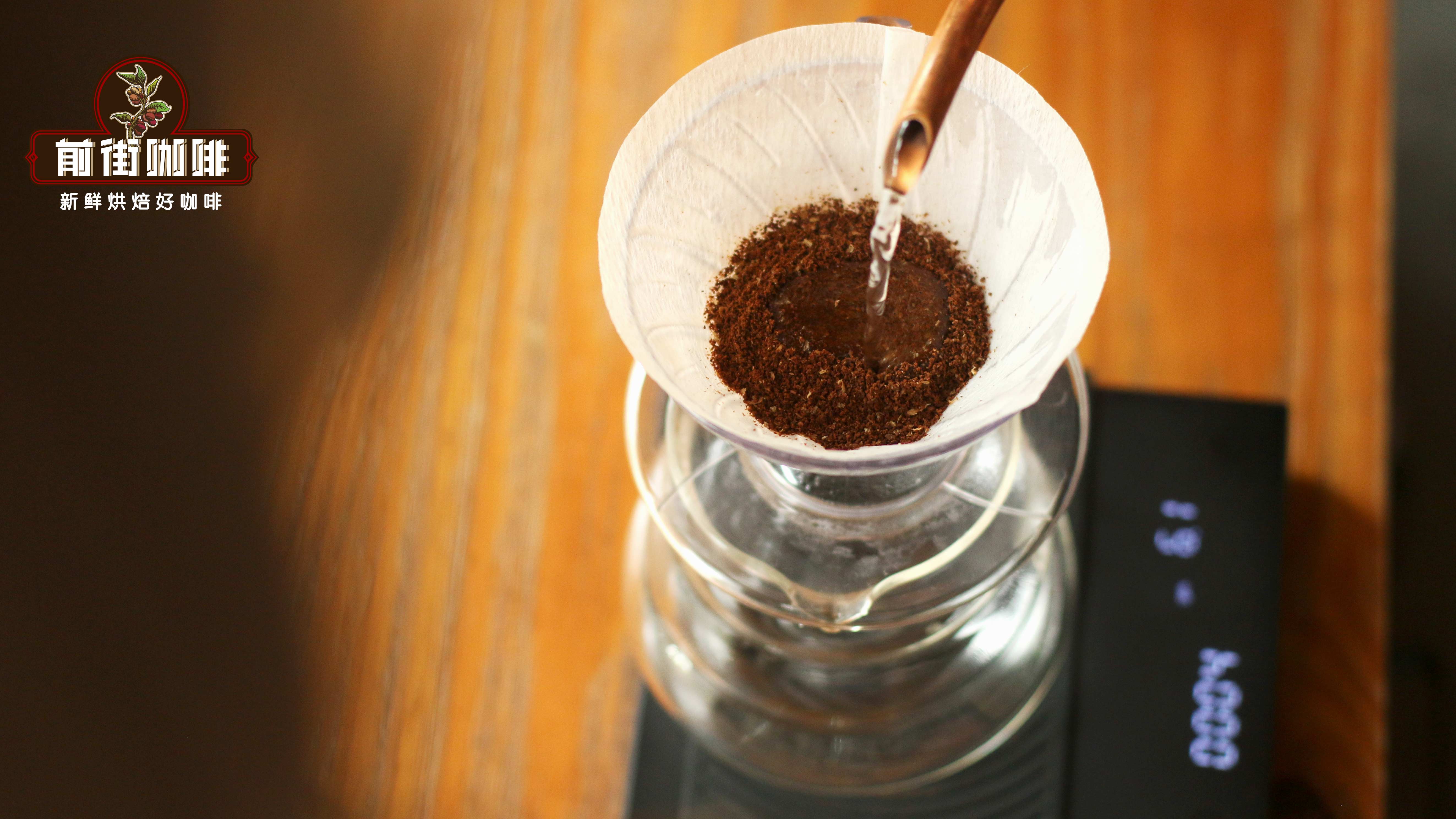
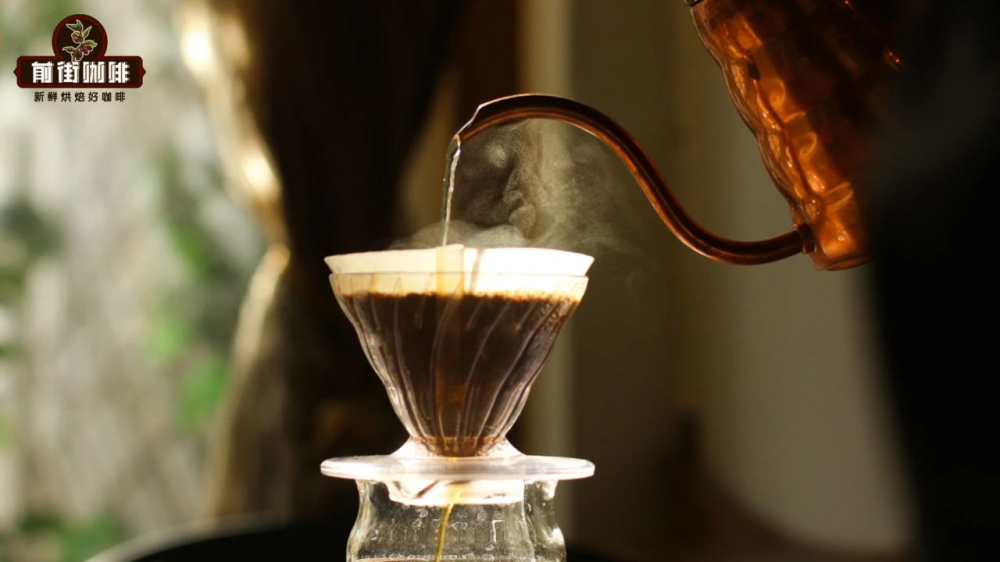
After blooming, the second pour should start from the center of the coffee bed, using a slow, small stream with a limited circle to maintain focused penetration and promote even extraction. The third pour should monitor the water level drop, continuing just before the coffee bed is exposed, to avoid over-extraction or flavor imbalance.
Mastering blooming and pouring techniques not only improves the consistency of your pour over brews but also lets you subtly appreciate the unique flavors of different beans with each brew. From beginner to advanced, these fundamental yet essential steps are the very starting point of pour over coffee's appeal.
The above content is compiled by CoffeeHunters, a coffee news website.


